2027 Library Science Degree Payback Report: Which Programs Deliver the Best Cost-to-Salary Return

Co-Founder and Chief Data Scientist
A library science degree can open doors to librarian, information management, archives, school media, and digital services roles, but the payback depends heavily on cost. The U.S. Bureau of Labor Statistics reported a 2024 median salary of $64,370 for librarians and library media specialists, making program price a major ROI factor.
This guide is for students comparing MLIS, MLS, online, public, private, and career-changing options. You will learn how tuition, accreditation, job goals, debt, and employer demand affect whether a library science degree is a smart financial move.
Key Things You Should Know
- The strongest cost-to-salary returns usually come from ALA-accredited public, in-state, or online MLIS programs that keep total borrowing well below the BLS 2024 median librarian and library media specialist salary of $64,370.
- Payback is typically faster for students who already work in libraries, archives, schools, government agencies, or information services because they can use the degree to qualify for promotion rather than starting from zero experience.
- Graduate borrowing can materially change ROI: federal Direct Unsubsidized Loans for graduate students carried an 8.08% interest rate for 2024-2025 disbursements, so choosing a lower-cost program can reduce both principal and interest.
- What Is the Return on Investment of a Library Science Degree?
- Which Library Science Programs Deliver the Best Cost-to-Salary Return?
What Is the Return on Investment of a Library Science Degree?
The return on investment of a library science degree is the financial value you receive from the credential compared with what you spend to earn it. For most students, the relevant degree is a Master of Library and Information Science, Master of Library Science, or similar graduate program, because many librarian, academic library, public library, school media, and archives roles prefer or require a master's degree from an American Library Association-accredited program.
ROI is not just salary minus tuition. A useful payback calculation should include tuition, fees, books, technology costs, commute or relocation costs, interest on borrowed funds, income lost if you reduce work hours, and the salary increase the degree realistically helps you access. It should also account for career fit: a low-cost degree has poor ROI if it does not qualify you for the roles you want.
A practical library science ROI formula looks like this: total degree cost divided by the annual salary gain you expect after graduation. The result is your estimated break-even timeline. If you are moving from a paraprofessional library role into a professional librarian role, the salary gain may be clearer. If you are entering the field with no library experience, the payback can take longer because you may need internships, assistant roles, or temporary appointments before landing a full professional position.
Library science can be financially reasonable when the program is affordable, accredited, and aligned with a specific career path. It is less compelling when a student chooses an expensive program without verifying employer requirements, local hiring patterns, or the salary range for the role they actually want. If your main goal is rapid wage entry rather than a library or information career, it may be worth comparing library science with shorter workforce pathways such as an LPN fast-track program, since the time-to-credential and labor market structure are very different.
Which Library Science Programs Deliver the Best Cost-to-Salary Return?
The best cost-to-salary return usually comes from programs that satisfy employer expectations at the lowest realistic total cost. In library science, accreditation and career alignment often matter more than prestige alone, especially because many public, school, and academic library employers screen for an ALA-accredited master's degree rather than a specific high-ranked university name.
The table below compares common program profiles and what they usually mean for payback. Use it to identify the type of program most likely to fit your budget, location, and career goal.
| Program type | Typical ROI signal | Best fit | Watch-outs |
| ALA-accredited public in-state MLIS or MLS | Often strongest because tuition is usually lower while the credential still meets common employer expectations | Students seeking public, academic, government, or school library roles in the same region | Availability of specializations, practicum access, and state school media requirements can vary |
| ALA-accredited online MLIS or MLS | Can deliver strong ROI if it allows continued employment and avoids relocation costs | Working adults, career changers, rural students, and students near limited campus options | Students should confirm internship support, local field placement options, and technology fees |
| Private nonprofit MLIS or MLS | Can be worthwhile when scholarships, assistantships, or strong placement networks reduce net cost | Students targeting a specialty, faculty mentor, or geographic network tied to the school | Published tuition may be less relevant than net price after aid, but debt can rise quickly |
| Non-ALA information science or library-related master's | ROI depends on whether the target employer accepts the credential | Students pursuing data curation, knowledge management, UX, taxonomy, or corporate information roles | May not meet requirements for many librarian positions that specifically request an ALA-accredited degree |
| Graduate certificate instead of a full MLIS | Can be cost-effective for skill building but usually has limited replacement value for librarian roles | Professionals adding archives, data management, digital humanities, or youth services skills | May not qualify the student for professional librarian classifications |
For most students, the "best" program is not the most famous program. It is the accredited program that gets them to the required credential with the least avoidable debt, while still offering the specialization, field experience, and regional employer connections they need.
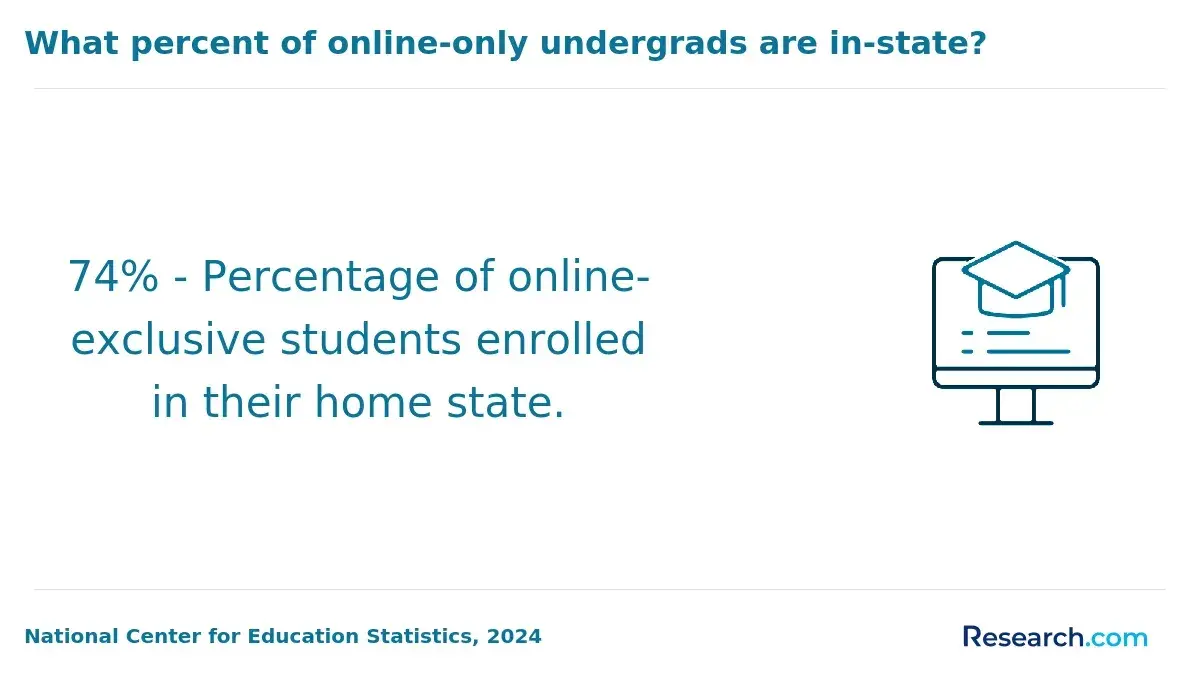
Tuition is the most visible cost, but it is not the only number that affects payback. Two programs with similar tuition can have very different total costs if one requires campus visits, relocation, unpaid fieldwork during work hours, or higher fees.
Graduate loan interest also matters. Federal Direct Unsubsidized Loans for graduate students carried an 8.08% rate for 2024-2025 disbursements, which means borrowed tuition can become substantially more expensive over time. A lower sticker price can therefore improve ROI twice: it reduces the amount borrowed and reduces interest accumulation.
The table below shows the cost categories students should compare before deciding that one library science program is more affordable than another. This helps avoid the common mistake of comparing tuition alone.
| Cost factor | Why it affects ROI | Question to ask the school |
| Tuition per credit | Forms the largest part of the program cost for most students | Is the rate different for online, out-of-state, or part-time students? |
| Total required credits | A lower per-credit rate may not save money if the program requires more credits | How many credits are required to graduate, including prerequisites? |
| Fees and technology charges | Can add recurring costs each term | Are online course, platform, graduation, or practicum fees mandatory? |
| Fieldwork and practicum costs | May require time off work, travel, background checks, or unpaid hours | Can placements be completed near my home or current employer? |
| Scholarships and assistantships | Can change a higher sticker price into a lower net price | What share of students receive renewable aid, and what are the conditions? |
| Transfer or waived credits | Can shorten the program and reduce cost | Do prior graduate credits, certificates, or professional experience reduce requirements? |
The financially strongest choice is usually the program with the lowest net cost for the credential you actually need. Before enrolling, ask for a written cost estimate that includes tuition, fees, required credits, aid assumptions, and any residency or field placement requirements.
The break-even point is the time it takes for the financial benefit of the degree to offset the total cost of earning it. For library science students, break-even depends less on the degree title alone and more on whether the credential produces a measurable move into a higher-paying or more stable role.
A simple break-even calculation can help you compare programs before you apply. Use the steps below with your own school quotes and realistic salary assumptions from job postings in your target area.
- Add the full cost of attendance, including tuition, fees, books, technology charges, travel, required campus visits, and estimated loan interest.
- Estimate your expected annual salary change by comparing your current pay or likely alternative job with realistic entry-level roles requiring the degree.
- Divide total cost by the annual salary increase to estimate how many years it may take to recover the investment.
- Repeat the calculation for at least three programs, including the lowest-cost accredited option, your preferred option, and a program with stronger specialization or placement support.
- Test a conservative scenario in which your first post-degree job pays less than the median or takes longer to secure.
Break-even is usually shorter when students keep working while enrolled, receive employer tuition assistance, use part-time study to avoid debt, or already have relevant experience. It is usually longer when students borrow most of the cost, relocate for the program, leave the workforce, or enter a saturated local market without library experience.
Online programs can improve payback when they reduce relocation and commuting costs, but online format alone does not guarantee better ROI. The important question is whether the program is accredited, affordable, flexible enough for your work schedule, and connected to practicum or internship opportunities you can actually complete.
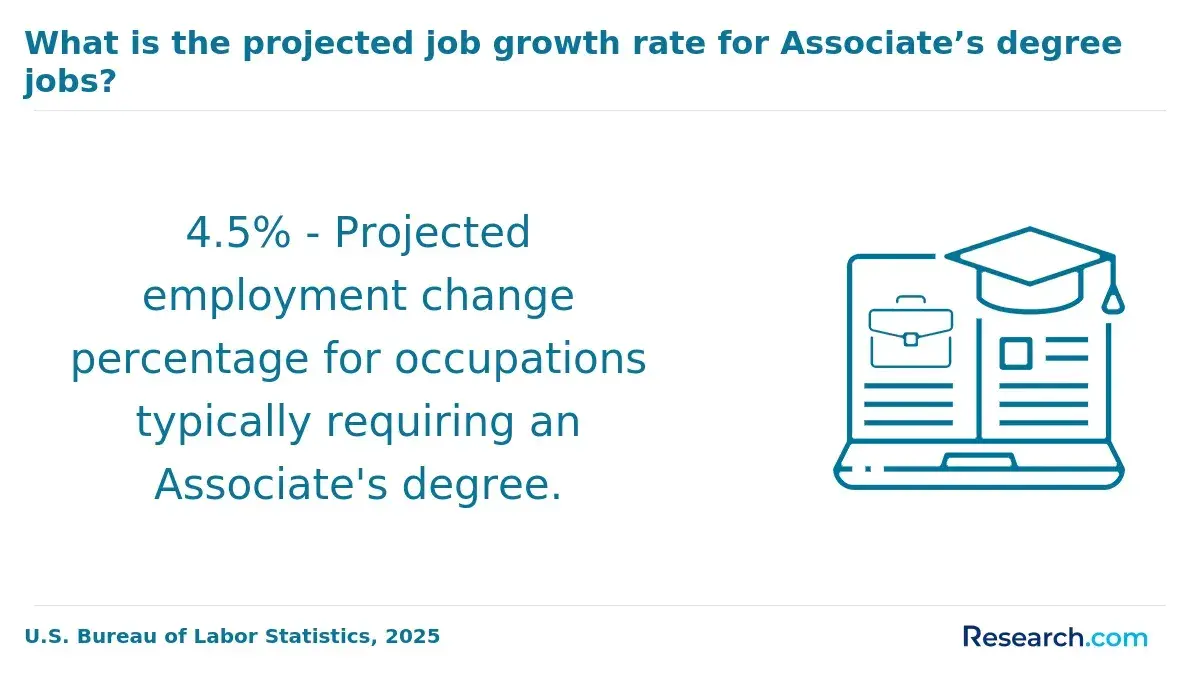
The biggest ROI factors are the ones that change either the cost of the degree or the salary value of the credential. Students often focus on rankings, but payback is usually driven by accreditation, net cost, location, experience, specialization, and borrowing.
The following factors deserve the closest attention because they can change the financial outcome of the same degree more than small differences in curriculum or school reputation.
- ALA accreditation: Many professional librarian roles prefer or require an ALA-accredited master's degree, so choosing a non-accredited program can limit eligibility even if tuition is lower.
- Net price after aid: Compare scholarships, assistantships, employer benefits, and transfer credit policies, not just the published tuition rate.
- Career target: A public librarian, school media specialist, archivist, data services librarian, and corporate knowledge manager may need different electives, fieldwork, and technical skills.
- Work experience: Library assistant, circulation, archives, tutoring, teaching, customer service, metadata, or digital collections experience can make the degree more marketable.
- Location and employer type: Public budgets, university hiring, union contracts, school certification rules, and cost of living vary by state and city.
- Debt level: Borrowing at graduate interest rates can stretch payback, especially if the first job is entry-level or part-time.
- Technical specialization: Skills in metadata, digital preservation, data management, UX, accessibility, discovery systems, and AI-assisted search can improve flexibility beyond traditional library roles.
One common mistake is assuming that "library science degree" and "librarian job" are interchangeable. The degree can qualify you for many roles, but the best ROI comes when the coursework, fieldwork, and portfolio match the job postings you plan to pursue.
Employer demand affects ROI because even an affordable degree pays back slowly if jobs are limited in your target region. The BLS projects employment for librarians and library media specialists to grow 3% through 2033, which suggests steady but not explosive national demand. For students, that means the degree can be valuable, but job strategy matters.
Hiring is shaped by retirements, public funding, school district budgets, university priorities, and the growing need to manage digital information. Libraries increasingly need professionals who can support digital collections, licensed databases, community programming, research instruction, accessibility, data literacy, privacy, and AI-informed information evaluation.
To judge demand before enrolling, review job postings from public library systems, universities, school districts, archives, and government agencies in your target state. Look for repeated requirements: ALA accreditation, state certification, youth services experience, Spanish-language ability, metadata standards, teaching experience, or systems knowledge. If the same requirement appears often, make sure your program helps you build it.
Students can improve ROI by treating the degree as a career investment rather than just an academic credential. The goal is to lower avoidable costs while increasing the chance that the program leads to a specific role.
Before enrolling, use the following steps to make a more financially grounded decision.
- Confirm that the program is accepted for your target roles, especially if job postings specify an ALA-accredited MLIS or MLS.
- Request a full written cost estimate that includes credits, tuition, fees, campus requirements, technology charges, and field placement costs.
- Compare net cost after scholarships, assistantships, employer tuition reimbursement, military benefits, or state grants.
- Choose electives that match job postings, such as youth services, school librarianship, archives, metadata, digital preservation, data services, or library systems.
- Get library or information experience before graduating through assistant roles, internships, practicums, volunteer work, or student employment.
- Build a portfolio with instruction materials, metadata projects, digital exhibits, research guides, accessibility work, or community programming plans.
- Ask programs for recent career outcomes, practicum support, employer partnerships, and examples of where graduates are hired.
- Avoid borrowing more than you can reasonably repay on conservative salary assumptions in your target region.
Red flags include programs that cannot clearly explain accreditation, vague career placement claims, weak internship support, high required fees, limited elective availability, or pressure to enroll before you receive a full cost estimate. A school does not need to be the cheapest option to be worthwhile, but it should be transparent about cost and realistic about outcomes.
AI is changing library work, but it is not simply replacing librarians. It is increasing the value of professionals who can teach source evaluation, manage metadata, support responsible information access, and help users navigate automated search tools. Students interested in stronger technology-oriented ROI may also compare library science with adjacent data and life science pathways, including careers with a bioinformatics degree.
Library science ROI is strongest for people who want information access, education, research support, archives, public service, or knowledge organization careers. It may be less financially compelling for students whose main goal is the highest possible salary or the fastest route into healthcare, technology, or corporate analytics.
The table below compares library science with related or alternative paths. This can help you decide whether an MLIS is the right investment or whether another degree better matches your goals.
| Field | Typical credential | ROI strengths | ROI limitations |
| Library science | MLIS, MLS, or related master's, often ALA-accredited | Strong mission fit, public-sector stability in some systems, transferable information skills, and clear credential expectations for many librarian roles | Payback can be slower if tuition is high or local professional openings are limited |
| School librarianship or media education | Library science degree plus state certification or endorsement in some states | Can align with teacher salary schedules and school calendars | Requirements vary by state, and school library staffing depends on district budgets |
| Archives and museums | Library science, history, museum studies, archives certificate, or related graduate training | Good fit for preservation, collections, records, and cultural heritage work | Grant-funded roles and limited openings can affect stability |
| Information science, UX, taxonomy, or knowledge management | Library science, information science, data, UX, or related credentials | Can open non-library roles with stronger private-sector salary potential | Often requires technical portfolio, software skills, and business context beyond the degree |
| Health, science, or wellness fields | Varies by occupation and licensure path | May offer clearer clinical or applied science pathways for students who want direct health-related work | Licensure, prerequisites, and clinical requirements can add time and cost |
A library science degree is worth it when it is required or strongly preferred for your target role, the program is accredited where needed, the cost is manageable, and you are committed to building relevant experience before graduation. It is especially sensible for students aiming for professional librarian roles, school media positions, academic library work, archives, digital collections, public information services, or knowledge organization careers.
It may not be worth it if you are unsure about working in libraries or information services, need a fast salary increase, plan to borrow heavily for a low-paying local market, or choose a program without checking whether employers recognize it. Students seeking clinical, pharmaceutical, or licensed healthcare careers should compare the library science path with more directly aligned options, such as a best online pharmacy school search, because the education requirements, costs, and payoff timelines differ substantially.
A good final decision should answer three questions: Does this degree qualify me for the jobs I want? Can I complete it without taking on unreasonable debt? Does the program help me build the experience, specialization, and network employers expect? If the answer to all three is yes, a library science degree can be a practical and meaningful investment.
Before committing, take these final actions to reduce risk and improve your return.
- Compare at least three accredited programs by total net cost, not just tuition per credit.
- Save job postings for your target roles and match their requirements to each program's curriculum and practicum options.
- Ask current students or alumni about advising, field placements, course availability, and job search support.
- Estimate loan payments before enrolling and test whether they fit a conservative entry-level salary scenario.
- Choose the program that best combines recognized credential value, affordability, flexibility, and career-specific preparation.
Library science earnings vary by role, employer, region, union coverage, school district pay scale, years of experience, and specialization. The BLS 2024 median salary of $64,370 for librarians and library media specialists is a useful national benchmark, but it should not be treated as a guaranteed outcome for every graduate or every first job.
The table below summarizes common library science career directions and how they tend to connect to degree value. It is designed to help you compare salary potential with the type of credential employers may expect.
| Career path | Common setting | Degree value | Salary considerations |
| Public librarian | City, county, or regional library systems | ALA-accredited MLIS or MLS is often preferred or required for professional librarian roles | Pay may follow public-sector scales and can vary widely by city or county budget |
| Academic librarian | Colleges, universities, research libraries | MLIS is commonly expected; subject expertise can improve competitiveness | Specialized roles in instruction, data services, scholarly communication, or systems may pay more than generalist roles |
| School librarian or media specialist | K-12 schools | May require a library science degree plus state educator certification or endorsement | Pay is often tied to teacher salary schedules, which vary by district and state |
| Archivist or digital collections specialist | Museums, universities, government, cultural institutions | Library science can be valuable when paired with archives, preservation, metadata, or digital asset skills | Grant-funded or project-based roles can affect income stability |
| Information architect, taxonomy, or knowledge management specialist | Corporate, legal, healthcare, technology, consulting | Library science skills may transfer well when combined with data, UX, search, or content strategy skills | Pay may be stronger outside traditional libraries, but hiring may require a broader technical portfolio |
Students should compare salary data for their intended region, not just national medians. A degree that is affordable in a high-opportunity metro area may have a different payback profile than the same degree used in a rural market with fewer professional librarian openings.
If you are drawn to health, human performance, and applied science rather than libraries or information access, comparing an online exercise physiology degree may provide a better match. The right comparison is not "which field sounds better," but which credential leads to the work you actually want at a cost you can justify.
Other Things You Should Know About Library Science
Many professional librarian roles require or prefer an MLIS, MLS, or related master's degree, often from an ALA-accredited program. Some library assistant, technician, circulation, and paraprofessional roles may not require a master's degree.
Yes, an online library science degree can be respected if it is properly accredited and provides relevant coursework, field experience, and career support. Employers usually care more about accreditation, skills, and experience than whether the coursework was online or on campus.
The biggest mistake is choosing a program without verifying that it meets the requirements for the jobs they want. Accreditation, state school media rules, practicum access, and specialization options should be checked before enrolling.
Yes. Graduates may work in archives, records management, digital asset management, taxonomy, knowledge management, research support, content strategy, and data curation. Non-library roles may require additional technical skills or a portfolio.
See What Experts Have To Say About Studying Library Science
Read our interview with Library Science experts

Edward Benoit III
Library Science Expert
Associate Director, School of Information Studies
Louisiana State University

Maura Madigan
Library Science Expert
School Librarian
Book Author
Book Author

Kay Anne Cassell
Library Science Expert
Professor Emerita of Library and Information Science
Rutgers University

- Most Affordable MLIS Programs Online, Updated for 2025 https://www.librarysciencedegrees.org/programs/online/most-affordable-mlis
- Is College Worth it? | Return on Investment Analysis of College Degree https://educationdata.org/college-degree-roi
- Expected Salaries for Library & Information Science Careers by State https://www.mastersinlibraryscience.org/careers/salary-by-state/
- Alternative Career Paths Utilizing Library Science Skills https://www.librariancertification.com/alternative-career-paths-utilizing-library-science-skills/
- Career earnings by college major - The Hamilton Project https://www.hamiltonproject.org/data/career-earnings-by-college-major/
- How does a college degree improve graduates’ employment and earnings potential? - APLU https://www.aplu.org/our-work/4-policy-and-advocacy/publicuvalues/employment-earnings/
- The Payback Period for Individual Investments in Higher Education https://gnpje.sgh.waw.pl/Okres-zwrotu-indywidualnych-inwestycji-w-wyzsze-wyksztalcenie,101441,0,2.html
- Investment in a college degree pays off by age 34 - Utah System of Higher Education https://ushe.edu/investment-in-college-pays-off-by-34/