2027 Library Science Degree Time-to-Completion Report: How Long Students Actually Take to Finish

Co-Founder and Chief Data Scientist
Choosing a library science degree is really a timeline decision: how quickly can you earn the credential without overloading your budget, job, or family life? The latest BLS data places the median annual wage for librarians and library media specialists at $64,370, so delayed graduation can postpone meaningful career progress.
This guide is for prospective MLIS, school library, and library technology students who want realistic completion estimates. You will learn what affects timelines, how formats compare, and how to choose a program that fits your life.
Key Things You Should Know
- Most full-time Master of Library and Information Science students can finish in about 18 to 24 months, while part-time students commonly need 2.5 to 4 years depending on course load and required fieldwork.
- Time to completion is shaped more by enrollment pace, course sequencing, transfer credit policy, practicum availability, and stop-out risk than by whether a program is online or campus-based.
- The latest BLS outlook projects 3% employment growth for librarians and library media specialists, so graduating earlier may help with career entry, but only if the faster timeline does not cause excess borrowing, poor grades, or missed licensure requirements.
- What Is the Actual Time to Complete a Library Science Degree?
- Which Factors Have the Greatest Impact on Library Science Degree Completion Time?
What Is the Actual Time to Complete a Library Science Degree?
The actual time to complete a library science degree depends on the credential. In the United States, the most common professional pathway is a Master of Library and Information Science, often called an MLIS, MLS, or MSLS. Many librarian roles, especially in public, academic, and specialized libraries, prefer or require a master's degree from a program accredited by the American Library Association. School librarian roles may also require state educator certification, which can add coursework, exams, student teaching, or portfolio requirements.
A published program length is not the same as actual completion time. A school may advertise a 36-credit MLIS that can be completed in two years, but that assumes the student takes the right courses in the right order, maintains enrollment every term, and completes fieldwork or a capstone on schedule. Students who work full time, change concentrations, wait for required electives, or pause enrollment often take longer.
| Library science pathway | Typical student profile | Common credit load | Realistic completion range |
| Graduate certificate in library or information services | Students adding a focused credential or exploring the field | 12 to 18 graduate credits | 6 to 18 months |
| Full-time MLIS or MLS | Students able to take 9 to 12 credits per term | 36 to 45 graduate credits | 18 to 24 months |
| Part-time MLIS or MLS | Working adults taking 3 to 6 credits per term | 36 to 45 graduate credits | 2.5 to 4 years |
| School librarian master's pathway | Students pursuing library science plus educator requirements | MLIS credits plus state-specific requirements | 2 to 4 years |
| Bachelor's degree with a focus on library, archives, or information studies | Undergraduates or transfer students | Usually around 120 credits | 2 to 4 years after the transfer status is considered |
The fastest practical route for many career-changing adults is not always the shortest advertised program. It is the program with predictable course availability, flexible pacing, responsive advising, and clear rules for practicums, capstones, and specialization requirements.
Which Factors Have the Greatest Impact on Library Science Degree Completion Time?
The biggest timeline drivers are usually structural, not academic ability. Library science students often have strong motivation, but completion slows when program design and life constraints collide. Before enrolling, students should look beyond total credits and ask how the degree is actually scheduled.
The following factors most often determine whether a student finishes near the advertised timeline or needs extra terms:
- Enrollment intensity: A student taking 9 credits per term moves through the curriculum much faster than a student taking one course at a time, but the heavier load may be unrealistic for full-time workers.
- Course sequencing: Some programs require foundations courses before cataloging, archives, youth services, digital librarianship, or research methods. Missing a prerequisite term can push graduation back.
- Elective rotation: Specialized courses may be offered once per year or only in certain terms, which matters for students pursuing archives, school librarianship, data curation, or public library leadership.
- Fieldwork and capstone timing: Practicums, internships, portfolios, and final projects can delay graduation if placement approval, supervisor availability, or institutional review processes take longer than expected.
- Transfer and waiver policies: Prior graduate coursework may shorten the degree, but only if the school approves it early and confirms that it satisfies specific requirements.
- Stop-out risk: Students who pause for work, caregiving, illness, or finances may need additional time because courses are not always available immediately when they return.
One common mistake is comparing schools only by the number of credits required. A 36-credit program with limited course rotations can take longer than a 39-credit program that offers required classes every term. A better comparison is: "If I start in this term, take this number of courses, and need this specialization, what is my exact graduation term?"
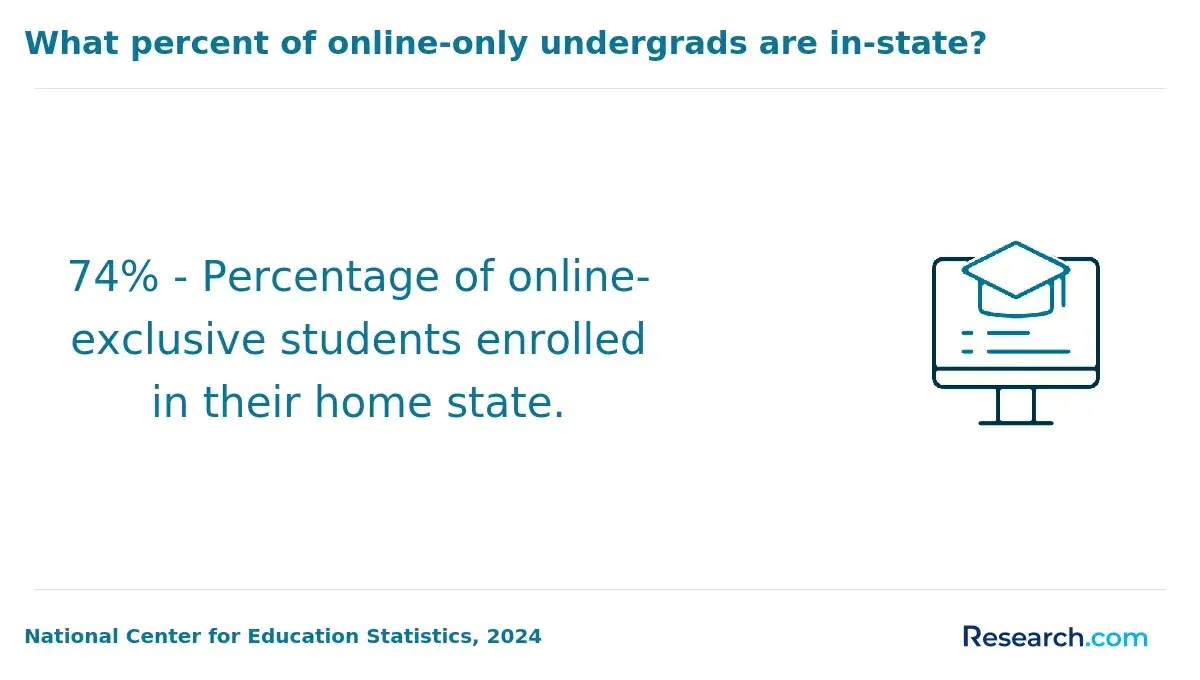
Enrollment status usually affects completion time more than learning format. Online programs can make it easier to stay enrolled because they reduce commuting and relocation barriers, but online delivery does not automatically shorten the degree. A part-time online student may still take longer than a full-time campus student.
The table below compares the most common combinations of pace and format. Use it to identify which model fits your available study time rather than assuming one format is always faster.
| Enrollment and format | Typical course load | Expected timeline | Best fit | Main risk |
| Full-time online MLIS | 3 to 4 courses per term | 18 to 24 months | Students with flexible work hours or strong independent study skills | Heavy reading, discussion, and project workload can become difficult to sustain |
| Part-time online MLIS | 1 to 2 courses per term | 2.5 to 4 years | Working adults, caregivers, and students paying as they go | Longer timeline may increase exposure to tuition increases and life interruptions |
| Full-time campus MLIS | 3 to 4 courses per term | 18 to 24 months | Students who benefit from in-person faculty access, assistantships, and local networks | Commuting, fixed schedules, and limited section availability can create conflicts |
| Hybrid MLIS | 2 to 3 courses per term | 2 to 3 years | Students who want some in-person learning without full campus attendance | Required campus sessions may be hard to coordinate with work or caregiving |
Online learning trends also matter because more adult learners now expect asynchronous courses, remote advising, and digital access to library systems. Students comparing library science with other flexible professional pathways, such as an online exercise physiology degree, should pay close attention to whether online courses are truly asynchronous or simply campus classes delivered through fixed live sessions.
To choose a pace, estimate your weekly study capacity before looking at tuition or rankings. Graduate library science courses often involve reading scholarly and professional literature, participating in discussion, completing technology projects, and writing applied papers.
If your schedule only allows one focused evening and part of a weekend, a slower part-time plan may be more realistic and may protect your GPA and persistence.
Accelerated library science programs can shorten graduation timelines, especially for students who can study full time year-round. However, "accelerated" can mean several different things: shorter terms, heavier course loads, year-round enrollment, fewer electives, or a combined bachelor's-to-master's pathway. The label alone does not prove that the program is faster for your situation.
The comparison below shows when accelerated and traditional pathways tend to make sense. The best choice depends on your time, finances, learning style, and tolerance for workload intensity.
| Program model | How it shortens time | Best fit | When it may not be ideal |
| Year-round MLIS | Uses summer and short terms to reduce calendar time | Students who can maintain steady enrollment without long breaks | Students who need summers for work, caregiving, or recovery time |
| Condensed 7- or 8-week courses | Allows students to complete more courses in a year | Organized students comfortable with fast reading and project deadlines | Students who need more time for writing, technology work, or group projects |
| Combined bachelor's-to-master's pathway | Allows graduate credits to begin during undergraduate study | Undergraduates who know early that they want a library career | Career changers or students who need a broader undergraduate exploration period |
| Traditional semester MLIS | Does not accelerate but offers a predictable pace | Students balancing employment, family, or professional development | Students seeking the shortest possible calendar time and able to study intensively |
Accelerated education can work well in some fields, but the right pace depends heavily on career goals and required practice experience. For example, someone comparing an MLIS with an LPN fast track program should recognize that library science acceleration is usually about course scheduling and capstone timing, not clinical-hour compression.
Before choosing an accelerated program, ask direct questions about workload and support. A faster calendar is valuable only if students can complete required courses, produce strong portfolio work, and build practical experience that employers recognize.
- Ask how many students actually finish within the advertised accelerated timeline.
- Confirm whether required courses are available every accelerated term or only once per year.
- Find out whether internships, practicums, or capstones can be completed during short terms.
- Ask whether students can slow down without losing their place in the curriculum sequence.
- Review whether financial aid covers summer or nonstandard terms.
The most common mistake is assuming faster means better ROI. If acceleration forces you to reduce work income, borrow more, or miss relevant library experience, a slightly longer program may produce better overall value.
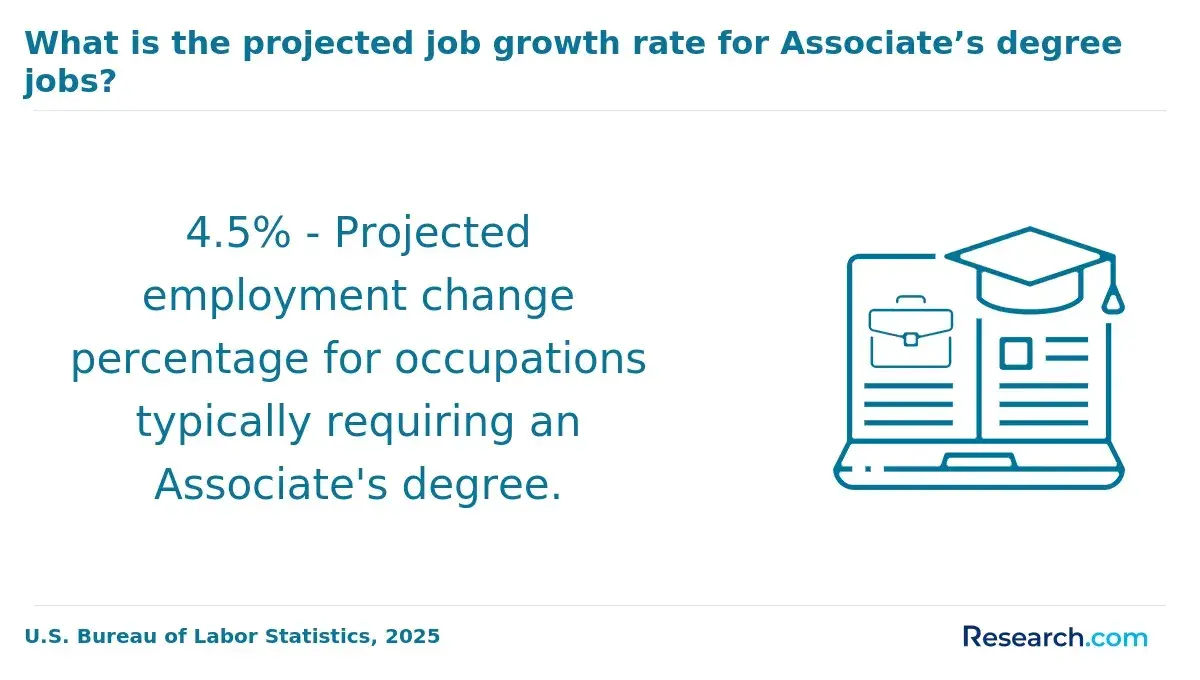
Work, family, and personal responsibilities are among the strongest predictors of actual completion time. Many library science students are adults who are changing careers, already working in libraries, teaching, or managing caregiving responsibilities. For these students, the fastest realistic plan is often the one they can sustain without stopping out.
The latest federal student aid environment makes this planning more important because graduate students often rely on loans after grants and employer support are exhausted. Taking longer can spread payments over time, but it can also extend fees, postpone career advancement, and increase the chance that life events interrupt enrollment.
The table below helps translate life circumstances into a practical course-load choice. It is not a substitute for advising, but it can help you begin with a realistic plan.
| Student situation | Likely sustainable pace | Potential timeline | Planning priority |
| Full-time job with predictable hours | 1 to 2 courses per term | 2.5 to 4 years | Choose asynchronous courses and schedule advising before registration opens |
| Part-time job or flexible employment | 2 to 3 courses per term | 2 to 3 years | Use summer terms carefully to avoid burnout |
| Caregiving responsibilities | 1 course per term or flexible part-time | 3 to 4+ years | Prioritize leave policies, course extensions, and predictable assignment schedules |
| Recent graduate with limited outside obligations | 3 courses per term | 18 to 24 months | Build experience through assistantships, internships, or library employment |
| Current library employee | 1 to 2 courses per term | 2.5 to 4 years | Ask the employer about tuition support, schedule flexibility, and promotion timing |
Students in demanding professional programs often face similar trade-offs between speed and sustainability. Someone researching the best online pharmacy school, for instance, would also need to weigh cost, accreditation, required practice experiences, and weekly workload rather than focusing only on the shortest advertised timeline.
To avoid preventable delays, build a completion plan around your actual calendar, not your ideal calendar. Include work peak seasons, school holidays for children, caregiving needs, commute time, technology access, and any professional obligations. If the plan looks tight before classes begin, it will probably feel tighter during midterms and final projects.
Completion time affects the cost and return on investment of a library science degree in three main ways: tuition exposure, opportunity cost, and career timing. A student who finishes sooner may enter or advance in the labor market earlier, but a student who accelerates by borrowing heavily or reducing work income may not come out ahead.
The latest BLS wage data gives students a useful benchmark: the median annual wage for librarians and library media specialists is $64,370. This figure does not predict an individual salary, but it helps students compare tuition, debt, and lost income against the earning potential of roles commonly associated with the credential.
The table below shows how timeline choices can influence financial trade-offs. It uses qualitative cost effects rather than invented tuition estimates because library science tuition varies widely by residency status, public or private institution, online fees, and scholarship availability.
| Timeline choice | Cost effect | ROI advantage | ROI risk |
| Full-time accelerated study | May concentrate tuition and reduce time in school | Earlier eligibility for roles requiring the degree | May require reduced work hours or higher short-term borrowing |
| Traditional full-time study | Predictable tuition schedule across standard terms | Balances speed with time for assistantships or internships | Still may limit full-time employment |
| Part-time study while working | May allow pay-as-you-go enrollment | Preserves income and employer benefits | Longer timeline may delay promotion or credential-based hiring |
| Stop-out and return | Can pause immediate expenses | May be necessary during major life or financial disruptions | Can create re-enrollment fees, changed requirements, and lost momentum |
Students should calculate ROI using a personal timeline rather than a brochure timeline. Include tuition, fees, books, technology, commuting, lost wages, childcare, loan interest, and the date when the degree is likely to help you qualify for a target role. If you are already employed in a library, ask whether the degree triggers a salary step, promotion eligibility, or professional classification change.
A smart ROI question is not "Which program is fastest?" It is "Which program lets me finish soon enough to meet my career goals while keeping total cost, borrowing, and burnout risk under control?"
Graduation timing can influence when students qualify for professional librarian, archivist, school library, metadata, digital collections, or information management roles. It can also affect eligibility for internal promotions, tenure-track academic library searches, school district hiring cycles, and fellowship deadlines. However, finishing faster does not replace the need for relevant experience.
The BLS projects 3% employment growth for librarians and library media specialists, which is about a modest growth outlook rather than a rapid expansion signal. For students, this means timing matters, but competitiveness also depends on specialization, technology skills, public service experience, and geographic flexibility.
Library science graduates may pursue several career directions, each with different timing considerations. Public library roles may value community programming and customer service experience. Academic libraries may prioritize subject expertise, instruction experience, scholarly communication, or digital scholarship. Archives and special collections roles may require preservation, arrangement, description, and repository experience. School library roles may depend on state certification timelines and district hiring calendars.
Students comparing library science with data-intensive fields, such as those exploring careers with a bioinformatics degree, should note that library and information work is increasingly shaped by metadata, digital preservation, research data management, AI search tools, and information literacy. These trends can make course selection and project experience as important as raw speed.
To align graduation timing with career outcomes, start career planning before the final term. Build a portfolio with cataloging projects, instruction plans, digital exhibits, metadata records, collection development analyses, or community programming plans. If a program offers a capstone, choose a project that demonstrates the work you want to do after graduation.
Library science completion timelines are changing because programs and students are changing at the same time. More programs now offer online or hybrid delivery, more students are balancing graduate study with work, and libraries are adopting new technologies that influence course content. AI-assisted search, digital collections, open educational resources, and research data services are becoming more visible in library work, which can affect electives and specialization planning.
These changes do not necessarily make degrees shorter. In some cases, flexible formats help students stay enrolled continuously. In others, new technology-focused electives, practicum expectations, and portfolio requirements can make careful planning even more important. The real improvement is not simply faster delivery; it is better alignment between courses, career skills, and student schedules.
Several timeline trends are worth watching as you compare programs:
- More asynchronous online options: These can help working adults avoid commuting and schedule conflicts, but they require strong self-management.
- Greater emphasis on digital skills: Courses in metadata, digital archives, UX, data curation, and AI-related information literacy may influence elective choices and sequencing.
- Portfolio-based assessment: Programs that require portfolios can improve career readiness, but students should collect work samples throughout the degree instead of waiting until the final term.
- Year-round enrollment options: Summer and short terms can shorten calendar time, but they can also intensify workload.
- Advising technology and degree audits: Better planning tools can reduce missed requirements when students use them early and regularly.
The main red flag is a program that markets flexibility but cannot explain actual course availability. If required courses rotate unpredictably, students may still face delays even in an online program. Ask for a sample two-year and three-year plan for your intended concentration before enrolling.
Choosing a library science degree based on time to completion requires a realistic comparison of program structure, personal capacity, and career goals. The best program is not always the shortest one; it is the one most likely to get you to graduation without unnecessary delays, excess debt, or missed credential requirements.
Use the following process to estimate your expected graduation timeline before you apply or enroll:
- Identify your target role, such as public librarian, school librarian, academic librarian, archivist, metadata specialist, or digital collections manager.
- Confirm the credential usually expected for that role, including ALA accreditation, state school librarian certification, or employer-specific requirements.
- List the total credits, required courses, concentration courses, fieldwork, capstone, portfolio, and exam requirements.
- Choose a realistic course load based on your weekly schedule, not the fastest plan shown on the program website.
- Ask the school to map your courses term by term through graduation.
- Confirm when required courses are offered and whether missing one term creates a full-year delay.
- Request transfer credit review before enrollment if prior graduate coursework may apply.
- Compare total cost under your realistic timeline, including fees, summer terms, lost wages, and borrowing.
- Ask about academic advising, career placement support, practicum coordination, and leave-of-absence policies.
- Choose the program that gives you the clearest path to completion under real-life conditions.
When speaking with admissions or program advisors, ask questions that reveal actual completion patterns rather than marketing claims. Useful questions include: What is the most common time to completion for working adults? How often are required courses offered? What percentage of students need extra terms because of capstone, practicum, or course sequencing issues? Can students switch between full-time and part-time enrollment? What happens if a student needs to pause for one term?
Finally, watch for mistakes that quietly extend time to degree. These include delaying advising until registration week, taking electives that do not count toward the concentration, assuming online means self-paced, ignoring state school librarian requirements, and postponing fieldwork planning until the final semester. A well-planned three-year path is often better than an unrealistic 18-month plan that turns into four years.
Transfer credits can shorten a library science degree, but the savings are often smaller than students expect. Many MLIS programs limit the number of transfer credits, require courses to be recent, and accept only graduate-level work from accredited institutions. Some programs allow waivers for foundational courses but still require the same total number of credits through electives.
The table below shows how transfer credit can affect a typical 36-credit MLIS timeline. The exact result depends on whether credits replace required courses, electives, or only prerequisites.
| Approved transfer credits | Remaining credits in a 36-credit program | Possible time saved: full-time | Possible time saved: part-time |
| 0 credits | 36 credits | No time saved | No time saved |
| 3 credits | 33 credits | Usually little or no full term saved | May save one course term |
| 6 credits | 30 credits | May save one term if sequencing aligns | May save one or two terms |
| 9 credits | 27 credits | Can shorten the program if required courses are still available on time | Can meaningfully reduce total enrollment time |
| 12 credits | 24 credits | Potentially significant, but not all programs allow this many credits | Can reduce total time substantially if credits apply cleanly |
The safest approach is to request a formal transfer evaluation before committing to a program. Do not rely on informal statements such as "credits usually transfer." Ask whether each course will satisfy a specific requirement, reduce the total credits needed, and change the projected graduation term.
Students can reduce delays by taking these steps early in the admissions process:
- Collect official transcripts, course descriptions, syllabi, and proof of graduate-level credit before applying.
- Ask the program to identify which credits apply to core requirements, concentration requirements, or electives.
- Confirm whether accepted credits reduce tuition, reduce time, or only waive prerequisites.
- Request a written degree plan showing remaining courses by term.
- Check whether transfer credits affect eligibility for scholarships, assistantships, or academic honors.
A major red flag is a school that will not review transfer credit until after enrollment. That policy may be normal at some institutions, but it increases your uncertainty. If shortening time to completion is central to your decision, prioritize programs that provide clear pre-enrollment guidance.
Other Things You Should Know About Library Science
A full-time MLIS commonly takes about 18 to 24 months. Part-time students often take 2.5 to 4 years, especially if they work full time or need a specialized course sequence.
Yes, many library science programs offer online MLIS options. However, online does not always mean faster or self-paced, so confirm whether courses are asynchronous, whether fieldwork is required, and how often required classes are offered.
It can. School librarian pathways may require educator certification, state exams, student teaching, or additional coursework. Requirements vary by state, so students should verify rules before choosing a program.
It may be worth it if you can handle the workload, afford the schedule, and complete required projects or fieldwork on time. If acceleration increases borrowing, stress, or stop-out risk, a traditional or part-time path may offer better value.
See What Experts Have To Say About Studying Library Science
Read our interview with Library Science experts

Beatrice C. Baaden
Library Science Expert
Associate Professor
Long Island University

Maura Madigan
Library Science Expert
School Librarian
Book Author
Book Author

Kay Anne Cassell
Library Science Expert
Professor Emerita of Library and Information Science
Rutgers University

- Ph.D Programs in Library and Information Sciences https://librarysciencedegreesonline.org/ph-d-programs-in-library-and-information-sciences/
- Do LIS Programs Prepare Future Librarians for Real-World Challenges? https://www.libraryjournal.com/story/do-lis-programs-prepare-future-librarians-for-real-world-challenges
- Online vs. In-Person Library Science Programs https://www.librariancertification.com/online-vs-in-person-library-science-programs/
- Getting an MLIS While Working Full Time | Book Riot https://bookriot.com/getting-an-mlis-while-working-full-time/
- Flexible Online MLIS Programs for Working Professionals (2026) https://www.mastersinlibraryscience.org/articles/online-mlis-programs/
- Western launches new online MLIS program - news https://librarianship.ca/news/western-online-mlis/