2027 Library Science Degree Clinical Placement Report: Hours, Site Access, and Completion Bottlenecks

Co-Founder and Chief Data Scientist
Clinical placement can be the difference between finishing a library science degree on schedule and scrambling for an approved site late in the program. The latest BLS outlook projects 3% employment growth for librarians and library media specialists from 2023 to 2033, so practical experience still matters in a competitive, technology-driven field. This guide is for MLIS, school library, archives, and information science students comparing programs. You will learn how hours, site access, supervision, costs, and bottlenecks affect completion so you can choose a program with fewer placement surprises.
Key Things You Should Know
- Most library science programs use practica, internships, fieldwork, capstones, or school library clinical experiences rather than nursing-style clinical rotations; common practicum formats are optional or credit-bearing, while school librarian licensure tracks usually have stricter state and district rules.
- Placement risk depends less on the degree title and more on who secures the site: school-arranged placements reduce search burden, while student-arranged placements offer flexibility but can delay graduation if approval, onboarding, or supervision falls through.
- The strongest programs publish expected hours, site approval rules, supervisor qualifications, onboarding deadlines, and contingency plans before enrollment; weak programs leave students to discover these details after tuition has been paid.
- What Clinical Placement Requirements Do Library Science Degree Programs Have?
- How Are Clinical Placement Sites Assigned in Library Science Degree Programs?
What Clinical Placement Requirements Do Library Science Degree Programs Have?
In library science, "clinical placement" usually means a supervised, practice-based experience in a real information setting. Programs may call it a practicum, internship, fieldwork course, clinical experience, student teaching, residency, or supervised professional experience. The purpose is to connect coursework in reference, cataloging, youth services, archives, information technology, school librarianship, or user instruction with actual service delivery.
Unlike healthcare degrees, library science programs do not follow one national clinical-hour model. A general MLIS may make fieldwork optional, while a school library media track may require a state-approved placement in a K-12 setting. This is why students should compare the placement rules of the exact concentration they plan to complete, not just the degree name.
The table below summarizes the placement patterns students commonly encounter. Use it to identify whether a program's practical experience is likely to be a graduation requirement, a career-building elective, or a licensure condition.
| Program type | Common placement format | Typical hour pattern | Why it matters |
| General MLIS or library and information science master's | Optional internship, practicum, experiential elective, or capstone project | Often tied to course credit rather than a universal national minimum | Good for students who want flexibility, but the student may need to be proactive about finding experience. |
| School library media or school librarian licensure track | Clinical practicum, field experience, or student teaching in school settings | Varies by state, school district, and educator-preparation approval rules | Usually more regulated because the placement may be connected to educator certification. |
| Archives, special collections, or museum information track | Internship or supervised project in archives, museums, universities, historical societies, or cultural organizations | Often project-based, with hours set by the course or site agreement | Portfolio quality may matter as much as total hours because employers want evidence of processing, description, preservation, or digital collections work. |
| Medical, law, corporate, or special librarianship concentration | Specialized placement in a professional, research, or institutional information center | Depends heavily on site availability and supervisor capacity | Specialized sites can be valuable but harder to secure in some regions. |
Students sometimes compare library science placements with clinical-heavy healthcare pathways, such as the best online pharmacy school, but the expectations are not the same. Library science placements are usually designed to build professional judgment, service experience, technology fluency, and a portfolio rather than meet a single nationwide clinical-hour mandate.
How Are Clinical Placement Sites Assigned in Library Science Degree Programs?
Clinical placement assignment in library science programs usually follows one of three models: school-arranged, student-arranged with approval, or hybrid. The model matters because it determines how much responsibility you carry for finding a library, securing a supervisor, completing paperwork, and resolving scheduling conflicts.
The table below compares the main placement assignment models. The best choice depends on your location, work schedule, career target, and tolerance for administrative risk.
| Placement model | How it works | Best fit | Main risk |
| School-arranged placement | The program uses existing partnerships and assigns or coordinates approved sites. | Students in regulated school library tracks, students with limited local networks, and students who want a clearer completion path. | Less control over commute, schedule, site type, or preferred specialization. |
| Student-arranged placement with school approval | The student identifies a site and supervisor; the program approves the site before hours begin. | Working adults, online students, rural students with a known local library, and students targeting a niche area. | Graduation can be delayed if the site is not approved, lacks a qualified supervisor, or cannot sign the agreement. |
| Hybrid placement support | The school provides leads, templates, and coordinator review while the student contacts sites. | Students who want flexibility but still need structure and backup support. | Support quality varies widely; "assistance" may mean anything from active matching to a list of old contacts. |
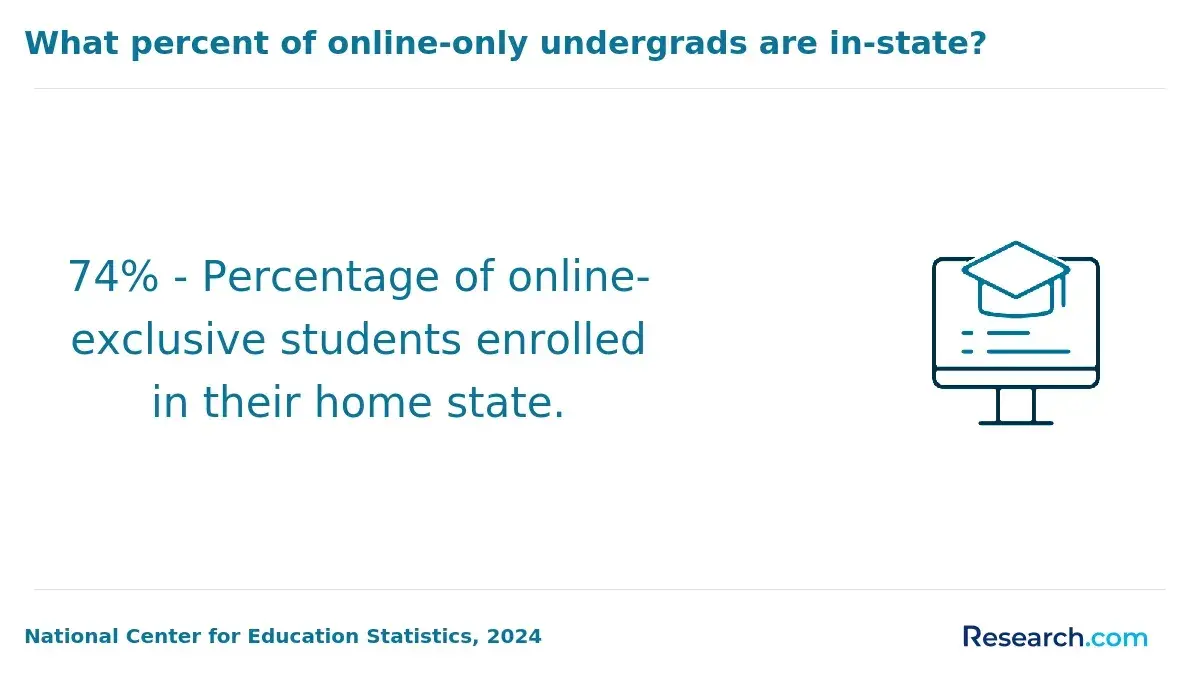
Before enrolling, ask whether the school has active placement agreements in your state or region. This is especially important for online students because "online coursework" does not automatically mean "online fieldwork." Some programs can approve remote projects, but many placements still require in-person service hours, district access, or site-specific onboarding.
A smart placement process usually follows a predictable sequence. Students should confirm these steps early instead of waiting until the final semester:
- Identify whether the placement is required for graduation, certification, or only career development.
- Confirm the minimum hours, semester length, and allowed site types for your concentration.
- Ask who finds the site, who approves it, and how long approval usually takes.
- Complete background checks, health or district forms, technology access agreements, and liability paperwork before the site deadline.
- Get written confirmation of the supervisor, schedule, evaluation method, and backup plan before counting hours.
Placement bottlenecks happen when a student is academically ready for fieldwork but cannot start or finish hours because a site, supervisor, schedule, or approval step is unavailable. In library science, bottlenecks are often less visible than in nursing or counseling programs because placements may be described as flexible electives. However, they can still affect graduation timing, licensure eligibility, and job readiness.
The table below highlights the most common bottlenecks and how they can affect a student's completion plan. These issues are especially important for online, working, rural, and school-library licensure students.
| Bottleneck | Why it happens | Possible completion impact |
| Limited approved sites | The program has few active partners in the student's location or specialization. | The student may need to accept a longer commute, delay the practicum, or choose a different site type. |
| Supervisor availability | Libraries may be understaffed, and experienced librarians may not have time to supervise. | Hours may be postponed until a qualified supervisor is available. |
| School district onboarding | K-12 placements often require district background checks, fingerprinting, visitor clearance, or human resources approval. | Students in school library tracks may miss the start of a semester or school term if paperwork is late. |
| Scheduling conflicts | Many libraries operate during business or school hours, while students may work full time. | Part-time students may need more semesters to complete required hours. |
| Site agreement delays | Legal, liability, data privacy, or affiliation agreements may need signatures from both institutions. | Students cannot begin counting hours until approval is complete. |
| Technology or data-access restrictions | Archives, schools, medical libraries, and corporate libraries may restrict access to patron, student, patient, or proprietary records. | The student may receive a narrower project scope than expected. |
Common mistakes include assuming every MLIS program guarantees a placement, waiting until registration week to contact sites, and treating "flexible fieldwork" as meaning "no deadlines." To reduce risk, students should ask for the placement handbook, sample site agreement, and coordinator contact information before committing to a program.
Red flags deserve attention because they often appear before enrollment. Be cautious if a program cannot answer the following:
- Whether placements are guaranteed, assisted, or fully student-arranged.
- How many students were delayed recently because a placement was unavailable.
- Whether online students outside the school's home state can use local sites.
- Which sites are approved for school library, archives, public library, or special library tracks.
- What happens if a site cancels after the semester begins.
Supervision and evaluation standards vary by program, but the core expectation is consistent: students must be guided by an experienced professional who can connect theory with practice, observe performance, provide feedback, and verify completed work. In school library placements, the supervisor may also need to meet state or district requirements for educator preparation.
The table below explains what supervision usually covers. Use it to evaluate whether a placement will provide meaningful learning or simply unpaid task completion.
| Standard area | What students should expect | Why it matters |
| Supervisor qualifications | An approved librarian, archivist, media specialist, information professional, or educator with relevant experience. | Qualified supervision improves feedback quality and helps ensure the work aligns with professional standards. |
| Learning objectives | Written goals tied to course outcomes, specialization, or certification requirements. | Clear goals prevent the placement from becoming random clerical work. |
| Evaluation method | Site supervisor assessment, faculty review, reflective journals, timesheets, project artifacts, or final reports. | Students need to know how performance will be judged before the placement begins. |
| Professional conduct | Expectations for confidentiality, patron privacy, intellectual freedom, workplace communication, and ethical service. | Library placements often involve sensitive user data, student records, or community needs. |
| Documentation | Signed timesheets, learning contracts, midterm check-ins, final evaluations, or portfolio evidence. | Incomplete documentation can prevent hours from being accepted even when work was performed. |
Good supervision is active, not merely administrative. Students should receive orientation, task explanation, feedback, and exposure to professional decision-making. A placement that only assigns shelving, scanning, or routine data entry may be useful for basic familiarity, but it is less valuable than one that includes reference interaction, instruction planning, metadata decisions, collection development, community programming, or digital project work.
To protect yourself, ask for the evaluation rubric before starting. If the program cannot explain who evaluates you, what counts as acceptable work, and how disputes are resolved, the placement may carry avoidable academic risk.
Many library science students complete placements part-time or near home, especially in online MLIS programs. However, flexibility depends on the site type. Public libraries may offer evening or weekend hours, while school libraries usually operate during the K-12 day. Archives, academic libraries, law libraries, and corporate information centers may also have limited supervision outside standard business hours.
Online study does not remove the need for supervised practice when a program or licensure pathway requires it. This is similar to other applied online degrees, such as an online exercise physiology degree, where coursework may be remote but hands-on experience can still depend on approved local sites.
The table below shows how different formats usually affect placement access. It can help students decide whether campus, hybrid, or online study is the safer option for their situation.
| Program format | Placement advantage | Placement limitation | Best fit |
| Campus-based | Often stronger local relationships with nearby libraries, archives, schools, or university units. | Less convenient for students who live far from the campus service area. | Students who can use the school's regional network and want structured support. |
| Hybrid | May combine local networking with some remote coursework flexibility. | Students still need to attend required in-person components or approved site hours. | Working students near campus who want both flexibility and access to local partners. |
| Fully online | Can allow students to seek placements near home or in their target community. | Student may be responsible for identifying sites, especially outside the institution's home state. | Self-directed students with local library contacts or flexible geographic options. |
| Remote project-based placement | May support digital archives, metadata, research guides, data cleanup, or virtual reference projects. | Not always accepted for school library licensure or public-facing competency requirements. | Students focused on digital librarianship, archives technology, metadata, or information organization. |
Students who need part-time or local placements should be direct with admissions and the fieldwork coordinator. Ask whether evening, weekend, summer, rural, out-of-state, or remote options have been approved recently, not just whether they are theoretically possible.
A practical flexibility checklist should include the following:
- Minimum weekly hours required by the site and by the course.
- Whether hours must be completed in one semester or can be spread across terms.
- Whether remote work counts and which tasks are eligible.
- Whether the program approves placements in your state, district, or employer setting.
- Whether your current workplace can serve as a placement site, and what safeguards prevent conflicts of interest.
Library science clinical placements may not carry separate tuition beyond the practicum course, but they can still create real out-of-pocket costs. These costs are easier to manage when students identify them before the placement semester rather than after a site has already been assigned.
For financing context, Federal Student Aid sets the annual Direct Unsubsidized Loan limit for most graduate and professional students at $20,500. That limit can help with tuition and eligible education costs, but it does not make a delayed placement harmless; an extra term can add fees, living costs, and lost work time.
Common placement-related costs vary by school, site, and location. Students should ask which of these are required before accepting a placement:
- $30 to $100 for a background check, depending on vendor and scope.
- $40 to $90 for fingerprinting or district clearance when required by schools or public agencies.
- $30 to $80 for a drug screen if a medical, government, or institutional site requires it.
- $0 to several hundred for immunization records, TB testing, or health documentation if the site uses healthcare-style onboarding.
- Variable transportation, parking, tolls, fuel, public transit, or temporary relocation costs.
- Lost wages or reduced work hours if the placement is available only during weekday business or school hours.
The table below organizes the main cost categories. It helps students separate predictable administrative expenses from larger schedule-related costs that can affect affordability.
| Cost category | When it appears | How to evaluate it |
| Tuition for practicum credits | When the placement is attached to a required course. | Confirm whether practicum credits are included in the degree plan or add to total credits. |
| Screening and onboarding | Before the site allows access to patrons, students, records, or facilities. | Ask whether the school or student pays and whether clearances must be repeated for each site. |
| Travel and commuting | During every placement week. | Calculate time as well as direct transportation cost. |
| Technology and supplies | When remote access, specialized software, laptop use, or project tools are required. | Confirm whether the site provides access or expects the student to supply equipment. |
| Opportunity cost | When placement hours conflict with paid work, caregiving, or another course load. | Decide whether part-time enrollment or a longer timeline would be less risky financially. |
A program with stronger placement coordination may cost more upfront but reduce the risk of paying for an extra term because a site was not ready. That trade-off is worth considering, especially for students who cannot easily travel, reduce work hours, or extend graduation.
Clinical placements affect career readiness because they turn academic knowledge into evidence. A transcript shows completed courses; a strong placement can produce supervisor references, portfolio artifacts, public service experience, instruction materials, metadata samples, programming plans, or project outcomes that employers can evaluate.
The latest BLS wage data places librarians and library media specialists in a professional labor market where setting, region, experience, and specialization matter. Students should not treat a placement as a salary guarantee, but they should treat it as a way to build credible experience for roles that often require both a graduate credential and demonstrated service or technical ability.
Career readiness increasingly includes data, digital tools, and technology fluency. Students exploring adjacent information careers may also compare paths such as careers with a bioinformatics degree, where data organization, metadata, research support, and information ethics can overlap with specialized library and information roles.
Different placement settings build different strengths. The best site is the one that matches your target role, not necessarily the most prestigious name.
| Placement setting | Skills commonly developed | Career value |
| Public library | Reference service, programming, community outreach, readers' advisory, digital literacy support. | Strong for public service, youth services, adult services, and community engagement roles. |
| School library | Instruction, collection alignment, student support, collaboration with teachers, media literacy. | Essential for students pursuing school librarian or library media specialist certification. |
| Academic library | Research consultation, information literacy instruction, scholarly communication, subject support. | Useful for students targeting university, college, or research-support roles. |
| Archives or special collections | Arrangement, description, preservation, digitization, finding aids, rights awareness. | Valuable for archives, cultural heritage, museum, and digital collections positions. |
| Medical, law, corporate, or government library | Specialized research, database searching, compliance awareness, knowledge management. | Helpful for students pursuing special librarianship or embedded information roles. |
AI and automation are also changing what "career-ready" means. Cataloging support tools, discovery systems, chat interfaces, digital archives workflows, and research analytics are reshaping library work. A strong placement should expose students to how professionals evaluate technology, protect privacy, support access, and make ethical decisions rather than simply use tools without context.
Clinical placement opportunities for library science students are changing as libraries expand beyond traditional service desks. Many placements now include digital scholarship, community health information, makerspaces, open educational resources, data services, user experience research, digital preservation, and AI literacy projects. This broadens opportunity but also makes site selection more complex.
One important trend is that libraries are under pressure to do more with lean staffing. That can reduce supervision capacity even when the site wants interns. A library may support student learning in principle but be unable to host during a busy budget cycle, migration project, staff vacancy, renovation, or school testing period.
Another trend is the growth of remote and project-based work. Digital archives, metadata cleanup, online research guides, accessibility reviews, and virtual reference assessment may be completed partly online. However, students should not assume remote projects satisfy every requirement. School library certification, public service competencies, and some program rubrics may still require direct interaction with users, students, or collections.
Students should also watch employer expectations. Many entry-level library roles ask for evidence of experience with integrated library systems, discovery layers, learning management systems, digital repositories, citation tools, accessibility practices, or community programming. A placement that lets you document these skills can be more valuable than one with more hours but less relevant responsibility.
To adapt to the changing placement market, students should take these practical steps:
- Start networking with libraries, archives, and information centers before the placement semester.
- Build a short skills inventory that lists coursework, software, languages, teaching experience, community work, and research strengths.
- Ask potential sites what projects are realistic during the term instead of assuming they can create custom work.
- Keep a portfolio of approved, nonconfidential work products such as guides, lesson plans, finding aid excerpts, metadata samples, or program plans.
- Discuss AI, privacy, accessibility, and intellectual freedom issues with supervisors because these topics increasingly shape professional practice.
Students should compare library science programs based on placement quality before comparing convenience alone. A low-tuition or fully online program may be a strong choice if it has transparent placement rules and responsive coordination. It can become risky if students must find sites independently without clear approval standards or backup support.
The table below provides a decision framework for comparing programs. Use it during admissions calls, open houses, and email exchanges with fieldwork coordinators.
| Program feature | Strong sign | Weak sign | Decision impact |
| Placement transparency | Handbook lists hours, prerequisites, eligible sites, deadlines, and evaluation rules. | Admissions materials say "fieldwork available" without details. | Transparency lowers the chance of late surprises. |
| Site network | Program can describe active partnerships by region and specialization. | Program relies mostly on students to cold-contact sites. | Important for students without local library connections. |
| Online student support | Coordinator explains how out-of-state, rural, and working students have completed placements. | Program gives general reassurance but no process. | Critical for fully online students who need local options. |
| School library licensure alignment | Program clearly explains state approval, district requirements, and supervisor qualifications. | Program treats school placements like general internships. | Essential if the placement affects educator certification. |
| Contingency planning | Program has a process for site cancellation, supervisor changes, and delayed onboarding. | Student must solve placement disruptions alone. | Can determine whether a setback delays graduation. |
| Career relevance | Placements align with public, school, academic, archives, special library, or digital information goals. | Any site is treated as equally useful regardless of career target. | Relevant experience improves portfolio and interview strength. |
When deciding whether placement support is worth paying more for, consider your personal risk factors. Stronger support may be worth it if you need school library certification, live far from major library systems, work full time, need evening or weekend hours, or lack professional contacts. A student-arranged model may be fine if you already work in a library, have a willing supervisor, and understand the approval process.
Before enrolling, ask the program these questions and request written answers when possible:
- Is the placement required for my concentration, licensure pathway, or graduation?
- How many hours are required, and over what time period must they be completed?
- Does the school assign sites, approve student-found sites, or use a hybrid model?
- What sites are available near my home, workplace, or target region?
- Can I complete hours at my current job, and what rules prevent conflicts of interest?
- What clearances, background checks, insurance, or onboarding steps are required?
- How often do placements fall through, and what is the backup process?
- Who evaluates the placement, and what documentation proves completion?
The safest choice is the program that makes clinical placement expectations visible before you enroll. If two programs are similar in cost and curriculum, choose the one with clearer site access, faster coordinator response, stronger licensure alignment, and better contingency planning.
Clinical hours affect degree completion because they create a second timeline alongside coursework. You may be able to finish readings and assignments online at night, but practicum hours often depend on a library's operating schedule, supervisor availability, public service desk coverage, school calendars, or project milestones.
The latest BLS employment outlook projects about 13,300 annual openings for librarians and library media specialists from 2023 to 2033. That does not mean every graduate will find the same opportunity, but it does show why completing practical experience on time matters: employers often want evidence that applicants can work with patrons, collections, data systems, teaching tools, and professional workflows.
Clinical-heavy programs in other fields, such as an LPN fast track program, often publish hour expectations more prominently because clinical completion is central to licensure. Library science applicants should use the same level of scrutiny even when the placement is called a practicum or internship rather than a clinical rotation.
Hour requirements can affect completion in several practical ways. Students should plan for these constraints before choosing a start term:
- Semester sequencing: Some programs allow fieldwork only after core courses are complete, so a missed practicum term can push graduation back.
- Weekly schedule load: A 120-hour placement over one semester may require roughly a full workday per week, before adding travel, reflection logs, and assignments.
- School calendar limits: K-12 placements may not align with university semesters, especially around testing periods, holidays, and summer breaks.
- Work and family conflicts: Evening or weekend placements may be limited in school libraries, academic libraries, archives, and special libraries.
- Approval timing: Hours usually do not count retroactively if the site was not approved before the student started.
The best completion strategy is to build a placement calendar at least one term before fieldwork begins. Include application deadlines, site interviews, onboarding, commute time, expected weekly hours, university assignments, and a contingency option in case the first site cannot proceed.
Other Things You Should Know About Library Science
No. Many MLIS programs offer internships or practica as electives, while school library licensure tracks are more likely to require supervised field experience. Always check the specific concentration and state requirements.
There is no single national hour requirement for all library science students. Some practica are tied to course credit and may require a set number of site hours, while school library placements vary by state and educator-preparation rules.
Often, yes, but the site usually must be approved before hours begin. Online students should confirm whether the program approves placements in their state and whether the school helps find local sites.
The most common delays come from late site approval, unavailable supervisors, incomplete background checks, district onboarding deadlines, and schedules that do not match the site's operating hours.
See What Experts Have To Say About Studying Library Science
Read our interview with Library Science experts

Kay Anne Cassell
Library Science Expert
Professor Emerita of Library and Information Science
Rutgers University

Edward Benoit III
Library Science Expert
Associate Director, School of Information Studies
Louisiana State University

Maura Madigan
Library Science Expert
School Librarian
Book Author
Book Author

- Getting an MLIS While Working Full Time | Book Riot https://bookriot.com/getting-an-mlis-while-working-full-time/
- Choosing the Right Library Science Program: Factors to Consider https://www.librariancertification.com/choosing-the-right-library-science-program-factors-to-consider/
- Career Resources https://www.mlanet.org/resources/career-development-resources/
- How to help students track clinical hours https://lumivero.com/resources/blog/how-to-help-students-track-clinical-hours/
- Nursing placement problems: red flags and how to handle them https://rcni.com/nursing-standard/students/nursing-placement-problems-red-flags-and-how-to-handle-them-213986
- Managing clinical placements for online programs https://corehighered.com/en/blog/managing-clinical-rotations-for-online-programs
- 5 Concentrations For A Master’s In Library Science Degree - GradSchoolHub.com https://www.gradschoolhub.com/lists/5-concentrations-masters-library-science-degree/