2027 Library Science Degree Job Posting Analysis: Skills, Credentials, and Experience Employers Request Most Often

Co-Founder and Chief Data Scientist
Library science candidates often face a practical question: which qualifications actually matter in job postings? The latest U.S. Bureau of Labor Statistics outlook reports a $64,370 median annual wage for librarians and library media specialists and modest employment growth, which means candidates need to compete on fit, not just degree completion.
This guide is for MLIS students, recent graduates, career changers, and library workers planning advancement. You will learn which skills, credentials, experience, certifications, and industries to prioritize so you can choose courses, internships, projects, and applications more strategically.
Key Things You Should Know
- Most professional librarian postings still treat an ALA-accredited MLIS or MLS as the central credential, while paraprofessional, archives, school library, and data-focused roles may add different degree, licensure, or subject-matter expectations.
- The strongest candidates combine core library skills such as reference, cataloging, collection development, instruction, and patron service with technology skills in integrated library systems, digital repositories, metadata, accessibility, analytics, and AI-aware information literacy.
- BLS data places the median annual wage for librarians and library media specialists at $64,370, with projected growth of 3%; this points to a stable but competitive market where internships, practicum work, and tailored applications can meaningfully improve competitiveness.
- Which Industries Have the Highest Demand for Library Science Graduates?
- Which Job Titles Appear Most Frequently in Library Science Degree Job Postings?
Which Industries Have the Highest Demand for Library Science Graduates?
Library science hiring is not limited to public libraries. Job postings appear across schools, colleges, government agencies, hospitals, law firms, archives, museums, publishers, research organizations, and technology vendors. The highest-demand sectors tend to be those with large collections, public-facing information services, compliance needs, or specialized research support.
The table below summarizes the industries where library science graduates most often see relevant postings and how employer expectations differ. Use it to decide whether your electives, practicum, or résumé should emphasize public service, teaching, archives, metadata, research support, or technical systems.
| Industry or employer type | Common roles | What employers usually emphasize | Best fit for candidates who want |
| Public libraries and local government | Adult services librarian, youth services librarian, branch librarian, outreach librarian | Reference service, programming, community engagement, circulation systems, reader advisory, grant support | Community-facing work, public programs, broad patron support |
| K-12 education | School librarian, library media specialist, instructional technology specialist | Teaching, curriculum support, student information literacy, state licensure, classroom collaboration | Instructional roles with children or adolescents |
| Colleges and universities | Academic librarian, subject liaison, instruction librarian, scholarly communications librarian | Research consultations, database instruction, faculty support, assessment, digital scholarship, subject expertise | Research support, teaching, and higher education environments |
| Archives, museums, and cultural institutions | Archivist, digital collections librarian, records specialist, preservation technician | Arrangement and description, digitization, metadata, preservation, donor relations, collection management | Historical collections, rare materials, and long-term access work |
| Corporate, legal, medical, and research organizations | Knowledge management specialist, medical librarian, law librarian, competitive intelligence analyst | Advanced research, specialized databases, confidentiality, evidence synthesis, knowledge organization | Specialized research and higher-stakes information retrieval |
| Technology vendors and library systems companies | Metadata analyst, implementation specialist, customer success specialist, product trainer | ILS platforms, discovery layers, documentation, client training, troubleshooting, data migration | Library-adjacent technology, consulting, or product support |
The main decision point is not simply "which industry hires the most," but which industry matches your skill mix. For example, public libraries often value outreach and patron communication, while academic and special libraries may place more weight on database searching, research instruction, and subject expertise. If you are undecided, choose a practicum that gives you observable work samples, such as a LibGuide, metadata record set, instruction plan, assessment report, or digital exhibit.
Which Job Titles Appear Most Frequently in Library Science Degree Job Postings?
Library science job titles can be confusing because employers use different labels for similar work. A "librarian I," "public services librarian," and "reference librarian" may share many responsibilities, while "metadata librarian" and "digital initiatives librarian" may require more technical specialization.
The following table groups common job titles by function. This helps you read postings more accurately and avoid filtering out good matches just because the title does not include the word "librarian."
| Job title group | Typical posting titles | Core responsibilities | Common differentiators |
| Public and patron services | Reference librarian, adult services librarian, youth services librarian, branch librarian | Answer research questions, support patrons, plan programs, teach basic information skills | Bilingual ability, outreach experience, community partnerships |
| Academic and instruction | Instruction librarian, subject librarian, liaison librarian, research services librarian | Teach information literacy, support faculty and students, develop guides, assess learning outcomes | Teaching portfolio, subject degree, assessment experience |
| Technical services and metadata | Cataloging librarian, metadata librarian, electronic resources librarian | Create and maintain records, manage e-resources, troubleshoot access, improve discovery | MARC, RDA, Dublin Core, ERM tools, vendor communication |
| Archives and special collections | Archivist, digital archivist, special collections librarian, records manager | Process collections, describe materials, manage preservation, support researchers | Digital preservation, EAD, ArchivesSpace, donor documentation |
| Technology and systems | Systems librarian, web services librarian, discovery services librarian | Maintain library platforms, improve user access, coordinate integrations, analyze usage | APIs, scripting, accessibility, authentication tools |
| Specialized information roles | Medical librarian, law librarian, knowledge manager, competitive intelligence analyst | Conduct advanced research, synthesize evidence, manage specialized content | Subject expertise, legal or health databases, confidentiality standards |
A common mistake is applying only to titles that match a concentration exactly. Instead, compare the responsibilities and required qualifications. If a posting asks for instruction, database searching, LibGuides, and faculty collaboration, it may be a strong fit for an academic library candidate even if the title is "learning resources librarian."
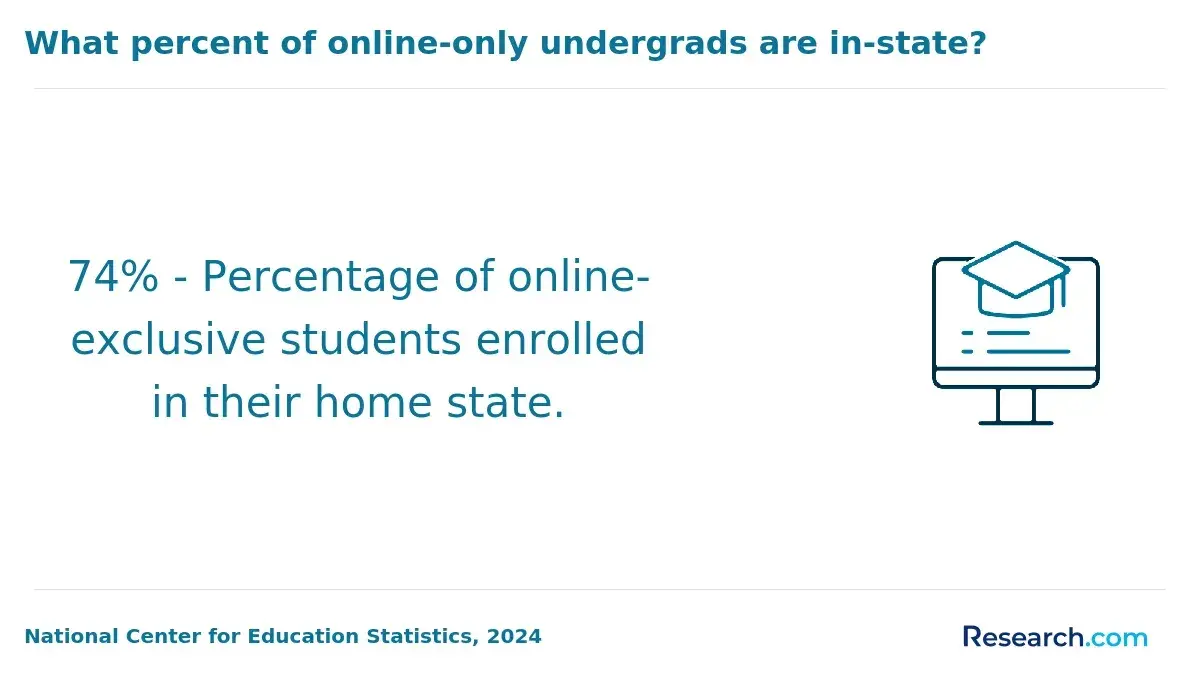
Employer-requested library science skills usually fall into three categories: core library practice, technology and data tools, and human-centered workplace skills. The most competitive candidates can show evidence in all three, not just list them.
The table below separates common skills by type and explains how they show up in real hiring decisions. Use it to identify gaps before choosing electives, volunteer work, or portfolio projects.
| Skill category | Frequently requested skills | Why employers ask for them | Strong evidence to show |
| Reference and research | Reference interviews, database searching, research consultations, citation support | Employers need staff who can translate patron needs into reliable information strategies | Research guide, sample search strategy, instruction feedback, reference desk experience |
| Instruction and information literacy | Teaching, lesson planning, workshop delivery, assessment | Libraries increasingly support learning outcomes, not just access to materials | Teaching demo, lesson plan, LibGuide, assessment rubric |
| Cataloging and metadata | MARC, RDA, subject headings, Dublin Core, authority control | Collections must be findable, accurate, interoperable, and accessible | Metadata project, cataloging coursework, digital collection records |
| Technology systems | Integrated library systems, discovery layers, electronic resource management, authentication troubleshooting | Modern library service depends on reliable digital access and platform coordination | ILS experience, troubleshooting examples, vendor ticket documentation |
| Collection development | Selection, deselection, budgeting, licensing, usage analysis | Libraries need collections that match user needs and budget constraints | Collection analysis, policy review, usage report, weeding project |
| Communication and service | Customer service, teamwork, writing, conflict resolution, inclusive service | Library work is highly collaborative and public-facing, even in technical roles | Supervisory comments, service metrics, outreach materials, team project results |
| Project and program management | Planning, timelines, evaluation, stakeholder coordination, reporting | Libraries run programs, migrations, digitization projects, grants, and outreach initiatives | Project plan, event report, grant draft, workflow documentation |
Technical skills matter, but they rarely replace communication skills. A metadata librarian still works with vendors and colleagues; a public librarian still uses software and data. The best strategy is to build a "T-shaped" profile: broad competence in public service, ethics, and information organization, plus deeper specialization in one area such as youth services, archives, systems, instruction, or health sciences research.
Experience expectations depend heavily on level. Entry-level professional postings may accept internships, practicums, graduate assistantships, student worker roles, or paraprofessional library experience. Mid-level and leadership postings usually expect progressively responsible work, supervision, project ownership, budgeting, or specialized technical experience.
The table below summarizes how employers tend to describe experience by career stage. Treat these ranges as planning signals, not universal rules, because public libraries, universities, school districts, and special libraries may define levels differently.
| Career stage | Typical experience language in postings | Examples of acceptable evidence | What to prioritize |
| Pre-professional or student | Library work, customer service, tutoring, technology support, volunteer experience | Student assistant role, circulation desk, tutoring center, community program support | Build service, systems, and patron-facing examples before graduation |
| Entry-level professional | Relevant internship, practicum, coursework, or one to two years of related experience | MLIS practicum, graduate assistantship, digital project, instruction demo | Show direct alignment with the posting rather than apologizing for limited years |
| Mid-level specialist | Several years in a library or information setting with specialized responsibilities | Metadata project lead, e-resources troubleshooting, subject liaison work, archives processing | Document outcomes, systems used, and independent decision-making |
| Manager or department head | Supervisory, budgeting, planning, policy, assessment, and stakeholder experience | Staff scheduling, budget reports, policy revision, grant coordination, strategic planning | Demonstrate leadership impact, not only years worked |
Unlike some accelerated healthcare training routes such as an LPN fast track program, library science career preparation usually depends on combining graduate coursework with visible, documented experience. That makes internships and student employment especially important for candidates who are changing fields.
If you lack direct library experience, translate adjacent work carefully. Customer service can support public services roles, teaching can support instruction librarian roles, data cleanup can support metadata roles, and office records work can support archives or records management roles. The red flag is presenting unrelated experience without connecting it to the actual duties in the posting.
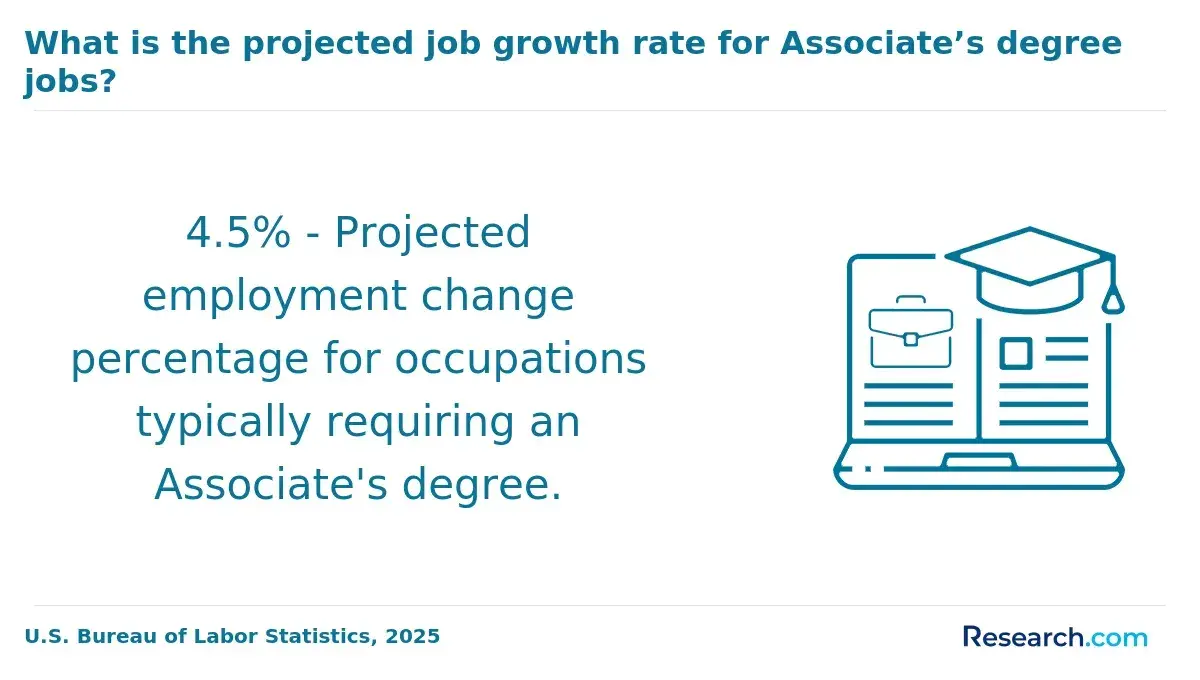
Certifications can help, but they are not equally valuable. The best certification is one that appears repeatedly in your target job postings or fills a clear gap in your résumé. For many candidates, a practicum or work sample may be more persuasive than a credential employers do not ask for.
The list below explains which certifications or formal add-ons are most likely to matter and when they are worth considering.
- State school librarian licensure or endorsement: Essential for many K-12 school library roles because school staffing rules are set at the state level. Confirm requirements before choosing an MLIS program or education coursework.
- Certified Archivist credential: Potentially useful for archivist roles, especially when paired with processing, preservation, and digital collections experience. It is usually a differentiator rather than a substitute for hands-on archives work.
- Digital Archives Specialist training: Helpful for candidates targeting digital preservation, born-digital records, or institutional repository work. It makes the most sense when postings mention digital curation or preservation workflows.
- Medical, law, or special library professional development: Useful when it builds knowledge of specialized databases, controlled vocabularies, evidence searching, legal research, or confidentiality expectations.
- Technology and accessibility credentials: Helpful for systems, web services, and digital content roles when they demonstrate practical ability with accessibility standards, analytics, project management, or platform administration.
A common mistake is collecting certifications before clarifying a target role. If you want youth services, a digital archives certificate may not improve your application as much as programming experience with children and families. If you want systems librarianship, a project showing authentication troubleshooting, data migration, or accessibility testing may carry more weight than a general certificate.
Employer expectations differ because libraries serve different users, operate under different funding models, and manage different kinds of collections. A public library, a university library, a school district, and a medical center may all request an MLIS, but the evidence they want can look very different.
The comparison below shows how expectations shift by employer type. Use it when tailoring your résumé and cover letter so your strongest examples match the environment.
| Employer type | Usually required | Often preferred | Application emphasis |
| Public library | MLIS for professional roles, public service skills, scheduling flexibility | Bilingual ability, outreach, program planning, local community knowledge | Patron service, inclusion, programming, community partnerships |
| Academic library | MLIS, research support, instruction ability, database familiarity | Subject degree, faculty collaboration, scholarly communications, assessment | Teaching, research consultations, learning outcomes, liaison work |
| School library | State certification or endorsement, teaching skills, student support | Instructional technology, curriculum design, classroom collaboration | Student learning, literacy, technology integration, educator collaboration |
| Archives or museum | Archives coursework or experience, collection processing, preservation awareness | Digital preservation, donor relations, grant writing, rare materials handling | Finding aids, digitization, preservation decisions, collection access |
| Special library | Advanced research ability, specialized databases, confidentiality | Subject background, evidence synthesis, competitive intelligence, knowledge management | Business impact, research accuracy, speed, judgment, stakeholder communication |
This same industry-specific logic applies outside library science. For example, students comparing healthcare, science, and information careers may notice that an online exercise physiology degree leads to a different set of employer expectations around labs, clinical observation, wellness programming, and human performance. The lesson for library science candidates is to evaluate the target work setting, not just the degree title.
Regional differences also matter. Rural libraries may value generalists who can cover many functions, while large urban systems and research universities may hire more specialized staff. Do not assume that one résumé fits every posting; the safest approach is to mirror the employer's language while staying truthful about your experience.
Library science is being reshaped by digital collections, online access, accessibility requirements, data-informed decision-making, and AI-related information challenges. Employers are not usually looking for candidates who can "use AI" in a vague sense; they want people who can evaluate sources, teach responsible information use, protect privacy, and improve discovery in technology-rich environments.
The table below highlights emerging skills that can make a candidate more competitive, especially for academic, systems, digital collections, and special library roles.
| Emerging skill | Where it appears | Why it matters | Good evidence |
| AI-aware information literacy | Instruction, academic libraries, school libraries, research support | Users need help evaluating AI-generated content, citations, bias, and source quality | Workshop plan, teaching module, policy guide, evaluation checklist |
| Digital preservation | Archives, special collections, institutional repositories | Born-digital materials require sustainable storage, description, and access planning | Digital preservation workflow, file inventory, metadata documentation |
| Accessibility and inclusive design | Web services, digital collections, instruction, public service | Libraries must make content and services usable for diverse communities | Accessibility audit, captioning workflow, accessible guide redesign |
| Data management and research data services | Academic libraries, research institutes, health sciences settings | Researchers need support with data organization, sharing, documentation, and compliance | Data management plan, repository deposit, documentation template |
| User experience and service assessment | Public, academic, and digital services roles | Libraries need evidence to improve services, websites, spaces, and collections | Survey summary, usability test, dashboard, service improvement report |
| Scholarly communications and open access | Academic libraries and research organizations | Faculty and students need guidance on publishing, copyright, repositories, and impact | Author rights guide, repository workflow, open access outreach material |
Students drawn to data-heavy information work may also want to compare adjacent paths, such as careers with a bioinformatics degree, where database skills, metadata thinking, and research workflows overlap with scientific computing. For library science students, the practical takeaway is to build enough technical fluency to collaborate with technologists and enough ethical judgment to guide users responsibly.
The red flag is treating emerging skills as buzzwords. Employers are more persuaded by a small, concrete project than by a résumé line that says "AI," "data," or "digital transformation" without context.
The best way to prepare for library science hiring is to reverse-engineer your target postings before you finish your degree. Instead of waiting until graduation, collect job descriptions early and look for repeated requirements across your preferred roles and regions.
Use the following steps to turn job posting trends into an employability plan. This process helps you prioritize the most valuable coursework, projects, and experience without overinvesting in credentials that do not match your goals.
- Choose one target path first, such as public services, academic instruction, metadata, archives, school librarianship, systems, or special libraries.
- Save 10 to 15 current U.S. postings for that path and highlight repeated requirements, preferred qualifications, software tools, and experience language.
- Separate must-have qualifications from preferred differentiators so you know whether you need a degree, licensure, practicum, portfolio project, or certification.
- Map each repeated requirement to evidence you already have, such as coursework, work samples, volunteer experience, teaching materials, or technology projects.
- Pick the three biggest gaps and close them through electives, internships, student employment, professional association projects, or supervised independent work.
- Rewrite your résumé for each posting using the employer's language, but include measurable context where possible, such as audience served, collection size, platform used, or project outcome.
- Prepare interview examples that show judgment, not just tasks, such as how you handled a difficult reference question, improved access, taught a concept, or balanced privacy and service.
Students should also ask employers better questions. Useful questions include which integrated library system they use, how they define success in the first six months, whether the role includes instruction or outreach, how much training is available, and which preferred qualifications are most important. These questions help you judge whether the posting is realistic and whether the job fits your career stage.
The most common mistakes are waiting too long to gain experience, using one generic résumé, assuming all libraries value the same skills, and pursuing certificates without checking employer demand. A stronger approach is to align every elective, project, and application with a visible hiring pattern.
Job posting trends are most useful when they help you choose a direction, not when they make every possible qualification feel urgent. Start by identifying the work you want to do daily: helping the public, teaching students, organizing information, preserving collections, managing systems, supporting researchers, or leading teams.
Then compare the trade-offs. Public library roles may offer broad community impact but require evening or weekend schedules. Academic library roles may involve teaching and faculty collaboration but can be competitive. Archives roles may be mission-driven but sometimes have grant-funded or project-based openings. Systems and metadata roles may offer technical specialization but require continuous learning. School library roles can be rewarding for candidates who enjoy instruction, but licensure rules require early planning.
Use salary and outlook data as context, not a promise. BLS reports a $64,370 median annual wage for librarians and library media specialists and 3% projected growth, which suggests neither a rapidly expanding market nor a disappearing one. For students, that means targeted preparation matters: the better your experience matches a specific employer need, the stronger your position.
A practical decision sequence can help narrow your path without overcommitting too soon.
- If you enjoy direct public interaction, prioritize public services, youth services, outreach, or instruction roles.
- If you enjoy research and teaching, prioritize academic libraries, subject liaison work, research services, or information literacy instruction.
- If you enjoy detail, systems, and organization, prioritize cataloging, metadata, electronic resources, or digital collections.
- If you enjoy history, preservation, and primary sources, prioritize archives, special collections, records management, or cultural heritage institutions.
- If you enjoy specialized problem-solving, prioritize medical, law, corporate, government, or research library environments.
If the job-posting evidence points away from library science, that is useful information too. Students comparing people-centered careers with different labor markets may explore options such as healthcare, education, data, or wellness fields before committing to graduate study. The best career choice is not the one with the longest list of possible jobs; it is the one where your interests, credentials, experience plan, and employer demand realistically overlap.
The Master of Library and Information Science, often called the MLIS or MLS, remains the standard credential for many professional librarian roles in the United States. Employers often specify that the degree should come from an American Library Association-accredited program, especially for public, academic, and some government library positions.
Credentials vary by role, so students should distinguish between minimum requirements and preferred qualifications. The table below shows how postings commonly separate must-have education from credentials that improve competitiveness.
| Credential | Often required for | Often preferred for | Decision guidance |
| ALA-accredited MLIS or MLS | Professional librarian roles in public, academic, and many government libraries | Leadership, instruction, metadata, reference, and systems positions | Prioritize this credential if your target role uses the word librarian and requires independent professional judgment |
| Bachelor's degree | Library assistant, circulation, technician, and some entry-level information roles | Applicants planning to advance into an MLIS later | Useful for gaining experience before graduate study, but may limit access to professional librarian titles |
| State school library license or endorsement | K-12 school librarian and library media specialist roles | Instructional technology or curriculum support roles | Check state education agency rules before enrolling because requirements vary by state |
| Second master's or subject graduate degree | Rarely required outside specialized academic settings | Subject liaison, law, theology, music, data, or health sciences library roles | Consider only when your target job postings repeatedly ask for subject expertise |
| Archives, records, or digital preservation coursework | Some archives and records management roles | Digital collections and special collections positions | More valuable when paired with hands-on processing or digitization experience |
Library science differs from highly regulated clinical professions because most librarian roles do not use one national licensure system. If you are comparing education paths with more formal licensing pipelines, a guide to the best online pharmacy school can illustrate how credential expectations differ in a regulated health profession.
The key mistake to avoid is assuming that the MLIS alone will carry every application. Employers often use the degree as a screening credential, then compare candidates on experience, technology exposure, teaching ability, and fit with the library's users.
Other Things You Should Know About Library Science
No. Many assistant, technician, circulation, and support roles do not require an MLIS. However, many professional librarian positions, especially in public, academic, and government libraries, commonly require an ALA-accredited MLIS or MLS.
No. Graduates may also work in archives, museums, schools, universities, law firms, hospitals, research organizations, publishers, government agencies, and technology vendors. The best fit depends on your skills and specialization.
The best experience is directly related to your target role. Public services candidates should seek patron-facing work, academic candidates should build teaching and research support evidence, archives candidates need processing or digitization work, and systems candidates need platform or troubleshooting experience.
Sometimes. Certifications are most useful when they are required for the role, such as school librarian licensure, or when they clearly support a specialization like archives, digital preservation, accessibility, or project management. They are less useful when they do not match employer postings.
See What Experts Have To Say About Studying Library Science
Read our interview with Library Science experts

Kay Anne Cassell
Library Science Expert
Professor Emerita of Library and Information Science
Rutgers University

Beatrice C. Baaden
Library Science Expert
Associate Professor
Long Island University

Edward Benoit III
Library Science Expert
Associate Director, School of Information Studies
Louisiana State University

Maura Madigan
Library Science Expert
School Librarian
Book Author
Book Author
- The Impact of Emerging Technologies on Libraries - collectionHQ https://www.collectionhq.com/the-impact-of-emerging-technologies-on-libraries/
- Library Careers - Texas Library Association https://txla.org/tools-resources/retention-recruitment/library-careers/library-careers/
- Occupation Profile https://nccareers.org/occupation-profile/254022/1284
- Alternative Career Paths Utilizing Library Science Skills https://www.librariancertification.com/alternative-career-paths-utilizing-library-science-skills/