2027 Fastest Online Bachelor's in Library Science Degree Programs Ranking in the USA

Co-Founder and Chief Data Scientist
Are you interested in pursuing a library science degree but want to find the fastest online options available? This article presents the 2027 fastest online bachelor's in library science degree programs ranking in the USA, carefully compiled by the Research.com team of data scientists. It's designed to help you make a smart, informed decision about which programs suit your goals best.
Getting a degree in library science opens doors to rewarding careers that promote knowledge and community connection. Exploring this ranking can save you time and guide you toward programs that balance quality and speed, making your educational journey smoother and more enjoyable.
Key benefits of getting online library science degree in America
- Salary benefits: Graduates with a library science degree can expect competitive salaries, such as $68,570 annually for librarians and around $42,570 for library technicians, providing financial stability.
- Career paths: Graduates from popular universities like the University of Illinois often find rewarding roles including librarians, library assistants, and cataloging assistants, offering diverse opportunities in various settings.
- Online degree advantages: Earning a library science degree online, for example from Syracuse University, offers flexible schedules and access to quality education without relocating, making it perfect for busy adults balancing work or family.
- 2027 Fastest Online Bachelor's in Library Science Degree Programs Ranking in the USA
- What can I expect from online library science degree in America?
- Where can I work with online library science degree in America?
What can I expect from online library science degree in America?
Understanding the average cost of an online library science degree in America is essential for any prospective student. Graduates from well-known programs at public universities often reflect on how in-state tuition discounts significantly eased their financial burden, even while studying fully online. For example, students from institutions like the University of North Texas or the University of Illinois report that their tuition hovered around $10,000 to $15,000 per year when considering in-state rates and fees.
Private universities may charge more, with annual costs sometimes reaching $20,000 or higher, but many graduates mention that financial aid, scholarships, and federal loans made this manageable. These learners emphasize the importance of verifying accreditation and exploring aid options early in their journey, as this foresight reduces stress later.
Through shared stories, it becomes clear that balancing costs with quality is achievable, with many finding joy and confidence in institutions offering robust support systems, expert faculty, and technological resources that justify their investment.
Where can I work with online library science degree in America?
Graduates from online library science programs at respected institutions like the University of North Texas and San Jose State University often find themselves thriving in diverse work environments. Many begin their careers in public libraries, where they engage warmly with their communities by organizing educational programs and managing both traditional books and digital resources. This hands-on involvement brings a real sense of fulfillment as they help bridge knowledge gaps and promote lifelong learning.
Others discover rewarding roles in academic libraries found in colleges and universities, supporting researchers by managing vast academic databases and teaching vital information literacy skills. The sense of contribution here is profound, as graduates become essential guides in scholarly pursuits. Experiences from alumni reveal that working in special libraries, such as medical or government settings, offers incredible opportunities to apply specialized knowledge in health or legal information, expanding professional impact beyond standard pathways.
For those drawn to digital innovation, roles focused on digital curation and data management are increasingly common, reflecting the evolving landscape of information science in America. Graduates appreciate how their online studies prepare them to handle complex electronic data, shaping the future of information access.
Graduates of online library science programs in America often find rewarding salary opportunities aligned with their chosen roles. For example, those stepping into positions as librarians can expect a mean annual wage around $68,570, according to the U.S. Bureau of Labor Statistics. This figure reflects the experience of many alumni from well-regarded programs at institutions like the University of North Texas or Syracuse University, where career-focused curricula emphasize practical skills applied in public and academic libraries.
Entry-level library technicians typically start near $42,570 annually, providing a steady income that grows with experience and specialization. Graduates working as library assistants, associates, or cataloging assistants often see similar mean wages, roughly $35,970 per year, which offer solid foundations in diverse library environments.
Many graduates recall how on-the-job learning enhanced their earning potential, particularly when combining their degrees with roles in digital archives or information management. Studying online in America allows flexibility, and employers value accredited degrees from these respected programs whether obtained on-campus or remotely.
- Online library science degrees in the US range from bachelor's to graduate programs, often focusing on library and information science (LIS).
- Tuition for online bachelor's degrees typically ranges from $10,000 to $30,000 for the entire program, with public universities offering lower rates for in-state students.
- Starting salaries for graduates average between $40,000 and $50,000 per year, rising to $60,000 to $80,000 with experience and advanced degrees.
- Employment for librarians and media specialists is projected to grow about 9% from 2022 to 2032, reflecting average growth compared to all jobs.
- Accreditation by the American Library Association (ALA) is important and often improves job prospects and eligibility for librarian roles.
Completing an online library science degree in America typically takes about two years for full-time students. Graduates from well-known programs like those at the University of Illinois Urbana-Champaign often reflect on this period as a time of intense growth, balancing coursework with real-world applications. These programs usually require 36 to 40 credit hours, providing a clear but manageable path.
For those juggling work and family commitments, part-time study can extend the timeline to three or four years. Many appreciate this flexibility, found in programs at institutions such as the University at Albany, where pacing allows them to absorb material without feeling overwhelmed.
Some accelerated tracks enable completion in 12 to 18 months, though this demands a heavier course load and strong dedication. Graduates of these faster routes often recall a rewarding challenge, feeling proud of their commitment and the momentum gained.
Internships or practicum components can also add time but offer invaluable hands-on experience that many value highly in their careers.
Choosing between online and on-campus library science programs in America often comes down to your lifestyle and learning style. Graduates from programs at schools like the University of Illinois and Syracuse University frequently share how online degrees offered the flexibility they needed, allowing them to balance jobs and family while accessing the same rigorous curriculum as their on-campus peers. This flexibility is a game-changer for many who might otherwise be unable to relocate.
On the other hand, those who studied on-campus at institutions like the University of North Carolina appreciate the daily in-person interactions that spark lively discussions and create strong professional networks. The hands-on experience of working within a university library environment also gave them a tangible connection to the field early on.
Online students often describe the rewarding challenge of managing their time independently, with asynchronous classes fitting into their schedules seamlessly. Meanwhile, on-campus students enjoy structured settings with immediate access to faculty and classmates. Both paths are accredited by the American Library Association, ensuring quality education no matter the format.
The average cost of an online library science degree in America is a significant consideration for many students pursuing this rewarding field. Median tuition figures show that in-state students typically pay around $38,640, while out-of-state attendees face median costs near $41,640. These numbers reflect a balance between quality education and practical investment, a reality graduates often share with a sense of accomplishment despite the financial commitment.
Many who have completed their degrees at renowned institutions like the University of Illinois Urbana-Champaign appreciate the value of these programs, where tuition aligns closely with median costs commonly seen across the country. These graduates report feeling confident that their investment in education, combined with program flexibility and accessibility, makes the cost justifiable.
When considering tuition and fees for online library science programs 2027, it is wise to account not only for tuition but also for expenses like textbooks, technology fees, and possible travel for any on-campus requirements. Reflecting on personal stories from alumni, many describe how scholarships, assistantships, and careful financial planning helped ease their journey. The opportunity to study remotely also offers comfort and adaptability, which for many offsets higher tuition fees.
Exploring options through resources like the American Library Association can be helpful in identifying scholarships and grants. Prospective students sometimes find it beneficial to look into a quick degree to reduce time and overall expenses without sacrificing quality. Being informed about these cost variables empowers students to make decisions that support both their educational and career goals effectively.

Students pursuing online library science degrees in America often find that federal financial aid forms a solid foundation for funding their education. For instance, graduates from well-known programs at universities like Syracuse or the University of Illinois have relied on Pell Grants or federal Direct Loans to make tuition manageable, even when costs approach $30,000 annually.
Scholarships specifically aimed at library science students are another invaluable resource. Several graduates recall how organizations such as the American Library Association eased their financial burden through scholarships ranging from $1,000 to $5,000. These awards often reward a genuine commitment to the profession, which resonates personally with many aspiring librarians.
Teaching assistantships and research roles within library science departments serve as practical ways students at institutions like the University of North Texas support themselves. These positions often come with tuition waivers or stipends, allowing students to engage deeply with their field while easing financial worries.
Working professionals frequently benefit from employer tuition assistance programs offered by public libraries or educational employers, which can cover significant portions of tuition. Many students reflect on how this assistance turned their part-time studies into feasible, rewarding journeys.
Finally, state-based scholarships and grants provide localized support, reminding students to thoroughly investigate options in their home states. The combination of these funding avenues often transforms daunting expenses into attainable goals, inspiring confidence and determination.
To enroll in an online library science degree in America, having a bachelor's degree from an accredited institution is non-negotiable. Graduates from programs at schools like the University of North Carolina's School of Information and the University of Illinois emphasize that this foundational step opens doors to specialized study. Interestingly, the undergraduate degree doesn't need to be in library science; many peers come from backgrounds in education, social sciences, or humanities, which enrich their perspective during graduate study.
Some programs highly appreciate coursework in writing, research methods, or digital literacy. For example, a graduate recalled how strong research skills gained during an English major helped tackle the academic challenges at Drexel University's College of Computing & Informatics smoothly. While GRE scores were once a staple, many programs now treat them as optional or don't require them at all, easing the path for students.
Applicants must also prepare application essentials such as transcripts, recommendation letters, personal statements, and resumes. Reflecting on peers' experiences, providing a clear vision of your career goals in your statement often makes a lasting impact on admissions committees. Additionally, prior work or volunteer experience in libraries or archives can be a meaningful asset, offering real-world insights that peers truly appreciate.
Students pursuing online library science degrees in America often encounter a thoughtfully structured curriculum, blending core and specialized courses that reflect the evolving landscape of librarianship. Graduates from well-known programs like those at the University of Illinois or Syracuse University frequently describe how foundational classes such as Introduction to Library and Information Science helped them appreciate the cultural and societal importance of libraries firsthand.
Courses like Information Retrieval and Organization ground students in practical skills, teaching classification systems such as Dewey Decimal, which becomes second nature when organizing physical and digital collections. Others, like Reference and Information Services, prepare learners for real-world scenarios, enabling them to confidently assist diverse patrons in finding trustworthy information.
Students often highlight the value of Collection Development and Library Administration classes, where budgeting and policy-making are brought to life through case studies and internship experiences. Emerging Technologies in Libraries excites many, as they explore digital archives and AI applications, ensuring readiness for modern library challenges.
These courses together foster a sense of purpose and excitement, empowering learners to become adaptable information professionals in dynamic American library environments.
Online library science degree specializations USA offer focused pathways that resonate deeply with students' career aspirations. Graduates from renowned programs like those at the University of Maryland or Syracuse University often share how archival studies equipped them to safeguard historical documents in government archives or museums, turning abstract collections into tangible heritage. The specialized online library science programs in America also frequently include digital librarianship, where students gain hands-on experience managing electronic resources, preparing them for roles that shape access to information in the digital age. Graduates find this especially rewarding as it blends technology with traditional librarianship, a combo evident at schools like the University of Illinois.
Children's and youth librarianship is another specialization that many cherish, reflecting the joy of fostering early literacy and community connection in public and school libraries. Information organization and retrieval, with its focus on cataloging and enhancing search systems, appeals to those excited by metadata and helping users find precisely what they need-an indispensable skill taught at institutions such as Drexel University. For those considering the cost of these programs, it's possible to explore an affordable phd alongside these enriching specializations, making it a thoughtful investment in a fulfilling career.
When choosing the best online library science degree in America, accreditation by the American Library Association (ALA) is paramount. Graduates from popular universities with ALA-accredited programs often share how this recognition opened doors to rewarding careers in public and academic libraries. Considering program flexibility is equally important-many working professionals appreciate asynchronous formats that allow study around their schedules. Affordable online library science degrees in America are frequently more budget-friendly than on-campus options, helping students avoid overwhelming debt while maintaining quality education.
Reflecting on experiences of graduates from renowned colleges, faculty expertise and a curriculum covering essential topics like metadata and digital libraries often make a profound difference. Many learners recommend investigating career support services such as internships and alumni networks, which significantly aid job placement. For those interested in exploring options, checking the best accredited online colleges can be a valuable step toward finding programs matching individual needs.

Graduates of online library science degrees in America find themselves welcomed by a spectrum of meaningful career paths. Many have embraced roles as librarians in public or academic settings, drawing on skills honed through programs at renowned schools like the University of Illinois Urbana-Champaign or Syracuse University. These careers often involve managing collections, engaging communities, and fostering lifelong learning-experiences that bring a deep sense of fulfillment.
Others transition into specialized fields such as archivists or curators, preserving historical treasures with care acquired through hands-on projects during their studies. Graduates frequently share how the practical courses on digital asset management at institutions like the University of North Texas prepared them for positions in corporate or government information centers. These roles satisfy a passion for both technology and information stewardship.
Those curious about their personal fit may wonder about what is the best career for introverts, since much of this work requires thoughtful analysis and attention to detail. Ultimately, online library science careers in the USA offer a blend of traditional knowledge and new digital challenges, empowering graduates to thrive in dynamic environments.
From entry-level technician roles to advanced metadata specialist positions, these opportunities reflect the growing demand for expertise in information retrieval and digital literacy. The variety in library science job opportunities in America ensures students can find a path aligned with their skills and aspirations.
The job market for graduates holding an online library science degree in America remains steady with ample opportunities in various sectors including schools, public libraries, and corporations. Those pursuing such degrees from reputable institutions often share stories of flexible programs that allowed them to balance work and study, ultimately positioning them well for professional roles. Graduates from recognized universities find that their qualifications open doors to careers in roles like digital resources managers or metadata specialists, reflecting the evolving demand in information management and electronic media.
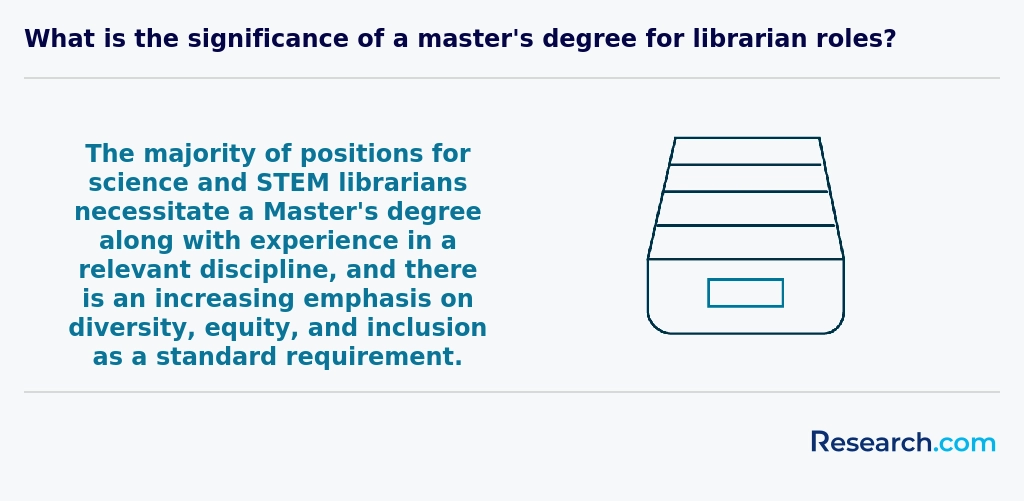
Employment outlook for library science graduates America is supported by consistent growth projections and salary ranges that vary by region and experience. For example, graduates working in metropolitan areas such as Modesto or San Francisco often report rewarding experiences with competitive wages and strong community engagement. Entry-level positions typically require an accredited Master's degree, which many online programs provide, enhancing accessibility for students nationwide.
For those exploring the online library science degree job market USA, it can be helpful to explore options that balance affordability and quality; tuition can range broadly, but many programs offer support tailored to working adults. A practical resource to explore detailed options includes anchors part-time Ph.D. in economics.
2027 Fastest Online Bachelor's in Library Science Degree Programs Ranking in the USA
Investing in your education is a significant decision that can shape your career and future, and the Research.com team recognizes the importance of providing trustworthy guidance. To support prospective students interested in library science, we have carefully developed the "2027 Fastest Online Bachelor's in Library Science Degree Programs Ranking in the USA." Our dedication to quality, credibility, and accuracy is demonstrated through thorough research and rigorous analysis behind this ranking.
We utilized the following reputable data sources to ensure a comprehensive and reliable evaluation of the programs:
By exploring this ranking, readers will gain valuable insights into the fastest accredited online library science degrees in the USA, helping them make informed and confident decisions about their educational investments. For a detailed overview of how the ranking was created, please visit our Research.com methodology page.


# 3 position
University of Maine at Augusta
Bachelor of Information and Library Sciences

Frequently Asked Questions About library science
Online library science degree students in America can enhance their learning by actively engaging with course materials and participating in virtual discussions. Consistent interaction with peers and professors via forums or video calls helps deepen understanding and mirrors traditional classroom collaboration.
Utilizing resources from the American Library Association (ALA) can provide valuable insights into evolving trends and professional standards. The ALA reports that 80% of library science graduates who actively network online find better job placements within six months.
Students should also take advantage of digital library tools and databases offered by their institutions. Practical experience through virtual internships or community projects increases employability in a competitive market.
The library science field in America is rapidly evolving, with emerging niches reflecting changes in technology and information needs. One significant area is data curation, where specialists manage and preserve large digital datasets, supporting research across disciplines. According to the American Library Association, demand for data librarians is growing by over 10% annually.
Another niche is digital asset management, focused on organizing and maintaining digital collections for institutions like museums and universities. Additionally, expertise in information architecture is sought after to improve user experience in both public and corporate libraries.
Specializations in cybersecurity and privacy are also gaining importance as libraries handle sensitive information.
After earning an online library science degree in America, preparing for the job market involves gaining practical experience. Many graduates pursue internships or volunteer roles in public, academic, or special libraries to build relevant skills. According to the U.S. Bureau of Labor Statistics, employment for librarians is projected to grow 9% from 2022 to 2032, highlighting steady demand.
Networking is essential-joining professional organizations such as the American Library Association can provide job leads and mentorship. Additionally, earning certifications like the Certified Public Library Administrator enhances employability. Staying updated with digital cataloging tools and information technologies is critical for success in this evolving field.
Employers hiring library science degree graduates in America prioritize a combination of technical and interpersonal skills. Critical among these are information organization, digital literacy, and knowledge of cataloging standards like MARC and RDA. According to the American Library Association, 85% of job postings expect strong proficiency with integrated library systems and database management.
Communication skills are equally vital, as librarians often assist diverse populations and collaborate with educators or IT professionals. Adaptability to emerging technologies, particularly in digital archives and information retrieval, is becoming essential.
Overall, graduates who demonstrate analytical thinking, customer service excellence, and familiarity with both traditional and digital resources have a competitive advantage in the U.S. job market.
Finding internships relevant to a library science degree in America involves leveraging university resources and professional networks. Many accredited online programs offer career services that connect students with internships at public libraries, archives, or digital information centers. The American Library Association (ALA) provides a useful internship directory and resources to guide students in placement searches.
Students should also explore local public libraries or university library systems, which frequently offer internships to support various library functions. According to the Bureau of Labor Statistics, internships enhance employability in the library and information science field, where practical experience is crucial.
Networking through ALA chapters or attending virtual conferences can lead to internship opportunities. Websites like Internship.gov and state library association portals also list relevant openings, ensuring students can find accessible positions suited to their online study schedules.
An online library science degree can significantly enhance career mobility and advancement within the United States. According to the American Library Association (ALA), individuals with accredited library science degrees are more competitive for roles such as librarian, archivist, or information specialist. Many employers, including public libraries and academic institutions, require a Master of Library Science (MLS) or a related degree for higher-level positions.
Online degrees provide flexibility, allowing students to gain relevant credentials without pausing their careers. This accessibility helps professionals shift industries or climb the career ladder more rapidly. The US Bureau of Labor Statistics reports a projected 9% growth in librarian jobs from 2021 to 2031, indicating strong demand for qualified candidates.
Additionally, online programs often include practical training and networking opportunities tailored to the evolving landscape of digital information management, further supporting professional advancement.
Studying for a library science degree in America equips students with skills that extend beyond traditional librarianship, preparing them for interdisciplinary roles in various settings. Programs emphasize information management, digital literacy, and data curation, which are valuable in education, healthcare, and corporate environments. According to the American Library Association, 60% of library science graduates work in roles requiring collaboration across different fields. The curriculum often includes courses on technology integration, research methods, and communication strategies, enabling graduates to adapt to diverse professional demands. Online degrees also provide flexibility, allowing students to develop practical expertise relevant to multiple industries.
When choosing between a thesis and a non-thesis online library science degree program in America, consider your career goals. A thesis option typically requires original research and is ideal for students aiming for advanced academic or research roles. Non-thesis tracks focus more on practical skills and coursework, preparing graduates for immediate employment in public, school, or special libraries.
The American Library Association notes that about 40% of accredited programs offer thesis options. Thesis programs usually take longer to complete due to research demands.
Financial and time commitments also differ, with non-thesis degrees often being faster and less costly.
Students based in America interested in studying library science abroad have several viable options, primarily through joint programs or partnerships between U.S. institutions and foreign universities. While American universities often dominate accredited online library science degrees, some offer study-abroad components or international internships to broaden exposure.
Options include enrolling in internationally recognized programs accredited by the American Library Association (ALA) that incorporate global perspectives, or pursuing degrees from universities abroad via online platforms. However, accreditation remains crucial, as the ALA currently accredits only U.S.-based programs, affecting eligibility for many U.S. jobs.
According to the Bureau of Labor Statistics, library science roles in the U.S. emphasize ALA-accredited education, making these international pathways more suitable for enriching experience than full credential replacement.
Part-time job opportunities that complement a library science degree in America often include roles such as library assistants, archival aides, and research support staff. According to the U.S. Bureau of Labor Statistics, library assistants earn a median hourly wage of about $14.50, which can provide practical experience alongside academic studies. These positions allow students to develop skills in cataloging, information management, and public services.
Other relevant roles include digital resource coordinators or data entry clerks, which help strengthen proficiency in emerging library technologies. Volunteering or internships at public libraries or university archives also enhance real-world expertise while studying remotely. Such experience is highly valued in the competitive library science job market.
Networking for online library science students in America is increasingly accessible despite geographic barriers. Many accredited programs partner with professional organizations such as the American Library Association (ALA), offering access to conferences, webinars, and local chapter events. These opportunities connect students with librarians, researchers, and potential employers nationwide.
Additionally, online degree programs often include virtual meetups, discussion boards, and group projects to foster peer interaction. According to ALA data, over 65% of library professionals found networking through associations crucial for career advancement. Leveraging alumni networks from their institutions also helps students build lasting professional relationships in the library science community.
Alumni networks provide significant benefits for students pursuing online library science degrees in America. These networks offer access to professional connections within the library and information science field, which can be crucial for internships and job opportunities. According to the American Library Association (ALA), 58% of library science graduates find employment through networking connections.
Alumni often share job openings, career advice, and mentorship, helping students navigate the competitive job market. Participation in alumni events, even virtually, fosters a sense of community and ongoing professional development. Furthermore, many alumni networks collaborate with organizations to provide exclusive scholarships and continuing education resources.
Customizing an online library science degree program in America allows students to align their education with specific career goals. Many programs offer elective courses tailored to areas such as archival studies, digital librarianship, or school library media. According to the American Library Association (ALA), focusing on these specializations can improve job prospects in diverse fields. Students often choose internships or practicum opportunities that provide hands-on experience relevant to their interests. Additionally, some universities allow customization through capstone projects or research focused on emerging library technologies or community information needs.
Online library science students in America often face several challenges that can impact their academic success. One of the main difficulties is balancing coursework with personal and professional responsibilities, especially as many students are working adults. According to the American Library Association, over 60% of online students report time management as a significant hurdle.
Additionally, some students struggle with limited access to hands-on experiences or internships, which are crucial for applied learning in the field. Technical difficulties and feeling isolated from peers and instructors are common concerns noted by distance learners in library science programs.
Finally, navigating evolving digital tools and resources requires ongoing adaptation, adding complexity to an already demanding curriculum.
With an online library science degree, you can pursue several professional certifications that enhance your qualifications in the U.S. job market. The most recognized is the Certified Public Librarian (CPL) credential, often required for public library positions. Another important certification is the Academy of Certified Archivists (ACA) credential, which benefits those interested in archives and records management.
Additionally, you might consider the Certified Records Manager (CRM) certification, which is valuable in corporate and government information management. The American Library Association (ALA) also accredits many library science programs, boosting your eligibility for these certifications.
These certifications typically require a combination of education, work experience, and passing exams, helping graduates advance in roles such as librarians, archivists, or information specialists.
To write a winning application for an online library science program in America, start by clearly demonstrating your passion for information management and community service. Most programs require a statement of purpose; use this to highlight your career goals and how the degree aligns with them. According to the American Library Association, emphasizing relevant experience, such as internships or volunteer work in libraries, can strengthen your application.
Ensure your academic records reflect strong communication and research skills, as these are crucial in library science. Obtain solid letters of recommendation, preferably from professionals acquainted with your work ethic and interest in the field. Finally, carefully follow all application instructions and deadlines to present yourself as a diligent and organized candidate.
Library science careers are valued worldwide for supporting access to information and promoting literacy. In the United States, the Bureau of Labor Statistics reported a steady employment growth of 4% for librarians through 2031, reflecting both national and global demand. American library science programs emphasize technological skills, which are increasingly important as libraries evolve digitally. Globally, professionals collaborate across borders to manage digital archives and improve information services, highlighting the field's international relevance. The U.S. higher education system offers online degrees that prepare students to meet these worldwide challenges, combining traditional knowledge with modern information management techniques.
Gaining practical experience during an online library science degree in America is essential for building relevant skills. Many programs include internships or practicum components that partner with public, academic, or special libraries. The American Library Association (ALA) accredits many of these programs, ensuring students have access to quality hands-on opportunities.
Students may also engage in virtual internships or remote projects, which have become increasingly common. These allow flexibility while developing experience in digital cataloging, metadata management, or information services.
Volunteering at local libraries can supplement formal experience. According to the U.S. Bureau of Labor Statistics, practical experience significantly improves job prospects in library and information science fields.
Choosing the right concentration within an online library science degree program in America depends on your career goals and interests. Common concentrations include digital libraries, archival studies, and information management. According to the American Library Association (ALA), digital skills are highly valued as 70% of libraries continue expanding their online resources. Consider programs that align with these trends and offer coursework in emerging technologies.
Another factor is the type of institution you wish to work for, such as public libraries, schools, or corporate environments, each requiring different expertise. Review course offerings and internship opportunities to ensure they match your goals. Accreditation by the ALA also ensures quality and better job prospects.
See What Experts Have To Say About Studying Library Science
Read our interview with Library Science experts

Maura Madigan
Library Science Expert
School Librarian
Book Author
Book Author

Edward Benoit III
Library Science Expert
Associate Director, School of Information Studies
Louisiana State University

Beatrice C. Baaden
Library Science Expert
Associate Professor
Long Island University

- 2025's Most Affordable Library Science Degrees (MLIS) Online https://librarysciencedegreesonline.org/affordable-library-science-programs/
- HOW TO GET LIBRARY SCIENCE CERTIFICATE https://ftp.rudraksham.com/learn/8TW/357/Zl6FyE/HowToGetLibraryScienceCertificate
- Six Library Challenges (and Training Solutions) https://www.nicheacademy.com/blog/challenges-facing-libraries-today
- Beyond graduation: The critical role of institution-owned ... https://hivebrite.io/blog/institutions-role-in-alumni-networks/
- Networking for Job Opportunities in the Library Field https://www.librariancertification.com/networking-for-job-opportunities-in-the-library-field/
- 2026 Best Online MLIS Programs that are ALA Accredited https://www.librarysciencedegrees.org/programs/online/best-mlis-ala-accredited
- Tips for Networking - Core News https://alacorenews.org/2021/12/07/tips-for-networking/
- The Next Chapter: Career Advice for Freshly Minted Library ... https://librarianship.ca/blog/next-chapter/
- Library and Information Science: The Good Fight https://www.libraryjournal.com/story/library-and-information-science-the-good-fight-lj250513
- Library Science Salary with Masters Degree - MLS, MLIS, MSLS https://www.mastersinlibraryscience.net/salary-outlook-masters-librarian-degree/