
2027 Easiest Online Master's in Library Science Degree Programs Ranking in the Midwest

Co-Founder and Chief Data Scientist
For prospective students in the Midwest considering a Master's in Library Science, this article offers valuable guidance. It highlights the 2027 Easiest Online Master's in Library Science Degree Programs Ranking in the Midwest, created by the Research.com team of data scientists.
This ranking helps you discover online programs that balance quality and accessibility, making your educational journey smoother. Earning a library science degree opens doors to rewarding careers that support knowledge and community. Reading this article will empower you to make informed decisions and find a program that fits your lifestyle and goals.
Key benefits of getting online library science degree in the Midwest
- Graduates with a library science degree in the Midwest can expect competitive salaries, such as $65,700 annually for archivists and up to $68,570 for academic or reference librarians, offering financial stability and rewarding career opportunities.
- Career paths include roles like archivist, records manager, and user interface designer, with diverse options reflecting the flexible skills gained from library science programs at institutions like the University of Illinois Urbana-Champaign.
- Online degrees offer convenience and flexibility, allowing students to balance work and study, as demonstrated by graduates from the University of Michigan's online program who enjoy quality education without relocating or interrupting their careers.
- 2027 Easiest Online Master's in Library Science Degree Programs Ranking in the Midwest
- What can I expect from online library science degree in the Midwest?
- Where can I work with online library science degree in the Midwest?
What can I expect from online library science degree in the Midwest?
The average cost of an online library science degree in the Midwest typically ranges between $15,000 and $30,000 for the entire program, making it an accessible investment for many eager learners. Graduates from well-known programs like the University of Illinois Urbana-Champaign often recall how this cost covered not only comprehensive course offerings but also access to invaluable digital libraries and research tools.
For students balancing work and study, the flexible online format shines without sacrificing quality. Many Midwest programs weave together synchronous discussions and asynchronous assignments, allowing learners to dive into subjects like archival management or digital libraries at their own pace. Scholarships and assistantships frequently ease the financial journey, transforming what might feel like a hefty fee into a rewarding step toward a meaningful career.
Graduates speak fondly of internships arranged through regional library associations, a hands-on experience that complements coursework and validates the tuition expense with real-world skills and professional connections. These programs offer not just degrees, but gateways to passion-driven careers serving communities across Illinois, Ohio, and Michigan.
Where can I work with online library science degree in the Midwest?
Graduates with an online library science degree in the Midwest find themselves stepping into a world full of diverse career paths. Picture working in a bustling public library in Illinois or Michigan, where you help shape vibrant community programs and assist patrons in uncovering knowledge treasures. Many graduates from universities like the University of Wisconsin-Madison discover rewarding roles managing expansive academic research collections, combining digital expertise with traditional cataloging skills.
Others dive into government agencies or specialized libraries, such as legal or medical institutions, preserving vital information and aiding specialized research. Imagine the satisfaction of organizing rare archives for a regional office or a local government department, knowing your work safeguards history and supports decision-makers.
Emerging private sector roles also invite library science professionals to innovate in knowledge management and digital archiving for corporations and nonprofits. Graduates express excitement about the chance to use their skills beyond classic library walls, proving that an online degree from Midwestern colleges opens doors to dynamic, meaningful careers.
Earning an online library science degree in the Midwest unlocks promising salary opportunities that vary by role and experience. Graduates stepping into roles such as academic or reference librarians can expect mean annual wages around $68,570, according to the latest U.S. Bureau of Labor Statistics data. Imagine a graduate from the University of Illinois seamlessly joining a large urban library with a rewarding salary that reflects their expertise.
Archivist positions also offer attractive pay, with a mean annual wage near $65,700, perfect for those intrigued by preserving history digitally or physically. Graduates from popular programs like those at the University of Michigan often find themselves in such roles, thriving in vibrant archival environments.
For those exploring beyond traditional librarian roles, opportunities like records management provide even higher earning potential-mean salaries reach about $104,810 annually. This adventurous path is ideal for graduates eager to oversee important organizational information, perhaps working in bustling Chicago offices where their skills shape record-keeping systems.
Altogether, online library science students in the Midwest experience a range of exciting career paths, with salaries that reflect the diversity and impact of their work in educational and government institutions.
- Many Midwest online library science programs are accredited by the American Library Association (ALA), which is necessary for licensure and professional recognition.
- The average cost for a master's degree in library science online in the Midwest ranges from $20,000 to $40,000, with public universities generally offering lower tuition.
- The average starting salary for librarians and media specialists in the Midwest is about $60,000, increasing to around $75,000 or more with experience.
- Employment growth for library science professionals in the Midwest is projected at about 5% over the next decade, slower than the national average.
- States like Illinois, Michigan, and Ohio have more job opportunities due to their population and number of higher education institutions.
- Most online programs include required internships or practicum experiences to help students gain hands-on training and local job contacts.
Accelerated options spice up this adventure-with some programs at select Midwest schools condensing the experience into just 12 to 18 months. Graduates who've braved these fast-paced routes often describe a thrilling challenge, racing through rich coursework and practical projects that deepen their love for library science. The flexibility offered by asynchronous learning lets students design their own rhythm, transforming the online degree into a personalized, empowering quest toward mastering library and information science.
Accredited programs ensure professional recognition and eligibility for librarian credentials.
- ALA accreditation: Look for American Library Association approval to qualify for most state and academic roles.
- State licensure: Verify your state’s board requirements for public, school or special librarianship.
- Practicum hours: Confirm fieldwork or internship credits (often 100–200 hours) meet certification criteria.
- Continuing education: Accredited programs often include CE credits for maintaining state licenses.
For budget-friendly, ALA-approved options, explore our library science degree online guide.
Imagine balancing work and family while pursuing a library science degree from a Midwestern university like the University of Illinois Urbana-Champaign or Kent State University. Online programs here let you dive into coursework from your living room, blending digital librarianship classes with virtual group projects at your own pace. Graduates often describe the thrill of managing time independently, savoring flexibility without uprooting their lives.
Conversely, on-campus programs at institutions like the University of Wisconsin-Madison offer energizing face-to-face interaction. Picture lively discussions in historic library halls, spontaneous study groups, and instant access to campus resources that foster community and networking. Many find this environment deeply motivating and enriching, creating bonds that last beyond graduation.
Both paths follow strict American Library Association standards, ensuring your degree holds weight. Tuition can vary-from around $8,000 to $15,000 annually-with online options sometimes trimming costs by cutting campus fees but adding technology expenses. Each route unpacks distinct experiences, open to discovery depending on your lifestyle in the Midwest.
As the information landscape continues to evolve, graduates of online Library Science programs in the Midwest must stay ahead of emerging trends to maximize their impact and employability. One of the most significant developments is the rapid expansion of digital libraries and archives. Institutions are investing heavily in digitization initiatives, metadata standards, and open-access repositories, creating new roles for digital asset managers, metadata librarians, and digital preservation specialists. Professionals who master digital curation tools, web archiving platforms, and linked data frameworks will be in high demand across academic, corporate, and non-profit settings. Data analytics and research support represent another area of growth. Libraries are transitioning from traditional cataloging to data-driven decision-making, using analytics to optimize collections, track user behavior, and demonstrate value to stakeholders. Information professionals with expertise in SQL, Python, or Tableau can secure positions as data librarians or research data coordinators, working alongside faculty and corporate researchers to manage large datasets, ensure compliance with open science mandates, and develop institutional data policies. Artificial intelligence and user experience (UX) design are also reshaping the field. AI-powered discovery tools, chatbots, and recommendation engines improve patron services and automate routine tasks, liberating librarians to focus on instructional design and community engagement. Meanwhile, UX design principles guide the creation of intuitive library websites, virtual reading rooms, and mobile applications that enhance accessibility and foster equitable information access. To adapt to these dynamic shifts, prospective professionals should explore a career path with a masters in library science that emphasizes technological fluency, data literacy, and user-centered services. By aligning coursework and internships with these emerging trends-such as digital humanities projects, AI in libraries workshops, or analytics practicums-graduates can position themselves at the forefront of the next generation of library and information science.
Embarking on a Midwest online master's in library science tuition adventure means unlocking education at a median cost of about $35,412. Graduates from popular programs often reflect on their experience balancing quality and affordability, noting that in-state students typically enjoy significantly lower tuition around $14,658. Imagine a student at a renowned university discovering how this difference allows them to invest more in their studies rather than just tuition payments.
Out-of-state learners, while facing slightly higher costs near $37,674, find value in diverse perspectives and opportunities that come with joining these programs. Many are pleasantly surprised by accessible financial aid or scholarships, which effectively reduce these expenses and kindle motivation to push through rigorous coursework.
The typical journey through 30 to 36 credit hours feels manageable when paired with the right institutional support. For those curious about the Midwest landscape, digging into the best online library science schools in kansas can spark inspiration and uncover programs with excellent reputations and flexible tuition plans.
Several graduates treasure the balance between affordability and quality, emphasizing that additional fees tend to be modest, letting them focus on their newfound passion for library science rather than looming costs. This blend of commitment and resourcefulness creates a rewarding educational adventure in the Midwest.
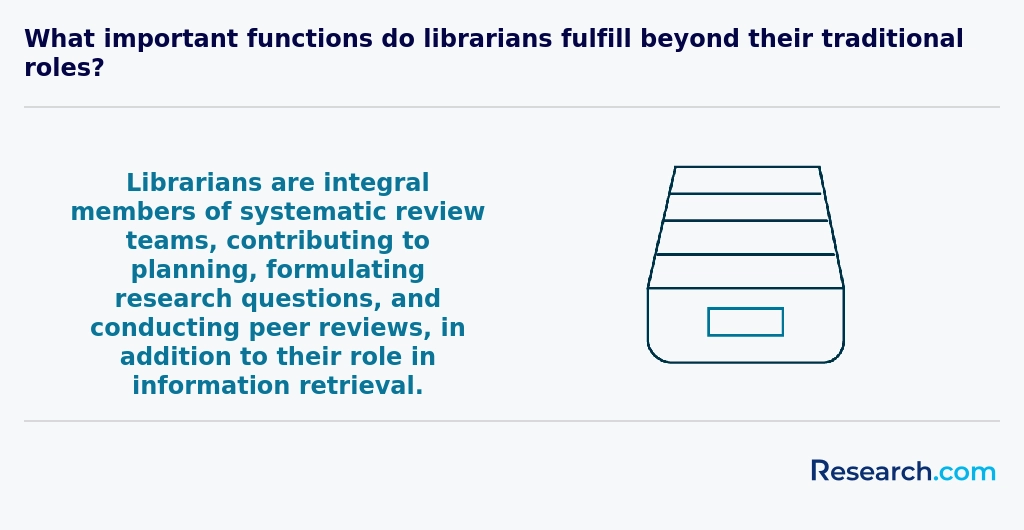
The library science field is continually evolving, with digital transformation, data analytics, and evolving user expectations reshaping traditional roles and functions. Staying updated on these emerging trends is crucial for students and professionals alike, as it enables them to adapt, innovate, and excel in their careers. Recent developments have underscored the importance of technology integration, from advanced digital archiving systems to AI-powered research tools, which are transforming how libraries serve diverse communities. For example, as more institutions adopt remote access and digital services, graduates are not only expected to efficiently manage physical collections but also to drive strategies for digital curation and virtual community engagement. It is equally important to explore pathways that blend technical skills with traditional library competencies, ensuring that today's professionals remain agile amid industry shifts. Additionally, professional networking and continuous education are vital; engaging with conferences, webinars, and online resource hubs can provide an edge in this competitive landscape. Students interested in comparing various innovative programs can check out the best online library science schools in kansas to see how these trends are being integrated within top-rated programs. These insights not only help prospective entrants make informed educational investments but also prepare current professionals to meet the demands of a dynamic job market with confidence and a forward-thinking mindset.
Discovering financial aid for an online library science degree in the Midwest is like uncovering hidden treasures tailored just for you. Imagine a graduate from a well-known Midwestern university, effortlessly managing tuition costs thanks to federal loans such as Direct Unsubsidized and Grad PLUS Loans-these make the dream of studying achievable, covering tuition and living expenses. Scholarships from the American Library Association and local library groups add sparkling gems of support, rewarding merit and determination while easing financial burdens.
Picture another graduate tapping into state-specific programs in Illinois or Ohio, benefiting from scholarships and loan forgiveness when working in public or school libraries-turning commitment into lasting rewards. Employer tuition reimbursement programs provided by public libraries further lighten the load, offering real-world support as students grow professionally.
With so many pathways open, from federal aid to local scholarships and employer help, Midwest learners embrace their educational adventure knowing funding opportunities make their library science journey not just possible, but thrillingly within reach.
Graduates must secure state or role-specific certification to practice as librarians. Key steps include:
- Completing an ALA-accredited masters in library science online program
- Submitting official transcripts and documentation of supervised practicum or internship
- Applying to your state’s library certification board and passing any required exams
- Fulfilling continuing education units or professional development to renew credentials
Always verify requirements, application deadlines and fees with your state library authority to ensure a smooth path to licensure.
Applicants typically send in official transcripts, showcasing their academic journey so far. It's like telling your story through numbers and grades, assuring admissions committees you're ready for the challenge. Letters of recommendation, often from professors or employers, add a human touch - think of them as cheerleaders vouching for your potential and passion.
Some programs invite students to share personal essays or statements of purpose, much like chatting about your dreams with the admissions team. And though GRE scores are becoming rarer, universities in Illinois or Michigan might still ask if your GPA needs a little backup.
Lastly, embracing basic computer skills is a must, because today's library science thrives on digital savvy. Graduates often highlight how these prerequisites prepared them for a vibrant, tech-friendly career right in the heart of the Midwest's educational landscape.
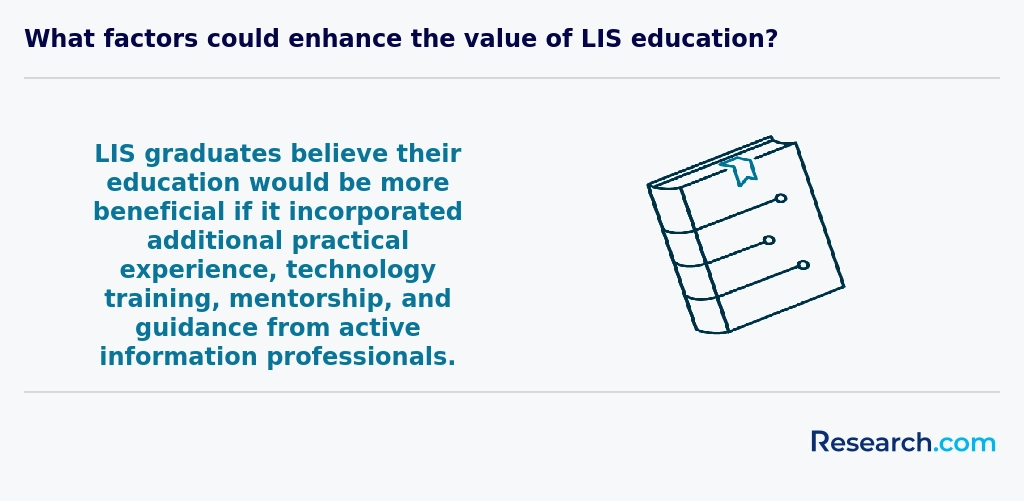
Diving into online library science degrees in the Midwest opens the door to a rich variety of courses that spark curiosity and practical mastery. Graduates from well-known regional universities often share how foundational classes like information retrieval and cataloging transformed their approach to organizing massive collections at public libraries or university archives.
Imagine learning how to navigate digital archives effortlessly-courses on digital librarianship prepare you for this evolving landscape, just as students at popular Midwest colleges have described. They often rave about hands-on experiences with Integrated Library Systems (ILS), turning abstract tech into tools they confidently use every day.
Ethics, research methods, and leadership skills form the backbone of the curriculum, empowering students to tackle real-world challenges, from safeguarding patron privacy to managing library teams. Electives reflecting regional needs, like community outreach, often inspire graduates to foster deeper connections between libraries and local neighborhoods, making their work feel meaningful and adventurous.
Exploring online library science specializations Midwest unlocks exciting paths tailored to diverse interests. Many graduates from popular Midwestern universities dive into Archival Studies, where they relish preserving historical treasures and digital collections-imagine working in a museum or government archive, making history accessible for future generations. Others embrace the Digital Libraries and Information Technology track, mastering metadata and digital curation to navigate the ever-evolving world of virtual libraries with enthusiasm and agility.
School Library Media remains a beloved choice for those passionate about shaping young minds through education-focused librarianship. Several states here require specialized certification, making this specialization particularly appealing for students who want to make a direct impact in K-12 schools. Graduates often share their rewarding experiences in bridging technology and literacy to support students and teachers alike.
Additional concentrations like Health Sciences Librarianship and Public Librarianship offer unique opportunities. Midwest programs stand out by blending traditional skills with modern demands, ensuring students feel prepared and energized for their careers. For a glimpse into how these paths align with your own ambitions, check out this career path with a masters in library science.
To embark on your adventure toward the best accredited online library science programs Midwest has to offer, start by seeking ALA-accredited degrees from schools like the University of Illinois or Kent State. Graduates often praise these programs for combining rigorous academics with hands-on virtual internships, making the learning feel alive even online. Imagine diving into a digital librarianship course while balancing family or work commitments-it's flexible yet deeply engaging. Affordability plays a key role; many students discover that public universities in Ohio or Minnesota offer an affordable online master's in library science Midwest residents can truly appreciate, sometimes with full programs costing less than $20,000. Listening to alumni stories reveals how financial aid and scholarships eased their path. And for those with busy lives, exploring fast adult degree programs online opens doors to study at your own pace without missing vital career steps, ensuring your journey feels both manageable and exciting.

Graduates with an online library science degree in the Midwest often embark on vibrant career paths that go far beyond the traditional librarian role. Imagine working as a public or academic librarian in bustling cities like Chicago or Minneapolis, where managing dynamic collections and community programs sparks daily joy. Many graduates from popular institutions like the University of Illinois cherish how their education empowered them to engage deeply with diverse communities and evolving technologies.
Others find exhilaration becoming school librarians or media specialists, integrating cutting-edge digital resources directly into classrooms across the Midwest. These roles perfectly blend information knowledge with educational innovation, a growing emphasis in regional school districts. Considering online library science degree job prospects Midwest, special librarianships in healthcare or corporate sectors like those near Cleveland provide unique, specialized challenges that graduates eagerly embrace.
Curators of digital archives and data managers at cultural hubs relish preserving the Midwest's rich histories while navigating advancing metadata standards. For those curious about starting points, many students recommend checking out what's the easiest bachelor's degree to find a program that fits a flexible lifestyle without compromising quality.
The job market for graduates holding an online library science degree in the Midwest is vibrant and steadily expanding, with opportunities stretching from urban hubs to rural communities. Many graduates from well-known institutions in Illinois, Ohio, and Michigan share stories of landing roles in university libraries or public information centers, where they apply digital cataloging skills learned online. The combination of practical experience and accredited program credentials often opens doors to positions overseeing archives, metadata management, and digital initiative projects.
Exploring Midwest employment trends for library science graduates reveals that degrees from these programs not only connect learners with local library associations but also with cutting-edge tech skills, making them competitive candidates amid funding shifts and evolving service demands. The balance between accessible tuition and a median librarian salary near $60,000 encourages many to pursue this path confidently. For those curious about educational investing, exploring what bachelor degrees make the most money can help shape a tailored career journey.
Graduates often express excitement about working in states like Minnesota, emphasizing a welcoming community environment alongside a growing focus on digital information management. This blend of tradition and innovation fuels a fresh outlook on what library science careers can become in the heart of the Midwest.
2027 Easiest Online Master's in Library Science Degree Programs Ranking in the Midwest
Investing in your education is a significant decision that can shape your future, and the Research.com team understands the importance of making informed choices. To support prospective students in the Midwest, we have carefully developed the "2027 Easiest Online Master's in Library Science Degree Programs Ranking in the Midwest." Our dedication to quality, credibility, and accuracy is demonstrated through comprehensive research and analysis behind this ranking.
We utilized the following reputable data sources to ensure a thorough evaluation of online master's programs in library science:
By exploring this ranking, readers will gain valuable insights into accessible, high-quality online degree options in the Midwest, assisting them in making informed educational decisions confidently. For further information on how we created this ranking, please visit our Research.com methodology page.




Frequently Asked Questions About library science
Students pursuing online library science degrees in the Midwest can enhance their learning by engaging with virtual internships and local libraries. Many Midwestern institutions, such as the University of Illinois and Syracuse University, offer partnerships that provide practical experiences. According to the American Library Association, hands-on work improves job readiness significantly.
Joining regional library associations and online forums helps students build professional networks, which is crucial in this field. Time management skills are essential due to the rigorous curriculum, often requiring 30 to 40 credit hours depending on the program. Utilizing university resources, including digital libraries and writing centers, also supports academic success.
The library science field is evolving with several emerging niches, especially relevant for Midwest students pursuing online degrees. One key area is digital librarianship, focusing on managing electronic resources and archives. This niche has grown as libraries expand their digital collections and services.
Another important development is in data curation and management. Librarians are increasingly involved in organizing and preserving research data, an area supported by institutions like the University of Illinois and Indiana University.
Additionally, health information librarianship is gaining traction due to rising demand in hospitals and medical centers across the region.
These niches reflect broader trends, with employment in library and information science projected to grow by 5% through 2031, according to the U.S. Bureau of Labor Statistics.
Graduates with an online library science degree in the Midwest should focus on building practical experience through internships and volunteer roles in local libraries or information centers. According to the American Library Association, hands-on experience is highly valued by employers in the region.
Networking within professional organizations such as the Midwest chapter of the Special Libraries Association can open doors to job opportunities. Additionally, obtaining certifications like the Certified Public Library Administrator (CPLA) enhances employability.
Given that the Midwest has a growing demand for digital librarians, skills in digital archiving and information technology are essential. The U.S. Bureau of Labor Statistics projects a 7% growth for librarians nationally through 2031, with regional libraries emphasizing tech proficiency.
Employers in the Midwest value a mix of traditional and modern skills in library science graduates. Strong knowledge of information organization, cataloging, and metadata standards remains essential. Additionally, technology proficiency, especially with digital archives and database management, is increasingly important. Communication skills, both written and verbal, are critical for engaging diverse communities.
Data from the American Library Association indicates that 75% of Midwestern library employers prioritize graduates familiar with emerging digital tools. Critical thinking and problem-solving abilities also rank highly, enabling professionals to adapt to evolving information environments. Understanding legal and ethical issues related to information access further strengthens candidates' job prospects in the region.
Finding internships relevant to a library science degree in the Midwest involves targeted research and networking. Start by exploring partnerships between online programs and regional institutions such as public libraries, universities, and archives. According to the American Library Association (ALA), midwestern states like Illinois, Ohio, and Michigan offer numerous internship opportunities at major public and academic libraries.
Check university career centers and professional organizations like the Midwest Chapter of the ALA for listings. Many internships are unpaid but provide valuable hands-on experience and professional connections. Using job boards specific to library science fields, such as the ALA JobLIST, can also help locate openings in the region.
Obtaining an online library science degree in the Midwest can significantly enhance career mobility and advancement opportunities. According to the American Library Association (ALA), professionals with a Master's in Library Science (MLS) are eligible for a wide range of roles, including librarianship, archives, and information management, which are in steady demand across the region.
Midwestern states like Illinois, Michigan, and Ohio show a projected 6-8% growth in library and information science jobs through 2030, as reported by the U.S. Bureau of Labor Statistics. An online degree enables students to gain credentials from accredited institutions while balancing work or personal commitments.
Employers in public and academic libraries increasingly prefer candidates with MLS degrees, valuing specialized skills in digital resources and data management. Graduates often experience faster promotions and access to leadership roles, especially in urban centers such as Chicago or Minneapolis, where library systems are larger and more diverse.
Studying for a library science degree in the Midwest equips students with a broad skill set essential for interdisciplinary roles. Many programs emphasize collaboration across information technology, education, and healthcare sectors, reflecting the diverse demands of modern librarianship.
Midwestern universities often integrate courses in data management, digital archiving, and information ethics, preparing graduates to work effectively in varied environments. According to the American Library Association, about 20% of library science jobs in the Midwest require knowledge extending beyond traditional librarianship, especially in technology.
This interdisciplinary approach benefits careers in academic, public, and special libraries by fostering adaptability and cross-sector communication skills.
Choosing between a thesis and a non-thesis online library science degree program in the Midwest depends on your career goals and learning preferences. Thesis programs typically require original research and are suited for students aiming for academic or research roles. Non-thesis options focus on coursework and practical skills, ideal for those seeking immediate employment or advancement in public and school libraries.
The Midwest has several accredited programs offering both formats. According to the American Library Association, thesis students often dedicate an extra semester to research, while non-thesis students graduate faster. Consider your time commitment and professional objectives when deciding.
Students based in the Midwest who wish to study library science abroad through online programs face limited direct international options. Most U.S. universities offering accredited online library science degrees, such as the University of Illinois Urbana-Champaign and Emporia State University, focus on domestic enrollment. However, some institutions have partnerships with global universities for exchange or dual-degree options, though these are less common in the Midwest.
For study abroad experiences, students often supplement their online education with short-term residencies or internships overseas. According to the American Library Association, roughly 10% of Midwest graduates pursue international work or education post-degree, highlighting growing interest but limited formal pathways. Overall, overseas study options for Midwestern online library science students tend to be informal or hybrid rather than fully online international programs.
Part-time jobs that complement a library science degree in the Midwest often include roles such as library assistants, archives technicians, and digital resource coordinators. These positions provide practical experience with cataloging, reference services, and managing digital collections, building skills valuable for master's graduates.
The U.S. Bureau of Labor Statistics notes that library assistants earn an average hourly wage of about $14, while job growth in library-related fields in the Midwest is expected to rise moderately by 2028. Additionally, part-time roles in university libraries or local historical societies enhance understanding of information organization and community outreach.
Many Midwestern states also offer internships or paraprofessional opportunities within public and academic libraries, helping students connect theory with practice. These jobs are suitable alongside online studies due to their flexible hours and relevant skill development.
Online library science students in the Midwest benefit from various networking opportunities designed to connect them with professionals and peers. Many programs encourage involvement in regional organizations like the Midwest Chapter of the American Library Association (MLA), which hosts conferences, workshops, and virtual meetups. This participation helps students build professional relationships and stay current with industry trends.
Additionally, Midwestern universities often facilitate access to internships and job placements through partnerships with local libraries. Students can also join online forums and special interest groups specific to library science, offering a platform for collaboration and mentorship. The Illinois Library Association reported that 65% of their members engage in online professional networks, highlighting the importance of these digital connections.
Alumni networks play a crucial role in supporting students enrolled in online library science degree programs in the Midwest. These networks provide access to professional connections within regional libraries, archives, and information centers, which can be vital for job placement. According to the American Library Association, 60% of library hires in the Midwest involve candidates recommended through professional networks.
Moreover, alumni often offer mentorship opportunities, career advice, and updates on industry trends specific to Midwestern institutions. Engaging with these networks helps students expand their knowledge about local job markets and continuing education options.
Many Midwestern universities foster active alumni groups that organize events, both virtual and in-person, enhancing community involvement among online students and graduates.
Customizing your online library science degree in the Midwest involves selecting electives and specializations that align with your career goals. Many programs offer concentrations such as archival studies, digital librarianship, or youth services. According to the American Library Association, specialized skills in digital management are in growing demand regionally.
Advisors at Midwest institutions typically help tailor course selections to match professional aspirations, including working in public, academic, or corporate libraries. Some schools also allow you to pursue certification courses in areas like metadata or records management alongside your degree. This flexibility supports focused skill development suited to evolving job markets.
Internships and practicums, often arranged virtually or locally, further personalize your experience by providing real-world exposure. The Council for Higher Education Accreditation reports that nearly 60% of Midwest library science programs incorporate such practical opportunities, enhancing employability.
Online library science students in the Midwest often face challenges related to limited hands-on experience. While theoretical knowledge is accessible digitally, gaining practical skills in archiving or cataloging can be difficult without local internship opportunities. According to the American Library Association, fewer than 30% of Midwest library science programs offer robust virtual labs or simulations.
Connectivity issues also impact students in rural areas, where reliable high-speed internet may be scarce. This can hinder participation in live discussions and access to digital resources.
Additionally, balancing work, family, and study commitments remains a common struggle for many Midwestern students pursuing degrees online.
An online library science degree from a Midwest institution equips graduates to pursue several key professional certifications. The most recognized credential is the Certified Public Librarian (CPL), often required for public library positions. Many states in the Midwest, including Illinois and Michigan, recognize the American Library Association (ALA) accreditation as a standard for eligibility. Another important certification is the Certified Archivist credential, offered by the Academy of Certified Archivists, which is valuable for careers in archives and special collections. Additionally, school librarian certifications vary by state but typically require an MLS degree and specific state licensure exams.
According to the Midwest Library Association, obtaining these certifications can improve job prospects and salary potential in the region's growing library and information sciences sector. Certification often involves a combination of education, exam passage, and continuing education.
Writing a winning application for an online library science program in the Midwest requires clear focus and attention to detail. Begin by highlighting your relevant experience, such as work in libraries, information centers, or related volunteer activities. Many Midwestern schools look for candidates with strong organizational skills and a passion for information management. According to the American Library Association, programs increasingly value demonstrated commitment to diversity and digital literacy.
Ensure your personal statement clearly explains why you want to pursue a library science degree online and how it fits your career goals. Include specific reasons for choosing a Midwestern program, referencing regional opportunities or research strengths.
Gather strong letters of recommendation from academic or professional references familiar with your skills and dedication. Some Midwestern institutions require GRE scores, but many have dropped this requirement recently-check each program's admissions criteria carefully.
Lastly, verify your application materials for accuracy and completeness before submission. Attention to deadlines and proper formatting reflects professionalism valued by admissions committees in Illinois, Michigan, and Ohio, where some of the top-ranked online LIS programs are located.
Library science careers are increasingly recognized worldwide for their vital role in managing information and supporting education. In the United States, including the Midwest, the field is evolving with a focus on digital resources and data management. According to the American Library Association, library science professionals often engage in information technology alongside traditional roles.
Globally, there is growing demand for skills in digital librarianship, especially with the rise of online databases and archives. Midwest institutions offering online library science degrees reflect this trend by incorporating courses on digital curation and information policy.
Statistics from the Bureau of Labor Statistics show a steady employment outlook for librarians, predicting 9% growth from 2020 to 2030 in the U.S., which aligns with Midwestern job markets. This outlook signals consistent opportunities for graduates in both public and academic libraries.
Moreover, international collaboration through organizations like the International Federation of Library Associations fosters exchange of knowledge, preparing graduates for a globalized career path. Such perspectives enhance the value of a library science degree earned online from a Midwest university.
Gaining practical experience while pursuing an online library science degree in the Midwest is essential for career readiness. Many programs offer virtual internships or practicum opportunities with local libraries, archives, or information centers. These experiences allow students to apply theoretical knowledge in real-world settings. According to the American Library Association, around 70% of Midwest library science programs require hands-on experience through internships or fieldwork.
Students can also volunteer at public or university libraries near their residence to enhance skills like cataloging, reference services, or digital archiving. Networking with professional library associations in the Midwest, such as the Michigan Library Association or the Ohio Library Council, provides further opportunities for mentorship and practical learning.
Choosing the right concentration within an online library science degree in the Midwest begins with understanding your career goals. Common concentrations include digital libraries, archival studies, and information technology. According to the American Library Association, areas like digital curation and data management are growing rapidly, especially in Midwestern urban centers such as Chicago and Minneapolis.
Consider the local job market where you plan to work after graduation. The Bureau of Labor Statistics notes that states like Illinois and Ohio show a steady demand for specialized librarians in academic and public libraries.
Evaluate programs accredited by the ALA, as concentration options vary and affect employability. Look for concentrations aligned with regional industry needs to maximize opportunities.
See What Experts Have To Say About Studying Library Science
Read our interview with Library Science experts

Kay Anne Cassell
Library Science Expert
Professor Emerita of Library and Information Science
Rutgers University

Beatrice C. Baaden
Library Science Expert
Associate Professor
Long Island University

Edward Benoit III
Library Science Expert
Associate Director, School of Information Studies
Louisiana State University

Maura Madigan
Library Science Expert
School Librarian
Book Author
Book Author
- Online Master of Library and Information Studies https://www.ualberta.ca/en/school-of-library-and-information-studies/programs/online-mlis.html
- Library Science Degrees | Best MLIS Programs, Updated for 2025 https://www.librarysciencedegrees.org/
- Online Library & Information Science Degree Programs https://www.librariancertification.com/online-library-information-science-degree-programs/
- Six Library Challenges (and Training Solutions) - Niche Academy https://www.nicheacademy.com/blog/challenges-facing-libraries-today
- 7+ Illinois Library Science Degrees Online (Masters + PhD) https://librarysciencedegreesonline.org/illinois/
- Master in Library Information Science (Non-Thesis) https://mseuf.edu.ph/programs/lucena/mlis-non-thesis
- Global Perspectives on Library and Information Science https://www.routledge.com/Global-Perspectives-on-Library-and-Information-Science/book-series/GPLIS
- The Next Chapter: Career Advice for Freshly Minted Library and Information Professionals - blog post https://librarianship.ca/blog/next-chapter/
- Know more about thesis vs non- thesis: what is the difference? https://studyfans.com/en/blogs/816
- Tips for Networking – Core News https://alacorenews.org/2021/12/07/tips-for-networking/


