2027 Most Valuable Online Master's in Information Technology Degree Programs Ranking in Georgia

Co-Founder and Chief Data Scientist
Choosing the right online master's program in information technology can be a big decision for students in Georgia. This article presents the 2027 Most Valuable Online Master's in Information Technology Degree Programs Ranking in Georgia, developed by the Research.com team of data scientists. Their careful analysis helps you understand which programs offer the best opportunities.
By exploring this ranking, you gain useful insights to make a confident, informed choice that fits your goals. An IT degree can open doors to exciting careers and personal growth, making this a valuable step toward your future success.
Key benefits of getting online information technology degree in Georgia
- Information technology graduates in Georgia often pursue careers such as network administrators or computer support specialists, with median US wages around $87,070 and $57,910 respectively, offering solid earning potential.
- A degree from Georgia Tech or the University of Georgia opens diverse career paths including cybersecurity, software development, and IT management, providing high demand and exciting job opportunities.
- Completing an IT degree online, like through the University of North Georgia's program, offers flexible scheduling and reduced commuting costs, making education more accessible and convenient for busy students.
- 2027 Most Valuable Online Master's in Information Technology Degree Programs Ranking in Georgia
- What can I expect from online information technology degree in Georgia?
- Where can I work with online information technology degree in Georgia?
What can I expect from online information technology degree in Georgia?
The average cost of an online information technology degree in Georgia varies, but public universities generally offer more affordable tuition for in-state students. For example, graduates from the University of Georgia and Georgia Institute of Technology report tuition rates significantly lower than national averages, often ranging between $5,000 and $10,000 per year for residents. Financial aid options like the HOPE Scholarship further reduce out-of-pocket expenses, making education more accessible. Graduates frequently share how affordability combined with a strong online curriculum allowed them to balance work and study without severe financial stress.
Many students appreciate that these institutions maintain accreditation by recognized bodies like ABET, ensuring their degrees are respected by employers. This combination of cost-efficiency and quality fosters positive experiences, enhancing graduates' confidence in securing roles such as cybersecurity specialists or software engineers within Georgia's growing tech sector.
Where can I work with online information technology degree in Georgia?
Graduates with an online information technology degree from institutions such as Georgia Tech and Kennesaw State University find a wide array of employment opportunities throughout Georgia's expanding tech landscape. The information services sector, including software development and cloud computing firms in Atlanta, offers roles like cybersecurity analysts and network administrators, where many alumni thrive, contributing to innovative projects in real-world corporate settings.
State agencies and local government offices also employ graduates to oversee IT infrastructure and protect sensitive data, creating stable career paths for those interested in public service. For example, graduates often step into IT project manager roles, supporting critical digital services across communities.
Healthcare providers in Georgia increasingly rely on IT professionals for managing electronic health records and telemedicine platforms, making this sector a vibrant job market for recent graduates. Financial institutions in Atlanta similarly demand skilled IT workers to maintain secure digital systems, aligning perfectly with the degree's comprehensive training.
Universities and school districts frequently hire IT specialists to support digital learning environments, offering graduates roles that blend technology with education, reflecting real experiences shared by recent alumni.
Graduates with an online information technology degree in Georgia can expect entry-level salaries ranging from $50,000 to $65,000 annually, reflecting positions like network support technicians or junior system administrators. As graduates gain experience, many from institutions such as Georgia Tech or Kennesaw State University see their earnings rise substantially. Mid-level roles such as software developers or database administrators typically earn between $80,000 and $110,000 per year, creating strong motivation to pursue certifications and advanced skills.
IT managers and information security analysts in Georgia often earn above $120,000 annually, benefiting from the state's expanding tech sector centered in metro Atlanta. Graduates working in specialized fields like cybersecurity can expect median wages exceeding $95,000, a figure supported by regional demand for highly skilled professionals.
These salary prospects demonstrate the clear value of an online IT degree paired with practical experience. Many graduates find the flexibility of online programs ideal, allowing them to work while building skills that translate into competitive compensation and promising career growth throughout Georgia's thriving technology landscape.
- Online IT degrees in Georgia cover key areas such as cybersecurity, networking, software development, and data management.
- Tuition at public universities ranges from $7,000 to $15,000 per year for in-state students, while private schools may charge over $20,000 annually.
- Entry-level IT salaries in Georgia start around $55,000 per year, with mid-career professionals earning between $80,000 and $110,000 annually.
- Many online programs offer asynchronous courses, allowing students to study while working full-time without relocating.
- Programs should be accredited by recognized bodies like SACSCOC to ensure quality and eligibility for federal financial aid.
Completing an online information technology degree in Georgia typically takes between three and four years for full-time bachelor's students, aligning with the national standard. For example, graduates from prominent institutions like Georgia State University and Kennesaw State University often report finishing their studies within this timeframe when fully committed to their coursework.
For those balancing work and family, especially part-time students, the duration can extend to six years or more, reflecting the flexible nature of programs offered by schools such as the University of North Georgia. Many appreciate this flexibility, allowing them to manage job responsibilities while progressing steadily through their degree.
At the graduate level, online IT master's programs usually require 18 to 24 months of full-time study at universities like Mercer University. Accelerated tracks enable completion in about a year, though part-time enrollment can stretch this to three years, providing options to fit varied lifestyles.
Graduates often highlight how tailored credit transfer policies helped shorten their degree paths, making education both efficient and rewarding in Georgia's expanding tech landscape.
Online information technology degrees in Georgia provide significant flexibility compared to traditional on-campus programs. Graduates from the University of Georgia's online IT track often highlight the ability to study around demanding work schedules or family duties, making asynchronous course formats ideal. In contrast, students attending Georgia Tech on-campus benefit from structured class times that foster direct interaction with professors and peers, enhancing collaboration and networking in real-time.
Cost considerations also differ notably. Public universities in Georgia charge about $8,000 yearly for IT degrees for residents, but online students may save on commuting, housing, and campus fees. Nevertheless, some online programs maintain similar tuition rates. On-campus learners typically access resources like computer labs and career centers, offering hands-on experiences valuable for internships and job placements.
Both formats demand reliable technology access for success. Online students often emphasize the independence and motivation required, while on-campus peers appreciate immersive environments that boost engagement. Choosing between these modes depends on personal learning preferences, lifestyle, and career ambitions within Georgia's evolving tech sector.
The average cost of an online information technology degree in Georgia reflects a balance between accessibility and quality. Data shows that the median total cost for completing an IT degree online in Georgia is approximately $10,242. This figure takes into account the tuition fees and additional expenses typically associated with online education. Graduates of programs at universities like Kennesaw State University and Georgia Southern University often note that these costs are manageable, especially when benefiting from in-state tuition rates. For residents, the median in-state total cost is closer to $9,144, which delivers significant savings compared to out-of-state rates, where the median total cost can rise to $32,940.
Students pursuing a Georgia online information technology degree tuition fees usually range from $300 to $600 per credit hour at public institutions, helping maintain affordability. Private schools tend to charge higher rates, yet many offer scholarships and financial aid options to ease the financial burden. For example, technology fees and materials, although additional, are generally bundled with tuition or kept minimal, making budgeting simpler for students managing work and family commitments.
Many graduates find the investment rewarding as it prepares them well for the workforce, equipping them with practical skills to advance. To understand the return on investment fully, students interested in IT careers can explore resources on how to become an it manager, which provides insights into career paths and expected income after completing their degree.

Online information technology students in Georgia often rely on a combination of financial aid options to manage tuition costs, especially at institutions like the Georgia Institute of Technology and Kennesaw State University. Federal Pell Grants, offering up to $7,395 annually, provide non-repayable support based on financial need, easing the burden for many undergraduates. Graduates from these programs frequently highlight how this federal aid made enrolling more accessible.
State programs such as the HOPE Scholarship and HOPE Grant further reduce expenses for residents pursuing IT degrees. These awards, tied to academic performance and enrollment in qualifying technical or degree programs, can cover substantial portions of tuition at public and private colleges. For example, students at Georgia State University have reported significant savings through HOPE.
Employer tuition assistance is another prevalent resource. Many working professionals enrolled in online IT degrees leverage tuition reimbursement benefits from major Georgia technology firms or public sector jobs, sometimes covering full tuition costs.
Finally, smaller private scholarships from entities like the Georgia Technology Authority complement these aids, collectively enhancing affordability and enabling a smoother educational journey.
To enroll in an online information technology degree program in Georgia, applicants typically need a high school diploma or equivalent, such as a GED. Graduates from popular institutions like Georgia Tech have noted that providing official transcripts confirming solid performance in math and science is crucial. These subjects build the analytical foundation necessary for IT success.
For bachelor's programs, completing coursework in algebra and geometry is often expected. Graduate-level applicants usually must hold a bachelor's degree, sometimes in IT or a related discipline. At universities such as Kennesaw State, students have found that submitting letters of recommendation and a personal essay detailing their IT interests can significantly improve admissions outcomes.
Though standardized tests like the SAT or GRE have become less mandatory, some colleges still consider them, especially for graduate admissions. A key prerequisite also includes reliable technology setup, reflecting the fully online nature of most programs in the state.
Many Georgia IT students share positive experiences about the supportive orientation processes that prepare them for remote learning challenges, helping them feel confident and ready from day one.
Online information technology degree programs in Georgia consistently include foundational courses such as programming, database management, and network security. Graduates from universities like Georgia Tech and Kennesaw State often recall starting with languages like Python or Java, which provide practical coding experience applicable in real-world projects. Database systems courses equip students with skills to design and maintain data infrastructures critical for businesses statewide.
Specialized topics like cloud computing and systems analysis are also prominent, reflecting Georgia's rapidly expanding tech industry needs. Students describe managing simulated IT projects that mirror challenges faced by companies in Atlanta's tech hubs. Cybersecurity principles are emphasized due to rising digital threats, training students to safeguard networks effectively.
Additionally, business-oriented courses such as IT project management and strategic planning prepare students for leadership roles. Many graduates appreciate how these classes integrate technology with organizational goals, a vital skill in collaborative environments common in Georgia's diverse industries.
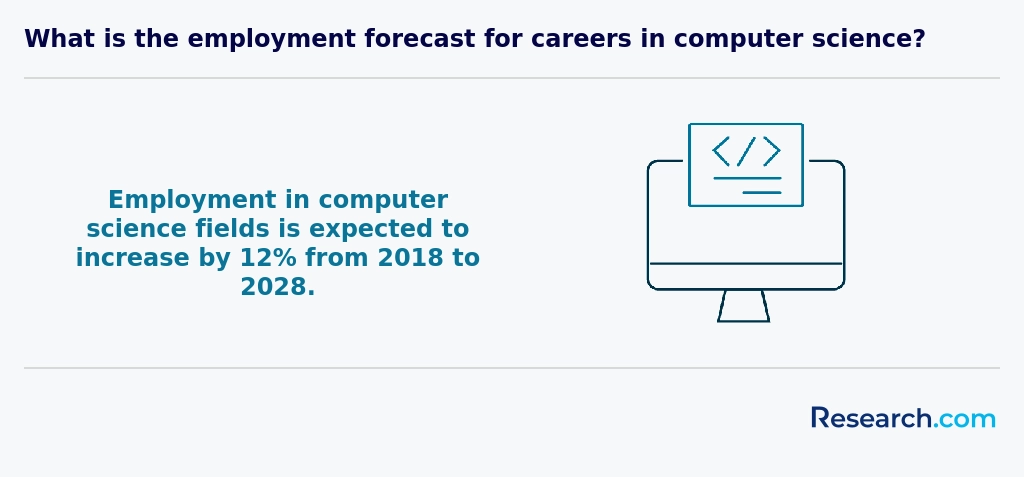
Online information technology specializations in Georgia typically include cybersecurity, data analytics, software development, and network administration. Cybersecurity is a leading concentration due to Georgia's growing demand for skilled professionals to combat cyber threats, with job growth in this field projected to outpace many others through 2028. Graduates from popular tech programs in Georgia often share how training in cybersecurity directly prepared them to protect sensitive organizational data in sectors such as finance and healthcare.
Data analytics, another common track, equips students with database management and statistical analysis skills critical for data-driven decision-making. Many students at well-known Georgia colleges find this specialization enhances their ability to interpret complex datasets, giving them a competitive edge in business intelligence roles.
Georgia IT degree concentration options online also include software development and network administration, both integral to supporting the state's vibrant startup tech scene. These specializations train students to design applications or maintain essential network infrastructure, often leading to rewarding careers.
Some programs extend offerings to emerging areas like cloud computing and artificial intelligence, reflecting the latest industry trends. Prospective students can explore jobs with a degree in information technology as they plan their educational investments.
Choosing the best online information technology degree in Georgia means prioritizing accreditation, affordability, and curriculum relevance. Graduates from popular institutions like Georgia Tech emphasize the value of programs accredited by SACSCOC, ensuring their degrees are credible and recognized by employers statewide. Considering Georgia's public universities, many offer competitive tuition rates that favor in-state residents, making affordability a critical factor. Prospective students should also evaluate how often programs update coursework to include high-demand skills such as cybersecurity and cloud computing, reflecting Georgia's expanding IT job market.
Flexibility is vital for many online learners balancing jobs and family. Programs that feature asynchronous classes and robust support services-common at well-known colleges-receive positive feedback from graduates who felt empowered to manage their studies effectively. Additionally, faculty connections to local IT firms provide valuable internship and networking opportunities, enhancing career outcomes. For those seeking affordable options, exploring resources like affordable online mba in it programs can help identify cost-efficient pathways.

Graduates with an online information technology degree in Georgia can pursue diverse career paths spanning several specialized roles. Common opportunities include network and computer systems administrators, information security analysts, and software developers. These roles leverage technical expertise and problem-solving skills, vital in Georgia's expanding tech industry. Many graduates from universities such as the University of Georgia and Georgia Tech report securing positions as IT project managers or database administrators, reflecting practical career benefits of their education.
The availability of information technology degree job opportunities Georgia-wide is influenced by Atlanta's status as a major technology hub, where companies like NCR Corporation thrive. Cloud computing specialists are increasingly in demand as businesses adopt new technologies. Success stories from graduates often highlight how combining an online IT degree with industry certifications improves employability and salary potential.
Students interested in accelerating their education and entering the workforce efficiently may explore accelerated technology online degrees, which many Georgia institutions offer. These programs provide a direct pathway into growing online information technology careers in Georgia.
The job market for graduates of online information technology degrees in Georgia demonstrates strong growth, driven by Atlanta's role as a major technology hub. Graduates from institutions like Georgia Tech and Kennesaw State University, which offer flexible online IT programs, find themselves in high demand for roles such as cybersecurity analysts, software developers, and network engineers. This reflects the state's thriving tech economy, which contributes over $150 billion annually, and an expected 13% employment growth rate in IT occupations through 2030.
Many who pursue the online information technology jobs in Georgia report positive outcomes due to the region's emphasis on tech innovation and the value placed on accredited online degrees by local employers. Salaries are competitive, with averages around $87,000 and entry-level roles starting near $55,000, making it a smart investment for students balancing work and study. Those interested can explore programs like a master of information technology online to enhance career opportunities.
Information technology career opportunities Georgia-wide often span cybersecurity, data analytics, and IT project management-fields that continue to expand as businesses increasingly depend on technology.
2027 Most Valuable Online Master's in Information Technology Degree Programs Ranking in Georgia
Investing in your education is a significant decision that can profoundly impact your career, and the Research.com team acknowledges the importance of making well-informed choices. To support prospective students exploring online master's degrees in Information Technology in Georgia, we have carefully developed the "2027 Most Valuable Online Master's in Information Technology Degree Programs Ranking in Georgia." Our dedication to quality, credibility, and accuracy is demonstrated through extensive research and rigorous analysis.
We utilized the following reputable data sources to ensure a comprehensive evaluation of these programs:
By consulting this ranking, readers will gain essential insights into the most valuable online Information Technology master's programs in Georgia, empowering them to make confident and informed decisions about their educational journeys. For a deeper understanding of our ranking process, please visit our Research.com methodology page.


Frequently Asked Questions About information technology
Students pursuing online information technology degrees in Georgia can enhance their learning by actively engaging with course materials and instructors. Georgia is home to a growing IT industry, employing over 128,000 technology professionals as of 2023 according to the Georgia Department of Labor, highlighting the value of practical, industry-aligned skills.
Joining virtual study groups or online forums can foster collaboration and deepen understanding. Additionally, leveraging internships or cooperative education opportunities offered by Georgia-based tech firms can provide valuable hands-on experience.
Students should also utilize campus resources when available, such as library databases, tutoring services, and career counseling, which many Georgia universities extend to their online learners.
Finally, staying current with emerging technologies and certifications, such as those from CompTIA or Cisco, complements academic learning and increases job market competitiveness.
The information technology field in Georgia is rapidly evolving, with several emerging niches gaining momentum. Cybersecurity remains a top priority, driven by increasing digital threats. According to the Georgia Department of Economic Development, cybersecurity jobs in the state are expected to grow by over 20% through 2030. Another key area is cloud computing, where businesses are adopting remote and hybrid work models that rely heavily on cloud infrastructure.
Moreover, data analytics and artificial intelligence (AI) are expanding fields, with many Georgia companies seeking skilled professionals to manage big data and automate processes. Finally, the rise of Internet of Things (IoT) technologies presents new opportunities in smart city development and industrial applications within the state.
After completing an online information technology degree in Georgia, graduates should focus on practical experience and networking to enter the job market effectively. Georgia's IT sector is growing rapidly, with Atlanta alone expected to add over 50,000 tech jobs by 2030, according to the Metro Atlanta Chamber. Gaining industry certifications like CompTIA, Cisco, or AWS can improve employability. Internships and project portfolios also demonstrate skills to potential employers. Joining local professional groups such as the Georgia Technology Council provides valuable networking opportunities. Additionally, staying updated on emerging technologies and continuous learning are essential in Georgia's competitive IT job market.
Employers in Georgia seek information technology graduates with a strong foundation in technical and soft skills. Key technical skills include proficiency in programming languages such as Python, Java, and SQL, alongside expertise in cybersecurity and cloud computing. According to the Georgia Department of Labor, demand for IT professionals with these skills is projected to grow 15% by 2030.
In addition to technical knowledge, employers highly value problem-solving abilities and effective communication. The ability to work collaboratively in teams and manage projects using Agile methodologies is often required. Employers also look for adaptability to evolving technologies, especially in Atlanta's growing tech market.
Finding internships in Georgia related to information technology degrees involves leveraging local resources effectively. The state has a growing tech industry, especially in Atlanta, which is home to numerous IT companies and startups. According to the Georgia Department of Economic Development, tech jobs in Georgia are expected to grow by over 18% by 2028, increasing internship opportunities.
Students should begin by using their online school's career services, which often have partnerships with local businesses. Websites like Georgia Tech's internship portal and the Georgia Department of Labor can also provide listings specifically for IT roles.
Networking is essential. Joining Georgia-based tech organizations such as the Technology Association of Georgia can connect students with internship openings and mentors. Attending local events or virtual career fairs hosted by universities also increases chances to secure internships in the field.
Online information technology degrees significantly enhance career mobility and advancement opportunities in Georgia. According to the Georgia Department of Labor, the IT sector in the state is projected to grow by 15% through 2030, faster than many other industries.
Holding an online IT degree allows professionals to qualify for higher-level roles such as systems analysts, cybersecurity experts, and IT managers. These positions typically offer salaries above the Georgia median wage, with IT managers earning a median annual salary of around $120,000.
The flexibility of online programs enables working professionals to upskill without interrupting their careers. Additionally, accredited Georgia institutions often have strong employer networks, improving job placement prospects.
Moreover, Georgia's growing technology hubs like Atlanta increase demand for skilled IT graduates, making online degrees a practical pathway for career progression.
Studying for an information technology degree online in Georgia equips students with skills that span multiple disciplines, preparing them for diverse professional environments. Programs often integrate coursework in business, cybersecurity, data management, and software development, reflecting the interdisciplinary demands of today's tech roles. Georgia's growing IT sector, valued at over $60 billion annually according to the Technology Association of Georgia, emphasizes innovation and cross-functional knowledge.
Many universities collaborate with local industries, giving students real-world experience in areas like healthcare IT and finance.
This prepares graduates to work effectively with teams across various fields, making them valuable assets in interdisciplinary roles.
When choosing between a thesis and a non-thesis online Information Technology degree program in Georgia, students should consider their career goals carefully. Thesis programs demand original research and writing, which suits those planning to pursue doctoral studies or research roles. Non-thesis options typically emphasize practical skills through coursework and projects, often preferred by professionals aiming for industry jobs.
Georgia's technology sector is growing rapidly with Atlanta ranked among the top tech hubs in the US by CompTIA's Cyberstates report. Programs aligned with this market trend often offer non-thesis pathways focused on applied IT skills. Understanding your long-term plans and consulting academic advisors in Georgia institutions can guide your decision-making.
Students based in Georgia who wish to study information technology abroad have several pathways, primarily through international partnerships and dual-degree programs offered by U.S. universities. Many Georgia institutions collaborate with overseas colleges, enabling students to earn credits transferable toward IT degrees. This approach allows students to gain international experience without leaving the U.S.
Additionally, Georgia students can enroll in fully online IT programs from accredited global universities, providing flexibility and access to diverse curricula. According to the National Center for Education Statistics, about 15% of Georgia's college students opt for online programs, reflecting growing interest. While true physical study abroad programs for IT are limited, online options open doors to global perspectives in technology education.
Students pursuing online information technology degrees in Georgia have access to various part-time jobs that can enhance their academic experience. Positions such as IT support specialists, help desk technicians, and web developers are common roles that align well with coursework and skill development.
Georgia's growing tech industry, especially in Atlanta-ranked among the top U.S. tech hubs by the Metro Atlanta Chamber-offers practical opportunities to gain hands-on experience. According to the Georgia Department of Labor, employment for computer and IT occupations is projected to grow 13% through 2030, faster than average.
Internships or freelance roles in cybersecurity and software testing can also complement academic studies by providing real-world applications of theoretical knowledge.
Online information technology students in Georgia benefit from diverse networking opportunities despite the remote format of their studies. Many universities collaborate with local IT industries in Atlanta, a growing tech hub with over 30,000 IT jobs as reported by the Georgia Department of Labor in 2023. This creates chances for virtual meetups, internships, and mentoring programs.
Student organizations and professional chapters, such as local branches of the Association for Computing Machinery (ACM) and Information Systems Security Association (ISSA), often host online events and workshops accessible to remote learners. These platforms promote connections with IT professionals across Georgia.
Additionally, statewide tech conferences like the Georgia Technology Summit provide virtual attendance options. These gatherings enable students to engage with industry leaders, recruiters, and peers, enhancing their professional network from anywhere in the state.
Alumni networks play a vital role for online information technology degree students in Georgia by offering valuable professional connections. Georgia's growing tech sector, valued at billions annually, benefits from graduates who maintain strong ties through these networks. According to the Georgia Department of Economic Development, IT jobs in the state are projected to grow 15% by 2030, increasing demand for skilled professionals.
Alumni networks help students access mentorship, internship opportunities, and job leads within Georgia's local industry. They often host events and share resources that provide career advancement support. These connections can be crucial for students studying remotely, fostering community and practical industry insights.
Many online information technology degree programs in Georgia offer customizable options to help students align their studies with specific career goals. Students can often choose from various concentrations such as cybersecurity, data analytics, or network administration. These specializations allow deeper skill development suited to in-demand roles in the state's growing IT sector, which is projected to increase by 15% by 2028 according to the Georgia Department of Labor.
Programs frequently provide flexible electives and capstone projects focused on practical, real-world IT challenges. This approach supports hands-on experience and professional portfolio building.
Additionally, some schools offer partnerships with Georgia employers for internships and mentorships, enhancing career readiness and networking opportunities.
Online information technology students in Georgia often face challenges related to balancing work, family, and study. Many students juggle full-time jobs while pursuing degrees, causing time management difficulties. Additionally, some students experience limited access to high-speed internet in rural parts of Georgia, which can affect the quality of their online learning.
Technical issues with software or platforms also affect learning continuity. According to the Georgia Institute of Technology, about 30% of online students reported occasional connectivity problems in 2023.
Another common challenge is maintaining motivation without face-to-face interaction. The absence of direct contact with peers and instructors can lead to feelings of isolation and impact student engagement.
With an online information technology degree from a Georgia institution, students can pursue several industry-recognized certifications to boost their career prospects. Popular options include the CompTIA A+, which validates foundational IT skills, and Network+, emphasizing network management and troubleshooting. For those interested in cybersecurity, the Certified Information Systems Security Professional (CISSP) is highly valued by employers.
Georgia's growing tech sector, especially in Atlanta, offers numerous job opportunities for certified IT professionals, with a projected 12% growth in computer and mathematical occupations through 2030 according to the U.S. Bureau of Labor Statistics. Additionally, certifications like Microsoft Certified: Azure Fundamentals and Certified Ethical Hacker (CEH) align well with regional IT demands.
To write a winning application for an online information technology program in Georgia, start by clearly highlighting your academic background and relevant work experience. Georgia's tech sector is growing rapidly, with over 100,000 IT jobs as reported by the Georgia Department of Labor in 2023, so demonstrating practical skills matters.
Focus on tailoring your personal statement to Georgia's evolving IT landscape, mentioning your career goals and how the program aligns with local industry demands. Include specific examples of problem-solving or projects related to information technology.
Strong letters of recommendation from supervisors or professors familiar with your IT skills can boost your application. Finally, ensure all required documents are complete and submitted before deadlines to maximize your chances.
The global outlook for careers in information technology is very strong, especially for those with advanced degrees like a master's. In the US, IT jobs are expected to grow 15% from 2021 to 2031, much faster than average, according to the Bureau of Labor Statistics. Georgia, home to a growing tech industry, offers many opportunities for graduates in cities like Atlanta, which hosts numerous tech companies and startups.
Worldwide, IT skills are in high demand due to increasing reliance on digital infrastructure, cybersecurity, and cloud computing. A degree earned online in Georgia can prepare students to compete internationally by providing up-to-date technical knowledge and practical skills valued across global markets.
Research from CompTIA highlights that IT professionals with master's degrees often move into leadership roles, making such degrees valuable for career advancement. Georgia's online programs also emphasize flexible learning, which is essential for working adults entering this evolving field.
Students pursuing an online information technology degree in Georgia can gain practical experience through internships and cooperative education programs. Many Georgia universities partner with businesses in Atlanta's growing tech sector, which employs over 90,000 IT professionals according to the Georgia Department of Economic Development.
Virtual internships are increasingly common, allowing online students to work remotely with companies. Additionally, some programs incorporate capstone projects that simulate real-world IT challenges, helping students apply theory to practice.
Networking through professional organizations like the Georgia Technology Association also offers valuable connections and experience opportunities.
Choosing the right concentration within an online information technology degree in Georgia depends on your career goals and the state's job market trends. Georgia's IT sector is growing rapidly, with Atlanta ranking among top U.S. cities for tech job growth, according to the Georgia Department of Economic Development. Popular concentrations include cybersecurity, data analytics, and software development, reflecting the demand for skilled professionals in these areas.
Consider courses that align with certifications recognized in the industry, such as CISSP for cybersecurity. Also, investigate if the program offers internships or partnerships with Georgia-based tech companies to enhance practical experience.
Evaluate the curriculum carefully to ensure it covers the skills most sought by Georgia employers, such as cloud computing and network administration. Finally, review faculty expertise and alumni outcomes for insights into program quality in your chosen concentration.
- 2027 Most Valuable Online Master's in Information Technology Degree Programs Ranking in Florida
- 2027 Most Valuable Online Master's in Information Technology Degree Programs Ranking in Kentucky
- 2027 Most Valuable Online Master's in Information Technology Degree Programs Ranking in Virginia
- 2027 Most Valuable Online Master's in Information Technology Degree Programs Ranking in West Virginia
- 2027 Most Valuable Online Master's in Information Technology Degree Programs Ranking in Arkansas
- 2027 Most Valuable Online Master's in Information Technology Degree Programs Ranking in Missouri
- 2027 Most Valuable Online Master's in Information Technology Degree Programs Ranking in Ohio
- 2027 Most Valuable Online Master's in Information Technology Degree Programs Ranking in Illinois
- 2027 Most Valuable Online Master's in Information Technology Degree Programs Ranking in Pennsylvania
- 2027 Most Valuable Online Master's in Information Technology Degree Programs Ranking in Texas
- Top 5 Best Online Colleges in Georgia – 2026 Comparison https://www.nexford.edu/insights/top-5-best-online-colleges-in-georgia
- Standards Satchel https://case.georgiastandards.org/a1215918-318b-4773-9229-26a266e3ad62/2c44de5c-8255-4c17-8ee8-b94ccb8dbebd/796
- Online Technology Degree Programs | University of Phoenix https://www.phoenix.edu/online-information-technology-degrees.html
- Online Degree vs. Traditional: Choosing the Right Path https://beal.edu/online-degree-vs-traditional/
- gradireland https://gradireland.com/careers-advice/information-technology/what-skills-are-employers-seeking-it-graduates
- Study Information Technology Abroad: Top Colleges and Careers https://www.aeccglobal.com/study-abroad/courses/information-technology
- Best Entry-Level IT Certifications for Beginners - ONLC https://www.onlc.com/blog/best-beginners-entry-level-it-certifications/
- The Top IT Challenges Facing Universities (And How to Tackle Them) | Full Fabric https://www.fullfabric.com/articles/it-challenges-universities-face
- How to Learn About Information Technology on Your Own | CompTIA Blog https://www.comptia.org/en/blog/how-to-learn-about-information-technology-on-your-own/
- (apply for a place in the Bachelor of Information Technology) Letter of Motivation https://essayforum.com/letters/apply-place-bachelor-information-technology-39720/