2027 Most Valuable Online Master's in Information Technology Degree Programs Ranking in Pennsylvania

Co-Founder and Chief Data Scientist
If you're considering advancing your career with an online master's degree in Information Technology, this article is made for you. We present the 2027 Most Valuable Online Master's in Information Technology Degree Programs Ranking in Pennsylvania, carefully compiled by the Research.com team of data scientists.
This ranking is designed to help you make a clear, informed choice about which programs truly stand out in value and quality. Earning an IT degree can open doors to exciting opportunities and personal growth.
Explore the options and feel confident about your educational journey ahead.
Key benefits of getting online information technology degree in Pennsylvania
- Salary: While specific Pennsylvania salary data is unavailable, information technology graduates in the U.S. typically earn competitive wages, often ranging from $60,000 to $90,000 annually, reflecting strong demand in the field.
- Career Paths: Graduates from universities like Penn State have diverse opportunities, including roles in software development, cybersecurity, and systems analysis, allowing you to find a rewarding career that fits your interests.
- Online Degree Benefits: Earning an IT degree online from schools such as Drexel University offers flexibility to balance work and study, enabling you to gain valuable skills without disrupting your life.
- 2027 Most Valuable Online Master's in Information Technology Degree Programs Ranking in Pennsylvania
- What can I expect from online information technology degree in Pennsylvania?
- Where can I work with online information technology degree in Pennsylvania?
What can I expect from online information technology degree in Pennsylvania?
The average cost of an online information technology degree in Pennsylvania varies significantly, typically ranging from $15,000 to $40,000 for a full bachelor's or master's program, depending on the institution and residency status. Public universities in the state often provide more affordable tuition options, especially for in-state students, with some online programs charging closer to $15,000-$25,000 total. Graduates from these schools frequently express satisfaction with balancing quality education and cost-effectiveness, emphasizing how manageable tuition allowed them to maintain part-time work during their studies.
Private colleges offering online IT degrees tend to have higher tuition rates, sometimes reaching $35,000 to $40,000, but they often include additional resources such as enhanced career support and networking opportunities. For example, learners at well-established institutions report engaging virtual career workshops and connections with Philadelphia and Pittsburgh tech employers, which have been vital for securing positions post-graduation.
Financial aid and scholarship options specific to online students help offset costs, making these programs more accessible. Prospective students benefit from reviewing each university's policies on transfer credits and technology requirements to optimize both time and investment.
Where can I work with online information technology degree in Pennsylvania?
Graduates with an online information technology degree in Pennsylvania find diverse career paths across the state's thriving tech hubs such as Philadelphia, Pittsburgh, and Harrisburg. These cities offer concrete employment opportunities in sectors like healthcare, finance, education, and government, where graduates often secure roles in cybersecurity, software development, network administration, and data management. For example, IT graduates from Penn State or Drexel University have reported joining local healthcare institutions to enhance electronic health record systems or strengthen cybersecurity defenses.
Many graduates also find rewarding work at government agencies like the Pennsylvania Department of Transportation, managing enterprise IT systems or leading digital modernization projects that directly impact public services. Startups and IT consulting firms in the region actively seek professionals skilled in cloud computing and software engineering, presenting entrepreneurial graduates with dynamic career options.
The state's IT sector, projected to grow 13% from 2020 to 2030, supports an average salary of approximately $87,000, illustrating a financially viable and stable job market for recent graduates. These factors combine to make Pennsylvania a promising landscape for those earning an online IT degree.
Graduates with an online information technology degree in Pennsylvania often start their careers earning between $55,000 and $65,000 annually in entry-level roles such as IT support specialists or junior developers. For example, graduates from institutions like Penn State World Campus have reported landing positions in these salary ranges, giving a strong start to their IT careers in cities like Pittsburgh or Philadelphia.
With experience, mid-level IT professionals-including systems analysts and database administrators-can expect salaries ranging from $80,000 to $110,000. These figures reflect Pennsylvania's competitive tech market, where employers value certifications and specialized skills like cloud computing or cybersecurity.
Senior-level roles, including IT and cybersecurity managers or senior software engineers, often command salaries upwards of $110,000 to $140,000. Graduates pursuing advanced degrees or certifications such as CISSP frequently experience faster salary growth, benefiting from Pennsylvania's expanding technology sector and leadership opportunities within major tech companies.
- Online IT degrees in Pennsylvania are available from public and private schools, offering associate, bachelor's, and master's programs fully online.
- In-state tuition for online bachelor's degrees at public universities ranges from $7,000 to $15,000 per year, while private schools can charge over $25,000 annually.
- Master's level online IT programs typically cost between $15,000 and $30,000 in total tuition.
- Starting salaries for IT graduates with a bachelor's degree in Pennsylvania average around $60,000 per year, with experienced professionals earning over $90,000 annually.
- IT jobs in Pennsylvania are projected to grow by about 13% in the next decade, faster than the national average for all occupations.
- Many programs have national or regional accreditation like ABET and provide virtual labs and career services for students.
Completing an online information technology degree in Pennsylvania typically spans from two and a half to four years for bachelor's programs, depending on enrollment status and credit transfers. Graduates from universities like Pennsylvania State University have shared how leveraging transferred credits from prior studies accelerated their path, reducing the usual four-year timeline to around three years. Part-time students balancing work and family often extend completion but benefit from flexible online scheduling.
Master's degrees usually require one to two years when pursued full-time online, with some professionals extending this to three years due to part-time enrollment. Drexel University's online IT master's students highlight that continuous enrollment via summer and intersession courses helps maintain momentum, so they finish sooner than anticipated.
Factors such as intensive course loads, credit acceptance policies, and elective choices heavily influence duration. Students appreciate programs that adapt to their pace, allowing them to manage careers while steadily advancing toward graduation, creating a balanced and rewarding educational experience in Pennsylvania.
Online and on-campus information technology degrees in Pennsylvania differ primarily in delivery and student experience. On-campus programs at institutions like Penn State and the University of Pittsburgh require physical attendance for lectures and labs, fostering direct interaction with faculty and peers. Graduates from these programs often highlight the benefits of hands-on access to computer labs and real-time collaboration, which can enhance practical skills and professional networking.
Conversely, online IT degrees offer flexibility, allowing students to learn remotely through video lectures and virtual labs. This suits working professionals or those balancing family commitments, especially given Pennsylvania's broadband availability exceeding 85% of households in 2022. Online students often appreciate the ability to progress at their own pace, though they acknowledge the need for strong self-discipline to meet deadlines without immediate campus support.
Cost is another factor. Public in-state on-campus tuition averages around $12,000 annually, while online programs may reduce commuting and housing costs. However, private institutions may charge similar fees regardless of format. Both formats maintain regional accreditation, ensuring employer recognition across Pennsylvania and beyond.
The average cost of an online information technology degree in Pennsylvania centers around a median total of approximately $34,704. Graduates from institutions such as Pennsylvania State University World Campus often reflect on tuition costs ranging from $18,000 to $22,000 for a complete master's program in IT-related fields, highlighting a competitive and accessible pricing model. Public universities typically charge between $10,000 and $20,000 annually for in-state students enrolled in online IT degrees, making these options economically viable for many residents.
Private schools, however, present a higher financial commitment, with tuition fees frequently ranging from $25,000 up to $40,000 per year. These differences often correlate with program prestige, availability of specialized faculty, and enhanced student support services. For online IT graduates, managing these costs effectively includes considering additional fees like technology access and exam proctoring, which can add several hundred dollars to overall expenses.
For Pennsylvania students researching tuition and fees for online IT master's Pennsylvania programs, a practical approach involves comparing total costs while factoring in potential financial aid or employer tuition assistance. Many students find this balance rewarding, enabling them to pursue advancing their careers without overwhelming debt. Those interested in how to fund their education while targeting roles in the field might explore resources on how do you pursue a career in information systems management.
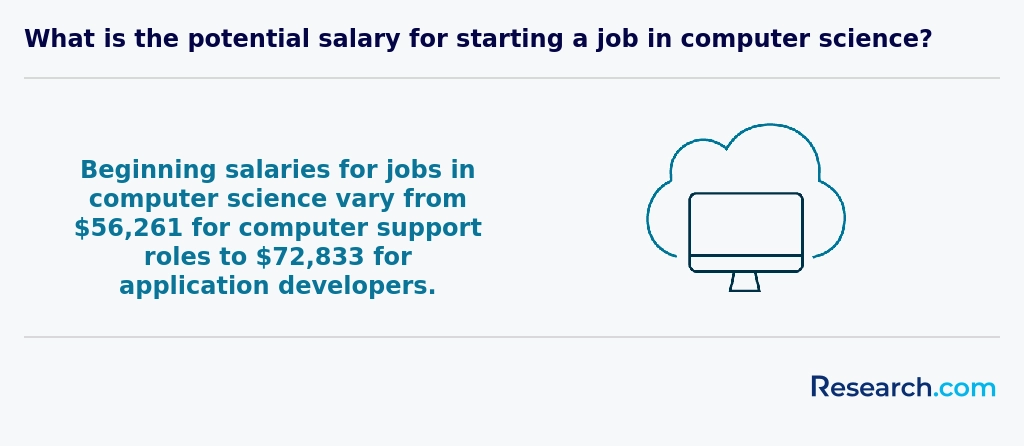
Students pursuing online information technology degrees in Pennsylvania commonly rely on federal financial aid accessed through the FAFSA, which unlocks grants, work-study opportunities, and federal loans. While graduate Pell Grants are limited, many find relief via subsidized loans or Grad PLUS loans, easing tuition costs that average between $12,000 and $30,000 annually statewide.
State programs play a vital role too. The Pennsylvania Higher Education Assistance Agency (PHEAA) distributes need-based scholarships and grants that benefit students at institutions like Penn State World Campus and Drexel University Online. Graduates often recall how these awards alleviated financial stress, allowing them to focus on mastering IT skills.
Employer tuition reimbursement also proves invaluable, especially within Pennsylvania's technology corridor. Many IT professionals working at healthcare firms or tech startups in Philadelphia report positive experiences using these benefits to advance their education without financial strain.
Additionally, scholarships from local professional IT associations provide targeted funding, often appreciated by students balancing family and work commitments. Payment plans and in-state tuition discounts at public universities further enhance affordability for Pennsylvania residents enrolled in online IT programs.
Applicants seeking enrollment in online Information Technology programs in Pennsylvania typically must hold a high school diploma or GED with a solid academic record. For instance, graduates from popular institutions like Penn State World Campus often recall that having completed coursework in algebra or introductory programming smoothed their transition into demanding IT curricula.
Many programs prioritize foundational knowledge in math and computer science to ensure students can handle technical subjects. Several universities waive standardized testing requirements such as SAT or ACT, reflecting a shift toward test-optional admissions, which many students find encouraging and less stressful during application.
Non-native English speakers generally must submit TOEFL or IELTS scores, ensuring effective communication in online courses. For graduate-level programs, an accredited bachelor's degree-preferably in IT or related fields-is required, though some schools accept candidates with alternative backgrounds if they demonstrate relevant experience or complete bridge courses.
Personal statements and letters of recommendation increasingly play a role, giving applicants a chance to showcase passion and real-world skills. Many graduates express satisfaction that these elements help convey their motivation beyond test scores, making the admissions process feel more holistic and fair.

Online information technology degree programs in Pennsylvania commonly include courses that balance core technical skills with industry-relevant knowledge. Graduates from well-known institutions such as Penn State World Campus often report gaining proficiency in programming languages like Java, Python, and C++, crucial for software development tasks in roles they encounter post-graduation.
Networking courses cover practical elements such as network design, protocols, and administration, preparing students to manage organizational IT infrastructures effectively. Cybersecurity modules are particularly valued, reflecting Pennsylvania's 15% projected growth in demand for cybersecurity professionals, as noted by the U.S. Bureau of Labor Statistics. These courses teach risk assessment, ethical hacking, and threat mitigation, equipping students to respond to real-world digital threats.
Database management, including SQL-based instruction, and systems analysis courses help students handle data organization and evaluate IT systems to improve business efficiency. Additional classes in project management and IT governance enable learners to lead technology initiatives confidently, an aspect frequently highlighted by alumni from Drexel University's online IT programs.
Online information technology degree programs in Pennsylvania commonly offer specializations such as cybersecurity, data analytics and big data, network management, software development, and cloud computing. Graduates from universities in Pennsylvania often express satisfaction with these concentrations, noting that cybersecurity's focus on defending against cyber threats aligns with the state's increasing demand for skilled professionals, reflected in median salaries around $95,000. Data analytics prepares students to interpret large datasets crucial for Pennsylvania's data-driven industries, while network management training ensures that students can support the robust IT infrastructures prevalent across the state's businesses.
Software development and programming specializations allow learners to engage deeply with coding and application design, skills which Pennsylvania's vibrant development community prizes. Cloud computing expertise is also highly valued, with students feeling confident managing cloud services as organizations in Pennsylvania transition towards scalable, cloud-based systems. These popular tracks reflect the top online information technology specializations Pennsylvania students seek when tailoring their studies. Prospective students can explore more on information systems masters degree career options to align their path with job market demands.
The best IT degree concentrations in Pennsylvania also often include interdisciplinary fields such as IT management and health informatics.
Choosing the best online information technology degree in Pennsylvania hinges on accreditation and industry relevance. Programs regionally accredited by the Middle States Commission on Higher Education ensure graduates from institutions like Penn State World Campus or Temple University receive recognized credentials. Many graduates highlight how curriculum aligned with certifications such as CompTIA and Cisco directly improved their job prospects in competitive markets.
Affordability is another key factor. Affordable IT master's programs Pennsylvania offer tuition rates typically between $7,000 and $15,000 annually for online undergraduate degrees, making them accessible for working professionals. Graduates appreciate the transparent cost structures combined with financial aid options that help balance education expenses without sacrificing quality.
Flexibility and support services enhance student success. Asynchronous courses allow students at popular Pennsylvania colleges to balance work and study, while career counseling, technical support, and digital libraries provide an engaging learning environment. Moreover, reviewing graduation and employment rates can signal program effectiveness, reflecting stronger ties to local employers and better post-graduate outcomes.
Exploring careers in information systems after graduation confirms the value of selecting programs designed to meet Pennsylvania's evolving IT job market needs.
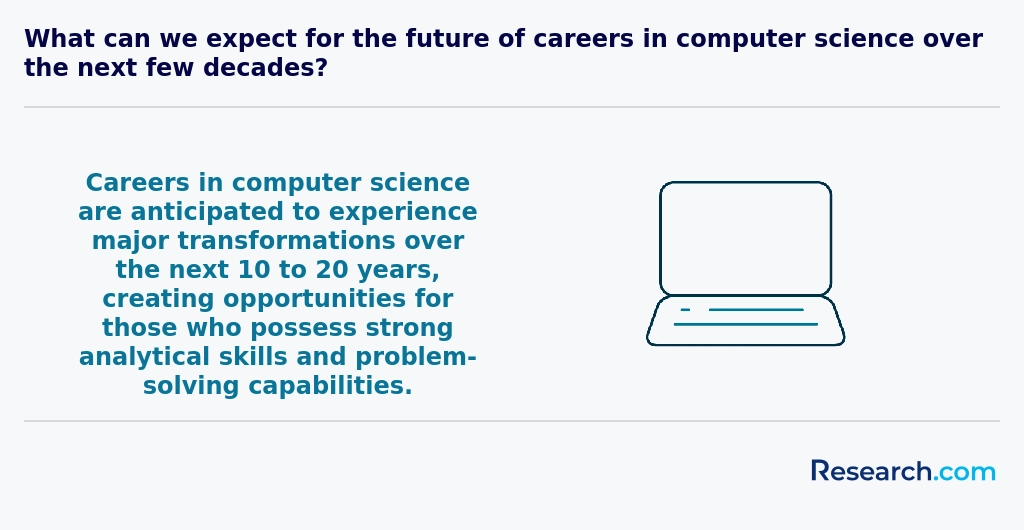
Graduates with an online information technology degree in Pennsylvania have access to diverse career paths such as systems analyst, network administrator, cybersecurity specialist, software developer, and database administrator. Pennsylvania IT degree job opportunities are particularly strong in cities like Philadelphia and Pittsburgh, where graduates from popular universities report entering roles in high-growth sectors. For instance, many find positions in cybersecurity firms that pay a median annual wage near $97,000, reflecting robust regional demand.
Entry-level salaries typically range from $55,000 to $65,000, but those who pursue certifications or specialize, especially in cloud computing or data analytics, often experience significant salary growth. Graduates appreciate how programs at Pennsylvania institutions prepare them for roles in consulting, cloud solutions architecture, and IT project management, which align with the state's evolving technology demands.
Students and professionals often consider advanced qualifications such as the information systems management mba to further boost career prospects. Overall, online information technology careers in Pennsylvania provide strong, stable opportunities backed by the state's expanding IT infrastructure and employment growth projections.
The job market for online information technology jobs in Pennsylvania remains robust, driven by strong demand across finance, healthcare, and manufacturing sectors in metropolitan areas like Philadelphia and Pittsburgh. Graduates from popular Pennsylvania institutions often find themselves well-positioned for roles in cybersecurity, software development, and network administration. Those balancing work or personal commitments appreciate the flexibility and recognition of accredited online IT degrees in these vibrant job markets.
Employment outlook Pennsylvania shows a projected growth rate of about 13% through 2030 for IT occupations, aligning with national trends. This growth fuels competitive salaries, with averages near $90,000 annually, especially for specialized areas such as cybersecurity. Graduates frequently share positive experiences about job placement and advancement.
Students exploring degree options should consider cost-effective online programs that reduce expenses while delivering quality education. For a deeper dive into efficient pathways, the best database management bachelor degree online programs are often highlighted for their practical relevance and affordability.
2027 Most Valuable Online Master's in Information Technology Degree Programs Ranking in Pennsylvania
Investing in your education is a significant decision that can shape your future, and the Research.com team understands the importance of making informed choices. To assist prospective students in Pennsylvania, we have meticulously crafted the "2027 Most Valuable Online Master's in Information Technology Degree Programs Ranking in Pennsylvania." Our commitment to quality, credibility, and accuracy is reflected in the extensive research and analysis conducted to compile this ranking.
We utilized the following reputable data sources to ensure a comprehensive evaluation of online IT master's programs:
By exploring this ranking, readers will gain valuable insights into the most beneficial and credible online IT master's degrees in Pennsylvania, empowering them to make informed educational decisions. For more details on our methodology, please visit our Research.com methodology page.
# 1 position
Penn State University Park
Master of Artificial Intelligence


Frequently Asked Questions About information technology
Students pursuing online information technology degrees in Pennsylvania can enhance their learning by actively engaging with virtual labs and software tools that mirror real-world IT environments. Pennsylvania's strong tech sector, which employs over 180,000 IT professionals as reported by the Bureau of Labor Statistics in 2023, offers many remote internship opportunities that complement academic learning.
Networking within online forums and professional groups linked to Pennsylvania's IT industry also helps students stay current on emerging technologies and job trends. Collaborating with peers and faculty during synchronous sessions encourages deeper understanding of complex subjects.
Utilizing Pennsylvania's workforce development resources and certification programs, such as CompTIA or Cisco offered through community colleges, can further boost practical skills and employability.
The field of information technology is rapidly evolving, with several emerging niches gaining prominence. In Pennsylvania, specialties such as cybersecurity, data analytics, and cloud computing are seeing strong demand. According to the Pennsylvania Department of Labor & Industry, cybersecurity roles are expected to grow by 15% through 2028.
Additionally, artificial intelligence (AI) and machine learning are becoming essential areas within IT programs. These technologies are transforming industries, creating new jobs that require advanced technical skills.
Healthcare IT is another niche expanding in Pennsylvania, driven by the state's growing healthcare sector.
After completing an online information technology degree in Pennsylvania, graduates should focus on gaining practical experience to enter the competitive job market. Internships and cooperative education programs offered by Pennsylvania universities provide valuable real-world exposure and networking opportunities.
Certifications such as CompTIA Security+, Cisco's CCNA, or AWS Certified Solutions Architect can enhance a candidate's resume by demonstrating specialized skills. According to the U.S. Bureau of Labor Statistics, Pennsylvania had over 100,000 IT jobs in 2023, with a projected growth rate of 15% over the next decade, indicating strong job prospects.
Joining professional associations like the Pennsylvania chapter of ISACA or local tech meetups can help build connections and access resources tailored to the state's IT sector.
Employers in Pennsylvania highly value practical skills when hiring information technology graduates. Key competencies include proficiency in cybersecurity, cloud computing, and data analytics. According to the Pennsylvania Department of Labor, job postings frequently highlight expertise in Python, Java, and database management.
Strong problem-solving abilities and communication skills are also essential, as IT professionals often collaborate across departments. Familiarity with networking protocols and systems administration remains in high demand, reflecting the state's growing tech industry.
Graduates who possess experience with emerging technologies like artificial intelligence and machine learning stand out in the competitive job market.
Finding internships in Pennsylvania related to an information technology degree involves leveraging several local resources and networks. Many universities in Pennsylvania have partnerships with nearby tech companies, which offer students internship opportunities tailored for IT fields. Websites like the Pennsylvania Department of Labor & Industry provide job listings and workforce resources useful for internship seekers.
Additionally, platforms such as Handshake and Indeed frequently feature IT internships in cities like Philadelphia, Pittsburgh, and Harrisburg, where Pennsylvania hosts numerous technology firms. The state's growing tech sector, with over 31,000 IT establishments in 2023 according to CompTIA's Cyberstates report, offers a strong market for student internships.
Students should also consider attending career fairs hosted by Pennsylvania colleges or local tech industry events to connect directly with potential employers. Starting early and actively networking within Pennsylvania's IT community significantly improves chances of securing relevant internships.
An online information technology degree can significantly enhance career mobility and advancement in Pennsylvania. The state's growing tech sector, which includes over 200,000 IT jobs as reported by the Pennsylvania Department of Labor and Industry, demands professionals with up-to-date technical skills and certifications. Completing a degree online offers flexibility for working adults seeking promotions or career changes without interrupting their employment. According to the U.S. Bureau of Labor Statistics, IT specialists in Pennsylvania earn a median salary well above the national average, making advanced degrees valuable for accessing higher-paying roles. Moreover, many Pennsylvania employers recognize accredited online degrees, facilitating professional growth.
Studying for an information technology degree in Pennsylvania equips students with skills that extend beyond traditional IT roles, preparing them for interdisciplinary careers. Many Pennsylvania institutions emphasize collaboration between IT and other fields such as business, healthcare, and engineering. This approach aligns with industry demands, where 70% of IT professionals work in multidisciplinary teams, according to the Pennsylvania Department of Labor & Industry.
Online programs often include courses in data analytics, cybersecurity, and project management, fostering versatile expertise. Pennsylvania's tech industry growth, projected at 5.8% annually, encourages graduates to apply IT knowledge across sectors like finance and manufacturing.
Such interdisciplinary training boosts adaptability and innovation, essential qualities for modern IT professionals facing evolving technological challenges.
Choosing between a thesis and a non-thesis online information technology degree in Pennsylvania depends largely on your career goals and learning preferences. Thesis programs typically demand original research and in-depth study, ideal for those aiming at research roles or pursuing a PhD. Non-thesis programs often emphasize practical skills, internships, or capstone projects, fitting students eager to enter or advance in Pennsylvania's IT industry quickly.
The Pennsylvania Department of Labor & Industry reports steady growth in IT jobs, favoring hands-on experience, making non-thesis paths appealing for immediate employment. Meanwhile, universities like Penn State and Drexel offer both options, reflecting diverse student needs.
Students based in Pennsylvania looking to study information technology abroad have several options through online programs affiliated with international universities. While most Pennsylvania institutions focus on domestic online IT degrees, some partnerships and exchange programs enable access to global curricula and resources. For example, certain Pennsylvania State System of Higher Education (PASSHE) universities offer study abroad credits or dual-degree arrangements, allowing students to complement their online IT studies with international exposure.
Additionally, organizations like NAFSA report that US students increasingly pursue online global IT certifications and degrees from recognized foreign institutions accredited in the US.
Students should verify accreditation status and check credit transfer policies before enrolling, ensuring their international studies align with Pennsylvania's educational standards and local IT industry needs.
Part-time job opportunities in Pennsylvania that complement an information technology degree are abundant and varied. Roles such as IT support specialist, help desk technician, and junior network administrator provide practical experience while studying. These positions enhance technical skills and familiarity with industry-standard software and hardware.
According to the Pennsylvania Department of Labor & Industry, employment in computer and IT occupations is projected to grow faster than the average for all jobs through 2030, indicating strong demand for skilled workers.
Internships at technology firms and remote freelance projects in coding or cybersecurity also offer valuable hands-on experience aligned with academic learning.
Online information technology students in Pennsylvania have access to a variety of networking opportunities despite the virtual format of their studies. Many universities provide virtual career fairs and industry webinars that connect students with local tech employers and alumni working in Pennsylvania's vibrant IT sector. The state's growing technology hub, especially around Philadelphia and Pittsburgh, hosts numerous professional organizations, such as the Pennsylvania Technology Council, which offers online events and networking groups.
Professional social platforms like LinkedIn are widely used by Pennsylvania students to build connections within regional IT communities. According to the 2023 Pennsylvania Department of Labor statistics, the IT sector added over 4,000 jobs last year, increasing industry events' relevance for online students.
Alumni networks offer valuable support to online information technology degree students in Pennsylvania by connecting them with experienced professionals and recent graduates. These networks provide access to mentorship, helping students navigate career challenges and advance within Pennsylvania's growing tech sector.
They also facilitate job opportunities through exclusive postings and recommendations, which is crucial in competitive markets like Philadelphia and Pittsburgh, where IT employment is projected to grow by over 15% through 2030 according to the U.S. Bureau of Labor Statistics.
Furthermore, alumni events and online communities foster collaboration and knowledge sharing, enhancing practical skills beyond the classroom.
Customizing an online information technology degree in Pennsylvania allows students to align their education with personal career goals. Many Pennsylvania institutions offer flexible course selections, enabling learners to focus on areas such as cybersecurity, data analytics, or network administration. According to the Pennsylvania Department of Labor & Industry, IT jobs in the state are expected to grow about 12% through 2030, highlighting demand for specialized skills.
Students often choose electives and concentrations that match industry needs or prepare for certifications like CompTIA or CISSP. Additionally, some programs provide opportunities for capstone projects or internships with local IT firms to gain practical experience.
Advisors can help tailor degree paths, ensuring that coursework enhances both professional growth and employability in Pennsylvania's competitive IT sector.
Online information technology students in Pennsylvania face several challenges common to remote learning environments. One major difficulty is balancing coursework with professional and personal responsibilities, especially as many students are working adults. According to the Pennsylvania Department of Education, nearly 60% of online learners report time management as their primary struggle.
Technical issues also affect students, as stable internet access varies across rural and urban areas in Pennsylvania. The Pew Research Center highlights that about 15% of Pennsylvania households lack reliable broadband service, impacting consistent participation.
Additionally, online IT programs require hands-on experience with software and hardware, which some students find hard to access outside campus labs. Lastly, a sense of isolation is reported, as virtual classes may reduce peer interaction compared to traditional settings, affecting motivation and networking opportunities.
Graduates with an online information technology degree in Pennsylvania have access to numerous professional certifications that can enhance their careers. Common certifications include CompTIA A+, which validates foundational IT skills, and Cisco's CCNA, recognized for networking expertise. Many professionals also pursue Certified Information Systems Security Professional (CISSP) to demonstrate cybersecurity proficiency.
Pennsylvania's growing tech industry, supported by data from the Bureau of Labor Statistics, reports a 12% increase in IT employment from 2021 to 2023, highlighting demand for certified professionals.
Other valuable certifications include Microsoft Certified: Azure Fundamentals for cloud knowledge and AWS Certified Solutions Architect, popular among IT practitioners in the state. These credentials often lead to higher salaries and better job prospects within key Pennsylvania markets such as Philadelphia and Pittsburgh.
To write a winning application for an online information technology program in Pennsylvania, begin by highlighting your relevant educational background and professional experience. Many Pennsylvania universities value applicants who demonstrate both technical skills and problem-solving abilities.
Emphasize your familiarity with current IT trends and tools, referencing Pennsylvania's growing tech sector, which contributes over $160 billion annually to the state economy, according to the Pennsylvania Department of Labor & Industry. This shows your awareness of the industry context.
Strong letters of recommendation from supervisors or professors who can attest to your IT competence help improve your application's impact. Additionally, tailor your personal statement to explain how the online program fits your career goals within Pennsylvania's evolving tech market.
The global perspective on an information technology career reflects strong demand and rapid growth, particularly in regions like the United States. In Pennsylvania, the IT sector is a significant contributor to the economy, with the Bureau of Labor Statistics reporting a 12% growth in computer and information technology jobs from 2022 to 2032, faster than the average for all occupations.
Information technology professionals benefit from varied opportunities that span software development, cybersecurity, data analysis, and cloud computing. Globally, IT careers continue to evolve with advancements in artificial intelligence and digital transformation.
For students in Pennsylvania, understanding these trends helps align their education with market needs, especially as employers increasingly value online degrees and certifications that demonstrate current skills.
Gaining practical experience while studying for an online information technology degree in Pennsylvania is essential for career readiness. Many programs encourage internships and cooperative education (co-op) placements with local tech firms. Pennsylvania has a growing IT sector, with cities like Pittsburgh and Philadelphia housing numerous companies offering hands-on opportunities.
Students can also participate in virtual labs and real-world projects integrated into course curricula. According to the Pennsylvania Department of Labor, IT roles are expected to grow by 11% through 2030, enhancing internship availability.
Networking with local tech meetups and professional organizations can further support practical learning and job placement.
Choosing the right concentration within an online information technology degree program in Pennsylvania involves evaluating your career goals and local industry demands. Pennsylvania hosts a growing tech sector, with cities like Pittsburgh and Philadelphia leading in software development and cybersecurity jobs, according to the Pennsylvania Department of Labor & Industry.
Consider concentrations such as cybersecurity, data analytics, or software engineering that align with these high-demand fields. Research program curricula to ensure they cover up-to-date technologies and certifications relevant in Pennsylvania's job market. Additionally, check for faculty expertise and industry connections that can support internships or job placements locally.
Lastly, review employment statistics for graduates from Pennsylvania institutions to gauge return on investment and program effectiveness.
- 2027 Most Valuable Online Master's in Information Technology Degree Programs Ranking in New Jersey
- 2027 Most Valuable Online Master's in Information Technology Degree Programs Ranking in New York
- 2027 Most Valuable Online Master's in Information Technology Degree Programs Ranking in West Virginia
- 2027 Most Valuable Online Master's in Information Technology Degree Programs Ranking in Ohio
- 2027 Most Valuable Online Master's in Information Technology Degree Programs Ranking in Virginia
- 2027 Most Valuable Online Master's in Information Technology Degree Programs Ranking in Kentucky
- 2027 Most Valuable Online Master's in Information Technology Degree Programs Ranking in Michigan
- 2027 Most Valuable Online Master's in Information Technology Degree Programs Ranking in Georgia
- 2027 Most Valuable Online Master's in Information Technology Degree Programs Ranking in Illinois
- 2027 Most Valuable Online Master's in Information Technology Degree Programs Ranking in Florida
- The Top IT Challenges Facing Universities (And How to Tackle Them) | Full Fabric https://www.fullfabric.com/articles/it-challenges-universities-face
- Information Technology Skills and Specialties | University of Phoenix https://www.phoenix.edu/articles/it/information-technology-skills-and-specialties.html
- How to Maximize the Impact of Alumni Networks https://www.careeros.com/resources/how-to-maximize-the-impact-of-alumni-networks
- Information Technology Management | York College of Pennsylvania https://www.ycp.edu/academics/programs/information-technology-management
- The Key Skills Employers Look for in IT Professionals https://www.upskilled.edu.au/skillstalk/the-key-skills-employers-look-for-in-it-professionals
- Top 10 Technology Challenges for Schools and How to Solve Them | Modern Office Methods https://www.momnet.com/top-10-technology-challenges-for-schools-and-how-to-solve-them/
- How to Network with Alumni | Student Guide to Alumni Networking 2026 https://digitalrecordboard.com/blog/how-to-network-with-alumni/
- Exploring 7 of the Hottest Niche Skillsets Within Tech https://www.dice.com/career-advice/exploring-7-of-the-hottest-niche-skillsets-within-tech
- How a Strong Alumni Network Can Benefit Students https://www.pacificu.edu/blog/how-strong-alumni-network-can-benefit-students
- Study Information Technology Abroad: Top Colleges and Careers https://www.aeccglobal.com/study-abroad/courses/information-technology