2027 Most Valuable Online Human Resources Degree Programs Ranking in the Midwest

Co-Founder and Chief Data Scientist
Choosing the right human resources degree program can shape your career and open doors to exciting opportunities. For students in the Midwest, this article presents the 2027 Most Valuable Online Human Resources Degree Programs Ranking in the Midwest, created by the Research.com team of data scientists. It offers a clear, data-driven guide to help you find programs that truly stand out.
By reading this ranking, you'll discover options that balance quality and flexibility, making your educational journey more rewarding. Earning your human resources degree is a smart step toward a fulfilling future, and this article is here to support your decision.
Key benefits of getting online human resources degree in the Midwest
- Salary for human resources degree graduates: Graduates in the Midwest can expect mean annual wages around $76,060 as Recruitment Coordinators, Employee Relations Specialists, and Human Resources Assistants typically earn this amount, reflecting strong earning potential in HR roles.
- Career paths: A Midwest university graduate with an HR degree often explores diverse roles such as Recruitment Coordinator or Human Resources Generalist, providing flexibility to grow in both specialized and broad HR fields.
- Online degree benefits: Earning an HR degree online from a respected Midwest institution offers the convenience of balancing work and study while gaining the same skills and credentials as traditional students, accelerating career advancement with flexible learning.
- 2027 Most Valuable Online Human Resources Degree Programs Ranking in the Midwest
- What can I expect from online human resources degree in the Midwest?
- Where can I work with online human resources degree in the Midwest?
What can I expect from online human resources degree in the Midwest?
The average cost of an online human resources degree in the Midwest typically ranges between $15,000 and $40,000 for a bachelor's program, depending on the institution and credit load. For example, graduates from programs at places like Michigan State University or the University of Minnesota often share how the investment felt manageable considering the quality and flexibility offered. These schools provide accredited programs aligned with SHRM standards, so students know their tuition supports a curriculum relevant to real-world HR challenges.
Many students appreciate that online formats allow them to balance work, family, and study without relocating or sacrificing income. Financial aid and employer tuition assistance also help ease the cost burden, making these degrees accessible. When you think of the cost, consider it an investment in your future salary potential, which in the Midwest can be between $60,000 and $75,000 annually once you step into HR roles in sectors like healthcare or manufacturing.
Graduates often recall participating in virtual internships or capstone projects that deepened their practical knowledge and prepared them to meet local labor market demands. This hands-on experience, paired with affordable tuition, creates a pathway that's both inspiring and rewarding.
Where can I work with online human resources degree in the Midwest?
With an online human resources degree earned through respected Midwest institutions like Ohio State University or the University of Wisconsin, graduates find a wide range of rewarding career opportunities right in their backyard. Imagine joining a dynamic HR team at a Detroit automotive plant or supporting workforce growth in a Minneapolis healthcare system-these are real possibilities that bring both challenge and fulfillment.
Graduates often start as HR generalists, recruiters, or benefits coordinators, applying their education to navigate labor laws and foster positive workplace cultures. Many Midwest employers-from manufacturing hubs in Michigan to education centers in Illinois-seek skilled professionals ready to make a difference.
Having peers who secured roles in diverse sectors like public universities and government agencies also shows the degree's versatility. One graduate landed an HR position at a community college, helping shape employee development programs, while another thrived managing workforce planning for a state agency. This versatility combined with regional demand makes pursuing HR studies in the Midwest an inspiring step toward a meaningful career.
Graduates from Midwest institutions like the University of Illinois Urbana-Champaign and Michigan State University often find their online human resources degree opens doors to rewarding roles. For example, a Recruitment Coordinator typically earns about $76,060 annually, reflecting the solid demand for talent acquisition skills in the region's diverse industries.
Many recent graduates begin their careers as Human Resources Assistants or Employee Relations Specialists, where the mean wage is similarly around $76,060. These positions provide valuable experience and a stepping stone toward higher responsibility. One graduate shared how starting as an HR Generalist in a large Chicago firm led to rapid professional growth-thanks to the university's strong Midwest network and supportive alumni community.
Training and Development Coordinators also fare well, earning around $71,980 per year. These roles are perfect for those passionate about employee growth and organizational success. By leveraging their online degree with certifications like SHRM-CP, graduates can boost their salaries even further, feeling proud knowing their education directly improves workplace culture and performance across the Midwest.
- In-state tuition for online bachelor's degrees in human resources in the Midwest ranges from $15,000 to $30,000, with lower-cost options available for associate degrees and certificates.
- Entry-level HR positions in the Midwest start at about $48,000 per year, while mid-career professionals earn around $65,000 annually.
- Senior HR roles, such as managers or directors, can earn salaries exceeding $90,000.
- Employment for HR specialists in the Midwest is expected to grow by about 7% through 2030, faster than the average for all jobs.
- Many Midwest online HR programs are accredited by the Society for Human Resource Management (SHRM), enhancing career and certification opportunities.
Completing an online human resources degree in the Midwest often takes between two to four years, depending on your chosen program and pace. Graduates from community colleges offering associate degrees share how their two-year journeys built a solid foundation for entry-level roles, perfectly balancing their studies with work and family life. Meanwhile, students pursuing bachelor's degrees at well-known institutions like the University of Illinois or Michigan State University typically invest about four years of full-time study, diving deeply into subjects like employment law and strategic HR management that prepare them for leadership roles.
Many students appreciate the flexible pacing options schools provide, allowing them to extend their studies up to six years while juggling responsibilities. Graduate students can often finish a master's degree in one and a half to two years, with some accelerated tracks trimming that time to just 12 months. Others find that prior work experience or professional credits help speed their progress, making the process feel more personalized and achievable.
Internships and capstone projects are common milestones, offering hands-on learning that enriches your education and boosts confidence for your career ahead. Midwestern online programs understand these commitments, so they build flexibility to help every student succeed.
Choosing between online and on-campus human resources degrees in the Midwest means weighing flexibility against immersion. Online programs at schools like the University of Illinois offer working adults the freedom to manage coursework around busy schedules, allowing a parent in Michigan to study labor relations late at night after work. This flexibility is a game-changer for many, though it demands strong discipline to stay on track without face-to-face deadlines.
On the other hand, attending on-campus programs-such as those at Ohio State University-immerses students in dynamic environments where in-person networking, career fairs, and mentorship provide invaluable support. Graduates often recall the energy of campus clubs and lively discussions that sparked their passion for HR practices firsthand.
Cost also differs: while in-state tuition averages $10,000 yearly for traditional students, online learners save on commuting and housing, making education more affordable without sacrificing accreditation recognized by Midwest employers. Whether online or in-person, building connections and mastering core topics like employment law remain essential for success in this thriving regional job market.
Choosing an accredited online Human Resources degree program in the Midwest ensures your education meets rigorous quality standards and positions you for key industry certifications. Most reputable programs hold regional accreditation from bodies like the Higher Learning Commission (HLC) or national accreditation from the Accreditation Council for Business Schools and Programs (ACBSP). Accreditation validates curriculum integrity, faculty qualifications, and continuous improvement processes, which in turn satisfy prerequisites for professional exams such as the SHRM-CP/SHRM-SCP (Society for Human Resource Management), PHR (Professional in Human Resources), and SPHR (Senior Professional in Human Resources). In addition to institutional accreditation, leading online HR degrees integrate certification-aligned coursework-covering talent acquisition, employment law, and strategic HR management-to prepare students for certification exams on graduation. Prospective students should verify that their program’s syllabi map to SHRM’s Body of Competency and Knowledge (SHRM-BoCK) or HRCI content outlines, ensuring seamless exam preparation. For budget-minded learners, you may also wish to compare cost-effective options by exploring our Inexpensive Online Human Resources Degree Programs Ranking in the West, which highlights accredited programs with strong certification support at a lower tuition rate.
When considering the average cost of an online human resources degree in the Midwest, it's important to recognize that the median total cost sits around $25,899. In-state students often benefit from reduced tuition, with costs averaging near $37,920, while those studying out-of-state might face fees closer to $53,400. Graduates from popular Midwest universities share how investing in these programs often feels worthwhile, especially given the flexibility of online courses that allow them to balance work and study. This balance not only eases financial pressure but also helps in gaining real-world HR experience concurrently.
Midwest human resources degree tuition fees can vary significantly depending on whether you attend a public or private institution. Public universities typically offer more affordable options, with scholarships and financial aid playing a critical role in reducing costs. Private colleges, while potentially pricier, often provide targeted support for online students, including payment plans that graduates appreciate for making education more accessible.
One common theme among graduates is the value of finding programs that align with career advancement goals. For example, many human resources professionals in the Midwest seek specialized courses with certification preparation to enhance their resumes. Exploring in demand human resources schools can reveal programs blending affordability with strong professional outcomes, ensuring the investment propels you toward success in the field of HR.

Students pursuing online human resources degrees in the Midwest often find financial aid essential to turning their goals into reality. Many graduates from universities like the University of Illinois or Ohio State University recall how federal aid, accessed through the Free Application for Federal Student Aid (FAFSA), unlocked grants such as the Pell Grant, covering a sizable portion of tuition each year. These grants don't require repayment, providing peace of mind during the demanding course load.
State-specific scholarship programs add another layer of support. For example, Ohio students benefit from the Ohio College Opportunity Grant, which eases tuition costs at local institutions, making education feel more attainable. Graduates recall how this made their journey less stressful and more focused on learning.
Beyond government aid, institutional scholarships and employer tuition assistance can significantly reduce expenses. Many Midwestern colleges prioritize working adults and online students, offering scholarships and tuition waivers tailored to their needs. Employers with strong HR departments often support their staff's education, turning professional growth into a shared success story.
Finally, HR professionals find extra encouragement through scholarships from groups like the Society for Human Resource Management (SHRM), with local chapters providing targeted opportunities. These combined resources create a network of support that makes pursuing an online HR degree in the Midwest a rewarding and manageable endeavor.
To embark on your journey toward an online human resources degree in the Midwest, you'll need to meet some key prerequisites that open doors to success. For undergraduate programs at well-regarded institutions like the University of Illinois at Urbana-Champaign or Michigan State University, having a high school diploma or GED is essential, along with submitting official transcripts to prove your academic foundation. Many graduates recall how test-optional policies during recent admissions cycles eased their path, allowing them to focus on showcasing their motivation instead of stressing over SAT or ACT scores.
When pursuing a graduate degree online at schools such as Indiana University Bloomington or Ohio State University, holding a bachelor's degree from any accredited discipline puts you in good standing. Though degrees in business or psychology can strengthen your profile, what truly matters is your passion and readiness, often demonstrated through a tailored resume, compelling letters of recommendation, and a heartfelt statement of purpose.
Expect some programs to request GRE scores, yet many have waived this, recognizing your professional experience counts just as much. Picture yourself confidently submitting your applications, aware that these requirements are designed to highlight your readiness for a meaningful career in human resources within the Midwest's vibrant professional landscape.
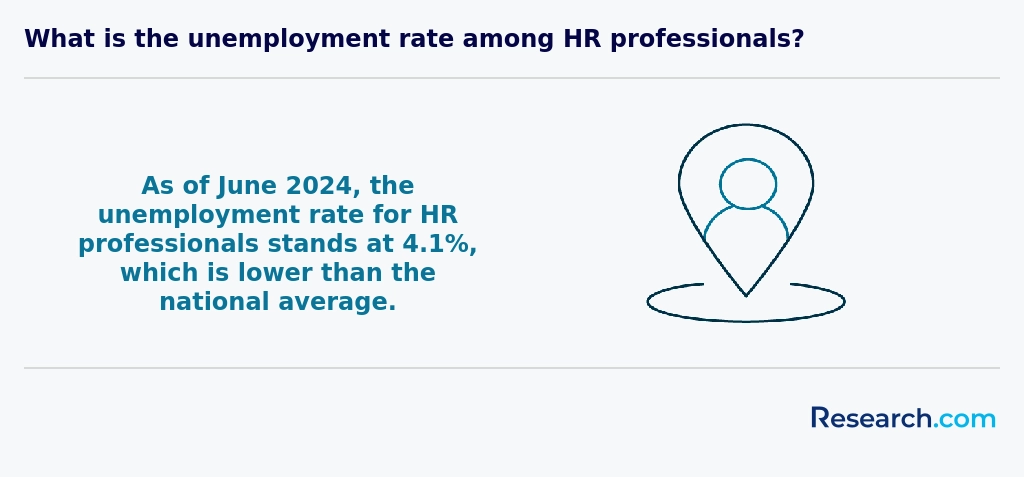
As the HR landscape evolves, online Human Resources programs are increasingly adapting to meet emerging industry demands and technological advancements. Today’s curriculum is expanding to include topics such as artificial intelligence in recruitment, data-driven decision making, and digital transformation in employee engagement. These innovations not only enrich the learning experience but also position graduates to address contemporary HR challenges effectively. Insights from industry leaders and recent research indicate that integrating technology with traditional HR practices leads to streamlined operations, enhanced strategic planning, and stronger workforce management. Moreover, as organizations continue to embrace remote and hybrid work models, the demand for digitally savvy HR professionals is on the rise. Students exploring advanced study options can also benefit from resources provided by in demand human resources schools, which offer updated rankings and insights on institutions that are at the forefront of these innovative programs. By staying informed of these trends, prospective students can better align their educational pursuits with future labor market needs, ensuring that their degrees remain valuable in a rapidly changing professional landscape.
When pursuing an online human resources degree in the Midwest, expect a curriculum designed to equip you with practical skills and deep knowledge tailored to real workplace challenges. Graduates from popular Midwestern colleges often highlight how courses like Human Resource Management gave them confidence in staffing and retention strategies, skills they could apply immediately during internships.
Alongside this, Employment Law courses immerse you in federal and state regulations, preparing you to navigate complex compliance issues such as OSHA rules and equal opportunity standards. Imagine confidently advising an organization on labor regulations right out of school.
Programs also dive into Compensation and Benefits, teaching you how to develop effective wage and incentive systems, plus Organizational Behavior, where you learn to read workplace dynamics-essential for leadership roles. Many graduates at Midwestern universities note how these classes felt immediately relevant in their early HR positions.
- Talent Acquisition and Workforce Planning
- Employee Training and Development
- Performance Management
- Labor Relations and Collective Bargaining
- HR Analytics and Technology
These courses combined with DEI initiatives and ethical decision-making prepare you to face today's diverse work environments with empathy and strategic insight-a true advantage in the vibrant job market across the Midwest.
Online human resources degree specializations Midwest programs often include talent acquisition, organizational development, and employee relations-each designed to prepare you for real-world challenges. Graduates from well-known Midwest colleges frequently highlight how talent acquisition courses taught them practical recruiting and interviewing skills, setting them up for success as HR managers. Organizational development covers leadership and change management, empowering students to drive positive transformation within their companies. Meanwhile, employee relations addresses workplace law and conflict resolution, crucial for industries like manufacturing, which remain strong in this region.
Many students appreciate specializing in compensation and benefits management, which arms them with knowledge about salary structures and incentive programs that attract and retain top talent in competitive markets. Others focus on emerging areas like HR analytics or diversity and inclusion, reflecting the evolving workforce demographics. Midwest HR degree focus areas online are aligned with local industry needs, giving graduates the confidence to add value immediately upon entering the workforce. If affordability is a concern, consider exploring the Inexpensive Online Human Resources Degree Programs Ranking in the West to find tailored options that fit your budget.
When choosing the best online human resources degree in the Midwest, start by prioritizing program accreditation, such as from the Higher Learning Commission or SHRM, which assures quality and boosts your resume credibility. Graduates from universities well-known in the region often share how this factor helped them secure strong job placements.
Think about flexibility, especially if you work or have a busy life. Many students appreciate programs at Midwest colleges that offer asynchronous classes, letting them study around their schedules without missing out on interaction. This flexibility often makes the difference between giving up and graduating.
Curriculum variety matters too. Some programs include specialized tracks in diversity or labor relations, which recent graduates find invaluable for standing out in the field. Since affordable human resources programs in the Midwest typically range around $7,000 to $15,000 annually, it's smart to compare tuition and fees carefully to balance cost and quality.
Finally, explore support services like internships and career coaching those attending popular regional schools frequently praise. For those curious about options, check out the best accelerated associate degree programs to find aligned pathways that fit your goals.
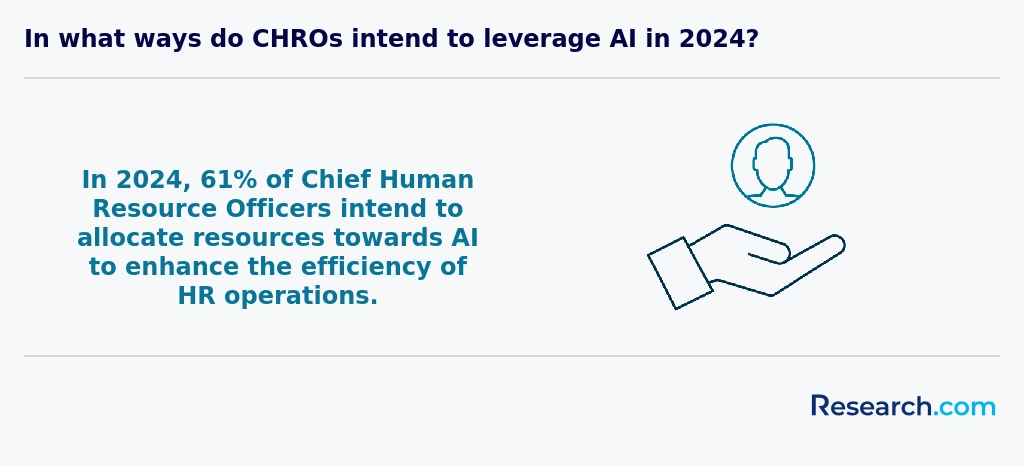
Graduates with an online human resources degree in the Midwest find themselves stepping into dynamic roles tailored to the region's diverse industries. Many graduates from respected universities in states like Illinois and Ohio have embraced careers as HR Specialists, where they navigate employee relations and benefits, witnessing firsthand how their work boosts company morale and efficiency. Others are drawn to positions as Recruitment Coordinators within booming sectors like healthcare and manufacturing, mastering the art of connecting talent with opportunity in cities such as Detroit and Minneapolis.
Some take on the challenge of Compensation and Benefits Manager, a role that requires strategic thinking to design fair pay systems, often found in large Midwest corporations. Additionally, Training and Development Managers play a vital role in upskilling employees, helping businesses evolve alongside market demands. Labor Relations Specialists thrive in unionized environments, crucial in manufacturing hubs throughout the region.
If you're considering your path, exploring the best programs for seniors online can provide valuable options to fit your lifestyle while preparing you for these opportunities. The Midwest's landscape truly empowers online HR learners with exciting career choices aligned with regional growth and stability.
The job market for graduates with an online human resources degree in the Midwest is promising and full of opportunity. HR roles in states like Illinois and Ohio are expanding as companies navigate workforce changes and growth. Many graduates from popular Midwest universities find themselves quickly hired for positions involving recruitment, employee management, and compliance, reflecting the region's demand for versatile HR professionals. This demand comes from diverse industries including manufacturing, healthcare, and education.
Someone pursuing online human resources jobs Midwest often appreciates the flexibility this path offers, especially while balancing work or family. Several graduates share how programs at well-known Midwest schools prepared them with practical skills in labor laws and diversity initiatives, which employers highly value. Access to affordable tuition combined with strong job prospects makes this degree route a sensible choice.
If you want to advance your career efficiently, enrolling in an online program opens doors without relocating. Many also choose to get an associates degree fast beforehand for added credentials that boost job readiness. Overall, the Midwest HR degree employment outlook remains strong for motivated students willing to embrace the field's evolving challenges.
2027 Most Valuable Online Human Resources Degree Programs Ranking in the Midwest
Investing in your education is a significant decision that can profoundly impact your career, and the Research.com team is committed to helping you make the best informed choice. To support prospective students interested in Human Resources degrees in the Midwest, we have carefully developed the "2027 Most Valuable Online Human Resources Degree Programs Ranking in the Midwest." Our dedication to quality, credibility, and accuracy involved rigorous research and detailed analysis to ensure trustworthy results.
We utilized the following reputable data sources to create this ranking:
Readers will gain valuable insights into the most valuable online Human Resources degree programs in the Midwest, empowering them to make informed educational decisions aligned with their professional goals. For more information about how this ranking was created, please visit our Research.com methodology page.


# 7 position
Walden University
Master of Human Resource Management




Frequently Asked Questions About human resources
Students pursuing online human resources degrees in the Midwest can enhance their learning by engaging deeply with regional HR trends and workforce statistics. According to the Society for Human Resource Management (SHRM), the Midwest has a growing demand for HR professionals, with states like Illinois and Ohio leading in job opportunities. Participating in virtual internships and joining local HR chapters-such as those affiliated with SHRM-helps students build practical skills relevant to Midwest employers.
Additionally, leveraging university career services that offer Midwest-specific labor market data guides students in tailoring their education to local needs. Regular interaction with professors and peers in discussion forums also supports deeper comprehension and networking.
The human resources field is evolving rapidly, with several emerging niches gaining importance. One key area is HR technology and analytics, where professionals use data to improve hiring and retention. According to the Society for Human Resource Management (SHRM), nearly 70% of Midwest HR departments are integrating analytics tools by 2025.
Another growing niche is diversity, equity, and inclusion (DEI). Midwest companies increasingly prioritize DEI specialists to foster inclusive work cultures, responding to workforce demographic shifts reported by the U.S. Census Bureau.
Additionally, remote workforce management has become crucial. Post-pandemic, 55% of Midwest firms offer flexible work, driving demand for HR professionals skilled in virtual employee engagement. These niches reflect broader trends reshaping HR careers in the region.
After earning an online human resources degree in the Midwest, graduates should focus on building practical skills valued by regional employers. According to the U.S. Bureau of Labor Statistics, human resources specialists in the Midwest earn a median salary of about $62,000 annually, emphasizing competitive job opportunities.
Internships and cooperative education programs can be instrumental in gaining real-world experience. Networking with local HR professionals through organizations like the Society for Human Resource Management (SHRM) Midwest chapters increases job prospects.
Additionally, obtaining HR certifications such as the SHRM-CP or HRCI's PHR strengthens a resume and demonstrates industry knowledge.
Continuous learning about state labor laws and Midwest economic trends is also recommended for long-term career growth.
Employers in the Midwest highly value human resources graduates who demonstrate strong communication and interpersonal skills. These abilities are essential for managing employee relations and fostering a positive workplace culture. Additionally, critical thinking and problem-solving skills rank among the top attributes sought by HR recruiters, especially in dynamic industries like manufacturing and healthcare prevalent in the region.
According to the Society for Human Resource Management (SHRM), knowledge of employment laws and compliance is crucial for navigating the complex regulatory environment in states like Illinois and Ohio. Data analysis skills are increasingly important as many companies use metrics to guide talent management decisions.
Overall, effective HR professionals in the Midwest blend technical know-how with empathy and strategic insight, ensuring they support both business goals and employee needs.
Finding internships in the Midwest for human resources students involves strategic use of regional resources and university connections. Many universities in the Midwest maintain partnerships with local businesses, facilitating internship placements specifically in HR fields. For example, cities like Chicago, Minneapolis, and Indianapolis offer numerous opportunities due to their robust corporate presence.
Students should explore platforms such as Handshake and internships.com, which often list Midwest-specific HR internships. Additionally, joining professional organizations like the Society for Human Resource Management (SHRM) local chapters can provide networking advantages.
According to the U.S. Bureau of Labor Statistics, the Midwest has a growing HR sector with employment expected to increase by 9% between 2022 and 2032, making internships valuable for hands-on experience.
An online human resources degree can significantly enhance career mobility and advancement opportunities in the Midwest. According to the U.S. Bureau of Labor Statistics, the demand for HR specialists in this region is projected to grow about 7% from 2021 to 2031, faster than the average for all occupations. This growth supports more job openings, particularly for candidates with formal education.
Employers in Midwest states often prefer candidates with accredited degrees, especially those emphasizing practical HR skills such as employment law, talent management, and labor relations. Online programs allow working professionals to upskill without relocating or interrupting their careers.
Additionally, many Midwestern companies value certifications and degrees from recognized institutions, which can lead to higher salaries and leadership positions. The flexibility of online degrees widens access to these qualifications for a diverse workforce across urban and rural areas.
Studying for a human resources degree in the Midwest equips students with skills that apply across various organizational functions. Midwest programs often emphasize collaboration with business, psychology, and law disciplines, reflecting the region's diverse industrial economy. According to the Society for Human Resource Management (SHRM), 65% of HR professionals in the Midwest engage regularly with finance and operations teams, highlighting the need for interdisciplinary knowledge.
Midwestern universities tailor curricula to include courses in organizational behavior, employment law, and data analytics, preparing graduates to manage complex workforce issues. This integration fosters adaptability, a critical skill as companies seek HR leaders who can contribute beyond traditional roles.
Choosing between a thesis and a non-thesis online human resources degree in the Midwest depends on your career goals and learning preferences. Thesis programs generally emphasize research skills, preparing students for roles in academia or advanced studies. Non-thesis options focus more on practical knowledge and applied skills, suitable for HR professionals aiming for leadership or specialist positions.
Midwestern universities offering these programs comply with regional accreditation standards, ensuring quality education. According to the Society for Human Resource Management (SHRM), about 60% of HR jobs in the Midwest require strategic skills, which non-thesis programs often emphasize.
Consider your time availability, interest in research, and long-term objectives when selecting between the two formats.
Students based in the Midwest seeking to study human resources abroad while enrolled in online programs have several options due to partnerships between US institutions and foreign universities. Some Midwestern schools offer study abroad components or exchange programs, allowing students to gain international HR perspectives.
The University of Illinois and Michigan State University, for example, have connections facilitating overseas learning opportunities in human resource management. These programs often include virtual internships or collaborative projects with global companies, enhancing practical experience.
According to the National Center for Education Statistics, nearly 40% of Midwestern universities offer some form of international engagement for online degree students, widening exposure to global HR trends.
Such options help students develop skills applicable to multinational workplaces while pursuing flexible online degrees.
Part-time job opportunities that complement online human resources degrees in the Midwest often include roles in administrative support, recruitment assistance, and payroll coordination. These positions provide practical experience in employee interaction and organizational operations, essential for HR professionals. According to the U.S. Bureau of Labor Statistics, the Midwest-especially states like Illinois and Ohio-has a growing demand for HR assistants and payroll clerks, with expected job growth around 6% through 2030. Working part-time in these roles helps students develop key skills such as compliance tracking and benefits administration, bridging academic knowledge with workforce needs effectively.
Online human resources students in the Midwest benefit from a variety of networking opportunities tailored to connect them with HR professionals and peers. Many universities offer virtual career fairs and alumni networking events that provide access to regional employers. The Midwest hosts chapters of national HR organizations such as SHRM (Society for Human Resource Management), which hold regular meetings and webinars accessible to remote learners.
These events help students build relationships and gain industry insights crucial for career growth. According to the Bureau of Labor Statistics, the Midwest is home to over 120,000 HR specialists, creating a rich professional environment.
Alumni networks play a crucial role for online human resources degree students in the Midwest by offering valuable professional connections. These networks connect current students with graduates who work in diverse HR roles across industries, facilitating mentorship and career advice. According to the Society for Human Resource Management (SHRM), networking significantly increases job placement rates in HR fields.
Midwestern universities often have strong regional alumni ties, which help students access local internships and job opportunities. Many employers in states like Illinois, Ohio, and Michigan prefer candidates referred through alumni channels, enhancing hiring prospects for graduates.
Engaged alumni networks also provide webinars, workshops, and job boards tailored to HR professionals. This continued support helps online students stay updated on evolving employment laws and HR technologies, vital for success in the field.
Customizing an online human resources degree in the Midwest allows students to align their education with specific career goals. Many universities offer elective courses, such as labor relations, talent management, or HR analytics, enabling specialization. According to the Society for Human Resource Management (SHRM), skills in data analysis and strategic planning are increasingly valuable in the Midwest job market.
Students can also select certificate programs or minors that complement HR studies, like business administration or organizational leadership. Internship opportunities with local Midwest companies, often facilitated online, provide practical experience. Additionally, some programs offer capstone projects tailored to industries prominent in the region, including manufacturing and healthcare.
Online human resources students in the Midwest commonly face challenges related to access and engagement. Rural areas in states like Iowa and Nebraska often have limited high-speed internet, hindering smooth participation in virtual classes, according to the Federal Communications Commission. Additionally, many students report difficulty balancing work, family, and studies, a concern highlighted by the National Center for Education Statistics, which notes that nearly 60% of online learners are employed full-time. Networking can also be harder virtually, limiting connections crucial for HR career growth in a region where local industry ties are valued. These factors shape the student experience significantly.
Graduates with an online human resources degree in the Midwest can pursue several respected professional certifications to enhance their careers. The most recognized credential is the Professional in Human Resources (PHR), offered by the HR Certification Institute (HRCI). It demonstrates mastery of technical and operational HR functions.
The Society for Human Resource Management (SHRM) provides two key certifications: the SHRM Certified Professional (SHRM-CP) and the SHRM Senior Certified Professional (SHRM-SCP), both valuable for regional HR professionals seeking advancement.
According to the U.S. Bureau of Labor Statistics, HR management roles in states like Illinois and Ohio are growing faster than the national average, making these certifications strongly advantageous for job applicants.
To write a winning application for an online human resources program in the Midwest, start by clearly demonstrating your motivation for studying HR. Highlight any relevant work experience or volunteer roles, as practical skills are highly valued. Research regional trends: the Midwest saw a 5% growth in HR jobs from 2020 to 2022, according to the U.S. Bureau of Labor Statistics. Tailor your personal statement to show understanding of HR challenges specific to Midwestern industries like manufacturing and healthcare.
Emphasize your capacity for online learning by detailing your time management and tech skills. Provide strong letters of recommendation that attest to your professionalism and leadership potential. Finally, ensure your application materials are error-free and reflect a genuine commitment to advancing your HR career within the region.
The global perspective on a human resources (HR) career emphasizes adaptability and cultural awareness. As businesses increasingly operate across borders, HR professionals in the Midwest must understand diverse labor laws, workforce expectations, and management styles worldwide.
According to the U.S. Bureau of Labor Statistics, HR specialists in the Midwest can expect steady growth-about 7% from 2022 to 2032. This growth is partly driven by globalization, requiring HR professionals to manage multicultural teams effectively. Online HR degrees often include coursework on international employment law and global talent management to prepare students for these challenges.
Expertise in cross-cultural communication and compliance with international standards makes HR graduates more competitive nationally and globally. Midwest institutions often integrate regional labor market analysis with global HR trends, reflecting real-world demands.
Gaining practical experience while pursuing an online human resources degree in the Midwest can significantly boost your career prospects. Many accredited programs partner with local businesses and organizations to offer virtual internships and cooperative education experiences. This allows students to apply classroom knowledge in real-world HR settings without relocating.
Additionally, some Midwest universities provide access to simulated HR software and case studies that mimic workplace challenges. According to the Society for Human Resource Management (SHRM), nearly 70% of Midwest employers prefer candidates with practical HR experience, emphasizing the importance of these opportunities.
Networking through local HR chapters and virtual career fairs also helps students build valuable connections in the regional job market.
Choosing the right concentration within an online human resources degree program in the Midwest depends on your career goals and regional industry demands. Popular concentrations include talent management, labor relations, and HR analytics. According to the Bureau of Labor Statistics, HR specialists in Midwest states like Illinois and Ohio see steady growth, favoring skills in employee relations and compliance.
Research Midwest job markets to identify which HR functions are most in demand. For instance, manufacturing-heavy states often seek expertise in labor relations, while growing tech hubs prefer HR analytics. Accreditation and faculty expertise at your chosen institution are also vital to ensure relevant curriculum.
See What Experts Have To Say About Studying Human Resources
Read our interview with Human Resources experts

Thomas Kochan
Human Resources Expert
Professor of Management
Massachusetts Institute of Technology

Chester S. Spell
Human Resources Expert
Professor of Management
Rutgers University

Rick Hackett
Human Resources Expert
Professor, Human Resources & Management
McMaster University

- Human Resources https://www.ntcmn.edu/career-paths/business/human-resources/
- 2026 Most Affordable Online Human Resources Degrees https://www.onlineu.com/most-affordable-colleges/human-resources-degrees
- Management & Human Resources, A.A.S. https://www.iwcc.edu/academic_programs/business/management-human-resources-a-a-s/
- Top 30 Most Affordable Online Master's in Human Resources https://www.bestcollegesonline.org/most-affordable/online-masters-human-resources/
- Online Human Resources Associate Degree https://www.uscareerinstitute.edu/online-human-resources-associate-degree
- Human Resources Management https://www.ic.edu/human-resources-mgmt
- Human Resource Management and Development https://ps.sckans.edu/degrees-and-certificates/bachelors/human-resource-management-and-development/
- The 25 Best Online Bachelor's in HR Programs https://www.onlinecolleges.net/rankings/best-online-bachelors-human-resources-degree-programs/
- HR Courses https://www.openstudycollege.com/collections/hr
- Best Value Human Resource Master's Programs https://www.humanresourcesedu.org/most-affordable-hr-masters-programs/