2027 Most Valuable Human Resources Degree Programs Ranking in the USA

Co-Founder and Chief Data Scientist
Choosing the right human resources degree can shape your future career and open doors to rewarding opportunities. To help you navigate this important decision, this article presents the 2027 Most Valuable Human Resources Degree Programs Ranking in the USA, created by the Research.com team of data scientists.
By exploring this ranking, you'll gain insights into programs that offer strong value and career potential. Whether you're just starting or considering a change, understanding which degrees are worth your investment can guide you toward success and satisfaction in the HR field.
Key benefits of getting human resources degree in America
- Salary for human resources degree graduates: Graduates can expect competitive salaries, such as $76,060 annual mean wages for roles like Recruitment Coordinator, Employee Relations Specialist, and Human Resources Generalist.
- Career paths: A human resources degree opens doors to diverse roles including Training and Development Coordinator or Human Resources Assistant, providing exciting opportunities to shape workplace culture and employee success.
- Online degree benefits: Earning a human resources degree online offers flexibility and accessibility, allowing students from anywhere to balance work and study while gaining the same recognized credentials as traditional programs.
- 2027 Most Valuable Human Resources Degree Programs Ranking in the USA
- What can I expect from human resources degree in America?
- Where can I work with human resources degree in America?
What can I expect from human resources degree in America?
The average cost of a human resources degree in America varies significantly depending on the type of institution and degree level. For example, graduates from well-known universities such as the University of Michigan or Cornell often report paying between $30,000 and $50,000 per year for full-time bachelor's programs. Public universities typically offer lower tuition rates, ranging from $10,000 to $20,000 annually, especially for in-state students. Master's programs, including specialized degrees like the Master of Human Resource Management, tend to cost more, often between $20,000 and $60,000 in total.
Many students who have successfully completed their HR studies recall balancing rigorous coursework with internships that offered both practical experience and financial support. Online and hybrid programs provided by institutions like Rutgers University make the degree more accessible and flexible, allowing working professionals to manage tuition costs more effectively while advancing their careers. These graduates often emphasize the value of quality education that fits personal schedules despite the financial investment required.
Where can I work with human resources degree in America?
Graduates with a human resources degree from prominent American universities such as Cornell University and Michigan State University often find rewarding career opportunities across diverse industries. Many secure roles in corporate HR departments within large companies, where they contribute to talent acquisition, employee training, and retention strategies. These positions offer the chance to work on complex projects affecting thousands of employees, fostering professional growth and job satisfaction.
Others choose to enter the healthcare sector, joining hospitals and medical centers that require HR professionals to manage workforce regulations and support diverse staff members. In this environment, graduates experience the rewarding challenge of navigating sensitive compliance issues while positively impacting patient care teams.
Government agencies at federal, state, and local levels also actively recruit HR graduates, offering stable careers with benefits. Additionally, educational institutions and nonprofit organizations provide fulfilling opportunities to shape hiring processes and employee development. Alumni from respected programs report feeling well-prepared and excited by the dynamic roles available across these fields in the U.S.
Graduates with a human resources degree from respected institutions such as the University of Michigan or Cornell University often enter roles with competitive salaries, reflecting their specialized training and practical skills. Positions like Recruitment Coordinator, Employee Relations Specialist, and Human Resources Generalist typically offer mean annual wages around $76,060, illustrating strong earning potential early in one's career.
For example, a recent graduate working as a Recruitment Coordinator in a major metropolitan area in California could expect to earn approximately $76,060 annually, or about $36.57 per hour. Similarly, those starting as Training and Development Coordinators might earn slightly less but still competitive wages near $71,980 per year. These figures align well with the positive experiences reported by alumni who feel well-prepared and confident stepping into such roles.
Across various HR roles, the median salaries support the enthusiasm many graduates share about the value of their degree. The hands-on experience gained through internships and cooperative education programs at American universities empowers graduates to achieve these rewarding income levels right after completing their studies, encouraging both financial independence and career growth.
- Human resources degrees are offered at both bachelor's and master's levels, with bachelor's programs usually lasting four years.
- Tuition costs for HR degrees range from $10,000 to over $35,000 per year, depending on whether the institution is public or private.
- Total tuition for a bachelor's degree typically falls between $40,000 and $140,000, excluding fees, books, and living expenses.
- Entry-level HR professionals earn around $55,000 annually, while experienced and certified HR workers can make $85,000 or more.
- The job market for HR specialists is expected to grow 7% from 2022 to 2032, faster than the average for all occupations.
Completing a human resources degree in America typically takes four years for undergraduates enrolled full time at institutions such as the University of Michigan or Pennsylvania State University, both known for their strong HR programs. Graduates often share that this timeframe allows them to balance coursework, internships, and campus activities effectively, fostering a rewarding and engaging academic experience.
Associate degrees offered by community colleges like Miami Dade College provide a quicker path, usually lasting two years, giving students a solid HR foundation before transferring to a four-year university. Many appreciate this approach for its affordability and flexibility.
For those pursuing advanced mastery, a master's degree in HR or HR management, for example at Cornell University or Rutgers University, generally requires an additional two years. Graduates find this period intensive but professionally fulfilling, often remarking on the value of specialized knowledge gained.
Doctoral studies, pursued by fewer students, can extend from four to six years, emphasizing research and academic careers rather than direct industry roles.
Online and on-campus human resources degrees in America differ primarily in delivery and student experience. On-campus programs at renowned universities like Michigan State or Cornell provide direct interaction with professors and peers, enriching relationships that often lead to job referrals. Graduates recall the tangible support from campus career centers and immersive group projects that simulate real HR challenges.
Conversely, online degrees offer flexibility ideal for working adults or those balancing family duties. Many graduates from institutions such as Arizona State University appreciate studying at their own pace without commuting, enabling them to integrate learning smoothly into busy lives. However, they emphasize the need for proactive networking to access virtual mentorship and global HR communities.
Cost also diverges; on-campus tuition averages higher, reflecting additional expenses like housing and transport. Yet, online programs frequently lower costs and maintain accreditation, making them attractive alternatives without sacrificing core HR curriculum quality.
Both formats address key HR topics while catering to diverse student circumstances within the evolving U.S. employment landscape.
The average cost of earning a human resources degree in America varies notably between in-state and out-of-state students, as well as between public and private institutions. Typically, an in-state student pursuing this degree can expect total expenses around $14,610, whereas out-of-state students may face costs exceeding $38,945. These figures generally include tuition but exclude additional fees for books, housing, and living expenses, which can add substantially to the overall investment.
Graduates from well-known colleges popular for their human resources programs often recount the financial commitment required but also emphasize the value these programs deliver in career advancement. For example, studying at a respected public university offers affordability and access to comprehensive HR curricula, while private colleges might demand higher tuition yet provide enriched networking opportunities and specialized resources.
Students should anticipate adding about $1,200 annually for books and materials, along with around $11,000 for living expenses, reflecting the realistic budget necessary for day-to-day life during studies. Considering this, the total outlay for a bachelor's in human resources over four years might surpass $40,000 at public universities and can reach beyond $120,000 at private institutions. Prospective students can explore options at affordable human resources colleges to identify programs that balance cost and quality effectively.
Understanding the average cost of human resources degree USA programs helps in planning the financial aspects of education. Many students find that scholarships and financial aid play a crucial role in managing tuition fees, allowing them to focus on excelling in their studies and feeling confident about their educational investment.

Students pursuing human resources degrees in America have access to diverse financial aid options that help alleviate the burden of tuition costs. Federal aid, such as Pell Grants offering up to $7,395 without repayment, is a vital resource. Additionally, federal student loans with manageable interest rates provide further support, contingent on completing the FAFSA. Graduates from well-known institutions such as Arizona State University have reported relying heavily on these grants combined with loan assistance to fund their studies successfully.
State scholarships and grants tailored for residents attending in-state colleges also play a significant role, especially in states that prioritize social sciences and business-related fields like human resources. For example, students at the University of Minnesota have benefited from such localized aid programs that recognize their commitment to HR careers.
Many universities supplement federal and state aid with merit-based scholarships, grants, and work-study opportunities. Graduates from schools like Rutgers University highlight how financial aid offices effectively combine these options to create sustainable funding packages.
Professional HR organizations, including the Society for Human Resource Management, offer scholarships requiring demonstrated academic excellence and passion for HR, which several undergraduate and graduate students utilize to advance their education. Working professionals often reduce out-of-pocket expenses through employer tuition reimbursement programs, making HR degrees more attainable while gaining practical experience.
For budget-conscious students seeking flexibility and quality, Georgia offers several standout online Human Resources programs that balance cost and educational rigor. To compare in-state and out-of-state tuition, program duration, and accreditation status, explore the Cheapest Online Human Resources Degree Programs Ranking in Georgia, which highlights institutions delivering exceptional ROI without compromising on faculty expertise or industry-aligned curriculum.
Key considerations when evaluating these programs include total credit requirements (typically 120 – 128 credits for a bachelor’s), technology platforms for virtual labs and simulations, and embedded career support services. For example, several Georgia-based colleges incorporate SHRM-aligned coursework and virtual internships, ensuring graduates meet national HR competency standards while minimizing relocation and campus fees.
Financial aid opportunities further enhance affordability. Many Georgia schools offer state-specific scholarships and grants, such as the Georgia HOPE Grant or institution-specific merit-based awards, which can reduce net tuition by up to 50%. Prospective students should complete the FAFSA early and consult each program’s financial aid office to maximize aid eligibility.
By focusing on accredited, technology-driven online degrees in Georgia, you can achieve the skills needed for roles in recruitment, employee relations, and HR analytics-all while keeping debt manageable. This regional affordability spotlight empowers you to make a data-driven decision that aligns with both your career ambitions and budgetary constraints.
Enrolling in human resources degree programs in America requires applicants to meet specific academic and administrative prerequisites. For undergraduate studies at popular institutions like the University of Michigan or Penn State, a high school diploma or GED is essential, alongside official transcripts. Many graduates remember the advantage of submitting SAT or ACT scores, which though increasingly optional, often strengthened their applications. Positive personal statements and letters of recommendation helped demonstrate interpersonal skills vital for HR careers, making these elements stand out during admissions.
Graduate programs, such as those at Cornell or Rutgers, expect candidates to hold a bachelor's degree from accredited institutions. Related fields like psychology or management serve well, reflecting the diverse backgrounds of successful graduates. These programs frequently require GMAT or GRE scores and sometimes value practical work experience, which many students found enriching for mastering advanced HR concepts.
Students often reflect on how these prerequisites, combined with clear dedication, opened doors to transformative internships and rewarding career paths in human resources across the United States.
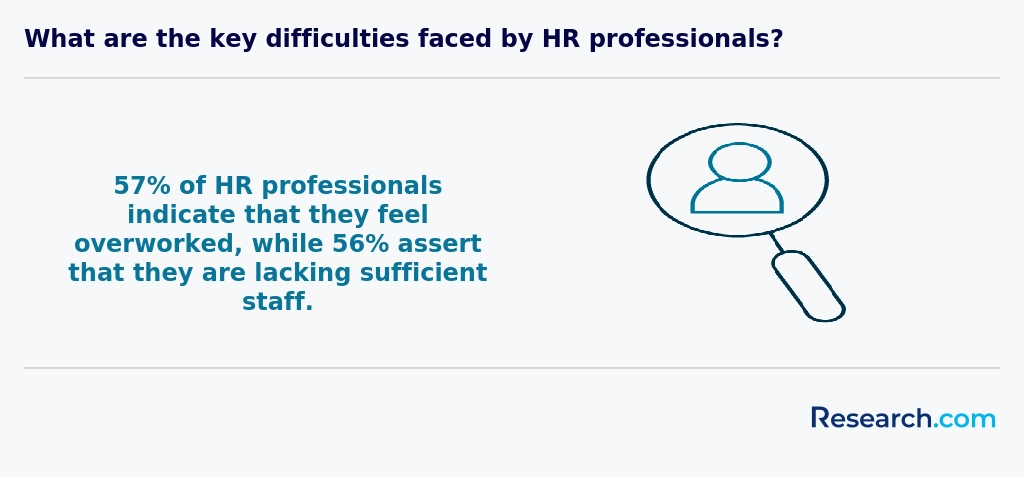
The HR landscape is evolving rapidly, and staying informed about emerging trends is crucial for both students and professionals. Today's HR department is not only a support function but also a strategic partner driving innovation and change. For instance, data analytics, AI-driven recruitment, and remote work strategies are reshaping how organizations attract and retain talent. Moreover, sustainability and diversity initiatives are becoming more central to business success, prompting HR professionals to continuously adapt their skills and approaches. Understanding these trends can help you identify programs that are future-focused. Many institutions now emphasize courses on digital HR tools and strategic workforce planning, ensuring you are well-prepared for the challenges ahead. Additionally, exploring options like affordable human resources colleges can offer not only cost-effective education but also innovative curricula that align with modern industry demands. Embracing these emerging trends means you can be proactive in your career development, positioning yourself as a forward-thinking leader in human resources.
Human resources degree programs in America typically include courses that balance both theoretical frameworks and practical applications vital to HR roles. Graduates from well-known institutions like Cornell University or Michigan State University often recount how foundational classes such as Introduction to Human Resource Management provided them with a clear understanding of recruitment and employee relations that they directly applied during internships.
Courses like Organizational Behavior and Employment Law and Labor Relations equip students with essential skills to navigate workplace dynamics and compliance with complex US labor laws, a challenge many describe as initially daunting but ultimately rewarding. Students appreciate how classes in Compensation and Benefits and Performance Management prepare them to design effective incentive systems and appraisals.
Advanced subjects such as Strategic Human Resource Management help graduates connect HR functions to broader business goals, reinforcing their confidence in contributing to organizational success. Additionally, exposure to Human Resource Information Systems (HRIS) readies students for technology-driven environments prevalent across American workplaces.
Human resources degree specializations in America commonly include Talent Acquisition and Recruitment, which equips students with skills to attract and hire top candidates through employer branding and strategic interviewing. Graduates from well-known universities often express confidence in applying these techniques in real-world recruitment drives at leading firms. Employee Relations and Labor Law is another key focus, teaching legal compliance and conflict resolution-skills invaluable in managing complex workplace dynamics.
Compensation and Benefits specialization prepares students to design competitive reward systems, balancing market trends and regulatory requirements, a critical competence highlighted by graduates from prominent colleges. Organizational Development and Training emphasizes leadership and change management, enabling graduates to lead effective workforce transformation initiatives. The Diversity, Equity, and Inclusion (DEI) track addresses equitable hiring and retention practices, an area of growing importance underscored by student projects and internships.
Those exploring HR degree concentration options America-wide find that program accreditation often aligns with these specializations, enhancing career prospects. For prospective students seeking affordability, the Cheapest Online Human Resources Degree Programs Ranking in Georgia offers valuable guidance.
Choosing among the best human resources degree programs USA requires prioritizing accreditation, curriculum depth, and real-world application. Graduates from well-known universities in America often highlight the value of attending institutions accredited by bodies like ACBSP or AACSB, which enhance career prospects by ensuring rigorous academic standards. Select programs that include comprehensive coursework in employment law, organizational behavior, and talent acquisition, along with specialization options such as HR analytics or diversity management to tailor your expertise.
Cost and delivery format are decisive factors. Many students pursuing top human resources degrees in America appreciate flexible online offerings that fit their schedules, while others benefit from on-campus networking opportunities inherent to traditional programs. Graduates frequently share that strong corporate partnerships and internships offered by colleges guarantee practical experience, significantly boosting job placement rates and salary potential.
For those needing flexible, accelerated options, it's worth exploring 6 month certificate programs that pay well online as a complement or alternative to degree paths, balancing time and investment effectively.

Graduates with a human resources degree in America have a diverse range of career paths available, each aligning with specific organizational needs. Many alumni from universities like Michigan State and Cornell have pursued roles as HR Generalists, managing daily operations such as hiring and benefits administration. Recruitment Specialists, especially in growing sectors like healthcare and tech, attract many students eager to engage directly with talent acquisition. Others specialize as Compensation and Benefits Managers, designing attractive packages that help retain top employees, reflecting a rewarding senior role within companies. Training and Development Managers play a key part in advancing workforce skills, a popular focus among graduates at schools emphasizing continuing education. Labor Relations Specialists find meaningful work negotiating with unions, a critical role in large manufacturing or public sectors. Finally, HR Analysts leverage data to optimize business decisions, appealing to those interested in the analytical side of human resources career opportunities in the USA.
Students exploring what is the easiest doctorate often consider HR-related advanced degrees, illustrating flexible educational pathways available in American institutions to fit varied career goals and budgets.
The human resources job outlook USA remains robust, with steady demand for professionals who understand complex labor laws, diversity initiatives, and talent management. Graduates from institutions known for strong HR programs often find themselves well-prepared to enter roles requiring expertise in recruitment, compliance, and strategic workforce planning. For example, those completing their education at well-regarded colleges frequently share positive experiences about how their coursework and internships translate into immediate employment opportunities.
Employment opportunities for HR degree graduates in America are diverse, reflecting the need for specialists in various industries such as technology, healthcare, and finance. Salaries typically start around $65,000 annually but can rise significantly in metropolitan areas or with advancement to HR management roles. These promising prospects encourage many students to invest in their education despite tuition ranges from $9,000 to $40,000 per year at selective public and private universities.
Many students also explore affordable online doctoral programs as a way to deepen their expertise without sacrificing work-life balance. This pathway enhances career stability and opens doors to senior HR roles, affirming the field's strong standing within America's evolving job market.
2027 Most Valuable Human Resources Degree Programs Ranking in the USA
Investing in your education is a significant decision that can shape your future, and the Research.com team understands the importance of making informed choices. To support prospective students exploring human resources programs, we have carefully developed the "2027 Most Valuable Human Resources Degree Programs Ranking in the USA." Our dedication to quality, credibility, and accuracy is evident in the extensive research and thorough analysis behind this ranking.
We utilized the following reputable data sources to ensure a comprehensive evaluation of human resources degree programs:
By consulting this ranking, readers will gain valuable insights to guide their educational choices and identify programs that best match their career goals. For further information about how this ranking was created, please visit our Research.com methodology page.
# 1 position
Capella University
Doctor of Philosophy in Human Resource Management


# 3 position
University of Arkansas Grantham
Master of Business Administration in Human Resources

# 4 position
Capella University
Master of Science in Human Resource Management
# 5 position
Colorado State University Global
Master of Science in Human Resource Management

# 6 position
Colorado State University Global
Bachelor of Science in Human Resource Management
# 7 position
Columbia Southern University
Bachelor of Science in Human Resource Management

# 8 position
Capella University
Bachelor of Science in Human Resource Management

# 10 position
Pennsylvania State University-World Campus
Human Resources and Employment Relations Master's


# 13 position
Wilmington University
Master of Science in Human Resource Management

# 14 position
Thomas Edison State University
Bachelor of Science in Human Resource Management


# 16 position
University of Phoenix-Arizona
Master of Science in Human Resource Management

# 17 position
University of Wisconsin-Stout Polytechnic
Master of Science in Human Resource Management


# 19 position
University of Maryland Global Campus
Bachelor of Human resources

# 20 position
Southern New Hampshire University
Master of Science in Human Resource Management MS in HR

Frequently Asked Questions About human resources
Human resources degree students in America can maximize their learning experience by combining academic knowledge with practical exposure. Engaging in internships with US companies provides valuable hands-on experience that enhances understanding of labor laws, recruitment, and employee relations.
Active participation in HR organizations such as SHRM (Society for Human Resource Management) offers networking, resources, and certification opportunities. According to SHRM, nearly 90% of HR professionals view certifications as a way to advance their careers.
Students should also leverage campus resources like career services and workshops focused on HR trends. Incorporating technology skills, such as proficiency in HR software, aligns with the increasing digitalization of the HR field in the United States.
Emerging niches within the human resources field reflect the evolving workplace landscape in the United States. One key area is HR analytics, which involves using data to improve employee performance and retention. According to the Society for Human Resource Management (SHRM), 71% of HR professionals report increased use of analytics in decision-making.
Another growing niche is diversity, equity, and inclusion (DEI). With businesses prioritizing inclusive cultures, specialists who design and implement DEI strategies are in high demand. The U.S. Bureau of Labor Statistics (BLS) indicates that HR roles emphasizing cultural competence will grow faster than average.
Finally, talent acquisition in remote work settings represents a new frontier. As remote and hybrid work arrangements become standard, HR experts skilled in digital recruitment platforms and virtual onboarding processes are essential.
After earning a human resources degree in America, preparing for the job market involves several strategic steps. First, gaining practical experience through internships or co-op programs is essential, as the Society for Human Resource Management (SHRM) highlights internships significantly increase hiring chances.
Networking is crucial; joining local SHRM chapters or attending industry events connects graduates with potential employers. Additionally, obtaining professional certifications, such as the SHRM Certified Professional (SHRM-CP) or the Professional in Human Resources (PHR), can boost credibility and salary prospects.
Developing strong communication and technology skills, particularly familiarity with HR software, is also important. According to the U.S. Bureau of Labor Statistics, HR roles are expected to grow 7% through 2031, underscoring steady demand in the field.
Employers in America highly value certain skills in human resources (HR) degree graduates. Communication stands out as essential, enabling HR professionals to interact effectively with employees and management. According to the Society for Human Resource Management (SHRM), nearly 75% of HR roles require strong interpersonal skills.
Analytical abilities are also critical. HR graduates must interpret data related to workforce trends and compensation to support business decisions. Additionally, knowledge of labor laws and compliance is fundamental, as HR professionals ensure organizations adhere to federal and state regulations.
Technology proficiency is increasingly important, with 67% of HR tasks involving digital tools. Critical thinking and problem-solving skills help resolve workplace conflicts and improve employee satisfaction. Leadership aptitude is beneficial, especially for those aiming to progress into managerial roles.
Finding internships in America relevant to a human resources (HR) degree starts with utilizing university career services, which often partner with companies to provide exclusive internship opportunities. According to the National Association of Colleges and Employers (NACE), 62% of internships in business fields, including HR, lead to full-time job offers. Students should also use specialized job boards like SHRM's HR Jobs, which focus on human resources roles.
Networking is critical in HR. Attending events hosted by the Society for Human Resource Management (SHRM) can connect students with professionals. Additionally, researching regional companies known for strong HR departments and applying directly can yield results.
Internships typically last 8-12 weeks and may be paid or unpaid. The U.S. Bureau of Labor Statistics emphasizes gaining hands-on experience as vital for career growth in HR.
A human resources (HR) degree significantly enhances career mobility and advancement within the American job market. According to the U.S. Bureau of Labor Statistics, HR roles are projected to grow 7% from 2021 to 2031, faster than the average for all occupations. Holding an HR degree often provides candidates with essential knowledge of employment laws, organizational behavior, and talent management, making them attractive to employers.
Graduates with HR degrees frequently qualify for specialized roles such as HR managers or labor relations specialists, which typically offer higher salaries and leadership opportunities. For example, the median annual wage for HR managers was $126,230 in May 2022.
Additionally, many American companies prioritize candidates with formal education for promotions, especially in large organizations where HR departments manage complex regulatory requirements. The Society for Human Resource Management (SHRM) highlights that certified HR professionals with degrees tend to advance more rapidly.
Studying for a human resources (HR) degree in America equips students with skills that span multiple disciplines such as psychology, business, law, and communication. American HR programs often include courses on organizational behavior, employment law, and data analytics, enabling graduates to understand workforce dynamics from various perspectives. According to the Society for Human Resource Management (SHRM), approximately 70% of HR roles require competencies beyond traditional HR tasks, including strategic planning and conflict resolution.
Many programs also emphasize practical experience through internships and case studies, helping students apply interdisciplinary knowledge in real-world settings. This blend prepares graduates to work effectively in diverse teams and adapt to evolving workplace challenges.
When choosing between a thesis and a non-thesis human resources degree program in America, consider your career goals and learning preferences. Thesis programs focus on original research and typically prepare students for doctoral studies or research-heavy roles. According to the National Center for Education Statistics, about 40% of graduate HR students opt for thesis tracks to strengthen analytical skills.
Non-thesis programs emphasize practical skills and coursework, catering to professionals aiming for immediate HR management or consultant roles. The Society for Human Resource Management (SHRM) reports that practical experience often weighs heavily in HR hiring decisions. Cost and program duration also differ: thesis options may take longer due to research requirements.
American students seeking to study human resources abroad have several practical options to consider. Many U.S. universities maintain exchange partnerships with international institutions, allowing students to complete part of their human resources degree overseas. Popular destinations include the United Kingdom, Canada, and Australia, where HR programs often align closely with American academic standards.
Additionally, some accredited U.S. institutions offer dual-degree or study-abroad tracks specifically tailored for human resources majors. Programs through organizations like NAFSA provide resources on opportunities abroad, emphasizing cultural competence and global HR practices.
According to the Society for Human Resource Management, gaining international experience can enhance graduate employability in the U.S., with global HR knowledge increasingly in demand.
Part-time job opportunities that complement a human resources degree in America often involve roles that develop relevant skills in recruitment, employee relations, and administration. Positions such as HR assistant, recruiting coordinator, or payroll clerk provide hands-on experience with HR software, compliance regulations, and workforce management.
According to the U.S. Bureau of Labor Statistics, gaining experience in these roles can enhance employability since 73% of employers prefer candidates with practical HR knowledge. Additionally, internships or part-time roles in employee training or benefits administration expose students to critical areas of human resources management.
Working in these roles while studying allows students to apply theoretical knowledge and build professional networks within the HR industry.
Human resources students in America benefit from numerous networking opportunities that support career growth. Many universities host HR-specific clubs and events where students connect with peers and industry professionals. According to the Society for Human Resource Management (SHRM), which has over 300,000 members, student memberships provide access to conferences, job fairs, and mentorship programs.
Local SHRM chapters often invite students to participate in workshops and networking mixers. Additionally, internships arranged through university career centers allow students to build real-world connections within organizations. The National Association of Colleges and Employers (NACE) reports that networking remains a top way graduates secure jobs in HR roles.
Alumni networks play a crucial role for human resources (HR) degree students in America by providing valuable career support and connections. These networks offer mentoring opportunities, helping students navigate the competitive U.S. job market. According to the Society for Human Resource Management (SHRM), over 70% of HR professionals find jobs through personal connections.
Additionally, alumni events and online platforms facilitate knowledge sharing about industry trends and certification paths, such as SHRM-CP and SHRM-SCP credentials that are highly respected in the U.S. HR field. Access to experienced graduates can also improve internship and job placement rates for students, enhancing career outcomes early on.
Customizing a human resources degree in America allows students to align education with specific career goals. Many universities offer elective courses in areas like talent management, labor relations, or organizational development. This flexibility helps build expertise tailored to roles such as HR specialist, recruiter, or compensation analyst.
Internships and cooperative education programs provide practical experience and networking opportunities in various HR fields. According to the Society for Human Resource Management (SHRM), 71% of employers prefer candidates with relevant work experience.
Students can also pursue certifications such as SHRM-CP or PHR alongside their degree. These are recognized credentials that enhance job prospects.
Academic advising and career services at US institutions further guide degree personalization based on industry trends and labor market data from the US Bureau of Labor Statistics.
Human resources students in America commonly face challenges balancing theoretical knowledge with practical skills. Many programs emphasize concepts like labor laws, organizational behavior, and talent management, but students often seek more hands-on experience to prepare for real workplace situations.
Another hurdle is staying updated with rapidly changing employment regulations. The U.S. labor market and related laws evolve frequently, requiring students to engage in continuous learning beyond textbooks. According to the Society for Human Resource Management (SHRM), nearly 70% of HR professionals emphasize the importance of staying current with compliance changes.
Additionally, competition for internships and entry-level roles can be intense, especially in larger metropolitan areas. Students must develop strong networking and communication skills to stand out. Limited access to mentorship programs remains a concern for many in this field.
Graduates with a human resources degree in America have access to several professional certifications that enhance their credibility and career prospects. The most recognized certification is the Professional in Human Resources (PHR), offered by the HR Certification Institute (HRCI). This credential requires candidates to have professional HR experience and solid knowledge of technical and operational HR duties.
Another popular option is the Society for Human Resource Management Certified Professional (SHRM-CP), which focuses on strategic and policy-making skills. According to the U.S. Bureau of Labor Statistics, certified HR professionals often earn higher salaries and experience faster career advancement.
Additional certifications include the Senior Professional in Human Resources (SPHR) and specialty certifications in areas like talent acquisition, benefits, or training. Each certification demands passing an exam and meeting education or work experience criteria, making them valuable for long-term professional growth.
To write a winning application for a human resources program in America, begin by clearly articulating your motivation and career goals related to HR. Admissions committees value applicants who understand the evolving role of HR, such as talent management, diversity initiatives, and compliance with U.S. labor laws.
Highlight relevant experience, including internships, volunteer work, or previous jobs that demonstrate interpersonal and organizational skills. According to the Society for Human Resource Management (SHRM), practical experience greatly enhances an applicant's profile.
Strong letters of recommendation from professionals familiar with your skills in communication and leadership can support your application. Also, tailor your personal statement to reflect awareness of current HR trends and the importance of strategic human capital management within American organizations.
Human resources (HR) careers in the United States are increasingly influenced by global trends, reflecting the interconnected nature of modern workplaces. U.S. HR professionals often manage diverse, multicultural teams and navigate international labor laws. According to the Society for Human Resource Management (SHRM), 71% of U.S. HR professionals reported handling global workforce issues in 2023.
Additionally, knowledge of international HR standards and cultural competence is highly valued by employers. Many American HR degree programs now integrate global perspectives, preparing students for challenges like expatriate management and global talent acquisition.
Understanding global HR practices enhances career opportunities and supports U.S. businesses competing internationally.
Gaining practical experience while studying for a human resources degree in America is essential to building a competitive resume. Many universities offer internship programs that connect students with companies seeking HR support. According to the National Association of Colleges and Employers (NACE), 61% of employers prefer candidates with internship experience.
Students can also participate in cooperative education programs, which alternate semesters of classroom study with full-time work in HR roles. Additionally, joining campus organizations like SHRM (Society for Human Resource Management) chapters provides networking opportunities and workshops.
Volunteering or part-time jobs in HR departments can further develop skills in recruitment, payroll, and employee relations. These experiences complement academic learning with real-world applications and improve job prospects after graduation.
Choosing the right concentration within a human resources degree program in America depends on your career goals and interests. Common concentrations include employee relations, talent acquisition, compensation and benefits, and organizational development. According to the Society for Human Resource Management (SHRM), areas like talent management and diversity, equity, and inclusion are rapidly growing fields.
Consider your preferred work environment-whether it's corporate, nonprofit, or government-as some concentrations align better with specific sectors. Research program specifics and look for accreditation by the HR Certification Institute or similar bodies to ensure quality education recognized by employers.
Review the latest U.S. Bureau of Labor Statistics data, which projects a 7% growth in HR specialist jobs from 2022 to 2032, highlighting the importance of tailored skills in competitive fields.
See What Experts Have To Say About Studying Human Resources
Read our interview with Human Resources experts

Rick Hackett
Human Resources Expert
Professor, Human Resources & Management
McMaster University


Chester S. Spell
Human Resources Expert
Professor of Management
Rutgers University

- How to Write an HR Manager Cover Letter - HR University https://hr.university/career/hr-manager/hr-manager-cover-letter/
- A Guide to the Human Resources Career Path https://www.galwaybusinessschool.ie/blog/a-guide-to-the-human-resources-career-path/
- What do you learn in a bachelor's in human resource management? | edX https://www.edx.org/resources/what-do-you-learn-in-a-bachelors-in-human-resource-management
- Best Value Human Resource Master’s Programs https://www.humanresourcesedu.org/most-affordable-hr-masters-programs/
- 5 Specializations in the Field of Human Resources https://www.greatvaluecolleges.net/lists/5-specializations-in-the-field-of-human-resources/
- Want a Career in Human Resources? Your In-Depth (2025) Guide https://www.aihr.com/blog/career-in-human-resources/
- How Long Does It Take to Get an HR Certificate? https://hrcertification.com/blog/how-long-does-it-take-to-get-an-hr-certificate-biid1000037
- Human Resource Development in Education Non-Thesis Master's Program https://eds.metu.edu.tr/en/human-resource-development-education-non-thesis-masters-program
- HR's Guide to Effective Career Development https://orangehrm.com/resources/learn-in-depth/hr-guide-to-effective-career-development
- Online Education Vs. Traditional Education In HR - CFR Group https://www.cfr-group.com/online-education-vs-traditional-education-in-hr/