2027 Most Valuable Human Resources Degree Programs Ranking in Pennsylvania

Co-Founder and Chief Data Scientist
Choosing the right human resources degree program in Pennsylvania can feel overwhelming, but it doesn't have to be. This article presents the 2027 Most Valuable Human Resources Degree Programs Ranking in Pennsylvania, created by the Research.com team of data scientists to help you make an informed decision.
Discover which programs offer the best opportunities for growth and success, so you can confidently pursue a rewarding career in human resources. Whether you're starting fresh or considering a change, this guide is designed to support your journey toward a fulfilling future.
Key benefits of getting human resources degree in Pennsylvania
- Graduates with a human resources degree in Pennsylvania can earn competitive salaries, such as $76,060 annually for roles like Human Resources Generalist, Employee Relations Specialist, and Recruitment Coordinator, making this degree a strong investment for your future.
- A human resources degree opens doors to varied career paths, including training and development coordination and HR assistant roles, as seen with many graduates from popular Pennsylvania universities who find rewarding jobs across different industries.
- Completing a human resources degree online offers flexibility and convenience, helping graduates balance work and study effectively while gaining practical skills from respected Pennsylvania institutions without relocating.
- 2027 Most Valuable Human Resources Degree Programs Ranking in Pennsylvania
- What can I expect from human resources degree in Pennsylvania?
- Where can I work with human resources degree in Pennsylvania?
What can I expect from human resources degree in Pennsylvania?
If you're wondering about the average cost of getting a human resources degree in Pennsylvania, it usually falls between $10,000 and $30,000 per year depending on the school and program level. For example, students attending popular schools known for HR programs, like Penn State or Temple University, often find that their tuition varies quite a bit based on whether they're in-state or out-of-state. Many graduates mention how investing in these programs pays off because of the real-world internships and networking opportunities included, which are super valuable when landing that first HR job.
A lot of students appreciate how their programs strike a balance between theory and hands-on experience, often through cooperative education or working closely with local businesses. These chances to build connections in Pennsylvania's healthcare or manufacturing sectors make the cost feel worth it. Plus, some grads say budgeting smartly for books and fees on top of tuition helped keep expenses reasonable during their time at schools like West Chester University or Drexel.
Where can I work with human resources degree in Pennsylvania?
If you're studying human resources in Pennsylvania, you'll be happy to know the job options are pretty awesome. Graduates from schools like Penn State or Temple University often land gigs in hospitals or health systems like UPMC, where they handle everything from hiring to employee relations. It's exciting work because you get to support people in a fast-paced, caring environment.
Others find themselves working for big manufacturers like Hershey, helping with recruiting or training employees. Imagine walking through those factory halls knowing you helped bring the right people on board-pretty rewarding, right?
And don't overlook the government jobs-state agencies and local schools are always on the lookout for HR pros to manage benefits and hiring. Many grads appreciate the stability and benefits that come with these roles.
It's also common for Pennsylvania HR grads to join nonprofits, where their work supports communities and volunteers, which feels really meaningful. Whether you want to be at a university like Temple guiding faculty hires or at a nonprofit making a difference, the opportunities are solid and varied right here in Pennsylvania.
If you've earned a human resources degree in Pennsylvania, you're looking at some solid earning potential right out of the gate. Graduates from schools like Penn State or Temple University often start in roles such as Human Resources Assistant or Recruitment Coordinator, where the mean annual wage is around $76,000. That's a nice jump above typical entry-level figures in other areas.
Many grads share that landing a Training and Development Coordinator role feels rewarding-not just salary-wise but because you get to impact employee growth. Those positions come with an average pay of about $71,980 a year across Pennsylvania. Meanwhile, Employee Relations Specialists also pull in around $76,060 annually, which definitely helps justify the hard work of those HR courses.
Picture yourself in Pittsburgh or Philadelphia, where these salaries often lean higher due to bigger companies and more opportunity. It's encouraging to know a human resources degree here can quickly lead to a comfortable lifestyle and career stability, especially as you build experience and snag certifications.
- Annual tuition for in-state students at public universities in Pennsylvania ranges from $10,000 to $15,000, while private colleges charge between $30,000 and $50,000.
- Community colleges offer more affordable associate degrees or certificates in HR, typically costing under $5,000 per year.
- There are about 50,000 HR specialists and managers employed in Pennsylvania as of 2023, with a job growth projection of 7% over the next decade.
- Entry-level HR salaries range from $50,000 to $60,000 annually, increasing to $75,000-$90,000 with five to ten years of experience.
- Senior HR positions in cities like Philadelphia or Pittsburgh can earn more than $100,000 per year.
- Many HR programs in Pennsylvania follow standards from the Society for Human Resource Management (SHRM) and offer internships or cooperative education for practical experience.
If you're thinking about getting a human resources degree in Pennsylvania, the timeline usually depends on the level you choose. Most folks start with an associate degree at community colleges or technical schools, which takes about two years. It's a quick way to get your foot in the door and start working or transferring to a four-year school.
For those aiming for a bachelor's, expect around four years of full-time study. Graduates from universities like Penn State's Smeal College of Business often share how the program balances core classes with cool HR topics like employment law and talent management.
Graduate programs, such as a master's or an MBA with HR focus, usually add another one to two years. The University of Pennsylvania, for example, offers flexible options where students can finish in 18 to 24 months depending on if they study full-time or part-time.
Many grads say part-time enrollment or credit transfers helped shorten their journey, making it feel way more manageable alongside work or life. It's all about finding what fits your pace!
If you're thinking about getting a human resources degree in Pennsylvania, the choice between online and on-campus programs really comes down to what fits your life best. Imagine a student attending Penn State or Temple University, enjoying the buzz of campus life, meeting professors face-to-face, and jumping into career fairs or internships right there in Philadelphia or State College. Those in-person connections can open doors and create a sense of belonging that's pretty special.
On the flip side, online programs let you study human resources from your own couch-perfect if you're juggling work or family in places like Pittsburgh or Harrisburg. Graduates from online programs often say they loved the freedom to dive into coursework late at night or between shifts, without having to worry about commuting or housing costs.
Both paths hold strong value, with solid tuition support and access to certifications like SHRM-CP. It's more about how you learn best and what your daily rhythm looks like in Pennsylvania's busy, diverse job market.
Choosing a Human Resources program with proper accreditation ensures your degree is recognized by employers and qualifies you for key professional certifications. In Pennsylvania, leading HR programs typically hold regional accreditation from bodies like the Middle States Commission on Higher Education (MSCHE) or the Higher Learning Commission (HLC). Graduates of accredited institutions are eligible to pursue certifications such as the SHRM Certified Professional (SHRM-CP), SHRM Senior Certified Professional (SHRM-SCP), and the HR Certification Institute’s (HRCI) Associate Professional in Human Resources (aPHR) and Professional in Human Resources (PHR). These credentials validate expertise in areas like talent acquisition, employee relations, and compliance-enhancing both credibility and career prospects. When evaluating programs, verify accreditation status on the U.S. Department of Education’s Database of Accredited Postsecondary Institutions and Programs. Additionally, consider programs that integrate certification exam prep into their curriculum; this alignment can reduce study time and tuition costs. For students seeking cost-effective online options, explore the comprehensive list at Affordable Online Human Resources Degree Programs Ranking in Kansas, which highlights accredited programs designed for both flexibility and affordability. Securing a degree from an accredited program not only meets employer expectations but also streamlines your path to industry certifications. By prioritizing accreditation and certification alignment, prospective HR professionals in Pennsylvania can maximize return on educational investment and position themselves for leadership roles from day one.
The average cost of a human resources degree in Pennsylvania can vary quite a bit depending on where you study and whether you're paying in-state or out-of-state tuition. On average, students pursuing human resources degrees in Pennsylvania face a total cost around $57,423, with in-state students paying closer to $34,963. For example, graduates from public universities like Pennsylvania State University often mention how the reasonable tuition helped them manage expenses while focusing on their studies in human resources management.
Private schools such as Drexel University or the University of Pennsylvania tend to be more expensive but sometimes include generous financial aid packages that can make the investment feel worthwhile. Many students share that despite the higher cost, attending these well-known institutions in Pennsylvania gave them excellent networking opportunities and practical experiences that were priceless. If you're worried about budgeting, it's smart to look for an affordable human resources school in pennsylvania that balances cost and quality.
Understanding the average cost of human resources degree in Pennsylvania also means accounting for additional fees like books, supplies, and living expenses, which can add a few thousand dollars each year. Many students appreciate the mix of affordable tuition and vibrant campus life, allowing them to grow both academically and personally without overwhelming debt. Knowing these details really helps you plan a smooth path toward your human resources career.
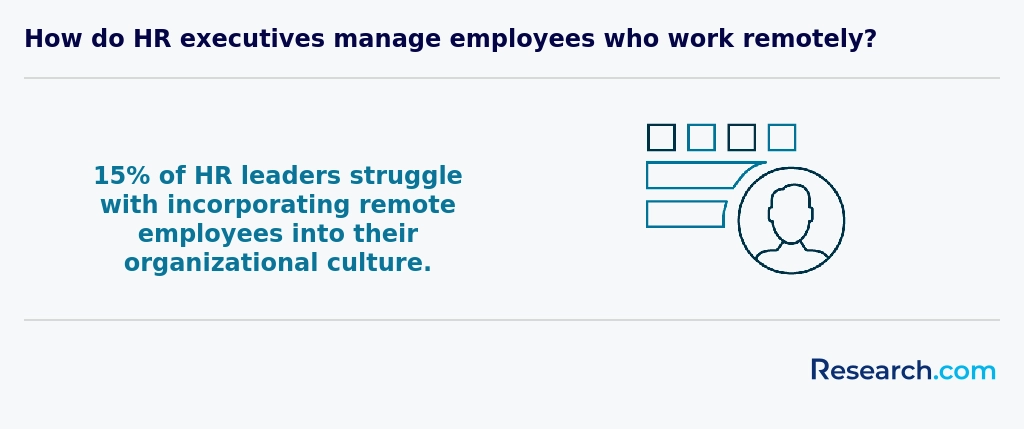
The HR field is evolving rapidly with technological innovations and shifting workplace dynamics. Modern human resources degree programs in Pennsylvania are now integrating trends such as artificial intelligence, remote work strategies, and digital employee engagement platforms into their curriculum. As you plan your academic journey, stay informed about these industry shifts to ensure you’re learning the skills that matter most in today’s competitive market. Institutions are increasingly partnering with industry leaders to incorporate real-world case studies and hands-on projects in emerging technologies. For example, some programs now offer specialized courses in HR analytics and digital transformation, enabling students to become proficient in data-driven recruitment and performance management strategies. Prospective students looking for programs that balance quality education with cost-efficiency can explore options like an affordable human resources school in pennsylvania that emphasizes these critical emerging skills. Furthermore, staying ahead of emerging trends means engaging in continuous learning even after graduation. Many schools provide alumni with access to workshops, webinars, and networking events that focus on cutting-edge HR practices. This lifelong learning approach not only positions you as a proactive professional but also prepares you to lead and innovate as the HR landscape continues to transform. Embracing these trends is key to securing a fulfilling and future-proof career in human resources.
If you're diving into a human resources degree in Pennsylvania, there's a good chance you can find plenty of financial aid to help ease the cost-public schools like Penn State or private ones like Drexel don't make it impossible to afford college. Many grads share how applying for the FAFSA unlocked Pell Grants worth up to $7,395 a year, which felt like a huge relief when tuition hits around $10,000 to $30,000 annually. Plus, those federal student loans offer lower interest rates compared to private loans, making repayment less stressful after graduation.
State grants are another big help, especially if you're a Pennsylvania resident. Students at popular schools have often told how these grants chipped away at their tuition bills thanks to demonstrated financial need-that's cash straight from the state to support your studies.
Some universities sprinkle scholarships and grants throughout their HR departments, rewarding both merit and need. Many grads fondly recall snagging those scholarships, which felt like getting a pat on the back for their hard work.
And don't overlook employer tuition assistance programs. Several people working part-time and studying HR in PA got their companies to cover a chunk of their costs-it's a win-win since HR pros earn a solid median salary around $62,000 here.
Lastly, groups like SHRM provide scholarships and cool discounts, so getting involved early with these professional organizations can really pay off for students eager to get a leg up.
If you're thinking about starting a human resources degree in Pennsylvania, you'll want to know the usual hoops to jump through. Most folks coming into these programs have finished high school or have a GED, especially at places like Temple University or Penn State. Admissions teams here really care about your grades in English, math, and social sciences because they set the stage for HR studies.
You might have to send in SAT or ACT scores, but many schools are going test-optional these days, so you can breathe easier if standardized tests aren't your thing. Some graduates remember that including a personal essay and recommendation letters made their applications stand out, showing real personality and interest.
If you're going for a graduate degree at popular Pennsylvania schools, expect to have a bachelor's degree in hand. Programs often like to see some background in business or psychology, and a few even ask for GRE scores. A friendly tip from grads: having some volunteer or leadership experience really helps you hit the ground running once classes begin!

If you're thinking about studying human resources in Pennsylvania, you'll find that most programs cover a great mix of courses that really get you ready for the real world. Graduates from popular schools like Penn State or Temple often say that classes like Introduction to Human Resource Management and Organizational Behavior were super helpful because they gave them a solid grasp on how companies actually tick and how people work together.
Other courses you'll dive into include Employment Law and Labor Relations, which is key since knowing the rules helps you avoid tricky situations at work. Compensation and Benefits, Training and Development, and Recruitment and Staffing Strategies are also staples-they're the kind of topics that students describe as eye-opening when they first realize how much goes into keeping employees happy and productive.
Plus, schools here often mix in courses on ethics, diversity management, and strategic planning, reflecting the diverse workplaces across cities like Philadelphia and Pittsburgh. Many grads mention loving the chance to work on hands-on projects or internships that let them put this knowledge straight into practice, making those lessons stick even better.
If you're diving into a human resources degree in Pennsylvania, you'll find some cool specializations that really prepare you for the real world. For example, many graduates rave about focusing on Talent Acquisition and Recruitment, where they learn how to spot and attract the best talent-super handy in PA's diverse job market with everything from healthcare to manufacturing. Others get into Employee Relations and Labor Law, which is perfect if you want to understand labor unions and workplace rules, something pretty big around here.
Lots of students from popular Pennsylvania colleges also dig into Compensation and Benefits Management. They love figuring out how to create pay and benefits packages that actually motivate employees, which is a huge deal when you want to make workplaces better. Another hit is Organizational Development and Training, where grads feel they're really helping companies build strong cultures and boost employee performance. And don't forget HR Information Systems, which mixes tech and HR-graduates say it's like having a secret weapon for handling employee data smartly.
When you're exploring the best HR program concentrations Pennsylvania offers, you might want to check out the Affordable Online Human Resources Degree Programs Ranking in Kansas as a reference for good value options outside PA too.
When choosing the best human resources degree in Pennsylvania, start by checking if the program has solid accreditation like MSCHE and SHRM. Graduates from popular PA universities often share how knowing their curriculum met industry standards boosted their confidence landing HR roles. Cost is a big deal too - public schools here typically charge between $10,000 and $15,000 a year in-state, making them a smart choice for those hunting affordable human resources degrees in Pennsylvania. Plus, lots of programs offer financial aid to ease the load.
If you're juggling work or family, look for flexible online or hybrid options. Many students love how these formats let them earn their degree without hitting pause on life. Some even dive into internships right through their school, which really helped them score connections in PA's job market. For quicker routes, check out 12 month master's programs that fit busy schedules perfectly.
Don't forget to pick a program that matches your career vibe-whether that's labor law, employee relations, or talent management. This way, you gain skills that really speak to Pennsylvania industries like healthcare and tech. Graduates often say choosing the right focus keeps their work exciting and relevant.
If you're studying human resources in Pennsylvania, you're stepping into a field with lots of exciting career paths. Graduates from well-known schools in the state often land roles as HR Specialists or Generalists, where they handle everything from employee relations to recruitment. Others find their niche as Talent Acquisition Specialists, zeroing in on finding the perfect hires. Some grads become Training and Development Coordinators, creating cool programs that help employees grow their skills-something they loved doing during internships while at local colleges.
For those interested in crunching numbers and benefits, becoming a Compensation and Benefits Analyst is a great fit, especially with Pennsylvania's strong manufacturing and healthcare industries. And if you've got leadership ambitions, many human resources degree Pennsylvania holders move up to HR Manager or Director roles, running entire departments and shaping company culture. Lots of students also explore newer fields like HR analytics or diversity and inclusion coordination. If you want to explore more options, check out these open enrollment colleges that make studying HR flexible and accessible.
If you're eyeing a human resources degree in Pennsylvania, the job market looks pretty solid. Graduates from popular schools in Philly or Pittsburgh often share stories about landing roles in everything from HR assistants to managers in bustling companies. The diverse economy here means lots of HR career opportunities, especially in big cities where healthcare, manufacturing, and finance companies are hiring. For those wondering about the human resources job outlook in Pennsylvania, things are steady, with the state's HR sector growing in line with national averages.
The demand is real, and salaries reflect that-many grads are happy with average wages around $65,000, with higher pay possible in specialized fields or urban areas. Plus, the cost of studying at local public universities is reasonable compared to private options. A lot of students ease tuition stress by working part-time or applying for scholarships. Some even go for an accelerated associates program to jumpstart their careers faster.
Overall, the Pennsylvania human resources career opportunities are encouraging, and if you're aiming to stand out, getting certified with credentials like the PHR can really give you a boost.
2027 Most Valuable Human Resources Degree Programs Ranking in Pennsylvania
Investing in your education is a significant decision that can shape your future, and the Research.com team understands the importance of making informed choices. To assist prospective students in Pennsylvania, we have meticulously developed the "2027 Most Valuable Human Resources Degree Programs Ranking in Pennsylvania." Our dedication to quality, credibility, and accuracy is reflected in the thorough research and analysis undertaken to create this ranking.
We utilized the following reputable data sources to ensure a comprehensive evaluation of human resources degree programs:
By exploring this ranking, readers will gain valuable insights into the most valuable human resources degree options available in Pennsylvania, empowering them to make informed decisions about their educational and professional futures. For more information on how this ranking was created, please visit our Research.com methodology page.
# 1 position
Pennsylvania State University-World Campus
Human Resources and Employment Relations Master's

# 2 position
Pennsylvania State University-World Campus
Labor and Human Resources Bachelor's

# 4 position
Pennsylvania State University-Penn State Harrisburg
Master of Science in Human Resource Management
# 5 position
Pennsylvania State University-Main Campus
Human Resources Management Bachelor's


# 9 position
University of Pittsburgh-Pittsburgh Campus
B.S. in Human Resources Management Offered on campus and fully

# 10 position
Pennsylvania State University-Main Campus
M.S. in Human Resources and Employment Relations


# 14 position
Saint Joseph's University - Philadelphia
Bachelor of Science in Human Resource Management


# 19 position
Pennsylvania State University-Penn State Harrisburg
Bachelor of Science in Human Resource Management


Frequently Asked Questions About human resources
Human resources degree students in Pennsylvania can maximize their learning by engaging deeply with both academic coursework and practical experiences. Many universities across the state offer internships with local businesses, providing valuable real-world HR exposure. For example, Pennsylvania's Bureau of Labor Statistics notes the state employs over 35,000 HR specialists, making internships accessible in both urban and suburban markets.
Additionally, students should take advantage of networking opportunities through organizations like the Pennsylvania Human Resources Association. Participating in workshops and conferences strengthens professional connections and enhances recruitment potential. Leveraging university career services to secure internships or co-op placements can also improve job readiness.
Finally, staying current with federal and state labor laws, including Pennsylvania's unique employment regulations, is crucial for a well-rounded education.
Emerging niches within the human resources (HR) field in Pennsylvania reflect broader national trends but also carry local relevance due to the state's diverse economy. One growing area is HR technology management, where professionals specialize in implementing and maintaining human capital management systems. According to the Society for Human Resource Management (SHRM), HR tech roles have increased by over 15% nationally since 2020.
Another niche gaining traction is diversity, equity, and inclusion (DEI). Pennsylvania employers are emphasizing DEI strategies to improve workplace culture and comply with evolving regulations. The Pennsylvania Department of Labor & Industry notes a 12% rise in job postings requiring DEI expertise from 2021 to 2023.
Finally, labor relations specialists focused on union negotiations remain essential, especially in Pennsylvania's manufacturing and public sectors. This focus helps HR graduates tailor their skills to the state's specific labor environment. These niches demand a blend of traditional HR knowledge and specialized competence, creating new opportunities for graduates entering the workforce.
After earning a human resources degree in Pennsylvania, preparing for the job market involves strategic steps to enhance employability. Begin by gaining practical experience through internships or cooperative education programs, which many Pennsylvania universities encourage. These opportunities help develop skills in recruitment, employee relations, and workforce planning.
Networking is essential. Join professional organizations such as the Society for Human Resource Management (SHRM) Pennsylvania chapter, offering valuable local connections and job leads. Additionally, obtaining certifications like the SHRM-CP or PHR can increase competitiveness. According to the U.S. Bureau of Labor Statistics, Pennsylvania's HR employment is projected to grow steadily, reflecting strong demand in sectors like healthcare and manufacturing.
Employers in Pennsylvania highly value human resources graduates who possess strong communication and interpersonal skills. According to the Pennsylvania Department of Labor & Industry, HR professionals with the ability to effectively manage employee relations and mediate conflicts are in high demand.
Analytical skills are also crucial, as HR specialists often work with workforce data and compliance regulations specific to Pennsylvania state law. Familiarity with HR software and technology enhances employability.
Additionally, understanding diversity, equity, and inclusion initiatives remains a top priority, reflecting broader workforce trends in the region.
Organizational skills and adaptability to changing labor policies further strengthen candidates' profiles in Pennsylvania's competitive job market.
Finding internships in Pennsylvania related to a human resources degree involves leveraging local resources and industry connections. Start by exploring career centers at universities such as Pennsylvania State University and Temple University, which often have partnerships with regional employers.
Online platforms like Handshake and the Pennsylvania Department of Labor & Industry's job portal provide listings specifically for HR internships. Networking through local chapters of the Society for Human Resource Management (SHRM) can also be valuable, as Pennsylvania hosts active SHRM groups offering events and mentorship opportunities.
According to the Bureau of Labor Statistics, Pennsylvania employs over 45,000 HR specialists, indicating a healthy market for internships. Students should apply early, tailor applications to HR roles, and consider both large corporations and government agencies across the state.
A human resources degree in Pennsylvania significantly enhances career mobility and advancement opportunities. According to the U.S. Bureau of Labor Statistics, Pennsylvania employs over 35,000 human resources specialists, a number expected to grow by 7% through 2031. Employers in the state increasingly seek candidates with formal HR education and certifications, such as the SHRM-CP, often obtained alongside degree programs.
Graduates with a human resources degree can access diverse roles across industries like healthcare, manufacturing, and finance, which dominate Pennsylvania's economy. The degree provides foundational knowledge in employment law, organizational behavior, and talent management-skills vital for promotion into supervisory or management positions.
Research from the Pennsylvania Department of Labor highlights that individuals with a bachelor's in human resources typically earn salaries 15-20% higher than those with only a high school diploma, underlining the degree's value in advancing earnings and professional status within the state.
Studying for a human resources degree in Pennsylvania equips students with skills applicable across multiple disciplines. Programs often combine courses in business, psychology, and law, enabling graduates to understand workplace dynamics from various perspectives. This interdisciplinary approach prepares students for roles involving employee relations, organizational development, and compliance.
Pennsylvania's higher education institutions emphasize real-world applications through internships and partnerships with local businesses. These opportunities help students gain practical experience in diverse settings. According to the Pennsylvania Department of Labor & Industry, HR-related job growth in the state is projected at 7% from 2022 to 2032, highlighting the need for adaptable professionals.
Moreover, coursework in communication and data analysis further enhances the ability to collaborate across departments, a valuable asset in today's interconnected workplaces.
When choosing between a thesis and a non-thesis human resources degree program in Pennsylvania, consider your career goals and learning preferences. Thesis programs emphasize research, requiring students to produce original work, which is ideal for those pursuing doctoral studies or research roles. Non-thesis programs focus more on practical skills and coursework, often appealing to professionals aiming for HR management or certification.
In Pennsylvania, universities like Penn State offer both options, with over 5,000 HR-related job openings projected statewide through 2026 (PA Department of Labor). Thesis programs may take longer due to research demands, while non-thesis paths usually finish faster.
Financially, non-thesis programs can reduce costs by minimizing time in school. Ultimately, evaluating your professional plans and time availability will guide an informed decision.
Students in Pennsylvania interested in studying human resources abroad have several options through university partnerships and exchange programs. Many Pennsylvania colleges, such as Penn State and Temple University, offer study abroad opportunities that include courses focused on international human resource management. These programs often take place in countries with strong HR industry practices, including the UK, Ireland, and Germany.
Additionally, students can enroll in dual-degree programs that combine Pennsylvania-based education with a partner institution overseas, giving them both American and international credentials.
According to the Institute for International Education, approximately 3% of Pennsylvania students participate annually in study abroad programs, many in business and HR-related fields.
These experiences enhance global cultural competence-a valuable asset given HR's increasing international scope.
Part-time job opportunities in Pennsylvania that complement human resources degree education include roles such as HR assistant, recruiting coordinator, and payroll clerk. These positions provide hands-on experience with employee relations, talent acquisition, and payroll management, essential areas in HR. According to the U.S. Bureau of Labor Statistics, Pennsylvania employed approximately 64,000 HR specialists in 2023, highlighting strong local industry demand.
Internships in HR departments at local businesses or nonprofits also enhance practical skills, offering insight into compliance and benefits administration. Additionally, customer service roles can develop communication and conflict resolution abilities valued in HR careers. Such part-time roles can boost a student's resume while pursuing their degree in Pennsylvania.
Human resources students in Pennsylvania have access to numerous networking opportunities that can enhance their career prospects. Many universities in the state partner with professional organizations such as the Society for Human Resource Management (SHRM), which has a strong presence in Pennsylvania with multiple local chapters. These chapters often hold events, workshops, and conferences that connect students with HR professionals and employers.
Additionally, Pennsylvania hosts several career fairs and industry expos targeted at HR fields, providing students a chance to meet recruiters from major companies based in cities like Philadelphia and Pittsburgh. According to the Pennsylvania Department of Labor & Industry, the demand for HR specialists is projected to grow by 7% through 2030, making networking particularly valuable. Joining university alumni groups and HR student associations also helps build contacts early in a student's education.
Alumni networks offer significant advantages for human resources degree students in Pennsylvania. These networks provide access to experienced professionals who can share industry insights, mentorship, and career guidance. According to the National Association of Colleges and Employers (NACE), strong alumni connections increase job placement rates by nearly 20% in related fields.
In Pennsylvania, where the HR sector is steadily growing-especially within metropolitan areas like Philadelphia and Pittsburgh-alumni networks help students tap into local job markets. Graduates often share job openings, internships, and networking events exclusive to members, which can accelerate career development.
Additionally, many universities in Pennsylvania maintain active alumni chapters that host workshops and seminars, keeping students informed of evolving HR practices and compliance requirements. This engagement enhances learning beyond the classroom and supports long-term professional growth.
Customizing a human resources degree in Pennsylvania allows students to align their education with specific career goals. Many universities offer concentrations such as talent management, organizational development, or labor relations to tailor the program. Pennsylvania's diverse economy means students can focus on industries like healthcare, manufacturing, or education, matching local job markets reported by the Pennsylvania Department of Labor & Industry.
Internships and cooperative education experiences are essential for practical skills. Numerous Pennsylvania schools connect students with companies in the Philadelphia and Pittsburgh metro areas, enhancing real-world learning.
Additionally, students may choose electives in data analytics, employment law, or compensation management to meet certification standards like SHRM-CP, increasing job prospects.
Human resources students in Pennsylvania often face challenges balancing theoretical knowledge with practical experience. Many programs emphasize compliance and labor law, which can be complex due to Pennsylvania's unique state regulations alongside federal laws. According to the Pennsylvania Department of Labor & Industry, understanding these regulations is vital but requires significant study.
Access to internships can be limited, especially in rural areas, which affects the ability to gain hands-on experience. Additionally, competition is strong since the Philadelphia and Pittsburgh areas host numerous institutions with human resources programs, raising the standard for internships and job placement.
Students also grapple with staying current on evolving topics like diversity, equity, and inclusion-key areas in HR today. Institutions strive to integrate these themes, but students must proactively seek supplementary resources to remain competitive.
With a human resources degree in Pennsylvania, graduates can pursue several well-recognized professional certifications to enhance their career prospects. The most prominent is the Professional in Human Resources (PHR) certification offered by the HR Certification Institute (HRCI), which validates foundational HR knowledge and skills.
Another valuable certification is the SHRM Certified Professional (SHRM-CP), provided by the Society for Human Resource Management. This credential is highly regarded nationwide, including Pennsylvania, where HR roles continue to grow due to a diverse economy.
Additionally, Pennsylvania HR professionals might consider the Certified Compensation Professional (CCP) for specialization in compensation management. According to the Bureau of Labor Statistics, Pennsylvania employed over 44,000 HR specialists as of 2023, increasing the relevance of certifications.
To write a winning application for a human resources program in Pennsylvania, start by researching each school's specific admission requirements. Many Pennsylvania institutions value a clear statement of purpose that demonstrates your passion for HR and your career goals. Highlight relevant experiences, such as internships or work in employee relations, which align with the Society for Human Resource Management (SHRM) recommended competencies.
Including strong letters of recommendation is crucial; aim for advisors or employers familiar with your leadership and communication skills. According to the Pennsylvania Department of Labor, HR jobs in the state are projected to grow 7% through 2030, so emphasizing knowledge of current HR trends can strengthen your application.
Additionally, maintain competitive GPA scores, typically above 3.0, and prepare for any required entrance exams. Tailoring your application to reflect an understanding of Pennsylvania's diverse workforce environment may give you an extra advantage.
Human resources (HR) careers in Pennsylvania align with global trends emphasizing strategic workforce management and cultural competence. Globally, HR professionals are expected to manage diverse teams, navigate international labor laws, and support organizational agility. In the US, the Bureau of Labor Statistics projects an 11% growth in HR specialist jobs by 2031, with Pennsylvania contributing significantly due to its diverse economy and numerous corporate headquarters.
According to the Society for Human Resource Management (SHRM), professionals with global HR skills are increasingly sought after, especially in regions like Pennsylvania where companies engage in international business. Skills in cross-cultural communication and compliance with global standards enhance employability.
Gaining practical experience while studying for a human resources degree in Pennsylvania is essential for career readiness. Many universities offer internships through partnerships with local businesses, nonprofits, and government agencies. These internships provide hands-on experience in recruitment, employee relations, and HR compliance.
Students can also engage with campus career centers that often host job fairs and networking events with Pennsylvania-based employers. According to the Pennsylvania Department of Labor & Industry, internships in HR-related fields have grown by 12% over the past five years, highlighting increasing opportunities.
Additionally, joining professional organizations like the Society for Human Resource Management (SHRM) chapters in Pennsylvania can provide mentorship and workshops, helping students apply theory in real-world scenarios.
Choosing the right concentration in a human resources degree program in Pennsylvania depends on your career goals and interests. Common concentrations include talent acquisition, employee relations, compensation and benefits, or organizational development. Each area targets specific HR functions and skills.
Consider Pennsylvania's strong industries like healthcare, manufacturing, and tech, which often seek specialized HR expertise. The U.S. Bureau of Labor Statistics notes that HR specialists in Pennsylvania earned a median annual wage of approximately $65,000 in 2023, with higher pay for those with focused skills.
Research programs' curriculum and internship opportunities to align with the concentration that matches Pennsylvania's job market demands. Networking with local HR professionals and reviewing state workforce trends can also guide your choice.
- 2027 Most Valuable Human Resources Degree Programs Ranking in Delaware
- 2027 Most Valuable Human Resources Degree Programs Ranking in Connecticut
- 2027 Most Valuable Human Resources Degree Programs Ranking in Indiana
- 2027 Most Valuable Human Resources Degree Programs Ranking in Georgia
- 2027 Most Valuable Human Resources Degree Programs Ranking in Illinois
- 2027 Most Valuable Human Resources Degree Programs Ranking in Alabama
- 2027 Most Valuable Human Resources Degree Programs Ranking in Florida
- 2027 Most Valuable Human Resources Degree Programs Ranking in Missouri
- 2027 Most Valuable Human Resources Degree Programs Ranking in Minnesota
- 2027 Most Valuable Human Resources Degree Programs Ranking in Iowa
See What Experts Have To Say About Studying Human Resources
Read our interview with Human Resources experts


Rick Hackett
Human Resources Expert
Professor, Human Resources & Management
McMaster University

Thomas Kochan
Human Resources Expert
Professor of Management
Massachusetts Institute of Technology

- 5 Specializations in the Field of Human Resources https://www.greatvaluecolleges.net/lists/5-specializations-in-the-field-of-human-resources/
- How to Maximize the Impact of Alumni Networks https://www.careeros.com/resources/how-to-maximize-the-impact-of-alumni-networks
- What Degree Might You Need to Pursue an HR Career Path? The Requirements to Know https://www.trident.edu/what-degree-do-you-need-for-hr-requirements-to-know/
- 2025 Most Affordable Online Human Resources Degrees https://www.onlineu.com/most-affordable-colleges/human-resources-degrees
- What’s it like to study human resources management? https://www.murdoch.edu.au/news/articles/what-s-it-like-to-study-human-resources-management
- What do you learn in a bachelor's in human resource management? | edX https://www.edx.org/resources/what-do-you-learn-in-a-bachelors-in-human-resource-management
- HR's Guide to Effective Career Development https://orangehrm.com/resources/learn-in-depth/hr-guide-to-effective-career-development
- HR Management https://www.pointpark.edu/academics/schools/business/undergraduateprogram/humanresourcesmanagement
- How to Write an HR Manager Cover Letter - HR University https://hr.university/career/hr-manager/hr-manager-cover-letter/
- HUMAN RESOURCE MANAGEMENT (THESIS / NON-THESIS) - Lisansüstü Eğitim Enstitüsü https://lee.nisantasi.edu.tr/en/human-resource-management-thesis-non-thesis/