
2027 Most Valuable Healthcare Degree Programs Ranking in Stony Brook

Co-Founder and Chief Data Scientist
Choosing the right healthcare degree program can shape your future in meaningful ways. This article introduces the 2027 Most Valuable Healthcare Degree Programs Ranking in Stony Brook, crafted by the Research.com team of expert data scientists.
Designed to guide you toward informed decisions, the ranking highlights programs that balance quality, value, and career opportunities.
Reading this will help you discover pathways to rewarding healthcare careers and empower you to make choices that match your goals and passions.
Start your journey with confidence and clarity today.
Key benefits of getting healthcare degree in Stony Brook
- Healthcare degree graduates can earn competitive salaries, such as Medical Assistants making a mean annual wage of $43,350 and Quality Improvement Coordinators earning up to $103,150, reflecting strong earning potential in the field.
- Graduates from Stony Brook's healthcare programs find diverse career paths in roles like Patient Care Technician or Health Information Technician, offering rewarding opportunities for growth and specialization.
- Completing a healthcare degree online from local institutions allows flexible scheduling and faster entry into the workforce, ideal for balancing life and studies while accessing quality education.
- 2027 Most Valuable Healthcare Degree Programs Ranking in Stony Brook
- What can I expect from healthcare degree in Stony Brook?
- Where can I work with healthcare degree in Stony Brook?
What can I expect from healthcare degree in Stony Brook?
If you're thinking about a healthcare degree at Stony Brook, you're probably wondering about the cost. On average, tuition for healthcare programs here can vary depending on your specific degree and residency status, but most local students pay somewhere around $10,000 to $15,000 per year for in-state tuition. For example, nursing students at Stony Brook University find this price quite manageable considering the top-notch clinical training they get at Stony Brook University Hospital, a Level 1 trauma center right nearby.
Graduates often mention how worth it the cost feels because they get hands-on experience with real patients and cutting-edge medical tech during their studies-things that really boost confidence before stepping into the job market.
Out-of-state students obviously face higher fees, sometimes double, but even they appreciate the value thanks to the strong healthcare job prospects in the area. Plus, the College of Health Sciences often offers financial aid and scholarships to help ease the burden.
Where can I work with healthcare degree in Stony Brook?
If you're studying healthcare in Stony Brook, you've got loads of options waiting after graduation. Most grads find themselves in places like Stony Brook University Hospital, which is a big deal around here. It's the hub for nurses, medical techs, and healthcare admins, so if you're aiming to work hands-on or behind the scenes, that's a great spot to start.
Besides that, there are other hospitals nearby like St. Charles and John T. Mather, where lots of grads land jobs in clinical care or managing health services. A buddy who graduated from a healthcare program at a popular local college ended up working in a rehab center, helping patients bounce back with physical therapy - something that's really in demand because the area's population is aging.
On top of hospitals and clinics, some grads dive into public health roles or join research labs at Stony Brook University itself. If you're into health info or tech, local telehealth companies and insurance providers are growing fast, creating even more chances to find a fulfilling role close to home.
If you're studying healthcare in Stony Brook, you're in a great spot to land a solid paycheck once you graduate. For example, graduates working as medical assistants can expect to make around $43,350 a year, which is a nice entry point if you're just starting out. Patient care technicians generally do even better, pulling in close to $60,790 annually, reflecting the hands-on experience and care they provide.
Those who dive into more technical roles like health information technician or clinical research coordinator can expect similar salaries around $43,380 and $43,350, respectively. It's reassuring to know these roles offer steady wages while you build your career.
If you're aiming higher, say into quality improvement coordination, the paycheck jumps impressively-to about $103,150 a year! Graduates from local colleges like Stony Brook University often share how stepping into these roles gives them both a rewarding career and financial confidence, making the hard study totally worth it.
Living and working in Stony Brook means you get good earnings alongside access to top healthcare facilities, so many grads feel proud and excited about their futures here.
- In-state tuition and fees for healthcare-related undergraduate programs at Stony Brook range from $10,000 to $15,000 annually.
- Out-of-state students pay between $25,000 and $35,000 per year for healthcare degrees.
- Entry-level healthcare graduates in the area earn starting salaries of about $55,000 to $65,000 annually.
- Experienced healthcare professionals from Stony Brook have median salaries around $80,000 per year.
- Healthcare jobs in the region are projected to grow by 10% or more over the next decade.
- Healthcare programs are accredited by bodies like the Commission on Collegiate Nursing Education and the Council on Education for Public Health.
If you're thinking about a healthcare degree in Stony Brook, the timeline really depends on the program you choose. For example, most undergrad students at Stony Brook University tackling a Bachelor of Science in Health Sciences or Nursing usually spend about four years finishing up. It's pretty much the classic college experience-lots of classroom time, labs, and clinical slots that keep things hands-on and real.
Grad students chasing a Master of Science in Nursing (MSN) find it takes around two to three years, depending on whether they're full-time or juggling work alongside. Those evening classes and online options pop up a lot here, making life way easier for busy adults.
Going for a doctoral program like a DNP or a PhD? Expect it to extend to four to six years. Graduates often share how diving into research projects and leadership stuff really shapes their careers but takes serious commitment.
Plus, don't forget about prep for nursing licenses and extra clinical hours-it's all part of getting you ready for real-world healthcare challenges in Stony Brook and beyond.
Stony Brook, NY, is not only renowned for its academic excellence but also for its vibrant campus life and state-of-the-art facilities that support healthcare students every step of the way. Prospective students can expect a dynamic environment that goes beyond rigorous coursework, featuring modern simulation labs, research centers, and collaborative spaces that foster innovation and hands-on learning. Campus support services-including academic advising, career counseling, and mentorship programs-play a critical role in bridging classroom theory with real-world healthcare challenges. Moreover, involvement in student organizations and networking events enhances both personal growth and professional development. Whether you are interested in practical training sessions or participating in health-focused community outreach, early exposure to these resources can significantly boost your confidence and employability. For a closer look at how these comprehensive experiences are curated, check out this valuable healthcare school in new york ranking, which reflects the commitment to quality education and continuous student support.
If you're thinking about a healthcare degree in Stony Brook, the biggest difference between online and on-campus programs is hands-on experience versus flexibility. Imagine being a student at Stony Brook University, stepping into their high-tech simulation labs and working directly with professors and classmates-that face-to-face vibe really helps you get comfortable with real patient care. Graduates often say that this in-person training gave them confidence they couldn't get anywhere else.
On the flip side, online healthcare degrees are a lifesaver if you've got a busy schedule. Plenty of students juggling jobs or family find the virtual setup a perfect fit because you can watch lectures and join discussions whenever you want. But keep in mind, even online programs usually ask you to complete some clinical hours in person, so you still get that crucial experience without moving to campus.
Cost is another factor. Students studying on-campus at places like Stony Brook sometimes spend more on housing and commuting, while online learners often save some cash overall. Both paths have their upsides-it's all about what fits your lifestyle and learning style best.
Investing in a healthcare degree in Stony Brook, NY requires weighing tuition against potential earnings and career growth. By understanding the break-even point and long-term salary prospects, you can make a data-driven decision: • Break-even analysis: With average annual in-state tuition of $52,483 for medical programs and an average starting salary of $60,000 for entry-level roles like Patient Care Technician, graduates can recoup their educational investment in approximately 4–5 years. • Salary progression: Over a 10-year career span, professionals such as Registered Nurses and Health Information Administrators often see salary increases of 25–35%, boosting lifetime earnings by tens of thousands. • Opportunity cost: Choosing accelerated certificate paths or affordable online alternatives can reduce upfront investment. For example, students exploring the most affordable online medical billing and coding courses often launch their careers sooner and enter the workforce with minimal debt. • Financial aid impact: Factoring in scholarships, grants, and work-study programs can lower net tuition by up to 40%, improving ROI and minimizing reliance on federal loans. By mapping tuition costs against projected earnings and leveraging financial aid, prospective students can identify healthcare degree programs that deliver the highest return on investment, ensuring academic choices align with both budget and long-term career objectives.
The average healthcare degree cost in Stony Brook really depends on whether you're an in-state or out-of-state student, and what level you're aiming for. For example, in-state students looking to get their healthcare degree through Stony Brook University can expect total costs around $10,931, which feels quite reasonable compared to many other places. Out-of-state students might face significantly higher costs, roughly $50,651 overall, so budgeting carefully upfront is key.
Many graduates from popular healthcare programs around Stony Brook talk about how those costs stack up against the quality of education they receive. Nursing and public health majors often mention that the tuition and fees match well with the hands-on experience and strong faculty support they found at the university. For those digging into graduate programs like nursing master's degrees, tuition is charged per credit, which adds up but also offers flexibility.
Remember, other expenses like student fees, books, supplies, and even health insurance can add up. But plenty of students find relief through financial aid and scholarships, so it's worth exploring all your options before deciding. If you're interested in finding more flexible study options, you might check out online nursing degrees michigan career services, which some Stony Brook students consider to balance their studies and life.
Overall, when thinking about Stony Brook healthcare degree tuition and fees, the costs align with the solid reputation and opportunities that come with earning your degree in this region. The investment often pays off as students enter rewarding healthcare careers feeling prepared and confident.

After completing a healthcare degree in Stony Brook, NY, graduates must secure professional licensure or certification to practice legally and advance their careers. In New York State, each role-whether as a registered nurse, health information technician, or medical assistant-has specific requirements governed by the New York State Education Department (NYSED) and respective professional boards. • Educational Verification: Applicants must submit official transcripts from accredited institutions like Stony Brook University. Ensure your program meets NYSED curriculum standards for clinical hours and coursework. • Examination Requirements: - Registered Nurses (RNs) take the NCLEX-RN exam administered by the National Council of State Boards of Nursing (NCSBN). - Health Information Technicians sit for the Registered Health Information Technician (RHIT) exam through AHIMA. - Medical Assistants pursue CMA (AAMA) certification via the American Association of Medical Assistants. • Application Process: Create an account on the NYSED’s Office of the Professions portal, complete the online application, and pay applicable fees (typically $100–$300 per license). Processing times range from 4–8 weeks, depending on document verification. • Continuing Education (CE): To maintain licensure, most professionals must earn a minimum of 36 CE credits every three years. Workshops at Stony Brook’s School of Nursing and approved online CE providers can streamline this process. For those considering advanced credentials without breaking the bank, explore our Inexpensive Online Master's in Healthcare Degree Programs Ranking in Orlando, FL for affordable pathways. • Reciprocity and Endorsement: Licensed professionals relocating to Stony Brook from other states may qualify for endorsement rather than retesting, provided their original license is in good standing. Understanding and fulfilling these certification and licensure steps ensures a smooth transition from graduate to practicing professional, solidifying your credentials in New York’s competitive healthcare landscape.
If you're diving into a healthcare degree at Stony Brook University, there's a pretty solid mix of financial aid to help ease those tuition worries. For starters, filling out the FAFSA is a must-it opens doors to federal grants like the Pell Grant, which can shave off thousands if you qualify. One graduate I heard about saved a good chunk of change this way, making a nursing degree feel way more doable.
Then there's New York State's Tuition Assistance Program, which is a real lifesaver for residents attending Stony Brook. It can knock down up to $6,165 from your yearly costs, which adds up fast. Plus, the university itself dishes out scholarships based on grades and need, especially within their health sciences programs, so keep those grades up!
And if you're eyeing a career in public health or nursing nearby, don't forget about loan forgiveness programs like PSLF. Many grads working in public service have been able to reduce their debt thanks to this. It's all about knowing what's out there and jumping on the right opportunities early.
Living and learning in Stony Brook, NY, means immersing yourself in a vibrant campus experience that extends beyond the classroom. Students not only benefit from top-tier academic programs but also enjoy robust support services, engaging extracurricular activities, and dedicated career centers that ease the transition into the professional world. Whether it’s joining healthcare clubs, participating in community service projects, or taking advantage of mentorship opportunities, students can build strong networks and practical skills that are crucial for success. Many aspiring professionals choose institutions recognized as a valuable healthcare school in new york for their comprehensive blend of academic rigor and supportive campus culture, which together foster both personal growth and career readiness. This well-rounded student life not only enhances your educational journey but also positions you for long-term professional achievements in the dynamic field of healthcare.
If you're aiming to dive into a healthcare degree at Stony Brook, getting the basics right is key. Most students there come prepared with strong backgrounds in science and math-think biology, chemistry, physics, and algebra-because they really set the stage for everything you'll learn about how the body works and medical tech.
Graduates from popular schools like Stony Brook University often mention how having solid grades, typically around a 3.0 GPA or higher, really helped them breeze through admissions. Some programs even look at SAT or ACT scores, depending on what they currently require.
Hands-on experience matters a lot too. Many folks volunteered or worked at local hospitals or clinics around Stony Brook, which made their applications stand out and gave them a real feel for the healthcare world.
- For more advanced degrees, getting college-level science courses done (think microbiology or anatomy) is a must
- Letters of recommendation and personal essays are often needed to share your passion and goals
- And it's common to take tests like the TEAS or GRE for certain programs
All of this helps you show you're ready, motivated, and excited to tackle the challenges ahead in healthcare studies right here in Stony Brook.

In today’s rapidly evolving healthcare landscape, lifelong learning is key to maintaining a competitive edge and expanding your career opportunities. Many healthcare graduates find that further education not only deepens their clinical expertise but also enhances their leadership and research skills. For instance, professionals often pursue advanced certifications or even an online master’s degree to keep pace with new medical technologies and patient care protocols. Graduate programs, such as the masters in nutrition, can equip you with specialized knowledge that complements your healthcare degree and can lead to higher-paying roles in public health, clinical management, or research disciplines. Additionally, many institutions offer flexible learning options-including evening or online courses-to help busy professionals balance work, study, and family life while staying current in an ever-changing field. Proactively engaging in continuing education and professional development not only ensures that your skills remain sharp but also positions you as a leader in the healthcare industry, ready to meet future challenges and opportunities head-on.
If you're diving into a healthcare degree in Stony Brook, expect to roll up your sleeves with courses like human anatomy, physiology, and microbiology-these basics really set the stage for understanding how our bodies tick. Graduates from Stony Brook University often share how these classes made them feel confident when entering clinical settings because they had a solid grasp of what's going on beneath the surface.
Beyond the science, you'll tackle subjects like medical ethics and public health, which help you see the bigger picture in healthcare-like why patient privacy matters or how local health policies shape community care. This mix keeps things interesting and super relevant, especially since Stony Brook's community health needs can be pretty unique.
Many programs also offer hands-on clinical rotations, letting you get actual work experience in hospitals or clinics around the area. Students often say this "real-world" time was where everything clicked, turning textbook knowledge into skills that really matter when you're caring for people.
Some healthcare degrees let you specialize too-think healthcare management classes if you like the idea of running a clinic or mastering healthcare finance and leadership. It's pretty cool how Stony Brook's programs mix theory with practical skills to prepare you for whatever healthcare path you choose.
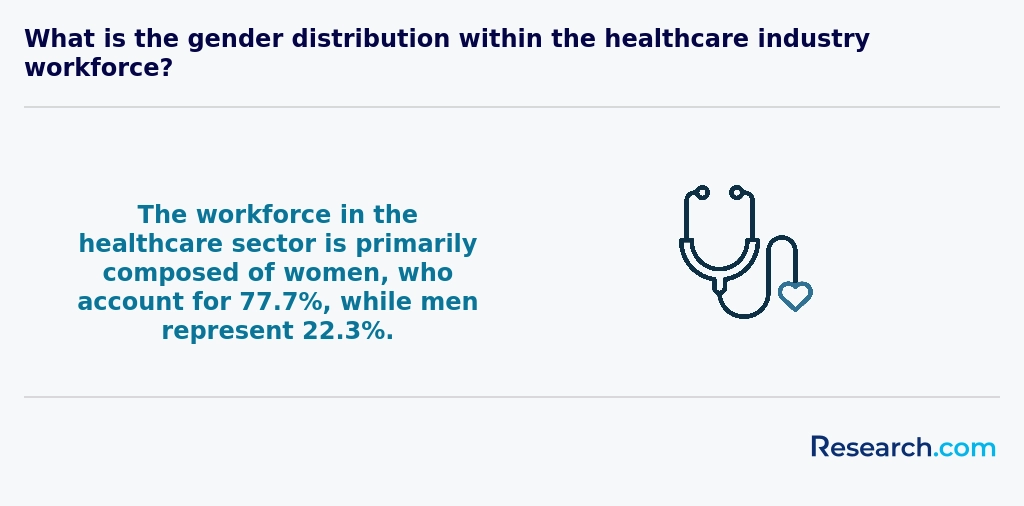
If you're thinking about a healthcare degree in Stony Brook, you've got a bunch of cool specializations to choose from. Lots of students at Stony Brook University dive into public health, learning how to improve community wellness and manage disease prevention-perfect if you're into making a real impact in Suffolk County's diverse population. Others choose healthcare administration to get prepped for leadership roles in hospitals or clinics, which is smart since those jobs are booming nationwide.
Graduates often mention how nursing tracks, especially the advanced ones like Nurse Practitioner, offer hands-on clinical experience, which makes stepping into real patient care less intimidating. Biomedical sciences and clinical lab sciences are popular too, thanks to Stony Brook's top-tier research labs where students get to work with cutting-edge tech.
For anyone curious about diet and nutrition, the nutrition and dietetics option is a favorite, especially with health issues like diabetes becoming more common. If you want to boost your career options, check out programs that support LPN career advancement-lots of Healthcare degree specializations in Stony Brook make that possible.
Picking the best healthcare degree in Stony Brook really comes down to what feels right for you. Lots of grads from Stony Brook University say they loved programs that mixed hands-on experience with classroom time-like nursing or physician assistant studies-because it got them ready for real-world challenges. If you're someone who wants to make a difference in community health or hospital admin, public health degrees here offer solid options that connect you with local internships and clinical placements.
Money is always a factor, and when looking at affordable healthcare degrees Stony Brook has options that don't break the bank but still provide great value. Some students found scholarships and financial aid helpful, especially given extra costs for labs or clinical rotations.
One tip: check out how each program supports your future licensure or certification goals. Many grads rave about how Stony Brook makes this clear and prepares them well. If you're curious about your chances in the workforce, healthcare job demand around Long Island is strong, which is super encouraging.
For anyone interested in nursing, make sure to read up on nursing career prospects at Stony Brook-it's a great starting point to understand your path.
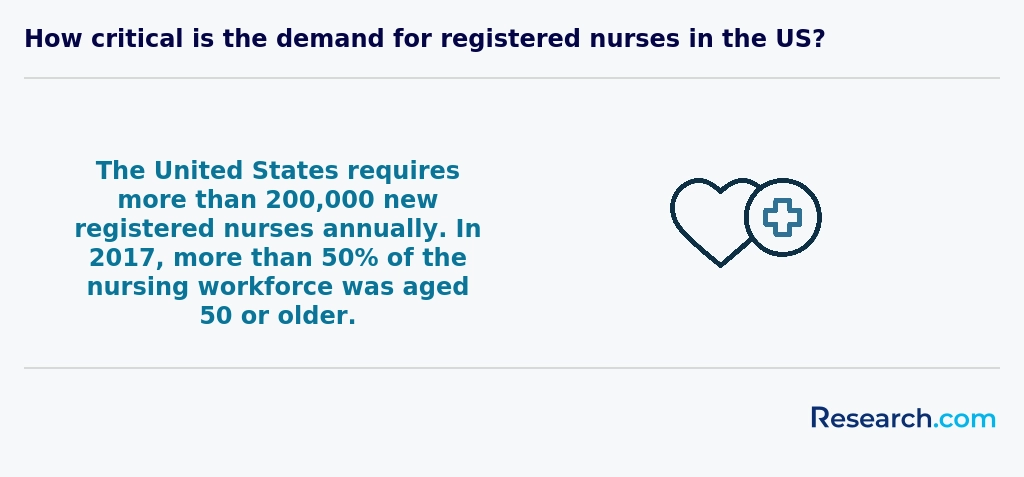
If you're eyeing a healthcare degree in Stony Brook, there's a solid range of career paths waiting for you. Many graduates from local spots like Stony Brook University jump into roles such as registered nurses, where salaries beat the national average and job growth stays strong. Others find their niche as medical technologists or healthcare administrators, thriving in the city's bustling hospitals and research centers. With all the healthcare career opportunities in Stony Brook, you can easily picture yourself managing hospital operations or working behind the scenes in diagnostic labs.
Some grads go further, becoming physical therapists or physician assistants, bringing hands-on care to patients and enjoying competitive wages right here in Suffolk County. And if you're curious about data and wellbeing, fields like health informatics and public health also offer exciting prospects-check out info for public health professionals. Many students from Stony Brook's healthcare programs share stories of how their degrees opened doors to rewarding jobs that truly make a difference.

If you're looking at healthcare job opportunities in Stony Brook, you're in luck-this region's market is buzzing with potential. Graduates from local colleges and Stony Brook University often tell stories about landing roles quickly, thanks to the area's high demand for skilled professionals. Whether it's nursing, healthcare administration, or allied health careers, the local hospitals and research centers actively seek new talent, which feels pretty encouraging when you're plotting your future.
Many healthcare graduates find themselves working at major employers like Stony Brook University Hospital, where the environment is fast-paced but incredibly rewarding. The competitive salaries, like registered nurses earning about $85,000 annually, add to the attraction. Plus, if you're interested in combining clinical work with research roles, Stony Brook being a valuable healthcare school in New York offers unique connections that give grads a leg up.
When checking your Stony Brook healthcare degree employment outlook, keep in mind that healthcare administration jobs are growing rapidly here. Many students say this growth means more leadership and management roles opening up, perfect for those who want to stay close to patient care but take on bigger responsibilities over time.
2027 Most Valuable Healthcare Degree Programs Ranking in Stony Brook
Investing in your education is a significant decision that can profoundly impact your future. The Research.com team recognizes this responsibility and has dedicated extensive effort to ensure the quality, credibility, and accuracy of the "2027 Most Valuable Healthcare Degree Programs Ranking in Stony Brook." To provide reliable and insightful guidance, we drew upon multiple reputable data sources, including:
Readers of this ranking will benefit from detailed, data-driven insights into healthcare degree programs in Stony Brook, empowering them to make well-informed decisions that align with their educational and career goals. For further information about how this ranking was compiled, please visit our Research.com methodology page.

Frequently Asked Questions About healthcare
Healthcare degree students in Stony Brook can maximize their learning experience by actively engaging with the region's rich healthcare resources. Stony Brook University's close ties to Stony Brook Medicine provide valuable clinical internship opportunities, giving students hands-on experience in diverse medical fields. According to the university, over 80% of healthcare students participate in internships or research projects during their studies.
Students should also take advantage of interprofessional education programs that promote collaboration between future doctors, nurses, and other healthcare professionals. This approach enhances teamwork skills crucial for patient-centered care. Local health agencies and community health centers offer additional venues for applied learning.
Finally, staying current with healthcare trends through workshops and seminars in the Stony Brook area ensures that students develop both practical skills and theoretical knowledge to succeed in the evolving healthcare industry.
Emerging niches within the healthcare field in Stony Brook reflect national trends, emphasizing technology and specialized care. One key area is telehealth, which has expanded rapidly due to advances in digital communication and the COVID-19 pandemic. Stony Brook University's medical center has actively integrated telemedicine services, increasing access for rural and underserved populations.
Another growing field is precision medicine, which tailors treatment based on genetic information. Research at Stony Brook Medicine supports innovations in this area, enhancing personalized care.
Additionally, healthcare data analytics and health informatics continue to gain importance. These sectors improve patient outcomes by leveraging electronic health records and big data.
After completing a healthcare degree in Stony Brook, preparing for the job market involves several strategic steps. First, gaining hands-on experience through local internships or clinical placements is crucial. Stony Brook University Medical Center and nearby Long Island hospitals offer valuable opportunities for practical exposure.
Networking plays a key role; attending healthcare conferences or joining professional groups in Suffolk County can connect graduates with potential employers. According to the New York State Department of Labor, healthcare employment in Suffolk County is projected to grow by 10% through 2030, emphasizing demand.
Finally, obtaining necessary certifications and licenses before applying for jobs ensures compliance with state regulations, enhancing employability. Staying current with industry trends through continuous education also benefits career advancement.
Employers in Stony Brook seek healthcare graduates with a blend of technical knowledge and soft skills. Strong clinical competence is essential, especially in nursing, medical technology, and allied health fields. According to the Long Island Health Collaborative, proficiency in patient care and familiarity with electronic health records are in high demand.
Communication skills rank highly, as healthcare professionals must effectively interact with patients and multidisciplinary teams. Critical thinking and problem-solving abilities are crucial for adapting to complex clinical situations.
Additionally, employers value ethical judgment, cultural sensitivity, and teamwork, reflecting the diverse population of Stony Brook and Long Island. Graduates who demonstrate adaptability and continuous learning aptitude tend to have better job placement rates locally, supported by data from Stony Brook University's career services.
Finding internships related to healthcare degrees in Stony Brook involves several targeted strategies. Students should start by exploring Stony Brook University's Health Sciences Internship Program, which offers placements in nearby hospitals and clinics. The university's affiliation with Stony Brook University Hospital-a major academic medical center-provides rich opportunities for clinical experience.
Additionally, local healthcare providers such as Suffolk County Department of Health Services and private practices frequently offer internships aimed at healthcare students. Networking through university career services and attending job fairs focused on healthcare can improve chances of placement.
According to the New York State Education Department, hands-on internships are essential for licensing in many healthcare fields, including nursing and allied health professions.
A healthcare degree significantly enhances career mobility and advancement opportunities for professionals in Stony Brook. The region hosts prominent medical institutions like Stony Brook University Hospital, which actively recruit graduates with healthcare credentials. According to the New York State Department of Labor, healthcare occupations in Suffolk County are projected to grow by 10% through 2030, driven by an aging population and expanded healthcare services.
Graduates with degrees in nursing, health administration, or medical technology can expect increased access to specialized roles and managerial positions. Certifications often complement degrees, boosting eligibility for promotions.
Moreover, Stony Brook's proximity to major research centers and biotech firms provides graduates opportunities to diversify their careers into clinical research or healthcare innovation, supporting long-term professional growth.
Studying for a healthcare degree in Stony Brook offers students a strong foundation for interdisciplinary roles within the medical field. Many programs emphasize collaboration between nursing, medicine, public health, and allied health disciplines. This approach helps students develop communication and teamwork skills essential for complex healthcare settings.
The presence of the Stony Brook Medicine system, one of the largest academic medical centers in the region, provides real-world training opportunities with diverse healthcare teams. According to the university's 2023 reports, over 30% of clinical experiences involve interdisciplinary engagement.
Curricula frequently integrate courses in healthcare policy, ethics, and informatics, equipping graduates to work effectively alongside specialists from different backgrounds. Such preparation aligns with growing national demands for professionals who can coordinate patient-centered care across specialties.
Choosing between a thesis and a non-thesis healthcare degree program in Stony Brook depends largely on your career goals and learning preferences. Thesis programs often focus on research, requiring students to complete an original study, which suits those considering doctoral studies or research careers. Non-thesis programs typically emphasize practical skills and coursework, preparing students for clinical or administrative roles.
In Stony Brook, healthcare employers value both options, but research from the Suffolk County Department of Labor shows that graduates with research experience can have an edge in academic and specialized healthcare fields. Consider your long-term plans before deciding.
Students based in Stony Brook seeking to study healthcare abroad have several pathways available through partnerships and exchange programs affiliated with local institutions. Stony Brook University, recognized for its strong health sciences programs, offers international study opportunities in countries like the United Kingdom, Australia, and Canada. These programs provide clinical and research experiences, enhancing global healthcare perspectives.
Additionally, students can explore affiliations with organizations such as the International Federation of Medical Students' Associations (IFMSA), which Stony Brook participates in. According to the university's 2023 data, over 15% of health sciences students engage in some form of study abroad each year, gaining valuable exposure to diverse medical systems.
Students pursuing healthcare degrees in Stony Brook have access to various part-time job opportunities that complement their education and enhance practical skills. Local hospitals like Stony Brook University Hospital often hire part-time patient care technicians, nursing assistants, and medical scribes, providing direct exposure to clinical settings. According to the U.S. Bureau of Labor Statistics, healthcare support roles are expected to grow 13% through 2032, reflecting expanding local demand.
Additionally, pharmacies and outpatient clinics in the area offer positions as pharmacy technicians or medical receptionists, fostering familiarity with healthcare administration and patient interaction. These roles build essential communication and multitasking abilities crucial for healthcare professionals.
Campus-based research assistant jobs at Stony Brook University provide valuable experience in healthcare research methodologies and data management, linking academic learning with real-world application.
Healthcare students in Stony Brook benefit from numerous networking opportunities through Stony Brook University's strong connections with local medical centers. The university is closely affiliated with Stony Brook Medicine, a leading academic medical center in New York, which offers students access to internships, clinical rotations, and research collaborations. Professional organizations such as the Student Nurses Association and the American Medical Student Association host regular events, allowing students to connect with peers and healthcare professionals.
Annual career fairs and workshops at the university also bring recruiters from major hospitals and healthcare companies in the region. According to Stony Brook University's Career Center, over 70% of healthcare students secure employment through networking activities facilitated on campus.
Alumni networks play a crucial role for healthcare degree students in Stony Brook by providing valuable connections within the local medical community. Graduates often share job opportunities, internships, and professional advice, helping current students navigate competitive healthcare fields.
Stony Brook's healthcare alumni frequently work in prominent hospitals and research centers, such as Stony Brook University Hospital, enhancing mentorship and networking possibilities. In fact, studies show that 85% of healthcare students benefit from their school's alumni network when seeking employment (National Association of Colleges and Employers, 2023).
These networks also offer access to workshops and continued education, promoting career growth beyond graduation.
Customizing a healthcare degree program in Stony Brook involves selecting specializations and electives that align with your career goals. Many institutions in the area, including Stony Brook University, offer flexible curricula allowing students to focus on public health, nursing, health informatics, or healthcare administration. According to the New York State Department of Labor, healthcare jobs in Suffolk County are projected to grow by 16% over the next decade, emphasizing demand for specialized skills.
Students can also engage in internships at nearby healthcare facilities such as Stony Brook University Hospital, gaining real-world experience tailored to their interests. Additionally, pursuing research opportunities or certificate programs can enhance expertise in emerging fields like telemedicine or healthcare data analytics.
Healthcare students in Stony Brook face multiple challenges that reflect both academic and practical demands. One major obstacle is managing the intense coursework required for degrees like nursing, medicine, or public health. These programs often demand extensive study hours and clinical rotations, which can lead to high stress levels.
Additionally, students must navigate competitive environments with limited spots in internships and residency placements. According to the Stony Brook University School of Medicine data, close to 60% of healthcare students report stress related to balancing clinical work with academics.
Financial burden also poses a challenge, as tuition and living costs in Suffolk County are above the national average, increasing pressure for students to seek scholarships or part-time jobs.
With a healthcare degree in Stony Brook, you can pursue a variety of professional certifications that enhance your career prospects. Common certifications include Registered Nurse (RN), Certified Medical Assistant (CMA), and Certified Health Education Specialist (CHES). These certifications validate your skills and meet licensure requirements.
For example, the Registered Nurse certification is highly sought after in Suffolk County, where healthcare jobs are predicted to grow by 10% through 2030, according to the U.S. Bureau of Labor Statistics. Additionally, certifications in specialized areas like cardiology or health informatics are offered by national boards and recognized locally.
These credentials often require passing standardized exams and fulfilling continuing education credits, which Stony Brook professionals can pursue through local institutions and online platforms.
Writing a winning application for a healthcare program in Stony Brook requires careful preparation and attention to detail. Start by researching specific programs offered at institutions like Stony Brook University, which is recognized for its strong healthcare curriculum and affiliations with leading medical centers.
Highlight relevant academic achievements, especially in science-related courses, as healthcare programs typically seek candidates with strong backgrounds in biology, chemistry, and anatomy. Include volunteer work or internships in healthcare settings to demonstrate practical experience and commitment.
Personal statements should clearly explain your motivation for entering healthcare, referencing local healthcare needs and opportunities in Stony Brook's community. According to the New York State Department of Labor, healthcare jobs in Suffolk County are projected to grow 12% through 2030, making your interest timely and relevant.
Finally, strong letters of recommendation from professors or healthcare professionals who know your abilities and character can significantly improve your application's impact. Ensure your application is complete and submitted before deadlines, as Stony Brook programs are competitive and selective.
Healthcare careers are increasingly valued worldwide due to rising demand for skilled professionals. In the US, particularly in regions like Stony Brook, growth is driven by an aging population and advances in medical technology. The Bureau of Labor Statistics projects a 13% growth in healthcare occupations from 2021 to 2031, much faster than the average for all jobs.
Globally, healthcare roles require adaptability to diverse patient needs and evolving public health challenges. Educational programs in Stony Brook emphasize hands-on experience and cultural competence, preparing students for both local and international healthcare settings.
Understanding global health trends helps future professionals meet challenges such as pandemics and chronic diseases, making a healthcare degree highly relevant and versatile.
Gaining practical experience while studying for a healthcare degree in Stony Brook is essential for strengthening skills and enhancing employability. Many healthcare programs collaborate with local hospitals and clinics, such as Stony Brook University Hospital, offering clinical rotations and internships. These opportunities let students apply classroom knowledge in real healthcare settings.
The SUNY system, which includes Stony Brook University, supports experiential learning through laboratories and simulation centers. These facilities provide hands-on training in patient care techniques and medical technologies.
Additionally, volunteering at community health centers or participating in public health research projects in Suffolk County can broaden practical experience and professional networks.
Choosing the right concentration within a healthcare degree program in Stony Brook requires careful consideration of your interests, career goals, and the local healthcare environment. Stony Brook University offers diverse healthcare options including nursing, public health, and biomedical sciences, reflecting Long Island's growing demand for healthcare professionals. According to the New York State Department of Labor, employment in healthcare occupations in the region is projected to grow by over 15% by 2030. Research job outlooks for specific fields like nursing or health administration to find areas with strong local opportunities. Also, evaluate program resources, clinical partnerships, and faculty expertise to align your studies with your ambitions.
- 2027 Most Valuable Healthcare Degree Programs Ranking in Fairfield
- 2027 Most Valuable Healthcare Degree Programs Ranking in Brookville
- 2027 Most Valuable Healthcare Degree Programs Ranking in Old Westbury
- 2027 Most Valuable Healthcare Degree Programs Ranking in New Haven
- 2027 Most Valuable Healthcare Degree Programs Ranking in Rockville Centre
- 2027 Most Valuable Healthcare Degree Programs Ranking in Bronx
- 2027 Most Valuable Healthcare Degree Programs Ranking in Queens
- 2027 Most Valuable Healthcare Degree Programs Ranking in Brooklyn
- 2027 Most Valuable Healthcare Degree Programs Ranking in New York
- 2027 Most Valuable Healthcare Degree Programs Ranking in Jersey City
See What Experts Have To Say About Studying Healthcare
Read our interview with Healthcare experts

- Pursuing Your Career Goals: Strategies and Examples https://www.ultimatemedical.edu/blog/career-goals-importance-strategies-and-examples/
- The impact of postgraduate education on career advancement in healthcare https://sets.com.ua/journals/vol-3-no-2-2024/the-impact-of-postgraduate-education-on-career-advancement-in-healthcare
- How to Set and Achieve Career Goals in Health and Social Care | Royal Open College https://royalopencollege.org/blog/health-and-social-care/how-to-set-and-achieve-career-goals/
- Best Practices for Career Development and Advancement in the Healthcare Sector | Generation https://www.generation.org/news/best-practices-for-career-development-and-advancement-in-the-healthcare-sector/
- The Healthcare Student’s Guide to Internships | EduMed.org https://www.edumed.org/resources/student-online-guide-to-internships/
- 14 Entry-Level Healthcare Certifications | San Juan College https://www.sanjuancollege.edu/blog/entry-level-healthcare-certifications/
- Healthcare Careers & Accredited Degree Programs https://www.healthcaredegree.com/
- Thesis vs. Non-Thesis Master's Programs: Which is Right for You? https://potomac.edu/thesis-vs-non-thesis-masters/
- Breaking down SBU’s student health plan https://sbstatesman.com/88423/opinions/breaking-down-sbus-student-health-plan/
- Challenges for Medical Students - Health Action Research Group https://www.healthactionresearch.org.uk/mental-health/challenges-for-medical-student/


