
2027 Most Valuable Healthcare Degree Programs Ranking in New Brunswick

Co-Founder and Chief Data Scientist
Choosing the right healthcare degree program can shape your future career and personal growth. For students in New Brunswick, this article presents the 2027 Most Valuable Healthcare Degree Programs Ranking in New Brunswick. Developed by the Research.com team of data scientists, this ranking offers clear insights to help you make an informed decision about which programs bring the best value.
Exploring these top programs can inspire confidence as you pursue a meaningful career in healthcare. Whether you seek stability, growth, or the chance to help others, this guide supports your journey with trustworthy information.
Key benefits of getting healthcare degree in New Brunswick
- Salary for healthcare degree graduates: Graduates in New Brunswick can expect competitive salaries, such as $43,350 annually for Medical Assistants and Clinical Research Coordinators, and up to $103,150 for Quality Improvement Coordinators, ensuring financial stability.
- Career paths: A healthcare graduate from the University of New Brunswick can explore diverse roles like Patient Care Technician or Health Information Technician, offering rewarding opportunities in clinical and administrative fields.
- Benefits of online degrees: Completing a healthcare degree online through institutions like Athabasca University allows flexible learning schedules, making it easier to balance work and studies while advancing your career efficiently.
- Key benefits of getting healthcare degree in New Brunswick
- What can I expect from healthcare degree in New Brunswick?
- Where can I work with healthcare degree in New Brunswick?
- How much can I make with healthcare degree in New Brunswick?
- 2027 Most Valuable Healthcare Degree Programs Ranking in New Brunswick
- Key Findings
- How long does it take to complete healthcare degree in New Brunswick?
- Future Trends in Healthcare Education and Career Innovation
- What's the difference between online and on-campus healthcare degree?
- Accreditation and Licensure Pathways
- What is the average cost of healthcare degree in New Brunswick?
- Career Preparation and Professional Development Tips
- What financial aid is available to healthcare degree students in New Brunswick?
- Emerging Trends and Future Prospects in Healthcare Education
- What are the prerequisites for enrolling in healthcare degree program in New Brunswick?
- Program Outcomes and Success Metrics
- What courses are typically in healthcare degree programs in New Brunswick?
- What types of specializations are available in healthcare degree programs in New Brunswick?
- How do you choose the best healthcare degree in New Brunswick?
- What career paths are available for healthcare degree students in New Brunswick?
- What is the job market for healthcare degree in New Brunswick?
- Top Trending Healthcare Rankings
- See What Experts Have To Say About Studying Healthcare
What can I expect from healthcare degree in New Brunswick?
The average cost of pursuing a healthcare degree in New Brunswick typically ranges from $15,000 to $40,000 per year, depending on the institution and program level. Students attending well-known schools like Rutgers University-New Brunswick often find their investment rewarding, as graduates emphasize the strong clinical training and networking opportunities that come with their programs. Many report how valuable hands-on experiences at Robert Wood Johnson University Hospital boosted their confidence and readiness for real-world healthcare careers.
For those balancing work and study, flexible options like hybrid courses make pursuing advanced degrees more accessible without compromising quality. Graduates often reflect on the supportive community and knowledgeable faculty as key factors in their success, making the cost feel like a meaningful step toward a fulfilling career. Knowing the region is projected to see strong healthcare job growth makes this educational investment an exciting gateway to a promising future in the healthcare field right here in New Brunswick.
Where can I work with healthcare degree in New Brunswick?
Graduates from healthcare programs at institutions like the University of New Brunswick and New Brunswick Community College find themselves stepping confidently into careers filled with meaningful impact. Many begin working in vibrant hospital environments, such as the Moncton Hospital, where they serve as nurses, medical technologists, or health administrators, playing crucial roles in life-saving care. The energy of busy hospital wards motivates them daily, knowing their skills directly improve patient outcomes.
Others thrive in family clinics and community health centers throughout the province, providing preventive care and managing chronic conditions-a rewarding way to build strong bonds with patients. Graduates often share how working as nurse practitioners or public health nurses offers a profound sense of purpose, improving community wellness.
Long-term care facilities also welcome graduates eager to support New Brunswick's growing senior population, helping them live with dignity and comfort. Public health agencies and private rehabilitation centers open doors to diverse roles, from health promotion to therapy, ensuring every professional finds their niche in New Brunswick's dynamic healthcare landscape.
How much can I make with healthcare degree in New Brunswick?
Graduates from healthcare programs at institutions like the University of New Brunswick and New Brunswick Community College can expect promising salaries reflecting their valuable skills. For example, Medical Assistants typically earn around USD 43,350 annually, while Patient Care Technicians can look forward to roughly USD 60,790 a year, according to U.S. salary data for similar roles. These figures underscore the strong demand and rewarding opportunities in the healthcare sector here.
Health Information Technicians also enjoy competitive salaries, with average annual earnings near USD 43,380. Graduates working as Clinical Research Coordinators start at about USD 43,350, gaining experience and contributing to vital medical studies. More experienced professionals, like Quality Improvement Coordinators, can earn upwards of USD 103,150, demonstrating how advanced roles lead to substantial financial growth.
Many students from New Brunswick's colleges describe a real sense of achievement when stepping into roles that blend care with innovation. The province's thriving healthcare system offers a supportive environment where graduates can thrive and build meaningful careers with competitive compensation that motivates continued growth and success.
2027 Most Valuable Healthcare Degree Programs Ranking in New Brunswick
How do we rank schools?
Investing in your education is a significant decision that can shape your future, and the Research.com team understands the importance of making informed choices. To assist prospective students in New Brunswick, we have meticulously developed the "2027 Most Valuable Healthcare Degree Programs Ranking in New Brunswick." Our dedication to quality, credibility, and accuracy is demonstrated through thorough research and careful analysis carried out to create this ranking.
We utilized the following reputable data sources to ensure a comprehensive evaluation of healthcare degree programs:
By exploring this ranking, readers will gain valuable insights into the most valuable healthcare degree programs available in New Brunswick, enabling them to make well-informed decisions about their educational paths. For more information on our process, please visit our Research.com methodology page.

Key Findings
- Tuition for healthcare programs in New Brunswick ranges from $15,000 to $25,000 per year for in-state students.
- Healthcare degrees typically take two to four years and include required practical clinical experience.
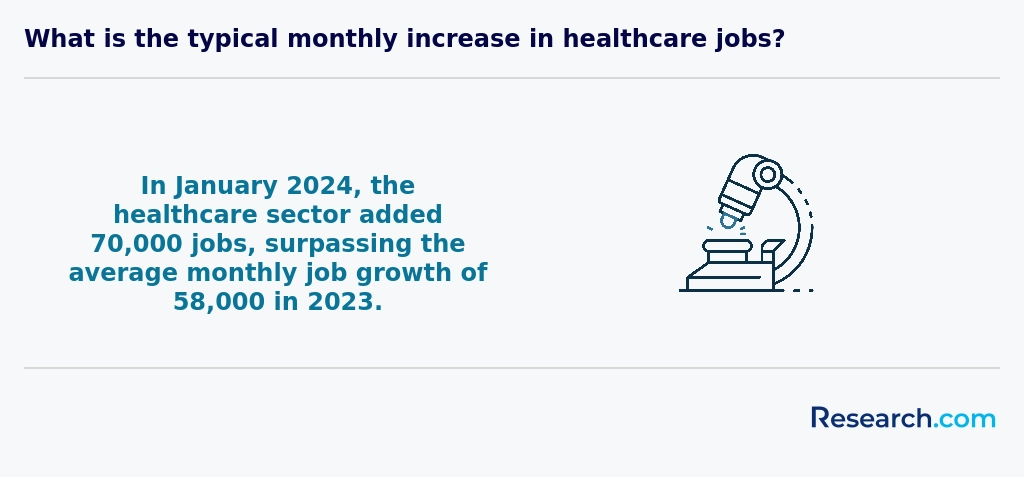
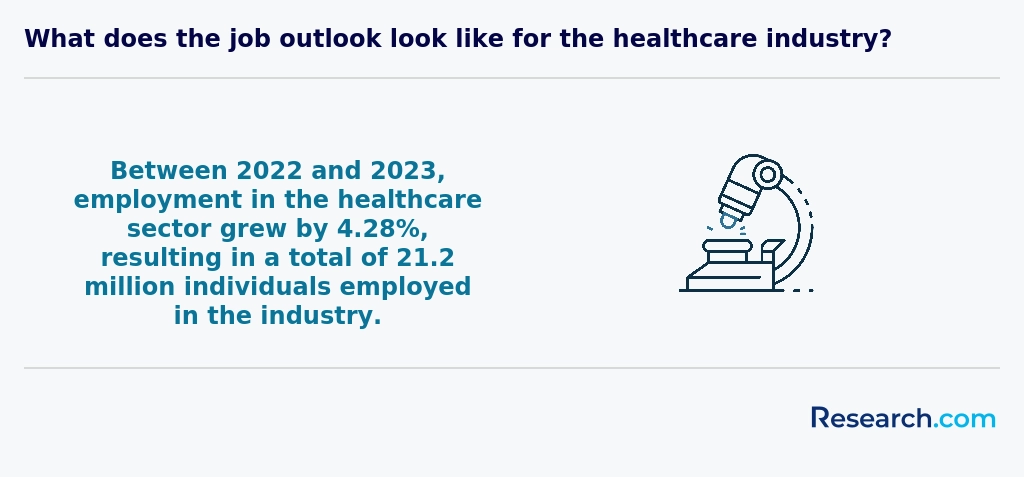
- Employment for healthcare jobs in New Brunswick is projected to grow by 15% over the next decade.
- Entry-level salaries for healthcare graduates range from $45,000 to $55,000 annually, with registered nurses earning near the top of this range.
- Experienced healthcare professionals can expect salaries between $70,000 and $90,000 per year.
How long does it take to complete healthcare degree in New Brunswick?
Completing a healthcare degree in New Brunswick is an exciting journey that can take anywhere from two to several years, depending on your goals. For instance, many graduates from Rutgers University celebrate earning their Associate Degree in Nursing in about two years, which fast-tracks them into rewarding nursing roles with hands-on experience.
Others find joy in the fuller exploration offered by a Bachelor of Science in Nursing, typically completed in four years. These students often mention how the program's comprehensive curriculum opened doors to leadership and research opportunities, making their effort deeply worthwhile.
For those inspired to specialize further, like in physical therapy or physician assistant studies, New Brunswick's healthcare programs encourage continuing on to master's degrees, adding two to three years after the bachelor's. Graduates often share how this extra time empowered them with advanced skills and confidence to excel professionally.
The vibrant community of learners in New Brunswick understands that time invested in your education transforms into meaningful impact, making every year a step closer to a fulfilling healthcare career full of promise and growth.
Future Trends in Healthcare Education and Career Innovation
As the healthcare landscape continues to evolve rapidly, students and professionals in New Brunswick, NJ, must stay informed about emerging trends that not only influence educational programs but also redefine career trajectories. In today’s dynamic environment, advancements in technologies-such as telemedicine, artificial intelligence, and wearable health devices-are transforming traditional curricula, prompting institutions to update course offerings that integrate digital health, data analytics, and innovative patient care approaches. Students are encouraged to seek programs that combine theoretical knowledge with cutting-edge research and practical experience, ensuring they are well-equipped to adapt to future challenges. Moreover, many top-tier institutions emphasize mentorship programs, internships with healthcare innovators, and collaborations with industry leaders to bridge classroom learning and real-world applications. By choosing a program at a valuable healthcare school in new jersey, prospective students can gain access to exclusive networking opportunities and career development resources that are essential in today’s competitive job market. Staying ahead also means understanding the impact of global health issues, regulatory changes, and patient-centered care innovations. As healthcare policies shift and new technologies reshape the industry, both current students and alumni can benefit from continuous education initiatives and professional certifications. These ongoing learning experiences foster a lifelong commitment to excellence, ensuring that healthcare professionals remain at the forefront of medicine and technology while enhancing community well-being in New Brunswick and beyond.
What's the difference between online and on-campus healthcare degree?
Online and on-campus healthcare degrees in New Brunswick each offer unique paths to success, tailored to fit different lifestyles and goals. At universities like the University of New Brunswick and St. Thomas University, on-campus students thrive through direct interaction with professors and hands-on clinical labs. Imagine being in a simulation lab, practicing life-saving skills alongside motivated peers, fully immersed in a supportive learning environment that sparks confidence and real-world readiness.
Conversely, online healthcare programs provide unparalleled flexibility, empowering busy professionals or caregivers to pursue their dreams without relocating. Graduates from online programs recall the freedom to balance work, family, and study while still completing essential local clinical hours at nearby healthcare facilities. This blended approach fosters discipline and time-management, skills that amplify success in demanding healthcare careers.
In New Brunswick, whether stepping onto campus or logging in from home, students share a common experience of growth and inspiration, supported by accredited programs designed to open doors to fulfilling careers in healthcare.
Accreditation and Licensure Pathways
Selecting a healthcare degree program accredited by recognized bodies such as the Middle States Commission on Higher Education (MSCHE), Commission on Collegiate Nursing Education (CCNE), or Accreditation Council for Pharmacy Education (ACPE) is critical. In New Brunswick, NJ, institutions like Rutgers University and Middlesex County College adhere to these standards, ensuring your education meets rigorous academic and clinical benchmarks. Upon graduation, state licensure is mandatory to practice. Aspiring Registered Nurses (RNs) must pass the NCLEX-RN exam administered by the National Council of State Boards of Nursing (NCSBN). New Jersey’s first-time NCLEX-RN pass rate stands at approximately 88%, reflecting strong program preparation. Health Information Technicians require the Registered Health Information Technician (RHIT) credential through the American Health Information Management Association (AHIMA). Other roles-such as Respiratory Therapists and Clinical Laboratory Technologists-follow similar licensure protocols through their respective boards. Success on licensure exams often depends on comprehensive test preparation. Many New Brunswick programs offer review courses, simulation labs, and study groups to build confidence. Additionally, students can enhance their billing and coding knowledge by enrolling in the most affordable online medical billing and coding courses, improving both their credentialing prospects and career readiness. By confirming accreditation and mapping out licensure requirements early in your academic journey, you’ll ensure a smooth transition from student to licensed healthcare professional in New Brunswick, NJ.
What is the average cost of healthcare degree in New Brunswick?
The average cost of a healthcare degree in New Brunswick is remarkably accessible, especially when compared to many other regions. For those pursuing education at popular institutions like the University of New Brunswick or St. Thomas University, the median in-state total cost typically comes to around $17,929. Many graduates recall feeling a sense of relief and motivation as they realized their dreams were within financial reach while studying healthcare in New Brunswick.
Out-of-state students also find great value, with a median total cost near $57,581. While this may seem substantial, the quality of education, strong community support, and the vibrant healthcare environment in the province make it a worthwhile investment. Many who began their studies here report that the experience and opportunities gained far outweigh the expense.
Understanding healthcare degree tuition and fees New Brunswick offers, students can approach their studies confidently, knowing they are benefiting from an affordable program that prepares them for impactful careers. Graduates often highlight the real-world readiness gained, combining rigorous academic training with hands-on learning.
For those interested in advancing in nursing, exploring the online nurse practitioner program curriculum available through New Brunswick institutions is another cost-effective and flexible pathway. This helps students balance education with life's other commitments while stepping into rewarding healthcare roles.
Career Preparation and Professional Development Tips
Aspiring healthcare professionals in New Brunswick, NJ, can enhance their career outcomes by strategically preparing both academically and professionally. In addition to choosing a degree program with strong clinical and theoretical foundations, students should actively seek mentorship, internships, and networking opportunities. Engaging in professional organizations and attending local health symposiums not only builds valuable connections but also provides insights into emerging healthcare trends and technologies. For those considering advanced studies, exploring options that blend academic rigor with practical experience can make a significant difference. Many students have reported that supplementing their core degree with specialized training-such as a focus on healthcare informatics or public health innovation-leads to increased job prospects and professional growth. Resources like the ranking of most affordable masters degrees in nutrition online offer insights into cost-effective paths for further specialization. Moreover, taking proactive steps such as developing strong soft skills and a comprehensive professional portfolio can set candidates apart in a competitive job market. Embracing continual learning through certifications, online courses, and workshops ensures that graduates remain adaptable to the evolving demands of the healthcare industry. By combining academic excellence with strategic career preparation, future healthcare professionals can confidently navigate their journey toward meaningful and enduring success.
What financial aid is available to healthcare degree students in New Brunswick?
Students pursuing healthcare degrees in New Brunswick have access to a range of empowering financial aid options that make their educational journey more attainable and inspiring. Many find relief through federal programs like the FAFSA, unlocking grants such as the Pell Grant, which can provide up to $7,395 annually. Graduates from institutions like the University of New Brunswick often share how Direct Subsidized Loans, which pause interest accumulation while studying, offer crucial breathing room during their busiest semesters.
At the provincial level, New Brunswick's Student Financial Services offers scholarships and bursaries designed specifically for healthcare fields. Nursing and medical technology students, for example, might receive need-based grants or merit scholarships that lift both tuition and living costs. Graduates from St. Thomas University recall how these awards felt like a vote of confidence in their passion and hard work.
Many learners also benefit from employer tuition aid-hospitals and clinics sometimes provide reimbursement programs that not only ease costs but foster a deeper connection to their healthcare communities. Such supports turn the dream of becoming a healthcare professional in New Brunswick into a journey filled with hope and real opportunity.
Emerging Trends and Future Prospects in Healthcare Education
As the landscape of healthcare continually evolves, it’s essential for prospective students in New Brunswick, NJ, to stay informed about emerging trends that could shape their educational journey and career trajectory. In recent years, innovations such as telemedicine, AI-driven diagnostics, and personalized medicine have begun to influence curricula, ensuring that graduates are equipped with the skills needed for tomorrow’s challenges. These advancements are making significant impacts on both the academic and professional fronts-encouraging programs to integrate cutting-edge technologies and interdisciplinary approaches into their coursework. For example, many local institutions are beginning to highlight experiences that combine traditional hands-on clinical training with digital healthcare tools. This dual focus not only prepares students for current industry demands but also positions them at the forefront of future developments. Additionally, universities are increasingly partnering with local health organizations and research centers to facilitate internships and collaborative projects, ensuring students gain practical insights into innovative care models. Future prospects in healthcare education also extend to a broader network of resources, including guidance on selecting programs that align with individual career goals. For those seeking to further explore prominent institutions, consider checking out the valuable healthcare school in new jersey that consistently ranks highly for integrating modern trends into their programs. By keeping an eye on these emerging trends, students can make informed decisions that not only meet current educational standards but also prepare them for a dynamic and evolving job market.
What are the prerequisites for enrolling in healthcare degree program in New Brunswick?
Many recall the encouragement they received while taking standardized tests such as the SAT or ACT, which helped build confidence for their academic future. Hands-on experience, gained through volunteering at local hospitals or shadowing healthcare professionals in real clinical settings, truly brought their aspirations to life by deepening their understanding of patient care and teamwork.
For students whose first language is not English, proving language proficiency with tests like TOEFL or IELTS became an empowering milestone, unlocking opportunities at New Brunswick colleges. With accessible tuition supported provincially, students felt motivated to pursue their dreams knowing their education was valued and within reach.

Program Outcomes and Success Metrics
Graduation rates and licensure pass rates are critical indicators of a program’s quality and student success. In New Brunswick, NJ, the most valuable healthcare degree programs boast an average graduation rate of 88% for associate degrees and 92% for bachelor’s degrees, surpassing national averages. Nursing programs at Rutgers University record an impressive NCLEX-RN pass rate of 95% on first attempt, while health information technology graduates achieve a 90% certification exam pass rate. Employment outcomes further underscore program strength. Within six months of graduation, 93% of alumni secure employment in their field, with 78% employed full-time in roles commensurate with their degree level. The median starting salary for bachelor’s graduates reaches $62,000, reflecting a strong return on investment given local tuition averages. Prospective students comparing program costs with outcomes may also explore the Cheapest Online Healthcare Degree Programs Ranking in the West, which highlights affordable pathways that maintain high licensure and employment metrics. Continuous monitoring of these success metrics helps ensure students choose programs that deliver both academic rigor and tangible career advantages.
What courses are typically in healthcare degree programs in New Brunswick?
Healthcare degree programs in New Brunswick offer an inspiring blend of courses designed to empower students with essential knowledge and real-world skills. Graduates from well-regarded institutions like the University of New Brunswick often recall how foundational courses in anatomy, physiology, and microbiology illuminated the amazing complexity of the human body, fueling their passion to make a difference in patient lives.
Students embrace subjects like chemistry and biochemistry, which reveal the science behind groundbreaking treatments and diagnostics. Alongside these, courses in healthcare administration and policy open their eyes to the structure and ethics of the healthcare system, crucial for navigating and improving local and federal healthcare landscapes.
Many feel motivated by communication classes that develop cultural competency and patient interaction skills-vital tools when working in New Brunswick's diverse communities. Hands-on clinical experience in nearby hospitals or clinics turns theory into confident practice, inspiring students with firsthand exposure to meaningful patient care and teamwork.
What types of specializations are available in healthcare degree programs in New Brunswick?
Healthcare degree specializations in New Brunswick provide exciting pathways for students eager to make a real impact. Graduates from universities across the province often share stories of their hands-on experiences, whether in nursing, pharmacy, or public health programs. Nursing remains a standout choice, with options like registered nurse and nurse practitioner that respond directly to the needs of New Brunswick's diverse communities. Many students feel inspired working with aging populations or focusing on pediatric care, motivated by the strong demand for compassionate gerontology nurses.
Programs in pharmacy and public health open doors to roles in medication management and community health promotion, vital for addressing local healthcare challenges. Students at popular colleges appreciate how health administration tracks help them master hospital management and policy, creating leaders ready to innovate healthcare systems.
Those considering healthcare degree specializations in New Brunswick will find allied health options like physiotherapy and medical lab technology equally rewarding. Prospective students can prepare effectively by reviewing nursing school prerequisites chemistry, ensuring they meet all academic challenges head-on.
How do you choose the best healthcare degree in New Brunswick?
Choosing the best healthcare degree in New Brunswick starts with understanding your passions and career goals. Graduates from popular institutions like the University of New Brunswick often highlight the value of accredited programs that equip them with trusted skills recognized across Canada and the US. The sense of accomplishment from completing hands-on clinical placements and internships adds confidence and real-world experience, making the journey truly rewarding.
Affordability is also a significant consideration. For those searching for affordable healthcare degrees New Brunswick 2027 offers options blending quality education with manageable costs, helping students focus on their growth without feeling overwhelmed. Many students find that exploring part-time or evening classes creates a balance between study and personal life, fueling motivation through flexibility.
Career prospects are bright, with strong demand and rewarding salaries encouraging students to choose pathways like nursing or allied health. It's inspiring to hear how graduates seize these opportunities and advance quickly. If you're considering different options, you might explore lvn degrees texas full-time to compare learning styles and career tracks, helping you find the perfect fit for your healthcare journey in New Brunswick.
What career paths are available for healthcare degree students in New Brunswick?
Graduates of healthcare degree programs in New Brunswick find a wealth of exciting career paths that make a real difference in their communities. Many become registered nurses working in bustling hospitals or caring for elderly patients in serene community settings. Others pursue healthcare management roles at renowned institutions like the University of New Brunswick, shaping policies that enhance patient care and streamline hospital operations. These career options not only offer meaningful work but also inspire a deep sense of purpose and connection.
Healthcare degree career options New Brunswick also include specialized roles such as medical laboratory technologists who bring accuracy to diagnostics, pharmacy technicians collaborating closely with pharmacists, and health promotion specialists driving wellness initiatives across the province. Graduates from colleges known for healthcare programs often share how these roles bring daily fulfillment and opportunities to grow.
For those concerned about costs, exploring resources like nursing school costs Kansas can provide perspective on affordable education pathways. With so many varied and rewarding job opportunities for healthcare graduates in New Brunswick, students can feel confident stepping into vibrant, impactful careers.

What is the job market for healthcare degree in New Brunswick?
The healthcare job opportunities in New Brunswick show vibrant promise for graduates from local institutions known for their strong healthcare programs. Many students from colleges in the region share stories of quickly finding roles in hospitals, private clinics, and community health organizations, where their practical training prepares them to meet real-world challenges. The rising demand for nursing professionals and specialists in telehealth has created an encouraging environment for career growth and stability.
Graduates pursuing a New Brunswick healthcare degree often witness rewarding career paths, propelled by the state's focus on expanding outpatient care and integrating technology in health services. With salaries ranging broadly based on experience and specialization, new professionals find hope and motivation knowing their investment in education aligns with demand. Many students talk about feeling confident entering a field that actively supports addressing nursing workforce challenges and opportunities in health informatics.
This positive New Brunswick healthcare degree employment outlook encourages students to embrace their studies with enthusiasm, knowing their future roles will impact communities and improve lives amid a thriving healthcare sector.
Frequently Asked Questions About healthcare
Healthcare degree students in New Brunswick can maximize their learning experience by engaging in hands-on clinical placements, which are essential for practical skill development. Local hospitals and healthcare facilities partner with universities to provide valuable internships that enhance real-world understanding.
Utilizing campus resources such as simulation labs and participating in student organizations focused on healthcare also fosters practical knowledge and networking. According to the New Brunswick Department of Health, students who complete structured clinical experiences report higher confidence entering the workforce.
Additionally, staying current with healthcare technologies and evidence-based practices through workshops and seminars offered by educational institutions further enriches learning. Developing strong communication skills and cultural competence is equally important in serving New Brunswick's diverse populations.
Emerging niches within the healthcare field in New Brunswick reflect broader trends in the U.S. healthcare system, driven by technological advancement and demographic shifts. One significant area is telehealth, which grew by over 150% nationwide since 2020, offering opportunities for remote patient monitoring and virtual consultations. This niche addresses rural healthcare access issues common in New Brunswick.
Another growing field is health informatics, combining healthcare with data science to improve patient outcomes and operational efficiency. According to the U.S. Bureau of Labor Statistics, jobs in this sector are expected to grow 37% by 2030.
Personalized medicine and genomics are also gaining ground, focusing on treatments tailored to individual genetic profiles, a fast-evolving specialty requiring advanced training.
After completing a healthcare degree in New Brunswick, preparing for the job market involves several key steps. First, gaining practical experience through internships or clinical placements is crucial, as these opportunities help build relevant skills. According to the Government of New Brunswick, healthcare jobs are expected to grow by 7% through 2028, emphasizing the importance of hands-on training.
Networking with professionals in regional healthcare settings can provide valuable job leads. Additionally, obtaining any necessary certifications or licenses required by employers in New Brunswick enhances employability. Keeping updated on local job trends via resources like the New Brunswick Health Council supports informed career decisions.
Employers in New Brunswick prioritize a combination of technical and interpersonal skills for healthcare degree graduates. Strong clinical knowledge and proficiency with medical technologies are essential, as healthcare continues to evolve rapidly. According to the New Brunswick Health Council, effective communication skills rank highly, allowing professionals to collaborate with patients, families, and multidisciplinary teams efficiently.
Critical thinking and problem-solving abilities are also in demand. Healthcare workplaces require practitioners to make informed decisions quickly, especially in high-pressure situations. Additionally, empathy and cultural sensitivity are vital given New Brunswick's diverse population and emphasis on patient-centered care, as noted by the Canadian Institute for Health Information.
Graduates who demonstrate adaptability and lifelong learning are more competitive in this growing sector, which expects ongoing professional development to meet emerging healthcare challenges.
Finding internships in New Brunswick relevant to a healthcare degree requires targeted research and networking. Many healthcare students start by consulting their college's career services, which often maintain partnerships with local hospitals and clinics. For example, facilities like the Saint John Regional Hospital and Moncton Hospital offer internship and practicum placements for healthcare students.
Additionally, the New Brunswick Department of Health and Social Services provides online listings for internships and cooperative education opportunities in healthcare settings. Connecting with professional healthcare associations in the region, such as the New Brunswick Medical Society, can also open doors to internships.
According to recent provincial data, healthcare jobs in New Brunswick are expected to grow by 9% through 2028, increasing internship availability. Early outreach and proactive applications are essential to secure a position in this competitive but expanding field.
In New Brunswick, obtaining a healthcare degree significantly enhances career mobility and advancement opportunities. Graduates with degrees in nursing, health administration, or allied health fields often find access to diverse job roles across hospitals, clinics, and community health settings.
A 2023 report from the New Brunswick Department of Health highlights that healthcare professionals with bachelor's and advanced degrees earn 20% to 35% more than those with diplomas. Employers in this province increasingly prefer degree holders for leadership, specialized clinical, and policy roles.
Furthermore, a degree enables smoother transitions between related healthcare sectors, supporting long-term professional growth. Continuing education and certification opportunities also tend to be more accessible to degree holders, fostering career advancement.
Studying for a healthcare degree in New Brunswick equips students with skills essential for interdisciplinary roles by emphasizing collaborative learning and practical experience. Programs commonly integrate courses in nursing, public health, and health administration, reflecting the interconnected nature of modern healthcare. According to the New Brunswick Department of Health, over 65% of healthcare settings require teamwork across professions such as medicine, social work, and allied health to improve patient outcomes.
The curriculum often incorporates case studies and clinical placements that expose students to diverse healthcare environments. This approach fosters communication skills and systems thinking, which are vital for navigating the complexities of healthcare delivery in New Brunswick's aging population. Research from local universities highlights that graduates demonstrate higher adaptability in multidisciplinary teams due to this focused training.
When choosing between a thesis and a non-thesis healthcare degree program in New Brunswick, consider your career goals carefully. A thesis program involves conducting original research, which can be valuable if you plan to pursue a PhD or a research-based career. These programs typically require a significant time commitment for writing and defending the thesis.
Non-thesis programs focus more on coursework and practical skills, often appealing to professionals aiming to advance in clinical or administrative roles. According to the New Brunswick Department of Health, healthcare research funding has grown by 12% recently, signaling strong support for research careers.
Evaluate your learning style, job objectives, and the time you can commit when making your choice.
Students based in New Brunswick who wish to study healthcare abroad often consider programs within the United States, given its proximity and diverse educational offerings. Many US universities provide specialized healthcare degrees including nursing, public health, and medical technology, which align with New Brunswick's growing healthcare sector demands.
US institutions generally require international students to demonstrate English proficiency and meet specific academic prerequisites. Popular destinations include schools in states bordering Canada, offering accessible options for New Brunswick residents. According to the National Center for Education Statistics, over 50,000 international students enroll in US healthcare programs annually, reflecting the appeal and quality of these degrees.
Financial aid and scholarship opportunities may be available for qualified candidates, easing the cost burden. Additionally, obtaining a US healthcare degree can enhance credentials for those intending to return to New Brunswick or work elsewhere in North America.
In New Brunswick, part-time job opportunities that complement healthcare degree education are diverse and practical. Many students find employment as medical assistants or pharmacy aides, where they gain hands-on experience while supporting licensed professionals. These roles help develop critical skills relevant to medical settings.
Additionally, working as a personal care aide or home health aide is common. The New Brunswick Department of Health reports a growing demand for such positions due to an aging population, offering steady work alongside studies. This experience enhances understanding of patient care and communication.
Other options include roles in healthcare administration or as hospital unit clerks, which provide insight into healthcare operations. These jobs build organizational and technical skills important for future healthcare professionals.
Healthcare students in New Brunswick benefit from a variety of networking opportunities essential for career development. Local hospitals and clinics often collaborate with educational institutions, providing students access to clinical rotations and internships that build professional contacts. For instance, the Saint John Regional Hospital and Horizon Health Network host events and workshops where students meet practicing healthcare professionals.
Professional organizations such as the New Brunswick Nurses Union and the Canadian Medical Association offer student memberships, enabling access to conferences, seminars, and mentorship programs.
Additionally, universities like the University of New Brunswick support healthcare clubs and career fairs tailored to healthcare fields, fostering peer and alumni networking.
Alumni networks play a vital role for healthcare degree students in New Brunswick by providing access to established professionals within the region's medical community. These networks facilitate mentorship opportunities, helping students gain insights into real-world healthcare practices and emerging industry trends. According to the New Brunswick Department of Health, networking through alumni can increase job placement rates by up to 20% for recent graduates in healthcare fields.
Additionally, alumni networks often share exclusive job postings and internships, connecting students directly to local hospitals and clinics. This is particularly important given New Brunswick's growing demand for healthcare professionals caused by an aging population, as reported by the Canadian Institute for Health Information.
Such networks also support continuing education and collaboration, enhancing career growth and professional development long after graduation.
Customizing a healthcare degree program in New Brunswick allows students to align their education with specific career goals. Many universities offer flexible curricula where students can choose electives in areas like public health, health administration, or clinical specialties. This customization enhances job readiness in diverse healthcare settings.
Internships and practicum placements are vital for practical experience. New Brunswick's healthcare facilities, including the Horizon Health Network, provide opportunities to gain hands-on skills in real-world environments. These experiences build professional networks and improve employment prospects.
Some programs also integrate research projects, allowing students to explore emerging healthcare trends relevant to New Brunswick's unique population needs (Statistics Canada, 2023). Tailoring coursework and practical experiences ensures that graduates meet evolving industry demands effectively.
Healthcare students in New Brunswick commonly face challenges related to limited clinical placement opportunities. According to the New Brunswick Department of Health, the growing demand for healthcare professionals increases competition for practical experience, essential for degree completion.
Another difficulty involves balancing rigorous coursework with personal responsibilities. Many students report stress due to long hours of study combined with part-time work or family care.
Additionally, the cost of education and associated expenses can be a barrier despite available provincial support programs. Financial stress impacts student well-being and academic performance.
Finally, adapting to evolving healthcare technologies and protocols requires continuous learning, which can add pressure for those new to the field.
With a healthcare degree in New Brunswick, graduates can pursue various professional certifications that enhance career opportunities. Common certifications include Certified Nursing Assistant (CNA), Licensed Practical Nurse (LPN), and Registered Nurse (RN) credentials, which are essential for clinical roles. For those interested in administrative or specialized areas, certifications such as Certified Medical Assistant (CMA) and Certified Health Education Specialist (CHES) are available.
The New Brunswick Department of Health reports a steady demand for certified healthcare professionals, reflecting growth in regional healthcare services. Earning certifications often requires passing national or state exams and completing clinical hours.
These credentials improve employability and salary potential in local healthcare settings such as hospitals, clinics, and public health departments.
Applying to a healthcare program in New Brunswick requires careful preparation and attention to detail. Start by researching the specific admission requirements of your chosen school, as they can vary. Most programs expect a strong academic record, especially in sciences like biology and chemistry. Including relevant volunteer or work experience in healthcare will boost your application, demonstrating your commitment to the field.
Craft a clear and concise personal statement that highlights your motivation, skills, and understanding of healthcare challenges in New Brunswick. According to the New Brunswick Department of Health, the province faces a growing demand for healthcare professionals, making your genuine interest vital.
Lastly, ensure all transcripts, test scores, and recommendation letters are submitted on time to avoid delays.
The global demand for healthcare professionals continues to rise, driven by aging populations and expanding access to medical services. In the United States, including New Brunswick, healthcare careers offer stability and growth. According to the U.S. Bureau of Labor Statistics, healthcare occupations are projected to grow 13% from 2021 to 2031, faster than the average for all jobs. This trend reflects a broad international emphasis on improving health outcomes and managing chronic diseases.
New Brunswick's healthcare education programs align with these global trends by preparing students for diverse roles in nursing, public health, and allied health fields. Graduates can expect opportunities not only locally but also in international health organizations, reflecting the worldwide need for trained professionals.
Gaining practical experience while studying for a healthcare degree in New Brunswick is essential for building clinical skills and enhancing employability. Many institutions in the region offer cooperative education (co-op) programs or internships as part of their curriculum. These placements allow students to work directly within healthcare settings, such as hospitals or community clinics.
Additionally, New Brunswick's healthcare system supports partnerships with educational institutions to provide hands-on learning opportunities. For example, students may participate in clinical rotations, lasting several weeks or months, where they engage with patients under professional supervision. According to the New Brunswick Department of Health, such experiences improve readiness for entering the workforce.
Volunteering in local health organizations is another way to gain experience outside formal coursework. This practical involvement helps students develop communication, teamwork, and critical thinking skills crucial in healthcare careers. Overall, combining academic study with real-world training is strongly encouraged to succeed in the region's competitive healthcare job market.
Choosing the right concentration within a healthcare degree program in New Brunswick requires understanding both your interests and the local healthcare landscape. The province faces workforce challenges, especially in rural areas, creating demand for nurses, mental health professionals, and allied health workers (source: New Brunswick Health Council, 2023).
Explore concentrations that align with these needs, such as nursing, public health, or health administration. Consider program accreditation and practical training opportunities, which are crucial for licensure and employment.
Additionally, evaluate your career goals and speaking with advisors or professionals can clarify which path suits your strengths and the evolving demands of New Brunswick's healthcare system.
Related Healthcare Rankings for Nearby Cities
- 2027 Most Valuable Healthcare Degree Programs Ranking in Union
- 2027 Most Valuable Healthcare Degree Programs Ranking in Staten Island
- 2027 Most Valuable Healthcare Degree Programs Ranking in South Orange
- 2027 Most Valuable Healthcare Degree Programs Ranking in Jersey City
- 2027 Most Valuable Healthcare Degree Programs Ranking in New York
- 2027 Most Valuable Healthcare Degree Programs Ranking in Brooklyn
- 2027 Most Valuable Healthcare Degree Programs Ranking in Queens
- 2027 Most Valuable Healthcare Degree Programs Ranking in Bronx
- 2027 Most Valuable Healthcare Degree Programs Ranking in Rockville Centre
- 2027 Most Valuable Healthcare Degree Programs Ranking in Old Westbury
Top Trending Healthcare Rankings
See What Experts Have To Say About Studying Healthcare
Read our interview with Healthcare experts

References
- Health care https://www2.gnb.ca/content/gnb/en/corporate/promo/immigration/living-in-nb/health-care.html
- Overcoming Common Challenges in Nursing School: Tips for Success - American Healthcare Institute https://amhealthinstitute.com/blog/overcoming-common-challenges-in-nursing-school-tips-for-success/
- Advance Your Education and Career While Working in Healthcare https://www.hospitalrecruiting.com/blog/4236/advance-your-education-and-career-while-working-in-healthcare/
- Education requirements for the fastest-growing healthcare jobs https://www.corridorcareers.com/job-tips/blog-news-education-requirements-fastest-growing-healthcare-jobs
- Careers A-Z - Explore Healthcare Careers - Mayo Clinic College of Medicine & Science https://college.mayo.edu/academics/explore-health-care-careers/careers-a-z/
- Global Perspectives – Healthcare Beyond Borders https://www.cedars-sinai.org/international-stories/healthcare-beyond-borders.html
- Undergraduate Degree Requirements for New Brunswick Applicants https://www.uoguelph.ca/admission/undergraduate/requirements/newbrunswick/
- 5 Concentrations for a Bachelor’s of Healthcare Administration - Healthcare Administration Degree Programs https://www.healthcare-administration-degree.net/lists/5-concentrations-for-a-bachelors-of-healthcare-administration/
- Health Sciences Study Abroad Programs - Healthcare Abroad https://www.ceastudyabroad.com/academic-discipline/health-sciences
- What are the top 10 skills that'll get you a job when you graduate? https://targetjobs.co.uk/careers-advice/skills-for-getting-a-job/what-are-top-10-skills-thatll-get-you-job-when-you-graduate


