
2027 Most Popular Healthcare Degree Programs Ranking in Huntsville

Co-Founder and Chief Data Scientist
Choosing the right healthcare degree program in Huntsville can feel overwhelming. That's why this article presents the 2027 Most Popular Healthcare Degree Programs Ranking in Huntsville, created by the Research.com team of data scientists. It offers clear, data-driven insights to guide you.
By exploring this ranking, you'll discover programs that align with your career goals and passions. Healthcare is a rewarding field with many opportunities to make a real difference. Taking time to choose wisely can set you up for success and personal fulfillment.
Key benefits of getting healthcare degree in Huntsville
- Healthcare degree graduates in Huntsville can earn competitive salaries, such as Medical Assistants averaging $43,350 annually and Quality Improvement Coordinators earning over $103,000, offering strong financial incentives.
- Career paths include roles like Clinical Research Coordinator or Health Information Technician, with diverse opportunities available from local universities like the University of Alabama in Huntsville.
- Obtaining a healthcare degree online, for example through institutions such as Athens State University, provides flexible schedules and allows students to balance work and study effectively while advancing their careers.
- Key benefits of getting healthcare degree in Huntsville
- What can I expect from healthcare degree in Huntsville?
- Where can I work with healthcare degree in Huntsville?
- How much can I make with healthcare degree in Huntsville?
- 2027 Most Popular Healthcare Degree Programs Ranking in Huntsville
- Key Findings
- How long does it take to complete healthcare degree in Huntsville?
- Return on Investment and Career Outcomes
- What's the difference between online and on-campus healthcare degree?
- Campus Life and Student Experience in Huntsville, AL
- What is the average cost of healthcare degree in Huntsville?
- Return on Investment for Healthcare Degrees in Huntsville, AL
- What financial aid is available to healthcare degree students in Huntsville?
- Emerging Trends and Future Opportunities in Healthcare Education
- What are the prerequisites for enrolling in healthcare degree program in Huntsville?
- Emerging Trends and Future Opportunities in Healthcare
- What courses are typically in healthcare degree programs in Huntsville?
- What types of specializations are available in healthcare degree programs in Huntsville?
- How do you choose the best healthcare degree in Huntsville?
- What career paths are available for healthcare degree students in Huntsville?
- What is the job market for healthcare degree in Huntsville?
- Top Trending Healthcare Rankings
- See What Experts Have To Say About Studying Healthcare
What can I expect from healthcare degree in Huntsville?
Picture a healthcare degree in Huntsville costing roughly $5,000 to $8,000 per year at institutions like Alabama A&M University or Calhoun Community College. Graduates often recall balancing textbooks with hands-on clinicals at Huntsville Hospital, feeling the thrill of turning theory into lifesaving skills. This investment feels like a treasure chest unlocked-a gateway not just to a career but to a calling where each dollar paves the path to real-world impact.
Many students find financial aid and scholarships ease this journey, making the cost less daunting and more a stepping stone than a barrier. The combination of affordable tuition and access to local healthcare giants means a practical education with a vibrant heartbeat, right in the city's core.
Envision sitting in a lab, surrounded by peers from diverse backgrounds, all driven by that shared spark to heal, learn, and innovate-knowing you're part of Huntsville's growing healthcare story while forging your own future.
Where can I work with healthcare degree in Huntsville?
Graduates from Huntsville's universities step into a dynamic world where healthcare careers pulse with opportunity and purpose. Picture yourself walking the halls of Huntsville Hospital, a sprawling medical hub where nursing graduates quickly find themselves orchestrating patient care rhythms, or clinical technologists decoding lab results that save lives. The city's pulse quickens further in outpatient clinics-graduates emerge as skilled physician assistants or radiologic technologists, bustling through fast-paced environments where every patient encounter hones both skill and compassion.
Those drawn to the mysteries of science often gravitate to the HudsonAlpha Institute for Biotechnology. Here, recent healthcare science graduates dive into cutting-edge research, collaborating on discoveries that shift medical paradigms. Imagine contributing to innovations that ripple from the lab bench to community health.
Public health graduates in Huntsville embrace roles with local agencies, crafting programs that breathe wellness into rural neighborhoods-every initiative a step toward healthier futures. Even military and veterans' care centers nearby offer enriching paths, employing healthcare administrators and mental health counselors who transform lives beyond civilian hospitals. A healthcare degree in Huntsville unlocks real-world impact and a career canvas as diverse as the city itself.
How much can I make with healthcare degree in Huntsville?
Graduates stepping off campus at Huntsville's renowned universities often find themselves welcomed by salaries that feel like a reward for those late-night study marathons. Picture a medical assistant fresh from clinical rotations earning a mean annual wage of about $43,350-enough to cover rent and then some while gaining invaluable hands-on experience. Similarly, patient care technicians, who bridge the gap between patients and nurses, bring home around $60,790 yearly, a solid paycheck reflecting their crucial frontline roles.
Health information technicians, turning medical chaos into organized clarity, also hover near $43,380 per year, showing that even behind-the-scenes jobs in Huntsville's bustling healthcare hubs are well valued. Meanwhile, clinical research coordinators clock in at about $43,350 annually, merging science with patient care in ways that directly impact lives.
And then there's the thrill of stepping up as a quality improvement coordinator, where graduates can expect to make around $103,150-a figure that echoes Huntsville's commitment to excellence in healthcare innovation. These paychecks don't just pay bills; they fuel dreams, life stories, and growing careers in a city where healthcare is more than a job, it's a calling.
2027 Most Popular Healthcare Degree Programs Ranking in Huntsville
How do we rank schools?
Investing in your education is a significant decision that can shape your future, and the Research.com team understands the importance of making informed choices. To assist prospective students in Huntsville, we have meticulously crafted the "2027 Most Popular Healthcare Degree Programs Ranking in Huntsville." Our commitment to quality, credibility, and accuracy is reflected in the extensive research and analysis conducted to compile this ranking.
We utilized the following reputable data sources to ensure a comprehensive evaluation of healthcare programs:
By exploring this ranking, readers will gain valuable insights into the most popular healthcare degree programs available in Huntsville, empowering them to make well-informed decisions about their educational paths. For more details on our methodology, please visit our Research.com methodology page.


Key Findings
- Annual tuition for public healthcare programs in Huntsville ranges from $10,000 to $15,000, while private schools can charge about $20,000.
- Starting salaries for entry-level healthcare jobs like nursing and healthcare administration typically range from $50,000 to $60,000 per year.
- Experienced healthcare professionals often earn between $70,000 and $90,000 annually in roles such as registered nurses and medical technologists.
- Huntsville's healthcare job market is growing faster than the national average, driven by aging population and healthcare infrastructure expansion.
- Local hospitals, research centers, and government agencies are major employers offering diverse job opportunities for graduates.
- Students can gain practical experience through internships and get support for certification and licensing locally.
How long does it take to complete healthcare degree in Huntsville?
Imagine stepping into Calhoun Community College's bustling hallways, where an associate degree in nursing can be yours in about two years-just enough time to build confidence, gain hands-on skills, and start a meaningful healthcare career. Graduates often recall juggling part-time jobs alongside clinical hours, feeling the rush of real-world experience shaping their path.
Then there are those who dive into four immersive years at the University of Alabama in Huntsville, chasing a bachelor's degree that blends theory with vibrant lab sessions and patient interaction. Many tell stories of late nights fueled by determination, aware that this journey unlocks advanced roles and leadership in Huntsville's healthcare landscape.
For ambitious souls, a master's adds roughly two more years of focused study-think cutting-edge nursing practices or healthcare administration-often pursued by those ready to elevate their impact. And if doctoral dreams arise, expect three to four years of intense research and discovery, turning passion into profound expertise right here in Huntsville.
Return on Investment and Career Outcomes
Investing in a healthcare degree in Huntsville, AL delivers measurable returns, balancing tuition costs against post-graduation earnings and employment rates. Recent data show that 87% of graduates secure full-time positions within six months, with average starting salaries of $52,000 for associate degree holders and $68,000 for bachelor’s degree alumni. When compared to the average debt load of $28,000, these figures translate to a payback period of under five years for most students, highlighting the strong economic value of local healthcare programs. Beyond traditional on-campus options, affordability plays a key role in maximizing ROI. Prospective students seeking budget-friendly online pathways can explore the Most Affordable Online Healthcare Degree Programs Ranking in Maine, which showcases institutions with low tuition and high student satisfaction. By comparing cost-per-credit, scholarship availability, and projected salary outcomes, applicants can identify programs that optimize both quality and cost-efficiency. Long-term career growth further enhances ROI, as Huntsville’s healthcare sector exhibits a projected 13% job growth over the next decade. Graduates often progress into leadership roles-such as nurse managers or health information directors-where median salaries exceed $85,000. Coupled with opportunities for advanced certifications and continuing education, these career pathways underscore the lasting financial and professional rewards of choosing the right healthcare degree program.
What's the difference between online and on-campus healthcare degree?
Picture yourself walking through the bustling halls of the University of Alabama in Huntsville, where healthcare students gather face-to-face for hands-on lab work, exchanging quick tips on patient care between classes. This on-campus vibe means real-time feedback, palpable energy from peers, and clinical rotations that demand your physical presence, sharpening skills through direct practice. Graduates often recall the adrenaline of those live moments, where learning felt immediate and deeply tangible.
Now imagine trading those steps for the flexibility of your own living room, logging into lectures after a day at Huntsville Hospital or family duties. Online healthcare programs bend to your schedule, perfect for those balancing life's twists. Still, even remote learners encounter in-person clinical labs, grounding their virtual lessons in real-world practice. Alumni celebrate this balance-studying at home but proving their mettle in local clinics, blending autonomy with essential hands-on experience.
Costs tend to mirror each other, yet the savings on commute and housing breathe relief into online students' budgets. The choice? A dance between structured campus camaraderie and adaptable digital freedom, each path rooted in Huntsville's vibrant healthcare community.
Campus Life and Student Experience in Huntsville, AL
Huntsville’s healthcare institutions not only offer excellent academic programs but also a vibrant campus culture that can significantly enhance your overall learning journey. Students often speak of a welcoming environment where academic rigor meets diverse extracurricular activities. Campus events-from networking mixers and student-led research conferences to healthy lifestyle initiatives-create numerous opportunities to connect with peers, experienced professionals, and local healthcare leaders. For instance, attending events hosted by a popular healthcare school in the area can provide invaluable insights into real-world healthcare challenges and career solutions. In addition to dynamic classroom settings, many schools in Huntsville boast state-of-the-art simulation labs, wellness centers, and community outreach programs that help bridge the gap between theory and practice. Student organizations, mentorship programs, and career fairs further contribute to building a robust professional network, while supportive faculty and advisors guide you through both academic and personal milestones. Whether you’re interested in joining clubs focused on health innovation or seeking leadership roles in community health initiatives, the campus life here offers a well-rounded experience designed to prepare you for successful, long-term careers in healthcare.
What is the average cost of healthcare degree in Huntsville?
The average cost of a healthcare degree in Huntsville in 2027 sits around a median total of $12,132 for in-state students, a figure that feels both approachable and fair compared to many other places. This number captures the reality felt by students walking the halls of the University of Alabama in Huntsville and local community colleges, where the journey toward careers in nursing or allied health sparks both ambition and cautious budgeting. Graduates often reflect on how this manageable tuition paired with the city's supportive environment empowered them to pursue their dreams without overwhelming debt.
Community colleges in Huntsville stand out as gateways to affordable healthcare credentials, with programs like Licensed Practical Nurse (LPN) or Certified Nursing Assistant (CNA) certifications costing significantly less-between $3,000 and $6,000 total. For those navigating healthcare degree tuition and fees Huntsville ranking, these options offer a stepping stone, a practical entry to the field that balances costs and career outcomes with reassuring clarity.
In addition to tuition, savvy students know to account for fees, textbooks, and clinical equipment, which can add another $1,000 to $2,000 per year. Still, these expenses don't overshadow the city's strong value for healthcare education. Many have found their path eased by financial aid and scholarships tailored for healthcare fields, opening doors wider. Those exploring healthcare education should explore resources thoroughly, as financial assistance can transform the cost puzzle.
For those imagining a future beyond local programs, the landscape broadens when considering out-of-state tuition, which nearly quadruples the cost, reminding students how valuable in-state status is. Local grads often encourage exploring all funding avenues early since Huntsville balances quality and affordability in a competitive healthcare education space. And if you're curious about specialized paths like nurse practitioner education, the region's spectrum of options continues to expand, creating exciting, cost-conscious possibilities.
Return on Investment for Healthcare Degrees in Huntsville, AL
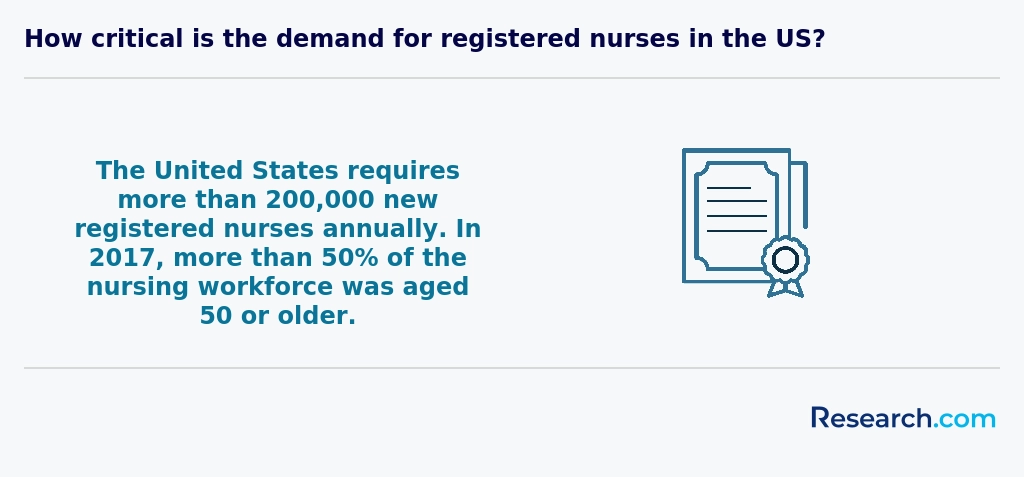
Investing in a healthcare degree in Huntsville requires understanding the balance between upfront costs and long-term earnings. On average, graduates carry $25,000–$40,000 in annual tuition and fees, plus living expenses. With entry-level salaries ranging from $41,260 for Health Information Technicians to $55,860 for Patient Care Technicians, most students can expect a full tuition payback within 4–6 years, depending on work hours and loan terms. To accelerate your break-even point, consider flexible and affordable program options. Online coursework often reduces housing and commuting costs, and shorter certificates can jumpstart your income sooner. For those exploring remote pathways, our guide to the most cost-effective online public health programs highlights accredited, budget-friendly curricula that maximizes return on investment. Beyond salary figures, factor in career growth: healthcare roles are projected to expand by 13% over the next decade. By choosing accredited programs with strong job-placement services and leveraging scholarships or employer tuition reimbursement, Huntsville students can minimize debt and position themselves for leadership roles that yield higher wages and faster ROI.
What financial aid is available to healthcare degree students in Huntsville?
Imagine starting your healthcare journey at a place like Calhoun Community College or the University of Alabama in Huntsville, where the financial aid landscape feels like a supportive safety net woven just for you. Many graduates recall how Pell Grants lifted a heavy burden, offering need-based cash that didn't demand repayment, turning nights of worry into dreams of white coats and stethoscopes.
On top of that, federal Direct Loans spread out the cost into manageable payments, giving students the freedom to focus on scrubs rather than stress. State-backed gems like the Alabama Student Assistance Program provide local scholarships that resonate deeply with Huntsville students aiming to serve their communities.
Picture a nursing hopeful receiving a scholarship from Huntsville Hospital itself-an encouraging nod from future colleagues that their dedication matters. Plus, many find part-time treasure chests in tuition reimbursement or work-study offerings right on campus, tying education directly to experience.
In a city buzzing with biotech energy, employer-sponsored aid is another golden ticket, merging ambition with opportunity for those ready to transform Huntsville's healthcare scene.
Emerging Trends and Future Opportunities in Healthcare Education
As healthcare continues to evolve with rapid technological advancements and shifting patient needs, future professionals in Huntsville, AL, must stay informed about emerging trends that directly impact their education and career trajectories. This section dives into innovative approaches reshaping healthcare degrees, such as incorporating telehealth practices, simulation-based learning, and digital health records management. Students can now benefit from hybrid learning models that integrate both hands-on clinical training and virtual coursework, ensuring they are well-prepared for the digital transformation of the healthcare sector. For instance, some institutions are beginning to offer specialized online courses that address topics like artificial intelligence in patient care and innovative diagnostic techniques-including diagnostic medical sonography online programs-to keep up with market demands. In addition, career pathways are broadening as healthcare providers invest in new technologies that improve patient outcomes and streamline operations. Staying current with these trends not only enriches the academic experience but also gives graduates a competitive edge in a transforming job market. This forward-thinking approach highlights the importance of aligning one's education with industry innovations, ensuring that graduates are not only versatile in traditional roles but also ready to venture into emerging specialty areas that promise robust career growth and long-term professional satisfaction.
What are the prerequisites for enrolling in healthcare degree program in Huntsville?
Diving into a healthcare degree in Huntsville means stepping into a world where science meets heart, but first, you must clear the gates of prerequisites designed not just to test knowledge, but to ignite passion. Imagine sitting in the halls of a Huntsville college, the air buzzing with anticipation as you clutch your official transcripts-proof of conquering high school's biology and chemistry battles. Graduates often reminisce how those tough physics problems weren't just hurdles, but keys unlocking critical thinking skills essential for patient care.
Standardized tests like the SAT or ACT still play a role, though many nearby institutions embrace test-optional vibes, letting your story shine through letters of recommendation and heartfelt personal statements. One former student shared how their essay about a family member's healthcare journey made admissions see their dedication beyond numbers.
Specialized programs, like nursing or radiologic tech at local Huntsville colleges, ask for more than passion-they demand anatomy, physiology, and microbiology know-how. Passing entrance exams here feels like earning a ticket to the frontline of healing, blending academic challenge with a future of purpose.
Emerging Trends and Future Opportunities in Healthcare
Staying ahead in the dynamic healthcare industry means understanding the latest trends and preparing for future opportunities. Today’s healthcare landscape is rapidly evolving with breakthroughs in telemedicine, artificial intelligence, and patient-centered care. These innovations are not only transforming treatment methods but are also shaping educational programs to ensure graduates are equipped with modern skills. Prospective students should explore how emerging technologies and evolving healthcare policies create new career paths and demand fresh talent. For example, initiatives such as integrated health informatics and personalized medicine are becoming essential parts of advanced curricula, preparing graduates to meet both local and global healthcare needs. Students interested in a solid foundational experience and cutting-edge education are encouraged to check out rankings from a popular healthcare school that focus on these innovative aspects. By familiarizing themselves with future trends, students can better align their education with industry demands, ensuring a successful and versatile career in healthcare.
What courses are typically in healthcare degree programs in Huntsville?
Imagine diving into the heartbeat of healthcare at the University of Alabama in Huntsville or a local community college, where students aren't just memorizing facts-they're exploring the living human body through Anatomy and Physiology, feeling the pulse of each lesson. Graduates recall their awe during Microbiology labs, peering at unseen worlds that hold keys to fighting infections, while Medical Terminology classes gave them the power to decode the language of life-saving conversations.
Ethics and Law unfold like real-life dramas, where future nurses and therapists navigate the delicate balance of care and legality, preparing to advocate for patients with courage. Pharmacology offers the thrill of understanding how tiny pills ripple through the body, shaping healing journeys. Meanwhile, Pathophysiology classes reveal the mysteries behind disease mechanisms, sparking curiosity and resolution.
Beyond theory, the practicum experiences in Huntsville's hospitals transform nerves into confidence-hands steady, skills sharpened. Public Health and Epidemiology weave in community awareness, reminding students they're part of a larger mission. This blend of courses molds healthcare heroes ready to thrive in Huntsville's unique, vibrant medical landscape.
What types of specializations are available in healthcare degree programs in Huntsville?
Imagine diving into healthcare degree specializations in Huntsville where the pulse of innovation meets hands-on care. Graduates from local colleges often rave about nursing tracks-the RN, NP, and Nurse Anesthetist paths-offering real-world clinical experiences at places like Huntsville Hospital Health System, where theory and pulsebeats merge seamlessly. Others find their stride in healthcare management and administration, steering future hospitals and clinics with savvy knowledge of health policy and finance. These students envision themselves as the backbone of Huntsville's expanding medical landscape.
Students pursuing Huntsville healthcare program concentration options also immerse in fields like medical laboratory science and radiologic technology, becoming the unseen heroes behind vital diagnostics. Allied health degrees, such as physical therapy assistant and occupational therapy assistant, bring stories of connection and patient comeback journeys, fueled by clinical internships. And those fascinated by tech leap into healthcare information technology, riding the wave of electronic health records and telemedicine innovations shaping tomorrow's care.
For those curious about starting points, exploring the best nursing schools often sparks inspiration, enhancing the journey through Huntsville's diverse healthcare degree specializations.
How do you choose the best healthcare degree in Huntsville?
Choosing the best healthcare degree programs Huntsville offers is like mapping your own healthcare adventure, where the city's buzz of opportunity fuels your path. Imagine yourself walking the halls of Alabama A&M University, where graduates reflect on hands-on clinical placements that morphed textbook theory into lifesaving action. Those real-world experiences near Huntsville's vibrant medical centers transform uncertainty into confident strides toward a rewarding career.
Picture the joy of a graduate at the University of Alabama in Huntsville, balancing evening classes with family life, thanks to flexible part-time options that make education feel less like a burden and more like a personal triumph. Affordable healthcare degrees in Huntsville ease financial worries too, with costs that let you focus on healing others rather than stressing over tuition.
For those drawn to practical skills, learning how to navigate healthcare roles can start even before college, much like students eyeing medical assistant certification Colorado programs to explore other pathways. Your dream career begins where passion meets purpose, right here in Huntsville, a nurturing ground for future healers.
What career paths are available for healthcare degree students in Huntsville?
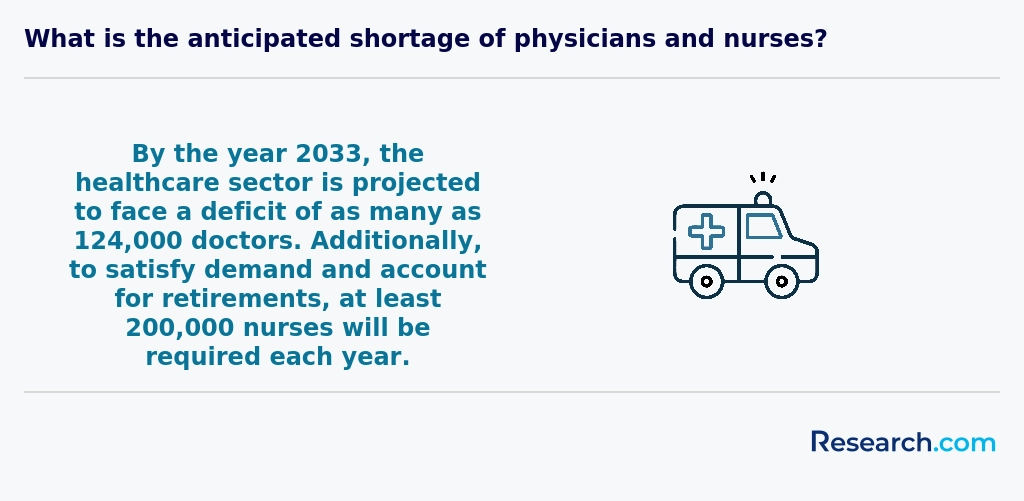
In Huntsville, healthcare degree career opportunities manifest like a vibrant spectrum, from the hands-on rhythm of nursing to the precision-tuned roles of allied health professions. Graduates from institutions like the University of Alabama in Huntsville often share stories of stepping confidently into bustling hospital wings, where their skills as registered nurses not only meet the community's urgent needs but exceed nationally average salaries. Allied health careers-such as respiratory therapists or medical laboratory technologists-thrive within the city's growing medical centers, painting a future rich with possibilities for those equipped with associate or bachelor degrees.
For those enchanted by the puzzle of healthcare systems, administration offers a compelling pathway, where graduates navigate the interplay of policy, technology, and management amidst Huntsville's aging population. Meanwhile, physical and occupational therapy graduates find themselves in high demand, shaping lives with master's-level expertise in rehabilitation services that pulse through regional programs. Curiously, some even explore cutting-edge research and public health roles supported by the HudsonAlpha Institute, blending science and community welfare in ways that spark enthusiasm and hope.
Cost-conscious students appreciate that Huntsville's educational options include affordable routes via the Alabama Community College System, with lpn degrees oklahoma continuing education offering examples of practical pathways. Here, the job outlook for healthcare graduates Huntsville is a beacon, where career possibilities unfold within reach and resonate personally with many local graduates.
What is the job market for healthcare degree in Huntsville?
Graduates with a healthcare degree in Huntsville find themselves at the crossroads of vibrant opportunity and real-world impact. At local colleges known for healthcare programs, alumni step confidently into a job market buoyed by a 15% growth projection for Registered Nurses alone, far outpacing most professions. Imagine a nursing graduate's first day at Huntsville Hospital, welcomed into a culture that prizes both clinical skill and compassionate care, reflecting the city's expanding demand for healthcare professionals.
Those pursuing healthcare administration or allied health fields discover pathways not only in traditional roles but also in cutting-edge niches, thanks to Huntsville's proximity to research institutions. Recent graduates describe how their hands-on training in physical therapy labs or management internships blossom into leadership roles, often accompanied by salaries above regional norms. The local ecosystem also fosters mentorship opportunities in nursing, making transitions from study to employment seamless amid a nurturing community.
Healthcare degree job outlook Huntsville holds promise not just in numbers but in the stories of individuals rising with it-driven by supportive education, affordable tuition, and a region committed to health innovation.
Frequently Asked Questions About healthcare
Healthcare degree students in Huntsville can maximize their learning by engaging in hands-on clinical experiences offered through local hospitals such as Huntsville Hospital, one of Alabama's largest medical centers. Practical exposure enhances understanding and job readiness. Students should also utilize the University of Alabama in Huntsville's partnerships with healthcare providers, which offer internships and research opportunities.
Joining student organizations related to healthcare helps develop networking skills and professional connections. Additionally, leveraging online resources and certification programs can supplement formal education. According to the Alabama Department of Labor, healthcare jobs in Huntsville are projected to grow by 15% over the next decade, making practical experience crucial for career advancement.
The healthcare field in Huntsville is expanding into several emerging niches that reflect broader national trends. One such area is telehealth, which has seen rapid growth due to advancements in technology and changes in patient preferences. According to the Alabama Department of Public Health, telemedicine services in Huntsville increased by over 50% from 2020 to 2023.
Another growing niche is personalized medicine, including genetic counseling and pharmacogenomics, which tailors healthcare to individual genetic profiles. Huntsville's proximity to research institutions supports these developments.
Additionally, healthcare informatics and data analytics are becoming crucial as hospitals adopt electronic health records and focus on improving patient outcomes with data-driven decisions.
These emerging specialties open new pathways for students pursuing healthcare degrees in Huntsville.
After completing a healthcare degree in Huntsville, graduates should focus on gaining practical experience to enhance their employability. Internships and clinical rotations offered through local healthcare facilities such as Huntsville Hospital provide valuable hands-on training. Networking within professional organizations like the Alabama Nurses Association can open doors to job opportunities.
Certification and licensure are crucial steps dependent on the healthcare field, for example, Registered Nurse (RN) licensure through the Alabama Board of Nursing is required. Familiarity with regional healthcare providers and Huntsville's growing biotech sector may also improve job prospects.
According to recent workforce data, Huntsville's healthcare sector is expanding steadily, with a demand for skilled professionals expected to rise by over 10% through 2028 (U.S. Bureau of Labor Statistics).
Employers in Huntsville seeking healthcare degree graduates prioritize strong clinical skills combined with effective communication. According to the Alabama Department of Labor, healthcare roles in the region emphasize patient-centered care, requiring graduates to demonstrate empathy and teamwork. Technical proficiency in electronic health records (EHR) systems is also critical, as Huntsville healthcare providers increasingly adopt digital recordkeeping.
Additionally, problem-solving abilities and adaptability to fast-changing medical environments rank highly. The Huntsville Hospital Health System highlights that graduates skilled in interdisciplinary collaboration and basic data analysis stand out in the job market. These traits help meet the area's growing demand for quality healthcare services amid a projected 15% rise in healthcare occupations by 2030.
Finding internships in Huntsville for healthcare degrees often starts with local hospitals and healthcare facilities. Huntsville Hospital is a major employer offering structured internship programs for students in nursing, allied health, and medical technology fields. Additionally, universities such as the University of Alabama in Huntsville often maintain partnerships with these healthcare providers to facilitate student placements.
Students should also explore resources like the Alabama Department of Public Health and local career centers, which frequently list healthcare internship opportunities. Networking through professional organizations such as the American Healthcare Radiology Administrators (AHRA) chapter in Alabama can further enhance prospects.
Huntsville's expanding biotech industry, including companies focused on medical research, provides additional internship options, especially for those studying healthcare informatics or biomedical sciences.
Obtaining a healthcare degree in Huntsville significantly enhances career mobility and advancement opportunities. The city's growing healthcare sector, including major hospitals like Huntsville Hospital and Crestwood Medical Center, creates diverse job prospects for graduates.
According to the U.S. Bureau of Labor Statistics, healthcare occupations in the Huntsville metropolitan area are projected to grow by approximately 15% from 2021 to 2031, faster than the national average. This growth supports upward mobility for individuals with specialized degrees.
Healthcare degrees, such as nursing or health administration, provide essential credentials that employers in Huntsville prioritize when promoting or hiring for advanced roles. They also enable professionals to meet state licensure requirements and access higher salaries within competitive markets.
Moreover, universities in Huntsville collaborate with local healthcare providers, offering internships and networking that facilitate career progression. This link is vital in a region where demand for skilled healthcare workers continues to rise.
Studying for a healthcare degree in Huntsville equips students with skills essential for interdisciplinary roles prevalent in today's healthcare environment. Local institutions emphasize collaborative learning, integrating disciplines such as nursing, public health, and healthcare administration.
Huntsville's healthcare programs often include practical experiences at nearby medical centers like Huntsville Hospital, fostering teamwork among diverse healthcare professionals. This exposure helps students understand various roles and improve communication across fields.
According to the Alabama Commission on Higher Education, Huntsville saw a 12% increase in healthcare job openings from 2021 to 2023, highlighting the regional demand for flexible, multidisciplinary healthcare workers.
Programs also teach problem-solving and technology use, preparing graduates to contribute in settings ranging from clinical care to health policy development.
Choosing between a thesis and a non-thesis healthcare degree program in Huntsville depends on your career goals and learning preferences. A thesis track requires conducting original research and writing a formal paper, ideal for students aiming at clinical research or doctoral studies.
Non-thesis programs focus more on coursework and practical skills, allowing quicker entry into healthcare professions. In Huntsville, where healthcare jobs grew 12% from 2019 to 2023 according to the Alabama Department of Labor, practical skills are highly valued.
If you plan to work directly in hospitals or clinics like Huntsville Hospital, a non-thesis program might suit you better.
Consider also program faculty expertise and your time availability, as thesis degrees often take longer to complete.
Students in Huntsville interested in studying healthcare abroad have several pathways through U.S. institutions with international programs. Many universities in Alabama, including the University of Alabama in nearby Tuscaloosa, offer study abroad and exchange programs focused on healthcare fields such as nursing, public health, and health sciences. These programs often partner with universities in countries like the United Kingdom, Australia, and Spain, providing global clinical experiences.
According to the Institute of International Education, about 15% of U.S. healthcare students participate in study abroad programs, gaining exposure to diverse medical systems. Huntsville's local colleges support this trend through advising and international scholarships, helping students obtain valuable global healthcare perspectives.
In Huntsville, several part-time job opportunities can effectively complement healthcare degree education. Positions such as medical scribe, pharmacy technician, and certified nursing assistant (CNA) provide practical experience while students continue their studies. These roles help develop hands-on skills and deepen understanding of clinical environments.
Healthcare support jobs in local hospitals like Huntsville Hospital and Veterans Affairs Medical Center offer valuable exposure to patient care and administrative tasks. According to the Alabama Department of Labor, healthcare employment in Huntsville grew by 8% between 2018 and 2023, indicating steady demand for such positions.
Additionally, roles in telehealth services and home healthcare agencies allow flexible schedules suitable for students. These part-time jobs not only build a professional network but can improve job prospects post-graduation.
Healthcare students in Huntsville have access to numerous networking opportunities that can enhance their academic and professional growth. Institutions like the University of Alabama in Huntsville (UAH) and Calhoun Community College often host healthcare-related seminars, workshops, and career fairs that bring together students, faculty, and healthcare professionals. These events foster connections critical for internships and job placements.
The city's growing biotechnology and medical technology sectors, supported by organizations like the HudsonAlpha Institute for Biotechnology, provide valuable local industry contacts. Additionally, students can join national and regional healthcare associations with local chapters, such as the American Medical Student Association, which regularly organizes networking events in the area.
According to the Huntsville Hospital System, the region employs over 7,000 healthcare workers, offering a broad network for students to engage with potential mentors and employers. This proximity to a robust healthcare workforce enables hands-on learning experiences and collaborative projects essential for career advancement.
Alumni networks play a vital role in supporting healthcare degree students in Huntsville. They offer valuable connections to local healthcare providers, which can be crucial for securing internships and job placements. Huntsville's growing medical sector, including the expansion of Huntsville Hospital, benefits from strong ties with alumni who often participate in mentoring current students.
Research from the Alabama Department of Labor shows that networks can increase employment opportunities by up to 20% for recent graduates. Alumni also facilitate knowledge-sharing about industry trends, certifications, and continuing education, helping students stay competitive in healthcare fields such as nursing, radiology, and healthcare administration.
Access to alumni events and professional groups enhances career development, providing students with insights into the demands of Huntsville's healthcare market. This local support system is especially important given the city's projected 15% growth in healthcare jobs through 2028 according to the Bureau of Labor Statistics.
Customizing a healthcare degree program in Huntsville allows students to align their education with specific career goals in a rapidly growing regional healthcare market. Many local institutions offer flexible options, including specialized tracks in nursing, health informatics, and public health, enabling focused skill development.
Elective courses and certificate programs additionally provide opportunities to gain expertise in emerging fields like telehealth and healthcare administration. Huntsville's partnerships with medical centers and research facilities support practical experiences through internships and clinical rotations, essential for career readiness.
According to the Alabama Department of Labor, healthcare occupations in Huntsville are projected to grow faster than the average for all industries, making tailored education an advantageous strategy for employment success.
Healthcare students in Huntsville often face several challenges related to the rigorous nature of medical and allied health programs. One common issue is balancing demanding coursework with clinical rotations, which require hands-on practice in local hospitals such as Huntsville Hospital. According to the Alabama Department of Public Health, the fast-growing healthcare sector in Huntsville increases competition for limited clinical placement spots. Additionally, managing financial burdens is a significant concern; many students rely on loans, as tuition and related expenses can be high.
Another challenge is adapting to evolving healthcare technologies and protocols. Staying updated demands constant learning beyond the classroom. Time management and mental health pressures are also prevalent due to long study hours and patient care responsibilities. Overall, these factors combine to make the healthcare education journey in Huntsville both challenging and rewarding.
With a healthcare degree in Huntsville, you can pursue numerous professional certifications that enhance your career opportunities. Popular certifications include Certified Nursing Assistant (CNA), Licensed Practical Nurse (LPN), Registered Nurse (RN), and Certified Medical Assistant (CMA). For advanced roles, certifications like Certified Professional in Healthcare Quality (CPHQ) and Certified Health Education Specialist (CHES) are valuable.
The Huntsville area, with its expanding healthcare sector noted by the Alabama Department of Labor, provides strong demand for such credentials. Certifications often require passing national exams and completing supervised clinical hours. They can lead to higher salaries and specialized job roles, supporting career growth in healthcare settings across the city.
To write a winning application for a healthcare program in Huntsville, start by thoroughly researching the specific program requirements at local institutions such as the University of Alabama in Huntsville or Calhoun Community College. Highlight any relevant experience, including volunteer work or employment in healthcare settings, as this demonstrates practical knowledge.
Strong academic performance is essential; maintaining a GPA above 3.0 improves chances, especially for competitive nursing or allied health programs. Many Huntsville healthcare programs also require letters of recommendation from supervisors or professors who can attest to your commitment and skills.
Personal statements should clearly explain your motivation for entering healthcare and how you plan to contribute to the growing local medical industry, which benefits from Huntsville's expanding tech and research sectors, according to data from the Huntsville-Madison County Chamber of Commerce.
Finally, ensure all standardized test scores, transcripts, and application materials are submitted well before deadlines to avoid disqualification.
The global perspective on a healthcare career emphasizes the growing demand for skilled professionals worldwide. In the United States, healthcare occupations are projected to grow 13% from 2021 to 2031, much faster than the average for all jobs, according to the U.S. Bureau of Labor Statistics.
Huntsville reflects this trend, with a strong presence of healthcare facilities and research institutions supporting workforce growth. The region offers diverse opportunities in nursing, health administration, and allied health fields.
Internationally, healthcare careers are valued for their stability, ethical importance, and the chance to impact population health on a broad scale. This global demand translates into transferable skills and potential for international collaboration.
Understanding these trends can help prospective students in Huntsville assess long-term career prospects in healthcare.
Gaining practical experience while studying for a healthcare degree in Huntsville is essential for career readiness. Many local universities, such as the University of Alabama in Huntsville, offer clinical placements or internships through partnerships with nearby hospitals and clinics. These opportunities allow students to apply theoretical knowledge in real-world settings.
Additionally, Huntsville's healthcare sector includes major employers like Huntsville Hospital, one of the largest medical centers in Alabama. Students often benefit from externships or volunteer programs here, gaining hands-on skills. According to the Alabama Board of Nursing, over 60% of healthcare students in the state engage in supervised clinical practice during their studies.
Some programs also integrate simulation labs where students can practice procedures in a controlled environment, supplementing their practical education before entering clinical sites.
Choosing the right concentration within a healthcare degree program in Huntsville involves understanding both your interests and local job market demands. Huntsville's healthcare sector is growing, with a 12% increase in healthcare jobs projected by the U.S. Bureau of Labor Statistics through 2030. Common concentrations include nursing, allied health, healthcare administration, and public health.
Prospective students should consider local employer needs. For example, Huntsville Hospital and Crestwood Medical Center often seek registered nurses and health information specialists. Exploring program accreditation and clinical opportunities is essential to gain practical experience.
Connecting with academic advisors and attending local career fairs can offer insight into which specialization aligns with your career goals in Huntsville's healthcare community.
Related Healthcare Rankings for Nearby Cities
- 2027 Most Popular Healthcare Degree Programs Ranking in Nashville
- 2027 Most Popular Healthcare Degree Programs Ranking in Memphis
- 2027 Most Popular Healthcare Degree Programs Ranking in Louisville
- 2027 Most Popular Healthcare Degree Programs Ranking in Jackson
- 2027 Most Popular Healthcare Degree Programs Ranking in Columbia
- 2027 Most Popular Healthcare Degree Programs Ranking in Cincinnati
- 2027 Most Popular Healthcare Degree Programs Ranking in Charlotte
- 2027 Most Popular Healthcare Degree Programs Ranking in Saint Louis
- 2027 Most Popular Healthcare Degree Programs Ranking in New Orleans
- 2027 Most Popular Healthcare Degree Programs Ranking in Greensboro
Top Trending Healthcare Rankings
See What Experts Have To Say About Studying Healthcare
Read our interview with Healthcare experts

References
- 8 Health & Medicine Degrees to Consider https://www.oxfordscholastica.com/blog/medicine-articles/8-health-medicine-degrees-to-consider/
- Global Perspectives – Healthcare Beyond Borders https://www.cedars-sinai.org/international-stories/healthcare-beyond-borders.html
- Online Degree vs. Traditional: Choosing the Right Path https://beal.edu/online-degree-vs-traditional/
- Financial Assistance - Crestwood Medical Center https://crestwoodmedcenter.com/financial-information/financial-assistance/
- Programs https://www.jeshealthservices.com/healthcare-training-programs
- How to Write Your Cover Letter | NQRTH https://www.nqrth.edu.au/career-planning/how-to-write-your-cover-letter/
- Know more about thesis vs non- thesis: what is the difference? https://studyfans.com/en/blogs/816
- Advancing Your Career in Healthcare: Tips and Strategies https://www.sunshinecarenetwork.com/blog/advancing-your-career-in-healthcare-tips-and-strategies
- Student Programs https://www.huntsvillehospital.org/student-programs
- Course Benefits https://www.premedprojects.co.uk/hospital-work-experience-benefits





