
2027 Most Affordable Online Healthcare Degree Programs Ranking in Phoenix, AZ

Co-Founder and Chief Data Scientist
Choosing the right healthcare degree program can feel overwhelming, especially with so many options available today. This article introduces the 2027 Most Affordable Online Healthcare Degree Programs Ranking in Phoenix, AZ, carefully developed by the Research.com team of data scientists.
Our goal is to help you make an informed choice by highlighting programs that combine quality and affordability. Earning a healthcare degree opens doors to meaningful careers that make a difference.
Explore the ranking to find options that fit your goals and budget, and take a confident step toward your future in healthcare.
Key benefits of getting online healthcare degree in Phoenix
- Healthcare degree graduates in Phoenix can earn competitive salaries, such as $43,350 annually for Clinical Research Coordinators and Medical Assistants, or up to $103,150 for Quality Improvement Coordinators, offering strong financial motivation.
- Graduates from local colleges in Phoenix often find diverse career paths, from Patient Care Technicians earning around $60,790 yearly to Health Information Technicians with median salaries near $43,380, providing many options to suit your interests.
- Completing a healthcare degree online in Phoenix offers flexibility to balance work and study, helping you gain skills quickly without the commute, just like many successful online graduates from the area's universities.
- Key benefits of getting online healthcare degree in Phoenix
- What can I expect from online healthcare degree in Phoenix?
- Where can I work with online healthcare degree in Phoenix?
- How much can I make with online healthcare degree in Phoenix?
- 2027 Most Affordable Online Healthcare Degree Programs Ranking in Phoenix, AZ
- Key Findings
- How long does it take to complete online healthcare degree in Phoenix?
- Tips for Online Healthcare Student Success in Phoenix, AZ
- What's the difference between online and on-campus healthcare degree?
- Return on Investment for Online Healthcare Degrees in Phoenix, AZ
- What is the average cost of online healthcare degree in Phoenix?
- Enhancing Your Healthcare Career with Supplementary Certifications
- What financial aid is available to online healthcare degree students in Phoenix?
- Student Success Strategies and Resources
- What are the prerequisites for enrolling in online healthcare degree program in Phoenix?
- Accreditation and Licensure Requirements
- What courses are typically in online healthcare degree programs in Phoenix?
- What types of specializations are available in online healthcare degree programs in Phoenix?
- How do you choose the best online healthcare degree in Phoenix?
- What career paths are available for online healthcare degree students in Phoenix?
- What is the job market for online healthcare degree in Phoenix?
- Top Trending Healthcare Rankings
- See What Experts Have To Say About Studying Healthcare
What can I expect from online healthcare degree in Phoenix?
Imagine diving into an online healthcare degree in Phoenix knowing it won't break the bank. Many graduates from well-known institutions like Arizona State University found the average cost pleasantly manageable, especially compared to other states. In-state tuition rates often fall well below national averages, making quality education more accessible without sacrificing value.
One healthcare student shared the relief of balancing work and study, thanks to affordable tuition paired with financial aid options tailored for healthcare learners. Scholarships and federal aid programs frequently ease the financial path, giving students more freedom to focus on mastering patient care or health administration skills.
For example, a nursing graduate reminisced about completing clinical hours locally, which kept extra travel expenses low. This blend of cost-effectiveness and practical learning offers a uniquely empowering experience for Phoenix students eager to join the growing healthcare field.
Where can I work with online healthcare degree in Phoenix?
Graduates of online healthcare programs from well-known Phoenix institutions often find themselves drawn to bustling hospitals like Banner Health or HonorHealth, where they eagerly jump into roles from medical coding to nursing. Imagine the thrill of working alongside dedicated professionals in these top-tier medical centers, applying your knowledge in real time to impact lives.
Others explore vibrant outpatient clinics and urgent care centers, enjoying the fast pace and variety these settings offer. Picture stepping into a busy ambulatory surgical facility, confident that your online degree has prepared you well for roles such as diagnostic technician or health services manager.
Public health arenas also call to many graduates, especially those who've honed their administrative or epidemiology skills online through programs offered by Phoenix-area colleges. Here, they engage with community health initiatives and feel the rewarding buzz of making a tangible difference locally.
Meanwhile, healthcare technology firms and insurance companies embrace graduates as crucial players in telemedicine and health data analysis, fields that are rapidly evolving and packed with opportunities for innovation and growth right here in Phoenix.
How much can I make with online healthcare degree in Phoenix?
Graduates from online healthcare degree programs in Phoenix often discover exciting salary opportunities that reflect their dedication and expertise. For instance, those stepping into roles as Medical Assistants or Health Information Technicians can expect mean annual wages around $43,350. This aligns well with many local graduates from popular institutions like Arizona State University, who have found these roles a rewarding starting point in the thriving Phoenix healthcare scene.
Those venturing into Patient Care Technician positions typically earn about $60,790 annually, a figure that recent graduates have shared enthusiastically after hands-on clinical experiences in Phoenix-area hospitals. It's an encouraging jump that mirrors the city's growing demand for skilled healthcare providers.
For more ambitious professionals, opportunities as Quality Improvement Coordinators offer impressive salaries - the mean wage stands at $103,150. Graduates pursuing advanced certifications through online programs in Phoenix have reported feeling empowered by this career trajectory, appreciating the blend of strong income potential and meaningful impact on patient care quality.
2027 Most Affordable Online Healthcare Degree Programs Ranking in Phoenix, AZ
How do we rank schools?
Investing in your education is a significant decision that can shape your future, and the Research.com team understands the importance of making informed choices. To assist prospective students in Phoenix, AZ, we have meticulously crafted the "2027 Most Affordable Online Healthcare Degree Programs Ranking in Phoenix, AZ." Our commitment to quality, credibility, and accuracy is reflected in the extensive research and analysis conducted to compile this ranking.
We utilized the following reputable data sources to ensure a comprehensive evaluation of healthcare programs:
By exploring this ranking, readers will gain valuable insights into the most affordable and quality online healthcare degree programs available in Phoenix, AZ, empowering them to make confident and informed decisions about their education. For more information about how this ranking was created, please visit our Research.com methodology page.
# 1 position
Aspen University
Master of Nursing

# 2 position
Aspen University
Doctor of Nursing Practice
# 3 position
Aspen University
Bachelor of Nursing: Pre-Licensure
Key Findings
- Tuition for online healthcare bachelor's degrees in Phoenix ranges from $15,000 to $30,000, with community colleges and public universities being more affordable than private schools.
- Entry-level salaries for healthcare graduates in Phoenix typically range from $45,000 to $55,000 annually, increasing to $75,000 or more with experience and certifications.
- The Phoenix healthcare job market is growing rapidly, with an expected 20% employment growth in healthcare occupations in Arizona from 2020 to 2030.
- Online programs offer flexible learning for working adults and career changers, but students should verify accreditation by bodies like CCNE or ACEN for nursing degrees.
- Many healthcare careers require passing state licensure exams, so choosing programs that prepare for these exams is important for practicing in Phoenix.
How long does it take to complete online healthcare degree in Phoenix?
In Phoenix, diving into an online healthcare degree can feel like embarking on a personalized journey through time. For instance, associate degrees in fields such as medical assisting typically take about 2 years for full-time students at community colleges, quickly opening doors to employment. Graduates often share how fast-paced yet rewarding this path felt, with hands-on local clinical hours complementing their online studies.
Bachelor's degrees like nursing or healthcare administration usually span around 4 years at well-known institutions such as Arizona State University's online programs. Yet many adventurous learners discover options to accelerate their timeline to 3 years or less-some even completing their BSN in under 2 years by leveraging prior experience and transfer credits. The flexibility allows busy professionals in Phoenix to balance work and study, fueling motivation and hope.
Graduate degrees like a Master of Science in Nursing can take 1.5 to 3 years, depending on pacing and part-time enrollment. Many Phoenix students appreciate the ability to customize schedules while gaining valuable clinical exposure, embracing the challenge with enthusiasm and future-focused determination.
Tips for Online Healthcare Student Success in Phoenix, AZ
Achieving success in an online healthcare degree requires a proactive approach and resourcefulness. Begin by establishing a structured routine that accommodates both your studies and personal commitments. Effective time management and clear goal-setting help you stay on track, while dedicated study spaces and consistent breaks boost productivity. Equally important is taking full advantage of your institution’s online resources-virtual libraries, tutoring services, and discussion forums can provide additional support beyond the standard curriculum. Networking digitally is another key strategy. Connect with peers, join online study groups, and follow industry experts on social media to gain insights and career advice. Regular communication with your professors and academic advisors can also clarify course expectations and provide personalized guidance throughout your program. Lastly, embrace continuous improvement by seeking feedback and reflecting on your academic progress. For instance, explore resources offered by the cheapest online healthcare schools in arizona to compare strategies and enhance your learning outcomes. These practices not only reinforce your academic development but also prepare you for a dynamic career in healthcare.
What's the difference between online and on-campus healthcare degree?
Choosing between online and on-campus healthcare degrees in Phoenix feels like stepping into two exciting worlds. Online students at universities like Arizona State often share how the flexible schedule lets them balance evening shifts or family life while diving deep into healthcare studies. Imagine logging in after a busy day, exploring interactive modules and virtual simulations at your own pace-this freedom sparks motivation and self-discipline.
On the other hand, on-campus learners at Phoenix-area colleges experience the buzz of hands-on labs and face-to-face mentorship, feeling the pulse of real-world healthcare through state-of-the-art simulation centers. Graduates often describe the rush of adrenaline during clinical rotations at local hospitals, connecting with patients and mentors in ways online can't fully replicate.
Both paths demand clinical hours, but while online students coordinate placements locally-sometimes with school support-on-campus students walk directly into well-established partnerships with Phoenix clinics. The choice invites you to explore what fuels your passion: the independence of digital classrooms or the vibrant community of campus life.
Return on Investment for Online Healthcare Degrees in Phoenix, AZ
Choosing an online healthcare degree in Phoenix, AZ, is not just about managing upfront tuition-it’s about maximizing long-term earning potential and career growth. On average, students invest between $20,000 and $50,000 in total program costs, including fees and materials, yet graduate into roles with starting salaries ranging from $55,000 (Patient Care Technician) to $77,000 (BSN-prepared Registered Nurse). When you factor in average salary increases of 3% per year and the region’s 13% projected job growth, most graduates achieve a full payback on their educational investment within four to five years. Key ROI metrics to consider: • Average Debt Load: $25,000–$40,000 • Median Starting Salary: $55,000–$77,000 • Estimated Payback Period: 3–5 years • 10-Year NPV (Net Present Value): Up to $150,000+ Reducing debt and accelerating time to degree completion are crucial ROI levers. Prospective students aiming for leadership or administration roles should explore the cheapest MHA programs online, which blend lower tuition with specialized leadership curricula to shorten the path to six-figure management roles. Additionally, leveraging employer tuition assistance and federal grants can further compress your payback timeframe. Beyond quantitative returns, graduates often report qualitative gains: expanded professional networks, expedited promotions, and eligibility for high-impact positions-factors that contribute to long-term career stability and job satisfaction in Phoenix’s thriving healthcare sector. By evaluating both financial and professional ROI, you can make an informed decision that aligns your educational investment with future earnings and career milestones.
What is the average cost of online healthcare degree in Phoenix?
Exploring the average cost of an online healthcare degree in Phoenix reveals a fascinating landscape of opportunities that balance quality and affordability. Graduates from popular institutions like Arizona State University discover that pursuing an online Bachelor of Science in Healthcare Management involves tuition around $561 per credit hour for in-state students. With roughly 120 credit hours needed, this adds up to about $67,000 before financial aid, a figure that many consider a worthy investment in their future.
Community colleges such as GateWay or Paradise Valley Community College provide a more budget-friendly path, with associate degrees costing approximately $85 per credit hour. This translates to a total tuition of $10,000 to $15,000, making affordable online healthcare programs Phoenix AZ a reality for many embarking on their healthcare careers. These graduates often appreciate the blend of accessible education with the flexibility that online courses allow.
For those chasing advanced ambitions, online master's degrees in healthcare fields are priced between $15,000 and $40,000 depending on the institution. Universities like Grand Canyon University offer programs that align with this range, drawing students eager to expand their expertise and impact on population health outcomes. Such financial considerations add excitement as students weigh their options against the value of specialized education in a thriving city like Phoenix.
- In-state public universities: approximately $10,000-$20,000 per year for online healthcare degrees
- Community college associate degrees: roughly $10,000-$15,000 total tuition
- Online master's degrees: $15,000-$40,000 total, depending on institution

Enhancing Your Healthcare Career with Supplementary Certifications
While a degree in healthcare lays a solid foundation for your career, pursuing supplementary certifications can further differentiate you in the competitive field. Supplementary certifications not only deepen your expertise but also demonstrate a commitment to lifelong learning-an important factor that employers value. For instance, professionals seeking to integrate nutrition counseling into their practice may benefit from exploring additional credentials. In fact, many experts suggest that understanding what are the most popular nutrition online certifications can complement your degree and expand your career opportunities. Such certifications add a practical edge to your academic knowledge, helping you stay updated with industry trends and best practices. Moreover, these specialized credentials can be especially beneficial for roles that require interdisciplinary skills, providing you with an advantage when seeking promotions or changes in specialties. Embracing this extra layer of certification ensures that you remain agile in a fast-evolving healthcare landscape, ready to meet both current and emerging challenges.
What financial aid is available to online healthcare degree students in Phoenix?
Imagine starting your online healthcare degree at a well-known Phoenix institution like Arizona State University and discovering that federal aid is your trusty companion. Completing the FAFSA unlocks Pell Grants-up to $7,395 yearly-that feel like a financial windfall without the pressure of repayment. Graduates often share how this relief allowed them to focus on studies instead of stressing over tuition.
Federal loans, such as Direct Subsidized and Unsubsidized Loans, offer flexible repayment options and lower interest, easing the journey through your online courses. One graduate recalls how the Federal Work-Study program helped with part-time work on campus, balancing income with studies seamlessly.
Locally, Arizona's Financial Aid Trust and educational partnerships boost support specifically for residents, perfectly fitting the needs of healthcare students navigating Phoenix's online programs.
- Scholarships from groups like the Arizona Nurses Foundation feel like personalized rewards, recognizing both merit and need.
- Many Phoenix healthcare employers offer tuition reimbursement, turning your workplace into a partner for success.
Plus, schools themselves may offer tailored grants or payment plans designed just for online learners, making each step feel supported and achievable.
Student Success Strategies and Resources
Navigating an online healthcare program successfully requires more than just choosing an affordable degree-you need effective strategies to manage coursework, engage with virtual communities, and leverage available resources to enhance your learning. In this section, we offer actionable tips for maintaining motivation, balancing personal commitments with academic demands, and utilizing career support services provided by institutions. Start by creating a realistic study schedule and setting achievable goals to track your progress throughout the semester. Many institutions offer virtual tutoring sessions, peer study groups, and mentorship programs that can significantly improve your academic performance. Additionally, developing strong time management and self-discipline skills can empower you to maximize your online learning experience. For those seeking extra guidance on affordability and educational quality, explore the cheapest online healthcare schools in arizona to identify programs that align with your financial and academic needs. Finally, actively engage with faculty and take advantage of online career services to build a robust professional network, which can open doors to internships, job placements, and long-term career growth.
What are the prerequisites for enrolling in online healthcare degree program in Phoenix?
Diving into an online healthcare degree in Phoenix means starting with some clear prerequisites that set you up for success. Graduates from programs at well-known local universities often mention the relief of already having a high school diploma or GED in hand, a fundamental step that opens doors to these exciting courses.
Imagine a typical day balancing biology and chemistry prerequisites-these subjects form the basecamp for your healthcare journey. Many Phoenix programs ask you to submit official transcripts, so showing solid grades in math or science isn't just a formality; it's your proof of readiness.
Some adventurous learners recall needing a GPA around 2.5 to 3.0 to join bachelor's or associate-level healthcare degrees, while those climbing the ladder toward master's degrees remember holding relevant bachelor's credentials and valuable healthcare experience as vital gear.
Though standardized tests like the GRE or SAT have mostly faded into the background, a few programs still require them, adding a small peak to your application trek. And since most courses are online, having strong tech skills and a reliable internet connection is like having your preferred hiking boots-absolutely essential.
Finally, the practical side of healthcare might ask for background checks or immunization records for clinical work, a reminder that online study in Phoenix blends flexibility with real-world readiness.
Accreditation and Licensure Requirements
Accreditation ensures that your online healthcare degree meets rigorous academic and professional standards, preparing you for licensure exams and employer expectations. Institutional accreditation by agencies recognized by the U.S. Department of Education (such as the Higher Learning Commission) confirms overall quality, while programmatic accreditation-granted by bodies like the Commission on Collegiate Nursing Education (CCNE), the Accreditation Council for Business Schools and Programs (ACBSP), or the Commission on Accreditation of Healthcare Management Education (CAHME)-validates specialized healthcare curricula. Graduates from CCNE-accredited nursing programs, for example, are eligible to sit for the NCLEX-RN licensure exam in Arizona and beyond. State licensure requirements vary by profession: nurses, allied health practitioners, and health information technicians must meet specific clinical hours, exam scores, and background checks set by the Arizona State Board of Nursing or relevant licensing boards. Before enrolling, verify that the program’s accreditation aligns with your desired certification authority to avoid delays in licensure or graduate program admission. Many online programs also provide detailed licensure guidance and track your clinical placements with approved preceptors to ensure compliance. When comparing affordability, don’t sacrifice accreditation. An accredited program not only qualifies for federal financial aid-such as Pell Grants and subsidized loans-but also guarantees transferable credits if you pursue advanced degrees. If you’re exploring comparable affordable healthcare master’s options outside Phoenix, take a look at our Affordable Online Master’s in Healthcare Degree Programs Ranking in Allendale, MI for further insights into nationally recognized, budget-friendly pathways.
What courses are typically in online healthcare degree programs in Phoenix?
Diving into an online healthcare degree in Phoenix feels like stepping into a vibrant world where every course opens a door to real-life impact. Imagine a graduate from a popular Phoenix college sharing how the Introduction to Healthcare Systems course revealed the behind-the-scenes structure of local hospitals, making policies and regulations suddenly tangible. This course gives students a clear picture of how the city's healthcare operates, from bustling clinics to large medical centers.
Medical Terminology, often a favorite, becomes the essential language that graduates carry confidently into workplaces, allowing smooth communication with doctors and nurses alike. Another standout course is Health Informatics, where students explore the exciting tech behind electronic health records, making patient data management feel like mastering new digital frontline tools.
Graduates from Phoenix programs often highlight the value of Healthcare Ethics and Law, where they grapple with real dilemmas faced by local caregivers. Alongside this, courses like Anatomy and Physiology and Public Health and Epidemiology ground students in the biological and community health realities of Phoenix's diverse population.
And the hands-on thrill? Clinical Practice and Patient Care courses provide simulated experiences that prepare students to confidently step into Phoenix healthcare roles, ready to make a difference from day one.
What types of specializations are available in online healthcare degree programs in Phoenix?
Diving into online healthcare degree specializations Phoenix AZ reveals an exciting spectrum of paths tailored to diverse passions. Many graduates at well-known Phoenix colleges embrace nursing, advancing from RN to BSN or MSN, fueled by the city's booming healthcare market. Imagine the rewarding feeling of stepping into hospitals or clinics, knowing your expertise in nursing meets Phoenix's growing demand.
Others who thrive on leadership choose healthcare administration, learning to manage complex operations from insurance firms to bustling health centers. One graduate shared how the program's real-life case studies made navigating healthcare systems feel like solving an intriguing puzzle.
Technology lovers often venture into health informatics, merging digital innovation with health knowledge to enhance patient care. Friendly faculty and hands-on projects at Phoenix schools turn abstract data concepts into tangible skills.
Public health draws curious minds aiming to impact diverse communities. Studying community health and epidemiology in the desert city context equips students to make meaningful changes.
For those seeking fast entry into medical fields, medical assisting and allied health programs offer essential skills for frontline roles. Many graduates treasure the balance of quick course completion and vital team contribution.
Exploring the best fit here in Phoenix means discovering a specialization that excites and empowers you-just ask those who excel and shape the future of care.
Students interested in further expanding their clinical skills might also explore nurse practitioner schools in NC through nurse practitioner schools in NC as an additional option for growth.
How do you choose the best online healthcare degree in Phoenix?
Choosing an online healthcare degree in Phoenix opens doors full of exciting possibilities, but the key is to align your choice with real-life needs and ambitions. Graduates from popular Phoenix community colleges often share how accreditation made all the difference, ensuring their qualifications earned employer respect and access to financial aid. Exploring affordable online healthcare degrees Phoenix AZ options lets you balance your budget without sacrificing quality-many programs keep tuition below $10,000, perfect for adventurous students seeking value.
Think about the curriculum, too. Picture yourself diving into nursing or health informatics courses, some offering clinical placements right in Phoenix to blend virtual study with hands-on experience. Graduates describe the satisfaction of connecting theory to action through internships with local healthcare providers, sharpening skills for the growing job market.
Don't overlook support services either; academic advising and career counseling in Phoenix's institutions help students feel guided and confident in their journey. And if you want insight into job prospects beyond the classroom, check out local resources and especially the nurse practitioner degrees minnesota job prospects, which reveal useful trends applicable to healthcare pathways nationwide.

What career paths are available for online healthcare degree students in Phoenix?
Graduates from online healthcare degree programs in Phoenix find themselves exploring diverse and dynamic career paths that reflect the city's booming healthcare industry. Many enter roles as Registered Nurses (RN), stepping directly into rewarding clinical positions with salaries averaging $75,000-real stories from popular Phoenix universities reveal how these nurses cherish their hands-on impact on patients' lives. Others dive into the tech-driven world of Health Information Technicians, managing vital electronic medical records as Phoenix hospitals modernize rapidly.
Some graduates take the adventurous route into healthcare administration, inspired by leadership roles offered through programs at well-known Phoenix colleges, where managing hospitals or insurance systems feels like steering a ship through an exciting and evolving sector. There's also a growing need for Public Health Specialists, who design community health initiatives, a path embraced by those wanting to make a broad, meaningful difference.
With so many healthcare career opportunities Phoenix AZ holds, adventurous students even discover opportunities in related fields like lpn degrees oklahoma faculty profiles, expanding their horizons beyond local borders.
What is the job market for online healthcare degree in Phoenix?
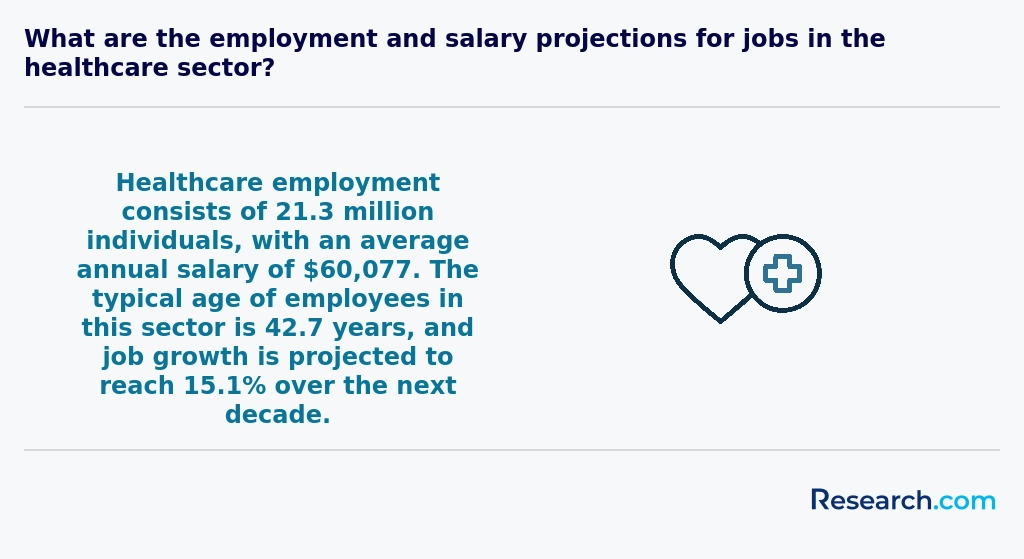
The job market for online healthcare degree holders in Phoenix is bursting with opportunity, fueled by the city's rapid growth and robust healthcare sector. Graduates from well-known Phoenix colleges often share stories of landing roles in nursing or health information technology that perfectly blend their digital skills with hands-on patient care. The demand for healthcare degree employment opportunities Phoenix-wide is vivid, with organizations like Banner Health actively recruiting versatile professionals. Imagine working remotely as a telehealth coordinator, connecting patients with doctors across Arizona while being based right in Phoenix!
Many online healthcare students from Phoenix institutions find their education aligning closely with industry needs. Rising wages - with median annual pay for healthcare practitioners exceeding $70,000 - make these careers not just fulfilling but financially rewarding. For those curious about navigating the path, exploring career prospects in healthcare industry provides insights into what employers seek locally and beyond.
Embracing this adventurous journey opens doors in allied health fields and medical administration, positioning graduates at the forefront of the evolving healthcare landscape. The blend of technology and care in Phoenix truly paints an exciting road ahead for anyone eyeing online healthcare jobs in Phoenix AZ.
Frequently Asked Questions About healthcare
Online healthcare degree students in Phoenix can enhance their learning by actively participating in virtual discussions and study groups. Engaging with peers and instructors deepens understanding of complex healthcare topics. Utilizing local healthcare resources, such as internships at Phoenix's Banner Health or Mayo Clinic facilities, offers practical experience complementing online coursework.
Additionally, students should leverage Phoenix's high demand for healthcare workers-projected to grow 20% by 2030 according to the Arizona Department of Economic Security-to network and explore job opportunities early. Time management tools and dedicated study spaces help maintain focus in remote learning environments. Access to Arizona's online library systems also supports research and exam preparation.
Emerging niches within the healthcare field reflect the evolving needs of communities like Phoenix. One growing area is telehealth, driven by increased demand for remote patient monitoring and virtual care services. According to the Arizona Telemedicine Program, telehealth utilization in Phoenix has expanded by over 60% since 2020.
Another key niche is health informatics, which combines healthcare and technology to improve data management and patient outcomes. The U.S. Bureau of Labor Statistics projects a 15% growth in health informatics jobs nationwide through 2030.
Additionally, geriatric care is becoming vital due to Arizona's aging population, increasing the need for specialized elder care professionals.
After completing an online healthcare degree in Phoenix, preparing for the job market involves several key steps. First, gaining relevant certifications such as CPR, CNA, or CMA can enhance your employability in Arizona's healthcare sector. According to the Arizona Department of Economic Security, healthcare jobs in Phoenix are expected to grow 16% by 2030, creating numerous opportunities.
Networking through local healthcare associations and virtual job fairs connects graduates with potential employers. Additionally, tailoring resumes to highlight clinical experiences and soft skills is critical. Internships or volunteer work with Phoenix hospitals or clinics can provide practical exposure and improve job prospects.
Lastly, staying informed about state licensure requirements through the Arizona State Board of Nursing or Health Services Department ensures compliance for professional roles.
Employers in Phoenix highly value a mix of technical knowledge and interpersonal skills in healthcare degree graduates. Critical skills include clinical expertise, understanding electronic health records (EHR), and knowledge of healthcare regulations such as HIPAA. According to the Arizona Department of Health Services, proficiency in digital tools is crucial due to Phoenix's growing telehealth services.
Communication skills are essential for collaborating with diverse patient populations and multidisciplinary teams. Problem-solving and adaptability also rank highly, reflecting the fast-paced healthcare environment in the region.
Leadership abilities and cultural competence are increasingly important as Phoenix serves a varied demographic. Data from the U.S. Bureau of Labor Statistics shows healthcare jobs in Phoenix are expected to grow by over 20% through 2030, emphasizing the need for versatile, skilled graduates.
Finding internships in Phoenix related to a healthcare degree involves a focused approach. Start by connecting with local hospitals, clinics, and healthcare organizations, such as Banner Health and Phoenix Children's Hospital, both major employers in the region. These institutions often offer internships or clinical rotations for healthcare students.
Utilize resources provided by your online program, as many schools partner with Phoenix-based facilities for placements. Websites like the Arizona Department of Health Services can also list opportunities and requirements.
Networking through local professional groups, such as the Arizona Healthcare Executives Forum, helps create contacts and discover openings. Additionally, career fairs hosted by Phoenix community colleges and universities are valuable for finding positions.
Internships in Phoenix's healthcare sector can lead to licensure and job placement, enhancing practical experience essential for a healthcare career.
Obtaining an online healthcare degree in Phoenix significantly enhances career mobility in the region's growing health sector. According to the Arizona Department of Health Services, healthcare jobs in Phoenix are projected to grow by 18% through 2030, faster than the national average. This growth creates diverse opportunities for degree holders.
Online programs offer flexibility, allowing working professionals to upskill without leaving their current jobs. Graduates of accredited online healthcare programs often find easier access to roles in nursing, health administration, and allied health fields.
Employers in Phoenix value degrees from accredited institutions, which can lead to higher salaries and leadership positions. Data from the U.S. Bureau of Labor Statistics shows that healthcare professionals with degrees typically earn 15-30% more than those without.
Increased educational qualifications also prepare students for certifications and licenses required in Arizona's healthcare system, opening doors to advanced roles and specialized practice areas.
Studying for a healthcare degree in Phoenix equips students for interdisciplinary roles by integrating diverse healthcare topics essential to teamwork in clinical and administrative settings. Arizona's healthcare education emphasizes collaboration among nursing, public health, and healthcare management disciplines, aligning with the state's growing demand for versatile professionals in a city expected to add over 100,000 healthcare jobs by 2030 (Arizona Department of Economic Security).
Online degrees often include courses on communication, ethics, and technology use, preparing students to work effectively across professions. Programs leverage Phoenix's extensive healthcare network, offering virtual interactions with local hospitals and clinics to enhance practical understanding.
When deciding between a thesis and a non-thesis healthcare degree program online in Phoenix, consider your career goals first. Thesis programs emphasize research and critical analysis, suitable for students aiming for academic roles or doctoral studies. In contrast, non-thesis tracks focus on practical skills and applied knowledge, ideal for those entering healthcare administration or clinical practice.
According to the National Center for Education Statistics, around 40% of healthcare graduates pursue non-thesis options for faster completion. Phoenix's growing healthcare sector, with a 15% job growth forecast by 2030 (Bureau of Labor Statistics), favors practical skills.
Review program requirements carefully and assess your interest in research versus hands-on application.
Students based in Phoenix seeking to study healthcare abroad through online programs have several practical options. Many accredited U.S. universities offer fully online healthcare degrees with international partnerships or global health components, allowing students to gain a broader perspective without leaving Phoenix. For example, some programs include virtual internships or collaborations with overseas healthcare institutions.
The increasing demand for healthcare professionals in Arizona, projected to grow by over 20% through 2030 according to the Arizona Department of Health Services, encourages students to pursue versatile, globally informed education. However, students should verify that programs are accredited and recognized by U.S. agencies to ensure licensure and employment eligibility.
Overall, flexible online programs combined with global study elements provide Phoenix residents a way to receive quality healthcare education with an international outlook.
Part-time job opportunities in Phoenix offer valuable experience for students pursuing online healthcare degrees. Positions such as medical assistants, pharmacy technicians, and patient care aides are common and provide practical skills directly related to healthcare education.
According to the Arizona Department of Economic Security, healthcare support jobs in Phoenix are projected to grow by 18% through 2030, reflecting strong demand in the region.
Many employers in Phoenix offer flexible hours, allowing students to balance work with their coursework. Working part-time in clinical settings or community health centers can enhance understanding of patient care and healthcare operations.
This real-world experience supports academic learning and strengthens resumes for future healthcare careers in Arizona's expanding medical sector.
Online healthcare students in Phoenix benefit from diverse networking opportunities supported by local universities and professional organizations. Institutions like Arizona State University offer virtual career fairs and alumni events specifically for healthcare majors. These events connect students with healthcare employers in the Phoenix metropolitan area, which has a growing workforce need, especially in nursing and allied health fields.
Local chapters of national groups, such as the Arizona Healthcare Professionals Association, provide virtual meetups and webinars, facilitating professional connections. Additionally, Phoenix's healthcare industry employs over 200,000 workers, creating a strong local network for internships and mentorships, aiding online students in building meaningful contacts.
Alumni networks provide significant benefits for students enrolled in online healthcare degree programs in Phoenix. These networks offer valuable professional connections, facilitating job placements in local healthcare institutions such as Banner Health and Phoenix Children's Hospital, which employ thousands in the region. Access to alumni mentorship can guide students through challenges specific to the Arizona healthcare market, improving career readiness.
According to the Arizona Department of Health Services, healthcare occupations in Phoenix are expected to grow by over 15% through 2028. Alumni networks help students tap into this expanding job market by sharing updates on openings and industry trends. Furthermore, many alumni participate in webinars or networking events tailored for current students.
Such connections enhance not only employment prospects but also ongoing education and specialization opportunities. This community support is especially important for online learners, who may lack traditional campus interaction but still benefit from robust professional networks.
Customizing an online healthcare degree in Phoenix begins with selecting programs offering flexible specializations. Many institutions allow students to choose concentrations like health informatics, nursing, or public health, aligning education with specific career goals.
Advisors often help tailor course loads and electives based on industry demands. Phoenix's growing healthcare sector, projected to increase 15% by 2030 according to the Arizona Department of Health Services, encourages programs that emphasize local workforce needs.
Internships and practicums frequently can be completed remotely or within Phoenix healthcare facilities, providing practical experience aligned with students' objectives. Additionally, some programs offer accelerated options or part-time schedules ideal for working professionals.
Online healthcare students in Phoenix often face challenges related to balancing coursework with demanding work schedules. Many are working professionals in a city where healthcare jobs are growing rapidly-employment in healthcare occupations is projected to grow 21% in Arizona from 2020 to 2030, according to the U.S. Bureau of Labor Statistics.
Another common difficulty is limited access to hands-on clinical experiences. While online programs provide flexibility, healthcare education requires practical training that can be harder to coordinate remotely in Phoenix's competitive clinical placement environment.
Technical issues and navigating digital platforms also pose barriers. Some students struggle with online learning tools or lack reliable internet access, which can impact their progress.
Additionally, staying motivated without face-to-face interaction requires strong self-discipline, an obstacle reported by many students in online healthcare degree programs nationwide.
With an online healthcare degree, Phoenix students can pursue various professional certifications that enhance career prospects. Common certifications include Certified Nursing Assistant (CNA), Registered Health Information Technician (RHIT), and Certified Professional Coder (CPC). These qualifications are recognized nationwide and align with Phoenix's growing healthcare sector.
For those pursuing nursing, the Licensed Practical Nurse (LPN) or Registered Nurse (RN) licenses are essential. Additionally, certifications like Certified Medical Assistant (CMA) and Certified Pharmacy Technician (CPhT) offer specialized paths within healthcare support roles.
According to the Arizona Department of Health Services, certified healthcare professionals significantly improve employment opportunities in the Phoenix metro area, which has seen a 12% growth in healthcare jobs since 2020.
Writing a winning application for an online healthcare program in Phoenix begins with understanding the competitive market. Healthcare jobs in Phoenix are growing faster than average, with a projected 19% increase through 2030 according to the Arizona Department of Economic Security. This means admissions committees expect motivated and qualified candidates.
Start by clearly articulating your career goals and how the program aligns with them. Highlight any related healthcare experience, certifications, or volunteering in Phoenix-area facilities to demonstrate local community engagement.
Strong letters of recommendation from healthcare professionals or educators who know your skills can significantly boost your application. Also, emphasize your ability to manage online learning effectively, as this is a key factor for admission.
Healthcare careers are viewed globally as essential and growing fields, reflecting increasing demands for medical services worldwide. In the United States, including Phoenix, healthcare employment is expected to grow 16% from 2020 to 2030, much faster than average, according to the U.S. Bureau of Labor Statistics.
Globally, the aging population and rising chronic diseases are driving the need for skilled healthcare professionals. This trend emphasizes the value of obtaining a healthcare degree, especially through flexible options like online programs available in Phoenix.
The international demand for healthcare workers highlights opportunities for those with American qualifications to work abroad or engage in global health initiatives, benefiting from the U.S. system's strong emphasis on clinical training and research.
Gaining practical experience while pursuing an online healthcare degree in Phoenix is essential for career readiness. Many accredited programs incorporate clinical placements or externships at local hospitals and clinics, allowing students to apply theoretical knowledge in real-world settings.
In Phoenix, healthcare facilities like Banner Health and Mayo Clinic offer partnerships with educational institutions, providing students with hands-on training opportunities. According to the Arizona Department of Health Services, these clinical experiences are crucial to meet licensure requirements in many healthcare professions.
Additionally, some programs offer simulation labs or virtual practicums designed to replicate patient care scenarios. These options are especially valuable for online students balancing flexibility with skill development. Networking at local health organizations and volunteering can also enhance practical exposure in this competitive market.
Choosing the right concentration within an online healthcare degree program in Phoenix involves assessing local job market demands and personal career goals. Arizona's healthcare sector is growing rapidly, with a 15% increase in healthcare employment projected through 2030, according to the Arizona Office of Economic Opportunity. Concentrations such as nursing, health informatics, and public health are notably in demand.
Prospective students should review program curricula to ensure alignment with licensure or certification requirements, which vary by concentration. Considering online programs that offer clinical placement support in Phoenix can be advantageous for hands-on experience.
Researching salary ranges in Phoenix for specialties is also important; for example, registered nurses earn a median annual wage of approximately $78,000 (BLS, 2023). This information helps in selecting concentrations with strong career prospects locally.
Related Healthcare Rankings for Nearby Cities
- 2027 Most Affordable Online Healthcare Degree Programs Ranking in Tucson, AZ
- 2027 Most Affordable Online Healthcare Degree Programs Ranking in Flagstaff, AZ
- 2027 Most Affordable Online Healthcare Degree Programs Ranking in San Diego, CA
- 2027 Most Affordable Online Healthcare Degree Programs Ranking in Las Cruces, NM
- 2027 Most Affordable Online Healthcare Degree Programs Ranking in Albuquerque, NM
- 2027 Most Affordable Online Healthcare Degree Programs Ranking in Carson, CA
- 2027 Most Affordable Online Healthcare Degree Programs Ranking in Salt Lake City, UT
- 2027 Most Affordable Online Healthcare Degree Programs Ranking in Colorado Springs, CO
- 2027 Most Affordable Online Healthcare Degree Programs Ranking in Lakewood, CO
- 2027 Most Affordable Online Healthcare Degree Programs Ranking in Greeley, CO
Top Trending Healthcare Rankings
See What Experts Have To Say About Studying Healthcare
Read our interview with Healthcare experts

References
- Highest-Paying Healthcare Degrees Online | EduMed.org https://www.edumed.org/articles/highest-paying-healthcare-degrees/
- Students and Alumni associations - Europubhealth https://www.europubhealth.org/students-alumni-associations/
- Healthcare Degrees https://teach.com/online-ed/healthcare-degrees/
- Thesis vs. Non-Thesis Master's Programs: Which is Right for You? https://potomac.edu/thesis-vs-non-thesis-masters/
- The impact of postgraduate education on career advancement in healthcare https://sets.com.ua/journals/vol-3-no-2-2024/the-impact-of-postgraduate-education-on-career-advancement-in-healthcare
- 6 key healthcare challenges affecting students and how to address them - Wellfleet Student https://wellfleetstudent.com/engaging-empowering-student-members/6-key-healthcare-challenges-affecting-students-and-how-to-address-them/
- Know more about thesis vs non- thesis: what is the difference? https://studyfans.com/en/blogs/816
- Pre-Med Study Abroad Programs | Go Overseas https://www.gooverseas.com/study-abroad/pre-med
- Advancing Your Career in Healthcare: Tips and Strategies https://www.sunshinecarenetwork.com/blog/advancing-your-career-in-healthcare-tips-and-strategies
- 5 Concentrations for a Bachelor’s of Healthcare Administration - Healthcare Administration Degree Programs https://www.healthcare-administration-degree.net/lists/5-concentrations-for-a-bachelors-of-healthcare-administration/


