
2027 Best Healthcare Degree Programs Ranking in the West

Co-Founder and Chief Data Scientist
Choosing the right healthcare degree program can shape your future in a rewarding and growing field. This article presents the 2027 Best Healthcare Degree Programs Ranking in the West, created by the Research.com team of data scientists to help you make an informed decision.
By exploring this ranking, you'll discover top programs that match your goals and interests. Whether you're starting fresh or seeking advancement, a healthcare degree offers meaningful career opportunities and personal growth.
Take the next step toward a fulfilling path that truly makes a difference.
Key benefits of getting healthcare degree in the West
- Salary for healthcare degree graduates: Careers such as Patient Care Technician offer a mean annual wage of $60,790, while Quality Improvement Coordinators can earn up to $103,150, making healthcare degrees financially rewarding.
- Potential career paths: Graduates often pursue diverse roles like Medical Assistants or Clinical Research Coordinators, with many finding opportunities through programs at Western colleges known for strong healthcare connections and practical training.
- Benefits of online healthcare degrees: Earning a degree online from well-regarded Western universities offers flexibility and convenience, allowing graduates to balance work and studies while gaining respected qualifications that open doors to rewarding careers.
- Key benefits of getting healthcare degree in the West
- What can I expect from healthcare degree in the West?
- Where can I work with healthcare degree in the West?
- How much can I make with healthcare degree in the West?
- 2027 Best Healthcare Degree Programs Ranking in the West
- Key Findings
- How long does it take to complete healthcare degree in the West?
- Exploring Affordable Online Healthcare Degree Programs
- What's the difference between online and on-campus healthcare degree?
- Emerging Trends in Healthcare Education
- What is the average cost of healthcare degree in the West?
- Emerging Trends and Future Opportunities in Healthcare Education
- What financial aid is available to healthcare degree students in the West?
- Accelerated Certification Opportunities: Fast-Track Your Healthcare Career
- What are the prerequisites for enrolling in healthcare degree program in the West?
- Emerging Specializations in Healthcare Programs
- What courses are typically in healthcare degree programs in the West?
- What types of specializations are available in healthcare degree programs in the West?
- How do you choose the best healthcare degree in the West?
- What career paths are available for healthcare degree students in the West?
- What is the job market for healthcare degree in the West?
- Top Trending Healthcare Rankings
- See What Experts Have To Say About Studying Healthcare
What can I expect from healthcare degree in the West?
The average cost of a healthcare degree in the Western United States varies depending on the type of institution and residency status. Public universities like the University of Washington or the University of Colorado offer more affordable tuition for in-state students, typically ranging from $7,000 to $15,000 per year for undergraduate healthcare programs. Graduates from these schools often share how manageable tuition helped them focus on gaining essential clinical experience without added financial stress.
Private colleges in California or Oregon usually charge higher fees but often provide specialized healthcare tracks and enhanced resources, which many students find valuable for career readiness. Financial aid and scholarships are widely available for healthcare students in the West, helping ease the burden and making these programs more accessible.
Overall, students report feeling confident investing in their education because the combination of affordable tuition, hands-on training, and tech-focused learning at Western schools prepares them well for a growing job market.
Where can I work with healthcare degree in the West?
Graduates from healthcare programs at institutions like the University of California and the University of Washington find plentiful job options throughout the Western US. Many start their careers in hospitals, where there is a strong demand for healthcare professionals, especially in states like California with over a million healthcare workers employed. This setting offers hands-on patient care and a dynamic work environment.
Others choose outpatient care centers, which have expanded rapidly. For example, graduates working in physical therapy clinics or ambulatory surgery centers in Washington report rewarding roles that balance patient interaction with specialized skills. These jobs often come with growth opportunities as these centers continue to develop.
Long-term care facilities are also a key destination, particularly with the aging population in Oregon and Colorado driving demand for expertise in geriatrics and chronic illness management. Graduates working in nursing homes or home health services express fulfillment from making a tangible impact on seniors' daily lives.
Moreover, positions in public health organizations and biotech companies around Seattle and San Francisco offer pathways to influence community health or innovate in health technology. Students from Western healthcare schools often highlight these roles for combining their clinical knowledge with leadership and technology.
Finally, opportunities in teaching and research at universities provide intellectually stimulating careers where graduates can continue growing while contributing to healthcare advancements.
How much can I make with healthcare degree in the West?
Graduates with healthcare degrees in the Western U.S. often find rewarding salary prospects that reflect their education and dedication. For example, medical assistant graduates from community colleges in California or Washington typically earn around $43,350 annually, or about $20.84 per hour. Patient care technicians can expect higher wages, with mean salaries around $60,790, matching well-known programs at universities like Oregon State or the University of Washington.
Those specializing in health information technology report similar earnings to medical assistants, with annual wages near $43,380. Graduates moving into coordination roles see a significant jump in pay; clinical research coordinators earn approximately $43,350, but quality improvement coordinators in healthcare facilities can command salaries exceeding $103,000 per year. This reflects the advanced skills and strategic responsibilities involved, as seen in graduates from large healthcare systems in cities like Seattle and San Francisco.
Many graduates experience these earnings shortly after entering the workforce, reinforcing the value of healthcare degrees in the West. Salary growth often ties closely to gaining certifications and experience in these roles, emphasizing the importance of continual learning and professional development in the region's competitive healthcare job market.
2027 Best Healthcare Degree Programs Ranking in the West
How do we rank schools?
Investing in your education is a significant decision that can shape your future, and the Research.com team recognizes the importance of providing reliable and accurate information to support that choice. To help prospective students in the Western region, we have carefully developed the "2027 Best Healthcare Degree Programs Ranking in the West." Our dedication to quality, credibility, and precision is demonstrated through rigorous research and thorough analysis conducted to produce this ranking.
We utilized the following reputable data sources to ensure a comprehensive evaluation of healthcare degree programs:
By consulting this ranking, readers will gain valuable insights into the top healthcare degree programs in the West, enabling them to make well-informed decisions about their academic and professional futures. For more information on how this ranking was developed, please visit our Research.com methodology page.


Key Findings
- Healthcare degrees in the Western US cost between $40,000 and $140,000 for a typical four-year program, depending on the institution and residency status.
- Entry-level salaries for healthcare graduates range from $55,000 to $70,000 annually, with higher pay for roles like nursing and health administration.
- Experienced professionals can earn between $90,000 and $120,000 per year, especially in advanced positions such as nurse practitioners and healthcare managers.
- The healthcare job market in the West is expected to grow by about 15% from 2022 to 2032, faster than the average for all industries.
- States like California, Washington, and Oregon offer the most job opportunities, particularly in urban areas such as Los Angeles, Seattle, and San Francisco.
How long does it take to complete healthcare degree in the West?
Completing a healthcare degree in the West usually ranges from two to over ten years, depending on your chosen path. For example, graduates from community colleges in California often finish an Associate Degree in Nursing (ADN) within two years, quickly stepping into roles as registered nurses or medical technicians. This fast-track approach suits those eager to start working and earning sooner.
Many students attending universities like the University of Washington or Oregon State University spend about four years completing a Bachelor of Science in Nursing (BSN) or health administration degree. These programs blend classroom learning with hands-on clinical experiences, helping students feel confident and prepared for licensure.
For advanced roles, such as nurse practitioners or physician assistants, expect an additional two to three years for a Master's degree after your bachelor's. Some Western programs offer accelerated tracks that graduates often praise for making intense schedules manageable without sacrificing quality.
Medical degrees, including MD or DO, demand about eight to twelve years in total-four years of medical school plus three to seven years of residency. Western residents often describe the process as challenging but deeply rewarding, opening doors to specialized careers.
Exploring Affordable Online Healthcare Degree Programs
As tuition and living expenses continue to rise, many prospective students are turning to online healthcare programs to balance cost, quality, and flexibility. Online degrees often eliminate campus fees and commuting costs, while delivering rigorous curriculum through interactive platforms and virtual simulations. For students seeking budget-friendly yet reputable options, our Cheapest Online Healthcare Degree Programs Ranking in Philadelphia, PA offers a data-driven overview of accredited online pathways that combine academic excellence with affordability. Key advantages of online healthcare degrees:
- Lower Total Cost: By reducing ancillary fees and leveraging digital resources, online programs can cost up to 40% less than their on-campus counterparts.
- Flexible Scheduling: Asynchronous coursework and recorded lectures enable working professionals and caregivers to complete assignments around their existing commitments.
- Regional Diversity: Students in the West can access institutions nationwide, broadening their program choices without relocation.
- Comparable Outcomes: Accredited online programs maintain rigorous clinical requirements via virtual labs and local practicum partnerships, ensuring graduates meet the same licensure and certification standards as on-campus peers. When evaluating online healthcare degrees, consider accreditation status, clinical placement support, technology infrastructure, and student services such as virtual tutoring and career counseling. By weighing these factors alongside affordability, you can identify a program that delivers both financial savings and the professional competencies needed to launch a successful healthcare career.
What's the difference between online and on-campus healthcare degree?
Online healthcare degrees in the Western US, such as those offered by universities in California or Washington, provide flexibility that suits working adults or those in remote areas. Graduates often recall the freedom to balance study with jobs or family, appreciating how digital platforms enabled learning without relocating. However, they emphasize the need for strong self-motivation and time management to keep pace without in-person accountability.
On-campus programs at colleges like Oregon Health & Science University deliver immersive experiences, with direct access to clinical training and face-to-face mentorship. Students value hands-on practice in local healthcare facilities and the ready network gained through campus organizations and career fairs-critical for launching their careers.
Cost also differs: online degrees can be 20% to 40% cheaper than on-campus, but clinical fees still apply. Prospective students should verify accreditation from bodies like CCNE or ACEND to ensure their degree meets professional standards.
Emerging Trends in Healthcare Education
As the healthcare landscape evolves, academic programs are rapidly embracing innovations that redefine both teaching and learning experiences. Institutions are increasingly integrating virtual simulation labs, telemedicine training, and cutting-edge digital tools to prepare students for a dynamic future in care delivery. This trend not only enhances theoretical learning but also offers more immersive, real-world experiences that build robust clinical competencies. Students now have access to online platforms that employ artificial intelligence and data analytics to tailor educational content to individual needs, making learning more adaptive and engaging. Notably, prospective students exploring flexible and technology-driven options can benefit from programs such as the fastest online healthcare degree in new mexico, which is designed to meet modern healthcare challenges head-on. Emphasizing interdisciplinary collaboration, these emerging programs encourage critical thinking and problem-solving, thereby equipping graduates with skills that are essential in today’s rapidly shifting healthcare environment.
What is the average cost of healthcare degree in the West?
The average cost of a healthcare degree in the West varies significantly based on residency status and institution type. Median total expenses hover around $44,158 for out-of-state students, with in-state students typically paying closer to $12,840. Many graduates from public universities in states like California or Washington recall managing costs by qualifying for in-state tuition, which can make the difference between overwhelming debt and manageable payments. Attending a public university often offers a more affordable path compared to private colleges, where annual tuition can reach $30,000 to $50,000.
Beyond tuition, total expenses for healthcare degrees Western states often include clinical fees, certification costs, textbooks, and living expenses in cities such as Los Angeles or Seattle. Graduates frequently highlight budgeting for these factors early on to avoid surprises. Some students have found success combining scholarships, financial aid, and part-time work in healthcare settings to ease the financial burden. Considering options like the fastest online healthcare degree in new mexico also provides flexibility and potential savings.
For those targeting graduate healthcare programs, tuition tends to be higher but the long-term career returns can justify the investment. Many healthcare students express satisfaction with the networking and practical training opportunities at Western universities, which build confidence and open doors despite the significant costs. Thoughtful planning around these costs ensures access to quality education and a fulfilling healthcare career.
Emerging Trends and Future Opportunities in Healthcare Education
Today’s rapid technological advancements and evolving industry needs are reshaping healthcare education, opening new pathways for students and professionals alike. Institutions are increasingly integrating innovative teaching tools-such as virtual simulation labs, telemedicine training, and AI-driven analytics-into their curricula to prepare graduates for the dynamic future of patient care. These emerging trends are also influencing the structure and accessibility of degree programs, with more universities offering flexible, online formats that cater to working professionals. For example, online programs are now able to deliver robust interactive sessions and real-time feedback, ensuring that distance learners receive the same quality education as their on-campus counterparts. Students seeking accelerated learning opportunities may find programs that combine rigorous academic standards with cutting-edge digital platforms particularly appealing. For those interested in exploring advanced online alternatives, consider checking out the fastest online healthcare degree in new mexico, which highlights programs designed to meet today’s industry demands. Furthermore, strategic partnerships between academic institutions and healthcare organizations are fostering internships, apprenticeships, and research opportunities that bridge theoretical learning with practical application. As healthcare continues to evolve, graduates who are adept at leveraging new technologies and interdisciplinary collaboration will be well-positioned to lead transformative changes in the industry. This forward-thinking approach not only enhances educational outcomes but also contributes significantly to the overall improvement of community health and patient care services.
What financial aid is available to healthcare degree students in the West?
Many healthcare students in the West reduce costs through federal aid. For instance, Pell Grants provide up to $7,395 annually without repayment, easing the burden for those eligible. Students attending public schools like the University of Washington often rely on these grants as a financial foundation.
State scholarships offer another layer of support. Graduates from California colleges frequently recall how programs targeting healthcare workers willing to serve in rural or underserved areas made their education affordable and purposeful. These scholarships often come with service commitments but deliver invaluable opportunities.
Institutional aid is key for many, with universities like Oregon State awarding scholarships for merit and diversity, helping students feel valued and financially supported. Recipients appreciate the boost that validates their efforts and backgrounds.
Additionally, professional organizations such as the National Health Service Corps fund students who commit to working in shortage areas. Work-study and clinical assistantships at Western universities provide both income and hands-on experience, helping students build confidence while managing expenses.
Accelerated Certification Opportunities: Fast-Track Your Healthcare Career
While comprehensive degree programs lay a strong academic and practical foundation, many prospective healthcare professionals also consider accelerated certification paths to quickly enter the workforce. These programs are designed for individuals who want to build specific skill sets in a condensed timeframe, often offering hands-on experiences and an intensive curriculum that mirrors the demands of modern healthcare environments. Accelerated certification not only enhances employability but also provides a cost-effective and time-efficient alternative to traditional degree programs. For example, many aspiring medical assistants opt for short-term training options that equip them with the necessary competencies to deliver quality patient care. Such programs frequently update their curriculum to reflect evolving industry standards, ensuring graduates are job-ready from day one. In addition, candidates benefit from personalized mentorship, rigorous practical training, and real-time feedback, which help sharpen their clinical and administrative skills in a competitive job market. To explore your options further, consider reviewing medical assistant certification programs that are tailored for rapid career advancement. Embracing these accelerated paths can be particularly rewarding for individuals seeking immediate entry into the healthcare industry while maintaining the flexibility to pursue further education and specialization in the future.
What are the prerequisites for enrolling in healthcare degree program in the West?
To enroll in a healthcare degree program in the Western United States, you must first meet key academic prerequisites tailored to your chosen field. For example, students aiming for nursing or public health programs at popular institutions like the University of Washington or Arizona State University benefit from having completed high school courses in biology, chemistry, math, and English. These foundational subjects ensure you have the analytical and communication skills necessary for success.
Graduates from these programs often recall how having some college coursework before applying gave them confidence and an edge. For graduate degrees such as a Master of Public Health or Physician Assistant studies, a related bachelor's degree is usually essential, along with professional experience or volunteer work that shows commitment and real-world understanding.
Many Western healthcare programs require letters of recommendation and personal statements. These help admissions teams see your motivation and suitability, something former students describe as a chance to share their passion. While standardized tests like the GRE may be optional in many schools now, preparing for them can still boost your application.
Meeting these prerequisites not only prepares you academically but also emotionally, helping you enter your healthcare career with enthusiasm and readiness to make a difference.

Emerging Specializations in Healthcare Programs
The healthcare sector is rapidly diversifying, with new specializations emerging to meet evolving patient needs and technological advances. One of the fastest-growing areas is diagnostic medical sonography, where professionals use ultrasound technology for non-invasive imaging; many students now pursue a diagnostic medical sonography online degree to gain both flexibility and cutting-edge skills. Other in-demand specializations include genetic counseling, which combines patient advocacy with genomics, and telehealth management, focusing on virtual care delivery and digital health platforms. Graduates in these fields often report high job satisfaction and competitive salaries, driven by increased staffing needs in outpatient imaging centers and virtual clinics. Programs now integrate advanced simulation labs, interprofessional team projects, and AI-augmented diagnostics to ensure graduates are prepared for modern clinical environments. When selecting a specialization, prospective students should verify accreditation standards-such as CAAHEP for sonography-and review clinical placement rates to guarantee robust hands-on training. By aligning program offerings with industry trends and credentialing requirements, students can position themselves at the forefront of healthcare innovation.
What courses are typically in healthcare degree programs in the West?
Healthcare degrees in the West typically include courses that build a strong scientific foundation and practical skills essential for patient care. Graduates from popular institutions like the University of Washington or California State University often highlight courses such as Anatomy and Physiology, which gives a hands-on understanding of the human body crucial for clinical roles. Medical Terminology is another core course, helping students learn the precise language needed to communicate confidently in healthcare settings.
Ethics and Healthcare Law classes prepare students to make informed decisions in challenging situations, a common scenario shared by graduates working in hospital administration. Nutrition and Public Health courses empower students to design community health initiatives, an aspect many find rewarding when seen in action during local internships.
Health Informatics teaches the use of technology to manage patient data effectively, which graduates from institutions like Oregon Health & Science University say boosts their readiness for modern healthcare environments. Pharmacology offers vital knowledge about medications, supporting roles in nursing and clinical services.
Practical experience through clinical practicums ties these courses together, creating confident healthcare professionals ready to contribute across the Western healthcare landscape.
What types of specializations are available in healthcare degree programs in the West?
Healthcare degree programs in the West include a range of specializations suited to various career goals. Graduates from top healthcare programs and specializations Western US, like those at the University of Washington or University of California, San Francisco, often choose nursing tracks such as registered nurse or nurse practitioner. These programs combine hands-on clinical practice with preparation for licensure exams, making students feel confident stepping into patient care roles.
Other students pursue healthcare administration, blending business skills with healthcare knowledge to manage facilities effectively. This specialization is ideal for those excited by the challenges of running complex healthcare systems in regions like California and Oregon. For those drawn to scientific roles, medical laboratory science and radiologic technology programs offer practical training essential for diagnosis, which Western institutions support with clear certification paths.
Emerging fields like health informatics and telemedicine prepare students for the evolving digital landscape, while physical therapy and occupational therapy cater to those seeking graduate-level clinical careers with strong job stability. Students can also explore flexible online options or medical assistant certification programs, useful for quick entry into healthcare roles. These choices reflect the diversity of healthcare degree specializations in the West and help students tailor education to their ambitions.
How do you choose the best healthcare degree in the West?
Choosing the best healthcare degree in the West starts with aligning your career goals to the region's high-demand roles like nursing, physical therapy, or healthcare administration. Graduates from well-known Western universities often praise the practical experience gained through strong clinical and internship connections with local healthcare facilities. For example, students at University of Washington report feeling confident entering the workforce due to hands-on training and solid program reputations.
Affordability plays a big role-public schools like those in the California State University system offer some of the most affordable healthcare degrees in western US, typically costing between $7,000 and $12,000 annually for in-state students. Remember to factor in extra expenses such as uniforms and clinical fees. Many graduates mention scholarship and financial aid opportunities specifically available in the West, which can make top programs more accessible.
Accreditation is key for ensuring licensure and career mobility. Programs accredited by bodies like the Commission on Collegiate Nursing Education or including specialized fields offer added confidence. Some students choose specialized paths, such as a diagnostic medical sonography online degree, to fit their lifestyle while still gaining recognized credentials.
Flexibility also matters-explore full-time, part-time, or online options that match your lifestyle and commitments. Many find combining local campus resources with online coursework helps balance work, study, and family. This practical approach to choosing among the best healthcare degree programs West 2027 has to offer can lead to a fulfilling, in-demand career in this vibrant region.
What career paths are available for healthcare degree students in the West?
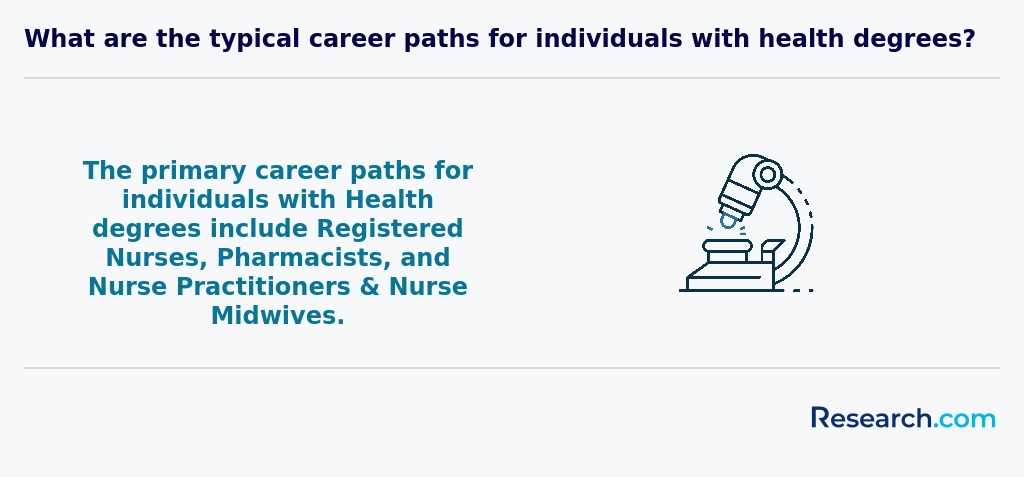
Graduates with a healthcare degree in the West find diverse career paths, from frontline nursing to advanced clinical roles. Many start as registered nurses, enjoying competitive salaries and hands-on patient care in urban hospitals or community clinics around Seattle and San Francisco. Some graduates from well-known institutions pursue further certification to become nurse practitioners, unlocking higher pay and leadership opportunities.
Others explore physician assistant positions, which are growing quickly due to supportive healthcare policies in states like California. These roles involve direct patient care in primary or specialty fields, blending autonomy with teamwork. Healthcare graduates also often enter management or public health sectors, leveraging their training to improve community wellness or oversee operations in healthcare facilities.
For students interested in innovation, biomedical research and health technology offer dynamic careers, particularly near major West Coast research centers. Many graduates emerging from regional universities find this path rewarding. Those looking for affordable options should check out the Cheapest Online Healthcare Degree Programs Ranking in Philadelphia, PA as a benchmark for cost-effective education.
These healthcare career opportunities in the West provide clear routes to fulfilling and stable jobs, reflecting a positive outlook supported by rising regional demand and competitive wages.
What is the job market for healthcare degree in the West?
The healthcare job opportunities in the West are strong and expanding rapidly, especially in states like California and Washington. Graduates from well-known universities in the region often find diverse roles available, ranging from registered nursing to healthcare administration. Many students from these programs share stories of landing jobs shortly after graduation due to high demand and local population growth. Large metropolitan areas, including those near popular colleges, offer numerous openings fueled by investments in healthcare infrastructure and technology.
West region healthcare employment outlook shows continued growth driven by state policies expanding Medicaid and innovation hubs in places like Silicon Valley. Graduates often describe the satisfaction of securing stable, well-paid positions, with wages exceeding national averages in many professions. For students planning their studies, considering cost and career outcomes is crucial. Exploring the quickest online degree programs for working adults can be a smart strategy to balance education and work while entering this thriving field.
Frequently Asked Questions About healthcare
Healthcare degree students in the Western United States can enhance their learning by engaging in clinical experiences early and often. According to the American Association of Colleges of Nursing (AACN), programs in this region emphasize hands-on training, which helps bridge theory and practice effectively.
Students should also take advantage of internships and partnerships with local hospitals and clinics. For example, California and Washington host many top-ranked healthcare facilities that offer diverse clinical placements.
Joining professional organizations like the Western Institute of Nursing provides networking opportunities and access to specialized resources that support career development.
Additionally, supplementing coursework with interdisciplinary studies in health policy or informatics can broaden their expertise and improve job prospects after graduation.
The healthcare field in the Western US is rapidly evolving, creating new opportunities for students pursuing degrees. Emerging niches include telehealth, which has grown significantly following the COVID-19 pandemic, with telemedicine visits increasing by over 150% according to the California Health Care Foundation. Another promising area is health informatics, combining data science and healthcare to improve patient outcomes, supported by job growth predictions from the Bureau of Labor Statistics (BLS) expecting a 17% increase by 2030.
Precision medicine is also gaining traction, focusing on personalized treatment based on genetic information. Additionally, geriatric care is expanding due to the aging Baby Boomer population in the West, making careers in elder care and chronic disease management increasingly vital.
Preparing for the job market after earning a healthcare degree in the Western United States requires strategic planning. First, obtaining relevant clinical experience during your studies is essential; internships or practicums offered through universities increase employability. According to the Bureau of Labor Statistics, healthcare occupations in the Western region are expected to grow by over 15% through 2031, indicating strong demand. Networking through professional organizations like the California Nurses Association or Oregon Health & Science University alumni groups enhances job opportunities. Additionally, certification in specialty areas, such as geriatric or emergency care, makes candidates more competitive. Tailoring resumes to highlight both skills and clinical exposure is critical.
Employers in the Western U.S. consistently prioritize strong communication skills for healthcare degree graduates. Clear interaction with patients and multidisciplinary teams improves care outcomes, as noted by the California Health Care Foundation. Critical thinking is another essential skill, enabling professionals to make swift, accurate decisions in fast-paced environments. According to the U.S. Bureau of Labor Statistics, adaptability has become increasingly important due to rapid technological advances and evolving healthcare policies in states like Washington and Oregon.
Technical proficiency, particularly in electronic health records (EHR) systems, is expected. The HealthIT.gov site highlights that 85% of healthcare jobs in the West require EHR familiarity. Lastly, cultural competence is vital to address the region's diverse populations effectively.
Finding internships relevant to healthcare degrees in the Western US involves several strategic steps. Start by exploring resources offered by your university's career center, which often partners with local hospitals and clinics. According to the California Healthcare Foundation, internships in California alone grew by 15% between 2020 and 2023, reflecting expanding opportunities.
Many healthcare programs require clinical hours, so prioritize accredited facilities and organizations. Additionally, leverage platforms like Handshake and LinkedIn to find listings tailored to Western states such as California, Oregon, and Washington. Networking with professors and attending local healthcare conferences can also open doors.
Remember to apply early, as competitive internships often fill quickly. State health departments frequently post openings, offering practical experience and exposure to public health initiatives specific to the region.
A healthcare degree significantly enhances career mobility and advancement for professionals in the Western United States. According to the Bureau of Labor Statistics (BLS, 2023), healthcare occupations in California, Washington, and Oregon are projected to grow between 15% and 20% by 2030, outpacing many other sectors. This growth creates diverse opportunities across clinical, administrative, and research roles.
Graduates with degrees such as nursing, health administration, or public health often find easier access to higher-paying roles or leadership positions. Western states also emphasize continuing education and certification, which healthcare degrees support by providing foundational knowledge and credentials.
Employers value formal education from accredited Western institutions because it aligns with regional healthcare standards and regulations, increasing job eligibility and promotion potential.
Healthcare degrees in the Western United States emphasize interdisciplinary training to prepare students for collaborative work environments. Programs at institutions like the University of Washington and Stanford University integrate coursework across nursing, public health, and medical technology.
Such education addresses workforce needs; the U.S. Bureau of Labor Statistics notes healthcare occupations are expected to grow 16% from 2021 to 2031, encouraging versatile skills. Students engage in team-based projects connecting clinical practice, health informatics, and social services.
Many Western schools also partner with local hospitals and community organizations, offering practical experiences that develop communication and leadership abilities critical for interdisciplinary roles.
Graduates are thus equipped to navigate complex healthcare systems where coordinating among diverse specialties is essential for patient outcomes.
Choosing between a thesis and a non-thesis healthcare degree in the Western US depends largely on your career goals. Thesis programs emphasize research and are ideal for students aiming for roles in academia, research hospitals, or pursuing doctoral studies. Non-thesis options focus on practical skills and coursework, suitable for those entering clinical or administrative healthcare positions.
According to the Western Interstate Commission for Higher Education, nearly 35% of healthcare graduate students in the West prefer non-thesis tracks for faster program completion. Thesis programs often require two additional semesters for research and defense, which can impact time and costs.
Consider your interest in research or hands-on experience, as well as long-term career plans, before deciding.
Students based in the Western United States seeking healthcare degrees abroad have diverse options tailored to their interests and career goals. Popular destinations include Canada and Mexico, offering a range of accredited medical and nursing programs recognized by US licensure boards. For example, Canadian universities often provide pathways that align well with US healthcare requirements, supporting clinical experience alongside strong research components.
Many Western students also explore Caribbean medical schools, which are known for providing access to US clinical rotations and residency placements. According to the Association of American Medical Colleges, roughly 20% of US physicians graduated from international medical schools, including those popular in the West.
These programs frequently emphasize flexibility and affordability-key factors for Western students balancing education and personal commitments.
Part-time job opportunities in the Western United States that complement healthcare degree education typically involve direct patient interaction, administrative support, or research assistance. Popular roles include medical scribing, where students document patient visits, gaining exposure to clinical workflows. According to the California Employment Development Department, healthcare support occupations are projected to grow by 18% through 2030, highlighting demand for such roles.
Other options are roles like certified nursing assistant (CNA) or pharmacy technician, which provide practical experience. Additionally, part-time research assistant positions at universities or hospitals offer valuable skills and insights into healthcare innovation. These jobs enhance resumes while providing income and relevant experience.
Healthcare students in the Western United States benefit from robust networking opportunities through universities, hospitals, and professional organizations. Many Western institutions partner with local medical centers, enabling students to connect with experienced healthcare professionals during clinical rotations and internships. According to the Western Interstate Commission for Higher Education (WICHE), these collaborations increase students' chances of employment within regional healthcare systems.
Additionally, students can join statewide chapters of national associations like the American Medical Student Association or the Healthcare Information and Management Systems Society. These groups host conferences and workshops in cities such as San Francisco and Seattle, facilitating valuable face-to-face interactions.
Online platforms and webinars are also growing, offering flexible networking for students balancing studies with other responsibilities. Overall, networking in the West is supported by diverse, accessible opportunities tailored to healthcare students' career development.
Alumni networks provide significant benefits to healthcare degree students in the Western United States by offering access to professional connections and resources. Many universities, such as those in California and Washington, have active alumni communities that help graduates find internships and job opportunities in hospitals and clinics. According to the National Academy of Medicine, networking can increase employment chances by up to 50% in healthcare fields.
These networks also provide mentorship programs, enabling students to receive guidance from experienced healthcare professionals. This support is crucial for navigating certification and licensing requirements specific to Western states like Oregon and Colorado.
Additionally, alumni events and online platforms foster knowledge sharing, helping students stay informed about regional healthcare trends and innovations.
Customizing a healthcare degree program in the Western US begins with selecting the right specialization, such as nursing, public health, or healthcare administration. Many universities allow students to choose electives aligning with their career goals. For example, University of California campuses offer tailored tracks in health informatics or community health.
Internships and clinical rotations across diverse settings enable hands-on experience relevant to specific fields. According to the Western Interstate Commission for Higher Education, over 60% of healthcare students in the West engage in such practical training to enhance job readiness.
Flexible options like part-time study and online courses also help students balance work and education while focusing on evolving industry needs.
Healthcare students in the Western United States often face several significant challenges during their education. One major issue is the high cost of healthcare programs, with annual tuition sometimes exceeding $30,000, as reported by the Western Interstate Commission for Higher Education (WICHE). This financial burden can lead to substantial student debt.
Another challenge is the rigorous academic workload combined with demanding clinical hours. Many students report stress and burnout due to the intensity and time commitment required.
Additionally, there is growing concern about limited clinical placement opportunities. Competition for internships and practicum sites in the West can delay graduation or reduce hands-on experience.
With a healthcare degree in the Western United States, graduates have numerous professional certification options to advance their careers. Common certifications include Certified Nursing Assistant (CNA), Registered Nurse (RN), and Licensed Practical Nurse (LPN), which are highly respected in the region's expanding healthcare industry.
Other options involve specialized certifications such as Certified Medical Assistant (CMA) and Registered Health Information Technician (RHIT). These certifications reflect growing demands in administrative and clinical roles. According to the California Employment Development Department, healthcare employment in the West is expected to grow by over 15% through 2030, increasing opportunities for certified professionals.
Graduates may also pursue certifications in fields like emergency medical services or health informatics, depending on their focus.
Writing a winning application for a healthcare program in the US West begins with a strong academic record. Admissions committees typically look for a minimum GPA of 3.0, especially in science courses like biology and chemistry. Highlighting relevant healthcare experience, such as volunteering or internships, can significantly strengthen your candidacy.
Carefully tailoring your personal statement to reflect your passion for healthcare and how the program aligns with your career goals is critical. Use clear examples to demonstrate your commitment and understanding of healthcare challenges.
Effective letters of recommendation from instructors or healthcare professionals can add credibility. Finally, meeting all application deadlines and requirements shows professionalism and attention to detail.
Healthcare careers are increasingly valued worldwide, with strong demand driven by aging populations and advances in medical technology. In the United States, the Bureau of Labor Statistics expects healthcare occupations to grow 13% from 2021 to 2031, much faster than average. This growth highlights opportunities for students pursuing healthcare degrees in the West.
Globally, healthcare professionals are vital to improving public health outcomes, especially in areas experiencing shortages of skilled workers. U.S. healthcare education emphasizes both clinical skills and research, preparing graduates for diverse roles including nursing, medicine, and allied health fields.
International recognition of U.S. healthcare qualifications often boosts career mobility, allowing graduates to work in various countries. This global perspective encourages students to consider the broader impact of their careers beyond domestic settings.
Gaining practical experience is crucial when studying for a healthcare degree in the West. Many universities in this region incorporate clinical rotations, internships, and lab work into their curricula. For example, nursing and allied health programs often require students to complete a set number of clinical hours in local hospitals or clinics. According to the California Board of Registered Nursing, students usually must complete at least 700 clinical hours before graduation.
Additionally, partnerships between universities and healthcare providers offer internships that provide hands-on learning. Volunteering or working part-time in healthcare settings also strengthens practical skills and improves job prospects after graduation.
Choosing the right concentration within a healthcare degree in the Western US depends on your career goals and interests. Popular options include nursing, public health, health informatics, and healthcare administration. For example, California and Washington state offer strong programs in nursing and health technology, reflecting regional demand.
Review job growth projections by the U.S. Bureau of Labor Statistics, which forecasts nurse practitioner roles to grow 45% through 2031, significantly higher than average. Salaries also vary: healthcare administrators in the West earn a median annual wage of around $100,000, while public health roles tend to start lower but offer diverse paths.
Consider factors like program accreditation by bodies such as CCNE or CAHME and partnerships with local healthcare providers for internships. Understanding regional healthcare needs and labor markets can guide your choice effectively.
Top Trending Healthcare Rankings
See What Experts Have To Say About Studying Healthcare
Read our interview with Healthcare experts

References
- Niche Market Opportunities Research Among Healthcare Professionals (A Decision Analyst Case History https://www.decisionanalyst.com/casestudies/nichemarketopportunities/
- Average Cost of Medical School [2025]: Yearly + Total Costs https://educationdata.org/average-cost-of-medical-school
- Job-Ready Healthcare Skills for 2026 https://cliniwave.in/blogs/latest-article/job-ready-healthcare-skills
- Trends and opportunities in healthcare across emerging markets - Inizio https://inizio.com/insights/trends-and-opportunities-in-healthcare-across-emerging-markets/
- Application Requirements https://www.westernu.edu/health-sciences/programs/master-of-healthcare-administration/application-requirements/
- Pursuing Your Career Goals: Strategies and Examples https://www.ultimatemedical.edu/blog/career-goals-importance-strategies-and-examples/
- Online Bachelor of Health Administration (BSHA) | WCU https://westcoastuniversity.edu/online-programs/bachelor-science-health-administration
- Online Degree vs. Traditional: Choosing the Right Path https://beal.edu/online-degree-vs-traditional/
- Health Sciences Study Abroad Programs - Healthcare Abroad https://www.ceastudyabroad.com/academic-discipline/health-sciences
- How to Succeed in a Difficult Job Market After Graduation https://www.hospitalrecruiting.com/blog/6542/how-to-succeed-in-a-difficult-job-market-after-graduation/


