
2027 Best Healthcare Degree Programs Ranking in Galveston

Co-Founder and Chief Data Scientist
Choosing the right healthcare degree program is an important step toward a rewarding career. If you're in Galveston and considering this path, this article is designed with you in mind.
The 2027 Best Healthcare Degree Programs Ranking in Galveston was developed by the Research.com team of data scientists to provide clear, data-driven insights. This ranking helps you identify programs that offer quality education and strong career prospects.
Reading this article will guide you toward making an informed decision and open doors to a fulfilling future in healthcare.
Key benefits of getting healthcare degree in Galveston
- Healthcare degree graduates in Galveston can earn competitive salaries such as $43,350 annually for Medical Assistants and Clinical Research Coordinators, or up to $103,150 for Quality Improvement Coordinators, reflecting strong financial benefits.
- Graduates from the University of Texas Medical Branch in Galveston often find diverse career paths in patient care, research coordination, and health information management, offering exciting opportunities to grow professionally.
- Obtaining a healthcare degree online from a Galveston institution allows for flexible learning schedules and faster entry into the workforce, making it an excellent option for busy students balancing work and family.
- Key benefits of getting healthcare degree in Galveston
- What can I expect from healthcare degree in Galveston?
- Where can I work with healthcare degree in Galveston?
- How much can I make with healthcare degree in Galveston?
- 2027 Best Healthcare Degree Programs Ranking in Galveston
- Key Findings
- How long does it take to complete healthcare degree in Galveston?
- Integrating Nutrition into Your Healthcare Career
- What's the difference between online and on-campus healthcare degree?
- Affordable Online Healthcare Degree Options
- What is the average cost of healthcare degree in Galveston?
- Student Life and Campus Experience in Galveston, TX
- What financial aid is available to healthcare degree students in Galveston?
- Licensure and Certification Requirements
- What are the prerequisites for enrolling in healthcare degree program in Galveston?
- Licensure and Certification Outcomes
- What courses are typically in healthcare degree programs in Galveston?
- What types of specializations are available in healthcare degree programs in Galveston?
- How do you choose the best healthcare degree in Galveston?
- What career paths are available for healthcare degree students in Galveston?
- What is the job market for healthcare degree in Galveston?
- Top Trending Healthcare Rankings
- See What Experts Have To Say About Studying Healthcare
What can I expect from healthcare degree in Galveston?
The average cost of a healthcare degree in Galveston tends to be pretty reasonable, especially if you're looking at public schools like the University of Texas Medical Branch (UTMB). Many students find that tuition is more affordable here compared to other Texas cities. Plus, there are often scholarships and financial aid options specifically aimed at healthcare students, which makes a big difference when managing expenses.
Graduates often share how UTMB's combination of hands-on learning and affordable tuition felt like a great deal. They loved that they could focus on their studies and clinical experiences without stressing too much about sky-high debt. The fact that UTMB offers everything from nursing programs all the way up to doctoral degrees means you can start your healthcare journey here without having to transfer elsewhere - saving loads on costs like moving or out-of-state fees.
It's also normal for students to find flexible financial support options that ease the burden, making Galveston a smart choice if you want solid training and a manageable cost.
Where can I work with healthcare degree in Galveston?
If you earn a healthcare degree in Galveston, you're looking at a ton of great job options right in your backyard. Many grads find themselves working at the University of Texas Medical Branch (UTMB), which is huge here and hires everyone-from nurses to medical researchers. It's cool because UTMB isn't just one place; it's hospitals, clinics, and labs all connected, so you get hands-on experience and steady work.
Other grads land jobs at places like Mainland Medical Center or Galveston Regional Medical Center. These spots cover everything from emergency care to rehab, so whether you see yourself helping patients daily or managing their health, there's a spot for you.
Public health is also a big deal here-working for the Galveston County Health District means you could be involved in community programs or fighting diseases, which is pretty rewarding. Plus, with Galveston so close to Houston's medical corridor, there are also chances to join biotech and pharma companies nearby, especially in research or health tech roles.
It's exciting because healthcare keeps growing around Galveston, so it's a smart move career-wise. Graduates from local colleges often share how their degree opened doors anywhere from hospitals to research labs, mixing hands-on patient care with cool behind-the-scenes roles.
How much can I make with healthcare degree in Galveston?
If you're wrapping up a healthcare degree in Galveston, like at UTMB, you're probably wondering how much cash you can pocket starting out. Medical assistants here pull in about $43,350 a year on average, according to recent Bureau of Labor Statistics data. That's a solid start when you're fresh out of school.
For those who dove a bit deeper into their studies and snagged roles like clinical research coordinators or health information technicians, the pay is pretty similar-around $43,350 to $43,380 annually, which keeps things steady while you build experience.
Moving up a notch, graduates landing jobs as patient care technicians are earning more, around $60,790 a year, which feels like a nice boost after a bit of hustle. And if you're aiming for bigger responsibilities, quality improvement coordinators make a strong $103,150 yearly, showing just how rewarding further specialization can be.
Many grads from Galveston's healthcare programs say knowing these figures helped them plan their budgets and career goals, making the whole journey feel more real and exciting. It's encouraging to see clear numbers while you're mapping out your path!
2027 Best Healthcare Degree Programs Ranking in Galveston
How do we rank schools?
Investing in your education is a significant decision that can shape your future, and the Research.com team understands the importance of making informed choices. To assist prospective students in Galveston, we have meticulously crafted the "2027 Best Healthcare Degree Programs Ranking in Galveston." Our commitment to quality, credibility, and accuracy is reflected in the extensive research and analysis conducted to compile this ranking.
We utilized the following reputable data sources to ensure a comprehensive evaluation of healthcare degree programs:
By exploring this ranking, readers will gain valuable insights into the top healthcare degree programs available in Galveston, empowering them to make well-informed educational decisions. For more details on our methodology, please visit our Research.com methodology page.
# 1 position
Galveston College
Bachelor of Applied Science in Healthcare Management

# 2 position
The University of Texas Medical Branch at Galveston
Bachelor of Science in Health Sciences

# 3 position
The University of Texas Medical Branch at Galveston
Master of Public Health
# 4 position
The University of Texas Medical Branch at Galveston
Doctor of Health Science
Key Findings
- Healthcare degrees in Galveston are offered mainly by the University of Texas Medical Branch (UTMB), including nursing, public health, and biomedical sciences programs.
- In-state tuition for nursing and public health degrees at UTMB ranges from $10,000 to $15,000 per year, while out-of-state students pay about double.
- New nursing graduates earn an average starting salary of around $65,000, with other healthcare roles starting between $50,000 and $70,000 annually.
- After five years of experience, healthcare salaries in Galveston typically increase to between $80,000 and $100,000 per year.
- Nursing jobs in Galveston are expected to grow by more than 15% over the next decade due to local healthcare demand and aging population.
- Students gain practical experience through clinical placements and internships, enhancing job readiness post-graduation.
How long does it take to complete healthcare degree in Galveston?
If you're thinking about getting a healthcare degree in Galveston, the time it takes really depends on what level you're aiming for. For example, many grads from local places like the University of Texas Medical Branch start with an associate degree in nursing or medical assisting, which usually takes about two years full-time. It's a pretty quick way to jump into the field and start working.
For those going the bachelor's route at schools around Galveston, like the Texas A&M Galveston campus, expect about four years. Graduates often talk about how the time flies, especially with hands-on experiences at UTMB's hospitals making classes feel more real and exciting.
If you want to step it up with a master's degree-say an MSN or MPH-it'll typically take another two years after your bachelor's. Lots of folks appreciate the part-time options too, because it lets them keep working while finishing up.
Doctoral programs, like a DNP or PhD, can be a longer journey, three to six years or more, but many grads say the deep dive into research and practice is totally worth it.
Integrating Nutrition into Your Healthcare Career
In today’s evolving healthcare landscape, integrating a strong foundation in nutrition is emerging as a vital asset for professionals seeking to deliver comprehensive patient care. With emphasis on preventative measures to combat chronic diseases, healthcare practitioners are increasingly recognizing the value of nutrition education in enhancing treatment outcomes. This supplementary perspective not only broadens clinical expertise but also enables graduates to offer holistic care in both traditional settings and innovative wellness programs. For example, many successful professionals have blended their healthcare degrees with targeted nutritional studies, which has been shown to improve patient compliance and overall health results. Additionally, prospective students can benefit from exploring curricula that include nutritional science topics, as these programs often highlight innovative models for patient education and community health outreach. To learn more about specialized online nutrition coursework, consider reviewing the ranking of the best online nutrition programs for insights on how integrating nutrition can further enhance your career prospects. Embracing nutritional knowledge as part of your healthcare education not only enriches your professional portfolio but also positions you to address the growing demand for holistic and preventative care practices in the industry.
What's the difference between online and on-campus healthcare degree?
If you're considering a healthcare degree in Galveston, the biggest difference between online and on-campus programs comes down to how you experience learning. Online degrees give you the freedom to study whenever and wherever you want, which is great if you're juggling work or family. Imagine finishing your assignments after the kids are asleep or during a lunch break-you get total control of your schedule.
On the flip side, on-campus programs-like those at the University of Texas Medical Branch-offer hands-on clinical practice that really boosts your skills. Graduates often talk about how cool it was to work directly with patients and connect with professors face-to-face. Plus, being on campus means easier access to local hospitals and healthcare employers, making job hunting a little less stressful.
Both options require clinical hours, but on-campus students often find placement smoother through university connections. Online students usually arrange local sites, which works well but takes a bit more legwork. Either way, Galveston healthcare programs aim to get you ready for that state license and real-world work.
Affordable Online Healthcare Degree Options
For students balancing budgets and busy schedules, online healthcare programs offer a cost-effective path to earning a credential without sacrificing quality. By reducing expenses associated with commuting, campus fees, and on-site housing, these programs help learners minimize debt while gaining essential clinical and administrative skills. Many accredited institutions now provide fully online bachelors and associate degrees in health information management, health sciences, and allied health fields, allowing you to complete coursework asynchronously and tailor your study plan to your life commitments. When evaluating online options, consider total tuition, technology fees, and any required on-site clinical hours. Some programs partner with local Galveston hospitals and clinics to arrange supervised practicums close to home, ensuring hands-on experience without long-distance travel. Additionally, scholarships and institutional grants often apply to online learners, further lowering out-of-pocket costs. For those specifically interested in managing patient records, health data analytics, or compliance with healthcare regulations, exploring the most affordable online health information management degree programs can be an excellent starting point. These programs typically feature stackable credentials-such as certificates in medical coding or electronic health record management-that seamlessly build toward a full degree while keeping expenses manageable. By choosing an online healthcare degree in Galveston, you gain flexible learning, direct access to digital labs and simulated clinical environments, and the ability to network virtually with peers and professionals. This approach not only empowers you to advance your career on your own terms but also ensures you graduate prepared for the evolving demands of the healthcare industry.
What is the average cost of healthcare degree in Galveston?
When you're figuring out the average cost of a healthcare degree in Galveston, you'll find that the total tuition and fees usually come in around $18,918. For many students attending popular schools like the University of Texas Medical Branch, this number matches up pretty well with what they end up paying overall. In-state students often find it more affordable, with some spending closer to $3,446 in tuition alone, which really helps ease the financial pressure while juggling the demands of healthcare programs.
Graduates often share stories about balancing coursework with part-time jobs or scholarships to manage expenses, making the healthcare journey feel achievable. The costs cover a range of things beyond just tuition-think books, supplies, and specialized fees for clinical sessions. Living expenses can add up too, as housing and food in Galveston typically run between $10,000 and $15,000 a year. Despite these extra costs, many students feel that the investment is worth it because of the quality education and hands-on experience they get.
Since prices can vary, it's smart to explore opportunities to reduce costs. For example, those aiming for the most affordable healthcare programs in texas have a solid shot at finding financial aid and scholarships that fit healthcare studies specifically in this region. Knowing these options can make the path to a healthcare degree in Galveston feel less daunting and more exciting.
Student Life and Campus Experience in Galveston, TX
Beyond rigorous academics and clinical practice, understanding the student life and campus experience is pivotal when selecting a healthcare degree program in Galveston, TX. Prospective students benefit from insights into vibrant campus communities, supportive peer networks, and opportunities for extracurricular enrichment that bolster academic success. Many institutions offer state-of-the-art simulation centers, student organizations, and mentorship programs designed to enhance practical skills while building lasting professional relationships. In addition to student clubs and community service initiatives, campuses frequently organize health fairs, guest lectures, and career panels-events that allow students to engage with healthcare professionals and local industry leaders, thereby gaining exposure to real-world challenges and innovative solutions. For example, discovering the most affordable healthcare programs in texas can further assist students in balancing quality education with financial considerations. By integrating academic excellence with a robust campus life, healthcare programs in Galveston not only cultivate technical expertise but also foster critical soft skills like teamwork, leadership, and communication, all of which are essential in today’s competitive healthcare landscape.
What financial aid is available to healthcare degree students in Galveston?
If you're aiming for a healthcare degree in Galveston, there are plenty of ways to get financial help. Many students at the University of Texas Medical Branch (UTMB), for example, lean on federal aid by filling out the FAFSA. This can unlock Pell Grants that don't need to be paid back, sometimes covering up to $7,395 a year. It's a real lifesaver when tuition feels overwhelming.
Loans are another option, and the federal government offers several with low interest rates and flexible payback plans tailored to healthcare grads. Some students find that these make managing debt after school much easier.
On top of federal sources, UTMB and other local schools often provide scholarships and work-study gigs that really take a chunk out of costs. Plus, if you're already working in a hospital or clinic around Galveston, your employer might pitch in through tuition reimbursement programs.
Oh, and don't overlook private scholarships from groups like the Texas Nurses Foundation-lots of folks have scored those to help fund their studies. It's definitely worth checking out state-specific programs, too, which sometimes focus on areas like nursing.
Licensure and Certification Requirements
Before you can practice in Galveston, graduates must secure state licensure. Key steps include:
- Graduate from an accredited program approved by the Texas Board of Nursing or the relevant licensing board.
- Submit your application, fees, and fingerprint-based background check to the Texas Board of Nursing (for RNs) or Texas Medical Board.
- Pass the required exam(s): NCLEX-RN for registered nurses; national certification exams for other specialties.
- Complete any additional credentials (e.g., CPR, ACLS) mandated by employers or clinical sites.
- Renew your license biennially with required continuing education hours to stay compliant.
For nursing students seeking streamlined admissions, consider no entrance exam nursing schools to start your path efficiently.
What are the prerequisites for enrolling in healthcare degree program in Galveston?
If you're thinking about jumping into a healthcare degree in Galveston, you'll want to know the basics you need to get started. Most programs, like those at the University of Texas Medical Branch (UTMB), expect you to have a high school diploma or GED and be comfortable with biology, chemistry, and math. Graduates often talk about how those science and math classes really set them up to handle the tough stuff later on.
Many students also mention that having completed some college-level courses-think anatomy or microbiology-gave them a huge confidence boost when applying for advanced degrees. Plus, don't forget proof of immunizations, background checks, and drug screenings, because you'll be working in clinical settings where safety is a big deal.
On top of that, letters of recommendation and a personal statement help schools get a sense of your passion for healthcare. Real-world experience matters too-volunteering at a hospital or clinic isn't just a resume filler; it actually helps you understand what to expect and tells admissions you're serious.
All in all, preparing these prerequisites feels like a lot, but hearing from grads who've been through it makes it seem doable and totally worth it.

Licensure and Certification Outcomes
Healthcare graduates in Galveston, TX, must satisfy state licensure and national certification requirements to practice professionally. Most programs at institutions like the University of Texas Medical Branch and Galveston College are designed to align with Texas Board of Nursing (BON) regulations and the National Council Licensure Examination (NCLEX) for Registered Nurses. Recent data shows an NCLEX pass rate of 92% for BSN graduates in Galveston, exceeding the state average of 88%. For allied health fields-such as Radiologic Technology and Health Information Management-accreditation by bodies like the Joint Review Committee on Education in Radiologic Technology (JRCERT) and Commission on Accreditation for Health Informatics and Information Management Education (CAHIIM) ensures eligibility for ARRT and RHIA certification exams, respectively. To maximize certification success, programs include dedicated review courses, simulated exam labs, and one-on-one mentoring from experienced faculty. Students benefit from on-campus testing centers and partnerships with local hospitals offering clinical rotations that mirror licensure scenarios. For those exploring flexible pathways, our Affordable Online Healthcare Degree Programs Ranking in Peoria, IL provides insight into accredited online options with strong certification support. Understanding these licensure milestones early in your academic journey empowers you to choose a program that not only delivers academic rigor but also sets you up for immediate exam success and seamless entry into the workforce.
What courses are typically in healthcare degree programs in Galveston?
If you're diving into a healthcare degree in Galveston, expect courses that really cover all the bases. Graduates from places like the University of Texas Medical Branch (UTMB) often talk about how classes like Human Anatomy and Physiology gave them a solid grasp of how the body works, which made clinical rotations way less intimidating. Medical Terminology is another favorite because it helped them decode the "secret language" doctors and nurses use daily.
Microbiology and Pharmacology bring in the science behind infections and meds, so you'll feel confident understanding treatments during your hospital shifts. Health Assessment classes teach you the hands-on skills for checking patient vitals-something grads remember as a real confidence booster before their first internships.
Ethics and Healthcare Law aren't just lectures: they prepare you to handle tricky situations with patients compassionately and professionally. Plus, courses like Healthcare Informatics show you how tech supports patient care nowadays-super relevant in Galveston's busy medical hubs.
Most grads say the mix of practical and classroom work at UTMB really helped them feel ready to jump into real-world healthcare jobs with a smile.
What types of specializations are available in healthcare degree programs in Galveston?
If you're diving into healthcare degree specializations in Galveston, you'll find a bunch of options that really prepare you for the real world. For example, nursing is super popular here, covering everything from registered nurse paths to advanced practice roles. Graduates often rave about the hands-on clinical experience they got at places like UTMB, which makes the tough coursework feel rewarding and totally worth it.
Public health is another well-known specialization, especially at UTMB, where students get to work on actual community health projects. It's all about making a difference on a larger scale, which many grads find incredibly fulfilling. Plus, Galveston offers scientific specialties like medical laboratory sciences and health informatics, perfect if you're into diagnostics or data management in healthcare systems.
Other neat choices include physical, occupational, and respiratory therapy - all focused on helping people regain their strength or breathe easier. These programs make sure you're ready to jump into hands-on care. If you're curious about how nutrition fits in, don't miss the ranking of the best online nutrition programs, which can nicely complement your healthcare studies in Galveston.
It's pretty clear that Galveston healthcare degree program options cover a wide spectrum to fit different passions and career goals.
How do you choose the best healthcare degree in Galveston?
Picking the best healthcare degree programs in Galveston starts with thinking about what kind of job you want and the kind of training you'll get. Many students from UTMB share how the hands-on experience at their teaching hospitals made all the difference in feeling ready for their careers. Finding programs that are properly accredited is also a big deal-without it, you might hit roadblocks when trying to get certified or hired. Plus, keep an eye on tuition costs; local schools often offer more affordable healthcare degrees Galveston TX residents can manage, but don't forget to budget for living expenses too.
Another thing grads love about studying here is the strong connections universities have with local healthcare providers, which helps with internships and job placement. If you're interested in online options, you might want to check out the most affordable online health information management degree programs that fit your budget and schedule.
What career paths are available for healthcare degree students in Galveston?
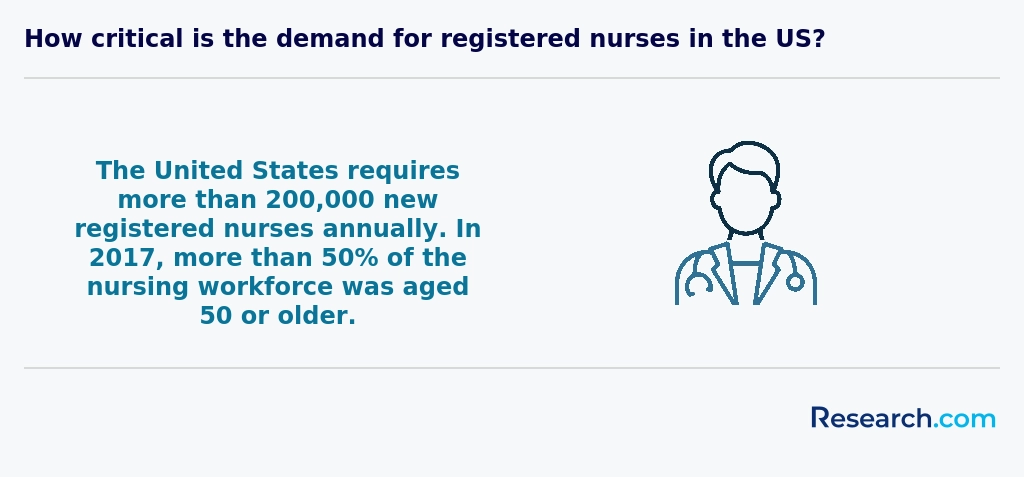
If you're pursuing a healthcare degree career options Galveston has plenty to offer, especially with the University of Texas Medical Branch (UTMB) right here. Graduates often find themselves stepping into roles like registered nurses, where many report feeling proud making a solid $75K a year while working in busy hospitals or pediatric units. Others jump into physician assistant programs, benefiting from a booming job market growing at 31% nationally, with Texas salaries near $112K. It's common to hear grads talk about how UTMB's strong ties with local clinics helped them land these cool positions easily.
For those leaning toward public health, career options in Galveston include epidemiology and community health education, where you can really see your work impact neighborhoods, thanks to programs at UTMB's School of Public Health. Many grads say it feels rewarding to contribute directly to managing healthcare systems while earning around $70K. Plus, if tech roles like lab or radiologic tech spark your interest, the booming Houston-Galveston healthcare job scene is a great place to get started.
Don't forget to weigh the cost of your education - Texas public universities usually charge about $10,610 per year for in-state students, which is pretty reasonable. If you want to explore more options, check out the Affordable Online Healthcare Degree Programs Ranking in Peoria, IL for ideas beyond Galveston!
What is the job market for healthcare degree in Galveston?
If you're thinking about healthcare job opportunities in Galveston, you're in luck. The city's strong medical scene, especially with places like the University of Texas Medical Branch (UTMB), creates tons of chances for graduates to find work. Many grads from local schools share how their nursing or health administration degrees directly connected them to roles in hospitals and clinics right after finishing. The demand for healthcare pros here isn't just talk-it's real, with nursing and allied health jobs growing fast because Galveston's aging population needs more hands-on care.
It's common to hear from recent grads that salaries are competitive, with registered nurses earning around $77,000 on average in the region. Plus, facilities value specialized skills, so degrees aligned with community health needs are a big win. If cost is something on your mind, options like UTMB keep tuition reasonable compared to other spots, and you can explore aid opportunities, like loan forgiveness, especially if you plan to serve underserved parts of Galveston County.
For those still choosing programs, checking out the best accelerated online associate degrees could open doors to quicker entry into the field, fitting well with the local healthcare degree employment outlook.
Frequently Asked Questions About healthcare
Healthcare students in Galveston can maximize their learning by engaging actively in hands-on clinical experiences offered locally. The University of Texas Medical Branch (UTMB) in Galveston is a key institution providing access to diverse healthcare settings, including hospitals and community clinics. Research shows students involved in clinical rotations and internships gain better practical skills and job readiness.
Additionally, students should leverage local networking opportunities through healthcare organizations and professional events. Galveston's position near Houston's medical corridor increases chances for mentorship and collaborations.
Utilizing campus resources such as simulation labs and joining student healthcare societies further enhances learning. Staying informed about evolving healthcare policies in Texas also supports academic success.
Healthcare is rapidly evolving, and several emerging niches are shaping future career opportunities in Galveston. One prominent area is telehealth, which grew by over 50% nationwide since 2020 and is expanding locally, improving access for patients in remote parts of Galveston County (Texas Health and Human Services, 2023).
Another growing field is geriatric care, driven by an increasing elderly population in Galveston. The U.S. Census Bureau reports a steady rise in residents over 65, creating demand for specialized healthcare providers focused on aging-related conditions.
Additionally, healthcare data analytics is gaining importance as hospitals and clinics adopt electronic health records and predictive tools. Professionals skilled in interpreting health data support better patient outcomes and system efficiency.
Finally, regenerative medicine and biotechnology are emerging, with nearby research institutions contributing to innovation. These niches offer exciting opportunities for students aiming to advance healthcare through science and technology.
After completing a healthcare degree in Galveston, preparing for the job market involves strategic steps tailored to the local industry. Galveston's healthcare sector benefits from institutions like UTMB Health, a major employer offering diverse opportunities for graduates. Networking through local healthcare job fairs and professional associations, such as the Galveston County Medical Society, can enhance employment prospects.
Obtaining relevant certifications and licenses, especially for nursing or specialized healthcare roles, is essential to meet state requirements. Additionally, gaining practical experience through internships or volunteer work in Galveston's hospitals or clinics strengthens resumes and skill sets in this competitive market.
Research from the Texas Workforce Commission indicates growing demand in healthcare roles in Galveston with an expected 10% job growth by 2030, underscoring the importance of targeted job preparation.
Employers in Galveston seek healthcare degree graduates who demonstrate strong communication skills, critical thinking, and clinical competence. According to the Texas Workforce Commission, effective patient interaction and the ability to work collaboratively in multidisciplinary teams are essential in this region. Additionally, expertise in electronic health records and familiarity with healthcare regulations such as HIPAA are highly valued.
Technical skills tailored to Galveston's healthcare sector, including emergency care and aging population management, are increasingly important. Local hospitals report a preference for graduates who show adaptability and problem-solving abilities under pressure. Continuous learning and certification, such as CPR or specialized nursing credentials, also enhance employability in this competitive market.
Finding internships in Galveston relevant to healthcare degrees involves targeting local medical institutions and university resources. The University of Texas Medical Branch (UTMB) is a key player, offering numerous internship opportunities in nursing, public health, and biomedical science. UTMB's clinical partnerships help students gain practical experience in hospitals and research centers.
Students should also explore Galveston's network of hospitals, clinics, and public health agencies, which often host internships for healthcare students. Contacting career services at local colleges can provide leads on these positions.
Networking at healthcare events and joining professional organizations like the Texas Medical Association improves chances of securing internships.
A healthcare degree significantly enhances career mobility and advancement opportunities in Galveston, a city with a strong medical and research presence. Graduates with healthcare qualifications can access diverse roles in hospitals, research institutions, and public health agencies, driven by the city's expanding healthcare sector.
The University of Texas Medical Branch (UTMB) in Galveston is a prominent employer and partner for graduates. According to the Texas Workforce Commission, healthcare occupations in the Galveston-Houston area are expected to grow by over 15% from 2020 to 2030, outpacing many other fields.
Holding a degree facilitates eligibility for advanced certifications and leadership roles, paving the way for promotions and higher salaries. Overall, a healthcare degree in Galveston provides a strong foundation for long-term career growth within a thriving medical community.
Studying for a healthcare degree in Galveston offers unique opportunities to develop interdisciplinary skills. Local programs emphasize collaboration among fields such as nursing, medicine, public health, and biomedical sciences. This approach reflects the integrated nature of modern healthcare, where professionals must work together to improve patient outcomes.
Galveston's institutions often partner with leading hospitals and research centers, providing hands-on experiences in team-based care settings. According to the Texas Higher Education Coordinating Board, over 40% of healthcare graduates from Galveston participate in interdisciplinary clinical rotations, enhancing real-world teamwork skills.
This preparation is vital, as healthcare increasingly relies on communication across specialties to address complex health challenges effectively.
Choosing between a thesis and a non-thesis healthcare degree program in Galveston depends on your career goals and learning preferences. Thesis programs typically involve conducting original research, which is ideal if you plan to pursue a PhD or work in research-oriented roles. Non-thesis options focus more on practical skills and coursework, better suited for immediate clinical or administrative healthcare positions.
In Galveston, where healthcare institutions like UTMB emphasize research, thesis programs may offer closer ties to ongoing studies. However, non-thesis programs often allow faster completion, appealing to working professionals. Data from the Texas Higher Education Coordinating Board shows healthcare degrees with theses average two years, while non-thesis options average 1.5 years.
Students based in Galveston seeking healthcare degrees abroad have several pathways through U.S. higher education partnerships and exchange programs. The University of Texas Medical Branch (UTMB) in Galveston, renowned for its healthcare programs, often collaborates with international institutions, enabling students to gain clinical experience overseas.
Options include study abroad programs focused on public health, nursing, and biomedical sciences. These opportunities typically last a semester or summer term and provide exposure to global healthcare systems. The National Center for Education Statistics reports that about 10% of U.S. healthcare students participate in some form of international study.
Additionally, organizations like Global Health Education Consortium offer resources for finding accredited global programs that align with U.S. curriculum standards. This ensures credits transfer smoothly. Galveston students should also consider institutions in Canada and Europe where U.S. healthcare credentials are widely recognized, supporting future licensure.
Galveston offers various part-time job opportunities that complement healthcare degree education, providing practical experience and financial support. Many students find roles as patient care technicians or medical assistants in local hospitals such as the University of Texas Medical Branch (UTMB), a leading health institution in the region. These positions help students develop clinical skills and understand patient interaction.
Pharmacies and clinics in Galveston also offer part-time roles in pharmacy technician assistance or administrative support, helping students gain insight into medication management and healthcare operations. Additionally, positions in home health services or elder care agencies allow hands-on experience with diverse patient populations.
According to the Texas Workforce Commission, healthcare support occupations in Galveston are projected to grow by 15% through 2030, emphasizing strong demand for part-time healthcare workers in the area.
Healthcare students in Galveston benefit from strong networking opportunities due to the city's focus on medical education and research. The University of Texas Medical Branch (UTMB) in Galveston is a central hub, hosting numerous events, conferences, and seminars that connect students with healthcare professionals and researchers.
Local hospitals and clinics, many affiliated with UTMB, offer clinical rotations where students can build professional relationships. Organizations like the Galveston County Medical Society provide forums for networking and mentorship.
Additionally, Galveston's participation in Texas-wide healthcare initiatives facilitates access to broader industry contacts, enhancing job prospects after graduation.
Alumni networks play a crucial role for healthcare degree students in Galveston by providing access to professional connections and career opportunities. Galveston, home to notable institutions like the University of Texas Medical Branch (UTMB), benefits from a strong local healthcare community. Alumni from such programs often work in nearby hospitals, clinics, and research centers, creating valuable mentorship and internship pathways.
These networks also offer students guidance on licensure preparation and continuing education, essential for various healthcare professions. According to UTMB, their alumni network assists in job placements, with nearly 80% of graduates finding employment within Texas healthcare systems.
Overall, an active alumni community enhances professional development and local job accessibility for students pursuing healthcare degrees in Galveston.
Customizing a healthcare degree program in Galveston allows students to align their education with specific career goals. Many local institutions offer flexible coursework, enabling students to choose electives in specialties such as nursing, public health, or health administration. For example, the University of Texas Medical Branch (UTMB) in Galveston provides tailored programs with options for clinical experience, research, and leadership development. Internships and partnerships with local healthcare providers give practical insights and networking opportunities. According to the Texas Higher Education Coordinating Board, healthcare fields in Galveston are growing, making customization advantageous for future job prospects and specialization.
Healthcare students in Galveston often face several common challenges related to the demanding nature of their education. One significant hurdle is balancing rigorous coursework with clinical rotations, which require students to spend long hours in local hospitals and clinics. Galveston's healthcare system, including institutions like UTMB Health, offers valuable hands-on experience but also adds pressure to manage time effectively.
Another challenge is the financial burden. According to recent data from the Texas Higher Education Coordinating Board, the average cost of healthcare programs in the region can exceed $30,000 annually, posing difficulties for many students.
Additionally, students may encounter limited affordable housing options near campus, which impacts their daily commute and overall well-being. Mental health concerns are also increasingly reported among healthcare learners due to stress and workload.
With a healthcare degree in Galveston, you can pursue several professional certifications that enhance your career prospects. Popular options include the Registered Nurse (RN) license, essential for those in nursing careers. Certifications such as Certified Medical Assistant (CMA) and Certified Pharmacy Technician (CPhT) are also attainable with relevant training. For advanced roles, certifications like the Certified Health Education Specialist (CHES) and Clinical Research Professional (CCRP) may be pursued.
Galveston's medical institutions, such as the University of Texas Medical Branch, support certification preparation and continuing education. According to Texas Workforce Commission data, healthcare jobs with certification grow faster than average in the region.
Writing a winning application for a healthcare program in Galveston starts with clearly demonstrating your motivation and relevant experience. Admissions committees value applicants who show commitment to healthcare through volunteer work, internships, or employment in clinical settings. Including specific examples of your hands-on experience can strengthen your application.
Galveston is home to institutions like the University of Texas Medical Branch, which emphasize academic excellence and community involvement. Your personal statement should reflect understanding of local healthcare challenges, such as those detailed by the Galveston County Health Department.
Strong letters of recommendation from healthcare professionals or educators familiar with your skills are essential. Finally, ensure your academic records highlight strong performance in science courses, as these are critical for healthcare programs in the U.S.
The global demand for healthcare professionals continues to rise, fueled by aging populations and increased chronic diseases. In the United States, including regions like Galveston, healthcare careers offer strong job stability and competitive salaries. According to the U.S. Bureau of Labor Statistics, healthcare occupations are projected to grow 16% from 2021 to 2031, much faster than the average for all jobs.
Globally, healthcare roles vary widely, but core skills remain consistent, emphasizing patient care, communication, and adaptability. For students in Galveston, earning a healthcare degree locally offers access to programs linked with leading medical institutions like the University of Texas Medical Branch, known for its global research collaborations.
Healthcare careers also offer international mobility. Skills acquired through U.S. education and training are often recognized worldwide, providing graduates with opportunities beyond domestic borders. This global perspective is crucial as healthcare challenges and solutions increasingly cross countries and continents.
Gaining practical experience while studying for a healthcare degree in Galveston is essential for building skills and improving career prospects. Many local programs incorporate clinical rotations or internships as mandatory parts of the curriculum. For example, students at the University of Texas Medical Branch (UTMB) have access to diverse clinical settings, including hospitals and community clinics, allowing hands-on work with patients.
Additionally, Galveston's healthcare facilities often partner with educational institutions to provide externships and volunteer opportunities. These experiences help students apply theoretical knowledge and develop professional networks. According to UTMB data, over 80% of healthcare students complete clinical placements locally before graduation.
Choosing the right concentration within a healthcare degree program in Galveston begins with understanding your career goals and interests. Galveston, home to established medical institutions like UTMB Health, offers diverse healthcare fields ranging from nursing and public health to biomedical sciences. Research local job market trends; for example, Texas Workforce Commission data highlights a growing demand for advanced practice nurses and healthcare administrators in the area. Consider program accreditation and clinical opportunities available in Galveston's hospitals, which can enhance practical experience. Speaking with advisors and local professionals can provide insight into which concentrations align best with workforce needs and future growth.
Related Healthcare Rankings for Nearby Cities
- 2027 Best Healthcare Degree Programs Ranking in San Antonio
- 2027 Best Healthcare Degree Programs Ranking in Dallas
- 2027 Best Healthcare Degree Programs Ranking in Fort Worth
- 2027 Best Healthcare Degree Programs Ranking in Denton
- 2027 Best Healthcare Degree Programs Ranking in Hattiesburg
- 2027 Best Healthcare Degree Programs Ranking in Abilene
- 2027 Best Healthcare Degree Programs Ranking in Little Rock
- 2027 Best Healthcare Degree Programs Ranking in Mobile
- 2027 Best Healthcare Degree Programs Ranking in Oklahoma City
- 2027 Best Healthcare Degree Programs Ranking in Memphis
Top Trending Healthcare Rankings
See What Experts Have To Say About Studying Healthcare
Read our interview with Healthcare experts

References
- Alumni Reconnect - Poznan University of Medical Sciences https://pums.edu.pl/alumni-friends/alumni-reconnect/
- Global Perspectives – Healthcare Beyond Borders https://www.cedars-sinai.org/international-stories/healthcare-beyond-borders.html
- Niche Markets in Healthcare: How to Find & Target https://nechayadvisors.com/blog/niche-markets-in-healthcare
- The impact of postgraduate education on career advancement in healthcare https://sets.com.ua/journals/vol-3-no-2-2024/the-impact-of-postgraduate-education-on-career-advancement-in-healthcare
- Interdisciplinary Education and Practice https://www.aacnnursing.org/news-data/position-statements-white-papers/interdisciplinary-education-and-practice
- GC Nursing programs prepare students for rewarding healthcare careers, application deadline is May 9 https://gc.edu/news/nursing-applications-2025.php
- Pursuing Your Career Goals: Strategies and Examples https://www.ultimatemedical.edu/blog/career-goals-importance-strategies-and-examples/
- Niche Market Opportunities Research Among Healthcare Professionals (A Decision Analyst Case History https://www.decisionanalyst.com/casestudies/nichemarketopportunities/
- Health Management Careers https://www.ache.org/Career-Resources/Start-Your-Career/Health-Management-Careers
- Academics https://www.utmb.edu/education


