2027 Most Affordable Online Healthcare Management Degree Programs Ranking in the Northeast

Co-Founder and Chief Data Scientist
Choosing the right healthcare management degree program can feel overwhelming, especially with so many options available online. For students in the Northeast, finding an affordable and reputable program is key to building a successful career.
This article presents the 2027 Most Affordable Online Healthcare Management Degree Programs Ranking in the Northeast, developed by the Research.com team of data scientists. It's designed to help you make an informed decision on which programs offer the best value and quality.
Exploring healthcare management opens doors to meaningful work in a growing field. With this guide, you can confidently take a step toward a brighter future.
Key benefits of getting online healthcare management degree in the Northeast
- Healthcare management graduates in the Northeast can expect competitive salaries, with many roles in the field earning annual wages around $90,000 to $120,000, reflecting strong demand and rewarding pay.
- Career options include hospital administration, health services management, and consulting, offering graduates from well-known local schools diverse opportunities to grow and lead in healthcare.
- Online healthcare management degrees provide flexibility, allowing students to balance work and study, often leading to quicker career advancement, as seen with graduates from reputable Northeast universities.
- 2027 Most Affordable Online Healthcare Management Degree Programs Ranking in the Northeast
- What can I expect from online healthcare management degree in the Northeast?
- Where can I work with online healthcare management degree in the Northeast?
What can I expect from online healthcare management degree in the Northeast?
Picture yourself juggling work, family, and ambition while diving into an online healthcare management degree from a renowned Northeast university like Northeastern or Rutgers. The average cost tends to dance around $20,000 to $50,000, depending on the program's prestige, length, and the degree level. Graduates often describe the investment as a ticket to a future where their evenings are peppered with dynamic multimedia lectures instead of dull classroom hours.
One graduate recalls how affordable tuition paired with flexible schedules allowed them to pivot careers without draining savings. Meanwhile, another shares how access to internships at Massachusetts General Hospital added priceless hands-on experience for roughly the same cost as a car lease. The financial commitment feels lighter knowing many programs in the region hold CAHME accreditation, ensuring quality education that translates into competitive salaries.
The real cost isn't just dollars; it's the chance to mold one's future while staying rooted in the bustling, healthcare-rich Northeast landscape. Priceless, some say.
Where can I work with online healthcare management degree in the Northeast?
Graduates from online healthcare management programs in the Northeast often find themselves immersed in vibrant, fast-paced environments like Boston's teaching hospitals or the sprawling healthcare networks of New York City. Picture a graduate from a university in Massachusetts confidently navigating the administrative labyrinth of Mass General Brigham, coordinating teams to optimize patient care flow with a spark of innovation learned during their studies.
Others step into roles within Pennsylvania's insurance giants, weaving through complex reimbursement policies, their education turning theory into impactful strategy. Imagine a Delaware graduate working alongside policy makers at state public health agencies, launching initiatives that tangibly improve community wellness. Their online degree was the bridge connecting digital classrooms to influential boards tackling real health crises.
The Northeast's unique blend of cutting-edge research hubs and community health centers means career paths are as diverse as the region's population. Clinical managers in New Jersey juggle cutting-edge healthcare tech upgrades while balancing compassion, all fueled by insights gained in their online education, proving these degrees open doors beyond traditional settings.
Picture yourself, fresh from an online healthcare management degree at a top Northeast school, stepping into a bustling hospital in Boston or a busy insurance office in Philadelphia. Here, entry-level salaries start around $65,000 to $75,000, the salary acting like a springboard into a dynamic career. Your degree, combined with real-world savvy and certifications like the Certified Healthcare Administrative Professional (cHAP), opens doors to management roles where wages can soar beyond $120,000.
Graduates from universities such as Northeastern or Rutgers often share stories of early promotions, buoyed by the Northeast's vibrant healthcare ecosystem. Imagine managing a busy outpatient facility in New York City, where the median annual salary reaches upward of $118,000-figures that reflect not just the job but the region's competitive healthcare market and cost of living.
And it's not just about the paychecks. Many in the field enjoy bonuses, healthcare plans, and retirement benefits, enriching the total package. With each credential earned online while working day jobs, the path forward grows clearer and more rewarding.
- Online healthcare management degrees in the Northeast typically cost between $15,000 and $40,000, with public universities offering lower tuition than private ones.
- Graduates can expect entry-level salaries starting around $60,000 per year, with mid-career professionals earning between $85,000 and $110,000 annually.
- The job market for healthcare management is projected to grow about 28% nationwide from 2020 to 2030, with the Northeast showing similar or slightly higher growth.
- Popular careers include healthcare administrators, practice managers, clinical managers, and health information managers.
- Many programs focus on practical skills and leadership training to prepare students for diverse roles in healthcare management.
Picture yourself juggling a full-time job in bustling Boston or New York City while chasing that online healthcare management degree. For many, the journey through an associate degree takes about 2 years if you're diving in full-time, but part-time students might feel like time bends, stretching it to 3 or even 4 years. Graduates from Massachusetts colleges often celebrate completing their bachelor's after 4 intense years-or savor balancing life and study with up to 6 years part-time, moving at their own pace.
Then there are those master's hopefuls embracing a faster, adrenaline-fueled ride. With programs near Philadelphia accredited by CAHME, full-time students hammer through 36 to 42 credits in 18 to 24 months. Accelerated tracks light a fire, shaving that timeline down to a year, demanding grit and passion. Part-timers, meanwhile, weave studies into their busy lives, welcoming a 3-year dance between coursework and career.
Across the Northeast's online campuses, each graduate's timeline is a personal story of resilience, guided by flexible programs that adapt to their ambitions and life rhythms.
Imagine juggling a day job in bustling Boston while earning a healthcare management degree from Northeastern University-online students thrive on this freedom, accessing lectures and submitting assignments whenever the moment suits their whirlwind lives. These graduates savor the luxury of molding their study schedule around family dinners and late-night brainstorming, escaping the rigid 9-to-5 classroom grind that on-campus peers at Rutgers feel tethered to.
Yet, with that flexibility comes a different kind of connection. On-campus cohorts bask in spontaneous hallway chats and face-to-face debates, weaving personal bonds that blossom into professional networks. They feel the pulse of campus life beneath their feet, an energy that fuels learning beyond textbooks.
Cost-wise, online learners in the Northeast often experience a financial breeze, sidestepping commuting and housing costs that hover heavily over traditional students' shoulders. Graduates recall saving 20-30% on their total expenses, making their degree not just a ticket to leadership roles, but a smart investment aligned with their hectic, real-world rhythms.
The average cost of an online healthcare management degree in the Northeast hovers around $37,000, with in-state students often paying slightly less-close to $36,580-while out-of-state learners may see totals near $41,640. Graduates from well-regarded public universities in states like New York and Massachusetts frequently share stories of balancing ambitious goals with carefully budgeted tuition, appreciating how accessible pricing helped them focus on mastering healthcare systems rather than stressing over finances. This balance is key to finding affordable online healthcare management programs Northeast.
Imagine a student juggling a full-time job and evening classes, enrolling through a public university that offers regional tuition agreements-this can turn a daunting cost into an achievable investment in career growth. Many students reflect on the relief and motivation they felt once they discovered institutions where total costs were competitive, yet the quality of education remained stellar. Those diving into healthcare leadership emerge ready to innovate, supported by degrees that weigh financial feasibility heavily.
Financial aid often softens these tuition estimates, and some online programs leverage reduced operational costs to offer more affordable paths. This reality invites hopeful candidates to explore options deeply and embrace opportunities that others may miss. For those seeking a blend of cost-efficiency and strong pedigree, check out the best online school for healthcare administration known to offer robust support for Northeastern learners eager to thrive.
Imagine a healthcare management student juggling late-night study sessions while their tuition gets a friendly boost from the Pell Grant, thanks to FAFSA-the trusty compass navigating federal aid seas across Northeastern online programs. At public universities like those in New York or Massachusetts, state gems like the Tuition Assistance Program and MassGrant sparkle, putting thousands of dollars within reach and easing financial tension.
Graduates from well-known schools in the region often share stories of employer-sponsored tuition reimbursement, where hospitals and healthcare systems practically become partners in education, cheering them on as they climb career ladders. The American College of Healthcare Executives throws in scholarships too, rewarding grit, leadership, and passion for healthcare's future.
Some online programs toss in institutional grants like surprise gifts, tailored to the ambitions of Northeast students aiming to manage healthcare's complex landscape. This kaleidoscope of aid makes the lofty $15,000 to $40,000 tuition not just a barrier, but a stepping stone toward rewarding careers.
Picture a healthcare manager just starting at a renowned Northeast university, juggling evening shifts at a busy hospital with intense online coursework. To enroll in these programs, a high school diploma or equivalent is your starting ticket-along with a GPA that usually flutters between 2.5 and 3.0 for bachelor's hopefuls. Many find themselves relieved when standardized tests like the SAT or ACT become optional, easing that initial hurdle.
Fast-forward to those pursuing a master's online from a respected college in New York or Massachusetts-they carry a bachelor's degree, often seasoned with courses in biology or economics, and a GPA around 3.0. Some have already clocked hours in healthcare settings, the reality of patient care mingling with management theory to create a confident student ready for leadership. Reliable Wi-Fi becomes their lifeline, as video lectures and interactive assignments transform living rooms into dynamic classrooms.
Graduates often reflect on how meeting these prerequisites wasn't just a formality but an empowering journey-blending academic readiness with real-world experience to thrive in the vibrant, fast-evolving healthcare landscape of the Northeast.

Picture a day in the life of an online healthcare management student at a bustling Mid-Atlantic university, juggling coursework and a full-time job in a busy hospital. Their classes dive deep into healthcare systems and policy, tailored for the Northeast's ever-shifting regulatory landscape, making abstract rules suddenly feel like practical keys to transforming local patient care. They navigate healthcare law and ethics, scenarios unfolding where patient rights become battles for dignity and fairness, driving home the humanity behind the textbooks.
Financial management courses bring budgeting alive through simulations of real hospital resource crunches, reflecting the high cost environment of Northeast healthcare. Informatics lessons turn data streams into actionable strategies, reminiscent of a graduate who optimized her hospital's patient tracking system through lessons learned online at a top New England college.
Human resources and organizational behavior classes empower students with tools to lead diverse teams, just like a graduate who remotely coordinated a multi-disciplinary staff, fostering morale amid change. Courses in quality improvement and patient safety become the blueprint for real-world initiatives, echoing experiences from one graduate's successful Joint Commission accreditation project.
Leadership and strategic planning are playgrounds for innovation, inspiring students to orchestrate seamless healthcare projects, mirroring the dynamic workflow of Northeast hospitals constantly adapting to new challenges.
Diving into online healthcare management degree specializations in the Northeast is like unlocking a treasure chest tailored for ambitious minds shaping tomorrow's healthcare landscape. Imagine focusing on Health Informatics, where graduates from renowned institutions passionately harness electronic health records to transform patient care-turning data chaos into clarity. Or envision mastering Healthcare Policy and Administration, navigating the maze of regulations with savvy leadership skills, a path many graduates from regional colleges have taken to steer federal and state healthcare systems confidently.
Others channel their energy into Health Services Management, orchestrating hospital operations with finesse, or Public Health Management, blending community health wisdom with executive prowess-a blend that Northeast programs uniquely offer to meet local demands. For those drawn to compassion-driven roles, Long-Term Care Administration offers expertise in elder care amidst regulatory complexities.
These vibrant healthcare management concentrations in the Northeast region not only fuel career dreams but also connect students to real-world impact. If you've ever wondered about the subtle difference between managing care and administering health systems, exploring health administration vs healthcare management might illuminate your path.
Imagine juggling a full-time job in Boston while mastering healthcare policy through an online degree tailored for the Northeast's healthcare landscape. Graduates from major colleges around here rave about programs that fit their hectic lives with asynchronous classes and strong ties to local hospital networks. Choosing an affordable online healthcare management degree Northeast means not just crunching numbers but finding programs accredited by solid bodies, offering practical experiences like real-world case studies or internships in New York's bustling medical centers.
One graduate from a popular university highlighted how the curriculum's blend of ethics and healthcare tech gave them a competitive edge-something traditional textbooks can't capture. Another praised student support services that smoothed out tech hiccups during late-night study sessions.
For those hunting the best online healthcare management programs Northeast, exploring resources like best healthcare programs can reveal hidden gems balancing flexibility, cost, and a curriculum that resonates with the rapidly evolving healthcare industry.
Graduates stepping into online healthcare management careers Northeast often find themselves at the crossroads of innovation and leadership. Imagine overseeing bustling hospitals in Boston or navigating the complex operations of a Philadelphia outpatient center, where the energy of city life meets the pulse of patient care. Many graduates from renowned local universities channel their organizational prowess into roles as healthcare administrators, feeling the rewarding buzz of coordinating life-changing services.
Others dive into the digital realm, managing health IT systems shaped by the surge of telehealth and electronic health records across New York City's sprawling medical networks. These health information management roles demand not just tech skills, but a sharp eye for compliance and privacy-making every day a strategic puzzle. For those passionate about finance and operations, practice managers and healthcare financial managers turn budgets into lifelines for care delivery, a challenge embraced by grads from major Northeast colleges.
Drawing from these examples, it's clear that the demand sparks excitement and opportunity. To explore whether online healthcare management might be your path, consider if is a master's in healthcare administration a good career fits your aspirations.
Graduates stepping into the vibrant world of online healthcare management jobs in the Northeast find themselves riding a wave of opportunity powered by booming demand. Imagine finishing your degree from a renowned institution like Northeastern University or Boston University, then landing a role steering operations at a bustling hospital in New York or Philadelphia. The landscape here is rich with institutions hungry for savvy managers ready to navigate the complex dance of healthcare delivery and technology.
Many graduates share stories of juggling coursework online while continuing their jobs, grateful for the program flexibility that fuels both income and career momentum. This ability to learn on the go is a game changer, especially in dynamic hubs where proactive healthcare management degree employment outlook Northeast is bright and growing.
With state reforms sparking new leadership roles and salaries ranging from $95,000 to $130,000 in metro hotspots, the Northeast offers a financially rewarding frontier for healthcare administrators. Students curious about advancing their journey can explore a dha program online to deepen their expertise and unlock even higher leadership potentials.
2027 Most Affordable Online Healthcare Management Degree Programs Ranking in the Northeast
Investing in your education is a significant decision that can shape your future, and the Research.com team understands the importance of making informed choices. To support prospective students seeking healthcare management degrees in the Northeast, we have carefully developed the "2027 Most Affordable Online Healthcare Management Degree Programs Ranking in the Northeast." Our dedication to quality, credibility, and accuracy is demonstrated through the rigorous research and analysis involved in compiling this ranking.
We utilized the following reputable data sources to ensure a comprehensive evaluation of affordable healthcare management programs:
By exploring this ranking, readers will gain insightful information about cost-effective, high-quality online healthcare management degrees that meet their educational and financial needs. For further details on how this ranking was created, please visit our Research.com methodology page.

# 2 position
University of Massachusetts Lowell
Master of Health Information Management: Health Service Management Option

# 3 position
Slippery Rock University of Pennsylvania
Bachelor of Healthcare Administration and Management


# 8 position
State University of New York Polytechnic Institute
Bachelor of Health Information Management





# 14 position
Hofstra University
Master of Strategic Business Management and Strategic Healthcare Management
# 15 position
Charter Oak State College
Bachelor of Healthcare Administration


# 18 position
University of Massachusetts Dartmouth
Bachelor of Economics-Healthcare Services Administration


# 20 position
SUNY Empire State College
Master of Healthcare Leadership

Frequently Asked Questions About healthcare management
Online healthcare management degree students in the Northeast can maximize their learning by actively engaging with regional professional networks. Joining organizations like the Northeast Healthcare Management Association provides valuable industry insights and networking opportunities. Students should also leverage virtual internships offered by nearby healthcare systems, such as Massachusetts General Hospital or New York-Presbyterian, to gain practical experience.
Utilizing state-specific healthcare data from sources like the New England Public Health Association enriches understanding of local challenges and policies. Additionally, committing to regular study schedules and participating in online discussion forums improves knowledge retention and peer collaboration. According to the U.S. Bureau of Labor Statistics, management roles in Northeast healthcare are expected to grow 15% by 2030, emphasizing the need for focused skill development.
Emerging niches within the healthcare management field reflect rapid changes in technology and patient care needs. In the Northeast, areas like healthcare informatics and telehealth management are growing quickly due to widespread adoption of digital health technologies. According to the Northeast Healthcare Alliance, telehealth services in this region increased by over 60% between 2020 and 2023.
Another important niche is population health management, focusing on improving health outcomes for specific communities. This aligns with regional efforts to manage chronic diseases and social determinants of health. Additionally, healthcare data analytics is becoming crucial for decision-making in hospitals and insurance companies.
These specialties offer promising career paths for graduates of online healthcare management programs in the Northeast.
After completing an online healthcare management degree in the Northeast, preparing for the job market involves several strategic steps. First, graduates should obtain relevant certifications such as Certified Healthcare Administrative Professional (cHAP) or Certified Professional in Healthcare Management. These credentials often improve employability.
Networking is crucial; attending regional healthcare career fairs or joining professional organizations like the Northeast Healthcare Executives Forum can open doors. According to the U.S. Bureau of Labor Statistics, healthcare management jobs in the Northeast are projected to grow by 11% by 2032, underscoring the importance of staying informed about regional trends.
Internships or part-time roles offer practical experience and can lead to full-time employment.
Employers in the Northeast seek healthcare management graduates who demonstrate strong leadership and communication skills. According to the U.S. Bureau of Labor Statistics, effective team coordination and clear communication improve patient outcomes and operational efficiency.
Analytical abilities and proficiency in health information technology are also highly valued, as they help managers interpret complex data and improve healthcare delivery. The Northeast's growing emphasis on digital health tools increases demand for graduates familiar with electronic health records and data security standards.
Additionally, knowledge of healthcare regulations and financial management is crucial. Graduates who understand compliance with state and federal laws, such as HIPAA, are preferred. Financial skills help in managing budgets within the region's diverse healthcare systems.
Finding internships relevant to healthcare management degrees in the Northeast involves targeted research and leveraging local resources. Begin by exploring hospitals, healthcare systems, and public health organizations in states like New York, Massachusetts, and Pennsylvania. Major health systems such as Mass General Brigham and NYU Langone Health offer structured internship programs.
Use university career centers and online platforms like Handshake or Indeed, filtering for healthcare administration roles. According to the Bureau of Labor Statistics, the Northeast employs a significant portion of the nation's healthcare managers, increasing internship availability.
Networking with professionals via LinkedIn and joining regional groups like the American College of Healthcare Executives can also provide leads.
Obtaining an online healthcare management degree significantly enhances career mobility for professionals in the Northeast. According to the U.S. Bureau of Labor Statistics, healthcare management jobs in this region are projected to grow by over 15% through 2030, driven by expanding healthcare facilities and aging populations.
Online degrees offer flexible access to accredited programs from top Northeastern institutions without geographic constraints. This flexibility allows working professionals to upskill while maintaining employment.
Graduates often experience faster promotion opportunities into leadership roles such as healthcare administrators or clinical managers. The degree's focus on policy, finance, and healthcare systems meets regional employer demands identified by the Northeast Healthcare Management Association.
Studying for a healthcare management degree in the Northeast offers students a unique advantage in preparing for interdisciplinary roles. Many programs in this region emphasize collaboration across fields such as public health, business, and information technology. This approach reflects the diverse needs of healthcare systems found in Northeastern states like New York and Massachusetts.
Additionally, regional institutions often partner with hospitals and health organizations, providing practical experience. According to the Bureau of Labor Statistics, healthcare management jobs in the Northeast are expected to grow by 15% by 2030, highlighting the demand for versatile professionals.
This training equips graduates to manage teams, coordinate care, and implement technology effectively in complex health environments.
Choosing between a thesis and a non-thesis online healthcare management degree in the Northeast depends on your career goals and learning preferences. Thesis programs typically focus on research, requiring a significant project that can prepare you for doctoral studies or roles in policy analysis.
Non-thesis options often emphasize practical skills with additional coursework or internships, suited for professionals targeting leadership or administrative positions. According to the National Center for Education Statistics, about 60% of healthcare management master's degrees in the region offer non-thesis tracks, reflecting the field's applied nature.
Consider the program's curriculum, your interest in research, and future plans before deciding.
Students based in the Northeast who want to study healthcare management abroad face limited direct options through US institutions. Most online healthcare management degrees offered by Northeast universities focus on domestic curricula to meet regional accreditation and licensure requirements. However, some programs incorporate global health perspectives or offer short international residencies to enhance learning.
True overseas degree options require enrollment in foreign universities, which can complicate credit transfer and accreditation recognized in the US. The Commission on Accreditation of Healthcare Management Education (CAHME) supports certain globally recognized programs but few are directly accessible online to Northeast students.
Additionally, many Northeast schools partner with institutions abroad for student exchanges, allowing brief study abroad experiences rather than full international degrees. Resources like the National Center for Education Statistics show that less than 5% of Northeast healthcare management students pursue full foreign degrees, emphasizing the dominant role of US-based online programs in this field.
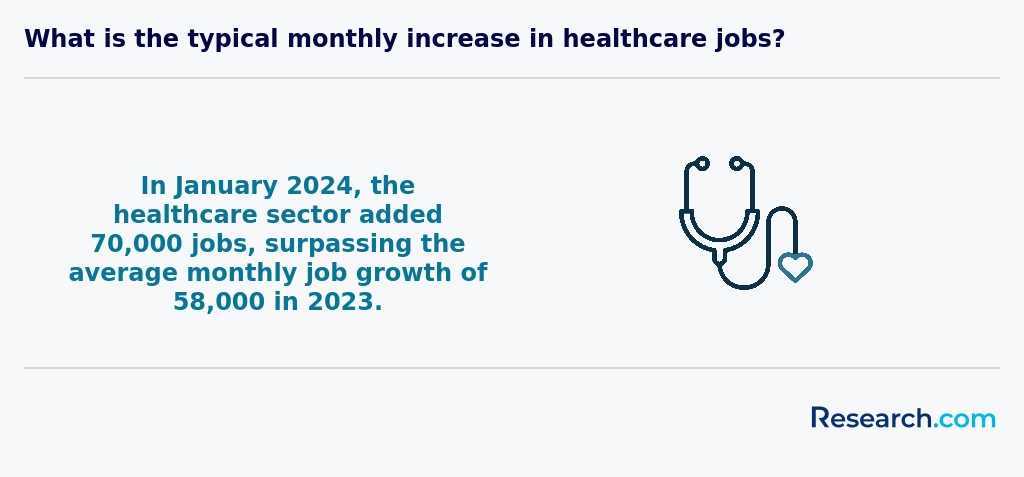
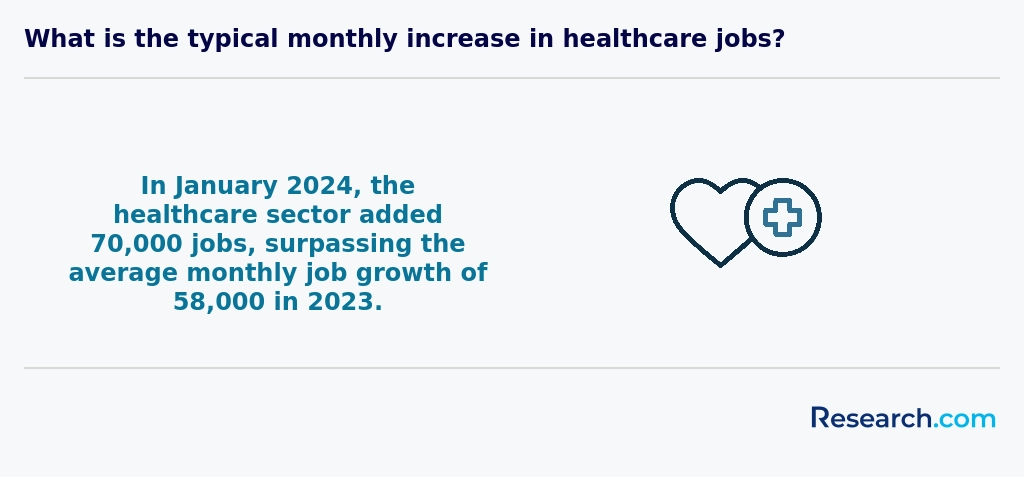
Students pursuing online healthcare management degrees in the Northeast can benefit from part-time roles that align with their field. Positions such as medical office assistant, patient services coordinator, and health information technician are commonly available and provide practical exposure. According to the U.S. Bureau of Labor Statistics (2023), healthcare-related jobs in states like New York and Massachusetts are growing faster than the national average, creating ample opportunities.
These roles help develop critical skills in administration, patient communication, and data management. Additionally, roles in health insurance agencies or public health departments allow students to connect theory with real-world healthcare systems. Such jobs typically offer flexible schedules to maintain academic commitments.
Online healthcare management students in the Northeast benefit from robust networking opportunities through regional professional organizations such as the New England Healthcare Executives Network and the Healthcare Financial Management Association chapters in New York and New Jersey. These groups regularly host virtual events, conferences, and workshops tailored to healthcare professionals.
Additionally, many accredited online programs in the region offer internships and practicum placements with prominent healthcare providers in Boston, Philadelphia, and New York City. These placements help students build connections in real-world settings.
The Northeast is home to several major healthcare systems, increasing access to mentors and industry leaders through alumni networks and online forums. According to the National Center for Education Statistics, nearly 40% of online healthcare management students in this region engage with professional associations during their studies.
Alumni networks play a crucial role for students pursuing online healthcare management degrees in the Northeast. These networks offer valuable connections in a competitive regional job market that includes major healthcare hubs like Boston and New York City.
Members share job leads, internship opportunities, and insights into evolving healthcare policies, which is vital given the rapid changes in healthcare administration. According to the New England Healthcare Institute, strong professional networks increase employment chances by up to 30% in this sector.
Additionally, alumni often provide mentorship, helping students navigate certifications such as the Certified Healthcare Administrative Professional (cHAP), recognized widely in the Northeast healthcare industry.
Access to these supportive communities allows students to build lasting relationships that can enhance career growth and professional development long after graduation.
Many online healthcare management degree programs in the Northeast offer customizable options to align with your career goals. You can often select concentrations such as health informatics, policy, or finance to tailor the curriculum. Some schools also allow flexible practicum placements, letting you gain experience relevant to your intended role. According to the National Center for Education Statistics, nearly 60% of healthcare management students in this region choose specializations to enhance job prospects. Additionally, advisors at institutions like Northeastern University and Rutgers University help students design pathways that match regional healthcare industry demands, ensuring skills development suited to Northeast markets.
Online healthcare management students in the Northeast often face challenges balancing rigorous coursework with work and family responsibilities. According to the National Center for Education Statistics, many adult learners in this region juggle multiple roles, making time management crucial. Technical issues with online platforms can also hinder progress, particularly for students in rural areas where broadband access is inconsistent.
Another common barrier is the lack of in-person networking opportunities, which are vital in healthcare management for career advancement. Students may find it difficult to establish professional relationships through virtual environments.
Finally, navigating state-specific healthcare regulations and licensing requirements in the Northeast adds complexity to the curriculum and career planning for many students.
With an online healthcare management degree, graduates in the Northeast can pursue several key professional certifications to boost their careers. Popular options include the Certified Healthcare Administrator (CHA) awarded by the American Hospital Association, which is highly respected in states like New York and Massachusetts. Another prominent certification is the Certified Professional in Healthcare Quality (CPHQ), recognized nationally and valuable in improving healthcare outcomes.
Additionally, the Northeast offers strong demand for Certified Medical Manager (CMM) credentials, useful for those focused on medical practice management. According to the Bureau of Labor Statistics, healthcare management roles in this region are growing at 15% annually, highlighting the importance of these certifications for career advancement.
To write a winning application for an online healthcare management program in the Northeast, start by highlighting relevant experience in healthcare settings or management roles. Programs often look for candidates with strong leadership skills and clear career goals. Tailor your personal statement to reflect your commitment to improving healthcare systems, referencing any knowledge of regional healthcare challenges and opportunities.
Include official transcripts demonstrating solid academic performance, particularly in courses related to health sciences or business. Letters of recommendation should come from supervisors or professors familiar with your abilities. According to the National Center for Education Statistics, healthcare management jobs in the Northeast are projected to grow by 15% through 2030, making focused applications increasingly competitive.
Healthcare management careers are increasingly seen through a global lens, as healthcare systems worldwide face similar challenges like aging populations and technological advances. For students in the Northeast pursuing online degrees, understanding this global context is vital. The U.S. Bureau of Labor Statistics projects a 32% growth in medical and health services management jobs through 2031, reflecting rising demand. Globally, healthcare management roles emphasize strategic planning and cross-cultural communication, skills nurtured in many Northeast programs.
Familiarity with international healthcare trends enhances career prospects, especially as organizations expand collaborations beyond borders. The Northeast hosts some of the nation's largest healthcare hubs, making graduates well-positioned for leadership in a global market.
Students pursuing online healthcare management degrees in the Northeast can gain practical experience through internships and cooperative education programs offered by many universities. These opportunities allow learners to work with local hospitals, insurance companies, and public health organizations. According to the New England Healthcare Institute, over 30% of healthcare management students in the region successfully secure internships during their enrollment, enhancing job readiness.
Additionally, some programs partner with healthcare providers in states like New York and Massachusetts to offer virtual practicums, which align with remote learning. This hands-on experience helps students apply administrative skills and better understand healthcare regulations specific to the Northeast.
Volunteering and part-time roles in healthcare settings also provide valuable exposure to real-world challenges in healthcare management and administration.
Choosing the right concentration within an online healthcare management degree in the Northeast starts with understanding your career goals. Popular concentrations include healthcare informatics, policy, and administration, each offering distinct skill sets.
Consider the regional demands: states like New York and Massachusetts show high employment growth in healthcare administration, according to the Bureau of Labor Statistics (BLS). Specializing in administration may offer more opportunities locally.
Research programs that align with accreditation standards set by organizations like CAHME to ensure quality education.
Finally, assess your background and interests alongside healthcare trends in the Northeast to select a concentration that maximizes your job prospects and fits the region's evolving needs.
- The Biggest Challenges Healthcare Managers Face Today - Oxford Training Centre https://oxfordcentre.uk/resources/healthcare-management/the-biggest-challenges-healthcare-managers-face-today/
- Niche Markets in Healthcare: How to Find & Target https://nechayadvisors.com/blog/niche-markets-in-healthcare
- Alumni Reconnect - Poznan University of Medical Sciences https://pums.edu.pl/alumni-friends/alumni-reconnect/
- Interdisciplinary Healthcare and Management https://www.haw-hamburg.de/en/bachelor-interdisciplinary-healthcare-and-management/
- What Exactly Is A Healthcare Management Degree? - Healthcare Management Degree Guide https://www.healthcare-management-degree.net/faq/what-exactly-is-a-healthcare-management-degree/
- What Can You Do with a Bachelor’s in Healthcare Management? https://www.mhaonline.com/faq/careers-with-bachelors-in-healthcare-management
- 6 Tips On Networking For Medical Professionals https://aaams.net/blog/how-to-network-in-the-medical-field-nurses/
- Top Health Care Management / Health Studies Courses abroad from 152 Universities https://www.hotcoursesabroad.com/india/training-degrees/international/health-care-management-health-studies-courses/cgory/pa.-4/sin/ct/programs.html
- Healthcare Management vs. Healthcare Administration | University of Phoenix https://www.phoenix.edu/articles/healthcare/healthcare-management-vs-healthcare-administration.html
- Healthcare Administration Salary - Healthcare Administration Degree Programs https://www.healthcare-administration-degree.net/salary/