
2027 Most Popular Fine Arts Degree Programs Ranking in Omaha

Co-Founder and Chief Data Scientist
Choosing the right fine arts degree program can shape your creative future in meaningful ways. This article presents the 2027 Most Popular Fine Arts Degree Programs Ranking in Omaha, carefully developed by the Research.com team of data scientists. It's designed to help you find programs that match your passion and career goals.
Discover options that inspire and prepare you for success in the arts world. Whether you're just starting out or looking to advance, this guide offers valuable insights to make your decision easier and more confident.
Key benefits of getting fine arts degree in Omaha
- Salary benefits: Graduates with a fine arts degree in Omaha can earn competitive salaries, such as $109,630 annually for animators or $71,420 for illustrators, offering strong financial potential in creative careers.
- Career paths: Fine arts degree holders can explore diverse roles including graphic artist, art teacher, or art therapist, reflecting the vibrant local art scene and growing opportunities in Omaha's cultural institutions.
- Online degree advantages: Completing a fine arts degree online from a reputable Omaha university provides the flexibility to balance work and study while accessing quality education, making it easier to start or advance your creative career without relocating.
- 2027 Most Popular Fine Arts Degree Programs Ranking in Omaha
- What can I expect from fine arts degree in Omaha?
- Where can I work with fine arts degree in Omaha?
What can I expect from fine arts degree in Omaha?
The average cost of pursuing a fine arts degree in Omaha, particularly at public institutions like the University of Nebraska at Omaha, typically runs around $8,000 per year for in-state students. Out-of-state students should anticipate slightly higher tuition, but numerous scholarships and grants specifically aimed at fine arts students can make this investment much more manageable. Many graduates I've worked with recall how these financial aids lifted significant burdens, allowing them to focus deeply on their creative growth without constant worry about expenses.
When you imagine yourself in studios filled with natural light, working alongside passionate peers and instructors, remember the cost is an investment in a vibrant community and hands-on learning. UNO's fine arts students often highlight how the balance of studio classes and art history courses prepared them well, making every dollar spent feel worthwhile. The financial aspect shouldn't deter you; instead, view it as stepping into a supportive environment where your artistic passion is nurtured.
Where can I work with fine arts degree in Omaha?
Graduates from Omaha's fine arts programs, such as those at the University of Nebraska at Omaha and Metropolitan Community College, find themselves welcomed into a rich local arts ecosystem. Many of them secure positions at institutions like the Joslyn Art Museum, where their skills help shape captivating exhibits and engage the community through educational programs.
Theater companies also attract fine arts alumni, especially those eager to combine creativity with technical skills in set and costume design. Imagine contributing your artistic vision to the Omaha Community Playhouse's next production, bringing stories to life on stage.
Others thrive as art educators in K-12 schools or community colleges, where passion meets purpose. The steady demand for arts teachers means graduates can build lasting careers while inspiring future artists.
Many who prefer a freelance path leverage Omaha's vibrant creative sector in graphic design, multimedia, or independent artistry. With support from organizations like the Bemis Center for Contemporary Arts, graduates find opportunities to grow their portfolio and connect with fellow creatives.
Graduates with a fine arts degree in Omaha often find rewarding opportunities that blend creativity with financial stability. For example, those stepping into roles as graphic artists can expect a mean annual wage of about $64,700, which is a solid starting point for many local artists. Graduates who pursue careers as illustrators earn even more, with median salaries around $71,420, demonstrating how specializing a creative skill can boost your earning potential.
Many fine arts alumni from respected Omaha institutions successfully move into animation, a field where the mean annual wage rises to an impressive $109,630. This career path often combines artistic passion with digital technology, appealing to students who enjoy blending art and innovation. Similarly, art therapists enjoy average salaries near $75,660, reflecting growing recognition of therapeutic arts roles in the community.
Omaha fine arts graduates often share how supplementing their portfolios with technical skills and business knowledge, learned through their college experiences, significantly enhances their job prospects and earnings. Embracing a versatile skill set can open doors to thriving local opportunities in galleries, schools, and creative agencies.
- Public universities in Omaha charge about $8,500 per year for in-state undergraduate fine arts programs, while private colleges typically cost between $20,000 and $30,000 annually.
- Additional costs such as art supplies, studio fees, and exhibition expenses should be included when planning the budget for a fine arts degree.
- Entry-level salaries for fine arts graduates in Omaha average between $35,000 and $40,000, with mid-career earnings around $55,000 annually.
- Common job opportunities include gallery management, art education, graphic design, and public art projects in an expanding local arts scene.
- Success in fine arts careers often requires extra skills like marketing, digital media, or business knowledge to improve employability.
- Regular art festivals and exhibitions in Omaha offer valuable networking and showcasing opportunities for students and new artists.
Completing a fine arts degree in Omaha usually takes about four years for full-time students, a timeline that mirrors the national standard. At institutions like the University of Nebraska at Omaha, students immerse themselves in a rich blend of theory and hands-on studio work, gradually building their portfolios and artistic voices. Many graduates look back on their four-year journey as a dynamic period filled with creative growth and meaningful challenges.
Of course, some students balance school with jobs or family commitments, stretching their studies to five or six years. Others choose to speed up by taking summer courses or heavier semesters, finishing earlier if their schedules allow. These flexible pathways reflect real-life student experiences and show just how personalized the journey can be.
For those pursuing advanced degrees, Omaha's Master of Fine Arts programs offer a focused two-to-three-year experience, perfect for deepening craft and theory. Knowing this can help you envision your own artistic path with confidence and excitement.
Students pursuing a Fine Arts degree in Omaha, NE, benefit from robust internship programs forged through partnerships with leading cultural institutions and creative firms. Collaborations with the Bemis Center for Contemporary Arts, Joslyn Art Museum, and Hot Shops Art Center offer credit-bearing placements where students assist with exhibition installations, archival research, and community outreach. These hands-on experiences not only deepen technical skills-ranging from gallery curation to multimedia production-but also foster industry connections that often lead to full-time positions after graduation. To augment traditional studio-based internships with digital expertise, many students explore the most affordable ui ux degree online. This complementary pathway equips emerging artists with user research methodologies, wireframing techniques, and interactive design principles, making them highly competitive candidates for roles at advertising agencies, tech startups, and design consultancies throughout Omaha’s growing creative economy. By engaging in structured internships and leveraging university–industry partnerships, Fine Arts students build professional portfolios, establish mentor relationships, and acquire real-world insights. These experiences bridge academic learning with market demands, ensuring graduates enter the workforce with both artistic vision and practical expertise.
Choosing between online and on-campus fine arts degrees in Omaha means weighing how you learn best. On-campus programs at places like the University of Nebraska Omaha provide rich, hands-on studio time where you can mix paints, sculpt clay, and get immediate feedback from instructors and peers. Many graduates talk about how this face-to-face connection fueled their creativity and gave them real-time guidance during exhibitions and collaborative projects.
Online programs offer a different kind of freedom, ideal for those balancing work or family life. You can access lectures and critiques anytime, which graduates appreciate for fitting art practice into busy schedules. While you won't have the same physical studio access, virtual demos and digital portfolio reviews help keep skills sharp-though you'll need a dedicated space and supplies at home.
In Omaha, the costs between online and on-campus fine arts degrees tend to be similar, but online students save on commuting and housing, giving them flexibility and reducing stress. Just remember, whether online or on-campus, your passion for creating will be the key to thriving in either path.
Students pursuing a Fine Arts degree in Omaha, NE, benefit from robust internship pipelines and professional development initiatives designed to bridge classroom learning with real-world experience. Local institutions partner with venues such as the Joslyn Art Museum, Omaha Community Playhouse, and Bemis Center for Contemporary Arts to offer semester-long internships where students assist with exhibition curation, public programming, and conservation projects. These immersive roles not only enhance technical skills but also expand professional networks-critical for landing post-graduation positions. Beyond museum work, Fine Arts programs often collaborate with design firms like SKB Architects and Grafitti USA, enabling graphic design and digital media students to contribute to branding, environmental graphics, and multimedia installations. Such industry placements build portfolios and foster mentorships with practicing professionals. Additionally, the University of Nebraska at Omaha’s Career Services hosts annual portfolio reviews, connecting students with recruiters from regional galleries and advertising agencies. Student-run organizations, including the UNO Art Team and Creighton University’s Art Outreach Club, facilitate volunteer opportunities in community art projects, public murals, and youth art workshops. Engaging in these extracurriculars cultivates leadership skills and provides hands-on event coordination experience. Many alumni attribute their first freelance commissions to connections made through these campus groups. For those comparing affordability and looking beyond Omaha, the affordability landscape can be explored through resources such as the Cheapest Fine Arts Degree Programs Ranking in Cleveland, OH, which offers insight into cost-effective alternatives while still prioritizing experiential learning. By leveraging both local partnerships and comparative research, Omaha’s Fine Arts students position themselves for a seamless transition from academic study to thriving creative careers.
The average cost of a fine arts degree in Omaha reflects a balance between quality education and affordability. For in-state students attending public universities like the University of Nebraska Omaha, tuition typically runs around $8,700 annually, making the total median cost of completing a fine arts program approximately $37,778. Graduates recall the rewarding experience of honing their crafts in vibrant studios while managing their budgets carefully. They often emphasize how the accessible tuition prices allowed them to focus on developing their artistic voices without overwhelming financial stress.
Private colleges in Omaha usually come with higher tuition fees, sometimes exceeding $45,000 annually, but students often find these costs offset by scholarships and aid. One common piece of advice from alumni is to proactively explore financial aid options to make these opportunities work in your favor. Considering the cost of art supplies and materials-essential tools for any fine arts student-plan for additional expenses that can range from a few hundred to a couple thousand dollars each year.
When evaluating the average fine arts degree cost Omaha offers, it's important to factor in that many students benefit from grants and work-study programs. This financial support helps ensure passion for the arts can flourish without compromise. For those balancing choices, exploring programs like a physical education master's degree online might also provide alternative pathways to enrich their educational journeys.
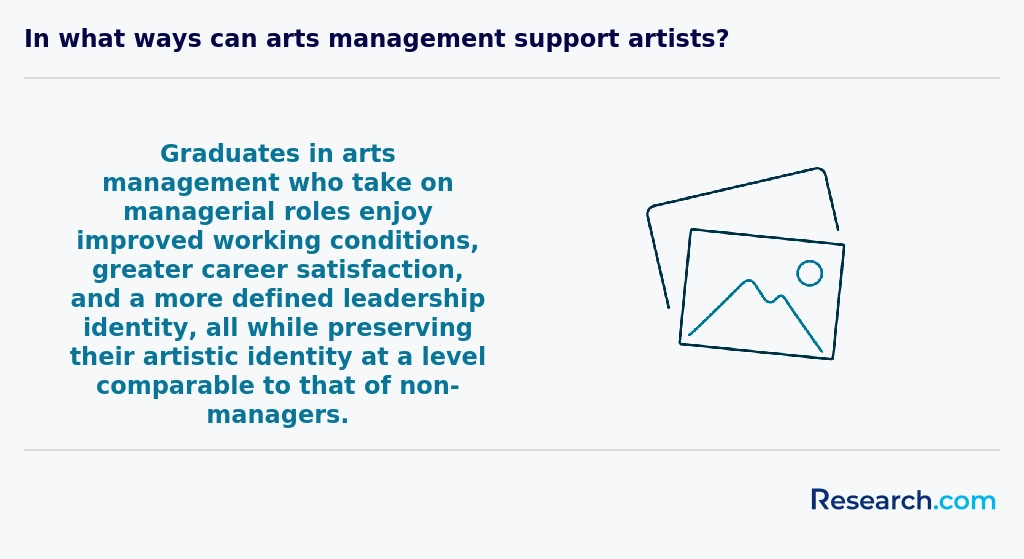
Beyond a strong academic curriculum, the vibrant campus life in Omaha, NE significantly enriches the Fine Arts degree journey. Students not only refine their craft through rigorous studio courses and interactive workshops but also immerse themselves in a supportive community that celebrates creativity. Campus events, art clubs, and collaborative exhibitions provide invaluable opportunities for networking and personal growth, allowing students to build lasting connections with peers and industry professionals. This dynamic environment nurtures innovation and helps students develop soft skills often overlooked in traditional classroom settings. When evaluating your options, consider how a university’s campus culture can inspire your artistic vision and ease the transition into the professional art world. Explore the offerings at the most popular fine arts schools to discover a community that complements your academic pursuits with enriching extracurricular experiences.
When pursuing a fine arts degree in Omaha, tapping into the right financial aid can truly transform your journey. Graduates from the University of Nebraska at Omaha often share how federal aid, accessed through FAFSA, was a game-changer for them. This includes Pell Grants offering up to $7,395 annually to eligible students, which don't require repayment, providing solid financial relief.
Many students also benefit from Direct Subsidized and Unsubsidized Loans, which carry manageable interest rates and flexibility, making tuition easier to handle. Local scholarships, like those from the Nebraska Arts Council or university-specific awards requiring portfolio submissions or auditions, can recognize your artistic talents and provide crucial support.
Work-study roles connecting students with campus galleries or theaters add both income and hands-on experience, helping students build portfolios while easing finances. Plus, national scholarships such as the Scholastic Art & Writing Awards invite you to compete broadly, increasing your chances of funding.
By embracing these varied opportunities, fine arts students in Omaha find both financial aid and meaningful community engagement that inspire confidence throughout their studies.
For many aspiring artists, choosing the right Fine Arts program isn't just about the curriculum-it's also about the overall campus experience and the resources available to bring their creativity to life. Omaha institutions offer vibrant campus environments where state-of-the-art studios, collaborative workspaces, and community art centers enrich the educational journey. Students benefit from open gallery spaces for exhibitions, specialized equipment, and access to mentors who guide them both academically and artistically. In addition to honing technical skills in the classroom, many programs host workshops, critique sessions, and networking events that foster a strong sense of community and creative exchange. Prospective students can also explore profiles of the most popular fine arts schools in the region to discover unique campus environments that emphasize holistic development, career readiness, and long-term support. This robust infrastructure not only enhances learning but also prepares students to excel in both local and national art markets.
To enroll in a fine arts degree in Omaha, you first need a high school diploma or a GED, ensuring you're prepared for college challenges. Many successful graduates from Omaha's respected colleges remember how focusing on art and humanities classes in high school boosted their applications and confidence.
Most programs ask for a portfolio-a vibrant collection of your best creative work that truly tells your artistic story. Think of it as your personal gallery, showcasing your drawings, paintings, or digital art. Some schools also invite you for a portfolio review or interview, giving you a chance to express your passion in person.
While standardized tests like the SAT or ACT might be optional at some Omaha institutions, strong portfolios can carry more weight. A positive takeaway from former students is that this focus on your creativity often feels more inspiring than chasing test scores.
Remember, letters of recommendation and a personal statement about your artistic goals can make your application stand out. Attending a university in Omaha known for fine arts means you'll join a vibrant community that values your unique vision and ambition.
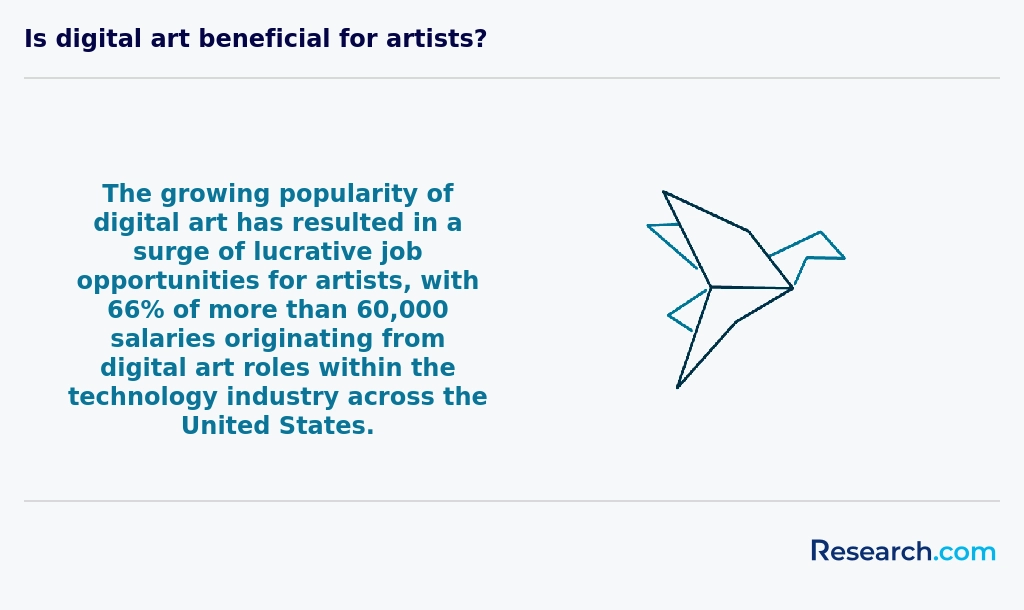
If you're aiming to earn a fine arts degree in Omaha, prepare to dive into a rich mix of courses that build your technical skills and spark your creativity. At institutions like the University of Nebraska at Omaha, graduates often praise classes in painting, drawing, and sculpture for sharpening their hands-on abilities, while art history courses connect them to the powerful stories behind great works from ancient to contemporary times.
Many students find themselves energized by studio and digital art courses-think digital media, graphic design, and photography-that reflect today's evolving art landscape. These classes prepare you to confidently build a versatile portfolio, a vital asset for launching your career. Having walked these halls, alumni describe the balance of challenge and inspiration, especially during figure drawing sessions or printmaking workshops.
Omaha schools also encourage exploring interdisciplinary electives such as theater and creative writing, helping you see art through broader lenses. This approach not only nurtures your artistic voice but also equips you with skills for diverse roles-whether teaching, curating, or arts management-in a vibrant creative community.

If you're exploring a fine arts degree specializations Omaha has to offer, you'll find a rich variety tailored to your creative passions and career ambitions. Graduates from popular colleges here often reflect warmly on how programs like Studio Art helped them hone hands-on skills in painting and sculpture, while Graphic Design tracks opened doors to digital and media careers. These Omaha fine arts program options perfectly blend traditional artistry with modern demands.
Many students thrive in Photography or Ceramics and 3D Design, where they develop a unique craft through both technical and innovative approaches. Some also find deep fulfillment in Art Education, preparing them to inspire future generations as licensed teachers. Others embrace emerging fields like Animation and Digital Media, gaining storytelling and software skills critical in Omaha's growing entertainment and tech scenes.
For those drawn to history and conservation, Art History and Museum Studies concentrations provide real-world experience through local museum partnerships. Keep in mind, as you weigh these paths, factors like tuition and career fit matter-many graduates recommend looking into scholarships and internships around town to boost your journey. You might also explore related opportunities linked to early childhood education job openings if your interests evolve.
Choosing the best fine arts degree in Omaha means looking beyond just the curriculum. Graduates from the University of Nebraska at Omaha often speak about how the blend of hands-on studio work and strong theoretical grounding helped them find their unique artistic voice. When exploring the best fine arts degree programs Omaha offers, focus on programs that emphasize both creativity and critical thinking, ensuring you develop real-world skills alongside conceptual insights.
Cost is another key factor. Affordable fine arts colleges in Omaha, like UNO, maintain competitive tuition rates for in-state residents, but it's wise to explore scholarships and assistantships tailored to fine arts majors. Many students find that financial support connected to their artistic passion not only eases the burden but enhances their engagement with the craft.
Immerse yourself in Omaha's arts community-museums, galleries, and organizations serve as dynamic platforms where students build internships and networks. Programs fostering these opportunities greatly enrich post-graduate success. For those balancing studies with life responsibilities, consider also exploring internet-based education programs to supplement your learning while staying connected locally.
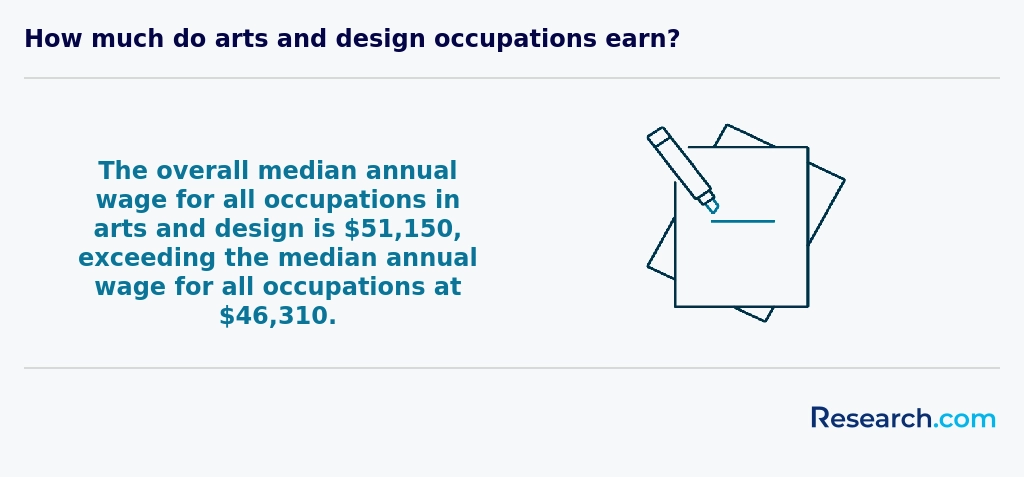
Graduates with a fine arts degree in Omaha discover diverse career paths that blend creativity with real-world opportunities. Many become professional artists, showcasing their work at local galleries or selling pieces at art fairs. With Omaha's affordable tuition and living costs, pursuing this path feels both inspiring and attainable. Others channel their passion into art education, joining schools eager to nurture creativity in young minds. Nebraska's steady demand for art teachers offers graduates a rewarding role with solid salaries.
Design and media careers also appeal to graduates, who find vibrant roles in Omaha's growing businesses, like marketing agencies and media companies, crafting visuals and digital content that engage audiences. Some choose arts administration or museum curation, working with institutions such as the Bemis Center for Contemporary Arts. Graduates from popular regional schools often speak of the supportive, artistic community they join after studying at most popular fine arts schools, where practical skills meet passion.
These Omaha fine arts degree job prospects resonate with those eager to thrive creatively while making meaningful cultural contributions right in their hometown.

The fine arts degree employment opportunities Omaha offers are shaped by a dynamic arts scene and a supportive cultural community. Graduates from universities like the University of Nebraska at Omaha often find themselves engaged with local galleries, museums, and nonprofits, where their creativity is valued and rewarded. Many graduates share inspiring stories of securing freelance design projects or teaching art at community centers, blending passion with practical work.
Omaha's expanding tech and advertising industries also open doors for fine arts graduates skilled in multimedia and digital arts, diversifying career possibilities beyond traditional studio work. The median salary around $50,000 is a realistic benchmark, but graduates often enhance their earnings by tapping into grants, residencies, or cooperative workspaces. Those weighing costs should explore the most affordable ui ux degree online options alongside local programs, ensuring a smart investment.
With its thriving arts community and numerous creative outlets, Omaha's fine arts career outlook encourages students to cultivate both artistic talent and entrepreneurial skills to thrive in this vibrant market.
2027 Most Popular Fine Arts Degree Programs Ranking in Omaha
Investing in your education is a significant decision that can shape your future, and the Research.com team understands the importance of making informed choices. To assist prospective students in Omaha, we have carefully developed the "2027 Most Popular Fine Arts Degree Programs Ranking in Omaha." Our dedication to quality, credibility, and accuracy is evident in the thorough research and analysis undertaken to create this ranking.
We utilized the following reputable data sources to ensure a comprehensive evaluation of fine arts programs:
By reviewing this ranking, readers will gain valuable insights into the most popular fine arts degree programs in Omaha, empowering them to make informed and confident decisions about their education. For more information about how this ranking was created, please visit our Research.com methodology page.


Frequently Asked Questions About fine arts
Fine arts degree students in Omaha can maximize their learning by engaging deeply with local art communities and institutions. Omaha hosts vibrant arts organizations such as the Bemis Center for Contemporary Arts and the Joslyn Art Museum, offering students opportunities for exhibitions, internships, and networking. Participating in these programs helps develop professional skills and build a portfolio. Additionally, students benefit from attending workshops and lectures at institutions like the University of Nebraska at Omaha, which often hosts visiting artists and industry experts. According to the National Center for Education Statistics, hands-on experience is critical for fine arts success nationwide.
Students should also leverage collaborative projects and seek mentorship from established artists in Omaha, enhancing both technical skills and creative perspectives. Finally, using Omaha's diverse urban landscape as inspiration can enrich student work, connecting academic study with real-world creativity.
The fine arts field is evolving, particularly in cities like Omaha where cultural institutions foster innovation. Emerging niches currently gaining attention include digital arts, which blend traditional creativity with technology, offering fields such as virtual reality design and animation. According to the Nebraska Arts Council, digital media projects have increased by 22% in Omaha over the last five years, reflecting growing opportunities.
Another developing area is community-based arts, which focus on social engagement and public art installations supported by local grants. This niche aligns well with Omaha's strong nonprofit arts sector.
Additionally, interdisciplinary practice involving fine arts with science and technology is expanding, preparing students for diverse careers beyond conventional studio roles.
Graduates with a fine arts degree in Omaha should focus on building a strong professional network. Local organizations such as the Bemis Center for Contemporary Arts and the Omaha Creative Institute offer valuable opportunities for artists to connect with peers and mentors. Developing a compelling portfolio is essential; it should showcase a range of skills and styles tailored to targeted employers or clients. Internships and freelance projects, available through Omaha's growing creative sector, enhance practical experience and marketability. According to the National Endowment for the Arts, artists who engage in community-based projects often increase their job prospects. Continuous learning through workshops or certifications can further strengthen employability.
Employers in Omaha's fine arts sector value a diverse set of skills in graduates of fine arts degree programs. Creativity and originality remain paramount, allowing artists to produce innovative work that stands out in competitive markets. Strong technical abilities, such as proficiency in digital design software and traditional media, are essential given the increasing integration of technology in artistic production.
Communication skills also rank highly, with employers expecting graduates to effectively present and discuss their work with clients and collaborators. Additionally, project management and self-discipline are critical, helping artists to meet deadlines and manage multiple commissions independently.
According to the Nebraska Arts Council, fine arts employers increasingly seek adaptability and entrepreneurial mindset, essential for navigating Omaha's evolving arts economy, which supports over 6,000 creative jobs.
Finding internships in Omaha related to a fine arts degree involves exploring opportunities at local museums, galleries, and art organizations. The Joslyn Art Museum and Bemis Center for Contemporary Arts frequently offer internships that provide practical experience. Additionally, nearby universities such as the University of Nebraska at Omaha often post internship listings through their career services.
Students should regularly check websites like the Nebraska Arts Council for arts-related internships and grants. Networking via local art events and social media groups dedicated to Omaha's art scene also helps.
The Bureau of Labor Statistics indicates that internships in the arts improve employment prospects by 20%. Early application is crucial due to limited placements locally.
A fine arts degree in Omaha can significantly enhance career mobility and advancement in various creative industries. According to the Nebraska Department of Labor, Omaha's arts and entertainment sector continues to grow, reflecting increased opportunities for skilled professionals. Graduates with fine arts degrees often find they can enter roles in design, media, and education, which value creative expertise and critical thinking.
Employers in Omaha appreciate the combination of technical skills and artistic innovation that fine arts graduates bring. This background supports advancement into leadership and specialized positions over time. Additionally, networking within Omaha's active arts community can open doors to freelance and collaborative projects.
National data from the National Endowment for the Arts indicates that fine arts degree holders tend to enjoy lower unemployment and higher job satisfaction, facts reflective in Omaha's market. Local nonprofit organizations also provide platforms for artists to gain recognition and career momentum.
Studying for a fine arts degree in Omaha offers students a unique foundation for interdisciplinary roles due to the city's vibrant arts community and educational resources. Institutions such as the University of Nebraska at Omaha incorporate collaborative projects that connect visual arts with technology, communication, and business. This approach reflects national trends emphasizing cross-disciplinary skills in creative industries.
Omaha's fine arts programs often encourage internships and partnerships with local theaters, galleries, and tech startups, fostering practical experience in varied professional settings. According to the National Endowment for the Arts, 35% of fine arts graduates nationwide work in interdisciplinary roles, showing the importance of versatile training offered locally.
The curricula integrate digital media, design thinking, and critical analysis, equipping students with skills applicable beyond traditional art careers. This prepares graduates for roles in advertising, media production, and cultural management within Omaha's growing creative economy.
When choosing between a thesis and a non-thesis fine arts degree program in Omaha, consider your career goals and interests. Thesis programs often involve original research or a significant creative project, ideal for students aiming for academic or specialized artistic careers. Non-thesis options typically focus more on coursework and practical skills, suited for those wanting to enter the workforce quickly.
Omaha's institutions offering fine arts highlight that thesis tracks may require additional time, sometimes extending the degree by a semester or more. According to the National Center for Education Statistics, about 60% of fine arts graduates pursue non-thesis options nationwide, reflecting industry demand for applied expertise.
Visit campus advisors to discuss how each path fits your aspirations and check if local galleries or arts organizations value one over the other, ensuring your education aligns with Omaha's creative community.
Students in Omaha interested in studying fine arts abroad have several pathways facilitated by local institutions. Universities like the University of Nebraska Omaha often participate in exchange programs with European and Asian art schools, allowing students to spend a semester or year overseas while earning credit. These programs expose students to diverse artistic traditions and techniques, enriching their education.
Additionally, Omaha-based fine arts students can explore study abroad opportunities through national organizations such as the Institute of International Education, which reported over 300,000 U.S. students studied abroad in 2022, including arts majors. These experiences are compatible with degree requirements and often include destinations renowned for fine arts, such as Italy or France.
Financial aid and scholarships specifically supporting fine arts study abroad are increasingly available, helping to offset costs associated with international travel and tuition.
Students pursuing fine arts degrees in Omaha can benefit from various part-time job opportunities that complement their education. Local art galleries and museums often seek assistants for curation, event support, and visitor engagement, providing hands-on experience in arts management. Omaha's vibrant arts community includes theaters and design studios where students can work in set design, graphic design, or costume production, which enhances practical skills.
The city's non-profit organizations sometimes hire art instructors or program coordinators for community arts initiatives. According to the Nebraska Arts Council, these roles can improve both teaching and administrative abilities relevant to fine arts careers. Additionally, freelance work in photography or digital art offers flexible income options linked to artistic development.
Fine arts students in Omaha have access to several networking opportunities that can enhance their educational and professional growth. Local institutions such as the University of Nebraska at Omaha and Creighton University offer regular exhibitions, workshops, and guest lectures featuring artists and industry professionals. These events provide students with chances to connect with peers and established artists.
Omaha's vibrant arts community includes galleries like the Bemis Center for Contemporary Arts and the Joslyn Art Museum, which often host networking mixers and artist talks. Additionally, internships and volunteer roles at these venues can help students build valuable contacts.
The Nebraska Arts Council also supports networking through grants and community projects, promoting collaboration among emerging artists statewide.
Alumni networks significantly enhance the educational experience for fine arts degree students in Omaha by providing valuable connections and professional opportunities. Graduates of Nebraska's fine arts programs often access exclusive workshops, exhibitions, and internships through these networks, which can be crucial in a competitive job market.
According to the University of Nebraska at Omaha, alumni involvement contributes to nearly 30% higher job placement rates for fine arts students within the first year after graduation. These networks also facilitate mentorship programs where experienced artists guide current students in portfolio development and career planning.
The strong community ties among Omaha's arts alumni help students engage with local galleries and art organizations, building a foundation for future collaborations and commissions.
In Omaha, customizing a fine arts degree to match your career goals involves selecting specialized courses and concentrations offered by local colleges. Many institutions allow students to focus on areas such as painting, sculpture, digital media, or art education. Electives and studio work provide practical experience that aligns with your interests.
Internships and partnerships with Omaha's vibrant art community, including galleries and museums, can enhance real-world skills. According to the National Endowment for the Arts, Nebraska's arts sector supports over 22,000 jobs, emphasizing local opportunities.
Additionally, students can work with academic advisors to tailor their curriculum, balancing theory with hands-on projects to build a portfolio suited for varied careers in fine arts.
Fine arts students in Omaha often face several challenges during their studies. One common difficulty is limited access to specialized resources and facilities compared to larger metropolitan areas. Many local institutions have tight budgets, which can affect the availability of advanced equipment and materials.
Additionally, students may struggle with finding internships and networking opportunities within Omaha's smaller arts community. According to the Nebraska Arts Council, while Omaha has a growing scene, its market remains more limited than bigger cities.
Financial constraints are also frequent, as fine arts programs can be costly and external scholarships specific to Omaha are limited.
With a fine arts degree in Omaha, graduates can pursue several professional certifications to enhance their careers. One common path is obtaining teaching certification for K-12 art education. In Nebraska, this requires completing an educator preparation program and passing state-approved exams, which enables graduates to teach in public schools.
Another option is certification in art therapy, which usually requires advanced study and credentials from the American Art Therapy Association. Although Omaha's fine arts programs offer foundational skills, additional graduate education is necessary for this field.
Certification in museum studies or archival work is also available and often requires specialized training beyond a bachelor's degree. These certifications improve prospects in Omaha's cultural institutions, which have shown growth according to local arts reports.
Applying to a fine arts program in Omaha requires a strong portfolio that showcases your technical skills and creative vision. Most local institutions, such as the University of Nebraska at Omaha, emphasize portfolio quality over GPA, reflecting national trends in arts education. Including diverse works helps demonstrate your range and commitment. Alongside your portfolio, a well-written personal statement explaining your artistic journey and goals is vital.
Recommendations from art teachers or professionals add credibility, highlighting your work ethic and potential. Additionally, familiarize yourself with each program's specific requirements, as some may request auditions or interviews. According to the National Association of Schools of Art and Design, nearly 60% of fine arts admissions stress the importance of originality and passion within applications.
Fine arts careers are viewed through a global lens as both culturally significant and economically diverse. Within the U.S. higher education system, fine arts graduates often pursue roles in creative industries such as design, media, and performance arts. According to the National Endowment for the Arts, roughly 2 million Americans work in arts-related fields, demonstrating steady demand.
For students in Omaha, this means opportunities can extend beyond local galleries to international markets, as digital platforms enable worldwide exposure. The Metropolitan Community College in Omaha reported increasing enrollment in fine arts, reflecting growing interest aligned with global creative trends.
While competition exists, the creative economy in the U.S. generated over $900 billion in 2022, showing substantial support for fine arts careers. International collaborations and cultural exchanges frequently enhance artistic careers, broadening perspectives and opportunities for U.S. graduates.
Students pursuing a fine arts degree in Omaha can gain practical experience through several local opportunities. Many colleges partner with Omaha's vibrant arts community, allowing students to participate in gallery exhibitions, community art projects, and live performances. Internships at organizations like the Bemis Center for Contemporary Arts or the Joslyn Art Museum provide hands-on experience and networking possibilities. Additionally, Omaha hosts annual events such as the Omaha Arts Festival, where students can showcase their work. Academic programs also emphasize studio practice and critiques, ensuring students develop practical skills alongside theoretical knowledge. According to the National Endowment for the Arts, such engagement improves career readiness for fine arts graduates.
Choosing the right concentration within a fine arts degree program in Omaha involves understanding your personal interests and career goals. Many local institutions offer specializations such as painting, sculpture, digital media, and photography. According to the National Center for Education Statistics, approximately 15% of art and design students in Nebraska focus on visual arts, highlighting its popularity.
Consider researching faculty expertise and available facilities at Omaha colleges. Some programs emphasize traditional techniques, while others integrate new technologies, reflecting Omaha's growing digital arts sector. It's also helpful to attend open houses or speak with current students to gauge program strengths and community support.
- 2027 Most Popular Fine Arts Degree Programs Ranking in Kansas City
- 2027 Most Popular Fine Arts Degree Programs Ranking in Columbia
- 2027 Most Popular Fine Arts Degree Programs Ranking in Minneapolis
- 2027 Most Popular Fine Arts Degree Programs Ranking in Saint Paul
- 2027 Most Popular Fine Arts Degree Programs Ranking in Saint Louis
- 2027 Most Popular Fine Arts Degree Programs Ranking in Milwaukee
- 2027 Most Popular Fine Arts Degree Programs Ranking in Chicago
- 2027 Most Popular Fine Arts Degree Programs Ranking in Denver
- 2027 Most Popular Fine Arts Degree Programs Ranking in Indianapolis
- 2027 Most Popular Fine Arts Degree Programs Ranking in Memphis
- Is a thesis always mandatory in a master's degree program? - EFMU: The Euler-Franeker Memorial University and Institute https://euler.euclid.int/is-a-thesis-always-mandatory-in-masters-degree-program/
- 404 – Seite nicht gefunden https://www.gostudent.org/en-gb/blog/what-jobs-can-you-get-with-a-fine-arts-degree
- Work With Us | Careers at Omaha Performing Arts https://o-pa.org/about/work-with-us/
- The Art of the Application Archives - Nyfa https://www.nyfa.org/knowledge-base/the-art-of-the-application/
- Fine Arts https://en.uap.edu.pl/admission/programmes/fine-arts/
- Fine Arts Major https://catalog-2024-2025.aup.edu/undergraduate-requirements/major-requirements/fine-arts-major
- Study Fine Arts Abroad – Top Universities & Careers https://thearchinternational.com/fine-arts/
- How to Network as an Artist - AGI Fine Art Blog https://agifineart.com/advice/the-art-of-reputation-how-to-network-if-youre-an-emerging-artist/
- What Alumni Say https://www.cityandguildsartschool.ac.uk/ma-fine-art/student-and-alumni-case-studies/
- Jobs | Academy of Fine Art https://academy-of-fine-art.com/en/jobs-en/


