
2027 Most Popular Fine Arts Degree Programs Ranking in Dayton

Co-Founder and Chief Data Scientist
If you're considering pursuing a fine arts degree in Dayton, this article is here to guide you. It features the 2027 Most Popular Fine Arts Degree Programs Ranking in Dayton, developed by the Research.com team of data scientists to help you make well-informed decisions.
Choosing the right program can open doors to creative opportunities and personal growth. Exploring these top-ranked options will give you confidence in selecting a path that fits your passion and goals.
Embrace the journey toward a fulfilling education in the fine arts community near you.
Key benefits of getting fine arts degree in Dayton
- Fine arts graduates in Dayton can earn competitive salaries, such as Illustrators making around $71,420 annually and Animators earning about $109,630, showing strong financial potential in creative careers.
- Career paths for fine arts degree holders include graphic artists, illustrators, and animators, with graduates from Dayton's universities often finding rewarding roles in local design studios or media companies.
- Online fine arts degrees offer flexibility and convenience, allowing Dayton students to balance work and study while still gaining valuable skills recognized by employers in the creative industry.
- 2027 Most Popular Fine Arts Degree Programs Ranking in Dayton
- What can I expect from fine arts degree in Dayton?
- Where can I work with fine arts degree in Dayton?
What can I expect from fine arts degree in Dayton?
Expecting an exact figure for the average cost of a fine arts degree in Dayton feels like trying to catch the wind, yet the numbers hover in a range that many local creatives find manageable. Graduates from Wright State University and the University of Dayton recount tuition and fees typically falling between $10,000 and $20,000 per year, with variations depending on residency status and specific program choices.
One alum from Wright State remembers balancing late-night studio sessions with part-time work, all while appreciating the relatively affordable tuition compared to big-city art schools. At the University of Dayton, another graduate highlights how the blend of liberal arts and specialized art studies came at an investment roughly in the same bracket, enriched by scholarships and campus art grants.
Students often pair these costs with access to invaluable local internships at Dayton Art Institute or Contemporary Dayton, where hands-on experiences feel priceless. This combination shapes a cost-conscious yet richly rewarding journey through Dayton's vibrant art education scene.
Where can I work with fine arts degree in Dayton?
With a fine arts degree from Dayton's vibrant institutions like the University of Dayton or Sinclair College, graduates don't just enter the job market-they dive into a palette of possibilities. Imagine collaborating with local galleries or the Dayton Art Institute, where curators and art educators shape the city's creative heartbeat. Graduates often find themselves immersed in dynamic studios or buzzing theaters, translating their passion into community art programs or museum exhibits.
Others carve unique paths as freelance illustrators or designers, weaving their talents into Dayton's lively marketing firms and publishing houses. The creative economy here is a playground, sparkled by opportunities connecting Dayton to Columbus and Cincinnati's bustling art scenes. Alumni frequently share stories of launching independent galleries or thriving at the annual Downtown Dayton Art Festival, a showcase where their work dazzles tens of thousands of visitors.
The healthcare sector also beckons-the demand for art therapists in Dayton's hospitals blossoms, offering graduates a healing brushstroke in patient recovery. Meanwhile, teaching roles in Dayton Public Schools provide a fulfilling stage for those passionate about guiding the next generation with fresh, interdisciplinary approaches. Here, your fine arts degree paints a career full of color, community, and endless creation.
Picture yourself stepping out from a Dayton art studio, diploma in hand from one of the city's well-regarded fine arts programs, ready to transform passion into paycheck. Graduates here often find their artwork isn't just self-expression but a solid income stream. Graphic artists, for example, bring home a mean annual wage of around $64,700, which can easily support a comfortable lifestyle given Dayton's cost of living. Imagine a recent graduate landing a role at a local design firm, turning pixels into profit while expanding their creative portfolio.
Art illustrators from Dayton's colleges can anticipate salaries near $71,420, a testament to the city's blooming digital and traditional art scenes. Those who push into animation might even unlock higher pay, with mean wages soaring past $109,000-perfect for graduates who mix storytelling with cutting-edge tech.
Dayton fine arts graduates often diversify income, combining freelance gigs and adjunct teaching roles at community colleges, tapping into salaries like $75,660 as art therapists. These figures reflect a vibrant local arts economy where creativity and livelihood intertwine beautifully.
- Fine arts degrees in Dayton cost between $10,000 and $25,000 per year for in-state tuition.
- Entry-level fine arts professionals earn about $38,000 annually, with salaries rising to $48,000-$55,000 with experience.
- Job opportunities are strong in graphic design, illustration, digital media, advertising, and multimedia production.
- Many programs combine traditional fine arts with digital technologies like Adobe Creative Suite and 3D modeling.
- Financial aid and scholarships are widely available to help reduce tuition expenses.
- Students often gain practical experience through internships and participation in local galleries and art projects.
Imagine walking through the vibrant halls of the University of Dayton, where passionate fine arts students immerse themselves in four transformative years of creative exploration. That's the typical span it takes to earn a Bachelor of Fine Arts or Arts degree in Dayton when you're fully enrolled, soaking up roughly 120 to 130 credit hours. Graduates often describe this journey as a whirlwind of colors, ideas, and late-night studio sessions that shape their artistic voices.
For some, like those attending Sinclair Community College, the adventure begins with a two-year associate degree, a gateway to deeper study or hands-on experience. Part-time students balancing work and life might stretch this timeline to five years or more, yet many cherish the flexibility it offers to blend art with real-world hustle.
Graduate hopefuls diving into a Master of Fine Arts can expect two to three additional years of intense focus, fueling their creative mastery. No matter the path, Dayton's blend of studios and schools crafts a personalized, vibrant education rhythm.
Dayton’s Fine Arts programs not only offer rigorous academic curricula but also a vibrant campus culture that fosters creativity, collaboration, and personal growth. Students frequently describe their experience as being immersed in an environment where art and community intermingle through student-run galleries, after-hours workshops, and interdisciplinary projects that extend beyond the classroom. Regular events, such as campus art exhibitions, guest lectures by renowned local artists, and live demonstrations, create a dynamic learning space that bridges theoretical knowledge and real-world practice. This community-centric approach often helps students build lasting relationships, both personally and professionally, that can be pivotal after graduation. Additionally, exploring resources like the most popular fine arts degree can give prospective students a clearer picture of how campus culture and academic excellence combine to prepare them for a successful career in the arts.
Step into an on-campus fine arts program in Dayton, and you immediately breathe the scent of oil paint mingling with the buzz of creative energy in studios at University of Dayton or Wright State. Graduates talk about nights spent collaborating in crowded galleries or spontaneously critiquing each other's work over coffee on campus. The tactile pulse of sculpting clay with peers, accessing specialized equipment, or walking through local museums with instructors creates an immersive rhythm impossible to replicate online.
Online fine arts students, meanwhile, weave their creativity through pixels and bytes. They sketch in digital workspaces, upload portfolio pieces from home, and connect with mentors across virtual calls. Flexibility blooms here; balancing family, work, and artistry becomes less a juggling act and more a dance in your own space. Dayton alumni often share how this freedom opened doors to unexpected inspirations, even if they missed the hands-on workshops and instant studio camaraderie of their on-campus counterparts.
Dayton’s Fine Arts programs offer more than just classroom instruction-they provide a vibrant campus life that nurtures creativity and personal growth. Students thrive in dynamic environments where collaborative projects, extracurricular art clubs, gallery exhibitions, and live performances enrich their educational journey. Campus facilities such as dedicated art studios, maker spaces, and cultural centers create a supportive atmosphere that encourages experimentation, networking, and exploration of diverse art forms. Moreover, many institutions organize regular workshops, guest lectures by industry professionals, and community art events that allow students to gain real-world experience and build lasting connections. For example, prospective students interested in learning more about academic excellence and campus engagement may also explore the most popular fine arts degree programs, which highlight comprehensive student experiences and success stories. Emphasizing this holistic development, the campus life in Dayton not only fuels artistic talent but also prepares graduates to make meaningful contributions in their careers and communities.
Stepping into the vibrant world of fine arts in Dayton comes with an average price tag that balances dreams and dollars. The median total cost dances around $50,406, spinning a tale that's both an investment and a rite of passage for aspiring creatives. Graduates from the University of Dayton and Wright State University recall their journey through art studios and late-night sketching marathons, knowing their in-state total tuition hovered near $30,331. This blend of commitment and cost frames the experience of Dayton's fine arts students perfectly.
For those wondering about Dayton fine arts tuition and fees, the scene is diverse. Community college attendees start with a more modest footprint, building foundational skills without overwhelming their wallets. Meanwhile, private university students often navigate a wider expanse of expenses, especially for special materials and studio access that each brushstroke demands. The creative spark often ignites as much in budgeting minds as in paint-stained hands.
Many fine arts students in Dayton find that financial aid packages and scholarships are the secret colors in their palette, reducing the financial pressure. Considering the varying price spectrum, it's wise to explore options and prepare for this unique financial canvas. If you're keen on exploring the merging of art and education costs further, consider the best online programs for library science, which can offer inspiration for managing tuition strategies across creative fields.

Imagine a Dayton fine arts student juggling paintbrushes and scholarship applications, their canvas not just a studio easel but a financial lifeline woven from grants and loans. At the University of Dayton or Sinclair Community College, bright-eyed creators secure Federal Pell Grants-up to $7,395-to help soften the blow of tuition and the inevitable art supply splurge. One graduate recalls using the Ohio College Opportunity Grant to cover costs while discovering their signature style, feeling the relief of reduced bills and the freedom to experiment.
Local merit scholarships, like those awarded by Dayton's own arts organizations, serve as both trophy and treasure, recognizing talent while easing financial strain. Work-study positions on campus-perhaps assisting in a gallery or theater-offer more than paychecks; they provide immersive experiences, blending craft and career. Federal Direct Loans pick up any slack, offering affordable repayment plans that don't drown creativity in debt. These options create a mosaic of support, enabling Dayton's fine arts students to focus on their passion with less worry about the price tag.
Planning ahead is crucial for securing a spot in Dayton’s competitive Fine Arts programs. Below is a recommended timeline to guide you from initial research through enrollment: • 12–9 months before entry: – Research program offerings, faculty expertise, and campus resources. – Attend open houses or virtual info sessions to compare schools. – Begin drafting your artist statement and gathering references. • 9–6 months before entry: – Curate your portfolio, selecting 10–15 pieces that showcase your range. – Request letters of recommendation from art instructors or mentors. – Explore alternative creative degree paths-some students discover the cheapest ui ux design bachelor's degree online to complement their fine arts training. • 6–3 months before entry (August–October): – Finalize portfolio and personal statement; have a peer or mentor review both. – Complete institution-specific applications, paying close attention to audition or interview requirements for performance-based tracks. – Submit the FAFSA as soon as October 1 to maximize your eligibility for grants and scholarships. • 3–1 months before entry (November–December): – Prepare for interviews or portfolio reviews by practicing mock critiques. – Attend admitted student days or virtual Q&As to connect with current students and faculty. – Compare financial aid award letters and finalize housing or online-learning logistics. • 1 month before entry (January–February): – Confirm enrollment and submit deposits. – Register for orientation sessions and first-semester courses. – Gather studio supplies and review course syllabi to hit the ground running. By mapping out these milestones, you’ll minimize stress and position yourself for success in Dayton’s Fine Arts community.
Imagine walking through the bustling halls of a Dayton college renowned for fine arts, clutching a portfolio bursting with vibrant sketches, digital designs, or bubbling sculptures-this is your golden ticket. For those hungry to dive into Dayton's creative whirlpool, the first step is a high school diploma or GED, the universal passport. But here, mere academics aren't enough; institutions crave a window into your soul through your artwork.
Graduates recall the thrill of assembling portfolios that crack open their creative worlds-paint-stained fingers, late-night digital edits, and brush strokes that whisper stories. Dayton's top colleges want these treasures, along with heartfelt recommendation letters from mentors who've witnessed artistic sparks ignite. Some even ask for essays that spill why art pulsates in your veins.
While SATs or ACTs often linger on the sidelines, stronger than ever is the insistence on raw artistic passion. Picture navigating supply aisles for canvases or software, budgeting alongside tuition fees-about $11,000 a year for locals at public Dayton universities. This blend of academic and artistic prep crafts a uniquely local path for aspiring artists eager to color Dayton's creative skyline.
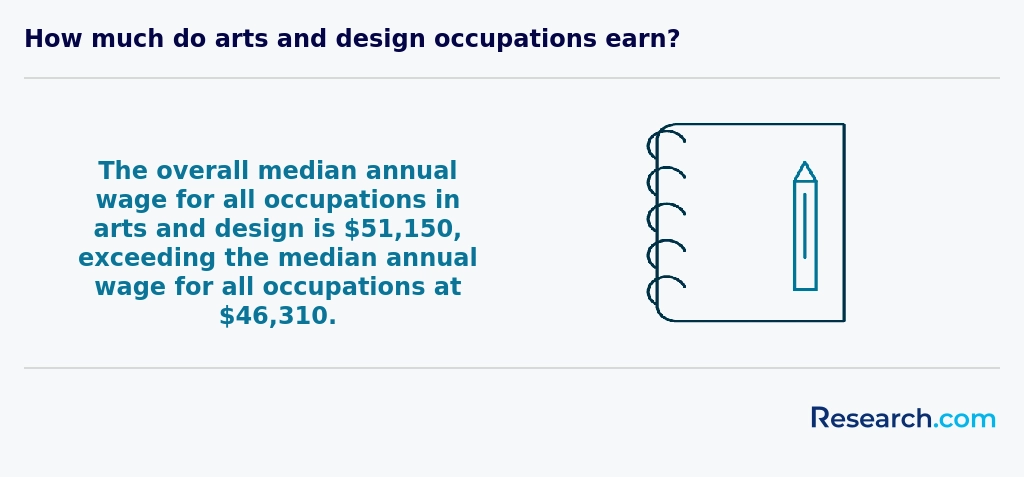
Students seeking to balance quality with affordability should compare Dayton’s program costs-where average in-state tuition hovers around $22,600 per year-with other low-cost options in the region. For instance, our Low Cost Fine Arts Degree Programs Ranking in Pennsylvania highlights several accredited institutions charging under $12,000 annually, making them attractive alternatives for budget-conscious learners. Key considerations when evaluating affordable Fine Arts programs:
- Tuition and Fees: Compare total annual costs, including studio and material fees, to identify programs that deliver strong ROI without hidden expenses.
- Financial Aid and Scholarships: Investigate merit- and need-based aid offerings; some Pennsylvania schools award talent scholarships up to $5,000 per year.
- Program Quality: Review faculty credentials, student-to-faculty ratios, and exhibition opportunities to ensure lower cost doesn’t mean lower standards.
- Outcome Metrics: Examine graduation rates and employment outcomes for program alumni to confirm that affordability aligns with successful career placement. By weighing these factors alongside Dayton’s offerings, prospective students can make data-driven decisions that maximize both their artistic growth and financial investment.
Imagine sketching the vibrant streets of Dayton in a drawing class, capturing the essence of its cultural heartbeat. Fine arts programs at local colleges invite you to dive deep into foundational courses like painting, sculpture, and drawing-where graduates recall the thrill of molding clay into something uniquely their own under expert guidance. Art history classes unfold stories of creativity through the centuries, helping you understand not just brushstrokes but the worldviews behind them, making each canvas feel alive with meaning.
Digital art courses here mix tradition with cutting-edge tech, letting students master tools like Adobe Creative Suite, transforming pixelated dreams into vivid realities. Alumni remember late nights refining animation sequences, blending passion with skill in Dayton's buzzing art studios. Photography and printmaking classes enhance this tactile journey, offering hands-on exploration of light and form.
Beyond technique, coursework in art theory and criticism challenges students to dissect and engage with visual narratives. Local programs emphasize community art projects, encouraging collaborations that bring Dayton's neighborhoods to life, making every stroke a connection and every exhibit a story shared.

In Dayton, fine arts degree specializations unfold like a painter's palette, rich with vibrant options uniquely tailored to the city's creative heartbeat. Graduates from popular colleges here often speak of immersive experiences in studio art, where the tactile thrill of sculpting or layering paint merges with a community eager to celebrate fresh, bold visions. This hands-on mastery feels like forging your identity in marble and color, a foundation deeply rooted in Dayton's artistic ethos.
Graphic design and digital arts are another dynamic path, buzzing with the pulse of modern tech and media. Students thrive in environments equipped with cutting-edge software, crafting visuals that speak to advertising's evolving language. It's this fusion of creativity and practical growth that makes Dayton fine arts program options exciting and relevant, as graduates find themselves ready for careers where imagination meets innovation.
Photography students capture not only images but stories, nurtured by studios that feel like personal galleries of possibility. Meanwhile, the art education track turns passion into purpose, training future teachers who will shape Ohio's classrooms and inspire generations. For those balancing arts with other ambitions, Dayton's offerings even connect with fields like child development through specialized programs such as child development degree colleges, enhancing the interdisciplinary spirit here.
Choosing the best fine arts degree programs Dayton has means diving into the pulse of local creativity, where paintbrushes meet digital pixels and studios buzz with possibility. Imagine a graduate from a Dayton college glowing with excitement, recalling how small class sizes gave them the freedom to experiment boldly, while close ties with local galleries brought their work from the studio's quiet corners into vibrant public spaces. Affordable fine arts colleges in Dayton regularly weave financial aid and scholarships into their fabric, making dreams less about cost and more about craft.
Envision yourself walking through the University of Dayton's rows of workshops, each echoing stories of alumni who launched careers through connections with the Dayton Art Institute. Their secret? Programs anchored by real-world internships and local art festivals that open doors beyond textbooks. If you're balancing pragmatism with passion, consider how programs offering strong curricula alongside campus resources create fertile ground for artistic growth and community engagement.
For those thinking long-term, weaving your fine arts education with Dayton's vibrant arts scene is key. And if your path bends towards teaching, looking into elementary education master's programs online can complement your creative journey with indispensable skills. Embrace the journey where affordability, quality, and artistic connection spark your future in Dayton's artistic tapestry.

Graduates with a fine arts degree in Dayton step into a kaleidoscope of careers where creativity fuels opportunity. From crafting striking paintings and sculptures that find homes in local galleries to designing immersive multimedia campaigns for Dayton's bustling design firms, the paths are as vibrant as the work itself. Many graduates from popular Dayton colleges channel their skills into graphic design roles, transforming concepts into compelling visuals that speak louder than words.
Others embrace education, becoming art educators who inspire the next generation in schools or community centers, sharing the passion they discovered during their studies. The city's cultural heartbeat also allows roles as curators or gallery managers, orchestrating exhibitions that bring fine arts to the community spotlight. For those drawn to storytelling, careers as illustrators or animators offer a way to merge artistic skill with media industries thriving in Dayton's creative scene. This array of careers perfectly embodies the versatile nature of fine arts degree job opportunities in Dayton.
Freelancing is another vivid avenue, where graduates combine artistry with online marketing and commissions, capitalizing on Dayton's affordable living to build sustainable careers. Engaging with community arts programs and non-profits, such as the Dayton Visual Arts Center, offers networking and real-world experience crucial for growth. Students seeking multidimensional career insights might also explore library science careers as a complementary field to broaden opportunities.

Graduates diving into the fine arts degree job opportunities in Dayton quickly discover a colorful tapestry of possibilities woven through local theatres, museums, and design studios. Picture a recent graduate from one of Dayton's vibrant colleges, whose portfolio lands them a gig at a community arts program, blending teaching with digital design skills they've honed alongside their fine arts training. This mix of creativity and practical know-how opens many doors in a city that values cultural vibrancy but demands versatility.
Dayton's arts ecosystem thrives around institutions like the Dayton Art Institute, where roles range from curatorial work to arts education, offering enriching paths for those eager to immerse themselves. Graduates often find that expanding skills beyond pure artistry-like marketing or digital literacy-is a smart strategy to navigate the local market, one where the median wage is modest but the creative spirit runs high.
For those weighing the investment, Dayton's tuition rates from public in-state schools make pursuing a fine arts degree accessible. Pair that with the diverse career channels and initiatives, and the city turns into fertile ground for emerging artists ready to explore the most popular fine arts degree pathways in the region. Fine arts students here sense a challenging yet rewarding arena to launch their careers.
Looking ahead to Dayton fine arts career prospects 2027, the evolving landscape hints at opportunities in digital media firms and nonprofit organizations, promoting an entrepreneurial spirit. Graduates who blend traditional artistry with emerging tech and community engagement often find themselves thriving beyond initial expectations, carving niches that reflect Dayton's creative pulse.
2027 Most Popular Fine Arts Degree Programs Ranking in Dayton
Investing in your education is a significant decision that can profoundly impact your future, and the Research.com team recognizes the importance of providing reliable guidance. To help prospective students in Dayton, we have carefully developed the "2027 Most Popular Fine Arts Degree Programs Ranking in Dayton." Our dedication to quality, credibility, and accuracy is demonstrated through rigorous research and thorough analysis.
We utilized the following reputable data sources to ensure a comprehensive evaluation of fine arts degree programs:
By consulting this ranking, readers will receive valuable insights into the most sought-after fine arts degrees in Dayton, empowering them to make informed and confident educational choices. For more information about how this ranking was created, please visit our Research.com methodology page.

.webp)
Frequently Asked Questions About fine arts
Fine arts degree students in Dayton can maximize their learning by engaging with local arts communities and institutions. Dayton is home to a vibrant arts scene, including the Dayton Art Institute and various galleries, which offer opportunities to observe professional work and participate in exhibitions. Networking with local artists and attending events can enhance practical knowledge and portfolio development. Many Dayton colleges incorporate internships or cooperative learning experiences that connect students with regional art organizations, providing valuable hands-on practice.
Students are also encouraged to utilize Dayton Public Library's arts resources and workshops. According to the National Center for Education Statistics, this combination of academic study and community involvement supports skill growth and career readiness for fine arts majors in Dayton.
Emerging niches within the fine arts field in Dayton reflect broader national trends focused on technology and interdisciplinary approaches. Areas such as digital media art and interactive design are growing rapidly, with local institutions incorporating these into their curricula. According to the National Endowment for the Arts, nearly 30% of fine arts students nationwide now engage with digital platforms, a figure that Dayton's art schools closely mirror.
Additionally, environmental art and socially engaged art are gaining traction as artists respond to urgent societal issues. Dayton's vibrant community arts programs provide opportunities for students to explore these niches practically.
Finally, animation and game design are becoming established specialties, blending traditional artistic skills with computer science. These niches offer promising career paths as the creative economy expands in Ohio and beyond.
After earning a fine arts degree in Dayton, preparing for the job market involves building a strong professional portfolio showcasing your work. Employers often value diverse skills, so gaining experience through internships or freelance projects can improve your employability.
Networking is essential. Dayton has several art organizations and galleries where you can connect with local professionals and potential employers. Joining groups such as the Dayton Visual Arts Center may provide useful opportunities.
According to the U.S. Bureau of Labor Statistics, the demand for fine artists and related roles remains steady, but competitive. Learning digital art tools and marketing your skills online can increase your chances of success.
Employers in Dayton seek fine arts graduates with strong creative and technical skills. According to the National Endowment for the Arts, proficiency in digital media and software tools is increasingly important. Fine arts graduates must demonstrate expertise in areas like graphic design, illustration, and multimedia production. Communication skills also rank high, enabling graduates to present ideas clearly to clients and collaborators.
The Dayton regional job market values adaptability and problem-solving, especially as arts organizations integrate new technologies. The U.S. Bureau of Labor Statistics notes that teamwork and project management are key traits for success in arts-related roles. Employers also look for a professional portfolio showcasing diverse artistic styles and techniques.
Finding internships in Dayton relevant to a fine arts degree involves leveraging local resources and educational partnerships. The Dayton region is home to active arts communities, including galleries, theaters, and cultural institutions that often offer internship opportunities.
Students should start by contacting institutions like the Dayton Art Institute or the Victoria Theatre Association, which regularly host internship programs tailored to fine arts students. Additionally, many fine arts programs at local schools such as the University of Dayton and Wright State University maintain relationships with these organizations and can facilitate placements.
The Ohio Department of Higher Education reports that internships in arts-related fields in Dayton have grown by 8% in the last two years, reflecting increased local support. Utilizing online platforms focused on Dayton-based opportunities, as well as attending local art fairs and networking events, also increases internship prospects.
In Dayton, a fine arts degree can significantly influence career mobility and advancement by providing graduates with a strong foundation in creative skills valued across many industries. According to data from the National Endowment for the Arts, arts-related jobs in Ohio are growing at a steady rate, supporting the local economy with over 18,000 arts and culture positions statewide.
Fine arts graduates in Dayton benefit from connections to the city's vibrant cultural scene, including museums and theaters, which often offer pathways to networking and employment.
Additionally, universities in Dayton emphasize practical experience, which increases employability in roles such as graphic design, art education, and public relations.
Skills learned through fine arts programs also enhance critical thinking and problem-solving abilities, attributes that employers in Dayton's creative and business sectors highly prize.
Studying for a fine arts degree in Dayton offers students opportunities to develop skills that extend beyond traditional artistic disciplines. Many programs emphasize collaboration across media, encouraging students to work with digital technology, theater, and design fields.
Local institutions often integrate interdisciplinary projects into their curricula, reflecting Dayton's vibrant cultural scene. For example, the Dayton Art Institute highlights partnerships with community organizations to blend visual arts with technology and performance arts.
According to the National Center for Education Statistics, fine arts graduates with interdisciplinary experience report higher employment rates in creative industries within Ohio, underscoring the practical value of these programs.
This approach prepares students for diverse careers, including roles in media, education, and public art initiatives in the Dayton region.
When choosing between a thesis and a non-thesis fine arts degree program in Dayton, consider your career goals and learning preferences. Thesis programs focus on original research or a significant creative project, ideal for students aiming to pursue graduate studies or academic careers. Non-thesis tracks are more practice-oriented, emphasizing coursework and professional skills, suited for those seeking direct entry into artistic professions.
Dayton's fine arts programs, such as those at the University of Dayton and Wright State University, reflect this divide. According to the National Center for Education Statistics, Dayton institutions award over 100 fine arts degrees annually, with roughly 30% completing thesis-based programs. This data suggests thesis options demand more extensive commitment but offer deeper scholarly engagement.
Students based in Dayton interested in studying fine arts abroad have various opportunities, primarily through exchange programs and study-abroad partnerships offered by local institutions such as the University of Dayton and Wright State University. These universities often collaborate with European and Asian art schools to provide semester-long or year-long programs.
Such programs allow Dayton students to gain international experience while earning credits toward their fine arts degrees. According to the Institute of International Education, approximately 10% of US fine arts students participate in study abroad annually, reflecting growing interest in global artistic perspectives.
Additionally, Dayton students can explore internship programs in renowned art capitals like Paris, Florence, and Berlin, which many university advisors recommend for immersive fine arts education. Financial aid and scholarships specific to study abroad are often available to help offset costs.
Students pursuing fine arts degrees in Dayton have access to part-time jobs that enhance their education and practical skills. Popular opportunities include working as gallery assistants, where individuals gain experience in art curation and exhibit management. Dayton's local art galleries and museums, such as the Dayton Art Institute, often seek part-time staff, providing hands-on learning environments.
Other roles include freelance graphic design or illustration, capitalizing on the city's growing creative industries. Teaching art classes or workshops at community centers is another viable option, helping students develop communication skills. According to the Bureau of Labor Statistics, creative employment in Dayton is growing steadily, benefiting fine arts students seeking applied experience.
Fine arts students in Dayton benefit from a variety of networking opportunities through local colleges such as the University of Dayton and Sinclair Community College. Both institutions host galleries, workshops, and art fairs, which connect students with practicing artists and potential employers. The Dayton Art Institute also offers internships and volunteer programs, providing direct exposure to the city's vibrant art community.
Additionally, organizations like the Dayton Visual Arts Center (DVAC) and the Miami Valley Arts Council regularly hold events where students can meet industry professionals. According to Dayton Cultural Resources data, nearly 65% of fine arts students participate in these local events, helping to build valuable professional networks early in their careers.
Alumni networks provide valuable support for fine arts degree students in Dayton by connecting them with experienced professionals and local arts communities. These networks often facilitate mentorship opportunities, helping students navigate career paths in visual arts, performance, and creative industries.
According to the National Endowment for the Arts, relationships formed through alumni groups can lead to internships and job placements, which are crucial in Dayton's competitive arts market.
Additionally, Dayton's alumni associations frequently organize exhibitions, workshops, and events that enhance students' exposure and professional development.
Statistics from Dayton Art Institute highlight increased employment rates among graduates active in alumni networks. This illustrates the practical benefits of staying engaged beyond graduation.
Fine arts degree programs in Dayton offer various opportunities to tailor your education based on your career goals. Many local institutions allow students to choose concentrations such as painting, sculpture, graphic design, or digital media. This helps you develop specific skills aligned with your interests.
Additionally, students can often participate in internships and cooperative education placements with Dayton's vibrant arts community, including galleries and theaters. These real-world experiences provide valuable professional connections and practical skills.
Elective courses and workshops provide further customization, enabling you to explore interdisciplinary approaches. According to Dayton's Office of Economic Development, fine arts careers in the area have grown by over 12% in the past five years, reflecting expanding opportunities for graduates.
Fine arts students in Dayton often face challenges related to limited local internship and employment opportunities in their field. According to the Dayton Regional Chamber, the creative sector in Dayton is growing but remains smaller compared to larger metropolitan areas, which can restrict students' practical experience options.
Another common difficulty is managing the cost of materials and supplies, which are often expensive and essential for coursework. Dayton's average tuition for fine arts programs ranges from $10,000 to $25,000 per year depending on the institution, adding financial strain to many students.
Lastly, students must often balance developing technical skills with finding ways to stand out in a competitive arts market both locally and nationally.
A fine arts degree in Dayton opens opportunities for various professional certifications that can enhance career prospects. Graduates may pursue credentials such as the Certified Art Therapist (ATR) credential for those interested in art therapy, which combines creativity with mental health support. Another option includes certification to teach art in K-12 schools, requiring a state-issued teaching license, typically overseen by Ohio's Department of Education.
For professionals focusing on digital or multimedia art, certifications in software like Adobe Creative Suite can boost employability, although these are industry certifications rather than formal academic credentials. According to the Dayton Regional Arts Alliance, holding recognized certifications can improve job placement rates and salary potential in local arts organizations and schools.
To write a winning application for a fine arts program in Dayton, begin by carefully researching the specific requirements of each school, such as Wright State University's art department or Sinclair Community College's visual arts offerings. Admissions often emphasize a strong portfolio showcasing diverse techniques and original work. Complement your portfolio with a clear artist statement explaining your vision and goals.
Highlight any local exhibitions, awards, or community art projects to demonstrate engagement with Dayton's vibrant art scene. According to the National Center for Education Statistics, arts programs value candidates who combine creativity with academic discipline.
Submit transcripts reflecting solid academic performance, especially in art-related courses. Personal essays should express your passion for fine arts and how studying in Dayton aligns with your career plans.
The global perspective on a fine arts career highlights both challenges and opportunities, particularly in the U.S. context. Fine arts degrees often lead to diverse paths, including working in galleries, educational institutions, or freelance artistry. The U.S. Bureau of Labor Statistics projects a 4% growth in employment for artists and related workers from 2022 to 2032, aligning closely with average job growth rates, indicating steady demand.
In Dayton, Ohio, local arts organizations and galleries provide important platforms for emerging artists, helping graduates build their portfolios and gain exposure. According to the Greater Dayton Arts Council, the region experienced a 15% rise in arts-related employment from 2018 to 2023.
Internationally, fine arts careers emphasize cross-cultural collaboration and digital innovation, areas increasingly integrated into U.S. education. For Dayton students, awareness of these trends can shape preparation for a competitive, evolving marketplace.
Students pursuing a fine arts degree in Dayton can gain practical experience through various hands-on opportunities. Many local institutions offer internships at galleries, theaters, and community art centers, helping students build real-world skills. For example, Wright State University's fine arts program encourages students to participate in exhibitions and collaborate with local artists. Additionally, Dayton's vibrant arts scene, including events like the monthly First Friday Art Walk, provides venues where students can showcase their work and network professionally. Practical experience is essential, as internships and public displays can significantly improve employment prospects after graduation.
When choosing a concentration within a fine arts degree program in Dayton, it is important to consider your personal interests and career goals. Dayton offers diverse options like painting, sculpture, graphic design, and photography across institutions such as the University of Dayton and Sinclair Community College.
Research local job market trends; the Dayton region's arts sector grows steadily with opportunities in galleries, museums, and digital media fields, according to the Dayton Development Coalition. Accredited programs often provide internships, helping students gain practical experience in their chosen concentration.
Visiting campuses and speaking with faculty can clarify how each concentration aligns with your skills and aspirations. Also, consider the balance between traditional techniques and emerging technologies within the curriculum.
- 2027 Most Popular Fine Arts Degree Programs Ranking in Cincinnati
- 2027 Most Popular Fine Arts Degree Programs Ranking in Columbus
- 2027 Most Popular Fine Arts Degree Programs Ranking in Indianapolis
- 2027 Most Popular Fine Arts Degree Programs Ranking in Cleveland
- 2027 Most Popular Fine Arts Degree Programs Ranking in Detroit
- 2027 Most Popular Fine Arts Degree Programs Ranking in Pittsburgh
- 2027 Most Popular Fine Arts Degree Programs Ranking in Chicago
- 2027 Most Popular Fine Arts Degree Programs Ranking in Nashville
- 2027 Most Popular Fine Arts Degree Programs Ranking in Milwaukee
- 2027 Most Popular Fine Arts Degree Programs Ranking in Lynchburg
- Study Fine Arts Abroad – Top Universities & Careers https://thearchinternational.com/fine-arts/
- Careers in Fine Art https://www.artcenter.edu/academics/undergraduate-degrees/fine-art/careers-in-fine-art.html
- 14 art niche ideas and how to determine yours https://www.gelato.com/blog/art-niche-ideas
- 6 Tips for Selecting a School for Art Majors https://thecollegesolution.com/6-tips-for-selecting-a-school-for-art-majors/
- What is Fine Arts? Meaning, Scope & Careers Explained https://jgu.edu.in/opjgublog/what-is-fine-arts/
- Create a Niche Market for Your Art in a Sea of Artists https://lorimcnee.com/create-a-niche-market-for-your-art-in-a-sea-of-artists/
- Alumni Network at Moore https://moore.edu/alumni/
- Visual Arts - School of Arts & Humanities | Stockton University https://stockton.edu/arts-humanities/visual-arts.html
- Alumni network - ESMA https://www.esma-artistique.com/en/outreach/alumni-network/
- BA Hons Fine Art Enrolment Form https://www.oca.ac.uk/courses/ba-fine-art/


