2027 Most Affordable Online Bachelor's in Fine Arts Degree Programs Ranking in the Northeast

Co-Founder and Chief Data Scientist
Are you exploring affordable ways to earn a Bachelor's in Fine Arts without leaving the Northeast? This article introduces the 2027 Most Affordable Online Bachelor's in Fine Arts Degree Programs Ranking in the Northeast, compiled by Research.com's team of data scientists. It's designed to help you identify quality programs that fit your budget and lifestyle.
Getting a fine arts degree opens doors to creative careers and personal growth. By reading this ranking, you'll feel confident choosing a program that matches your goals and passion. Start your artistic journey informed and inspired.
Key benefits of getting online fine arts degree in the Northeast
- Salary for fine arts degree graduates: Graduates often enjoy competitive wages, such as animators earning around $109,630 annually and illustrators making approximately $71,420, showing strong earning potential in creative fields.
- Career paths: A fine arts graduate from a popular Northeast university might pursue diverse roles including graphic artist, illustrator, or art therapist, reflecting vibrant local opportunities in both traditional and emerging creative industries.
- Online degree benefits: Earning a fine arts degree online from a well-known Northeast institution offers flexibility and accessibility, enabling students to balance work and study while gaining industry-relevant skills without relocating.
- 2027 Most Affordable Online Bachelor's in Fine Arts Degree Programs Ranking in the Northeast
- What can I expect from online fine arts degree in the Northeast?
- Where can I work with online fine arts degree in the Northeast?
What can I expect from online fine arts degree in the Northeast?
If you're looking into online fine arts degrees in the Northeast, you'll find that costs vary but tend to hover around a pretty manageable range, especially compared to other regions. Many public universities and state schools offer tuition rates between $10,000 and $25,000 per year for online programs. Graduates from places like a well-known New York art college often mention that these rates made pursuing their passion much less stressful on their wallets.
Plus, with institutions in Massachusetts and Pennsylvania, students have access to scholarships and grants designed specifically for arts students. One graduate shared how they snagged a scholarship through an arts council, making their creative journey even more affordable.
Remember, those tuition prices often include digital resources like virtual studios and tools that really enhance your learning without extra costs. So, while the numbers might look like just tuition, they cover a lot of the hands-on experience you'd get on campus-just online.
Where can I work with online fine arts degree in the Northeast?
If you're earning an online fine arts degree in the Northeast, there's a lot of cool places you can end up working. Graduates from schools like the Rhode Island School of Design or Boston University often dive into roles at museums, galleries, or even big advertising agencies in cities like New York or Boston. Imagine working at the Museum of Fine Arts in Boston, helping curate exhibits or conserving art-lots of grads find those jobs super rewarding because they get to be hands-on with pieces people love.
Many also land gigs as graphic designers or multimedia artists for design firms and media companies. One grad shared how they found a job doing concept art for a Boston-based video game studio-showing how creative skills easily connect to the digital arts world here. Teaching is pretty popular, too, with schools in New York and Massachusetts looking for passionate art teachers who actually understand the creative process from their college days. The Northeast's vibrant art scene really helps grads feel inspired and connected while building their careers.
If you're earning an online fine arts degree in the Northeast, your paycheck can vary quite a bit depending on where you land. Graduates from popular schools around Boston or New York often find themselves in creative roles like graphic design or illustration. For example, graphic designers in the area pull in around $64,700 a year on average, which is a nice jump from entry-level gigs.
Illustrators do even better, with mean salaries hitting about $71,420. It's pretty inspiring when grads who studied at well-known universities nearby land these roles and get to flex their artistic skills while earning a solid income.
If animation is your jam, you're looking at some of the highest paychecks, with animators pulling in roughly $109,630 annually. That kind of salary reflects the high demand for digital artists, especially in the bustling creative hubs of the Northeast.
Art therapists also see healthy salaries, around $75,660 on average, blending creativity with helping others-a rewarding combo many fine arts grads appreciate. These numbers show that sticking with your passion in the Northeast's vibrant art scene can pay off in more ways than one.
- The average total cost for an online bachelor's degree in fine arts in the Northeast ranges from $25,000 to $40,000.
- Public universities usually offer lower tuition for in-state students, but online programs often charge a uniform rate for all residents.
- Early-career salaries for fine arts graduates average between $40,000 and $45,000, rising to $55,000 to $65,000 with experience.
- The region includes major cultural hubs like New York City and Boston, offering many job opportunities in graphic design, animation, art education, and illustration.
- Online programs often provide virtual studios and resources to support flexible, remote learning despite the hands-on nature of fine arts.
- Most online fine arts degrees have regional accreditation and art education endorsements, which impact transferability and employment.
Most online fine arts degrees in the Northeast take about three to four years when studying full-time, which feels pretty manageable if you're eager to dive into your creative passion. For example, graduates from schools like those in New York or Massachusetts often share how sticking to the typical two-semester academic calendar keeps things steady without overwhelming their schedules.
But if you're juggling work or family life, part-time study is a popular route around here. Plenty of students extend their degree to five or six years, finding the extra time actually helps them balance art projects with real-world commitments without stress.
Picture a student at a Pennsylvania college, taking summer online courses to speed up their journey by building up credits quicker. Others mention how prepping their art portfolios sometimes slows them down, but also helps them grow their skills in ways that feel totally worth it.
In short, whether you want to sprint or stroll through your degree, Northeast schools offer flexible paths that match your lifestyle and keep your creativity flowing.
If you're thinking about a fine arts degree in the Northeast, the biggest difference between online and on-campus programs is how you experience the art itself. Graduates from places like the Rhode Island School of Design often rave about the hands-on vibe-spending hours in ceramics studios or print shops, getting instant feedback from professors, and showing work in on-campus galleries. It's that buzz of being physically present that many on-campus students love.
On the flip side, online students from schools like the School of Visual Arts appreciate the freedom to learn whenever and wherever they want. Imagine logging into a critique session after work or accessing lectures from your cozy home in rural Vermont, without worrying about a long commute. It's especially great if you're juggling jobs or family.
Cost-wise, online options sometimes save a bit, but if you're shipping materials or needing special software, prices can even out. Both routes give you a solid degree, but it really comes down to whether you thrive on that in-person energy or need the flexibility to fit art into your busy life.
If you're looking at the average cost of an online fine arts degree in the Northeast, you can expect to pay around $43,772 total for the whole program. That's pretty much the middle ground whether you're paying in-state or out-of-state tuition. For example, a lot of graduates from well-known colleges in New York or Massachusetts mention that while tuition can be a bit daunting upfront, the flexibility of online courses really helps with balancing work and personal life, making it totally worth the investment.
Many affordable online fine arts programs Northeast tuition and fees fall within this ballpark, though there's some wiggle room depending on the school. Public universities usually charge less, especially if you qualify for in-state rates-which can drop costs to around $36,580 total. On the flip side, private universities may charge more, but often have more financial aid options or discounts for online students.
Beyond tuition, don't forget about extra fees for art supplies or technology, which can add a few hundred dollars annually. Some students from nearby states have appreciated reduced rates at public universities, which makes studying online even more budget-friendly.
If you want to explore how to speed up getting your credentials or compare options, checking out resources like quick masters degrees might give you some helpful insights.
If you're diving into an online fine arts degree in the Northeast, you'll find some pretty helpful financial aid options out there. Many students studying at popular schools like SUNY or Boston University have told me how federal aid, especially Pell Grants and Direct Loans, really eased their worries about tuition costs. These grants don't have to be paid back, which feels like a big win when you're juggling classes and creative projects.
For folks living in states like New York or Massachusetts, state grants can be a lifesaver. Take New York's Tuition Assistance Program (TAP)-graduates from CUNY online fine arts programs often mention it as a real booster for their budget. Plus, Massachusetts offers several grants that support residents attending public universities, so you get some solid local backing.
Private scholarships are another great shout. Arts foundations and local councils love supporting creative talent, so it's worth hunting down those opportunities. Graduates from these schools often say snagging one of these scholarships felt like a personal nod to their passion and dedication.
And don't forget about institutional aid. Many online programs themselves have some neat scholarships or tuition cuts, especially for fine arts students. Reaching out to a school's financial aid office could open doors to help you didn't even know existed.
To get started with an online fine arts degree in the Northeast, you'll usually need a high school diploma or something like a GED. It's pretty standard-most programs won't even consider your application without that. Some graduates who transferred from community colleges mentioned that having a few college credits can give you a little boost, especially if they're arts-related.
One thing that feels exciting but can be nerve-wracking is the portfolio. Schools like Massachusetts College of Art and Design often ask for samples of your work, both digital and traditional. Graduates say this is actually a great chance to show off what makes your art unique and get creative with your presentation.
While some programs once required SAT or ACT scores, a bunch today in the Northeast are test-optional, which really helped reduce stress for a lot of students during the pandemic. You'll also probably need letters of recommendation and a personal essay that lets you share why you're passionate about fine arts.
Finally, having good internet and a computer that can handle design software is super important, especially since you'll be doing everything online. Many grads recommend reaching out to your school to confirm tech requirements so you're not caught off guard.
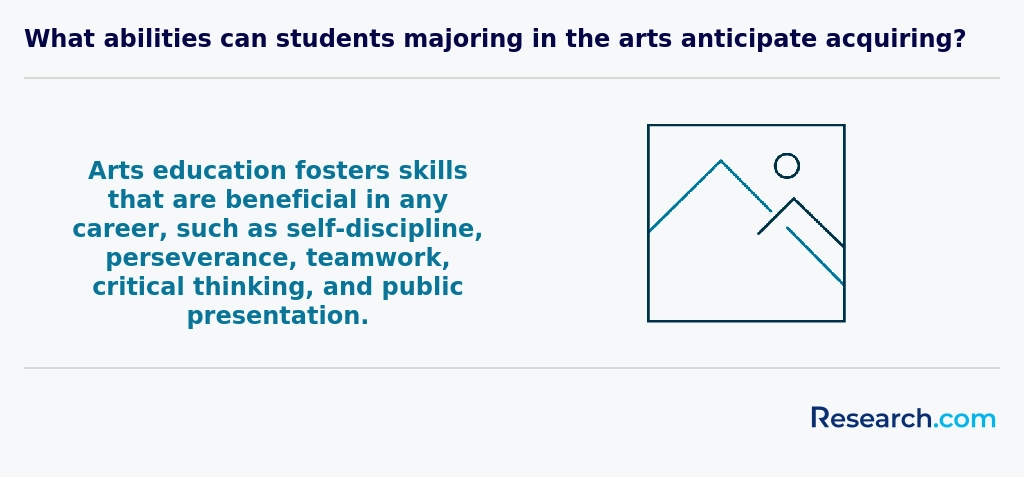
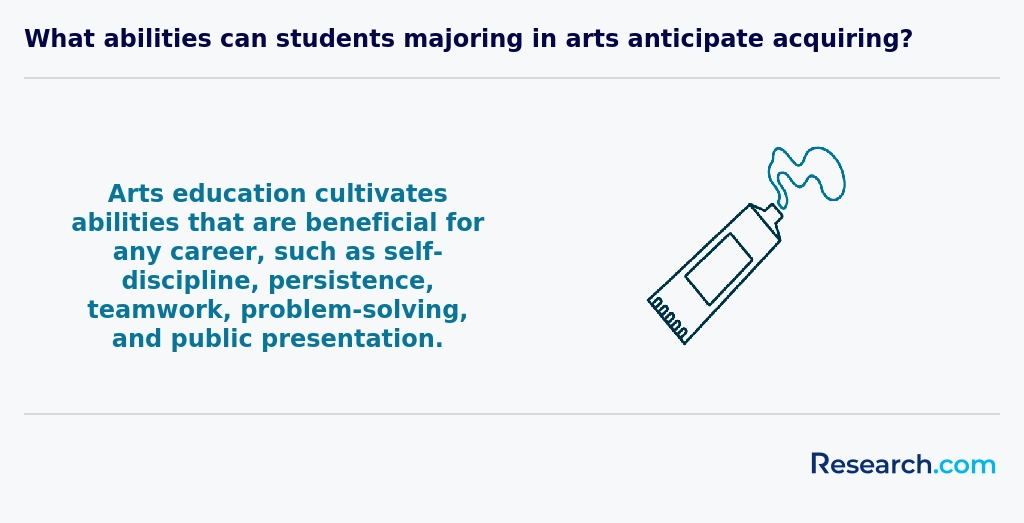
When you dive into an online fine arts degree in the Northeast, expect a balanced mix of hands-on and theory courses that really help you grow as an artist. Graduates from schools like the University of Massachusetts often talk about starting with the basics-think drawing, color theory, and design principles-that build a strong foundation. These classes aren't just about technique; they help you find your own style.
On top of that, you'll get to explore art history, which adds awesome context to your work by showing how different styles evolved. And depending on the program, you might try your hand at painting, sculpture, or digital media, like graphic design, which some students at SUNY campuses absolutely love because it's so relevant to today's job market.
Many students really appreciate courses that teach digital tools like Adobe Creative Suite since you'll use those everywhere after graduation. Plus, projects like senior portfolios let you put your skills on full display and get ready for real-world gigs or grad school. It's like having a creative bootcamp tailored just for Northeast artists studying remotely.
If you're diving into online fine arts degree specializations Northeast schools offer, you'll find a bunch of cool options tailored to creative minds. Graduates from popular colleges around here often talk about how programs in studio art let them get hands-on with drawing, painting, and sculpture-even if they're miles away from campus. Graphic design is another favorite, especially in New York, where the city's creative buzz shines through courses focusing on digital tools and visual storytelling. Photography majors love the way programs blend technical skills with artistic flair, prepping them for real-world portfolios.
Art history enthusiasts find plenty to dig into too, tapping into rich cultural scenes and museums across New England. Plus, if you're into storytelling, creative writing paired with fine arts is a neat combo that many Northeast schools have embraced. Picking the right specialization matters-a lot-and it's great to hear how students valued the flexibility while still feeling connected to vibrant regional art communities. For those curious, the best fine arts majors online Northeast give a solid shot at both passion and potential, especially if you check out highest paying bachelor degrees to plan ahead.
Picking the best affordable online fine arts degrees Northeast means balancing what fits your budget with what really sparks your creativity. Graduates from well-known Northeast schools often mention how having access to strong online programs gave them a chance to explore everything from digital media to classic art history without leaving home. Make sure the school you choose is regionally accredited - it's a big deal for credit transfers and even federal aid.
Many students especially love programs that offer virtual critiques and mentorship, which is pretty much like having a personal art coach cheering you on from the other side of the screen. If you want to tap into the Northeast's arts scene vibe, pick a program with faculty who are active artists or scholars connected to places like Boston or New York's art communities. Plus, finding resources like career counseling and alumni networks online can totally boost your confidence as you launch your creativity into the real world.
And don't forget the value of knowing which majors lead to jobs after graduation - take a peek at the most lucrative college majors for some inspiration. When searching for top online fine arts programs Northeast 2027, focus on one that fits both your artistic passion and practical goals.
If you're eyeing online fine arts careers in the Northeast, there's a bunch of cool paths you can jump into right after graduation. Imagine creating eye-catching paintings or sculptures that sell at galleries in Boston or New York, where the art scene buzzes nonstop. Graduates from popular schools like RISD or Boston University often start as professional artists because local demand and gallery connections make it easier to get noticed and earn well.
Others dive into teaching, whether at community colleges or local schools in Massachusetts or New York. There's always a need for passionate art educators who really get the creative spark-plus it feels great to inspire new artists. Then, there's art administration or curating gigs at big museums like the Museum of Fine Arts in Boston, where grads manage exhibitions or plan awesome art events.
Don't forget digital arts! Online programs often teach skills in graphic design or video game art, which is huge in the Northeast's tech and media hubs. Plus, for those thinking about starting their own thing, many graduates launch studios or online galleries. And if you want to know which degrees lead to the highest rewards, check out this list of the highest paying master degrees-it's pretty eye-opening.
All in all, fine arts degree job opportunities Northeast really shine thanks to vibrant local communities, big cultural institutions, and lots of room for creative hustle.
The job market for online fine arts degree graduates in the Northeast is a mixed bag but definitely promising if you're ready to hustle. Graduates from well-known programs at schools like the Rhode Island School of Design or the School of Visual Arts often find themselves in cities like New York or Boston, where galleries and advertising agencies are constantly on the lookout for fresh talent. These grads share stories of landing graphic designer or multimedia artist roles by networking in those creative hubs, showing how important connections are in this region's competitive scene. If you're interested in fine arts career opportunities northeast region offers, you'll find that opportunities range from art direction in buzzing media companies to teaching art online or at community colleges.
Salary-wise, many grads note that while the cost of living is high, the pay often reflects that, sometimes topping the national averages. Balancing that with tuition expenses, some students turn to affordable programs online-like the cheapest associate degree online options-to keep costs manageable without sacrificing quality.
2027 Most Affordable Online Bachelor's in Fine Arts Degree Programs Ranking in the Northeast
Investing in your education is a significant decision that requires careful consideration, and the Research.com team is dedicated to helping you make well-informed choices. With this in mind, we have carefully developed the "2027 Most Affordable Online Bachelor's in Fine Arts Degree Programs Ranking in the Northeast." Our commitment to quality, credibility, and accuracy is demonstrated through diligent research and rigorous data analysis.
We utilized the following reputable data sources to create this ranking:
By exploring this ranking, readers will gain valuable insights into affordable, high-quality online Fine Arts degree programs in the Northeast, enabling them to choose the best path for their educational and professional goals. For further details on how this ranking was created, please visit our Research.com methodology page.
# 1 position
SUNY Empire State College
Bachelor of The Arts
# 2 position
Thomas Edison State University
Bachelor of Theater

# 3 position
Berkeley College-New York
Bachelor of Interior Design

# 4 position
University of Maine at Augusta
Bachelor of Contemporary and Popular Music

Frequently Asked Questions About fine arts
Online fine arts degree students in the Northeast can maximize their learning by actively engaging with digital resources and virtual art communities. Many regional institutions offer interactive workshops and live critiques, fostering peer collaboration despite geographic distances. According to the National Endowment for the Arts, Northeastern states have a robust arts scene, so students should take advantage of local museum virtual tours and artist talks to deepen their contextual understanding.
Additionally, setting a dedicated workspace and maintaining a consistent schedule helps students balance creative practice with coursework.
Utilizing school-provided software and tools specific to fine arts programs enhances technical skills critical for success in today's digital art market.
Finally, networking through regional arts organizations can lead to internships and exhibitions that enrich the academic experience.
The field of fine arts continues to evolve, with several emerging niches gaining attention among students pursuing online degrees in the Northeast. Digital arts, including animation and virtual reality design, are rapidly expanding as technology integrates with traditional art practices.
Another growing area is sustainability in art, where artists focus on eco-friendly materials and practices. According to the National Endowment for the Arts, Northeast institutions report a 15% increase in digital and sustainable arts programs over the past five years.
Art therapy also remains a significant niche, combining creativity with mental health disciplines, drawing many students seeking interdisciplinary careers within online fine arts curricula.
After earning an online fine arts degree in the Northeast, preparing for the job market requires a clear strategy. Building a strong portfolio is essential; it showcases your skills and creativity to potential employers or clients. Networking within local art communities, galleries, and nonprofits increases your opportunities. According to the National Endowment for the Arts, the Northeastern states have a higher density of arts-related jobs compared to the national average, making regional connections valuable.
Internships and freelance projects help gain practical experience. Additionally, familiarizing yourself with grant applications and artist residencies common in the Northeast can provide financial support and exposure. Developing digital skills in online art platforms and social media marketing is also crucial in today's market.
Employers in the Northeast seeking fine arts degree graduates prioritize a blend of creative and technical skills. Strong proficiency in digital design tools such as Adobe Creative Suite is essential, reflecting the region's growing demand for multimedia and graphic design expertise. According to the National Endowment for the Arts, nearly 30% of art-related jobs in the Northeast require digital media skills.
Communication and collaboration are also key. Graduates must effectively present ideas and work within teams, especially in diverse urban arts communities like New York and Boston. Critical thinking and adaptability remain top priorities as employers seek artists who can innovate within evolving markets.
Finding internships in the Northeast for fine arts students involves leveraging local resources and networks. Major cities like New York, Boston, and Philadelphia host numerous museums, galleries, and cultural institutions offering internship opportunities. According to the National Endowment for the Arts, the Northeast region accounts for over 40% of U.S. art-related jobs, increasing the availability of positions.
Start by contacting university career centers, even for online students, as many maintain partnerships with local arts organizations. Online platforms like Handshake and internships.com allow filtering for Northeast-based fine arts positions.
Networking through regional art councils and attending local exhibitions can also uncover hidden internships.
Online fine arts degrees in the Northeast offer increased career mobility by providing flexible access to accredited programs from established institutions. This accessibility allows students to balance education with existing work commitments, which is critical in competitive art markets such as New York and Boston.
Graduates with fine arts degrees from online programs often benefit from expanded professional networks and enhanced portfolios. According to the National Endowment for the Arts, Northeast states lead in arts employment, with a 6% growth rate over five years, demonstrating rising demand for skilled artists.
Employers in galleries, museums, and creative industries frequently recognize online degrees from reputable schools, aiding advancement opportunities. Additionally, online education equips students with digital skills increasingly valued in modern art careers across the region.
Studying for a fine arts degree online in the Northeast offers students unique preparation for interdisciplinary roles by integrating diverse skills from both the arts and technology. Many programs emphasize collaboration across fields such as digital media, graphic design, and creative writing, reflecting industry demands.
The Northeast is home to leading universities that tailor their curricula to incorporate practical skills alongside artistic theory. According to the National Endowment for the Arts, over 35% of fine arts graduates in this region pursue careers combining arts with STEM or business disciplines.
This multidisciplinary training equips students to work effectively in roles requiring both creativity and technical knowledge, such as multimedia production, arts administration, and education technology.
When choosing between thesis and non-thesis fine arts degree programs online in the Northeast, consider your career goals and learning preferences. A thesis program typically requires a significant research project or creative portfolio, useful for students aiming for graduate school or professional artistic careers. Non-thesis options often emphasize coursework and practical skills, ideal for those seeking immediate entry into the workforce.
According to the National Center for Education Statistics, about 40% of fine arts graduates in the Northeast pursue thesis paths, reflecting strong demand for research-driven credentials. Accredited institutions like those in the New England region offer both formats, ensuring flexibility based on student needs.
Costs may vary, and thesis programs sometimes extend study duration due to research requirements. Consult program details carefully to align your time, budget, and goals with the right choice.
Students based in the Northeast interested in studying fine arts abroad have several pathways to consider. Many US institutions in this region offer online fine arts degrees with international study options through partnerships or short-term exchange programs. According to the National Center for Education Statistics, about 15% of fine arts undergraduates in the Northeast participate in study abroad programs, often in Europe and Asia.
Notably, some accredited universities provide virtual internships or collaborative projects with overseas art institutions, which complement online fine arts curricula. These opportunities allow students to gain global perspectives without relocating.
The Council on International Educational Exchange reports that fine arts students benefit significantly from exposure to diverse cultural art forms, which is accessible through these combined online and abroad experiences.
Part-time jobs in the Northeast that complement fine arts education include roles such as gallery assistants, art instructors, and freelance graphic designers. These positions offer practical experience while supporting creative skill development. According to the National Endowment for the Arts, states like New York and Massachusetts have a high concentration of art galleries and design firms, increasing opportunities for part-time work.
Additionally, museums and cultural institutions often hire part-time educators or event coordinators, providing arts students with relevant professional environments. Freelance work, including digital illustration or photography, is common and flexible, matching well with online study schedules.
Online fine arts students in the Northeast have several networking opportunities tailored to their unique learning environment. Many schools offer virtual events, including guest lectures, workshops, and portfolio reviews, connecting students with industry professionals. Regional art organizations, such as the New England Foundation for the Arts, frequently host online exhibitions and forums, helping students build local networks. Additionally, students can join national and regional student art associations that offer mentorship programs and collaborative projects.
In-person networking occurs at galleries and art fairs concentrated in cities like Boston and New York, where students can meet local artists. According to the National Endowment for the Arts, the Northeast consistently ranks high in public arts funding, supporting vibrant connections between emerging artists and cultural institutions.
Alumni networks play a significant role for online fine arts degree students in the Northeast by providing valuable professional connections across the region's vibrant arts communities. These networks often offer mentorship, internship opportunities, and job leads that can be critical in the competitive fine arts field. According to the National Endowment for the Arts (NEA), the Northeast hosts numerous galleries and art institutions, making regional connections especially beneficial.
Many alumni groups organize virtual events and portfolio reviews, helping online students build industry relationships despite physical distance. Networking through these groups also enhances access to regional exhibitions and collaborative projects, which are essential for career growth in fine arts.
Many online fine arts degree programs in the Northeast allow students to tailor their studies to align with specific career goals. Customization often involves selecting electives in areas like digital media, studio art, art history, or graphic design. Some universities also offer concentrations or minors that students can combine with their core fine arts curriculum.
Advisors typically guide students in creating personalized course plans that develop relevant skills for careers in galleries, education, or multimedia arts. The New England Board of Higher Education reports that about 60% of online arts programs in the region offer flexible options to accommodate working professionals.
Taking advantage of internships or virtual studio experiences provided by the institution can further enhance practical knowledge and job readiness in your chosen field.
Online fine arts students in the Northeast often face unique challenges related to the hands-on nature of their discipline. Unlike traditional students, they may struggle with limited access to specialized studio equipment and art materials, which are crucial for their coursework. According to the National Endowment for the Arts, about 35% of students in Northeast art programs report difficulties with remote access to resources.
Connectivity issues also pose problems, especially in rural parts of the region where broadband access is less reliable. This can disrupt participation in live critiques and collaborative projects, which are essential in fine arts education. Additionally, the lack of in-person networking opportunities may limit students' exposure to galleries and local art communities.
With an online fine arts degree, you can pursue several professional certifications that enhance career prospects in education, design, and arts administration. For those interested in teaching, obtaining state certification or licensure is crucial. In the Northeast, this often involves passing Praxis exams and completing state-specific requirements, as outlined by the New York State Education Department or Massachusetts Department of Elementary and Secondary Education.
Additional certifications include those offered by the American Institute of Graphic Arts (AIGA) for design professionals or the National Art Education Association (NAEA) teaching credentials. While fine arts degrees focus on creativity, combining them with these certifications can significantly boost employability in the region's competitive arts market.
Writing a winning application for an online fine arts program in the Northeast requires clear focus and preparation. First, strengthen your portfolio by including diverse examples of your work that showcase technical skill and creativity, as many programs prioritize portfolio quality. According to the National Association of Schools of Art and Design, Northeast institutions often emphasize originality and context in submissions.
Next, craft a compelling personal statement explaining your artistic goals and why you want to study online in the Northeast, referencing regional influences when relevant. Highlight any previous art education or professional experiences.
Lastly, secure strong recommendation letters from instructors or art professionals who can attest to your dedication and talent. Meeting all application deadlines and submitting required materials fully ensures your chance of success.
The global perspective on a fine arts career emphasizes versatility and cross-cultural influence. In the US, especially the Northeast, fine arts graduates often blend traditional techniques with digital media, reflecting worldwide trends. The National Endowment for the Arts reports that nearly 50% of artists in states like New York and Massachusetts engage in interdisciplinary projects, showing a global fusion in art creation.
Moreover, fine arts careers now increasingly include roles in digital design, animation, and cultural preservation-fields influenced by global market demands. Employers seek artists proficient in both classic and contemporary methods, reflecting international standards. This broad approach enhances a graduate's employability in a competitive, interconnected art world.
Gaining practical experience while pursuing an online fine arts degree in the Northeast is achievable through various opportunities. Students often engage in virtual internships with local galleries, museums, and art organizations that support remote work. Many institutions also facilitate partnerships with creative agencies and studios, allowing students to build portfolios alongside their studies.
Additionally, Northeast students can participate in regional art competitions and virtual exhibitions, gaining exposure and professional feedback. According to the National Endowment for the Arts, participation in such initiatives increases employability by 20% among recent fine arts graduates.
Networking through online artist communities and local art councils further enhances hands-on learning and collaboration prospects.
Choosing the right concentration within an online fine arts degree in the Northeast requires careful evaluation of your interests and career goals. Common concentrations include studio art, graphic design, animation, and art history. According to the National Endowment for the Arts, visual arts occupations in the Northeast grew by 5% from 2018 to 2023, indicating expanding opportunities.
Consider programs that offer specialized courses and experienced faculty in your area of interest. Research the availability of internships or partnerships with local museums and galleries, especially in cultural hubs like New York and Boston. These experiences can enhance practical skills and networking.
Review program accreditation to ensure quality education recognized by employers and art institutions. Finally, evaluate the balance between theory and hands-on practice in each concentration to align with your learning style and professional aspirations.
- Fine Arts, AA https://mccnh.edu/program/fine-arts/
- Study Fine Arts Abroad – Top Universities & Careers https://thearchinternational.com/fine-arts/
- 404 – Seite nicht gefunden https://www.gostudent.org/en-gb/blog/what-jobs-can-you-get-with-a-fine-arts-degree
- Types of Financial Aid | PAFA - Pennsylvania Academy of the Fine Arts https://www.pafa.org/types-financial-aid
- How to Write a Great Fine Art Personal Statement: Expert Tips https://oxbridgeapplications.com/application-resources/fine-art-personal-statement/
- High-Impact Educational Practices in the Arts and Post-College⦠https://snaaparts.org/findings/databriefs/high-impact-educational-practices-in-the-arts-and-post-college-community-engagement
- Why Choose a Fine Arts Degree at a Liberal Arts College? https://www.pacificu.edu/blog/liberal-arts-education-aspiring-artists
- Fine Art Courses & Degrees https://www.open.edu.au/study-online/art-design/fine-art
- Arts Alumni Network https://alumni.brandeis.edu/resources/interest-groups/arts-alumni-network.html
- Program Goals and Learning Outcomes | Elmhurst University Department of Art https://www.elmhurst.edu/academics/departments/art/program-goals-learning-outcomes/