2027 Best Fine Arts Degree Programs Ranking in the South

Co-Founder and Chief Data Scientist
Are you considering pursuing a fine arts degree in the South? This article introduces the 2027 Best Fine Arts Degree Programs Ranking in the South, thoughtfully compiled by the Research.com team of data scientists. It is designed to help you navigate your options and make an informed decision about which programs truly stand out.
Exploring fine arts can unlock creativity, build valuable skills, and open doors to inspiring career paths. By reading this ranking, you'll gain clarity on the best opportunities available to fuel your passion for the arts and shape your future.
Key benefits of getting fine arts degree in the South
- Fine arts degree graduates in the South can earn well, with animators averaging $109,630 annually and illustrators about $71,420, showing strong salary potential in creative careers.
- Graduates from popular Southern universities often explore diverse paths like animation, graphic design, or art therapy, enabling creative freedom and exciting work environments.
- Completing a fine arts degree online from a respected Southern university offers flexible schedules and access to industry professionals, making it easier to balance life and study while still building valuable skills.
- 2027 Best Fine Arts Degree Programs Ranking in the South
- What can I expect from fine arts degree in the South?
- Where can I work with fine arts degree in the South?
What can I expect from fine arts degree in the South?
The price tag of chasing your creative dreams in the South often paints a mixed canvas. At public universities, ambitious fine arts students find tuition more like a gentle sketch than a bold stroke-averaging around $10,000 to $15,000 per year. This budget-friendly palette allows students-whether at bustling state schools or smaller regional colleges-to focus more on their craft than their loans.
Private institutions, with their shimmering galleries and boutique studios, often command a richer canvas costing upwards of $30,000 annually. Graduates from these schools recall trading late-night caffeine for priceless mentorship and cutting-edge resources, experiences that feel worth every penny.
Financial aid programs and scholarships often color the financial picture warmly. For instance, a fine arts student at the University of Florida might weave together scholarships with part-time gallery internships, turning tuition pressure into a patchwork of opportunity and community connection.
Ultimately, the South's fine arts degree costs are as varied as the creatives themselves-inviting you to invest not just money, but passion and time into a vibrant artistic future.
Where can I work with fine arts degree in the South?
Picture yourself stepping out of a vibrant fine arts program at a Southern university, like one in Atlanta or New Orleans, and plunging into the rhythm of museum curatorship or gallery exhibition design. Graduates often share stories of shaping immersive experiences in local museums where the echoes of history meet contemporary creativity, transforming spaces into storytelling canvases.
Or imagine joining the bustling art departments of Texas community colleges, where teaching isn't just a job but a calling, inspiring future artists with every brushstroke shared. Southern educators thrive on blending traditional techniques with digital innovation, fueled by the energy of cities buzzing with culture.
Meanwhile, in places like Miami or Nashville, fine arts grads dive into the media whirlpool-designing animated ads, crafting effects for the booming film industry, or launching indie studios. They ride the wave of "Hollywood of the South," where entrepreneurship blooms in quirky art studios and freelance gigs, amplifying personal voice through every neon-lit mural or handcrafted set piece.
These paths intertwine around rich Southern culture, creating careers alive with opportunity and bursting with community pride and creative freedom.
A fine arts graduate from a vibrant Southern school like Savannah College of Art and Design or Ringling College of Art and Design can envision a career where creativity meets solid income. Picture a fresh animator in Miami, weaving stories that captivate audiences, earning a mean annual wage of $109,630-a figure that whispers both freedom and financial reassurance. Meanwhile, a graphic artist crafting compelling visual campaigns in Atlanta might find an average paycheck around $64,700, fueling both studio passion and daily living.
Consider those graduates stepping into classrooms as art teachers, inspiring young minds with a mean annual wage of $70,740. Their work shapes culture while offering stability in Southern communities. Illustrators bring their visions to life with $71,420 annually, blending artistic flair with commercial success in cities like Houston or New Orleans.
Each of these roles transforms artistic dreams into tangible realities, showing that a fine arts degree in the South can lead to thriving careers where passion pays off and inspiration grows alongside earnings.
- In-state tuition for public fine arts programs in the South ranges from $7,000 to $12,000 per year, while private schools can cost up to $30,000 annually.
- Entry-level salaries for fine arts graduates typically fall between $30,000 and $40,000, with experienced professionals earning $50,000 to $70,000 annually.
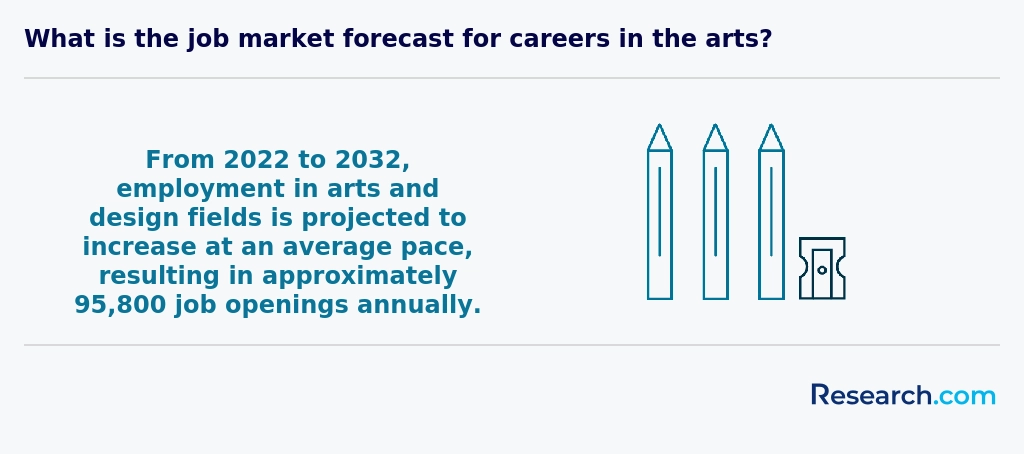
- Job growth for arts and design roles in Southern states is projected at about 5% over the next decade, matching the national average.
- Southern cities like Atlanta, New Orleans, and Austin offer diverse cultural job opportunities, though many roles are freelance or project-based.
- Accreditation by the National Association of Schools of Art and Design (NASAD) indicates higher curriculum and faculty quality in fine arts programs.
- Financial aid and scholarships specifically for fine arts students are available at many Southern colleges to help reduce costs.
For those who crave deeper mastery, the MFA beckons like an extended artist's pilgrimage, adding two or three more years to refine craft, ignite innovation, and sharpen teaching chops at beloved Southern institutions. Many students balance life's twists-part-time studies, internships, or enriching study abroad escapes-stretching their timelines without dimming the joy of creating.
Cost and commitment dance hand-in-hand too. With tuition hovering between $8,000 and $12,000 for in-state creatives, many savor the journey's length, knowing each extra semester brings new skills and fresh inspiration closer to life as a professional artist in the South.
Beyond classroom instruction and studio work, the overall student experience in Fine Arts programs is enriched by vibrant campus cultures and dynamic community engagement. Students not only hone their craft but also build lifelong connections through extracurricular clubs, collaborative projects, and local art events. These cultural experiences-ranging from gallery exhibitions and art fairs to neighborhood murals and public installations-create an immersive learning environment that complements formal academics. Many institutions also provide dedicated art spaces and creative hubs, where students can gather, experiment with new ideas, and exchange feedback. This sense of community is fundamental in fostering mentorship, developing professional networks, and ultimately enhancing career prospects. In today’s digital age, students can also transform their campus experience into actionable opportunities by exploring online platforms; for instance, you might explore the best online fine arts programs in florida to find a flexible learning model that still delivers robust community connections and collaborative projects. Engaging in campus life not only bolsters academic achievements but also builds soft skills such as teamwork, problem-solving, and effective communication. Whether through organized events or spontaneous creative gatherings, these experiences help students adapt to the evolving professional landscape, ensuring they graduate with a well-rounded portfolio that speaks to both artistic talent and real-world readiness.
Imagine stepping into a sunlit studio at a Southern university like Savannah College of Art and Design, where the smell of oil paint and clay dust blends with the hum of quiet conversation. On-campus fine arts students thrive on this tactile immersion, gaining hands-on guidance and critiquing work face-to-face with faculty and peers. This environment breeds camaraderie and sparks creativity through spontaneous collaboration and local gallery connections.
Now picture a graduate juggling life in Atlanta while enrolled in an online program from a respected Southern college. Their studio is a corner of a busy apartment; their tools carefully curated online. Though physically distant, they harness digital platforms for critiques and feedback, weaving their work into a global virtual gallery. The flexibility to create anytime fuels a unique kind of artistic discipline and independence.
Tuition in the South shapes these choices: in-state on-campus programs hover around $8,000-$12,000 annually, yet no one dismisses the convenience savings online study offers. Both paths demand accredited rigor, often from SACSCOC, ensuring Southern students receive recognized credentials wherever their inspiration strikes.
Navigating a Fine Arts degree program can be both inspiring and challenging. Here are expert recommendations to help you maximize your experience and build a solid foundation for a successful career in the arts. First, focus on developing a standout portfolio: regularly update it with projects from your coursework and personal experiments, and be open to constructive feedback from peers and instructors. Set clear personal milestones for exhibitions or digital showcases to track your growth. Second, actively engage with your school’s creative community. Attend workshops, join student organizations, and participate in critique sessions to refine your skills and make lasting industry connections. Balancing independent study with collaborative projects can enhance your creative problem-solving and resilience-qualities that are invaluable in the competitive arts scene. Additionally, take advantage of modern learning platforms if you’re looking for flexibility. For instance, if you prefer an adaptable schedule while still obtaining a top-notch education, consider exploring the best online fine arts programs in florida. These programs often blend digital portfolio development, virtual critiques, and networking opportunities with traditional academic rigor. Lastly, seek guidance from mentors and career services early on. Their advice on internships, freelance opportunities, and emerging industry trends can help tailor your educational journey to your career aspirations. By integrating these strategies into your daily routine, you’ll not only excel academically but also creatively, setting the stage for a thriving and fulfilling career in the arts.
The average cost of a fine arts degree in the South often settles around $41,684, weaving together tuition, fees, and extra essentials like art supplies and studio time. Graduates from beloved Southern institutions, where creativity blooms alongside sprawling oaks, often recall balancing their passion with these financial realities. At a university known for its vibrant arts scene, a student could spend nearly $14,000 when studying in-state, making this dream both tangible and challenging.
Imagine walking through a bustling campus in the South, where easels crowd the hallways and paint-streaked hands shape futures. The total expenses for fine arts degree in southern colleges don't just cover classes; they encompass specialized software, brushes, canvases, and even the occasional unexpected splatter of inspiration on expensive materials. Yet, these costs can feel like stepping stones to a calling, not just bills.
Many students find joy in discovering scholarships that brighten the path. Plus, for those looking, the best online fine arts programs in Florida offer flexible and sometimes more affordable alternatives, blending Southern charm with digital convenience.
Many Fine Arts graduates in the South choose to deepen their expertise and expand their career prospects by enrolling in graduate-level programs such as the Master of Fine Arts (MFA) or specialized certificate tracks. An MFA typically requires two to three years of intensive study, combining advanced studio work with critical seminars, teaching practicums, and a culminating thesis exhibition. These programs not only refine technical skills but also cultivate leadership, research, and teaching abilities-qualities highly valued by academic institutions, galleries, and cultural organizations. Graduate certificates offer a flexible alternative for artists seeking targeted professional development without the full commitment of an MFA. Popular certificate areas include digital media, arts administration, and curatorial practice. These shorter programs often integrate practicum components, partnering with local museums, galleries, and public art initiatives in Southern cities, allowing students to build portfolios and industry connections simultaneously. When selecting a graduate path, consider program accreditation, faculty expertise, and alumni placement rates. Many Southern universities, including the Savannah College of Art and Design and the University of North Carolina School of the Arts, boast strong networks that facilitate internships, residencies, and teaching opportunities. Emerging artists may also explore hybrid or fully online MFA options to balance creative work with professional responsibilities. For those exploring affordable graduate options, consider our list of cheap online mfa programs in creative writing to jumpstart your advanced studies and gain credentials that elevate both your artistic practice and career trajectory.
Imagine stepping into a sunlit studio at the Savannah College of Art and Design, where dreams swirl with paint and clay-yet the average tuition here can feel like a thunderstorm on a bright day. Fortunately, the Southern skies bring financial aid rainbows. Federal aid through FAFSA opens doors with Pell Grants offering up to $7,395 annually, easing the burden for many aspiring artists. One graduate recalls how this grant transformed anxiety into creative freedom.
State programs add vibrant hues: from Georgia to Texas, scholarships like Texas's Tuition Equalization Grant support fine arts visionaries at home. Merit-based scholarships spotlight those with stellar portfolios and academic grit, often awarded by SCAD or the University of North Carolina School of the Arts. A former student shares how earning such an award felt like their hard work was truly seen.
External scholarships from art councils sprinkle surprises, and work-study gigs inside university galleries turn passion into paycheck. For graduate artists, teaching assistantships offer a unique blend of stipend and hands-on experience, teaching and researching their craft amid the creative pulse of their campuses.
Successful Fine Arts programs don’t end at graduation-they continue to thrive through strong alumni networks and real-world success stories. Many Southern art institutions boast active communities that offer mentorship, career guidance, and collaboration opportunities well into your professional career. Alumni often share how their connections with former classmates and faculty opened doors to gallery shows, innovative projects, and exclusive internships. By participating in alumni events and networking sessions, you gain access to invaluable resources that can fast-track your journey and help you navigate the competitive art world. Additionally, engaging with digital platforms-such as exploring the best online fine arts programs in florida-can enhance your learning experience, unlock online portfolios, and connect you with industry experts across the nation. This support system not only celebrates creative achievements but also fosters continuous professional development, ensuring that your passion for art evolves into lasting career success.
To step into a fine arts degree program in the South, imagine standing at the threshold with a high school diploma in one hand and a vibrant, handcrafted portfolio in the other-your visual storybook bursting with sketches, paintings, and digital creations. Southern institutions like those at the University of North Carolina or Savannah College of Art and Design expect this artistic treasure trove to reveal your creative spark and technical finesse. Graduates fondly recall late-night studio sessions crafting portfolios that spoke louder than words.
Alongside, a personal or artist's statement acts as your heartfelt manifesto, painting your aspirations and passion across pages-much like students at Louisiana State University who found this was their moment to connect personally with admissions.
While some programs might call you in for interviews or auditions to truly feel your artistic pulse, many Southern schools gently weigh your academic background with a minimum GPA around 2.5 to 3.0 and, sometimes, SAT or ACT scores-though test-optional trends ease this burden.
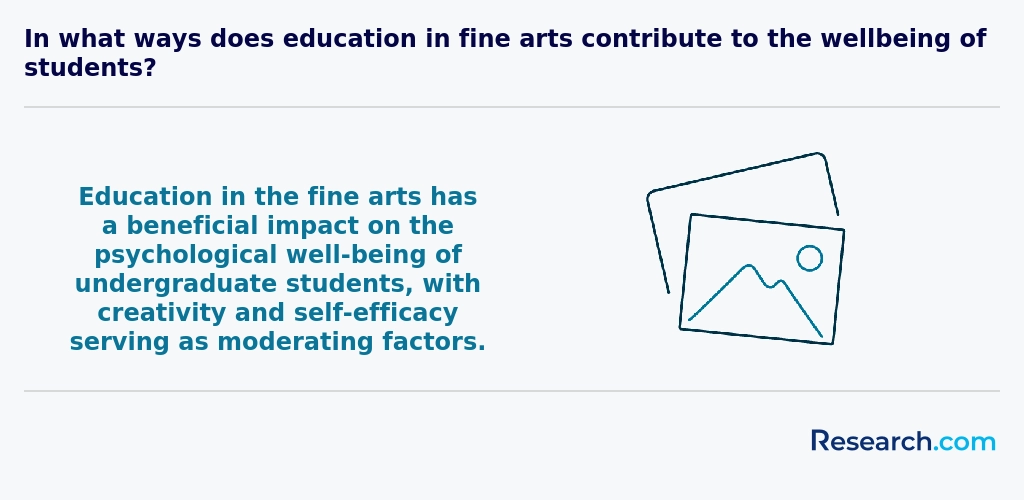
A vibrant campus life is an integral part of a transformative Fine Arts education. Beyond classroom learning, students benefit from robust extracurricular activities, dedicated art clubs, and community outreach programs that foster creative collaboration and personal growth. Campus events like gallery exhibitions, live performances, and workshops not only provide practical experience but also cultivate networks that can lead to long-term career opportunities. Moreover, many institutions offer comprehensive student support services-including academic advising, mental health resources, and career counseling-that empower you to navigate challenges and celebrate achievements throughout your artistic journey. By engaging fully with campus life, you can refine your craft in a nurturing environment, build lasting relationships with peers and faculty, and immerse yourself in the dynamic cultural atmosphere that fuels innovation in the arts. For students seeking additional flexibility and specialized instruction, exploring the best online fine arts programs in florida can be a valuable complement to the on-campus experience, offering innovative ways to blend practical learning with digital resources. This holistic approach ensures that whether on campus or online, every element of your education is designed to inspire creativity and support your lifelong career in Fine Arts.
Imagine stepping into a sunlit studio at a renowned Southern university, where the scent of fresh paint mingles with whispers of tradition and innovation. Here, drawing and sculpture courses aren't just assignments-they're invitations to explore the tactile magic of form and shadow, much like generations of Southern artists before you. Graduates often recall late nights molding clay or layering brushstrokes, each moment deepening their connection to craft and self-expression.
Alongside these tactile adventures, digital art classes pulse with vibrant energy, reflecting the South's embrace of new media. Students merge old and new, experimenting with technology while steeped in local culture. Art history courses weave together tales of Southern creators and global movements, helping learners understand how their creative voices fit into a broader conversation.
Beyond the studio, courses like color theory, printmaking, and ceramics spark joyful discovery. Picture developing a portfolio as dynamic and authentic as the Southern landscape itself, while professional practices prepare you to step confidently into exhibitions or internships. This blend nurtures not only skill but a contagious excitement for artistic possibility.
Imagine molding clay into vibrant ceramics under warm Southern skies or capturing the golden hues of a Savannah sunset through the lens of a camera in a photography studio. In the South, fine arts degree specializations in the South offer a palette of choices-painting, sculpture, graphic design, digital media, and even focused tracks like animation or printmaking. Graduates from well-known schools like the Savannah College of Art and Design and the University of North Carolina School of the Arts often describe their journey as a harmonious blend of studio magic and thoughtful theory, where every brushstroke or pixel feels purposeful.
Among the spirited halls and lively critiques, digital media and graphic design sparkle brighter each year as students merge creativity with cutting-edge tech to tell new stories. For those seeking creative freedom tethered with real-world application, Southern programs are a launchpad for careers in everything from animation to commercial photography. Prospective artists juggling budget concerns often discover cheap online mfa programs in creative writing alongside affordable, inspiring campuses. These South regional fine arts program options create fertile ground for passion to thrive, rooted in tradition yet daring to innovate.
Choosing the best fine arts degree in the South is less about ticking boxes and more about sensing the pulse of creative life around you. Imagine immersing yourself in Atlanta's thriving art scene, where graduates from Georgia's top programs describe their studios as incubators of bold ideas and vibrant collaborations. The difference between a BFA's hands-on, paint-splattered rigor and a BA's broader canvas of knowledge can reshape your artistic journey-think of it as choosing whether to wield a brush or a lens most days.
Financially, affordable fine arts colleges Southern US offer a spectrum; many students balance tuition with material fees, yet still find doors opening through scholarships and local internships. For those needing flexibility, exploring the quickest adult degree programs online can complement a passionate studio practice in cities like Austin or Raleigh.

Graduates with a fine arts degree in the South find themselves at a crossroads where passion meets opportunity; vibrant arts hubs like Atlanta and Charleston morph into playgrounds for painters, sculptors, and illustrators eager to breathe life into their craft. Many of these graduates share stories of gallery showcases fueled by Southern charm, or evenings spent teaching young artists in K-12 schools, where their creativity sparks new generations under warm classroom lights. With job prospects for fine arts graduates Southern US increasingly intertwined with the digital realm, roles in graphic design and digital media flourish in booming cities like Raleigh-Durham, blending traditional artistry with cutting-edge technology.
Some find joy behind museum walls, curating exhibits that tell stories of Southern heritage, while others embrace freelance consulting, weaving art into branding or community projects. Attending institutions like the University of North Carolina or Florida State University can amplify these experiences, and for those curious about alternative paths, exploring top degree programs for older adults online reveals even broader horizons.
Fine arts graduates in the South navigate a job market threaded with both vibrant creativity and practical challenges. Picture a graduate from a well-known Southern university stepping into Atlanta's buzzing arts scene, finding work in galleries or public art programs that shape city culture. The employment opportunities for fine arts graduates in Southern states lean heavily into visual arts, digital media, and education-fields where passion fuels hustle. Many graduates discover satisfaction teaching art in local schools or freelancing in digital content, turning flexible gigs into thriving careers. The cost of studying here, often much friendlier than coastal alternatives, adds a practical glow to the promise of artistry, making the decision easier for aspiring creators willing to embrace the region's unique rhythm.
In this mosaic of cultural pockets, exploring affordable education options can be a game-changer; many pursue a cheap associates degree online to kick-start their journey while balancing finances. The job market for fine arts degree in the South might not dazzle with sky-high wages, but it pulses with real opportunity for those ready to blend vision with southern grit.
2027 Best Fine Arts Degree Programs Ranking in the South
Investing in your education is a significant decision that can shape your future, and the Research.com team understands the importance of making informed choices. To assist prospective students interested in fine arts, we have meticulously crafted the "2027 Best Fine Arts Degree Programs Ranking in the South." Our commitment to quality, credibility, and accuracy is reflected in the extensive research and analysis conducted to compile this ranking.
We utilized the following reputable data sources to ensure a comprehensive evaluation of fine arts programs:
By exploring this ranking, readers will gain valuable insights into the top fine arts degree programs in the South, helping them make confident and well-informed decisions about their educational paths. For more details on our methodology, please visit our Research.com methodology page.


Frequently Asked Questions About fine arts
Fine arts degree students in the South can maximize their learning by actively engaging with both campus resources and the regional arts community. Participating in local galleries, workshops, and art festivals enriches practical skills and networking. Many universities in the South offer interdisciplinary courses combining digital media and traditional art, which broadens creative techniques. According to the National Endowment for the Arts, Southern states have seen a 12% growth in artist employment, showing promising local opportunities. Seeking internships with local artists or cultural organizations also enhances real-world experience. Additionally, collaborating in student exhibitions fosters critical feedback and exposure.
Emerging niches within the fine arts field are expanding rapidly in the Southern United States, reflecting broader technological and cultural shifts. One notable niche is digital arts, where students blend traditional techniques with computer graphics, animation, and virtual reality technologies. According to the National Endowment for the Arts, digital art programs in Southern universities have grown by 15% over the past five years.
Another growing area is community-engaged arts, emphasizing social impact and public collaboration. Schools in the South increasingly focus on interdisciplinary projects linking fine arts with social justice and environmental themes. Additionally, fine arts programs focusing on game design and interactive media are attracting more students due to rising regional demand for creative tech skills.
Graduates with fine arts degrees in the South face a competitive job market. To prepare effectively, students should build robust portfolios showcasing diverse skills. According to the National Endowment for the Arts, practical experience gained through internships or local exhibitions significantly enhances job prospects.
Networking is critical; participating in regional arts organizations or events like the South Arts exhibitions can open opportunities. Additionally, sharpening digital skills for marketing and online presence is increasingly important, with many Southern artists leveraging social media platforms to reach wider audiences.
Considering advanced certifications or combining fine arts with related fields such as arts administration can also improve employability. Career centers at Southern universities often offer tailored support specifically for fine arts graduates seeking regional employment.
Employers in the South prioritize several key skills when hiring fine arts degree graduates. Creativity remains essential, as professionals must generate original ideas and innovative artwork. Strong technical ability is also critical, including proficiency in various media like painting, sculpture, digital design, and photography.
Communication skills rank highly, enabling artists to present concepts clearly to clients and collaborate with teams. According to the National Endowment for the Arts, Southern arts organizations value adaptability and problem-solving skills to meet diverse project needs.
Additionally, knowledge of art history and cultural context is important for many roles. Business acumen, including marketing and portfolio management, is increasingly sought after, reflecting the need to navigate the competitive art market effectively.
Finding internships in the South for fine arts students involves leveraging both academic resources and local art communities. Universities such as the Savannah College of Art and Design often offer dedicated internship programs connected to galleries, museums, and design firms. According to the National Association of Colleges and Employers (NACE), over 60% of internships in creative fields lead to job offers, highlighting their importance.
Many cities in the South, including Atlanta, New Orleans, and Charleston, have vibrant arts scenes that provide internship opportunities in museums, theaters, and creative agencies. Students should also explore statewide arts councils, like the Georgia Council for the Arts, which often list local internships and grants available for fine arts students.
Networking through campus events, local exhibitions, and social media groups focused on Southern artists can also help connect students to internships tailored to their interests and skills.
A fine arts degree in the South can enhance career mobility by equipping graduates with creative skills valued in diverse fields. According to the National Endowment for the Arts, southern states like Georgia and Texas have seen a 5% increase in arts-related job openings over the past five years. Graduates often find roles in education, design, and digital media, sectors growing regionally. Additionally, many southern universities maintain strong alumni networks that help graduates access internships and job opportunities, boosting advancement prospects.
Fine arts degrees encourage adaptability, a quality employers seek in the evolving job market. This flexibility supports career shifts into related industries where creativity is an asset.
Studying for a fine arts degree in the South offers students unique preparation for interdisciplinary roles by combining traditional artistic training with coursework in digital media, design, and communication. Many Southern universities, such as the University of North Carolina and Vanderbilt University, emphasize collaboration between arts, technology, and humanities departments.
According to the National Endowment for the Arts, Southern institutions have increased interdisciplinary programs by 25% over the past five years, fostering skills in both creative expression and practical applications. This blend equips students to work in areas like animation, graphic design, and cultural project management.
Fine arts degrees in the South also benefit from partnerships with local industries, providing real-world experience that integrates multiple disciplines.
When choosing between a thesis and a non-thesis fine arts degree program in the South, students should consider their career goals and learning preferences. Thesis programs emphasize research, critical analysis, and the creation of a significant scholarly or artistic project. This option suits those aiming for doctoral studies or academic careers.
Non-thesis programs often focus more on practical skills and portfolio development, appealing to students seeking immediate entry into creative industries. According to the National Center for Education Statistics, Southern universities like the University of North Carolina and Florida State University offer robust thesis and non-thesis options tailored to diverse artistic ambitions.
Cost, program length, and faculty expertise also influence this decision. Thesis tracks may take longer but provide deeper engagement with theory and critique.
Students based in the South who want to study fine arts abroad have several pathways supported by U.S. institutions. Many Southern universities with fine arts programs maintain partnerships with European and Asian art schools, offering exchange semesters that allow students to study overseas while earning credits toward their degree. For example, institutions like the Savannah College of Art and Design provide global study options in cities such as Lacoste, France. According to the Institute of International Education, Southern states contribute significantly to U.S. outbound fine arts students, reflecting strong institutional support for international exposure.
Additionally, Southern students can apply for competitive scholarships and fellowships aimed at international study. Programs like the Gilman Scholarship assist undergraduates receiving federal aid to study abroad, including fine arts disciplines. This financial aid plays a crucial role in increasing accessibility for students who might otherwise find overseas education cost-prohibitive.
Finally, students may also enroll directly in foreign fine arts institutions, though this path requires careful credential evaluation to ensure credits will transfer back to their home programs in the South. Institutions in the U.K., Italy, and France remain popular choices for international fine arts education due to their historical influence and renowned arts curricula.
Part-time job opportunities in the South that complement fine arts degree education often include roles such as gallery assistants, art tutors, and workshop facilitators. These positions provide practical experience alongside academic training.
Many Southern states, including North Carolina and Georgia, host vibrant arts communities with increasing demand for entry-level art professionals. According to the South Arts organization, employment in arts-related fields in the South saw a 5% growth from 2018 to 2023.
Working in local museums or cultural centers can improve students' understanding of art curation and preservation. Freelance opportunities in illustration or digital design are also common, especially in cities like Atlanta and Charleston where the creative economy is rapidly expanding.
Such jobs not only enhance skills but also help build professional networks relevant to a fine arts career.
Fine arts students in the South benefit from diverse networking opportunities that connect them with professionals, alumni, and peers. Many Southern universities host regular gallery exhibitions, workshops, and guest lectures featuring renowned regional artists. According to the National Endowment for the Arts, Southern states including Texas, Florida, and Georgia lead in arts funding, enhancing resources available to students.
Student organizations and art clubs often collaborate with local museums and cultural centers, increasing real-world engagement. Internship programs are widely available through partnerships with galleries and creative firms, fostering direct industry connections. Additionally, annual art festivals such as Art Basel Miami attract Southern fine arts students, providing invaluable exposure.
Alumni networks play a crucial role for fine arts degree students in the South by providing valuable professional connections. These networks connect students with established artists, gallery owners, and educators who have regional experience. According to a 2023 study by the National Association of Schools of Art and Design, 67% of Southern fine arts graduates found job opportunities through alumni referrals.
Access to local exhibitions, internships, and workshops is often facilitated through these networks. They also offer mentorship programs that help students develop portfolios and navigate the competitive arts industry. Participation in alumni communities can significantly increase a graduate's visibility in Southern art markets.
Students pursuing fine arts degrees in the South can often tailor their programs through electives, concentrations, and interdisciplinary opportunities. Many universities allow selection of coursework in areas such as painting, sculpture, digital media, or art history, enabling focus on specific career paths like gallery management or multimedia design.
Additionally, internships and community partnerships in Southern cities with vibrant arts scenes-such as Atlanta, New Orleans, and Austin-provide practical experience, enhancing career readiness. According to the National Center for Education Statistics, Southern institutions confer over 30% of US fine arts degrees, often emphasizing flexible curricula.
Exploring certificate programs or study abroad options within a fine arts degree can further customize skills toward desired professions.
Fine arts students in the South often face several unique challenges during their studies. Limited funding and resources at some Southern institutions can restrict access to state-of-the-art studios and equipment, affecting hands-on learning. According to the National Endowment for the Arts, Southern states typically allocate less per capita funding to arts education compared to other US regions.
Additionally, smaller local arts industries may offer fewer internship and job opportunities for graduates, creating challenges in career development. Students also report balancing rigorous coursework with part-time jobs due to financial pressures, a common issue cited in surveys by the Southern Association of Colleges and Schools.
With a fine arts degree in the South, you can pursue a variety of professional certifications that enhance your career prospects. Many graduates seek certification as Art Educators, qualifying through state-specific teaching credentials such as the Texas State Board for Educator Certification or Florida's Department of Education. These certifications allow you to teach art in public schools.
Additionally, certifications in graphic design, such as Adobe Certified Expert (ACE), are popular for fine arts graduates interested in digital media careers. The Southern states report growing demand in creative industries, with the Bureau of Labor Statistics projecting a 5% growth in art-related jobs by 2030.
Other options include certification in museum studies or conservation through organizations like the American Alliance of Museums, beneficial for those pursuing curatorial work.
Writing a winning application for a fine arts program in the South requires careful preparation and attention to detail. Start by researching programs at accredited regional institutions known for strong arts curricula, such as those identified by the Southern Association of Colleges and Schools Commission on Colleges. Many Southern schools emphasize portfolios as a primary component, so invest significant effort in curating a diverse, high-quality selection of your work. According to the National Association of Schools of Art and Design, programs increasingly value originality and technical skill in applicants' portfolios.
Additionally, tailor your personal statement to reflect your artistic goals and connection to Southern culture or art traditions when applicable. Letters of recommendation from professors or art professionals familiar with your work can strengthen your application. Finally, meet all deadlines and submit application materials early, as fine arts programs in states like Georgia and Texas often receive competitive applicant pools.
Fine arts careers in the United States, including the South, are increasingly influenced by global trends such as digital media and multicultural collaboration. According to the National Endowment for the Arts, employment for fine artists is projected to grow 7% through 2031, reflecting steady demand. Graduates with fine arts degrees often find opportunities in diverse fields worldwide, including animation, graphic design, and museum curation.
Southern art programs frequently emphasize regional culture while preparing students for global markets. Institutions like Savannah College of Art and Design connect students internationally through exhibitions and internships. Understanding global perspectives helps students adapt, innovate, and compete in evolving creative industries.
Gaining practical experience while studying for a fine arts degree in the South involves leveraging both academic and community resources. Many universities, such as those in North Carolina and Georgia, offer internships with local galleries, theaters, and museums, allowing students to apply their skills in real-world settings. According to the National Endowment for the Arts, Southern states contribute significantly to the nation's creative workforce, making such opportunities more accessible.
Students can also participate in university-sponsored exhibitions, workshops, and collaborative projects. These experiences build portfolios and professional networks critical for post-graduation success.
Additionally, involvement in regional art festivals or nonprofit organizations offers hands-on experience outside the classroom. Institutions often emphasize experiential learning to prepare students for diverse careers in the arts sector.
Choosing the right concentration within a fine arts degree program in the South begins with understanding your personal interests and career goals. Popular concentrations include painting, sculpture, graphic design, and digital media. According to the National Center for Education Statistics, Southern universities award over 30% of the nation's fine arts degrees, highlighting regional strengths in traditional and contemporary art forms.
Research the specific programs offered by Southern schools, considering faculty expertise and available facilities. Visiting campuses or attending virtual tours can provide insight into each concentration's opportunities. Additionally, evaluating local art markets and job prospects in cities like Atlanta, New Orleans, and Miami will help align your choice with future career sustainability.
- Essential Strategies for Artists to Master the Art of Networking https://www.artworkarchive.com/blog/essential-strategies-for-artists-to-master-the-art-of-networking
- Certificate of Fine Arts | CFA Programs - New York Academy of Art https://nyaa.edu/continuing-studies/certificate-of-fine-arts/
- Fine Arts Course Duration: Complete Guide to Eligibility, Fees, & Career Scope - AAFT https://aaft.com/blog/fine-art/fine-arts-course-duration-complete-guide-to-eligibility-fees-career-scope/
- What is an art niche? And how to recognize yours - Arts To Hearts Project https://artstoheartsproject.com/how-to-define-your-niche-as-an-artist/
- Benefits of Fine Arts Education: Creativity & Confidence Boost https://palcs.org/advantage-fine-arts-education-creativity-confidence/
- What Alumni Say https://www.cityandguildsartschool.ac.uk/ma-fine-art/student-and-alumni-case-studies/
- Know more about thesis vs non- thesis: what is the difference? https://studyfans.com/en/blogs/816
- Fine Arts https://en.uap.edu.pl/admission/programmes/fine-arts/
- Careers in Fine Art https://www.artcenter.edu/academics/undergraduate-degrees/fine-art/careers-in-fine-art.html
- Bachelor of Fine Arts: Guide to Duration, Curriculum, and Career Paths - Artemisia College https://www.artemisiacollege.com/blog/bfa-guide-duration/