2027 Best Fine Arts Degree Programs Ranking in Vermont

Co-Founder and Chief Data Scientist
Choosing the right fine arts degree program can shape your creative future. This article presents the 2027 Best Fine Arts Degree Programs Ranking in Vermont, developed by the Research.com team of data scientists. It is designed to guide students in Vermont toward programs that truly stand out.
By exploring this ranking, you'll discover options that match your artistic ambitions and help unlock your potential. Earning a fine arts degree offers exciting opportunities to grow skills and express your creativity in meaningful ways. Take this step with confidence and find the program that fits you best.
Key benefits of getting fine arts degree in Vermont
- Strong earning potential: Graduates with a fine arts degree in Vermont can pursue roles such as Animator, earning a mean annual wage of $109,630, or Illustrator, with an average salary around $71,420, offering rewarding financial opportunities.
- Versatile career paths: Many Vermont fine arts graduates explore diverse fields like graphic design, animation, and art therapy, allowing for creative flexibility and personal growth.
- Convenient online learning: Online fine arts degrees from Vermont institutions provide flexible scheduling and access to expert faculty, making it easier to balance studies with work or personal life while gaining valuable skills.
- 2027 Best Fine Arts Degree Programs Ranking in Vermont
- What can I expect from fine arts degree in Vermont?
- Where can I work with fine arts degree in Vermont?
What can I expect from fine arts degree in Vermont?
The average cost of pursuing a fine arts degree in Vermont varies depending on the institution, but students typically pay between $20,000 and $40,000 per year in tuition and fees. For example, graduates from the University of Vermont report that while tuition can be significant, financial aid packages and scholarships focused on the arts often help reduce overall expenses. Many students balance their budgets by applying for grants offered through local organizations like the Vermont Arts Council, which supports art education with targeted funding.
Beyond tuition, students should budget for supplies, exhibition fees, and possible travel to art residencies or gallery showings. Fine arts graduates from Vermont colleges emphasize the importance of leveraging community resources, such as partnerships with the Flynn Center for the Performing Arts, to access affordable studio spaces and networking events without extra cost.
Careful financial planning and proactive use of resources create manageable cost pathways, making fine arts education in Vermont accessible and deeply rewarding for committed students.
Where can I work with fine arts degree in Vermont?
Graduates with a fine arts degree in Vermont often find rewarding roles in education, galleries, museums, and creative businesses throughout the state. Many secure positions as art educators in local schools such as those in the Burlington School District or Montpelier Roxbury Public Schools, sharing their passion with younger generations. Others work at institutions like the University of Vermont, where their expertise supports academic programs and community outreach.
Fine arts graduates also thrive in museums and cultural centers. For instance, professionals skilled in curation and exhibition design contribute to places like the Fleming Museum of Art, creating engaging experiences for visitors. Freelance artists frequently open studios or participate in events like the Stowe Arts Festival, supported by grants and programs from the Vermont Arts Council.
Some graduates leverage their skills in related fields like graphic design and multimedia, finding opportunities with marketing agencies and tech companies in cities such as Burlington and Barre. These diverse pathways show how a fine arts degree from Vermont institutions can lead to meaningful, creative careers embedded in vibrant local communities.
Graduates with a fine arts degree in Vermont can expect varied earnings based on their chosen career path. For instance, graphic artists commonly earn a mean annual wage around $64,700, reflecting solid opportunities for creative professionals in the state. Illustrators also enjoy competitive pay, with an average yearly income near $71,420. These figures align closely with outcomes reported by graduates from Vermont's well-known institutions such as the University of Vermont or Champlain College, where hands-on experience often enhances employability.
Those pursuing specialized fields like animation may see significantly higher earnings, with an average of $109,630 per year, showcasing the value of combining fine arts skills with digital technology. Art therapists also have promising prospects, earning around $75,660 annually, demonstrating diverse career options for fine arts alumni beyond traditional paths.
Many Vermont graduates start with entry-level roles but benefit from steady growth and opportunities in local art communities. Leveraging connections made during college and pursuing internships can boost chances for well-paid positions and freelance contracts, helping graduates thrive emotionally and financially in Vermont's unique arts scene.
- Fine arts programs in Vermont are offered by both public and private colleges, including the University of Vermont with courses in painting, sculpture, and digital media.
- Annual tuition for public universities in Vermont ranges from $18,000 to $22,000 for in-state students, while private colleges can charge over $45,000.
- Additional costs for art supplies and studio fees typically add $1,000 to $2,500 per year to the overall expenses.
- Starting salaries for fine arts graduates in Vermont average between $35,000 and $40,000 annually, increasing to $50,000-$65,000 with experience.
- The job market in Vermont offers opportunities in galleries, education, freelance, and commercial design but requires proactive networking and often multiple income streams.
In Vermont, completing a fine arts degree typically takes around four years of full-time study, especially at well-known colleges like the University of Vermont or Vermont College of Fine Arts. Graduates often mention that balancing studio work with coursework feels immersive but manageable within this timeframe.
For students juggling work or family, part-time enrollment can extend this period, allowing more flexibility without sacrificing creative growth. Some graduates have found that using transfer credits from other community colleges helped them finish faster, saving both time and money.
Graduate programs like an MFA often add two to three years for those aiming to deepen their artistic skills or pursue teaching. Many former students recommend planning your schedule around intensive studio sessions to maintain steady progress while enjoying the rich hands-on learning Vermont institutions offer.
Vermont’s fine arts institutions offer more than just rigorous academics-they cultivate a vibrant campus culture that enriches the creative journey. Students benefit from a dynamic environment where art clubs, collaborative projects, and regular exhibitions foster creative expression and personal growth. On top of studio work, many campuses provide dedicated spaces for workshops, guest lectures, and networking events that help students build lasting professional relationships. Social events and extracurricular art projects further encourage dialogue and peer feedback, enhancing both skill development and community engagement. By integrating academic pursuits with a lively student life, these programs create a holistic educational experience that prepares future artists for real-world challenges and successes. For those seeking cost-effective opportunities, exploring an affordable fine arts school in vermont may offer a balanced combination of quality education and supportive campus life.
Online and on-campus fine arts degrees in Vermont each offer distinct experiences tailored to different student needs. Graduates from the University of Vermont praise the immersive studio access and face-to-face mentorship available on campus, which foster hands-on skill development in painting and sculpture. This direct interaction helps build strong creative networks essential for art careers. Conversely, students balancing work or family often appreciate Vermont Technical College's online programs for their flexibility, allowing them to submit digital portfolios and participate in virtual critiques without relocating.
On-campus students benefit from immediate access to specialized equipment and collaborative environments, while online learners enjoy flexible scheduling but may miss the tactile experience of working closely in studio spaces. Tuition costs also differ; on-campus programs typically cost upwards of $30,000 annually at private colleges, whereas online courses average around $9,000 nationally, making online options more affordable for many.
Choosing between formats depends on your personal situation-whether you value hands-on learning and community or need adaptable scheduling to balance responsibilities.
Vermont's renowned Fine Arts institutions are celebrated not only for their rigorous academic programs but also for their vibrant campus cultures that nurture creativity and community. Students quickly realize that campus life plays an integral role in their overall development. Beyond the studios and classrooms, campus events such as art exhibitions, collaborative projects, cultural festivals, and informal peer gatherings enrich the educational experience and create a lasting network of mentors and friends. This supportive environment encourages experimentation and risk-taking, building confidence and sparking innovative ideas that extend well beyond coursework. Prospective students interested in balancing quality education with a dynamic social and creative experience should research programs that exemplify these qualities. In fact, many find inspiration in institutions recognized as an affordable fine arts school in vermont, where community engagement, resource access, and artist-led initiatives combine to create an immersive artistic journey. This holistic approach not only prepares students for success in the competitive art world but also transforms their time on campus into an unforgettable chapter of personal and professional growth.
The average fine arts degree cost Vermont students face depends largely on residency and institution type. In-state students attending public schools like the University of Vermont typically see a total cost around $51,450 for their degree. This more affordable path allows many graduates to pursue their passion for the arts without overwhelming debt, enabling them to focus on creative growth and career development.
Out-of-state students generally experience higher costs, with totals averaging near $69,262. Private colleges, including the Vermont College of Fine Arts, often charge similar or even higher tuition regardless of residency, reflecting specialized programs and smaller class sizes that many students find rewarding.
Graduates from these institutions often share positive experiences about balancing costs with access to quality studio time, faculty mentorship, and exhibitions, all crucial for building a strong portfolio. While supplies and materials can add to expenses, students proactively manage costs by obtaining scholarships and applying to merit-based aid available at many schools. These financial supports make a significant difference for those looking into total cost fine arts degree Vermont options.
For students seeking an affordable fine arts school in vermont, researching both public and private opportunities is key. Exploring financial aid packages and planning budgets early will ensure a smoother educational journey and a rewarding experience in Vermont's vibrant arts community.

Vermont’s fine arts programs offer more than just classroom instruction-they provide a vibrant campus culture that nurtures creativity and builds lifelong connections. Students can immerse themselves in an artistic community where collaborative projects, regular exhibitions, and hands-on workshops create an environment ripe for personal growth and innovation. Engaging campus activities, such as open studios and local art fairs, allow students to explore diverse methodologies and receive constructive feedback that refines their craft. In addition, strong mentorship programs and partnerships with local galleries empower students to gain real-world experience, bridging academic theory with practical application. Prospective students seeking a balance between academic excellence and a supportive creative community should consider exploring opportunities at an affordable fine arts school in vermont, where enriching campus life takes center stage in the journey toward a successful artistic career.
Fine arts students in Vermont benefit from a range of financial aid options designed to ease tuition costs at schools like the University of Vermont and Montpelier's Community College. Many start by completing the FAFSA to unlock federal Pell Grants, which can cover up to $7,395 annually. Graduates often recall how these grants made it possible to focus more on their portfolios rather than financial stress.
State aid is a game-changer for residents, with programs like the Vermont Higher Education Grant offering vital need-based support. The Vermont Student Assistance Corporation also provides scholarships specifically for creative disciplines, helping students in painting or digital arts programs at Burlington-based colleges.
Scholarships from the Vermont Arts Council and local arts groups frequently reward artistic merit, encouraging students to showcase their unique talents. Veterans or those from military families attending Vermont's fine arts programs often tap into GI Bill benefits, making education affordable while balancing family responsibilities.
Combining these federal, state, and private funds allows Vermont fine arts students to pursue their dreams without overwhelming financial pressure.
Advancing from a Bachelor of Fine Arts to a Master of Fine Arts (MFA) can deepen your studio practice, sharpen critical thinking, and expand professional networks-but cost often becomes a primary concern. To maximize return on investment and minimize debt, prospective MFA candidates in Vermont should explore a range of low-tuition, flexible, and funded pathways. Consider accredited online and hybrid MFAs offered by public institutions, which frequently charge lower per-credit rates and allow part-time enrollment. Teaching or research assistantships not only offset tuition through stipends and fee waivers but also build your teaching portfolio and peer-review experience. Investigate institutional fellowships, departmental grants, and residency-based scholarships that reward artistic merit and community engagement. For those prioritizing budget-friendly curricula without sacrificing rigor, start by comparing costs and outcomes of nationally ranked, low-cost MFAs. You can find a curated list of the most cost-effective programs in our guide to cheap mfa programs, complete with tuition breakdowns, format options, and admission deadlines. When evaluating each program’s value, weigh factors such as average graduate debt, alumni exhibition history, and post-MFA placement rates. By carefully planning your application timeline, leveraging assistantship opportunities, and selecting programs that align with both your artistic vision and financial goals, you can pursue an MFA that enriches your craft and preserves your long-term economic well-being.
To enroll in a fine arts degree program in Vermont, you need to have a high school diploma or an equivalent like a GED. Many successful applicants at places such as the University of Vermont or Champlain College found that submitting a strong portfolio was key. Their portfolios included diverse artworks-drawings, paintings, or digital pieces-that truly showcased their unique artistic voice and commitment.
Maintaining at least a 2.5 GPA helps, especially in core subjects like English and art, but many graduates highlight how the portfolio often carried more weight in admissions decisions. While standardized tests such as the SAT or ACT are typically less emphasized, double-check each college's policy since some still require them.
Applying students should also prepare letters of recommendation from art teachers and personal statements explaining their artistic goals. Those who practiced interviews or auditions reported feeling more confident and connected with admissions staff, which positively influenced their acceptance into competitive programs.

Vermont’s fine arts programs are not just about acquiring technical skills-they also provide a vibrant campus culture that fosters creativity, collaboration, and personal growth. Students benefit from an immersive community where extracurricular activities, art clubs, and organized campus events pave the way for lifelong relationships and artistic inspiration. Whether it’s attending gallery nights, participating in interactive workshops, or collaborating on community-based projects, the campus experience can significantly enhance your education and career readiness. Many institutions offer dedicated spaces such as creative studios and exhibition halls where students can showcase their work and attract attention from local art enthusiasts and industry professionals. Additionally, information sessions and campus visits allow prospective students to explore facilities, meet current artists, and learn firsthand about the unique supportive environment at an affordable fine arts school in vermont. This side of the educational journey nurtures not only art-making skills but also essential life skills like teamwork, communication, and resilience, ultimately creating a well-rounded foundation for future success.
Fine arts degree programs in Vermont typically include hands-on studio courses like drawing, painting, sculpture, and printmaking, helping students sharpen their technical skills and find their preferred artistic medium. Graduates often recall how starting with these fundamentals at institutions like the University of Vermont allowed them to confidently experiment with more advanced techniques.
Students also study art history and theory, covering a wide range of cultures and time periods. This helps them place their own work in a broader context, enhancing critical thinking and creativity. Many Vermont colleges, such as Champlain College, integrate these lessons with lively class discussions that students find both inspiring and eye-opening.
Additionally, programs regularly include interdisciplinary courses connecting art with literature, philosophy, or environmental studies, encouraging innovative approaches. Professional practice classes focusing on portfolio building and exhibition planning prepare students for real-world success, a feature praised by many graduates as vital for launching their creative careers in Vermont's artistic community.
Fine arts degree programs in Vermont offer a variety of specializations that cater to many interests and career goals. Students at popular Vermont colleges embrace fine arts specializations in Vermont such as painting and drawing, where they experiment with both traditional and modern techniques to develop their personal style. Graduates often recall how hands-on sculpture courses, working with materials like clay and metal, helped them create meaningful, tactile projects that stood out in portfolios.
Photography and graphic design are other common Vermont fine arts degree concentrations, with students mastering digital media tools and visual storytelling that prepared them for roles in media and advertising. Many students appreciate the balance between theory and practice offered by art history and theory tracks, which brought clarity to their understanding of artistic movements through engaging classes and exhibitions.
For those seeking more technology-driven options, new media and digital arts challenge creativity through animation and video projects. Experienced learners often advise exploring interdisciplinary minors or certificates alongside your degree for broader skill sets. For guidance on funding advanced studies, check out these cheap mfa programs.
When choosing the best fine arts degree programs in Vermont, start by verifying accreditation, such as from the New England Commission of Higher Education, to ensure recognized quality. Graduates from the University of Vermont often highlight how small class sizes and personalized studio guidance enhanced their skills and confidence. Look for programs blending practical studio work with art theory to build well-rounded expertise. Champlain College offers diverse disciplines like digital media and sculpture, enabling students to explore multiple creative outlets.
Consider faculty experience; Vermont fine arts graduates frequently mention mentors who are active artists providing invaluable industry insights. Resources matter too-campuses with galleries and advanced technology labs support portfolio development and exhibitions. Affordability is key: Vermont public institutions offer some of the most affordable fine arts colleges Vermont, typically between $16,000 and $22,000 annually for residents, while private colleges may be costlier.
Explore financial aid and scholarships specifically for fine arts students to reduce costs. Also, investigate internship and networking opportunities within Vermont's arts communities in Burlington or Montpelier. For a quicker pathway to rewarding arts careers, check out top paying 6 month certificate programs that complement your degree choices.
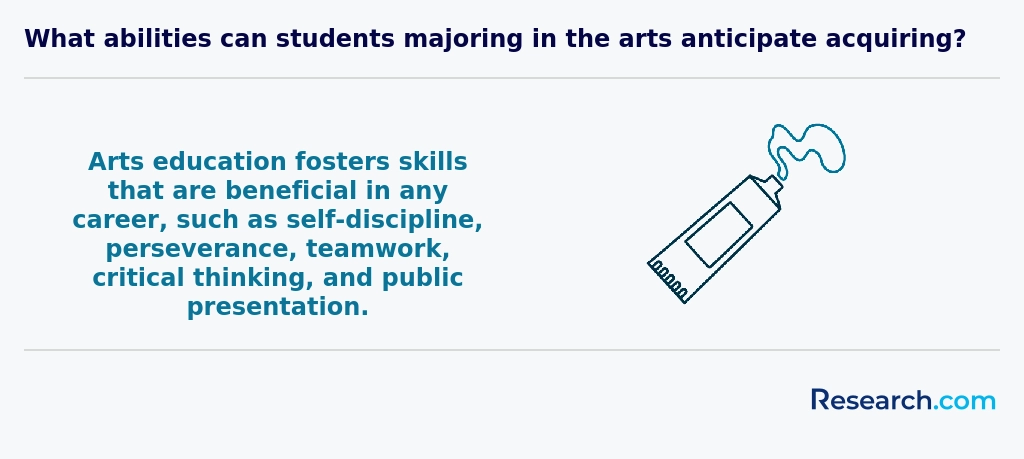
Graduates with a fine arts degree in Vermont find diverse career paths that turn creative passion into sustainable work. Many become visual artists exhibiting in local galleries or selling pieces through Vermont's vibrant art fairs, using skills honed at popular institutions like the University of Vermont. Others pursue graphic design or digital art roles in advertising agencies or freelance markets, where Vermont's small but active creative economy offers steady opportunities.
Art educators often find fulfilling careers teaching in public schools or community centers, sharing artistic skillsets developed during their time at regional colleges. Curatorial roles and museum technician jobs are available at prominent places such as the Fleming Museum of Art, where graduates contribute to preserving Vermont's cultural heritage. Emerging fields like art therapy also appeal to those willing to earn additional certification, blending psychology with art.
Networking within local arts organizations and gaining hands-on experience through internships or college courses for seniors online can significantly boost Vermont fine arts degree job opportunities. Engaging in community exhibitions and teaching art classes are practical ways graduates supplement income while building rewarding careers.
The job market for fine arts degree holders in Vermont is competitive but filled with diverse opportunities, especially for graduates from institutions like the University of Vermont. Many find rewarding roles in arts education, working as instructors in schools or community centers where the cultural atmosphere is vibrant and supportive. This environment fosters connection and growth, vital for those navigating the Vermont fine arts degree job outlook.
Graduates also tap into Vermont's rich gallery and museum scene, though many positions tend to be part-time or seasonal. Freelance work and commissions provide additional income, with local tourism and art shows offering crucial platforms for visibility and sales. Some graduates successfully pivot to graphic design and digital arts within marketing sectors, expanding their career options beyond traditional fine arts.
With tuition around $18,000 annually at the University of Vermont, managing education expenses is key. Many students benefit from scholarships, and exploring the cheapest online phd options can provide financial flexibility when considering advanced studies.
2027 Best Fine Arts Degree Programs Ranking in Vermont
Investing in your education is a significant decision that can shape your future, and the Research.com team understands the importance of making informed choices. To assist prospective students in Vermont, we have meticulously crafted the "2027 Best Fine Arts Degree Programs Ranking in Vermont." Our commitment to quality, credibility, and accuracy is reflected in the extensive research and analysis conducted to compile this ranking.
We utilized the following reputable data sources to ensure a comprehensive evaluation of fine arts programs:
By exploring this ranking, readers will gain valuable insights into the best fine arts degree programs available in Vermont, empowering them to make well-informed decisions about their educational paths. For more details on our methodology, please visit our Research.com methodology page.


Frequently Asked Questions About fine arts
Fine arts degree students in Vermont can maximize their learning experience by engaging deeply with both academic and community resources. Participating in local art exhibitions and galleries, such as those in Burlington or Montpelier, helps students apply classroom skills in real-world contexts. Vermont hosts various artist residencies and workshops that provide hands-on experience and networking opportunities, which are crucial for career development.
Students should also seek internships and collaborations with Vermont's vibrant creative industry, including theaters and design studios. According to the Vermont Agency of Commerce and Community Development, the arts sector generates over $200 million annually, indicating ample professional prospects. Additionally, leveraging technology and online platforms can expand students' exposure and portfolio visibility beyond regional boundaries.
The fine arts field is evolving, with several emerging niches gaining attention in Vermont and across the United States. Digital arts, including animation and virtual reality design, are expanding rapidly thanks to new technologies and growing media industries. According to the National Endowment for the Arts, digital visual arts careers are expected to grow by 10% nationally through 2030.
Another niche is environmental art, which combines creative practices with ecological awareness-an area particularly relevant in Vermont due to its strong emphasis on sustainability. Additionally, interdisciplinary arts blending traditional fine arts and performance or technology have increased in academic programs. These niches reflect a shift toward blending creativity with innovation and social relevance.
Graduates with fine arts degrees in Vermont can enhance their job market readiness by building a diverse portfolio showcasing their best work. Employers and galleries often prioritize strong visual evidence of skills and creativity. Networking within Vermont's local art communities, such as the Vermont Arts Council's programs, is also crucial for gaining exposure and opportunities.
Internships and assistantships in Vermont's museums or galleries offer valuable experience and professional connections. According to the U.S. Bureau of Labor Statistics, fine arts occupations are projected to grow at 2% nationally through 2031, emphasizing the importance of skills beyond studio work, like digital proficiency and marketing abilities.
Additionally, Vermont's proximity to creative hubs in the Northeast allows graduates to explore regional collaborations. Continuous learning and adapting to new media can improve employability for fine arts graduates in this competitive field.
Employers in Vermont value fine arts graduates with strong creative and technical abilities. Proficiency in various media, including digital tools and traditional techniques, ranks highly. According to the Vermont Department of Labor, adaptability and collaboration skills are essential as many artists work on teams or in diverse settings.
Communication skills, both visual and verbal, help graduates present their work effectively to clients and audiences. Problem-solving and critical thinking abilities are also emphasized, enabling artists to generate innovative concepts.
Additionally, knowledge of arts management and marketing increases employability, as many roles require self-promotion and project coordination. These competencies align with recent job postings in Vermont's creative industry sectors.
Finding internships in Vermont relevant to a fine arts degree involves exploring opportunities in local galleries, museums, and arts organizations. Vermont hosts numerous venues such as the Fleming Museum at the University of Vermont and the Brattleboro Museum & Art Center that offer internship programs. Students should also engage with the Vermont Arts Council, which connects artists and students with internships statewide. Networking through college career centers is valuable, as many institutions maintain partnerships with regional employers. Additionally, platforms like Handshake and specific Vermont-based arts job boards can list internship openings tailored for fine arts students.
A fine arts degree in Vermont offers a meaningful pathway to career mobility and advancement, particularly within the state's rich arts communities. According to the Vermont Arts Council, Vermont ranks among the top states for nonprofit arts employment, supporting over 12,000 creative jobs. Graduates with fine arts degrees often find opportunities in galleries, education, and multimedia sectors that value artistic skills and creative thinking.
Employers increasingly seek fine arts graduates for their adaptability and problem-solving abilities, which can lead to leadership roles beyond traditional art professions. In Vermont, a strong local market for artisans and cultural institutions supports diverse career growth.
Furthermore, collaborations between colleges and Vermont's creative industries facilitate internships and networking, enhancing graduates' prospects to secure competitive positions within the state.
Studying for a fine arts degree in Vermont equips students with skills that extend beyond traditional artistic practice. Many Vermont institutions emphasize interdisciplinary learning, blending visual arts with technology, environmental studies, and liberal arts. This approach prepares students for diverse careers in fields like design, education, and media.
According to the National Center for Education Statistics, Vermont colleges often incorporate collaborative projects and community engagement, fostering adaptability and problem-solving abilities. Students gain experience in areas such as digital media, installation art, and performance, enhancing their versatility.
This interdisciplinary foundation aligns with job market trends where creative roles increasingly overlap with business, technology, and communication sectors, helping graduates succeed in varied professional environments.
When choosing between a thesis and a non-thesis fine arts degree program in Vermont, it is important to consider your career goals and learning style. Thesis programs typically require a substantial research project or creative work, ideal for students aiming to pursue advanced studies or academic careers. Non-thesis options often focus more on practical skills and coursework, suited for those seeking immediate entry into the art industry.
Most Vermont institutions, such as the University of Vermont, offer both paths. According to the National Center for Education Statistics, around 40% of fine arts graduates in Vermont complete a thesis, reflecting a strong emphasis on research and development.
Consider your time commitment, personal interest in research, and professional aspirations when making this decision.
Students based in Vermont who wish to study fine arts abroad have several opportunities primarily through exchange programs and partnerships facilitated by their home institutions. Vermont's colleges, such as the University of Vermont and the Vermont College of Fine Arts, often collaborate with international schools, allowing students to spend a semester or year overseas. These programs emphasize immersive learning in global artistic traditions and techniques.
Financial aid and credit transfers are usually available to ensure smooth academic progression. According to the Institute of International Education, participation in study abroad for arts students remains steady nationwide, reflecting sustained interest from Vermont students. Resources like the Education Abroad Office at UVM provide guidance tailored for fine arts students seeking international experiences.
Students pursuing fine arts degrees in Vermont have access to various part-time job opportunities that complement their education. Art galleries and museums in cities like Burlington and Montpelier often hire assistants and curators, providing hands-on experience with art management. Local theaters and community arts centers also offer roles such as stage design or event coordination, which enrich practical skills relevant to fine arts careers.
Additionally, freelance opportunities in graphic design, illustration, and digital media are growing thanks to Vermont's expanding creative economy. According to the Vermont Arts Council, around 6% of the state's workforce is employed in arts-related fields, highlighting a supportive environment for students seeking part-time roles.
Fine arts students in Vermont benefit from multiple networking opportunities essential for professional growth. Institutions like the University of Vermont and Vermont College of Fine Arts offer student exhibitions, workshops, and guest lectures that connect students with established artists and local industry professionals. Vermont's vibrant arts community includes galleries, artist residencies, and annual events such as the Stowe Weekend of Fine Art, providing platforms to showcase work and collaborate.
According to the Vermont Arts Council, nearly 3,000 artists live and work in the state, creating a fertile environment for networking. Additionally, statewide organizations often host panel discussions and mentorship programs designed specifically for emerging artists.
Alumni networks offer significant benefits to fine arts degree students in Vermont by providing access to professional connections and mentorship opportunities. Graduates from Vermont colleges such as the University of Vermont and Bennington College often engage in vibrant alumni communities that help current students secure internships, exhibit spaces, and job opportunities.
These networks foster collaboration through workshops, gallery events, and portfolio reviews, enriching students' learning experiences beyond the classroom. According to recent data from the National Association of Schools of Art and Design (NASAD), students connected to active alumni groups show a higher employment rate within six months of graduation.
Moreover, Vermont's tight-knit arts community means alumni are frequently involved in local arts councils and nonprofit organizations, helping students navigate the regional art market. This localized support plays a crucial role in career development and sustaining creative practices in the state.
Fine arts degree programs in Vermont offer various ways to tailor your education according to career goals. Many institutions provide concentrations or electives in areas such as studio art, graphic design, or art education. This flexibility allows students to focus on practical skills or theoretical knowledge based on their interests.
Internships and community art projects are commonly integrated, giving hands-on experience in professional settings across Vermont's vibrant arts communities. You can often collaborate with local galleries or participate in exhibitions, building a professional portfolio.
Additionally, some programs support interdisciplinary study, enabling you to combine fine arts with digital media, business, or education fields to enhance career opportunities.
Fine arts students in Vermont often face several challenges during their studies. One major issue is limited access to specialized facilities and materials, as many institutions have smaller art departments compared to larger states. According to the National Center for Education Statistics, Vermont's fine arts programs have fewer dedicated studio spaces, which can restrict hands-on learning experiences.
Additionally, financial constraints are common. Fine arts supplies and equipment can be expensive, and scholarships specifically for art students are limited in the region. This economic pressure can impact a student's ability to fully engage with their curriculum.
Career opportunities after graduation also pose a challenge. Vermont's small population means fewer local galleries and venues, reducing internships and employment options. Students often need to consider relocation to advance in their artistic careers.
With a fine arts degree in Vermont, graduates can pursue several professional certifications to enhance their careers. One common certification is the K-12 Art Teaching License, issued by the Vermont Agency of Education. This credential allows fine arts graduates to teach in public schools, combining artistic skills with pedagogy.
Another option is certification through the National Art Education Association (NAEA), which offers professional development and recognition for art educators nationwide, including Vermont.
Additionally, some graduates seek certifications in museum studies or art therapy, which require supplementary coursework but build on the fine arts degree foundation.
These certifications can expand employment opportunities in education, cultural institutions, and therapeutic settings. According to the Vermont Department of Labor, art-related jobs are projected to grow steadily through 2030.
When applying to fine arts programs in Vermont, it's essential to present a clear and compelling portfolio. Vermont institutions, such as the University of Vermont and Champlain College, emphasize originality and technical skill. Applicants should carefully select works that showcase diverse techniques and conceptual depth.
Writing a strong personal statement complements the portfolio by explaining your artistic vision and goals. Admissions committees value insight into your creative process and how you intend to contribute to the Vermont art community.
Vermont's fine arts programs typically require letters of recommendation from art professionals or educators who can attest to your dedication and potential.
Staying informed about each program's specific requirements, often detailed on official school websites, ensures your application meets all criteria efficiently.
Fine arts careers are increasingly viewed through a global lens, even for students studying in Vermont. Although fine arts training in the US focuses on developing creative talents, graduates must navigate a competitive global market. According to the National Endowment for the Arts, approximately 4 million Americans work in arts-related fields, reflecting steady growth driven by digital media and international collaborations.
In Vermont, institutions emphasize versatile skills suitable for global opportunities. Graduates often engage with international art fairs, residencies, and online platforms to expand their reach beyond local borders. This global engagement is important as cultural exchange enriches artistic innovation and career prospects.
Students should understand that a fine arts degree prepares them not only for traditional roles but also for emerging fields involving technology, curation, and education worldwide.
Students pursuing a fine arts degree in Vermont have several opportunities to gain practical experience alongside their studies. Many institutions encourage participation in local art exhibitions and community projects, allowing students to showcase their work publicly. Internships at Vermont's numerous galleries and cultural organizations offer hands-on learning and networking. For example, the Vermont Arts Council promotes connections between emerging artists and professional venues.
Additionally, colleges often provide access to professional-grade studios and workshops. Collaborative projects and student-run art shows further develop real-world skills. Engaging with Vermont's active arts scene helps students build portfolios and prepare for careers in creative industries.
When choosing a concentration within a fine arts degree program in Vermont, consider your personal interests and long-term career goals. Vermont's colleges offer diverse options such as studio art, graphic design, and art education, each with distinct skill sets and job prospects.
Research the specific courses and faculty expertise available at Vermont institutions like Norwich University and the University of Vermont. According to the National Center for Education Statistics, fine arts programs in Vermont tend to emphasize interdisciplinary approaches, which can influence your choice.
Also, evaluate internship and exhibition opportunities linked to concentrations, as hands-on experience is crucial in fine arts careers.
- 2027 Best Fine Arts Degree Programs Ranking in Massachusetts
- 2027 Best Fine Arts Degree Programs Ranking in Connecticut
- 2027 Best Fine Arts Degree Programs Ranking in Rhode Island
- 2027 Best Fine Arts Degree Programs Ranking in Virginia
- 2027 Best Fine Arts Degree Programs Ranking in Ohio
- 2027 Best Fine Arts Degree Programs Ranking in West Virginia
- 2027 Best Fine Arts Degree Programs Ranking in North Carolina
- 2027 Best Fine Arts Degree Programs Ranking in South Carolina
- 2027 Best Fine Arts Degree Programs Ranking in Tennessee
- 2027 Best Fine Arts Degree Programs Ranking in Michigan
- MFA Statement of Purpose: The Artist Statement + Academic Goals Hybrid https://gradpilot.com/news/mfa-statement-of-purpose-artist-statement-guide
- Networking for Artists: Unlocking Opportunities in the Art World - Ceri Hand https://cerihand.com/networking-for-artists/
- What Alumni Say https://www.cityandguildsartschool.ac.uk/ma-fine-art/student-and-alumni-case-studies/
- Networking for Artists https://artquest.org.uk/how-to-articles/networking-for-artists/
- Careers in the Arts: Who Stays and Who Leaves? https://snaaparts.org/findings/reports/careers-in-the-arts-who-stays-and-who-leaves
- Complete guide to studying Fine Arts https://taiarts.com/en/blog/guide-to-studying-fine-arts/
- Fine Arts https://www.wits.ac.za/course-finder/undergraduate/humanities/fine-arts/
- Art & Design Programs - Community College of Vermont https://ccv.edu/academics/areas-of-study/art-design/
- Essential Strategies for Artists to Master the Art of Networking https://www.artworkarchive.com/blog/essential-strategies-for-artists-to-master-the-art-of-networking
- Fine Arts, B.F.A. https://vermontstate.edu/academic-programs/fine-arts-bfa/