2027 Most Valuable Finance Degree Programs Ranking in Washington

Co-Founder and Chief Data Scientist
Choosing the right finance degree program in Washington can be overwhelming. That's why this article presents the 2027 Most Valuable Finance Degree Programs Ranking in Washington, created by the Research.com team of data scientists. It's designed to help you make an informed decision about which programs truly stand out.
Exploring this ranking can guide you toward opportunities that offer strong career prospects and personal growth. A finance degree opens many doors, and with the right program, you're investing in a future full of potential and success.
Key benefits of getting finance degree in Washington
- Finance degree graduates in Washington can expect rewarding salaries, such as Financial Advisors earning around $150,670 annually and Financial Analysts making about $112,950, offering strong financial stability.
- Career paths include roles like Credit Analyst, Investment Banking Analyst, or Insurance Underwriter, reflecting diverse opportunities for graduates from popular universities like the University of Washington.
- Completing a finance degree online, as demonstrated by graduates from institutions like Washington State University's Global Campus, provides flexibility for working students and faster entry into the job market without sacrificing quality education.
- 2027 Most Valuable Finance Degree Programs Ranking in Washington
- What can I expect from finance degree in Washington?
- Where can I work with finance degree in Washington?
What can I expect from finance degree in Washington?
The average cost of a finance degree in Washington varies significantly depending on the type of institution. Graduates from public universities like the University of Washington typically pay around $11,000 to $12,000 annually in tuition and fees if they are state residents. Many students find this more affordable, allowing them to focus on gaining practical skills and valuable internships without overwhelming debt. On the other hand, private colleges often have considerably higher tuition, which can make financing a degree more challenging but may offer unique networking opportunities with local firms such as Boeing and Microsoft.
Many Washington-based graduates recall balancing coursework, internships, and part-time jobs to manage costs while benefiting from strong career placement programs. These programs often connect students with financial-service firms for internships that bring classroom theories to life, turning academic investment into real-world confidence. As tuition varies, prospective students are encouraged to explore financial aid and scholarships to reduce expenses while positioning themselves for a promising finance career in a region with a vibrant economic landscape.
Where can I work with finance degree in Washington?
Graduates from finance programs at Washington's universities, such as the University of Washington and Gonzaga University, often find themselves drawn to Seattle's dynamic financial scene. Many secure positions where they analyze market trends or advise clients at well-known firms like KeyBank or regional investment companies. These roles offer exciting, fast-paced environments where problem-solving skills are honed daily.
In Bellevue and Redmond, graduates increasingly work alongside tech companies, blending finance expertise with innovative budgeting and investment projects. This trend signals growing opportunities in corporate finance for those eager to bridge technology and financial strategy.
At the same time, public sector roles provide stable, meaningful work managing government budgets and fiscal policies. Many alumni describe satisfaction in contributing to community financial health through these positions.
Insurance companies in Washington are also expanding teams, offering roles in underwriting and actuarial analysis that appeal to graduates interested in risk assessment and financial planning.
Additionally, entrepreneurship and consulting are flourishing paths. Graduates leverage their training to launch advisory firms or consult on financial regulations, tapping into emerging market needs and the state's thriving economy.
Graduates with a finance degree from universities in Washington, such as those in Seattle or Tacoma, typically start their careers with promising salaries. Financial analysts earn a mean annual wage of about $112,950 in the state, reflecting local demand and the presence of major corporate employers. Entry-level roles like credit analysts begin around $94,750 annually, while insurance underwriters earn roughly $85,610, showcasing a strong range of opportunities within the financial sector.
Many students share how internships in the Seattle metropolitan area, home to thriving finance and tech industries, boosted both their confidence and earning potential early on. Graduates often find themselves stepping into positions like investment banking analysts, also earning close to $112,950 annually, which can grow substantially with experience and certifications like the CFA.
Looking ahead, with Washington's no state income tax and a robust economic ecosystem, finance graduates foresee not only competitive salaries but also opportunities for rapid professional growth and increased earnings in sectors like financial advising, where wages can reach $150,670 per year.
- Annual tuition for in-state students at public universities offering finance degrees in Washington ranges from $11,000 to $15,000.
- Private schools in Washington generally charge over $30,000 per year for finance degree programs.
- Early-career finance professionals in Washington earn an average salary of about $65,000 annually.
- Experienced finance graduates can earn $90,000 or more, especially in Seattle's financial and tech sectors.
- The financial services job market in Washington has grown by over 5% in the past five years.
- Key job areas include banking, investment management, corporate finance, and insurance in cities like Seattle, Bellevue, and Spokane.
Completing a finance degree in Washington usually takes around four years for a traditional bachelor's track, which many graduates from universities like the University of Washington and Seattle University find manageable and rewarding. These students often describe balancing their coursework with internships in Seattle's thriving financial sector as a defining and exciting part of their journey.
For those who attend community colleges such as Bellevue College, the two-year associate degrees offer a quicker, practical route to start working or transfer to a four-year program seamlessly. Graduates from these colleges appreciate the affordability and flexibility, especially when juggling part-time jobs.
Emerging trends like accelerated programs in Washington's schools allow motivated learners to finish sooner, often by taking summer classes or heavier course loads. Some MBA students with finance concentrations share that, while their full-time programs can be completed in one to two years, part-time options give them a balanced pace alongside professional commitments.
Looking ahead, the rise of online and hybrid formats in local colleges can further customize completion times, enabling students to craft schedules that suit individual life demands while maintaining steady progress toward their degrees.
Online finance degrees in Washington provide a flexible pathway for busy professionals, allowing students to study around full-time jobs or family duties. Graduates from programs like those offered by Western Washington University often share how the digital format helped them advance careers without uprooting their lives. These programs typically offer slightly lower tuition costs compared to on-campus options, making them appealing for budget-conscious learners in Seattle's fast-paced environment.
Conversely, on-campus degrees at institutions such as the University of Washington create immersive experiences where students thrive in face-to-face interaction, collaboration, and hands-on projects. Many graduates express strong attachment to the connections made during networking events, which often lead to internships in the city's financial hubs. The in-state tuition advantage further supports local students pursuing traditional routes to enter Washington's competitive finance sector.
Both formats equip students with core finance skills, but emerging trends suggest hybrid models may soon blend flexibility with community, offering personalized support and richer career opportunities tailored to individual learning styles.
Evaluating the return on investment (ROI) of a finance degree in Washington, DC, helps prospective students make data-driven decisions. Start by totaling all costs-tuition, fees, textbooks, and living expenses (often $24,000–$36,000 per year)-and compare them against median starting salaries in the region. For instance, a graduate with a bachelor’s degree in finance might invest approximately $160,000 over four years but command an entry-level salary of $70,000–$85,000. Key factors in your ROI calculation: • Tuition and Fees: Public in-state students pay roughly $38,000 for a bachelor’s; private institutions approach $60,000. • Living Expenses: Washington, DC’s rental and transportation costs can exceed $2,500/month. • Financial Aid: Scholarships and grants can reduce investment by 30–50%. • Salary Projections: Research shows that roles like Financial Analysts and Credit Analysts boost early-career earnings; learn more about what are the highest paying careers for finance majors. • Payback Period: Divide net cost by anticipated annual salary increase to estimate the break-even point-often 3–5 years for top programs. Tips to maximize ROI: 1. Secure merit-based scholarships or employer tuition assistance. 2. Pursue high-impact internships to negotiate better starting offers. 3. Compare on-campus versus online formats to balance cost and networking. 4. Leverage university career services for certification support (e.g., CFA). By systematically weighing costs against projected earnings and career growth, students can identify the finance degree program in Washington, DC, that offers the strongest long-term financial benefits.
The average cost of a finance degree in Washington currently sits around $58,771 for in-state students and can reach approximately $79,107 for out-of-state students. These figures capture the full investment a typical student will face, including tuition, fees, and other educational expenses over the course of the program. Graduates from flagship universities such as the University of Washington often recall balancing these costs with financial aid and scholarship opportunities, which help ease the financial pressure while pursuing their studies in finance.
Many finance students in Washington experience the reality of adding room and board, books, and personal expenses to their budget, which significantly increases the total cost. Students attending community colleges before transferring to four-year universities often find that their overall expenses are more manageable. This pathway appeals to those mindful of the total expenses for finance degree programs Washington offers, allowing them to pursue their degree with a strategic financial plan.
Looking forward, the expansion of aid programs like the Washington College Grant may shift these cost dynamics, making finance degrees more accessible. Some recent graduates emphasize how careful financial planning combined with these resources turned their academic ambitions into achievable goals. For students curious about career outcomes, it's useful to explore what are the highest paying careers for finance majors as a way to frame the long-term value of this degree investment.

Finance students in Washington often rely on a mix of federal, state, and institutional aid to manage tuition costs. Graduates from the University of Washington recall how Pell Grants, covering up to $7,395, gave them crucial relief early on. Completing the FAFSA promptly was a game-changer in securing these funds. Meanwhile, Washington's College Grant programs have helped students from Seattle University attend without the looming stress of full tuition, thanks to need-based grants sometimes covering all public university costs.
Merit-based scholarships at schools like Gonzaga University rewarded academic excellence and leadership, boosting confidence and fostering a supportive community. These scholarships often hinge on maintaining strong GPA standards, motivating students to thrive. Many also found on-campus work-study positions invaluable, providing both income and real-world finance experience.
Looking ahead, nonprofits and local financial firms in Washington are expanding scholarship offerings tailored to finance majors, emphasizing diversity and innovation. This growing ecosystem fuels optimism among prospective students eager to combine quality education with manageable costs.
To enroll in a finance degree program in Washington, students generally need a high school diploma or equivalent like a GED. Graduates from popular schools such as the University of Washington often recall that meeting this basic requirement gave them the confidence to dive into the challenging finance coursework ahead. Many institutions here still request SAT or ACT scores, though an increasing number have embraced test-optional policies, which eases stress and opens doors to diverse applicants.
Strong math skills are crucial. Alumni from colleges like Seattle University emphasize how a solid foundation in algebra and statistics made learning financial modeling feel more approachable and rewarding. A GPA around 3.0 or higher usually keeps applicants competitive, helping them stand out in a field where analytical precision matters.
Letters of recommendation and personal statements are commonly required, allowing applicants to showcase their passion for finance and leadership experiences. Students often share how engaging in business clubs or economics-related activities transformed their applications from average to compelling, reflecting Washington schools' holistic admission approach.

Understanding the return on investment (ROI) for a finance degree in Washington, DC is crucial for prospective students weighing the high tuition against future earning potential. ROI can be measured by comparing total program costs-including tuition, fees, and living expenses-against graduates’ median starting salaries and long-term salary growth. In DC, where average annual tuition for a master’s in finance ranges from $30,000 to $50,000 and living costs average $24,000 per year, a clear cost-benefit analysis helps determine the payback period. Data from recent cohorts show that graduates entering financial analyst roles with a starting salary of $85,000 can recoup their master’s degree investment within three to four years, assuming a conservative salary growth rate of 5% per annum. For those pursuing roles in investment banking or corporate finance, where entry salaries often exceed $100,000, the payback period shrinks to two to three years. Factoring in internships, assistantships, and employer tuition reimbursement programs can further accelerate ROI by reducing out-of-pocket expenses. To contextualize these figures, students may compare the ROI of on-campus DC programs with online alternatives that often come at a lower sticker price. For example, prospective candidates might explore the offerings detailed in our Affordable Online Master's in Finance Degree Programs Ranking in the Northeast, where total tuition can be up to 40% less than traditional programs. While the on-campus experience in DC delivers unparalleled networking opportunities and direct access to internships at federal agencies and global financial firms, online programs can offer significant savings and flexible pacing. Maximizing ROI also involves strategic decisions: enrolling in accelerated tracks, securing merit-based scholarships, or leveraging federal work-study positions to offset costs. Additionally, engaging in real-world projects and capstone courses that culminate in certifications-such as the CFA Institute’s Investment Foundations certificate-can boost employability and salary prospects. By conducting a thorough ROI assessment and aligning program choices with career goals, students can ensure their finance education in Washington, DC delivers both professional growth and financial rewards.
Finance degrees in Washington commonly include core courses like corporate finance, investment analysis, and principles of finance that build a solid foundation for understanding markets and decision-making. Graduates from popular schools such as the University of Washington often describe how classes in financial modeling and risk management felt like preparing for real-world challenges, where they simulated portfolio strategies and assessed market uncertainties.
Students also dive into accounting and economics courses, learning how to interpret financial statements and analyze economic trends-skills essential for thriving in Seattle's competitive financial sector. Many recall how quantitative methods and statistics classes sharpened their ability to forecast and analyze data, directly aligning with the tech-driven finance roles booming in the region.
Electives like behavioral finance, derivatives, and real estate finance allow students to tailor their studies toward emerging fields, reflecting the dynamic nature of Washington's economy. Internships and case studies provided by local institutions often bring these courses to life, fostering excitement about applying theoretical knowledge in vibrant, local finance careers.
Students pursuing finance degrees in Washington commonly specialize in areas like corporate finance, investment management, and financial planning, reflecting the state's dynamic economic environment. Graduates from universities such as the University of Washington often share how specializing in portfolio management prepared them to navigate Seattle's evolving tech-driven investment landscape, boosting their confidence in managing real-world assets.
Many also choose concentrations in risk management and insurance, equipping themselves to analyze and mitigate financial risks that businesses regularly face. With increasing volatility in global markets, these students feel empowered by the practical skills gained through hands-on projects specific to Washington's industries.
Emerging finance degree specializations in Washington focus on FinTech, where students engage with blockchain and digital currencies, positioning themselves at the forefront of innovation. Those interested in Washington finance degree concentration options appreciate how these programs blend traditional finance with cutting-edge technology, often attending institutions that encourage entrepreneurial approaches to finance careers.
Future-oriented students may explore affordable programs, and a useful resource is the Affordable Online Master's in Finance Degree Programs Ranking in the Northeast, which helps balance cost with quality education. Overall, these finance degree specializations in Washington create pathways filled with optimism and opportunity.
Choosing the best finance degree programs in Washington means looking beyond just curriculum, imagining how emerging trends like fintech integration and sustainable investing will shape your future career. Graduates from popular universities in Seattle often highlight how hands-on projects with local firms helped them feel confident navigating real market challenges. These experiences foster excitement and a sense of readiness, crucial when entering a competitive job market.
Affordability also plays a vital role. Many students weigh the cost differences between public and private institutions, balancing tuition against access to specialized courses or unique internship opportunities in Washington's thriving financial centers. Graduates reflect positively on how strategic financial planning during their studies helped minimize debt while maximizing career impact. For those uncertain about long-term commitment, exploring certificate careers that pay well can offer flexible, rewarding paths.
Ultimately, a finance degree in Washington that blends rigorous academics, strong industry ties, and student support creates an electrifying learning environment where ambition meets opportunity. Keep in mind that institutions emphasizing networking and practical skills tend to cultivate graduates who are confident, adaptable, and positioned for success in tomorrow's evolving finance landscape.
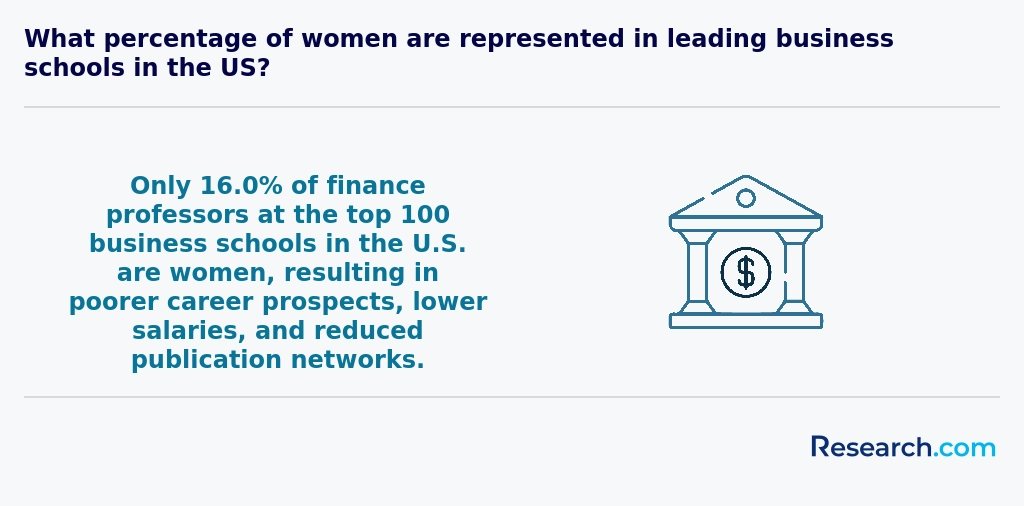
Finance graduates in Washington find a wealth of promising options as they step into the workforce. From corporate finance roles in Seattle's bustling tech and business sectors to investment banking positions that emphasize data-driven decision-making, the state's diverse economy fuels exciting career paths. Many graduates from top universities like the University of Washington and Seattle University share how their internships at local firms helped them land roles as financial analysts, where they evaluate investments and support business growth. These experiences highlight the strong job opportunities for finance graduates Washington can offer.
Careers in financial advising continue to grow, with professionals in the state earning higher than average salaries due to demand for personalized asset management and retirement planning. Meanwhile, risk management and compliance roles at insurance companies and banks appeal to those who enjoy navigating complex regulations. Some graduates pursue public finance careers in state agencies, managing funds that shape Washington's economic development.
Students considering costs might explore fast certifications that pay well to boost credentials. Overall, Washington's finance degree careers combine robust local demand with diverse opportunities, making it an inspiring place to start a financial career.
The finance degree job outlook Washington reveals a landscape full of potential. Graduates from prominent institutions like the University of Washington and Seattle University often find themselves drawn into dynamic roles within Seattle's thriving tech and financial sectors. These graduates describe an encouraging job market where demand for financial analysts, investment advisors, and risk managers is robust and expanding alongside the state's economy.
Employment opportunities for finance graduates Washington are particularly strong in established corporations such as Amazon and Microsoft, as well as emerging fintech startups. Many graduates share experiences of engaging internships that lead quickly to full-time offers, fueled by locally based industries requiring keen financial oversight and strategic investment planning. The state's growing startup ecosystem offers fresh avenues for innovation and specialization beyond traditional roles.
Cost efficiency in earning a degree is a key consideration for many students in the region. With public universities averaging around $12,000 annually for in-state tuition, those seeking cost-effective education often explore affordable online associate degree programs before progressing to a full finance degree. This pathway supports a balanced approach to education and career readiness in Washington's competitive market.
2027 Most Valuable Finance Degree Programs Ranking in Washington
Investing in your education is a significant decision that can shape your future, and the Research.com team understands the importance of making informed choices. To assist prospective students, we have meticulously crafted the "2027 Most Valuable Finance Degree Programs Ranking in Washington." Our commitment to quality, credibility, and accuracy is reflected in the extensive research and analysis conducted to compile this ranking.
We utilized the following reputable data sources to ensure a comprehensive evaluation of finance degree programs:
By exploring this ranking, readers will gain valuable insights into the most valuable finance degree programs in Washington, helping them make confident and well-informed decisions about their educational paths. For more details on our methodology, please visit our Research.com methodology page.


Frequently Asked Questions About finance
Finance degree students in Washington can maximize their learning experience by engaging in internships with major financial firms based in Seattle, such as Russell Investments or Starbucks' financial division. Practical experience complements classroom theory and enhances job readiness.
Joining student organizations like finance clubs or investment groups offers networking opportunities and peer learning. The Washington state economy's strength in technology and international trade means students should also consider interdisciplinary courses in tech finance or global markets to broaden their skills.
Utilizing resources from the Washington State Department of Commerce, which highlights a 7.2% growth in financial services jobs through 2031, can help students align their studies with market demand.
Emerging niches within the finance field in Washington reflect national trends but also emphasize local economic strengths. Areas such as sustainable finance and environmental, social, and governance (ESG) investing are gaining traction, driven by Seattle's leadership in clean technology and green businesses. Financial technology (fintech) is another fast-growing niche, with Washington home to several startups innovating in digital payments and blockchain applications.
Data analytics and risk management have also become critical as companies seek to leverage big data for smarter investment decisions. According to the U.S. Bureau of Labor Statistics, finance-related jobs in Washington are projected to grow by 7% from 2022 to 2032, reflecting demand in these specialized areas.
Graduates with finance degrees in Washington should start preparing for the job market by gaining practical experience through internships or cooperative education programs during their studies. The state's growing financial sector, particularly in Seattle, offers diverse opportunities in banking, investment, and corporate finance.
Networking is key; engaging with local industry groups such as the Washington Society of Certified Public Accountants can provide valuable connections. Additionally, earning professional certifications like the CFA (Chartered Financial Analyst) or CPA (Certified Public Accountant) may significantly enhance employment prospects.
According to the Washington State Employment Security Department, finance-related jobs are projected to grow by 7% through 2030, signaling healthy demand for qualified candidates.
Employers in Washington highly value finance degree graduates who demonstrate strong analytical skills. The ability to interpret financial data and apply quantitative methods is essential, as local businesses often rely on sound financial analysis to guide decision-making.
Communication skills also rank prominently. Graduates must explain complex financial concepts clearly to clients and colleagues, a necessity recognized by recruiters in Seattle and surrounding areas.
Technical proficiency, including knowledge of Excel, Python, and financial modeling software, is increasingly important. According to the Washington State Employment Security Department, jobs requiring such skills are expected to grow by 7% through 2030.
Additionally, employers appreciate critical thinking, ethical judgment, and familiarity with regulatory environments, especially given Washington's robust financial sector.
Finding internships in Washington related to a finance degree involves strategic research and networking. Start by exploring career centers at universities such as the University of Washington, which often partner with local banks, investment firms, and corporate finance departments. According to the National Association of Colleges and Employers (NACE), nearly 60% of finance interns in Washington receive job offers after their internships.
Online job boards like Handshake and WayUp specifically target student opportunities and allow filtering for finance internships in the Seattle metropolitan area. Networking through finance-related student organizations and attending local finance conferences can also enhance internship prospects. Large employers in Washington's finance sector include Microsoft's finance division and local branches of major banks like Bank of America, offering relevant opportunities.
A finance degree in Washington significantly enhances career mobility and advancement opportunities. Employers in the Seattle metropolitan area, a major financial and tech hub, often prioritize candidates with finance credentials. According to the U.S. Bureau of Labor Statistics (BLS), financial analysts in Washington earn a mean annual wage of about $110,000, notably higher than the national average.
Graduates with a finance degree typically find it easier to move into leadership roles or specialized positions, such as investment banking or financial planning. Additionally, the degree provides essential skills in data analysis, risk management, and financial modeling, which are highly valued by Washington's robust industries.
Studying for a finance degree in Washington provides students with skills that extend beyond traditional finance, preparing them for interdisciplinary roles. Programs often integrate coursework in economics, data analytics, and information technology.
Washington's growing tech and business sectors emphasize data-driven decision making. According to the Washington State Employment Security Department, demand for finance professionals with analytics and IT skills has increased by over 10% from 2020 to 2023. This encourages finance curricula to include coding, statistics, and financial modeling.
Students learn to collaborate across fields such as marketing, management, and technology, reflecting real workplace environments. Many universities offer internships and projects with local companies, allowing hands-on experience in cross-functional teams.
This interdisciplinary focus equips graduates to adapt in diverse roles, from financial analysis to strategic business consulting, matching Washington's dynamic economy.
When deciding between a thesis and a non-thesis finance degree program in Washington, consider your career goals and learning style. A thesis option typically involves conducting original research and writing a detailed paper, which can be valuable for students aiming for academic or research-oriented careers. Non-thesis programs usually emphasize coursework and practical skills, fitting those who prefer entering the workforce immediately after graduation.
In Washington, universities like the University of Washington offer both options, with thesis paths often requiring additional semesters. According to the National Center for Education Statistics, finance graduates from thesis programs report a slightly higher likelihood of pursuing advanced roles in banking or corporate finance, especially in Seattle's dynamic financial sector.
Factor in time commitments, as thesis programs demand more independent study. Non-thesis tracks might better suit professionals balancing work and school. Exploring each program's curriculum and speaking with advisors can clarify which option aligns best with your aspirations.
Students in Washington interested in finance degrees have growing opportunities to study abroad through programs affiliated with their home universities. Many Washington universities offer exchange partnerships with international institutions specializing in finance and economics, particularly in Europe and Asia. These programs typically last one semester to a full academic year, providing exposure to global financial markets and practices.
According to NAFSA, the number of U.S. students studying abroad in business and finance fields increased by 12% over the past five years. Students benefit from experiencing financial systems firsthand, which enhances their resumes. Washington State University and the University of Washington often facilitate such exchanges, focusing on locations like London and Hong Kong.
Financial aid and scholarships are sometimes available for eligible students, lessening the cost barrier. Prospective students should consult their institution's study abroad office and consider courses that align with the CFA curriculum for a competitive advantage.
Part-time job opportunities in Washington that complement finance degree education often include roles in banking, investment firms, and accounting agencies. Positions such as financial clerks or junior analysts provide practical experience with financial data and regulations relevant to the region's market.
Washington hosts a thriving financial services sector, including branches of major banks and investment companies, offering numerous internships and part-time roles tailored to students. According to the U.S. Bureau of Labor Statistics, the Seattle metropolitan area employs over 50,000 finance professionals, indicating a broad job market for students seeking relevant work.
Additionally, many students find part-time work in tax preparation during tax season or administrative roles within corporate finance departments. These jobs hone critical skills like financial reporting and client communication, strengthening academic learning with real-world applications.
Finance students in Washington benefit from robust networking opportunities through local universities and professional organizations. Many institutions host finance clubs and events, connecting students with alumni working in Seattle's growing finance sector, valued at over $35 billion in annual revenue according to the Washington State Department of Commerce.
Additionally, students can join chapters of national groups like the CFA Institute and Financial Management Association, which hold workshops and conferences in the region. These platforms allow direct interaction with industry professionals, enhancing career prospects.
Internships with Seattle-based firms, including multinational banks and tech companies with finance departments, are also widespread, offering practical networking experience.
Alumni networks offer valuable support to finance degree students in Washington by providing mentorship and career connections. Graduates from local universities, such as the University of Washington, often remain active in the region's financial sector, including roles in Seattle's growing fintech industry. These connections help students access internships and job opportunities that might not be widely advertised.
Research from the National Association of Colleges and Employers highlights that 70% of jobs are found through networking, underlining alumni importance. In Washington's competitive finance market, strong alumni ties can give students an edge, particularly in investment management and corporate finance fields clustered around Seattle and Bellevue.
Alumni also share industry insights and advice on certifications like CFA or CPA, which are popular among Washington finance professionals. Furthermore, many alumni networks host events and workshops specifically tailored for current students, helping them build practical skills and stay informed about regional financial trends reported by the Washington State Department of Commerce.
Students pursuing a finance degree in Washington have many opportunities to tailor their education to meet specific career goals. Many universities offer concentrations such as investment analysis, financial planning, or corporate finance, allowing students to specialize based on their interests. Elective courses and internships play a critical role in customization, providing practical experience in the vibrant financial sector of Seattle, home to numerous banks and financial firms.
Washington institutions often provide access to advisory boards and industry partnerships that help align academic learning with current market trends. According to the U.S. Bureau of Labor Statistics, financial analyst roles in Washington are projected to grow 7% by 2032, emphasizing the value of focused education. Students can also integrate data analytics or economics courses, enhancing their employability in diverse finance careers.
Finance students in Washington often face several challenges related to academic rigor and local economic conditions. Many programs demand strong quantitative skills, including advanced statistics and financial modeling, which can be difficult for students without a strong math background. According to the Washington Student Achievement Council, finance majors report high stress levels when balancing coursework with internships, as Seattle's competitive job market encourages early work experience.
Additionally, the high cost of living in major cities like Seattle adds financial pressure. Students frequently seek scholarships or part-time jobs to manage expenses, with tuition averaging over $11,000 annually at public universities in Washington (NCES, 2023).
With a finance degree in Washington, students can pursue various professional certifications to enhance their career prospects. Popular options include the Certified Financial Planner (CFP), which is widely respected in financial advising. The Chartered Financial Analyst (CFA) designation is also valuable for those interested in investment management and research.
Washington's growing finance sector, particularly in Seattle, offers opportunities for professionals holding the Certified Public Accountant (CPA) license, especially for roles demanding strong accounting and auditing skills. The Financial Risk Manager (FRM) certification suits those focusing on risk assessment and management.
These certifications often require passing exams and relevant work experience. According to the Washington State Employment Security Department, demand for finance professionals with credentials is expected to grow about 6% over the next decade, emphasizing the value of certifications.
Writing a winning application for a finance program in Washington begins with thorough research on each university's admission requirements. Many schools, such as the University of Washington, emphasize a strong academic record, particularly in math and economics courses. Highlighting relevant internships or work experience in financial sectors can differentiate your application.
Washington's finance industry is robust, with major firms in Seattle and Bellevue offering networking opportunities. Demonstrating knowledge of local financial trends or mentioning regional economic data from sources like the Washington State Employment Security Department can strengthen your personal statement.
Standardized test scores, such as the SAT or ACT, remain important for many programs, though some schools have test-optional policies since 2020. Be sure to tailor your application essays to show your passion for finance and your career goals in Washington's dynamic economy.
A finance career today offers significant global opportunities, shaped by increasing economic interconnection and technological advances. Graduates from Washington's finance degree programs enter a dynamic field that values cross-border financial knowledge and cultural awareness.
According to the Bureau of Labor Statistics, financial analysts in the U.S. earned a median annual wage of $95,570 in 2023, with demand growing faster than the average for all occupations. Washington's proximity to major financial centers like Seattle also provides access to multinational firms and international trade.
Understanding global markets, currency fluctuations, and international regulations is essential, especially as companies expand overseas. This growing global outlook means finance professionals often collaborate with experts worldwide, requiring strong communication skills and adaptability.
Students pursuing a finance degree in Washington can gain practical experience through multiple avenues. Internships with local financial firms, banks, or government agencies are common and often facilitated by university career centers. According to the Washington Student Achievement Council, more than 60% of finance students in the state secure internships before graduation.
Many Washington universities offer cooperative education (co-op) programs that integrate paid work experience with academic study. These opportunities help students apply classroom knowledge to real-world situations and build professional networks.
Additionally, joining student finance clubs or participating in investment competitions sponsored by institutions like the University of Washington's Foster School of Business can provide hands-on learning.
Choosing the right concentration within a finance degree in Washington depends on your career goals and interests. Popular areas include corporate finance, investment analysis, and financial planning.
Look at the local job market: Seattle's strong tech and manufacturing sectors often demand skills in financial analysis and risk management, according to the Washington State Employment Security Department.
Consider programs that offer internships or partnerships with prominent firms like Boeing or Microsoft to gain practical experience. Also, review each concentration's curriculum to see if it emphasizes quantitative skills or client interaction.
Finally, ensure the concentration aligns with certifications you might want, such as CFA or CFP, which are valued nationally and in Washington.
- 2027 Most Valuable Finance Degree Programs Ranking in Baltimore
- 2027 Most Valuable Finance Degree Programs Ranking in Philadelphia
- 2027 Most Valuable Finance Degree Programs Ranking in Scranton
- 2027 Most Valuable Finance Degree Programs Ranking in Pittsburgh
- 2027 Most Valuable Finance Degree Programs Ranking in Jersey City
- 2027 Most Valuable Finance Degree Programs Ranking in New York
- 2027 Most Valuable Finance Degree Programs Ranking in Rochester
- 2027 Most Valuable Finance Degree Programs Ranking in Cleveland
- 2027 Most Valuable Finance Degree Programs Ranking in Columbus
- 2027 Most Valuable Finance Degree Programs Ranking in Providence
See What Experts Have To Say About Studying Finance
Read our interview with Finance experts

Ekaterina Potemkina
Finance Expert
Assistant Professor of Finance
Indiana University

H. Kent Baker
Finance Expert
Professor at Department of Finance and Real Estate
American University

Andrew Karolyi
Finance Expert
Dean of the Cornell SC Johnson College of Business
Cornell University

- Finance Work Experience Reviews | Higherin https://higherin.com/search-reviews/work-experience/finance
- Study Finance Abroad | Go Overseas https://www.gooverseas.com/study-abroad/finance
- Most Affordable Finance Degrees in the Western U.S. | What is a Financial Planner? | What does a Financial Planner do? https://www.financialplannerworld.com/most-affordable-finance-degrees-in-the-western-u-s/
- Top 10 Accounting and Finance Skills Employers Want | Tamarack Recruiting | Tamarack Recruiting https://tamarackrecruiting.com/top-10-accounting-and-finance-skills-employers-want-tamarack-recruiting/
- Financial Aid https://www.washcoll.edu/admissions/financial-aid/index.php
- Level up your finance future - propel your career with our MBA in Financial Management! https://www.daad.pl/pl/university-ad/coburg-hs-fm-260414/
- 10 Challenges of Financial Management & How to Overcome Them https://itservices.saglobal.com/blogs/10-challenges-finance-teams-face/
- JA Finance Park Advanced https://washington.ja.org/programs/ja-finance-park-advanced
- 2024 Best Business Schools | How Alumni Rate Their Undergraduate Business Degrees https://poetsandquantsforundergrads.com/news/best-business-schools-alumni-rate-undergraduate-business-degrees/5/
- Upgrade to Global Finance Major: What It Is & Why It Matters https://pages.riley-eyewear.com/riley-eyewear/global-finance-major-what-it-is-and-why-it-matters-1767646948