
2027 Most Valuable Finance Degree Programs Ranking in Baltimore

Co-Founder and Chief Data Scientist
Choosing the right finance degree program can shape your future in powerful ways. This article presents the 2027 Most Valuable Finance Degree Programs Ranking in Baltimore, created by the Research.com team of data scientists. It is designed to guide you toward programs that offer strong career prospects and valuable skills.
By exploring this ranking, you'll gain clarity on which programs truly stand out in Baltimore. A finance degree opens doors to rewarding opportunities, and this guide helps you make a confident, informed decision about your education and career path.
Key benefits of getting finance degree in Baltimore
- Finance degree graduates in Baltimore can expect strong earning potential, with average annual wages like $150,670 for Financial Advisors and $112,950 for Financial Analysts, reflecting rewarding career opportunities.
- Career paths for finance graduates include roles such as Credit Analyst, Investment Banking Analyst, and Insurance Underwriter, offering diverse options to match your passion and skills after graduating from a well-known Baltimore university.
- Completing a finance degree online from a Baltimore university offers flexibility and convenience, allowing you to balance work and study while gaining the same valuable skills and credentials as traditional programs.
- 2027 Most Valuable Finance Degree Programs Ranking in Baltimore
- What can I expect from finance degree in Baltimore?
- Where can I work with finance degree in Baltimore?
What can I expect from finance degree in Baltimore?
The average cost of earning a finance degree in Baltimore typically ranges from about $10,000 to $30,000 per year, depending largely on whether you attend a public or private institution. For example, students at well-known public universities in Baltimore often find tuition more affordable, especially if they qualify for in-state rates. Graduates from these programs frequently describe relief knowing they managed to keep expenses reasonable while accessing quality education focused on practical skills like financial modeling and portfolio analysis.
On the other hand, private colleges in Baltimore may charge higher tuition, but they often complement their programs with extensive internship connections to local financial firms, which many students find invaluable for building their resumes and securing jobs quickly after graduation. Those graduates recount feeling confident that the upfront investment translates into strong career opportunities in Baltimore's diverse financial sector.
Balancing cost and experience is key-students who plan ahead and leverage local resources at schools in Baltimore can minimize debt while gaining market-ready expertise.
Where can I work with finance degree in Baltimore?
Graduates from finance programs at Baltimore institutions like the University of Maryland, Baltimore County (UMBC) find themselves well-positioned for a variety of roles. Many quickly land jobs at major banks such as M&T Bank or Bank of America, working as credit analysts or risk managers. These roles offer practical experience managing loans or assessing financial health, which builds confidence and sharpens analytical skills.
Others leverage their degree to enter Baltimore's growing fintech scene, blending finance knowledge with technology to develop innovative solutions. Hands-on internships with local startups often lead to full-time positions, providing a dynamic work environment where problem-solving and adaptability are key.
Corporate finance roles in healthcare and manufacturing companies also attract Baltimore graduates. For example, those attending Johns Hopkins often connect with the hospital's finance department, handling budget planning for large-scale projects-an experience that brings a real sense of accomplishment and impact.
Public sector jobs at agencies like the Maryland Department of Budget and Management offer steady career paths in auditing and regulatory compliance, ideal for graduates valuing stability and public service.
Consulting firms such as Grant Thornton present another option, where graduates apply forensic accounting and advisory skills. These varied opportunities reflect the practical benefits of pursuing finance studies right here in Baltimore.
Graduates with a finance degree from Baltimore institutions like Towson University or University of Maryland, Baltimore County commonly start with entry-level roles such as financial analysts, credit analysts, or insurance underwriters. These positions typically offer salaries ranging from approximately $60,000 to $95,000 annually. For example, a financial analyst in Baltimore earns around $112,950 per year on average, while a credit analyst makes about $94,750, based on national BLS data reflecting Maryland's competitive market.
Many recent grads find that completing internships or gaining real-world experience during their studies significantly boosts their starting salaries. Those moving up to roles like financial advisors or investment banking analysts can expect salaries closer to $150,670 and $112,950 respectively, reflecting higher responsibility and market demand in Baltimore's robust banking and investment sectors.
Considering graduate education, pursuing an MBA with a finance focus often leads to a 20-30% salary increase, helping professionals reach managerial roles with salaries nearing $130,000 or more, such as finance managers in the region. This path is common among alumni aiming for long-term growth in Baltimore's financial industry.
- Annual tuition at public universities in Baltimore ranges from $10,000 to $15,000, while private schools charge between $30,000 and $50,000.
- A four-year finance degree can cost anywhere from $40,000 to $200,000 depending on the institution and residency.
- Entry-level finance jobs in Baltimore typically offer salaries between $55,000 and $70,000 per year.
- Mid-career finance professionals in the city can earn $85,000 to $120,000 annually, with senior roles paying over $130,000.
- Key industries employing finance graduates include banking, insurance, real estate, and financial services, supported by Baltimore's diverse economy and proximity to Washington, D.C.
Most students pursuing a finance degree in Baltimore can expect to complete their bachelor's program in about four years of full-time study. This timeframe aligns closely with what graduates from schools like the University of Maryland, Baltimore County experience, balancing general education and core finance courses. For someone attending a local community college first, an associate degree in finance typically takes around two years, providing a solid foundation before transferring to a four-year program.
Part-time students or those juggling jobs often take longer, sometimes five or more years, because they spread coursework across evenings or online classes offered by Baltimore institutions. Many find this flexibility invaluable for managing life and work alongside studies, even if it means a longer path.
Graduate programs, such as a Master's in Finance or an MBA with a finance focus at Baltimore-area universities, typically add one to two years. Some students appreciate accelerated or part-time options that accommodate their busy schedules without sacrificing academic rigor.
Prospective finance students should consider enrollment status, transfer credits, and program format to create a personalized timeline reflecting their goals and lifestyle.
Choosing between an online and on-campus finance degree in Baltimore comes down to your lifestyle and learning style. Graduates from UMBC's on-campus program often highlight the value of face-to-face interactions with professors and peers, which boosts networking opportunities within Baltimore's vibrant finance sector, including banks and asset management firms. They benefit from group projects and access to local resources like libraries and career services.
On the other hand, those who completed online finance degrees appreciate the flexibility of studying remotely, fitting classes around demanding work schedules or family commitments. For example, graduates from Johns Hopkins Carey's online offerings mention live virtual sessions that help maintain a sense of community despite the distance. Tuition costs tend to be comparable but online students save on commuting and housing expenses.
Both paths cover essential finance topics like investment analysis and risk management. Ultimately, whether you want the tangible campus experience or the freedom to study anywhere in Baltimore, each approach aligns with different goals and routines.
1. Johns Hopkins University – Bachelor of Science in Finance • Estimated 10-year net ROI of $1.5 million • Average starting salary: $68,000 • Student satisfaction: 4.7/5 Known for its rigorous curriculum and extensive alumni network, Hopkins offers specialized tracks in investment banking and corporate finance. 2. University of Baltimore – BBA in Finance • Estimated 10-year net ROI of $1.2 million • Average starting salary: $61,000 • Student satisfaction: 4.5/5 This program combines online flexibility with on-campus networking events, making it ideal for working professionals. 3. Loyola University Maryland – Bachelor of Science in Finance • Estimated 10-year net ROI of $1.1 million • Average starting salary: $59,000 • Student satisfaction: 4.4/5 Loyola’s emphasis on ethical finance and small class sizes fosters strong mentorship and hands-on learning through its finance club. 4. Towson University – Bachelor of Science in Finance • Estimated 10-year net ROI of $1.0 million • Average starting salary: $57,000 • Student satisfaction: 4.3/5 Towson stands out for its robust internship partnerships with local banks and its annual finance symposium. 5. University of Maryland, Baltimore County (UMBC) – Bachelor of Science in Finance • Estimated 10-year net ROI of $950,000 • Average starting salary: $55,000 • Student satisfaction: 4.2/5 UMBC’s program offers a strong blend of quantitative finance courses and emerging FinTech modules. While value is key, students may also seek programs with lighter coursework or accelerated pacing; for those priorities, explore our ranking of easiest finance degree programs.
The average cost of a finance degree in Baltimore typically falls around a median total of $51,864 for both in-state and out-of-state students, though individual experiences vary significantly based on the institution and residency. Graduates from public universities like the University of Maryland, Baltimore County, often benefit from reduced tuition costs when eligible for in-state rates, making the total closer to $32,689. These in-state students find the balance between quality education and manageable expenses quite encouraging, helping them focus on their studies without overwhelming financial strain.
Conversely, those attending private universities such as Johns Hopkins University face higher costs, often approaching or exceeding the median total. Yet, many graduates appreciate the enhanced resources and networking opportunities available, which can translate into rewarding career paths post-graduation. It's important to consider not only tuition but also the supplementary expenses, including housing, books, and fees, which can add substantially to the total cost.
For prospective students weighing their Baltimore finance degree tuition and fees, exploring financial aid options and scholarships can make a notable difference. Additionally, some find value in researching degree paths that combine practical career skills with affordability. For example, students interested in healthcare finance might consider programs like the MBA in healthcare administration affordable options to diversify their skill set and reduce costs.

Students pursuing a finance degree in Baltimore should first complete the FAFSA to access federal aid like Pell Grants and low-interest loans. Graduates from Towson University often share how early FAFSA submission opened doors to substantial federal support, reducing their debt load.
Maryland residents can benefit from state-specific programs such as the Maryland Part-Time Grant and Educational Assistance Grant, which many Baltimore students have credited with making part-time study affordable while balancing internships.
Loyola University Maryland finance students frequently highlight merit scholarships awarded for strong academic performance or leadership, helping fund their expenses significantly. Additionally, local scholarships from Baltimore foundations provide extra support, especially when layered with institutional aid.
Finally, students should explore employer tuition assistance programs common among Baltimore's financial sector firms, offering practical ways to earn while studying. Visiting financial aid offices at your chosen Baltimore college early pays off, ensuring you apply for all possible aid opportunities and meet deadlines with ease.
To enroll in a finance degree in Baltimore, you first need to complete high school or have an equivalent credential like a GED. Most local universities expect a GPA of around 2.5 to 3.0, which ensures you have the academic foundation to handle financial topics. Graduates from well-known Baltimore colleges often recall how this baseline prepared them for challenging courses in investment analysis and financial management.
Standardized tests like the SAT or ACT are still relevant, especially at more competitive schools. Scores near 1050-1200 on the SAT can make your application stand out. Some universities may be test-optional, but submitting solid scores can boost your chances, according to recent student experiences.
It's practical to take high school courses in Algebra II, Pre-Calculus, Statistics, economics, and introductory accounting. Many successful Baltimore-based students found that strong math and business knowledge reduced their stress during the first semester.
Finally, letters of recommendation and personal statements are valued. They give admissions teams insight into your motivation and fit, something graduates often say helped them secure spots at Baltimore's respected finance programs.
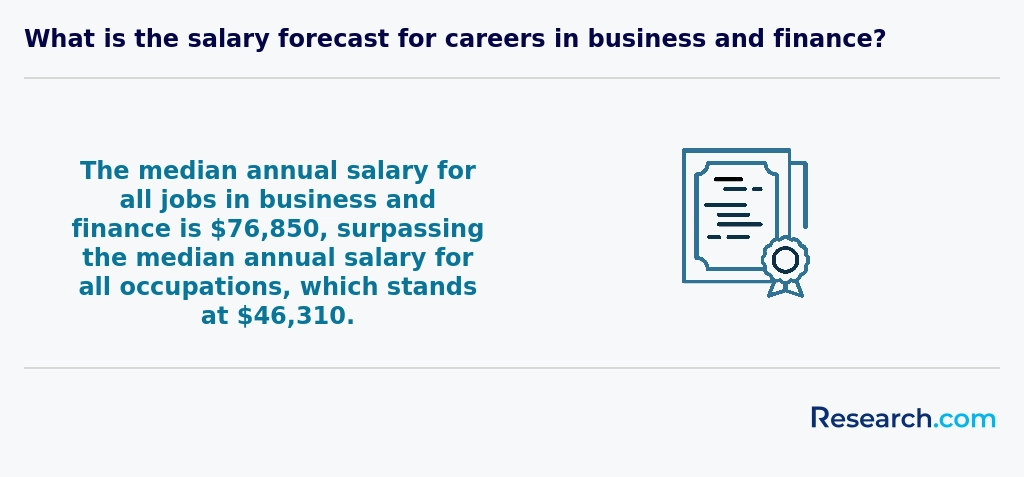
Baltimore’s finance programs maintain strong partnerships with leading institutions, providing graduates with valuable internship pipelines and entry-level positions. Major banks such as M&T Bank, Sandy Spring Bank, and Harbor Bank regularly recruit students for summer analyst roles, offering hands-on experience in credit analysis, treasury management, and risk assessment. Asset management firms like T. Rowe Price and Franklin Templeton (formerly Legg Mason) host structured internship programs, where interns rotate through equity research, portfolio management, and client reporting teams. Consulting giants Deloitte, PwC, EY, and KPMG also seek finance majors for advisory internships, often leading to full-time offers upon graduation. State and local government agencies, including the Baltimore City Department of Finance and the Maryland State Treasurer’s Office, provide fellowships focused on public budgeting and economic forecasting. Nonprofits such as United Way of Central Maryland partner with university career centers to place interns in financial planning roles, helping them develop community-impact analysis skills. FinTech startups like PayNearMe and Happy Money offer project-based internships that merge finance with emerging tech, ideal for students exploring financial technology innovations. Students can leverage on-campus career fairs at Johns Hopkins University and the University of Baltimore to connect directly with recruiters. Additionally, if you’re evaluating program value beyond Maryland, see our Affordable Finance Degree Programs Ranking in California to compare cost-effective finance degrees nationwide.
Finance degree programs in Baltimore typically include core courses such as financial accounting, corporate finance, and investment analysis. These classes help students understand how businesses manage money and make strategic decisions. Graduates from popular local colleges often share how these foundations allowed them to confidently analyze real company reports during internships with Baltimore's growing financial firms.
Beyond basics, many students take classes like Financial Markets and Institutions, learning about banking systems and capital markets relevant to Baltimore's economic environment. Risk Management is another key course, teaching how to spot and reduce financial threats-a skill highly valued in the city's shipping and healthcare sectors.
Students also practice portfolio management and asset allocation, applying investment strategies similar to those used by Baltimore wealth managers. Courses on Business Law and Ethics prepare them for regulatory issues faced in local businesses. Financial Modeling and Analysis brings software tools into play, enabling real-world forecasting, a favorite highlight among students balancing projects with local internships.
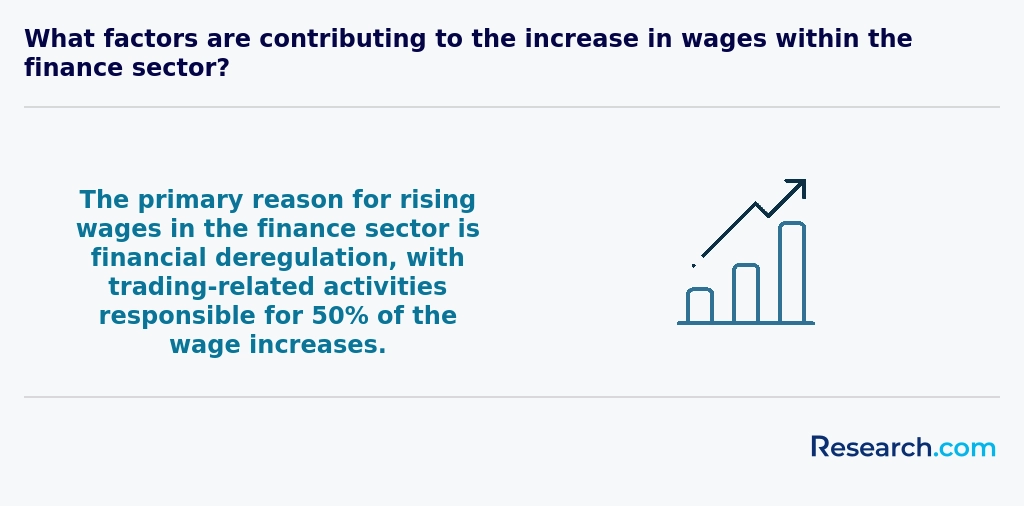
Finance degree specializations in Baltimore typically include Corporate Finance, Investment Analysis and Portfolio Management, Risk Management and Insurance, Financial Planning, International Finance, and Quantitative Finance. Graduates from popular Baltimore colleges often share how Corporate Finance courses helped them understand capital structuring for real businesses, such as local hospitals and port companies. This practical knowledge allowed them to confidently manage financial resources upon entering the workforce.
Other finance majors Baltimore schools feature, like Investment Analysis, prepare students for asset management roles by teaching how to evaluate securities and market trends. A graduate described how these skills directly translated to handling real portfolios during internships at regional banks. Meanwhile, Risk Management and Insurance classes teach students to identify financial risks, an area growing in demand in Baltimore's insurance sector.
For those seeking a blend of theory and technology, specialties in Quantitative Finance equip students with data modeling tools useful in fintech startups emerging in Baltimore. Students interested in global markets often concentrate on International Finance, leveraging Baltimore's major port connections.
Many students considering flexible options also weigh alternatives like an affordable online MBA North Carolina to complement their finance degree journey.
Start by verifying the accreditation of finance programs in Baltimore, especially from respected organizations like AACSB, which guarantees a rigorous and respected curriculum. Graduates from institutions with strong accreditation often share how this directly opened doors to sought-after internships with companies such as T. Rowe Price, providing invaluable real-world experience.
Look closely at the course offerings-programs blending core finance topics like investment analysis with practical skills, including financial modeling and using industry-standard software, deliver the best preparation. Many students from Baltimore's prominent colleges appreciate courses that connect them with the local financial sector, making job transitions smoother after graduation. Seeking the best finance degree programs Baltimore has means researching graduates' success stories, which often highlight employer connections and strong starting salaries.
Affordability is critical, especially with rising tuition. Exploring affordable finance colleges in Baltimore, such as community colleges offering lower annual costs around $4,500, combined with transfer pathways to four-year universities, is a smart route for many. Also, consider programs that offer scholarships or tuition reimbursement linked to employment.
Don't overlook specializations in areas like risk management or financial technology that fit evolving industry demands. Flexible scheduling options also matter if you need to work while studying. For a practical side tip, some finance students even value advice gained from becoming a real estate appraiser as a complementary career insight within the finance field.
- Examine the reputation and ranking of the program within the Baltimore region and nationally
- Consider the availability of related specializations or minors like financial technology (FinTech) or risk management
- Evaluate the flexibility of course schedules, especially if balancing work or family commitments
- Research available scholarships, financial aid, and employer tuition reimbursement programs
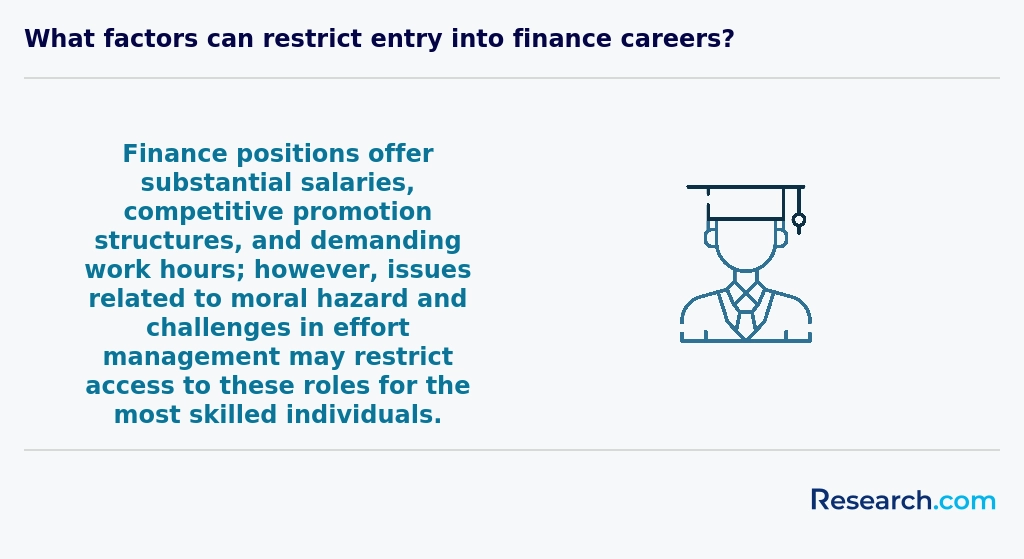
Graduates with a finance degree in Baltimore often start their careers as financial analysts, a role vital for assessing investments and guiding business decisions. Many students from top Baltimore institutions find these positions rewarding, as they provide clear pathways to advancement in sectors like banking and corporate finance, where budgeting and strategic planning are essential. The city's diverse economy supports strong finance career opportunities in Baltimore, from healthcare companies to government agencies.
Others pursue personal financial advising, helping local families and retirees manage their finances-an especially promising path given Baltimore's demographic mix. With a solid foundation from Baltimore-area colleges, graduates feel confident entering this growing field, which offers both professional fulfillment and excellent job prospects with finance degree Baltimore holders.
Additionally, the city's expanding fintech industry opens doors to roles combining finance and technology, such as risk management and compliance. For those considering different options, exploring the ranking of easiest finance degree programs can help identify a manageable path to gain skills needed to thrive in these emerging areas.

Graduates with a finance degree in Baltimore find a vibrant job market shaped by strong local institutions like the major banks and investment firms anchored here. For example, graduates from universities known for their business programs often secure entry-level roles in portfolio management or risk analysis at companies such as T. Rowe Price or Legg Mason. These employers actively seek finance graduates, reflecting the city's steady demand for finance professionals, making the Baltimore finance graduate employment outlook positive and realistic.
Living costs in Baltimore make pursuing a finance degree appealing since students can balance education expenses with a relatively affordable lifestyle compared to Washington, D.C. or New York. Real-life experiences from recent grads highlight that in-state tuition in public schools ranges widely but remains manageable, especially when compared to private institutions. You can explore options with resources like the Affordable Finance Degree Programs Ranking in California to benchmark costs and opportunities.
Career progression tends to improve with professional certifications like CFA or CPA, which graduates from Baltimore schools use to boost employability in roles across banking, insurance, and corporate finance. Networking in the city's tight-knit finance community and internships within local firms also play a key role in landing positions, rounding out practical steps for success in the finance degree job opportunities in Baltimore.
2027 Most Valuable Finance Degree Programs Ranking in Baltimore
Investing in your education is a significant decision that can shape your future, and the Research.com team understands the importance of making informed choices. To assist prospective students in Baltimore, we have meticulously crafted the "2027 Most Valuable Finance Degree Programs Ranking in Baltimore." Our commitment to quality, credibility, and accuracy is reflected in the extensive research and analysis conducted to compile this ranking.
We utilized the following reputable data sources to ensure a comprehensive evaluation of finance degree programs:
By exploring this ranking, readers will gain valuable insights into the most worthwhile finance degree programs in Baltimore, helping them make confident and well-informed decisions regarding their educational investments. For more details on our methodology, please visit our Research.com methodology page.


Frequently Asked Questions About finance
Finance degree students in Baltimore can enhance their education by engaging with the city's strong financial sector. Baltimore hosts over 300 finance-related firms, including investment management and banking, providing valuable internship and networking opportunities (Baltimore Business Journal, 2023). Internships with local companies give practical experience that complements academic learning.
Students should also take advantage of Baltimore's academic resources. Johns Hopkins University and University of Maryland, Baltimore County offer finance-focused workshops and access to financial databases, helping students develop data analysis skills crucial for today's finance jobs.
Attending local finance seminars, industry conferences, and joining student finance clubs encourages professional networking. This exposure helps students keep up with industry trends and connect with potential employers right in Baltimore's growing financial market.
The finance field is evolving rapidly, with new niches emerging that reflect changes in technology and market demands. In Baltimore, professionals are increasingly focusing on areas like fintech, sustainable finance, and data analytics. Fintech blends finance and technology, offering services such as digital payments and blockchain, and Baltimore's growing tech scene supports student interest in this area.
Sustainable finance, which prioritizes environmental and social governance (ESG) factors, is gaining traction nationwide, including in Baltimore. The city's institutions are integrating ESG principles into investment strategies more frequently.
Data analytics also plays a crucial role. According to the U.S. Bureau of Labor Statistics, demand for finance analysts with data skills is expected to grow 12% by 2030.
After completing a finance degree in Baltimore, preparation for the job market involves a blend of practical experience and skill development. Internships with local financial firms, such as T. Rowe Price or Legg Mason, provide valuable real-world exposure. According to the Maryland Department of Labor, finance-related roles in Baltimore are projected to grow 7% by 2030, reflecting steady demand.
Students should also develop strong skills in financial analysis, Excel, and data visualization, which are commonly required by employers. Networking through Baltimore's financial industry events and university career centers enhances job prospects.
Certification programs like the CFA (Chartered Financial Analyst) can further boost credibility. Utilizing Baltimore's resources and aligning credentials with industry needs positions graduates competitively in the local market.
Employers in Baltimore seek finance graduates with strong analytical and quantitative skills to interpret complex financial data effectively. Proficiency in Excel and financial modeling tools is highly valued, as these help in budgeting, forecasting, and investment analysis.
Communication skills are equally important; graduates must clearly present financial information to both technical teams and clients. According to the Maryland Department of Labor, over 60% of finance jobs in Baltimore require problem-solving abilities combined with attention to detail.
Additionally, familiarity with regulatory frameworks like SEC rules and risk management concepts aligns well with the needs of Baltimore's growing financial sector, including banking and asset management firms.
Finding internships in Baltimore relevant to a finance degree involves strategic planning and local resource utilization. Baltimore's growing financial sector, including banks, investment firms, and insurance companies, provides numerous opportunities. According to the Maryland Department of Commerce, Baltimore hosts over 800 finance and insurance firms, creating a robust internship market.
Students should leverage university career centers, which often have partnerships with local companies and exclusive internship listings. Networking events and finance-focused organizations like the Baltimore CFA Society offer access to professionals and job openings.
Online platforms such as Handshake and LinkedIn also list finance internships specific to Baltimore. Internships typically offer valuable hands-on experience and may lead to full-time positions post-graduation.
A finance degree significantly enhances career mobility and advancement opportunities in Baltimore's competitive job market. Employers in Baltimore's financial sector, including banks, investment firms, and consulting agencies, often prioritize candidates with formal education in finance. According to the U.S. Bureau of Labor Statistics, financial analyst roles in the Baltimore metropolitan area are expected to grow by 8% from 2022 to 2032, faster than the average for all occupations.
Possessing a finance degree demonstrates a solid understanding of financial management, risk assessment, and investment strategies, making graduates more eligible for promotions and leadership roles. Many Baltimore companies also value graduates from local universities, which can facilitate networking and professional connections.
Further, a finance degree often qualifies individuals for certifications such as CFA or CPA, improving credentials that support career growth. Overall, the degree acts as a key competitive advantage in Baltimore's growing finance-related industries.
Studying for a finance degree in Baltimore equips students with skills that extend beyond traditional finance concepts. Baltimore's universities often integrate courses in economics, data analytics, and management, reflecting the interdisciplinary nature of modern finance roles. This approach prepares graduates to work effectively in areas like corporate strategy, risk management, and financial technology.
Access to Baltimore's diverse economy-ranging from healthcare to shipping-offers real-world case studies and internship opportunities that enhance cross-industry knowledge. According to the Maryland Higher Education Commission, about 65% of finance graduates here find employment in fields requiring skills from multiple disciplines.
Such training helps graduates adapt to evolving roles that combine finance with technology, regulation, and business strategy.
Choosing between thesis and non-thesis finance degree programs in Baltimore depends on your career goals and time commitment. A thesis option typically involves conducting original research and writing a significant paper, which may appeal to those considering doctoral studies or careers in research and academia. Non-thesis programs usually focus on coursework and practical skills, suitable for students aiming to enter finance roles more quickly.
The University of Maryland, Baltimore County, offers both options, reflecting the city's growing finance sector valued at over $30 billion (source: Baltimore Development Corporation).
Consider your learning style, professional objectives, and available time when making this decision.
Students in Baltimore seeking to study finance abroad have several pathways through partnerships offered by local universities such as Johns Hopkins and the University of Maryland, Baltimore County (UMBC). These institutions often collaborate with international universities, enabling students to undertake semester-long exchanges or dual-degree programs focused on finance.
Many finance programs emphasize global markets, providing exposure to multinational financial systems. According to the Institute of International Education, about 10% of U.S. study abroad participants engage in business disciplines, including finance.
Additionally, Baltimore-based students can utilize programs like Semester at Sea or apply for scholarships specifically aimed at finance majors interested in international experience, helping them build crucial skills for global finance careers.
Students pursuing finance degrees in Baltimore can find valuable part-time job opportunities that enhance their academic experience and professional skills. Financial institutions such as M&T Bank and T. Rowe Price offer internships or part-time analyst roles suitable for gaining practical knowledge. Baltimore's growing fintech sector also presents roles in data analysis and financial modeling, aligning well with coursework.
Additionally, positions in accounting firms or local investment advisory services provide hands-on exposure to tax preparation and portfolio management. According to the Baltimore Economic Development Corporation, finance-related employment in the region is expected to grow by 5% over the next five years, increasing part-time job availability for students.
Working in these roles helps students build networking connections and apply theoretical concepts in real-world settings, strengthening their resumes for future careers in finance.
Baltimore offers valuable networking opportunities for finance students through various channels. Local universities frequently host finance clubs and events that connect students with industry professionals. For example, Towson University and Johns Hopkins University organize finance seminars and career fairs attracting firms from banking, asset management, and insurance sectors.
The Baltimore Financial Advisors Association and the Maryland Bankers Association provide additional platforms for students to meet finance experts and seek mentorship.
Moreover, Baltimore's proximity to major financial hubs, such as Washington, D.C., expands internship possibilities, which are crucial for networking. According to the Bureau of Labor Statistics, Maryland's finance sector supported over 100,000 jobs in 2023, indicating a robust environment for student engagement.
Alumni networks in Baltimore provide finance degree students valuable connections within a city known for its growing financial services sector. Graduates often access mentorship programs, internships, and job opportunities through these networks, bridging academic knowledge with practical experience. According to the Baltimore Business Journal, financial firms frequently recruit through alumni channels, recognizing the trust and familiarity these connections offer.
Moreover, many Baltimore-based universities host events where current students meet alumni working in local banks, investment firms, and insurance companies. These interactions can lead to internships and even full-time positions, helping students gain a competitive edge in the job market.
Access to real-world insights from experienced alumni enhances students' understanding of finance trends and regulatory changes specific to Baltimore's economic environment. This network support plays a crucial role in launching successful financial careers in the region.
Customizing a finance degree program in Baltimore allows students to align their education with specific career goals. Many local universities offer elective courses in areas like investment analysis, corporate finance, and financial planning. Students can choose specialized tracks or concentrations that focus on sectors such as banking, insurance, or real estate. Baltimore's proximity to a strong financial services industry-housing firms like T. Rowe Price and Legg Mason-enables valuable internship opportunities that complement academic learning.
Additionally, students can engage in certificate programs in data analytics or risk management, enhancing marketable skills. Seeking faculty mentorship and participating in finance clubs can further tailor the experience. According to the Maryland Higher Education Commission, more than 30% of finance graduates in Baltimore find employment within the city's expanding financial sector, highlighting the importance of localized program customization.
Finance students in Baltimore often face intense academic demands, as finance programs require strong quantitative skills and proficiency in areas like statistics and economics. A 2023 report by the U.S. Bureau of Labor Statistics highlights that 65% of finance majors nationwide struggle with advanced coursework, a trend visible in Baltimore universities as well.
Additionally, navigating practical experience opportunities can be difficult due to high competition for internships in Baltimore's financial sector, which includes major employers like T. Rowe Price and Legg Mason. According to the Baltimore Metropolitan Council, only 40% of applicants secure paid internships each year.
Cost is another challenge. The Maryland Higher Education Commission notes that average in-state tuition rose by 4.2% in 2023, impacting many students' ability to afford top-tier programs. Balancing work and study is common among finance students seeking to offset these expenses.
With a finance degree, Baltimore students can pursue several well-regarded professional certifications that enhance career opportunities. The Chartered Financial Analyst (CFA) credential is highly respected, focusing on investment analysis and portfolio management. Many financial firms in Baltimore, such as T. Rowe Price, value this certification.
The Certified Financial Planner (CFP) is another popular choice for those interested in personal financial planning. Baltimore's growing wealth management sector often seeks CFP-certified professionals.
Additionally, the Financial Risk Manager (FRM) certification is ideal for those targeting risk management roles in banks and investment firms across the Baltimore area.
Locally, the demand for these certifications reflects the city's robust finance industry, supported by data from the Bureau of Labor Statistics and regional economic reports.
To write a winning application for a finance program in Baltimore, start by demonstrating strong academic performance, especially in math and economics courses. Admissions committees look for a GPA of 3.0 or higher. Highlight any relevant work experience or internships in banking, investment, or financial services, as Baltimore is a financial hub near major institutions like T. Rowe Price and Legg Mason.
Include a well-crafted personal statement explaining your interest in finance and how Baltimore's dynamic market aligns with your career goals. Use clear examples of leadership or problem-solving skills. Finally, obtain strong recommendation letters from professors or employers who can attest to your abilities and commitment to the field.
The global perspective on a finance career emphasizes adaptability and international understanding. Finance professionals in Baltimore and beyond increasingly need to grasp global markets, currency fluctuations, and international regulations. According to the Bureau of Labor Statistics, demand for financial analysts is expected to grow 10% nationally from 2022 to 2032, reflecting expanding global commerce.
Baltimore's strategic location near major ports and financial centers allows graduates to engage with multinational firms. The city hosts branches of banks and investment companies involved in cross-border trade and investment, creating diverse job opportunities for finance graduates.
Furthermore, universities in Baltimore often include international finance courses, preparing students for careers that require knowledge of global economic trends. Understanding emerging markets and international risk management is essential to staying competitive in today's finance industry.
Students pursuing a finance degree in Baltimore have several opportunities to gain practical experience while studying. Many universities partner with local financial institutions such as T. Rowe Price and Legg Mason, allowing students to access internships and cooperative education programs. According to the Maryland Higher Education Commission, over 60% of finance students in the state complete at least one internship before graduation.
Additionally, students can engage in student-run investment clubs or participate in case competitions that simulate real-world finance challenges. Baltimore's growing fintech sector also offers part-time roles and networking events, helping students build professional contacts early in their careers.
Choosing the right concentration within a finance degree program in Baltimore begins with understanding your career goals. Common concentrations include corporate finance, investment management, and financial planning. Students should assess job market trends in Baltimore, where sectors like banking, insurance, and fintech are notably strong according to the Maryland Department of Labor.
Researching local employers and internships can provide insight into which specializations have higher demand. For example, Baltimore is home to major financial institutions such as T. Rowe Price, highlighting opportunities in asset management.
Consider course offerings and faculty expertise at Baltimore schools. Look for programs that align with your interests and provide practical experience.
- 2027 Most Valuable Finance Degree Programs Ranking in Washington
- 2027 Most Valuable Finance Degree Programs Ranking in Philadelphia
- 2027 Most Valuable Finance Degree Programs Ranking in Scranton
- 2027 Most Valuable Finance Degree Programs Ranking in Jersey City
- 2027 Most Valuable Finance Degree Programs Ranking in New York
- 2027 Most Valuable Finance Degree Programs Ranking in Pittsburgh
- 2027 Most Valuable Finance Degree Programs Ranking in Rochester
- 2027 Most Valuable Finance Degree Programs Ranking in Cleveland
- 2027 Most Valuable Finance Degree Programs Ranking in Providence
- 2027 Most Valuable Finance Degree Programs Ranking in Columbus
See What Experts Have To Say About Studying Finance
Read our interview with Finance experts

Andrew Karolyi
Finance Expert
Dean of the Cornell SC Johnson College of Business
Cornell University

H. Kent Baker
Finance Expert
Professor at Department of Finance and Real Estate
American University

Jason James Sandvik
Finance Expert
Assistant Professor of Finance
University of Arizona

- 2026 Finance Career Outlook: Top 7 Global Roles, Salaries & Skill Requirements | Saraf Academy https://saraf.academy/top-7-global-finance-careers-in-2025-skills-salaries-and-the-best-courses-to-get-you-there/
- Business Admin Major: Finance https://www.towson.edu/cbe/departments/finance/undergrad/finance/
- Finance (M.S.) https://www.ubalt.edu/schools-and-colleges/merrick-school-of-business/academics/explore-all-programs/ms-in-finance/index.cfm
- 10 Challenges of Financial Management & How to Overcome Them https://itservices.saglobal.com/blogs/10-challenges-finance-teams-face/
- How to Get a Finance Internship with No Experience – 365 Financial Analyst https://365financialanalyst.com/career-advice/how-to-get-a-finance-internship-with-no-experience/
- Level up your finance future - propel your career with our MBA in Financial Management! https://www.daad.pl/pl/university-ad/coburg-hs-fm-260414/
- How to choose a bachelor's in finance | edX https://www.edx.org/resources/how-to-choose-a-bachelors-in-finance
- Why Alumni Networks Matter in Business School: 7 Reasons https://europe.ceibs.edu/article/why-alumni-networks-matter-business-school
- Must-Have Skills for Accounting & Finance Graduates Entering Singapore’s Competitive Job Market https://www.lsbf.edu.sg/blog/accountancy-and-finance/must-have-skills-for-accounting-finance-graduates-entering-singapores-competitive-job-market
- Fore the Win: How Long Does It Take To Get A Finance Degree? https://ccg.castlerockgc.co.uk/castlerockgc-news/how-long-does-it-take-to-get-a-finance-degree-1767647933


