2027 Entrepreneurship Degree Persistence Report: Retention, Stop-Out Risk, and Re-Enrollment Patterns

Co-Founder and Chief Data Scientist
Choosing an entrepreneurship degree is not only about startup ideas; it is about whether the program can help you stay enrolled long enough to graduate. The National Student Clearinghouse Research Center's 2024 Some College, No Credential report counted 36.8 million adults under 65 with some college and no credential.
This guide is for prospective, transfer, online, and returning students who want to compare retention, stop-out risk, re-enrollment policies, costs, formats, and support services before committing to a program.
Key Things You Should Know
- Public retention data are usually reported by institution and cohort, not by entrepreneurship major, so compare first-year retention, graduation rate, transfer-out rate, re-enrollment policies, and student-success support together.
- College Board's 2024 Trends in College Pricing lists 2024-25 average published tuition and fees at $11,610 for in-state public four-year colleges and $43,350 at private nonprofit four-year colleges, making stop-outs financially important.
- BLS May 2024 wage data show management occupations had a $122,090 median annual wage, but entrepreneurship outcomes vary because graduates may start ventures, join startups, or work in sales, marketing, operations, or business analysis.
- Key Things You Should Know
- What Do Retention Rates Reveal About Student Success in Entrepreneurship Degree Programs?
- Which Students Are Most at Risk of Stopping Out of a Entrepreneurship Degree Program?
- What Academic and Financial Challenges Reduce Persistence in Entrepreneurship Degree Programs?
- How Do Entrepreneurship Students Return After Stopping Out?
- Which Institutional Support Services Improve Persistence in Entrepreneurship Degree Programs?
- How Does Persistence Affect Graduation Time and Career Outcomes for Entrepreneurship Students?
- Which Entrepreneurship Degree Programs Have the Strongest Student Persistence Outcomes?
- How Are Student Persistence Patterns Changing in Entrepreneurship Degree Programs?
- How Should Students Evaluate Entrepreneurship Degree Programs Based on Persistence and Retention?
- Top Trending Entrepreneurship Rankings
What Do Retention Rates Reveal About Student Success in Entrepreneurship Degree Programs?
Retention rates show how many students return after an initial enrollment period, usually from the first fall to the next fall. For entrepreneurship students, retention is a useful early signal, but it is not the same as graduation: a program can retain many first-year students while still having weak upper-division completion if advising, business-core sequencing, internship access, or capstone support is poor.
Entrepreneurship programs are often housed inside business schools, so major-specific retention may not be public. When schools do not publish entrepreneurship-only outcomes, use institution-level data, business-school outcomes, and program-specific evidence such as course availability, internship participation, capstone completion, and advising ratios.
The table below explains the persistence metrics students should compare and what each one can and cannot tell you about program quality.
| Persistence metric | What it measures | How to interpret it for entrepreneurship programs | Important limitation |
| First-year retention rate | How many first-time students return for a second year | Higher retention can suggest stronger onboarding, advising, academic fit, and financial stability | It does not show whether students finish the entrepreneurship major |
| Graduation rate | How many students complete within a defined time window | Useful for judging long-term completion support and course availability | Traditional rates may exclude many transfer, adult, and part-time students |
| Transfer-out rate | How many students leave for another institution | A moderate transfer-out rate may reflect students moving to a better-fit business program | It does not always mean failure if credits transfer efficiently |
| Stop-out pattern | Whether students temporarily pause enrollment | Important for working adults, founders, caregivers, and students with unstable financing | Many colleges do not publish detailed stop-out data by major |
| Re-enrollment rate | How often former students return | Signals whether the school has workable return pathways, credit-preservation rules, and reactivation support | Often reported internally rather than on public dashboards |
A high retention rate should raise your confidence, not replace due diligence. Ask whether students can get required business courses when needed, whether entrepreneurship electives run every term, and whether internships or venture studios are accessible to transfer and online students.
Which Students Are Most at Risk of Stopping Out of a Entrepreneurship Degree Program?
Students most at risk of stopping out are usually not those who lack ambition. They are often students whose academic plan, finances, work schedule, caregiving responsibilities, or program format does not match the demands of the degree.
Entrepreneurship programs can increase pressure because students may be balancing school with a job, a side business, pitch competitions, internships, or family obligations. The risk rises when a student enters without a realistic weekly schedule or assumes that business courses will be easier than quantitative, writing-heavy, or project-based courses in other majors.
These student profiles deserve closer planning before enrollment because each carries a different kind of persistence risk.
- Working adults with unpredictable schedules: They may do well in asynchronous online programs, but only if required group projects, proctored exams, and live presentations are clearly scheduled in advance.
- First-generation college students: They may need proactive advising on course sequencing, financial aid renewal, transfer credits, and academic policies that more experienced college families already understand.
- Transfer students: They can lose momentum when business-core credits do not apply cleanly, electives are overused, or upper-division prerequisites add extra semesters.
- Part-time students: They may persist longer when courses rotate predictably, but extended timelines increase exposure to job changes, tuition increases, and life interruptions.
- Student entrepreneurs: They may stop out when a venture becomes demanding, especially if the program does not offer flexible leave policies, experiential credit options, or faculty mentorship.
A useful red flag is a school that celebrates innovation but cannot explain how it supports students who fail a gateway accounting course, lose financial aid eligibility, or need to pause enrollment for one term. Persistence depends on systems, not slogans.
What Academic and Financial Challenges Reduce Persistence in Entrepreneurship Degree Programs?
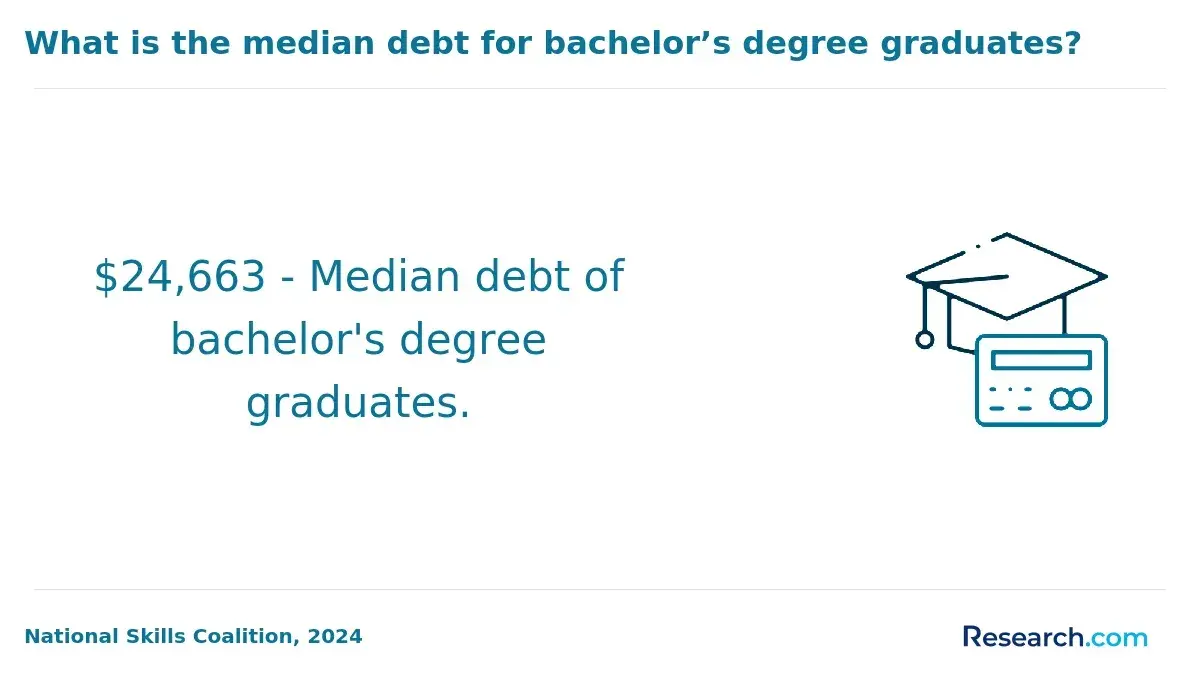
The two most common pressure points in entrepreneurship degrees are academic sequencing and financial strain. A student may be motivated, but if a required course is offered only once per year or a balance prevents registration, persistence can collapse quickly.
Cost matters because stop-outs often make a degree more expensive. College Board's 2024 pricing data show average published tuition and fees of $11,610 for in-state public four-year colleges and $43,350 for private nonprofit four-year colleges in 2024-25. Those figures are before housing, books, transportation, technology, and opportunity costs, so even a one-term interruption can change the total investment.
Academic and financial barriers usually interact rather than appear separately. The table below summarizes common challenges and why they matter for completion planning.
| Challenge | How it affects persistence | What to examine before enrolling |
| Business-core prerequisites | Missing accounting, economics, statistics, or finance prerequisites can delay entry into upper-division entrepreneurship courses | Published degree map, prerequisite chain, and transfer-credit evaluation |
| Course rotation gaps | Specialized entrepreneurship electives may not run every term, especially at smaller programs | Two-year course rotation and guaranteed course availability policies |
| Project-based workload | Venture plans, market research, and presentations can be time-intensive | Expected weekly workload and group-project requirements |
| Financial aid renewal rules | Failed or withdrawn courses can affect satisfactory academic progress | Completion-rate requirements, GPA minimums, appeal process, and probation rules |
| Unpaid experiential learning | Internships, accelerators, or incubator work may conflict with paid employment | Paid internship availability, credit-bearing alternatives, and evening or remote options |
Students comparing graduate business options should also weigh cost against persistence support. For example, someone considering executive-level entrepreneurship training may compare a traditional MBA pathway with a cheapest EMBA option, but the lower sticker price is only useful if the schedule, advising, and course delivery fit the student's work life.
Common mistakes include choosing the lowest tuition without checking course availability, assuming transfer credits will apply to the major, and waiting until a financial hold blocks registration. The safer approach is to request a term-by-term plan before enrolling and ask what happens if you need to reduce your course load.
How Do Learning Format and Enrollment Status Affect Entrepreneurship Student Persistence?
Learning format and enrollment status strongly affect persistence because they shape how easily students can attend class, meet deadlines, communicate with faculty, and recover from disruptions. Online, hybrid, and campus programs can all support completion, but they do so in different ways.
Full-time enrollment often supports faster progress because students move through prerequisites and cohorts more predictably. Part-time enrollment can be better for working adults and caregivers, but it requires stronger planning because a longer timeline creates more chances for life, job, and financial changes to interrupt the degree.
The table below compares how common formats and enrollment patterns affect persistence decisions for entrepreneurship students.
| Option | Persistence advantage | Persistence risk | Best fit |
| Campus-based full-time | Stronger access to faculty, incubators, clubs, competitions, and peer networks | Less flexible for students who work substantial hours | Traditional-age students and those who want intensive networking |
| Online full-time | Faster completion with location flexibility | Requires strong time management and reliable technology | Self-directed students who can protect study time |
| Online part-time | More manageable for working adults and caregivers | Longer timeline can increase stop-out risk | Students with stable but limited weekly study hours |
| Hybrid | Combines face-to-face networking with some flexibility | Travel requirements can become a barrier if work or family needs change | Students near campus who value both structure and flexibility |
| Accelerated format | Shorter courses can help motivated students maintain momentum | Fast pacing can be difficult during work peaks or personal disruptions | Students with strong preparation and predictable schedules |
Working professionals should be especially careful about programs that market flexibility but require daytime meetings, synchronous group work, or short assignment windows. The same planning logic applies to advanced study pathways such as online PhD programs for working professionals, where persistence often depends on whether the format truly fits adult learners.
A good decision rule is simple: choose the format that you can sustain during a difficult month, not the format that looks fastest during an ideal week. If your work schedule changes often, prioritize asynchronous access, multiple start dates, and documented leave options over speed.
How Do Entrepreneurship Students Return After Stopping Out?
Stopping out means pausing enrollment without completing the degree. It is different from dropping out permanently, but it becomes more damaging when students leave without a written return plan, updated financial aid information, or clarity on how long credits remain valid.
The National Student Clearinghouse Research Center's 2024 Some College, No Credential report shows the scale of the return-to-college challenge: 36.8 million adults under 65 had some college experience but no credential. For entrepreneurship students, this makes re-enrollment planning especially important because career and business opportunities can tempt students to pause school before completing the credential.
Students typically return through one of several pathways. The table below explains how each pattern can affect time-to-degree and credit use.
| Re-enrollment pattern | What it looks like | Potential benefit | Potential drawback |
| Return to the same program | The student reactivates enrollment after one or more stopped-out terms | Usually the cleanest path if degree requirements have not changed | Financial holds, expired catalog rights, or changed curricula can slow progress |
| Transfer to another institution | The student moves credits to a better-fit school | Can improve flexibility, cost, or support | Credits may transfer as electives instead of major requirements |
| Switch from campus to online | The student continues the same or similar major in a more flexible format | Can help working adults and caregivers resume study | Online support may be weaker if advising and tutoring are not built into the program |
| Change major within business | The student shifts to management, marketing, finance, or general business | May preserve more credits than leaving business entirely | May reduce access to entrepreneurship-specific incubators or venture courses |
| Complete a shorter credential first | The student earns a certificate or associate credential before returning for a bachelor's | Can create a near-term milestone and improve motivation | Not all certificate credits apply to the final degree |
Before taking a break, students should complete a short exit plan. This is especially important for students using grants, loans, military benefits, employer tuition assistance, or transfer credits.
- Ask whether a formal leave of absence is available and how long it protects your catalog year.
- Confirm whether your completed entrepreneurship, business, and general education credits will still apply when you return.
- Check financial aid consequences, including loan repayment timing and satisfactory academic progress rules.
- Resolve registration holds before leaving, because unpaid balances can block re-enrollment later.
- Schedule a return advising appointment before the break begins, not after motivation has faded.
Transferring can be smart when the new program is cheaper, more flexible, or stronger in student support. It can delay graduation when credits do not apply to the major, when residency requirements force extra credits, or when the new school has a different business-core sequence.
Which Institutional Support Services Improve Persistence in Entrepreneurship Degree Programs?
The strongest persistence support is proactive, not reactive. Entrepreneurship students need more than inspirational founder stories; they need advising, tutoring, financial guidance, mentoring, and clear policies that help them recover from predictable setbacks.
Support services matter most when they are embedded in the program rather than optional extras that students must discover on their own. The table below shows which services are most relevant to staying enrolled and why they affect entrepreneurship students specifically.
| Support service | Why it improves persistence | What strong implementation looks like |
| Proactive academic advising | Helps students avoid prerequisite mistakes and missed course rotations | Assigned advisor, degree audits, term-by-term plans, and outreach after missed milestones |
| Business-course tutoring | Supports students in accounting, finance, economics, statistics, and analytics courses | Regular tutoring hours, online access, and help before exams rather than only after failure |
| Faculty and founder mentoring | Connects coursework to practical venture decisions and career options | Mentor matching, office-hour access, incubator involvement, and feedback on business ideas |
| Financial aid counseling | Reduces registration holds, aid loss, and unexpected balance problems | Clear cost estimates, satisfactory academic progress guidance, and emergency aid referrals |
| Career and internship support | Gives students practical reasons to persist when coursework feels abstract | Startup internships, small-business partnerships, pitch events, and resume support |
| Re-enrollment coaching | Helps stopped-out students return before credits or motivation fade | Dedicated staff, simplified reactivation, transcript review, and personalized return plans |
Students should also look for program structures that reduce confusion: cohort maps, required advising before registration, early alerts after missed assignments, and transparent policies for incomplete grades or withdrawals. The principle applies across professional education fields; for instance, students comparing ABA-approved paralegal programs also need to verify whether the program's structure and support match credential expectations.
A common red flag is a school that offers many entrepreneurship activities but cannot show how students are guided from admission to graduation. Clubs, competitions, and incubators are valuable, but they should not replace academic planning, tutoring, and financial support.
How Does Persistence Affect Graduation Time and Career Outcomes for Entrepreneurship Students?
Persistence affects graduation time, total cost, debt exposure, and career timing. An entrepreneurship student who completes on schedule can enter the job market, launch a venture, or pursue graduate study sooner; a student who stops out may still succeed, but the path often becomes less predictable.
Career outcomes for entrepreneurship graduates vary more than outcomes in licensed fields because many paths are self-directed. Some graduates start businesses, while others work in management, sales, marketing, product, operations, consulting, nonprofit leadership, or business development. BLS May 2024 data show a $122,090 median annual wage for management occupations, but that figure covers many roles and experience levels, not only new entrepreneurship graduates.
The table below shows how persistence patterns can influence both academic timelines and career planning.
| Persistence pattern | Likely academic effect | Career planning effect |
| Continuous full-time enrollment | Most likely to follow the published degree map | Earlier access to internships, campus recruiting, and post-graduation employment |
| Continuous part-time enrollment | Longer but steady path if courses are available | Allows continued work experience while completing the degree |
| Short planned stop-out | May add one term or more depending on course rotation | Can be manageable if the student returns with a clear plan |
| Unplanned stop-out | Can create registration, financial aid, and catalog-year complications | May weaken momentum and delay internships or promotion eligibility |
| Transfer after stop-out | Can save money or improve fit, but may add credits | Can redirect the student toward a stronger market, network, or format |
Persistence also affects the value of experiential learning. Internships, accelerators, venture labs, and capstone projects often occur later in the program, so students who stop out before upper-division work may miss the parts of the degree that most directly support employment or venture creation.
Some students eventually pursue advanced business, research, or teaching pathways after gaining experience. In those cases, finishing the bachelor's degree efficiently can preserve options for graduate study, professional certificates, or later doctoral work, but students should avoid overextending financially before they have a clear career reason.
Which Entrepreneurship Degree Programs Have the Strongest Student Persistence Outcomes?
The entrepreneurship degree programs with the strongest persistence outcomes are usually not defined by brand name alone. They tend to combine transparent student-success data, predictable course scheduling, strong business fundamentals, practical venture opportunities, and support systems that work for the students they enroll.
Because entrepreneurship-major retention is not always published, students should compare programs using a broader evidence set. The table below identifies program features that commonly signal stronger persistence support.
| Program feature | Why it matters for persistence | What to ask the school |
| Accredited or well-reviewed business school | Suggests external review of curriculum, faculty qualifications, and academic processes | Is the business school accredited by a recognized business accreditor, and does that include the entrepreneurship program? |
| Published student-success outcomes | Shows transparency about retention, graduation, transfer, and completion patterns | Can you provide retention and graduation outcomes for business or entrepreneurship students? |
| Clear degree map | Reduces missed prerequisites and delayed graduation | Can I see a term-by-term plan for full-time and part-time enrollment? |
| Flexible delivery options | Helps working adults and transfer students continue through disruptions | Are required entrepreneurship courses available online, evenings, summers, or multiple times per year? |
| Embedded experiential learning | Keeps students engaged by connecting coursework to real ventures and employers | Are internships, incubators, pitch events, and capstones available to online and transfer students? |
| Re-enrollment pathway | Improves the odds that a temporary pause does not become permanent | What happens if I need to stop out for one term or one year? |
Program fit also depends on the type of entrepreneurship a student wants to pursue. A student interested in creative ventures may compare a business entrepreneurship degree with a bachelors in photography online plus business electives, while a student focused on startups may prioritize incubators, product development, analytics, and investor-readiness training.
Do not choose a program solely because it has a startup center or impressive guest speakers. The stronger question is whether students can move through the curriculum without unnecessary delays and receive help when academic, financial, or personal challenges appear.
How Are Student Persistence Patterns Changing in Entrepreneurship Degree Programs?
Student persistence patterns in entrepreneurship programs are changing because students are demanding more flexibility, employers are emphasizing demonstrable skills, and schools are expanding online and hybrid business education. These trends can improve completion when designed well, but they can also create confusion if students stack credits without a coherent degree plan.
Artificial intelligence is also changing the entrepreneurship curriculum. Students now need practical familiarity with AI-assisted market research, automation tools, customer analytics, content creation, and ethical data use. Programs that integrate these tools thoughtfully may keep students more engaged because coursework feels connected to current business practice.
Several current trends are especially important for persistence decisions.
- More adult and returning students: Re-enrollment support is becoming more important as colleges try to bring back students with prior credits and no credential.
- Growth in online business education: Flexible delivery can reduce commute and scheduling barriers, but weak online advising can increase isolation and stop-out risk.
- Skill-based hiring pressure: Students increasingly want portfolios, capstones, internships, and venture projects that show practical ability, not only completed coursework.
- Rising cost sensitivity: Students are more likely to compare tuition, transfer credits, employer assistance, and time-to-degree before committing.
- Shorter credentials and stackable pathways: Certificates can help students build momentum, but only if credits apply clearly to the final degree.
The main takeaway is that flexibility is not automatically the same as support. A modern entrepreneurship program should combine flexible access with structured advising, predictable courses, career-connected projects, and clear return policies.
How Should Students Evaluate Entrepreneurship Degree Programs Based on Persistence and Retention?
Students should evaluate entrepreneurship degree programs the same way an investor evaluates a business plan: look for evidence, risks, assumptions, and a realistic path to completion. Retention and graduation rates matter, but the best choice is the program that fits your schedule, finances, learning style, transfer history, and career goal.
Use this practical evaluation sequence before applying or enrolling.
- Find the school's first-year retention rate, graduation rate, transfer-out rate, and net price, then ask whether business-school or entrepreneurship-specific outcomes are available.
- Request a degree audit or sample plan showing how your credits apply to general education, business core, entrepreneurship courses, and electives.
- Ask how often required courses are offered and whether online, evening, summer, or part-time options are available.
- Confirm whether advising is assigned, required, or optional, and ask how the school contacts students who miss milestones.
- Review financial aid rules, including satisfactory academic progress, emergency aid, employer tuition assistance, and payment-plan options.
- Ask what happens if you stop out, including catalog rights, credit expiration, reactivation steps, and loan repayment timing.
- Compare experiential learning access, including internships, incubators, pitch competitions, capstones, and mentorship for online and transfer students.
Retention should matter more when you are comparing how well schools keep students moving after enrollment. Graduation rate should matter more when you are estimating long-term completion probability. Neither metric should be used alone because student mix, transfer patterns, part-time enrollment, and institutional mission can affect the numbers.
Paying more for a program with stronger support can make sense if the school offers reliable course availability, strong advising, career-connected experiences, and a lower risk of costly delays. Paying more is harder to justify when the program cannot explain its outcomes, support services, or re-enrollment rules.
The biggest red flags are vague answers about credit transfer, no clear part-time plan, required courses offered infrequently, limited online student support, weak financial aid guidance, and pressure to enroll before seeing a complete cost and completion plan. A good entrepreneurship program should help you test your idea, build business skills, and finish the credential without leaving too much to chance.
Other Things You Should Know About Entrepreneurship
Both matter. Retention rate shows whether students return after the first year, while graduation rate shows longer-term completion. Use retention to judge early support and graduation rate to judge whether students ultimately finish.
Not automatically. Online programs can support persistence for working adults and caregivers, but only when they include strong advising, tutoring, predictable course access, and clear communication. A poorly supported online program can increase isolation.
Often yes, but policies vary by school. Before stopping out, ask about leave of absence rules, catalog rights, financial aid consequences, credit expiration, and re-enrollment steps.
The best sign is a combination of transparent outcomes, a clear degree map, proactive advising, reliable course scheduling, financial aid support, and experiential learning that is available to students in your format.
Top Trending Entrepreneurship Rankings
References
- Europe PMC https://europepmc.org/article/pmc/pmc9376909
- Closing Persistence Gaps for Part-time Students https://www.higheredtoday.org/2023/02/16/closing-persistence-gaps-for-part-time-students/
- In U.S. Higher Ed, Business Is Booming - But International Enrollment May Bust https://poetsandquantsforundergrads.com/news/in-u-s-higher-ed-business-is-booming-but-international-enrollment-may-bust/