2027 Entrepreneurship Degree Bachelor's-Level ROI Report: Best Career Returns Without Graduate School

Co-Founder and Chief Data Scientist
An entrepreneurship bachelor's degree can pay off, but only if it leads to roles tied to revenue, operations, finance, or growth. The Bureau of Labor Statistics reported a $122,090 median annual wage for management occupations in May 2024, far above the $49,500 median for all occupations.
This guide is for students and career changers who want strong returns without graduate school. You will learn which careers, industries, skills, certifications, and location choices improve ROI so you can compare options before borrowing, enrolling, or delaying full-time work.
Key Things You Should Know
- The strongest bachelor's-level ROI usually comes from revenue-facing and decision-making roles. BLS May 2024 median wages were $159,660 for advertising, promotions, and marketing managers, $138,060 for sales managers, and $101,190 for management analysts.
- College Board's 2024-25 data listed average published tuition and fees at $11,610 for in-state public four-year colleges and $43,350 for private nonprofit four-year colleges, before aid.
- Graduate school is not automatically required for high ROI; entrepreneurship graduates often improve returns faster through analytics, sales, finance, product, operations, and project-management credentials plus measurable work experience.
- Key Things You Should Know
- Which Entrepreneurship Bachelor's Degree Careers Deliver the Highest ROI Without Graduate School?
- Which Industries Reward Entrepreneurship Bachelor's Graduates the Most?
- Which Entry-Level Entrepreneurship Careers Provide the Fastest Financial Return?
- How Do Location and Cost of Living Affect the ROI of a Entrepreneurship Bachelor's Degree?
- Which Skills Increase the ROI of a Entrepreneurship Bachelor's Degree?
- Which Certifications Increase Earnings Without Graduate School for Entrepreneurship Graduates?
- How Do Employer Type and Company Size Affect ROI for Entrepreneurship Graduates?
- Which Emerging Career Paths Increase the Future ROI of a Entrepreneurship Bachelor's Degree?
- How Should Students Evaluate the ROI of a Entrepreneurship Bachelor's Degree Without Graduate School?
- Top Trending Entrepreneurship Rankings
Which Entrepreneurship Bachelor's Degree Careers Deliver the Highest ROI Without Graduate School?
An entrepreneurship bachelor's degree is a business-focused undergraduate program that usually covers opportunity analysis, accounting, finance, marketing, innovation, business law, operations, venture planning, and leadership. The best ROI comes when the degree is used as a launchpad into occupations where employers pay for growth, cost control, market insight, and team performance rather than for the word "entrepreneurship" on the diploma.
The table below compares bachelor's-accessible career paths where an entrepreneurship background can be useful. Median wages are national occupation-level figures, so actual pay varies by region, industry, experience, commissions, and employer size.
| Career path | BLS May 2024 median annual wage | Why it can deliver strong bachelor's-level ROI | Graduate school usually needed? |
| Advertising, promotions, and marketing manager | $159,660 | Rewards campaign strategy, customer acquisition, pricing, brand growth, and analytics; often reached after several years in marketing or growth roles. | No, though an MBA can help in some corporate-track roles. |
| Sales manager | $138,060 | Directly tied to revenue, quota strategy, account management, and team performance; commissions and bonuses can improve upside. | No, experience and performance usually matter more. |
| General and operations manager | $103,650 | Fits entrepreneurship graduates who understand staffing, budgets, process improvement, vendor management, and unit-level profitability. | No, but industry experience is critical. |
| Financial analyst | $101,910 | Good fit for graduates who add financial modeling, Excel, valuation, and data skills to an entrepreneurship degree. | No for many analyst roles; some finance tracks later value an MBA or CFA. |
| Management analyst | $101,190 | Uses problem-solving, market research, operations improvement, and client communication; common in consulting and internal strategy teams. | No for many roles, though advanced degrees may help at elite firms. |
| Project management specialist | $100,750 | Strong ROI when graduates can coordinate budgets, timelines, product launches, vendors, and cross-functional teams. | No, certifications and experience often matter more. |
| Market research analyst | $76,950 | Often more accessible earlier in a career and builds the customer, competitor, and data skills needed for higher-paying marketing or product roles. | No, but analytics training improves competitiveness. |
The best financial answer is not always the occupation with the highest median wage. A sales role may repay educational costs quickly because hiring can happen soon after graduation, while a marketing manager role may have higher long-term upside but require several years of measurable campaign results first.
Which Industries Reward Entrepreneurship Bachelor's Graduates the Most?
Industries reward entrepreneurship graduates differently because some business models place a premium on growth, customer acquisition, pricing, capital allocation, and operational efficiency. In general, ROI rises when the graduate's work can be connected to revenue, margin improvement, fundraising, market expansion, or product adoption.
The BLS May 2024 wage data shows why industry selection matters: management occupations had a national median annual wage of $122,090, but individual roles can move above or below that level depending on the sector. The table below summarizes where entrepreneurship graduates often find better bachelor's-level payoff.
| Industry | Why it can reward entrepreneurship graduates | Best-fit roles | Main ROI risk |
| Technology and software | Companies value product growth, user acquisition, pricing, partnerships, and scalable operations. | Product operations, sales operations, growth marketing, business development, customer success. | Competition is high, and technical fluency is increasingly expected. |
| Finance, fintech, and insurance | Quantitative analysis, client acquisition, risk awareness, and financial modeling can translate into higher-value work. | Financial analyst, business analyst, revenue analyst, partnership associate. | Some advancement tracks require licenses, exams, or stronger finance coursework. |
| Consulting and professional services | Client-facing problem solving aligns well with entrepreneurship training in opportunity analysis and business planning. | Management analyst, operations consultant, implementation analyst. | Travel, long hours, and selective hiring can reduce fit for some graduates. |
| Healthcare services and health tech | Complex operations create demand for process improvement, vendor management, patient-growth strategy, and service-line planning. | Operations coordinator, clinic operations manager, market analyst, project specialist. | Regulation and reimbursement rules require industry learning. |
| Logistics, supply chain, and manufacturing | Operational efficiency, cost control, inventory planning, and vendor coordination have visible financial impact. | Operations analyst, project specialist, procurement associate, general operations manager. | Starting roles may be less glamorous but can build strong management experience. |
| Retail, ecommerce, and consumer brands | Entrepreneurship graduates can apply pricing, merchandising, digital marketing, and customer analytics quickly. | Ecommerce specialist, category analyst, growth marketer, store or regional operations manager. | Pay can vary widely between small brands and established companies. |
A common mistake is choosing an industry only because it sounds entrepreneurial. A small startup may offer learning and equity, but a larger employer may provide higher pay, benefits, training, and faster debt repayment. The better choice depends on whether the opportunity includes measurable responsibility, not just an exciting company mission.
Which Entry-Level Entrepreneurship Careers Provide the Fastest Financial Return?
Fast ROI usually means earning full-time income quickly, avoiding extra years of tuition, and choosing a role where performance can raise pay through commissions, promotions, bonuses, or rapid responsibility growth. For entrepreneurship graduates, early-career fit often matters more than job title prestige.
The table below focuses on entry-level or early-career roles that can create a practical bridge from a bachelor's degree to higher-paying management, sales, marketing, product, finance, or operations positions.
| Entry-level path | Why it can repay faster | Best next step | Watch out for |
| Sales development or business development representative | Lower barrier to entry, direct exposure to revenue, and potential commissions. | Account executive, sales operations, partnerships, sales manager. | Unrealistic quotas or commission plans that are unclear before hiring. |
| Marketing coordinator or growth marketing assistant | Builds campaign, content, analytics, and customer-acquisition experience. | Performance marketer, growth analyst, marketing manager. | Roles limited to administrative tasks without measurable campaign ownership. |
| Market research analyst | Turns customer, competitor, and pricing research into business decisions; BLS listed a $76,950 median annual wage in May 2024. | Product marketing, strategy analyst, marketing analytics. | Weak data skills can slow advancement. |
| Operations coordinator | Provides hands-on experience with vendors, staffing, inventory, process improvement, and budgets. | Operations manager, project manager, general manager. | Jobs with responsibility but no path to promotion or training. |
| Customer success associate | Combines relationship management, retention, product feedback, and revenue expansion. | Customer success manager, account management, product operations. | Support-heavy roles that do not include account growth or analytics. |
| Founder or small-business operator | Can create upside and learning quickly when costs are controlled and the idea has real demand. | Scaled business owner, franchise operator, product lead, operations leader. | High failure risk, irregular income, and personal debt if the venture is under-tested. |
Students seeking the fastest return should ask employers about promotion timelines, variable compensation, training budgets, and the metrics used to judge performance. A lower starting salary can be reasonable if the job gives you ownership of revenue, analytics, client accounts, or operations within the first year.
Which Entrepreneurship Bachelor's Careers Offer the Best Salary Growth Over Time?
The best salary growth without graduate school typically comes from moving from task execution to ownership of outcomes. In entrepreneurship-related careers, that means progressing from coordinating campaigns, leads, budgets, projects, or processes to managing people, profit-and-loss responsibility, clients, or product lines.
Roles such as marketing manager and sales manager illustrate the upside: BLS May 2024 median wages were $159,660 and $138,060, respectively. These are not typical first-year outcomes, but they show why early experience in measurable growth functions can produce stronger long-term ROI than roles with limited advancement.
| Career ladder | Early role | Mid-career role | Higher-ROI destination | What drives salary growth |
| Sales and partnerships | Sales development representative | Account executive or partnerships manager | Sales manager or revenue leader | Quota performance, account size, negotiation, team leadership. |
| Marketing and growth | Marketing coordinator | Growth marketer or marketing analyst | Marketing manager or demand generation leader | Campaign ROI, analytics, customer acquisition, budget ownership. |
| Operations | Operations coordinator | Operations analyst or project manager | General and operations manager | Cost control, process improvement, staffing, vendor performance. |
| Consulting and strategy | Business analyst | Management analyst or consultant | Engagement manager or internal strategy lead | Client impact, presentation skill, analytical depth, implementation results. |
| Finance and venture analysis | Finance or revenue analyst | Senior analyst or corporate development associate | Finance manager or strategy manager | Modeling accuracy, capital planning, investment analysis, executive communication. |
Graduate school may make sense later if your target role explicitly values it, such as senior finance leadership, elite consulting, university teaching, or research. If your long-term plan involves academia or advanced research rather than immediate business ROI, comparing flexible online PhD programs for working professionals can be more relevant than pursuing a general business master's by default.
How Do Location and Cost of Living Affect the ROI of a Entrepreneurship Bachelor's Degree?
Location affects ROI in two directions: it can raise salary opportunities and also raise living costs, rent, transportation, taxes, and student borrowing. For entrepreneurship graduates, the strongest location strategy is not simply "move to the biggest city"; it is to compare net income, job density, industry access, and debt burden.
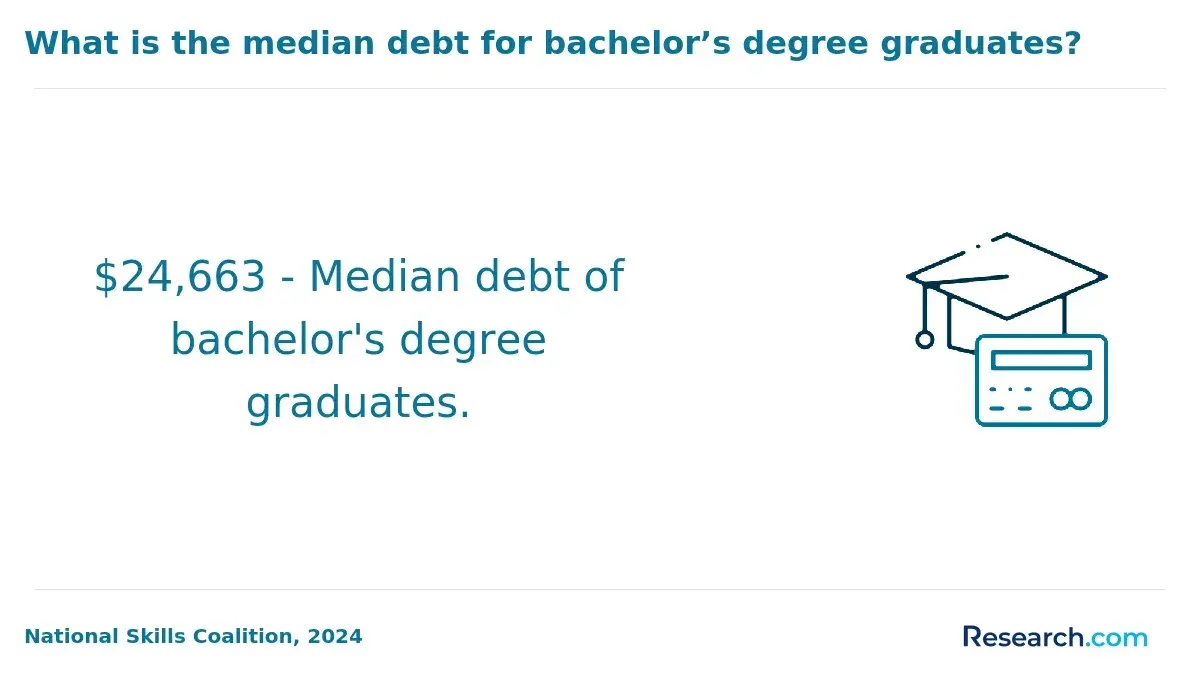
College cost is the first location-related ROI factor. College Board's 2024-25 figures listed average published tuition and fees of $11,610 for in-state public four-year institutions compared with $43,350 for private nonprofit four-year institutions, before grants and scholarships. That gap means a lower-cost accredited program can make the same early-career salary produce a much stronger payoff.
| Location choice | ROI advantage | ROI trade-off | Best fit |
| Major business or tech hub | More employers, startup networks, internships, venture events, and higher-ceiling roles. | Higher rent and stronger competition can offset salary gains. | Students targeting technology, consulting, finance, or venture-backed startups. |
| Regional metro area | Lower living costs with access to employers, chambers of commerce, healthcare systems, banks, and logistics firms. | Fewer elite-brand employers and smaller startup ecosystems. | Graduates who want management experience and faster savings. |
| Home-state public college route | Often reduces tuition, housing, and borrowing while preserving access to internships. | May require more effort to build a national network. | Cost-sensitive students focused on debt-adjusted ROI. |
| Remote or hybrid work strategy | Can allow graduates to earn from higher-paying employers while living in lower-cost areas. | Entry-level remote business roles can be highly competitive. | Students with strong digital marketing, analytics, sales tech, or project-management skills. |
Before choosing a school or city, estimate monthly loan payments, rent, transportation, and likely starting compensation in the target occupation. A common red flag is choosing an expensive program in a high-cost area without a clear internship pipeline into paid business roles.
Which Skills Increase the ROI of a Entrepreneurship Bachelor's Degree?
Entrepreneurship degrees have the highest ROI when broad business creativity is paired with hard, employer-readable skills. Employers rarely pay a premium for ideas alone; they pay for people who can test ideas, measure results, control costs, sell, and execute.
The skills below are especially valuable because they transfer across startups, established companies, consulting firms, financial organizations, and operations-heavy industries:
- Financial modeling and budgeting: Learn income statements, cash-flow forecasting, pricing, break-even analysis, and unit economics so you can explain whether an idea can actually make money.
- Sales and negotiation: Practice prospecting, discovery calls, objection handling, proposals, and contract basics because revenue skills are among the clearest ROI drivers.
- Digital marketing analytics: Build working knowledge of search, paid social, email, conversion rates, customer acquisition cost, lifetime value, and campaign dashboards.
- Data analysis: Use Excel, SQL basics, dashboard tools, and statistical reasoning to support decisions instead of relying on instinct.
- Project and product management: Learn how to define scope, prioritize features, manage timelines, coordinate teams, and measure launch outcomes.
- Operations improvement: Understand process mapping, vendor management, inventory, staffing, quality control, and workflow automation.
- AI-enabled productivity: Use generative AI carefully for market research drafts, customer segmentation, sales messaging, workflow design, and scenario planning while verifying outputs and protecting confidential data.
The biggest mistake is treating entrepreneurship as only a personality trait. A stronger strategy is to graduate with a portfolio: campaign results, financial models, pitch decks, customer interviews, dashboards, internship projects, or a small revenue-generating venture.
Which Certifications Increase Earnings Without Graduate School for Entrepreneurship Graduates?
Certifications cannot replace experience, but they can make an entrepreneurship graduate easier to hire for specific business functions. The best certificates are practical, recognizable, and tied to software, compliance, sales systems, analytics, finance, or project execution.
The table below summarizes credentials that may increase employability without requiring graduate school. Requirements, costs, and renewal rules vary, so students should confirm current details with each credential provider before enrolling.
| Credential or training area | Best for | How it can improve ROI | Important limitation |
| Google Analytics or digital marketing certificates | Marketing, ecommerce, growth, and customer acquisition roles. | Shows ability to measure campaigns and connect marketing activity to business results. | Portfolio evidence is more persuasive than a certificate alone. |
| Salesforce certifications | Sales operations, customer success, CRM administration, and revenue operations. | Can qualify graduates for roles managing customer pipelines and sales data. | Hands-on CRM practice is essential. |
| CAPM or PMP pathway | Project coordination, operations, product launches, and consulting support. | Signals structured project-management knowledge and can support advancement into higher-responsibility roles. | PMP has experience requirements; CAPM is more entry-level. |
| Excel, SQL, Tableau, or Power BI training | Business analysis, market research, finance, and operations analytics. | Improves ability to turn messy business data into decisions. | Employers will often test skills through assignments or interviews. |
| Finance credentials or exam preparation | Financial analysis, corporate development, venture analysis, and investment-related roles. | Strengthens credibility in quantitative business roles. | Some roles require licenses or employer sponsorship. |
| SHRM or HR-related credentials | People operations, staffing, training, and small-business HR administration. | Useful for entrepreneurship graduates interested in building and managing teams. | HR rules vary by state and employer size. |
Students who discover they prefer contracts, compliance, or legal operations over venture creation may want to compare business credentials with career-specific options such as ABA-approved paralegal programs. That comparison can prevent paying for a broad business path when a regulated support role is the better fit.
How Do Employer Type and Company Size Affect ROI for Entrepreneurship Graduates?
Employer type and company size can change ROI as much as occupation title. A startup may offer broad responsibility and equity, while a large employer may offer higher base pay, structured training, tuition assistance, better benefits, and clearer promotion ladders.
The table below helps entrepreneurship graduates compare employer environments before accepting a role. The best choice depends on risk tolerance, debt level, learning goals, and whether compensation is based on salary, commission, bonus, equity, or benefits.
| Employer type | Potential ROI advantage | Potential ROI risk | Best candidate fit |
| Early-stage startup | Fast learning, broad responsibility, founder access, and possible equity upside. | Lower job stability, unclear training, and equity that may never become liquid. | Graduates with low debt, high risk tolerance, and strong self-direction. |
| Growth-stage company | More structure than a startup while still offering rapid promotion opportunities. | Changing priorities and demanding performance expectations. | Graduates interested in sales, growth, product operations, or customer success. |
| Large corporation | Benefits, brand recognition, training programs, internal mobility, and management tracks. | Narrower first roles and slower responsibility growth. | Graduates who want stability, mentorship, and a recognizable resume platform. |
| Consulting or professional services firm | Client exposure, structured problem-solving, and transferable business skills. | Long hours and competitive performance review cycles. | Graduates with strong communication, analysis, and presentation skills. |
| Small local business or family business | Hands-on access to operations, finance, sales, and staffing decisions. | Pay ceilings may be lower if the business is not growing. | Graduates aiming to operate or acquire a small business later. |
| Public sector or nonprofit | Stability, mission fit, benefits, and project experience. | Often lower upside for revenue-based compensation. | Graduates focused on social enterprise, community development, or grant-funded programs. |
A common mistake is overvaluing equity at an early-stage company without understanding vesting, dilution, strike price, and exit probability. If you have significant student debt, base salary, health benefits, and promotion structure may matter more than theoretical upside.
Which Emerging Career Paths Increase the Future ROI of a Entrepreneurship Bachelor's Degree?
Emerging career paths can increase the future ROI of an entrepreneurship bachelor's degree because new business models need people who can combine commercial judgment with technology adoption. The U.S. Small Business Administration's 2024 profile reported 34.8 million small businesses in the country, which shows the scale of the market for operators, analysts, marketers, and founders who can help organizations grow.
The strongest emerging paths are not just "startup jobs." They are roles where entrepreneurship graduates can use AI, data, digital channels, and niche market knowledge to create measurable business value.
| Emerging path | Why it matters | Skills that improve ROI | Best first step |
| AI-enabled business operations | Companies are redesigning workflows, customer service, reporting, and internal knowledge systems. | Process mapping, prompt evaluation, automation tools, data privacy awareness, change management. | Build small workflow projects that save time or reduce errors. |
| Revenue operations | Sales, marketing, and customer success teams need clean data and coordinated pipelines. | CRM administration, sales analytics, lifecycle metrics, dashboarding. | Learn Salesforce or HubSpot and document pipeline improvements. |
| Creator commerce and digital product businesses | Entrepreneurs increasingly monetize audiences through ecommerce, courses, subscriptions, and services. | Content strategy, conversion tracking, pricing, brand partnerships, email marketing. | Launch a small test product before investing heavily. |
| Climate, energy, and sustainability business roles | Organizations need business talent to commercialize efficiency, reporting, and operational improvements. | Regulatory awareness, project finance basics, operations analysis, stakeholder communication. | Pair entrepreneurship coursework with industry-specific internships. |
| Small-business acquisition and franchise operations | Some graduates pursue ownership through acquisition or franchising instead of starting from zero. | Due diligence, financing, local marketing, hiring, cash-flow management. | Work in operations or finance before taking on ownership risk. |
Creative entrepreneurship is another growing option, but it requires both business and production skill. Students building visual brands, ecommerce studios, or media-based ventures may compare entrepreneurship coursework with bachelors in photography online if their income model depends heavily on professional visual content.
How Should Students Evaluate the ROI of a Entrepreneurship Bachelor's Degree Without Graduate School?
Students should evaluate ROI by comparing total cost, time to full-time earnings, likely career path, and the strength of the school's employer connections. A bachelor's in entrepreneurship is typically a four-year, 120-credit degree, though transfer credits, online formats, accelerated calendars, and prior learning credit can change the timeline.
Use the following steps to make a practical ROI decision before choosing a program or deciding whether to enter the workforce after graduation:
- Calculate net price, not sticker price, by subtracting grants and scholarships and adding realistic housing, fees, books, transportation, and lost wages.
- Check accreditation, including institutional accreditation and business-school accreditation such as AACSB, ACBSP, or IACBE when relevant to your goals.
- Compare the curriculum with your target role; a student aiming for finance, analytics, or product operations needs more quantitative coursework than a student aiming for small-business ownership.
- Ask for career outcome evidence by major or business school, including internship employers, placement support, alumni roles, and whether data reflects recent graduates.
- Estimate first-job pay conservatively and compare it with monthly loan payments rather than relying on high mid-career salaries.
- Look for experiential learning such as incubators, pitch competitions, consulting projects, co-ops, internships, student-run ventures, and local employer partnerships.
- Decide whether graduate school has a specific financial purpose; if not, gaining experience first often preserves flexibility and reduces opportunity cost.
Graduate business education can be worthwhile when it is tied to a clear promotion, employer sponsorship, executive transition, or field change. If you later need executive-level training rather than a traditional full-time MBA, comparing the cheapest EMBA options can help you avoid overpaying for a credential after you already have work experience.
Red flags include borrowing heavily for a program with weak internship access, assuming every startup role has high upside, choosing a career only by starting salary, ignoring cost of living, and delaying work for graduate school without a target occupation.
The best ROI plan is specific: choose a low-debt accredited program, build measurable business skills, get paid experience early, and pursue advanced credentials only when they solve a defined career problem.
Other Things You Should Know About Entrepreneurship Bachelor's Degree ROI
Yes, it can be enough for many business roles, especially in sales, marketing, operations, project coordination, market research, and business analysis. The degree is strongest when paired with internships, analytics skills, sales experience, or a portfolio of measurable projects.
Not automatically. An MBA may help later for executive leadership, finance, consulting, or a major career pivot, but many entrepreneurship graduates improve ROI faster by working first, building results, and using targeted certifications.
Revenue and management paths often have the strongest ROI, including marketing manager, sales manager, operations manager, management analyst, financial analyst, and project management specialist. The best option depends on your skills, industry, location, and tolerance for variable pay.
Avoid focusing only on the school's brand, assuming founder income will arrive quickly, using national salary medians as promises, or ignoring debt. A better approach is to compare net price, internships, local employer access, skill-building opportunities, and realistic first-job outcomes.
Top Trending Entrepreneurship Rankings
References
- High School Course - School and Money - Hands on Banking https://youth.handsonbanking.org/courses/high-school-school-and-money/
- What is the typical debt load for graduates of four-year public universities - APLU https://www.aplu.org/our-work/4-policy-and-advocacy/publicuvalues/student-debt/
- College is still worth it, even with student debt, but we can do better | Brookings https://www.brookings.edu/articles/college-is-still-worth-it-even-with-student-debt-but-we-can-do-better/
- The Long-Term Effects of Student Loans | ACE Blog https://ace.edu/blog/the-long-term-effects-of-student-loans/
- Student Loan Debt Statistics [2026]: Average + Total Debt https://educationdata.org/student-loan-debt-statistics
- What are the jobs and average salaries for MBA vs. MS graduates in the USA? https://mentr-me.com/question/what-are-the-jobs-and-average-salaries-for-mba-vs-ms-grad
- Student Loans and Entrepreneurship: An Overview https://www.kauffman.org/reports/student-loan-debt-entrepreneurship/