2027 Entrepreneurship Degree Recession Resilience Report: Which Career Paths Hold Up Best During Economic Downturns

Co-Founder and Chief Data Scientist
Choosing an entrepreneurship career during an uncertain economy means balancing ambition with risk. BLS JOLTS data reported about 1.8 million layoffs and discharges in a single month in late 2024, a reminder that job security varies sharply by industry and employer. This guide is for entrepreneurship students, graduates, and career changers who want practical comparisons of roles, industries, salary stability, layoff risk, and pivot options. You will learn which paths tend to hold up better, which are more cyclical, and how to build a career plan that stays flexible during downturns.
Key Things You Should Know
- Entrepreneurship degree holders usually find the strongest recession resilience in operations, business analysis, product management for essential services, procurement, logistics, compliance-adjacent business roles, and internal innovation roles tied to cost savings or revenue protection.
- No entrepreneurship career is completely recession-proof: BLS 2024 wage data show strong pay potential in roles such as management analysts, with a median annual wage of $101,190, but stability still depends on industry, employer finances, seniority, and measurable business impact.
- The riskiest paths during downturns are often early-stage startup roles, discretionary consumer businesses, ad-dependent growth marketing, luxury retail, hospitality ventures, and commission-heavy sales roles unless the worker has transferable skills and access to recession-resistant sectors.
- Key Things You Should Know
- What Makes a Entrepreneurship Degree Career Recession-Resistant?
- Which Entrepreneurship Career Paths Offer the Strongest Job Stability During Downturns?
- Which Industries Provide the Most Recession-Resistant Careers for Entrepreneurship Graduates?
- Which Entrepreneurship Careers Face the Lowest Layoff and Unemployment Risk?
- Which Entrepreneurship Career Paths Offer the Best Mix of Salary Stability and Job Security?
- What Are the Most Recession-Resistant Entry-Level Jobs for Entrepreneurship Graduates?
- How Do Location and Remote Work Affect Entrepreneurship Career Resilience?
- Which Transferable Skills Help Entrepreneurship Degree Holders Pivot During a Recession?
- How Can Entrepreneurship Degree Holders Build a Recession-Resilient Career Plan?
- Top Trending Entrepreneurship Rankings
What Makes a Entrepreneurship Degree Career Recession-Resistant?
A recession-resistant entrepreneurship career is one that remains useful when employers, customers, and investors become more cautious. It does not mean the job is immune to layoffs. It means the role is attached to work that organizations still need during downturns: controlling costs, keeping operations running, retaining customers, complying with rules, improving cash flow, and finding practical revenue opportunities.
Entrepreneurship degrees can lead to many outcomes because the major is broad. Programs typically cover business models, finance, marketing, operations, innovation, leadership, venture creation, and strategy. At the undergraduate level, admissions usually follow standard college requirements such as transcripts, test-optional policies, essays, and prerequisite math or business courses. Graduate entrepreneurship pathways may include an MBA, executive MBA, or specialized master's degree, often requiring professional experience, a résumé, recommendations, and prior quantitative coursework.
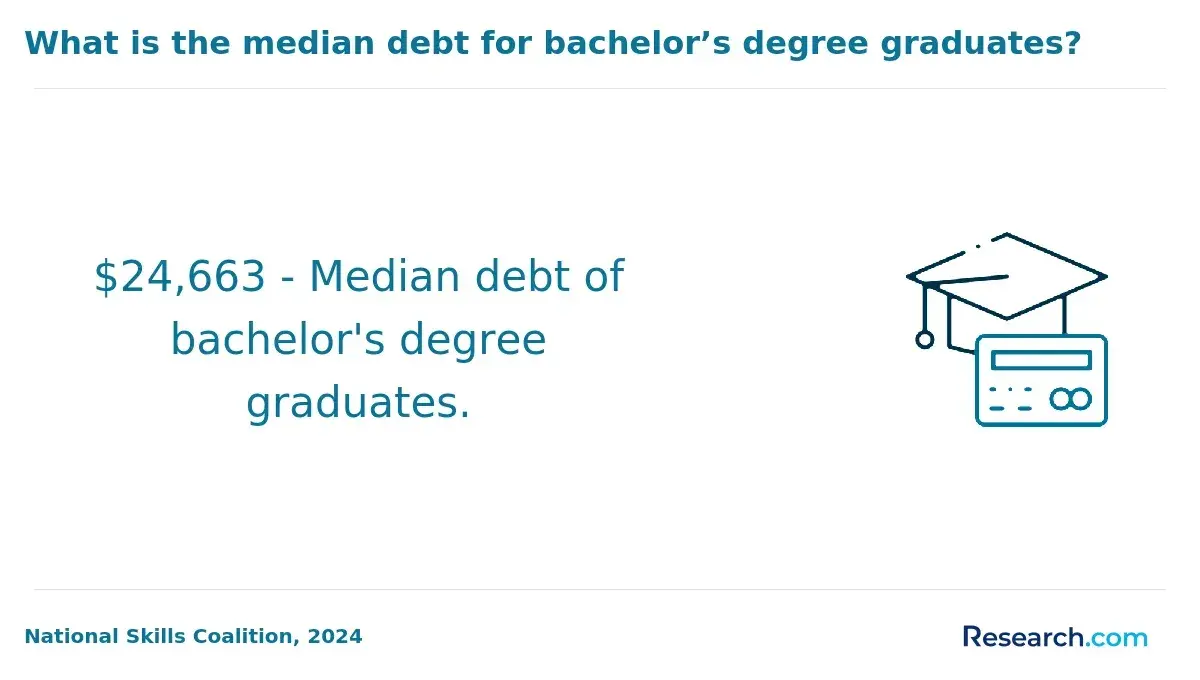
Cost and credential quality matter more during a downturn because debt can reduce flexibility. Students should compare total tuition, fees, transfer credit policies, employer tuition assistance, and accreditation from recognized institutional accreditors; business-school accreditation such as AACSB, ACBSP, or IACBE can also help when comparing programs. For experienced managers considering graduate study, a lower-cost option such as a cheapest EMBA may be more resilient financially than pausing work for a high-cost full-time program.
The most resilient entrepreneurship-related roles usually share several traits. Use the following factors to evaluate whether a career path can hold up when hiring slows.
- Essential business function: The role supports revenue, compliance, supply chains, customer retention, budgeting, or operational continuity rather than optional expansion.
- Transferable skill base: Skills such as analytics, financial modeling, negotiation, project management, and process improvement can move across industries.
- Clear return on investment: Employers are less likely to cut roles that can document savings, risk reduction, productivity gains, or recurring revenue impact.
- Industry stability: Healthcare, government, utilities, education, essential logistics, and regulated services tend to experience less demand collapse than luxury, travel, and speculative sectors.
- Employer funding strength: Cash reserves, diversified revenue, long-term contracts, public funding, or recurring subscription revenue can reduce layoff pressure.
One important limitation: long-term occupational growth projections do not automatically equal recession safety. A fast-growing field can still lay off workers during a credit crunch, investor pullback, or sector-specific slowdown. Recession resilience is best judged by combining job function, industry demand, employer type, and personal skill portability.
Which Entrepreneurship Career Paths Offer the Strongest Job Stability During Downturns?
The most stable entrepreneurship degree career paths are usually not the most glamorous founder-track roles. They are business roles that help organizations adapt, protect cash, and operate efficiently when the economy tightens. BLS wage data can give salary context, but job stability still depends on employer health and industry exposure.
The table below compares common entrepreneurship-related career paths by typical responsibilities and recession-resilience profile. Salary figures are national medians from BLS May 2024 data where the occupation is separately tracked, so they should be used as broad benchmarks rather than promises for a specific graduate.
| Career path | Typical responsibilities | Recession-resilience profile | Salary context |
| Operations manager | Improve workflows, manage teams, control costs, coordinate resources | Strong when tied to essential services, distribution, healthcare, manufacturing, or public-sector operations | General and operations managers had a BLS median annual wage of $103,460 in 2024 |
| Management analyst or business consultant | Analyze processes, recommend efficiency improvements, support restructuring or transformation projects | Strong when focused on cost reduction, compliance, productivity, or public-sector consulting; weaker in discretionary strategy work | Management analysts had a BLS median annual wage of $101,190 in 2024 |
| Product manager | Prioritize product features, coordinate teams, analyze customer needs, support profitable growth | Moderate to strong in healthcare technology, cybersecurity, financial infrastructure, and B2B software; weaker in ad-funded or speculative startups | Often benchmarked through management, marketing, or project roles because BLS tracking varies by employer title |
| Procurement or supply chain specialist | Negotiate vendor terms, manage inventory, reduce supply risk, support continuity | Strong when attached to essential goods, logistics, healthcare, government contracting, or food systems | Logisticians had a BLS median annual wage of $80,880 in 2024 |
| Market research analyst | Study demand, pricing, customer behavior, and competitive conditions | Moderate; valuable when research protects revenue, but vulnerable if marketing budgets are cut | Market research analysts had a BLS median annual wage of $76,950 in 2024 |
| Founder or startup operator | Build ventures, raise capital, hire teams, sell products, manage uncertainty | Highly variable; strongest with recurring revenue, low debt, essential customers, and disciplined cash management | Income can be unstable and may lag salaried roles during early stages |
For most entrepreneurship graduates, the best stability strategy is to start in a role that builds measurable operating skill before taking on founder-level risk. Operations, analytics, procurement, and business transformation roles tend to create evidence of impact that can travel across employers.
Which Industries Provide the Most Recession-Resistant Careers for Entrepreneurship Graduates?
Industry choice can matter as much as job title. An entrepreneurship graduate doing operations work for a hospital network may face a different risk profile than someone doing similar work for a luxury travel startup. The most resilient industries are usually tied to needs that households, businesses, or governments cannot easily postpone.
BLS employment projections released for the 2024 to 2034 period show healthcare and social assistance among the major sources of future job growth. For entrepreneurship graduates, that matters because healthcare organizations need managers, analysts, vendor coordinators, process improvers, and product-minded professionals who understand both operations and customer needs.
| Industry | Why it can be resilient | Entrepreneurship-friendly roles | Key trade-off |
| Healthcare and health services | Demand is tied to ongoing patient care, aging populations, insurance systems, and regulated operations | Operations coordinator, service-line analyst, healthtech product associate, practice manager | More regulation, slower sales cycles, and higher compliance expectations |
| Government and public administration | Funding is more stable than purely consumer-driven revenue, although budgets can tighten | Program analyst, procurement specialist, small business development role, economic development coordinator | Hiring can be slower and advancement may depend on civil-service rules |
| Utilities, infrastructure, and energy services | Essential services continue even when consumers cut discretionary spending | Project coordinator, vendor manager, operations analyst, customer programs manager | May require technical familiarity and safety or regulatory knowledge |
| Food, grocery, and essential retail | Demand persists because households continue buying necessities | Category analyst, store operations manager, franchise operations associate, supply chain coordinator | Margins can be thin, so efficiency pressure is high |
| Education and workforce services | Reskilling demand can rise when workers change careers, though budgets vary | Program manager, partnerships associate, admissions operations analyst, edtech product role | Public funding, enrollment shifts, and institutional budgets can affect stability |
| Hospitality, luxury goods, and discretionary travel | Demand is more sensitive to household income and corporate travel cuts | Revenue manager, local business owner, customer experience manager | Higher cyclical risk, especially for early-career workers or highly leveraged ventures |
Entrepreneurship graduates who want stability should look for industries with recurring demand, regulatory requirements, long-term contracts, or mission-critical operations. Those who prefer higher upside may still choose cyclical industries, but they should maintain emergency savings, portable credentials, and a backup path into more essential sectors.
Which Employer Types Offer Better Job Security for Entrepreneurship Degree Holders?
Employer type shapes recession risk because layoffs are often driven by cash flow, funding access, revenue concentration, and cost structure. A strong entrepreneurship graduate can still face instability if the employer depends on venture capital, seasonal demand, or one large customer.
The table below summarizes how common employer types compare. These are general patterns, not guarantees, because leadership decisions and local economic conditions can override broad trends.
| Employer type | Typical job-security strengths | Common recession risks | Best fit for entrepreneurship graduates |
| Federal, state, and local government | More predictable funding, formal hiring systems, public-service continuity | Budget freezes, slow hiring, political funding changes | Graduates who value stability, benefits, procurement, program management, and economic development work |
| Large established companies | Diversified revenue, internal mobility, stronger benefits, formal training | Large-scale restructuring, automation, shareholder pressure | Graduates who want operational experience before launching or leading ventures |
| Healthcare systems and universities | Ongoing service demand, complex operations, specialized administrative needs | Budget pressure, reimbursement changes, enrollment shifts | Graduates interested in process improvement, partnerships, service operations, or innovation labs |
| Small and midsize businesses | Broad responsibilities, direct access to owners, faster learning | Limited reserves, customer concentration, less internal mobility | Graduates who can handle ambiguity and want general management experience |
| Venture-backed startups | Fast growth, equity upside, rapid responsibility | Funding pullbacks, runway cuts, layoffs after missed growth targets | Graduates with high risk tolerance, strong networks, and skills that transfer quickly |
| Self-employment or founding a business | Control, upside, flexible market choice | Income volatility, financing difficulty, personal liability if poorly structured | Graduates with savings, validated demand, low fixed costs, and strong sales discipline |
Public-sector and large essential-service employers often provide stronger baseline security, while startups and self-employment offer more upside but higher volatility. A practical middle path is to work in an established organization while building entrepreneurial skills through internal innovation, consulting projects, or a small side venture.
Which Entrepreneurship Careers Face the Lowest Layoff and Unemployment Risk?
The entrepreneurship-related careers with lower layoff risk usually have one thing in common: they are close to necessary business functions. During downturns, employers may still hire or retain people who can protect margins, manage compliance, reduce waste, negotiate costs, or keep customers from leaving.
One useful labor-market signal is unemployment by education level. BLS annual data for 2024 show that workers with a bachelor's degree had a lower unemployment rate than workers with only a high school diploma. For entrepreneurship graduates, the takeaway is not that a degree prevents unemployment, but that combining a degree with practical business skills can improve mobility when one employer or sector weakens.
Careers that often face lower relative layoff risk include the following, especially when housed in essential industries or financially stable organizations.
- Operations and process improvement: These roles are often retained when they can show cost savings, faster delivery, fewer errors, or better staffing efficiency.
- Procurement and vendor management: Downturns put pressure on contract terms, supplier reliability, and spending discipline, which makes negotiation and sourcing skills valuable.
- Business analysis and management analysis: Analysts who support budgeting, workforce planning, automation decisions, or productivity projects can remain relevant even when expansion slows.
- Customer success for essential B2B services: Retaining existing customers is often cheaper than acquiring new ones, so roles tied to renewals and account health can be more durable than pure new-logo sales.
- Compliance-adjacent business roles: Regulated employers still need documentation, reporting, internal controls, and risk-aware process design.
Higher-risk roles are not automatically bad choices. Founder-track positions, venture development, brand marketing, and commission-heavy business development can create strong upside for people with savings, strong networks, and high tolerance for uncertainty. The mistake is treating upside as stability. In a downturn, the safest career plan often combines one marketable specialty-such as technical capabilities acquired through degrees in AI-with broad business judgment.
Which Entrepreneurship Career Paths Offer the Best Mix of Salary Stability and Job Security?
The best mix of salary stability and job security usually comes from roles that are paid well because they solve persistent business problems, not because they depend on speculative growth. For entrepreneurship graduates, that often means combining strategic thinking with finance, operations, data, or project execution.
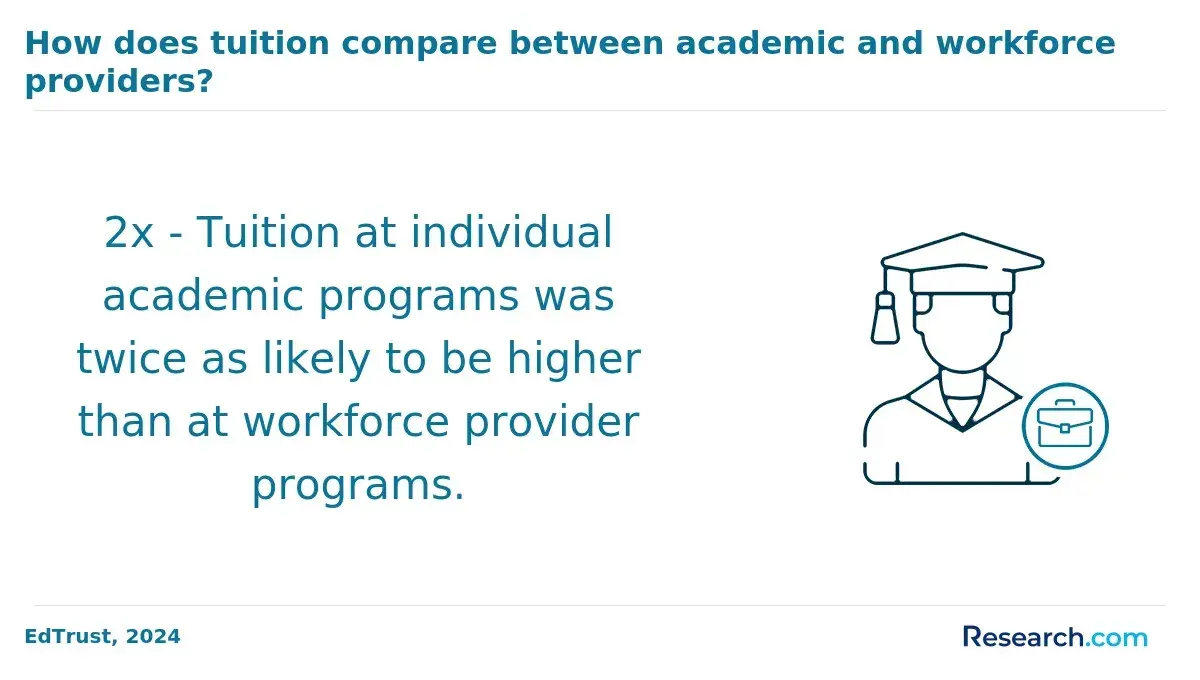
Students who want to strengthen long-term resilience may compare business graduate programs, certificates, or employer-funded training rather than assuming the most expensive credential has the best payoff. For professionals who eventually want senior leadership or academic-adjacent credibility while staying employed, flexible options such as online PhD programs for working professionals may be worth comparing carefully against lower-cost management credentials.
The following roles tend to offer a stronger balance of pay and resilience when the worker can document results.
| Role cluster | Why salary can be stable | Why job security can be stronger | Best recession-fit profile |
| Management analysis and internal consulting | Employers pay for problem-solving that improves costs, productivity, or operating models | Useful during restructuring, efficiency pushes, and process redesign | Strong analytical skills, presentation ability, and comfort with messy business data |
| Operations management | Compensation reflects responsibility for teams, budgets, service levels, and execution | Core operations cannot stop during a downturn | People who like coordination, measurable outcomes, and practical leadership |
| Supply chain, procurement, and vendor strategy | Negotiation and cost control can have visible financial impact | Organizations still need suppliers, inventory, and continuity planning | Detail-oriented graduates who can manage contracts and trade-offs |
| Product management in essential B2B markets | Pay can be strong when product decisions affect recurring revenue | More durable when tied to must-have software, healthcare, security, finance, or infrastructure | Graduates who combine customer insight, data, and cross-functional leadership |
| Finance-oriented business operations | Budgeting, forecasting, and unit economics become more important under pressure | Leadership needs reliable financial information before making cuts or investments | Graduates willing to build accounting, Excel, data, and forecasting depth |
Salary stability also depends on compensation structure. A lower base salary with high commission may perform well in boom times but create stress when customers delay purchases. A moderate salary with benefits, internal mobility, and recession-resistant industry exposure may be the better choice for risk-averse graduates.
What Are the Most Recession-Resistant Entry-Level Jobs for Entrepreneurship Graduates?
Entry-level workers usually have less protection during layoffs because they have shorter tenure and less specialized institutional knowledge. The best entry-level roles for entrepreneurship graduates are those that build portable evidence: reports produced, savings identified, customers retained, processes improved, or projects delivered.
BLS May 2024 data list the median annual wage for market research analysts at $76,950, but entry-level pay can be lower and varies widely by city, employer, and industry. The reason this role can still be useful is that it teaches demand analysis, pricing awareness, customer segmentation, and competitive research, which are valuable in both stable jobs and future ventures.
Good entry-level options include roles that sit close to operations, customers, data, or revenue protection. These jobs may not all include "entrepreneurship" in the title, but they can build recession-resilient business judgment.
- Operations coordinator: Supports scheduling, workflow tracking, vendor coordination, and process documentation; stronger in healthcare, logistics, utilities, and essential services.
- Business analyst associate: Helps convert business problems into reports, dashboards, process maps, and recommendations; stronger when paired with Excel, SQL, or business intelligence tools.
- Procurement assistant: Learns vendor communication, purchase orders, contract basics, and cost controls; useful in government, healthcare, manufacturing, and education.
- Customer success associate: Tracks account health, onboarding, usage, renewals, and service issues; more stable when serving essential B2B customers rather than discretionary consumers.
- Market research assistant: Studies customer behavior and competitor positioning; strongest when research is tied to pricing, retention, or product decisions.
- Project coordinator: Supports timelines, budgets, stakeholder updates, and deliverables; valuable across industries because execution problems do not disappear in recessions.
Entry-level graduates should be cautious about roles with vague titles, unclear training, unpaid "founder experience," or compensation that depends almost entirely on commission. A legitimate early-career role should provide a manager, measurable responsibilities, realistic pay terms, and skills that can be explained on a résumé.
How Do Location and Remote Work Affect Entrepreneurship Career Resilience?
Location affects recession resilience because industries are not evenly distributed across the United States. A city with a large healthcare, government, defense, higher education, logistics, or utility base may offer different stability than a region heavily dependent on tourism, real estate development, or venture-funded technology.
Remote work can increase resilience by expanding the number of employers a graduate can reach. It can also increase competition because candidates may be compared across states. For entrepreneurship graduates, remote-friendly roles such as business analysis, customer success, product operations, market research, and project coordination can provide flexibility, but the strongest candidates usually bring clear evidence of self-management and digital collaboration.
Before accepting a job or choosing a market, evaluate location and remote-work risk using a short checklist. This helps separate genuine flexibility from fragile employment.
- Check industry concentration: Identify whether the local economy depends heavily on one cyclical sector, such as tourism, construction, oil and gas, or venture-backed technology.
- Review employer customer base: A company serving hospitals, schools, municipalities, or essential businesses may be more stable than one selling discretionary products.
- Ask about remote policy durability: Find out whether remote work is permanent, hybrid, manager-dependent, or subject to sudden office-return mandates.
- Compare cost of living to emergency savings: A high salary in an expensive city may be less resilient than a moderate salary in a lower-cost region if layoffs occur.
- Assess licensing or local knowledge barriers: Some government, healthcare, legal, real estate, or regulated-industry roles may require state-specific knowledge or in-person relationships.
Remote work is not a substitute for recession-resistant skills. The most durable remote candidates can show they improve revenue, reduce costs, manage projects, or support customers without heavy supervision.
Which Transferable Skills Help Entrepreneurship Degree Holders Pivot During a Recession?
Transferable skills are the real safety net of an entrepreneurship degree. A specialized venture idea may fail, a startup may lose funding, or an industry may freeze hiring, but skills in analysis, finance, selling, operations, and communication can help graduates move into adjacent roles.
Some pivots may also require targeted education outside traditional entrepreneurship. For example, someone moving into business operations for legal services may compare ABA-approved paralegal programs if they want formal legal-process knowledge to complement business training.
The most useful recession-pivot skills are practical, demonstrable, and easy for employers to verify. Build evidence through projects, internships, freelance work, campus ventures, volunteer consulting, or internal assignments.
- Financial literacy: Budgeting, cash-flow analysis, unit economics, pricing, and break-even analysis help employers make decisions when money is tight.
- Data analysis: Excel, SQL, dashboards, survey analysis, and KPI tracking help graduates move into analyst, operations, marketing, or product roles.
- Sales and customer discovery: Understanding customer pain points, objections, retention, and willingness to pay is valuable across startups and established employers.
- Project management: Planning timelines, managing stakeholders, controlling scope, and reporting progress are useful in nearly every industry.
- Process improvement: Mapping workflows, reducing waste, documenting procedures, and measuring cycle time can support cost-saving initiatives.
- Digital operations and AI fluency: Employers increasingly expect workers to use automation, customer relationship management systems, analytics tools, and AI-assisted workflows responsibly.
- Negotiation and vendor management: Contract awareness, supplier comparison, and cost negotiation become especially important when budgets tighten.
AI and automation are changing entrepreneurship careers, but they do not eliminate the need for business judgment. Graduates who can use AI tools to speed research, draft workflows, summarize customer feedback, or test scenarios may become more valuable, while those who rely only on generic ideas or manual tasks may face more competition.
How Can Entrepreneurship Degree Holders Build a Recession-Resilient Career Plan?
A recession-resilient career plan should combine stable income, marketable skills, prudent education choices, and optionality. The goal is not to avoid all risk. The goal is to take smarter risks while preserving the ability to move when conditions change.
Education planning is part of that risk calculation. Federal student loan rates for the 2024-2025 award year included 6.53% for undergraduate Direct Loans and 8.08% for graduate Direct Unsubsidized Loans, which means added credentials should be evaluated against realistic salary, flexibility, and employer-support benefits rather than prestige alone. Creative entrepreneurs, for example, might compare lower-cost online pathways such as a bachelors in photography online only if the program supports a clear business model, portfolio, and revenue plan.
Use the following sequence to build a plan that can survive weaker hiring markets.
- Pick a stability anchor: Choose one function that remains useful in downturns, such as operations, analytics, procurement, finance, customer retention, or compliance-adjacent business work.
- Select industries deliberately: Prioritize essential services, healthcare, government, infrastructure, education, logistics, or B2B services if job security matters more than fast upside.
- Build a proof portfolio: Document projects that show savings, revenue protected, customer retention, faster processes, improved reporting, or successful launches.
- Keep debt proportional to risk: Compare total program cost, transfer credits, scholarships, employer tuition assistance, and the opportunity cost of leaving work.
- Maintain a pivot résumé: Write your résumé around skills and outcomes rather than only venture titles, so employers can see how your experience transfers.
- Track employer warning signs: Watch for delayed payroll, repeated reorgs, hiring freezes, declining renewals, vendor nonpayment, and sudden cuts to core tools or benefits.
- Preserve runway: Build emergency savings before moving into commission-heavy work, self-employment, or a startup with uncertain funding.
Common mistakes include assuming entrepreneurship means you must start a company immediately, choosing a career only for salary, ignoring employer financial health, or relying on broad job-growth projections without checking industry cyclicality. A better approach is to treat entrepreneurship as a skill set: opportunity recognition, disciplined execution, customer insight, and resource management. Those skills are valuable in founder roles, but they can also support stable careers inside established organizations.
Other Things You Should Know About Entrepreneurship
Yes, it can be a good fit if you use it to build practical business skills rather than only startup ideas. Many graduates work in operations, product, sales strategy, business analysis, customer success, procurement, or management before launching a venture later.
Possibly. Accounting, finance, supply chain, information systems, or healthcare administration may provide clearer entry-level job pathways. Entrepreneurship can still be valuable when paired with a specialization, internship experience, analytics skills, or industry knowledge.
A common target is several months of essential expenses, but the right amount depends on rent, debt, dependents, health coverage, and job-market conditions. Startup employees should also understand runway, funding status, severance policy, and whether compensation depends on equity or commission.
They can help when they prove job-ready skills. Useful options may include project management, data analytics, supply chain, bookkeeping, CRM platforms, or industry-specific compliance training. Certifications work best when paired with real projects and measurable results.
Top Trending Entrepreneurship Rankings
References
- The Role of Entrepreneurship in Economic Resilience https://journal.ppipbr.com/index.php/demand/article/view/117
- The Great Recession’s Effect on Entrepreneurship https://www.clevelandfed.org/publications/economic-commentary/2011/ec-201104-the-great-recessions-effect-on-entrepreneurship
- Degrees of Separation: Education, Employment and the Great Recession in Metropolitan America | Brookings https://www.brookings.edu/articles/degrees-of-separation-education-employment-and-the-great-recession-in-metropolitan-america/
- Entrepreneurship Will Become a Must-Have Career Skill for Navigating Technological Change and an Uncertain Future https://ceric.ca/fr/2017/06/entrepreneurship-will-become-a-must-have-career-skill-for-navigating-technological-change-and-an-uncertain-future/