2027 Most Affordable Online Master's in Entrepreneurship Degree Programs Ranking in the South

Co-Founder and Chief Data Scientist
Choosing the right online master's in entrepreneurship can shape your future while fitting your budget. For students in the South, finding affordable quality programs is key to success, and that's exactly what this article aims to help with.
The 2027 Most Affordable Online Master's in Entrepreneurship Degree Programs Ranking in the South offers a carefully researched list created by Research.com's experienced data scientists. This ranking makes it easier to identify programs that balance cost and value.
Whether you want to launch a startup or grow your career, this guide empowers you to make an informed decision with confidence.
Key benefits of getting online entrepreneurship degree in the South
- Entrepreneurship graduates in the South often pursue careers like business managers or marketing specialists, with average salaries around $70,000 to $80,000 annually, reflecting strong earning potential in these fields.
- A graduate from a well-known Southern university might explore diverse paths such as launching startups, consulting, or corporate innovation roles, offering exciting opportunities to turn innovative ideas into reality.
- Completing an entrepreneurship degree online from a respected Southern institution offers flexibility to balance work and study, empowering students to gain real-world experience while earning their degree efficiently.
- 2027 Most Affordable Online Master's in Entrepreneurship Degree Programs Ranking in the South
- What can I expect from online entrepreneurship degree in the South?
- Where can I work with online entrepreneurship degree in the South?
What can I expect from online entrepreneurship degree in the South?
When considering the cost of an online entrepreneurship degree in the South, expect to pay typically under $15,000 per year for in-state tuition at well-regarded institutions. Graduates from universities known for their strong business programs often share how manageable these costs allowed them to balance work, family, and study without financial strain. This affordability challenges the assumption that quality entrepreneurship education demands a massive investment.
At popular Southern schools, students find value beyond price-flexible online programs offer asynchronous learning and resources like virtual mentorships, nurturing a sense of community despite the distance. Picture a graduate in Georgia crafting a startup plan after hours while drawing on case studies centered on the regional tech and agricultural markets. These tangible local insights add richness to the learning experience.
By keeping tuition accessible-and blending flexibility with targeted Southern industry knowledge-these programs empower students to transform passion into profit without the burden of overwhelming debt, making entrepreneurship a realistic and exciting goal.
Where can I work with online entrepreneurship degree in the South?
Graduates with an online entrepreneurship degree from Southern schools like the University of Texas at Austin or Emory University often find themselves stepping into dynamic roles that defy the old notion that entrepreneurship means only launching a startup. Many become business founders, energized by the booming markets in Texas, Florida, and Georgia, areas where innovation thrives and community support fuels new ventures. Imagine a recent graduate leveraging skills learned online to secure funding and open a tech service company in Atlanta, tapping into the city's expanding startup ecosystem.
Others land career paths in business development or innovation management at established firms in Austin or Charlotte, challenging the stereotype that entrepreneurship doesn't suit corporate life. These graduates actively shape strategies that disrupt markets and create competitive advantages.
The appeal extends to economic development agencies and nonprofit centers, where graduates support small businesses, fostering local growth. Teaching and consulting are also vibrant options, as Southern universities continuously seek entrepreneurial experts to inspire and guide the next generation.
Entrepreneurship here isn't just a degree-it's a gateway to varied, fulfilling careers rooted in the South's unique economic vitality.
Graduates with an online entrepreneurship degree in the South often find themselves earning between $55,000 and $95,000 annually in the early stages of their careers. For example, graduates from universities like the University of Texas at Austin or Florida State University frequently begin with salaries around $60,000, reflecting roles in business management or startup leadership.
In Texas, a popular hub for innovation, small business managers typically earn about $70,000 annually, offering a motivating benchmark for recent graduates aiming to leverage their skills in dynamic markets. These figures reflect not just salary but the potential to grow financially through experience and networking within vibrant southern business communities.
Many graduates also tap into consulting or freelance opportunities, with some earning over $100,000 depending on their client base and specialization. This pathway encourages entrepreneurial creativity and flexibility, turning knowledge into tangible income in real-world scenarios.
Ultimately, southern metropolitan regions like Houston, Atlanta, and Miami provide fertile ground for an entrepreneurship degree to translate into meaningful financial success. Graduates often share a sense of pride and optimism knowing their education fuels not only personal growth but regional economic vitality.
- Tuition for online entrepreneurship degrees in the South ranges from $8,000 to $18,000 at public universities and $20,000 to $35,000 at private institutions.
- The average starting salary for graduates is about $50,000 annually, with experienced professionals earning between $75,000 and $100,000 per year.
- Employment growth in entrepreneurship fields in the South is projected at 6% over the next decade, matching the national average.
- States like Texas, Florida, and Georgia offer strong support for startups through funding and resource programs.
- Many Southern online programs are accredited by the Southern Association of Colleges and Schools Commission on Colleges (SACSCOC), which helps with credit transfer and job prospects.
Completing an online entrepreneurship degree in the South often surprises students with its flexibility and realistic timelines. Many graduates from universities like the University of Florida or Texas A&M share how the typical two-year full-time path allowed them to balance work and studies without feeling overwhelmed. The usual 30 to 36 credit hours might sound daunting, but splitting this load across semesters with 9 to 12 credits creates an achievable rhythm.
Part-time enrollment, favored by many juggling careers and family, naturally extends the timeline to about three years or more. Yet, graduates often describe this longer journey as a rewarding, manageable process that fits their busy lifestyles. Accelerated and year-round options are also common, trimming the path to just 12 to 18 months, a timeline that challenges the old notion that entrepreneurship education must be slow and rigid.
What stands out in the South is the emphasis on practical, project-based learning that keeps students engaged and motivated throughout. With programs integrating capstone projects or theses, graduates stress the importance of planning around these milestones to avoid delays. Ultimately, the Southern approach redefines how long it takes to earn an entrepreneurship degree, blending ambition with adaptability.
Choosing between online and on-campus entrepreneurship degrees in the South often hinges on lifestyle and learning preferences rather than quality. Graduates from universities like the University of Florida or Emory describe online programs as liberation from rigid schedules-allowing them to juggle work, family, and entrepreneurship studies simultaneously. This flexibility means you can absorb lessons on your own terms, which feels empowering and reduces stress.
Meanwhile, peers attending on-campus programs at schools such as UNC Chapel Hill emphasize the energizing buzz of face-to-face mentorship and real-time networking events. These in-person connections often spark unexpected collaborations, making the entrepreneurial journey feel tangible and rooted in Southern business culture.
Although the tuition difference matters-online programs often cost less, sidestepping fees and housing-the real distinction is in the networking experience. Online students build relationships through virtual platforms that, while efficient, sometimes lack the warmth of local meetups at Southern business incubators. Still, both routes deliver degrees that carry Southern academic credibility, preparing students to launch ventures with confidence in a region buzzing with opportunity.
The average cost of an online entrepreneurship degree in the South is shaped by a unique blend of factors, with the median total cost hovering around $28,680. For many students, navigating these costs means weighing the difference between out-of-state and in-state tuition, often seeing a significant drop to about $20,380 for residents. Graduates from renowned Southern universities recall feeling relief as they balanced tuition with scholarships and grants, making the pursuit of an affordable online master's in entrepreneurship programs southern US a tangible goal rather than a distant dream.
These cost dynamics create scenarios every aspiring entrepreneur encounters-such as deciding whether the premium price of a private institution's specialized program justifies its networking opportunities, or if a public university's in-state tuition provides a more financially sensible path. For instance, some graduates from University of Florida's online MBA with entrepreneurship focus found the $30,000 investment worthwhile for its tailored curriculum and strong business community, fueling excitement about launching their ventures.
Yet, it's crucial to look beyond sticker prices. Additional fees for technology, textbooks, and materials add up, yet online formats alleviate housing and commuting costs, easing overall financial pressures. Students eager to understand what can be done with an entrepreneurship degree often discover that accredited programs backed by respected bodies offer more than credentials-they open doors to funding options and practical resources.
Effective planning around these cost realities helps prospective students embrace the challenge with confidence, turning the question of expense into a strategic step toward their business futures. For those seeking guidance, exploring what can you do with an entrepreneurship degree can illuminate paths that justify every dollar invested.

Many graduates from online entrepreneurship programs in Southern universities find that federal financial aid forms the backbone of their funding strategy. Completing the FAFSA unlocks access to Direct Unsubsidized Loans and Grad PLUS Loans, often crucial to bridging tuition gaps. For instance, entrepreneurs studying through institutions in Texas or Georgia frequently rely on these loans alongside institutional scholarships, which reward leadership and innovative potential rather than just grades.
Beyond federal support, state scholarships in places like Florida and North Carolina align with local workforce goals, offering tailored aid that directly supports entrepreneurial ambitions. Graduates often share how these state programs make pursuing their online degrees feel more attainable and grounded in real economic opportunities.
Private foundations and regional incubators also become unexpected allies in financing, providing scholarships that motivate students to think beyond traditional funding. Graduates recount how such support, though less predictable, felt like validation of their entrepreneurial journey, fueling confidence as they balanced coursework and startup ventures.
Moreover, Southern institutions frequently provide discounted tuition or payment plans exclusive to online learners, reducing financial stress and making the dream of entrepreneurship education a vivid, achievable reality.
To enroll in an online entrepreneurship degree in the South, a bachelor's degree from an accredited institution is non-negotiable. Yet, this is just the starting line rather than a gatekeeper. Graduates from popular Southern universities often share how a minimum GPA-usually between 2.5 and 3.0-served as a checkpoint to assure schools of their academic readiness, not a barrier that defines their potential.
Interestingly, many programs in the South now waive GRE or GMAT scores, reflecting trust in applicant profiles beyond standardized metrics. One recent graduate recalled how this flexibility allowed them to focus on showcasing real-world business ventures instead. This shift is liberating for aspiring entrepreneurs balancing careers and studies simultaneously.
Professional experience is more than a resume filler here; it's a bridge between theory and hustle. In institutions known for nurturing Southern entrepreneurship, applicants with one to three years of business-related experience often find they can engage with coursework more meaningfully, transforming lessons into actionable strategies.
Lastly, technical savvy is essential-reliable internet and computer skills aren't optional but foundational. Many students recount how mastering these basics empowered their seamless participation in dynamic, tech-driven classrooms that Southern colleges increasingly embrace.

Entrepreneurship students in the South often find themselves immersed in courses that blend foundational business savvy with hands-on skills needed for real-world ventures. At universities well-known in the region, graduates share how diving into entrepreneurial finance transforms their approach to funding-from mastering investor pitches to managing capital under pressure.
Marketing for Entrepreneurs is another course that sparks enthusiasm, especially when students apply digital branding strategies to local startups in cities like Atlanta or Dallas. They relate to the challenge of capturing customer attention amid vibrant, competitive markets.
Business Model Innovation pushes learners to rethink traditional frameworks, encouraging them to create adaptable models tailored to the dynamic Southern economy. This practical mindset prepares students to navigate the complexities of small business management and venture growth seamlessly.
Leadership, negotiation, and communication coursework often resonate deeply, shaping confident entrepreneurs ready to lead diverse teams and negotiate critical deals. These experiences ground abstract concepts into moments of real impact, such as closing a deal or rallying a startup team during pivotal growth phases.
Online entrepreneurship degree specializations in the South reveal a surprising breadth that challenges the traditional focus solely on startup basics. Graduates from universities known for strong business programs frequently emphasize how specializations like Small Business Management and Family Business Management connect deeply with the region's economic fabric-think of revitalizing a multi-generational family farm or launching a boutique in a growing Southern city. Others find purpose in Social Entrepreneurship, driven by a passion for ventures that address local social and environmental issues.
Many students appreciate Innovation and New Venture Creation, which equips them to disrupt existing markets or even create entirely new ones. Technology Entrepreneurship is increasingly relevant in Southern tech hubs, offering a chance to translate innovations into viable products. These options not only diversify career pathways but help students find the right fit for their personal ambitions and community needs, highlighting the value of tailored learning in this part of the country.
For those weighing program choices, Southern region entrepreneurship master's concentration options can influence outcomes profoundly; graduates often share how electives in digital marketing or entrepreneurial finance enhanced their readiness to lead. This hands-on alignment with the local economy adds layers of meaning to their education, distinguishing Southern programs in national comparisons.
Considering the pace of business growth in the South, students curious about streamlined options might explore the shortest mba entrepreneurship online programs, balancing speed and depth effectively while benefiting from these tailored specializations.
Choosing the best online entrepreneurship degree in the South demands more than just scanning tuition costs or program length. Graduates from well-known Southern universities recall how accreditation by bodies like the Southern Association of Colleges and Schools Commission on Colleges (SACSCOC) shaped their confidence-not only in their education's credibility but also in securing meaningful internships that connected them to vibrant local economies. For example, programs focused on Texas's burgeoning small business sector or North Carolina's tech startup landscape offered practical lessons that felt immediately relevant.
Many students wrestle with balancing affordability and quality, yet affordable Southern online entrepreneurship programs often surprise by delivering robust mentorship and networking rooted in regional entrepreneurial ecosystems. One graduate reflected on how asynchronous classes allowed them to work full-time while tapping into Atlanta's startup scene, deepening their practical skills without sacrificing income. Exploring online programs for entrepreneurship in the South reveals options that don't force you to compromise either flexibility or depth.
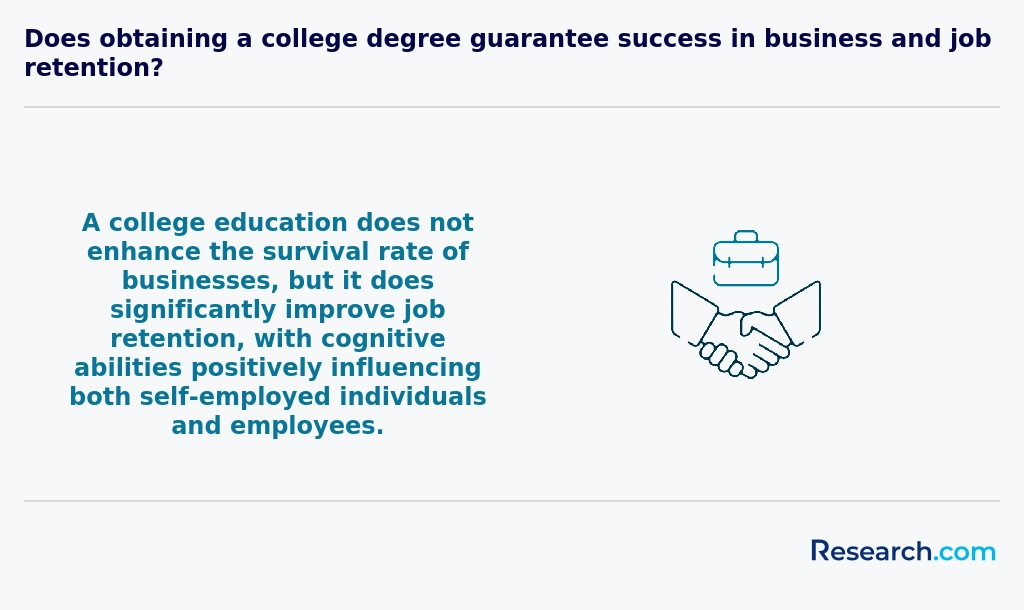
Graduates with an online entrepreneurship degree in the South often defy traditional job expectations by stepping into roles that harness creativity and leadership in vibrant, evolving markets. Many find themselves launching or managing small businesses in states like Texas or Georgia, where entrepreneurship career opportunities in the South thrive thanks to supportive local economies and communities that value innovation.
Others channel their skills into business development and consulting, roles that demand strategic foresight and adaptability-qualities sharpened by studying at popular Southern colleges known for their practical curriculum and networking opportunities. The journey from campus to career here often includes helping startups in booming metro areas like Atlanta or Dallas unlock new growth paths.
Some graduates go beyond entrepreneurship-focused jobs and embrace project management or marketing positions that call for resilience and dynamic problem-solving. For those still wondering should i go back to college or an entrepreneurship degree, these online entrepreneurship degree jobs in Southern states showcase how the region's diverse industries reward practical insight combined with entrepreneurial spirit.
The job market for online entrepreneurship degree jobs in the South defies simple expectations, thriving amid a mix of traditional industries and fast-growing startup ecosystems. Graduates from institutions such as the University of Texas at Austin or Georgia State University often find themselves stepping into roles that blend creativity with strategic management, like business development managers or innovation strategists. Their experiences highlight the advantage of studying online entrepreneurship within a region where cities like Austin and Atlanta actively nurture new ventures through accelerating programs and incubators.
Many graduates note that the job outlook for entrepreneurship graduates in Southern states is grounded in real-world opportunities rather than just abstract potential. The affordability of Southern public universities, with tuition ranging from $8,000 to $15,000 per year, enables more students to pursue practical education without excessive debt. This financial accessibility is a strong motivator for success stories emerging from programs praised as the cheapest online bachelors degree in entrepreneurship.
2027 Most Affordable Online Master's in Entrepreneurship Degree Programs Ranking in the South
Investing in your education is a significant decision that can greatly impact your career, and the Research.com team recognizes the importance of providing trustworthy guidance. To support prospective students in the South, we have carefully developed the "2027 Most Affordable Online Master's in Entrepreneurship Degree Programs Ranking in the South." Our dedication to quality, credibility, and accuracy underpins the thorough research and analysis behind this ranking.
We utilized the following reputable data sources to ensure a comprehensive evaluation of programs:
By consulting this ranking, readers will gain valuable insights into affordable and high-quality online entrepreneurship master's programs available in the South, empowering them to make informed education choices. For more information about our approach, please visit our Research.com methodology page.
# 1 position
University of Maryland-College Park
Technology Entrepreneurship Master of Professional Studies


# 3 position
Full Sail University
Master of Innovation & Entrepreneurship


Frequently Asked Questions About entrepreneurship
Students pursuing online entrepreneurship degrees in the South can maximize their learning by actively engaging in virtual networking opportunities. The Southern Business Association reports that 68% of startups in the region credit networking as key to early success. Participating in online workshops and webinars led by local business leaders helps connect theory to real-world practice. Additionally, taking advantage of internships or project collaborations with Southern startups enriches practical experience. Many Southern universities offer access to entrepreneurship incubators remotely, providing valuable mentoring and resources. Balancing coursework with hands-on ventures supports deeper understanding and strengthens regional business ties, key to thriving in the Southern entrepreneurial ecosystem.
Emerging niches within the entrepreneurship field reflect broader economic and technological trends, particularly significant in the Southern United States. One fast-growing area is tech entrepreneurship, centered on software development, cybersecurity, and fintech. According to the Economic Development Partnership of Alabama, tech startups in the South have increased by over 35% in the last five years.
Another notable niche is sustainable and green businesses. With rising environmental concerns, many Southern entrepreneurs focus on renewable energy and eco-friendly products. The Southeast Clean Energy Center reports a 28% growth in clean tech startups since 2020.
Health and wellness entrepreneurship also gain traction, especially post-pandemic. Online health platforms and telemedicine services are thriving sectors within Southern states known for expanding healthcare infrastructures, such as Georgia and North Carolina.
Finally, the rise of e-commerce and digital marketing firms offers new opportunities for online entrepreneurship degrees to prepare students for these evolving markets.
Preparing for the job market after completing an online entrepreneurship degree in the South involves focusing on both practical skills and regional opportunities. Graduates should build a strong professional network by engaging with local business communities, such as chambers of commerce in cities like Atlanta, Dallas, or Nashville, where entrepreneurship is rapidly growing.
Internships and hands-on projects during your degree can boost employability. According to the Kauffman Foundation, Southern states lead in startup creation rates, making real-world experience critical. Understanding regional economic trends and sectors with high growth potential, like technology and healthcare, will also benefit job seekers.
Finally, leveraging university career services and online platforms tailored to Southern markets helps graduates find relevant job openings and entrepreneurial support programs.
Employers in the South highly value specific skills when hiring graduates with entrepreneurship degrees. According to the U.S. Small Business Administration, strong financial literacy tops the list, as many startups require keen budgeting and funding knowledge. Communication skills are also critical; graduates must clearly present ideas to clients and investors. Problem-solving and adaptability stand out, especially in the dynamic Southern markets like Texas and Georgia, where small businesses grow rapidly. Data from the National Federation of Independent Business (NFIB) shows 62% of Southern entrepreneurs prioritize innovation skills in new hires. Leadership and strategic planning complete the skill set employers seek in this region.
Finding internships in the South related to entrepreneurship begins with leveraging university career services, which often have partnerships with local startups and business incubators. According to the U.S. Small Business Administration, Southern states like Texas and Florida lead in startup creation, offering numerous opportunities for practical experience. Networking through regional entrepreneurship organizations such as the Southern Growth Policy Board can also connect students to internship openings.
Additionally, online platforms like Handshake and LinkedIn frequently list region-specific internships. Targeting companies focused on innovation and small business development in metropolitan areas such as Atlanta or Nashville increases chances of relevant placements.
Exploring Economic Development Corporations in Southern states offers insight as many have dedicated internship programs fostering entrepreneurial skills.
An online entrepreneurship degree significantly enhances career mobility and advancement opportunities for professionals in the South. The region, home to rapidly growing startup hubs such as Atlanta, Austin, and Nashville, benefits from graduates who bring flexible skills tailored to local business needs. According to the U.S. Bureau of Labor Statistics, employment in business and financial operations in Southern states is projected to grow by 8% through 2030, faster than the national average. This growth fuels demand for entrepreneurial expertise that online degrees help provide.
The flexibility of online programs allows working professionals to gain up-to-date knowledge without interrupting their careers. Furthermore, many programs incorporate regional case studies and networking opportunities, connecting students with Southern business ecosystems. Research from the Kauffman Foundation indicates that entrepreneurial activity in the South is rising, emphasizing the value of specialized education for advancement in this dynamic environment.
Studying for an entrepreneurship degree in the South equips students with versatile skills that apply across multiple disciplines. Many Southern schools emphasize combining business, technology, and innovation, reflecting the region's growing sectors like healthcare, energy, and manufacturing. According to the Kauffman Foundation, Southern states saw a 12% increase in new business startups between 2019 and 2022, highlighting a dynamic environment for practical learning.
Programs often integrate courses in marketing, finance, and leadership, fostering ability to manage cross-functional teams. Additionally, online formats encourage collaboration with peers statewide, expanding perspectives beyond local markets.
This interdisciplinary approach prepares graduates for roles in consulting, product development, and strategic planning, vital in today's diverse work environments.
Choosing between a thesis and non-thesis entrepreneurship degree program in the South depends largely on your career goals and learning preferences. Thesis programs focus on original research, ideal for students aiming to enter academia, consulting, or research-driven roles. Non-thesis options emphasize practical skills and coursework, better suited for professionals targeting immediate entrepreneurial ventures or management positions.
According to the National Center for Education Statistics, Southern states award about 35% of the nation's business master's degrees annually, many online. Given this, non-thesis programs often offer flexible schedules and applied projects aligned with regional industry demands.
Consider your time commitment, financial resources, and post-graduation plans when deciding.
Students in the South seeking to study entrepreneurship abroad through online degree programs have access to several options. Many Southern universities offer partnerships with international institutions, enabling students to earn credentials recognized globally without leaving the US. For example, some programs include virtual exchanges or joint coursework with European and Asian business schools.
Because the South hosts over 800 colleges, universities increasingly emphasize international business perspectives in entrepreneurship curricula, reflecting global market demands. According to data from the National Center for Education Statistics, nearly 25% of Southern students pursuing business degrees engage in study abroad or virtual global learning experiences.
While fully online programs permit flexible global study, students should verify accreditation and international recognition to ensure their degree supports career goals abroad.
Students pursuing online entrepreneurship degrees in the South can benefit from part-time jobs that build practical skills. Roles such as social media manager, sales representative, or customer service associate provide hands-on experience in marketing, communication, and client relations. According to the U.S. Bureau of Labor Statistics, the Southern states have seen a 5% growth in small business openings since 2020, increasing opportunities in retail and service sectors.
Working as a virtual assistant or freelance digital marketer complements coursework in business strategy and operations. Additionally, internships with local startups or chambers of commerce offer insight into regional economic trends and networking.
Online entrepreneurship students in the South have growing networking opportunities through regional alumni groups, virtual career fairs, and local business incubators. Many Southern universities collaborate with entrepreneurial organizations like the Small Business Development Centers (SBDCs), which offer mentorship and networking events tailored to startups in states such as Texas, Georgia, and North Carolina. According to the U.S. Small Business Administration, the South hosts over 40% of all new businesses nationwide, creating a vibrant environment for connections.
Schools increasingly provide online platforms connecting students with peers and experienced entrepreneurs. Virtual conferences and Southern-focused entrepreneurship clubs also support relationship-building, which is vital for career growth in this region.
Alumni networks provide crucial support for students enrolled in online entrepreneurship degrees in the South. These networks offer opportunities for mentorship, where experienced graduates guide current students through the challenges of launching and managing businesses.
They also facilitate valuable connections with regional entrepreneurs and investors, important for those aiming to build local ventures. According to the Kauffman Foundation, the Southern U.S. exhibits strong growth in startup activity, making alumni links instrumental for navigating this dynamic environment.
Participation in alumni events and online forums helps students stay updated on market trends and funding opportunities. Such communities improve job placement rates and foster collaboration among emerging entrepreneurs, enhancing career outcomes post-graduation.
Customizing an online entrepreneurship degree in the South allows students to align their education with specific career goals. Many universities offer concentrations such as small business management, innovation, or social entrepreneurship, which help tailor coursework to particular interests. Students can often select electives that focus on regional economic trends, like the growing tech hubs in cities such as Austin and Atlanta, enhancing local relevancy. Additionally, internships and mentorship programs embedded in Southern institutions provide practical experience and networking opportunities. According to the Kauffman Foundation, entrepreneurship is rapidly increasing in Southern states, making targeted education especially valuable for career-driven students.
Online entrepreneurship students in the South often face several challenges linked to regional economic and educational factors. Limited reliable high-speed internet access affects about 22% of rural households in Southern states, which can hinder participation in live lectures and group projects (FCC, 2023).
Additionally, maintaining motivation and engagement without face-to-face interaction proves difficult for many. According to the National Center for Education Statistics, online students report lower retention rates compared to traditional learners.
Entrepreneurship education also requires practical exposure, but gaining local mentorship and networking opportunities can be scarce in less urbanized Southern areas.
With an online entrepreneurship degree, students in the South can pursue several valuable professional certifications to enhance their careers. Popular options include the Certified Business Manager (CBM), which focuses on essential skills in business operations and management. Another key certification is the Entrepreneurship and Small Business (ESB) Credential, offered by the National Association of Small Business Owners.
Many Southern states emphasize small business growth, making these credentials especially relevant. For example, according to the U.S. Small Business Administration, small businesses make up 99.9% of all Southern firms, highlighting demand for certified expertise.
Additionally, certifications like the Project Management Professional (PMP) can complement entrepreneurship studies, improving leadership and organizational skills in launching ventures.
Writing a winning application for an online entrepreneurship program in the South starts with thorough research. Focus on programs that align with your career goals and highlight your understanding of the regional business landscape. Southern states like Texas and Georgia offer robust entrepreneurial ecosystems, making it important to mention any local experience or connections in your application.
Strong applications emphasize leadership, innovation, and practical experience. Include specific examples of your entrepreneurial initiatives or business challenges you've overcome. According to the Kauffman Foundation, the South has seen a 20% growth in startup activity recently, which you can reference to demonstrate awareness.
Finally, tailor your statement of purpose to reflect how the program's curriculum supports your ambitions. Highlighting how you will leverage the program to contribute to the Southern economy enhances your candidacy.
Entrepreneurship is increasingly recognized as a vital driver of economic growth worldwide, and this trend is reflected in the United States, particularly in the South. According to the Kauffman Foundation, Southern states have seen a steady rise in new business startups, contributing significantly to job creation. Online entrepreneurship degrees prepare students to engage in this dynamic environment by offering skills relevant not only locally but also globally.
Globally, entrepreneurial careers are valued for fostering innovation and adaptability. The U.S. Small Business Administration notes that entrepreneurship degrees enhance critical thinking and leadership, skills demanded in markets across borders. For Southern students, pursuing these degrees online provides flexibility while connecting them to regional networks important for business success.
Emerging global markets and digital technologies also expand opportunities for entrepreneurs from the South, allowing them to compete internationally. This reflects a broader understanding that entrepreneurship benefits from diverse cultural and economic perspectives, something online programs increasingly emphasize.
Students pursuing an online entrepreneurship degree in the South can gain practical experience through internships with local startups or business incubators. Many Southern universities partner with regional economic development organizations, offering virtual internships that build real-world skills. According to the Ewing Marion Kauffman Foundation, Southern states have seen a 20% increase in new business formations over recent years, reflecting vibrant entrepreneurial activity for students to engage with. Additionally, students can participate in regional pitch competitions and virtual business plan challenges, which help develop strategic thinking and presentation skills. These opportunities complement coursework and enhance career readiness in entrepreneurship.
Choosing the right concentration within an online entrepreneurship degree program in the South requires understanding both your career goals and regional market trends. Concentrations often focus on areas such as small business management, technology innovation, or social entrepreneurship. According to the U.S. Census Bureau, Southern states lead in small business growth, making small business management a practical focus for many students.
Consider concentrations that align with industries thriving locally, like healthcare, energy, or agriculture, which are significant in Southern economies. Research also suggests that technology-driven entrepreneurship is rising rapidly in this region, reflecting the growing presence of startups.
Look for programs offering relevant coursework, networking opportunities, and connections to Southern business communities. Accreditation and faculty expertise are also key factors for ensuring quality education.
- Launching Your Online Business Post-Diploma. | MANCOSA https://www.mancosa.co.za/blog/from-student-to-digital-entrepreneur-launching-your-online-business-post-diploma/
- Alumni Network https://www.young-enterprise.org.uk/young-people-alumni/alumni-network
- Entrepreneurship | Duties, Job Skills, and Career Paths | edX https://www.edx.org/resources/is-a-masters-in-entrepreneurship-worth-it
- Global careers, real impact: building your career with an international business degree | University of East London https://www.uel.ac.uk/blog/global-careers-real-impact-building-your-career-international-business-degree
- Career Goals: 17 Inspirational Examples for you in 2026 https://www.imd.org/blog/learning-and-development/career-goals/
- Understanding the Motivation that Shapes ... https://www.intechopen.com/chapters/57679
- Entrepreneurship MBA Career and Salary Outlook | OnlineMBA https://www.onlinemba.com/mba-careers/entrepreneurship/
- Careers to become an entrepreneur? Beyond theory. https://www.teamlabs.es/en/blog/careers-to-become-an-entrepreneur-where-to-actually-learn/
- Entrepreneurship Careers https://unity.edu/distance-education-blogs/entrepreneurship-careers/
- European Innovation Academy https://www.inacademy.eu/programs/