2027 Entrepreneurship Degree Time-to-Completion Report: How Long Students Actually Take to Finish

Co-Founder and Chief Data Scientist
Finishing an entrepreneurship degree on time is not automatic, even when a program advertises a two-year or four-year plan. NCES data published in 2024 shows that only 64% of first-time, full-time bachelor's students at four-year institutions completed within six years, which makes timeline planning a real financial and career decision. This guide is for prospective students, transfer students, working adults, and career changers who want to estimate a realistic graduation date, compare formats, avoid delays, and decide whether a faster entrepreneurship pathway is worth the cost and workload.
Key Things You Should Know
- Most full-time entrepreneurship bachelor's students should plan for about four years, but the realistic range is three to six years depending on transfer credits, course availability, work hours, and whether the program requires an internship, practicum, or capstone.
- For master's-level entrepreneurship or innovation programs, full-time students often finish in 12 to 24 months, while part-time working professionals may need two to four years; accelerated formats save time only when the weekly workload is manageable.
- Time to completion affects ROI because each added term can increase tuition, fees, borrowing, and delayed earnings; College Board's 2024-25 published tuition averages show why even one extra year can materially change total cost.
- Key Things You Should Know
- What Is the Actual Time to Complete a Entrepreneurship Degree?
- Which Factors Have the Greatest Impact on Entrepreneurship Degree Completion Time?
- How Do Enrollment Status and Learning Format Affect Entrepreneurship Degree Completion?
- Do Accelerated Entrepreneurship Degree Programs Significantly Shorten Graduation Timelines?
- How Do Work, Family, and Personal Responsibilities Affect Entrepreneurship Degree Completion?
- How Does Completion Time Affect the Cost and ROI of a Entrepreneurship Degree?
- How Does Graduation Timing Influence Career Outcomes for Entrepreneurship Graduates?
- How Are Entrepreneurship Degree Completion Timelines Changing Over Time?
- How Should Students Choose a Entrepreneurship Degree Program Based on Time to Completion?
- Top Trending Entrepreneurship Rankings
What Is the Actual Time to Complete a Entrepreneurship Degree?
The actual time to complete an entrepreneurship degree depends first on the level of degree. An associate degree in entrepreneurship or small business management is usually built around 60 credits, a bachelor's degree around 120 credits, and a master's degree around 30 to 45 credits. The published timeline assumes steady enrollment, completed prerequisites, and no major interruptions, but many students take longer because they work, transfer, change majors, or need courses offered only once per year.
For most students, the most useful question is not "How long is the program on paper?" but "How long do students like me actually take?" A full-time bachelor's student entering with no transfer credit may finish in four years, while a part-time adult learner may need five to seven years. A transfer student with an associate degree may finish in two to three years if credits apply cleanly to major and general education requirements.
The table below summarizes common entrepreneurship degree pathways and realistic completion ranges. Use it as a planning baseline, not a guarantee, because credit transfer, course sequencing, and enrollment pace can shift the timeline substantially.
| Entrepreneurship pathway | Typical credits | Published full-time timeline | Realistic completion range | Best fit |
| Certificate in entrepreneurship | 12 to 24 | 1 to 2 semesters | 4 months to 1 year | Students testing the field or adding business skills to another major |
| Associate degree | About 60 | 2 years | 2 to 4 years | Community college students, small business owners, and future transfer students |
| Bachelor's degree | About 120 | 4 years | 3 to 6 years | Students seeking broader business, finance, marketing, and venture development training |
| Master's degree | About 30 to 45 | 1 to 2 years | 1 to 4 years | Career changers, founders, managers, and professionals building innovation skills |
| MBA with entrepreneurship concentration | About 36 to 60 | 1 to 2 years | 18 months to 4 years | Working professionals who want leadership, finance, and venture strategy preparation |
Entrepreneurship programs also vary in academic focus. Some are business administration degrees with an entrepreneurship concentration, while others are dedicated entrepreneurship, innovation, or venture creation programs. Dedicated programs may include startup labs, pitch competitions, incubator participation, or a venture capstone, which can improve practical learning but may require careful scheduling.
Which Factors Have the Greatest Impact on Entrepreneurship Degree Completion Time?
The biggest timeline drivers are enrollment intensity, transfer credit acceptance, required course sequencing, and whether the student can stay continuously enrolled. Entrepreneurship degrees often look flexible because they are business-related, but the major can still include prerequisite chains such as accounting before finance, statistics before analytics, and business law before a venture planning capstone.
Students should pay special attention to the factors below because they are the most common reasons a published two-year or four-year plan becomes longer. These are not minor administrative details; they determine whether the schedule is realistic.
- Credit load: Taking 12 credits per term may count as full-time for aid, but 15 credits per term is often closer to the pace needed to finish a 120-credit bachelor's degree in four academic years.
- Course sequencing: If a required entrepreneurship capstone is offered only in spring, missing one prerequisite can delay graduation by a full year.
- Transfer credit fit: Credits that transfer as electives may help total credit count but may not shorten the major if they do not satisfy business core, general education, or upper-division requirements.
- Internship or experiential requirement: Startup practicums, consulting projects, or internships can add value, but they may require a separate application, minimum GPA, or availability during business hours.
- Stop-outs and withdrawals: Pausing enrollment can create financial aid, advising, catalog-year, and prerequisite issues that make returning more complicated.
One common mistake is assuming that entrepreneurship is automatically a faster major than accounting, finance, engineering, or health fields. It may have fewer lab or licensure requirements, but delays still happen when students take general electives that do not apply, overlook prerequisites, or wait too long to complete a required business core course.
Students comparing business-related paths can also look at how other professional programs structure timelines. For example, working adults considering online PhD programs for working professionals often face similar questions about pacing, course sequencing, and realistic workload, even though the degree level is different.
How Do Enrollment Status and Learning Format Affect Entrepreneurship Degree Completion?
Enrollment status usually has a greater impact on completion time than whether the program is online or on campus. A fully online student taking one or two courses per term may still take longer than a campus student taking 15 credits each semester. The format matters most when it affects course availability, term length, advising access, and the ability to keep studying while working.
The table below compares common enrollment and format combinations. It helps clarify why "online" and "accelerated" are not the same thing.
| Pathway | Common pace | Likely completion effect | Best when | Main risk |
| Full-time campus bachelor's | 12 to 15 credits per semester | Often closest to the four-year plan | The student can prioritize school and attend scheduled classes | Limited course sections may create delays |
| Full-time online bachelor's | 12 to 15 credits per semester or equivalent | Can match or beat campus pace if courses run year-round | The student needs location flexibility and strong self-management | Online workload can be underestimated |
| Part-time online bachelor's | 3 to 9 credits per term | Often extends completion to five or more years | The student works full time or has family responsibilities | Longer timeline can increase total cost and stop-out risk |
| Accelerated online terms | One course every 5 to 8 weeks | Can shorten calendar time for focused students | The student can handle compressed deadlines | Falling behind is harder to recover from |
| Hybrid program | Mix of online and scheduled campus sessions | Can improve flexibility without losing in-person support | The student lives near campus and wants networking | Required visits may conflict with work or caregiving |
Online entrepreneurship programs can help students finish faster when they offer frequent start dates, summer courses, asynchronous classes, and consistent access to required major courses. However, online learning does not remove the need for time management. A compressed eight-week course can require the same total work as a traditional semester course, just in a shorter window.
Students should also check whether the program's experiential components are online-friendly. Some entrepreneurship degrees require a live pitch presentation, consulting project, internship, or venture development lab. These can be valuable, but the school should clearly explain how online students complete them without delaying graduation.
How Much Time Can Transfer Credits Save in a Entrepreneurship Degree Program?
Transfer credits can save anywhere from one semester to two years, but only when they apply to the right requirements. The most powerful credits are those that satisfy general education, business core, and lower-division major requirements. Credits that transfer only as free electives may reduce the number of credits needed but may not shorten the time to required upper-division entrepreneurship courses.
The table below shows how transfer credit can change a bachelor's timeline. It assumes the student enrolls steadily and that transferred credits apply to degree requirements, which is the key condition to verify before enrolling.
| Accepted transfer credits | Approximate standing | Possible remaining time full time | Possible remaining time part time | Important condition |
| 0 to 15 | First-year student | About 4 years | 5 to 7 years | Student must complete nearly all general education and business core courses |
| 30 | Sophomore standing | About 3 years | 4 to 6 years | Credits should meet general education and introductory business requirements |
| 60 | Junior standing | About 2 years | 3 to 4 years | Associate degree credits should align with the bachelor's major plan |
| 75 to 90 | Upper-division transfer | 1 to 2 years | 2 to 3 years | Residency rules and upper-division major requirements may limit savings |
The best transfer strategy is to request a formal degree audit before committing. An unofficial estimate can be useful early in the process, but it should not be the basis for a tuition or timeline decision if the school has not mapped your credits to specific requirements.
Use this process to protect your timeline before you enroll. It is especially important if you have credits from multiple colleges, military training, professional certifications, or an unfinished business degree.
- Ask for a written transfer credit evaluation that shows exactly which requirements each course satisfies.
- Confirm the maximum number of credits the entrepreneurship program will accept toward the degree.
- Check whether upper-division business, entrepreneurship, and capstone courses must be completed at the new school.
- Ask whether prior learning assessment, CLEP, DSST, military credit, or professional certification credit is available.
- Have an advisor build a term-by-term graduation plan before you pay a deposit.
A common red flag is a school that advertises generous transfer credit but cannot tell you how those credits apply until after enrollment. That can leave students with more remaining courses than expected and fewer options to change programs without losing time.
Do Accelerated Entrepreneurship Degree Programs Significantly Shorten Graduation Timelines?
Accelerated entrepreneurship programs can shorten calendar time, but they do not reduce the learning outcomes or credit requirements unless the school awards legitimate transfer, prior learning, or competency-based credit. In practice, acceleration usually comes from shorter terms, year-round enrollment, heavier course loads, or stacked credentials that move efficiently from certificate to associate to bachelor's or master's study.
For bachelor's students, accelerated formats may help most when they already have transfer credits or can study year-round. For master's students, a 12-month entrepreneurship or innovation program may be realistic if the student is not also managing heavy work and caregiving demands. For working professionals, a slightly longer part-time program may produce better results because it allows time to apply concepts to a current job or venture.
The main trade-off is intensity. An accelerated five- or eight-week course can be efficient, but the weekly workload may be high. If a student withdraws from a compressed course, the setback can be costly because the next course in the sequence may not start immediately.
Students considering graduate business options should compare pace and affordability together. For example, someone researching the cheapest EMBA programs may find that a slightly longer executive format offers better scheduling stability than a very compressed entrepreneurship master's program.
Accelerated programs are most likely to make sense when the student has a stable schedule, strong writing and quantitative skills, clear transfer credit, and a specific career or venture goal. They are less attractive when the student is unsure about the major, needs developmental coursework, or cannot reliably protect study time each week.
How Do Work, Family, and Personal Responsibilities Affect Entrepreneurship Degree Completion?
Work and family responsibilities are often the difference between the advertised timeline and the actual one. Entrepreneurship degrees attract many students who are already running a business, freelancing, managing family obligations, or working full time. Those experiences can make coursework more relevant, but they also reduce the number of credits a student can safely take each term.
Students should build a schedule around available weekly study time, not optimism. A three-credit course commonly requires several hours of reading, assignments, group work, and project development each week. Entrepreneurship classes may add interviews with customers, market research, pitch preparation, financial projections, or team meetings.
Before choosing full time, part time, or accelerated enrollment, students should pressure-test the schedule with practical questions. These questions help prevent mid-semester withdrawals that extend the degree and may affect financial aid.
- Can you reserve consistent weekly study blocks during the busiest weeks of work, not just during a normal week?
- Do required group projects, live sessions, internships, or pitch events conflict with work shifts or caregiving hours?
- Will your employer support schedule flexibility during exams, capstone deadlines, or required presentations?
- Do you have backup childcare, transportation, internet access, and a quiet place to complete online coursework?
- If you need to reduce your course load, will that affect financial aid eligibility, employer tuition benefits, housing, or graduation timing?
Taking longer can be the smarter choice when it prevents burnout, protects GPA, and allows the student to keep earning income. A slower timeline can also be useful for students who want to build a venture while studying, because customer discovery, prototype testing, and revenue development do not always fit neatly into an accelerated academic calendar.
How Does Completion Time Affect the Cost and ROI of a Entrepreneurship Degree?
Completion time affects ROI in two ways: direct education cost and opportunity cost. Direct costs include tuition, fees, books, technology, transportation, and interest on borrowed funds. Opportunity cost includes income delayed by staying in school longer or income reduced because the student cuts work hours to study.
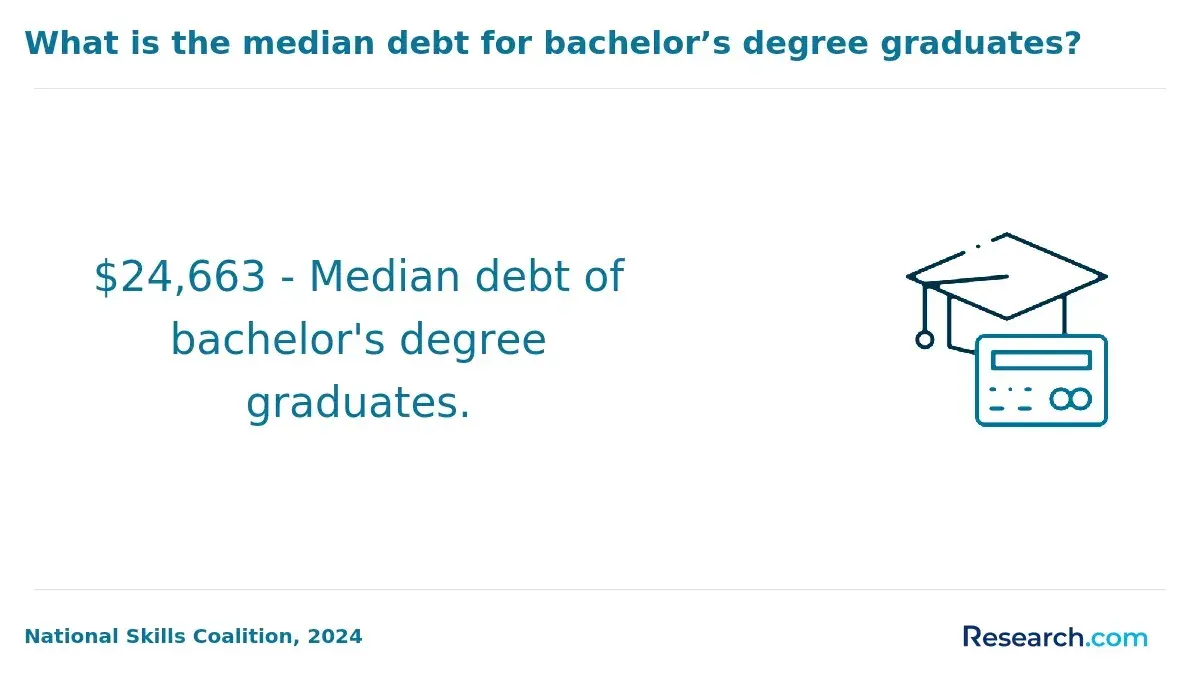
College Board's 2024-25 data reports average published tuition and fees of $11,610 for in-state students at public four-year institutions, $30,780 for out-of-state students at public four-year institutions, and $43,350 at private nonprofit four-year institutions. For entrepreneurship students, this means one extra year can change the financial picture dramatically, especially if the student is paying out of pocket or borrowing.
The table below shows how timeline and cost interact. It does not estimate total cost for every student; instead, it highlights the direction of the trade-off you should evaluate.
| Scenario | Timeline effect | Cost effect | ROI consideration |
| Full-time student finishes on plan | Shortest traditional timeline | Fewer added terms and fees | May enter the labor market or launch a venture sooner |
| Part-time student works while enrolled | Longer calendar time | More terms, but possibly less borrowing | Can be worthwhile if income and employer benefits offset slower completion |
| Accelerated student pays higher per-term cost | Shorter calendar time | May compress tuition and fees into fewer months | Works best when the student can complete without withdrawals or repeated courses |
| Transfer student enters with 60 accepted credits | Can cut bachelor's time significantly | May reduce total tuition if credits apply cleanly | Often one of the strongest ROI paths when advising is accurate |
| Student extends by one year due to poor planning | Longer than expected | Additional tuition, fees, and delayed earnings | Usually avoidable through degree audits and proactive advising |
ROI for an entrepreneurship degree should not be judged only by speed. The degree may support careers in business development, sales, product management, consulting, family business, nonprofit innovation, or startup leadership. It can also help founders avoid costly mistakes in pricing, finance, marketing, and operations. Still, paying more for a faster format makes sense only if the schedule is realistic and the credential aligns with your career plan.
Students comparing programs in different fields can learn from cost-focused degree research, including resources on ABA-approved paralegal programs, where accreditation, total price, and completion time must be weighed together rather than separately.
How Does Graduation Timing Influence Career Outcomes for Entrepreneurship Graduates?
Graduation timing can influence when a student becomes eligible for roles that require a bachelor's degree, graduate admission, employer promotion pathways, or business-related leadership opportunities. However, finishing faster does not automatically produce better career outcomes. Employers and investors also look for skills, experience, judgment, communication, financial literacy, and evidence that the student can execute a plan.
Entrepreneurship graduates may pursue startup creation, small business ownership, business development, sales leadership, product roles, operations, consulting, franchise management, or innovation roles inside established companies. The degree is most valuable when students use the program to build concrete evidence of ability, such as business plans, market validation projects, pitch decks, financial models, customer research, internships, or launched ventures.
BLS wage data released in 2025 for May 2024 shows a median annual wage of $101,190 for management analysts. This is not a guaranteed outcome for entrepreneurship graduates, but it is a useful benchmark because many entrepreneurship programs build skills related to market analysis, organizational improvement, strategy, and business problem-solving.
Graduating sooner can help when the student is waiting on the credential for a promotion, wants to qualify for graduate study, or needs to enter the job market quickly. Taking longer can make sense when the student is building a venture during school, gaining paid experience, preserving financial stability, or using employer tuition assistance that requires a slower pace.
When comparing programs, ask career-focused timeline questions, not just academic ones. A program that takes one term longer may be better if it offers stronger employer connections, incubator access, internship support, alumni mentors, or portfolio-building projects.
How Are Entrepreneurship Degree Completion Timelines Changing Over Time?
Entrepreneurship degree timelines are becoming more flexible, but not always shorter. More schools now offer online business degrees, shorter academic terms, stackable certificates, credit for prior learning, and hybrid formats. These options can help students move faster, especially adults with previous credits, but they also create more choices that must be evaluated carefully.
Three trends are especially important for students planning a realistic graduation date. Each trend can either shorten or extend the timeline depending on how well the program is designed.
- Year-round online scheduling: More frequent start dates and summer terms can reduce waiting time between courses, but only if required entrepreneurship courses are offered often enough.
- Stackable credentials: Certificates that build into associate or bachelor's programs can help students earn milestones along the way, but students must verify that every certificate course applies to the final degree.
- AI and digital business tools: Entrepreneurship programs increasingly include analytics, automation, digital marketing, and AI-supported venture planning, which can improve career relevance but may add new technology requirements or prerequisite skills.
Student behavior is also changing. Many learners now prioritize flexibility, affordability, and shorter paths to usable credentials. That can make online and hybrid entrepreneurship programs attractive, but the best programs still provide structured advising, clear course maps, and transparent completion data.
Similar flexibility trends appear across creative and professional degrees, such as bachelors in photography online options, where students must compare convenience against portfolio requirements, course sequencing, and total cost.
How Should Students Choose a Entrepreneurship Degree Program Based on Time to Completion?
The best entrepreneurship program is not always the shortest one. It is the program that lets you finish in the shortest realistic timeframe while still meeting your academic, financial, and career goals. That means you should compare actual completion conditions, not just advertised program length.
Start by asking schools for evidence and a personalized plan. The following steps help you estimate your real graduation timeline before you commit.
- Request a degree audit that shows completed, remaining, and non-applicable credits.
- Ask for a term-by-term course plan through graduation, including prerequisites, capstone timing, internship requirements, and summer options.
- Confirm how often required entrepreneurship and business core courses are offered online, on campus, and during accelerated terms.
- Check whether the program is institutionally accredited and whether the business school has programmatic accreditation or recognized industry partnerships.
- Compare total estimated cost for your likely timeline, not just annual tuition or cost per credit.
- Ask about retention support, advising frequency, tutoring, career services, incubators, mentorship, and policies for students who need to stop out temporarily.
- Review whether the program's projects align with your goal, such as launching a business, joining a startup, entering business development, or moving into management.
Watch for red flags that often lead to delayed graduation. These include unclear transfer policies, required courses offered only once a year, limited advising access, no written graduation plan, excessive elective choice without guidance, and internship requirements that are difficult for online or working students to complete.
A strong program should be able to answer direct questions about actual time to completion. Ask what percentage of students finish within the advertised timeline, how long part-time students usually take, how transfer students perform, and what happens if a required course is full or canceled. If a school cannot answer these questions clearly, the timeline risk is higher.
The right entrepreneurship degree timeline is the one you can complete consistently. A realistic plan that protects your finances, work life, and learning quality is usually better than an aggressive plan that increases the risk of withdrawal or delayed graduation.
Other Things You Should Know About Entrepreneurship
A full-time student with no transfer credits usually needs about four years, but many students take three to six years depending on credit load, transfer credits, course sequencing, work hours, and personal responsibilities.
Possibly. Online programs can be faster when they offer year-round courses, frequent start dates, and strong advising. However, online study is not automatically faster if you enroll part time or if required courses are not offered often.
They can be worth it for students with strong time management, stable schedules, and clear goals. They may not be the best fit if you work long hours, need more academic support, or risk withdrawing from compressed courses.
Get a written degree audit, follow a term-by-term plan, meet with an advisor regularly, complete prerequisites early, verify transfer credits before enrolling, and plan internships or capstones well in advance.
Top Trending Entrepreneurship Rankings
References
- How to Get a Degree in Entrepreneurship https://www.uschamber.com/co/start/startup/entrepreneurship-degree
- Increase Completion and Reduce Inequities https://www.amacad.org/publication/future-undergraduate-education/section/5
- How Long Does It Take to Complete a Master’s Degree Program? https://www.calsouthern.edu/articles/how-long-is-a-masters-degree
- Students’ entrepreneurial learning through an internship abroad: A cross-cultural experience https://sajesbm.co.za/index.php/sajesbm/article/view/678/802
- How Long is an Online Master's Degree Program? OnlineEducation.com https://www.onlineeducation.com/faqs/how-long-to-earn-masters-degree
- How long does a degree in entrepreneurship take? – All Bachelor Degrees https://allbachelordegrees.com/degrees/how-long-does-an-entrepreneurship-degree-take/