2027 Most Valuable Engineering Degree Programs Ranking in District of Columbia

Co-Founder and Chief Data Scientist
Choosing the right engineering degree program is a big step for students in the District of Columbia. The 2027 Most Valuable Engineering Degree Programs Ranking in District of Columbia, created by the Research.com team of data scientists, offers clear insights to help you make an informed decision.
This article highlights programs that deliver strong value, combining quality education with career opportunities. Exploring these rankings can boost your confidence and guide you toward a future full of potential.
Investing in an engineering degree opens doors to exciting possibilities and meaningful work. Let this guide support you on your educational journey.
Key benefits of getting engineering degree in District of Columbia
- Engineering degree graduates in the District of Columbia can expect competitive salaries, with Electrical Engineers earning a mean annual wage of $117,680 and Mechanical Engineers about $105,220, highlighting strong financial benefits.
- Graduates from popular DC universities often find diverse career paths in industries like construction, manufacturing, and technology, thanks to the region's robust infrastructure and business environment.
- Completing an engineering degree online offers flexibility and convenience, allowing students to balance work and study while still gaining valuable skills recognized by local employers.
- 2027 Most Valuable Engineering Degree Programs Ranking in District of Columbia
- What can I expect from engineering degree in District of Columbia?
- Where can I work with engineering degree in District of Columbia?
What can I expect from engineering degree in District of Columbia?
The average cost of pursuing an engineering degree in the District of Columbia is notably higher than the national average, reflecting both the urban location and the prestigious quality of programs offered, particularly at The George Washington University. Tuition often exceeds $50,000 annually, creating a significant financial commitment for students.
Despite the steep tuition, many engineering students in D.C. find this investment worthwhile. Graduates frequently share how scholarships and federally funded assistantships tied to active research projects helped offset expenses, making rigorous programs more accessible. One graduate recalled gaining valuable hands-on experience through internships with nearby federal agencies such as the Department of Energy, which enhanced not only their skills but also their financial support.
This blend of high cost matched with strong financial aid opportunities and abundant internship placements in technology firms and government bodies makes engineering education in the District both challenging and rewarding. Students benefit from a robust learning environment while developing professional networks crucial for career advancement in engineering fields.
Where can I work with engineering degree in District of Columbia?
Engineering graduates in the District of Columbia find robust career prospects rooted in the region's unique economic landscape. With proximity to institutions like Howard University and George Washington University, graduates often secure roles in government agencies including the Department of Energy and NASA. These positions span aerospace, civil, electrical, and mechanical fields, offering a dynamic workplace reflecting strong federal demand.
Graduates frequently share positive experiences working on infrastructure projects with entities such as the Washington Metropolitan Area Transit Authority (WMATA), applying civil engineering skills to real-world urban improvements. Others find rewarding paths in biomedical engineering through collaborations with the National Institutes of Health, contributing to groundbreaking medical device research and clinical innovations.
The Washington-Arlington-Alexandria metro area reports an average engineer salary near $105,000, which underscores the high value employers place on technical expertise, especially in electrical and computer engineering sectors driven by cybersecurity growth.
Environmental engineering roles addressing sustainability challenges attract graduates eager to impact urban ecosystems, often within local agencies or nonprofit groups. Additionally, construction engineering and project management careers flourish alongside the city's extensive urban renewal efforts, rewarding coordinated skillsets and technological proficiency.
Graduates with engineering degrees in the District of Columbia can anticipate competitive earnings aligned with the high-demand market in the region. For instance, mechanical engineers earn a mean annual wage of about $105,220, while electrical engineers can expect even higher pay, with average salaries around $117,680. Civil engineers, a popular choice among students from local universities like George Washington University or Howard University, make an average of $101,160 per year.
Many recent graduates recall starting their careers with salaries near $70,000 to $80,000, quickly advancing as they gain experience. Those specializing in electrical or industrial engineering often find opportunities exceeding $100,000, reflecting the vibrant job market in D.C. where federal agencies and tech firms compete for skilled talent. These steady salary prospects motivate students to pursue internships and certifications, knowing a well-rounded portfolio translates to higher pay and career growth.
The blend of academic preparation at D.C.-based institutions and the city's thriving engineering sectors creates a promising pathway for graduates aiming for both professional achievement and financial stability.
- Average annual tuition for engineering degrees in DC typically ranges from $30,000 to $40,000 at four-year institutions.
- Early-career engineers in DC earn an average starting salary of about $70,000 per year, higher than the national average.
- Experienced engineers in DC can expect median salaries to surpass $110,000 annually within 10 years.
- The local job market is strong, with opportunities in systems, environmental, and software engineering across government and private sectors.
- Engineering programs emphasize internships and cooperative education to provide practical experience and improve job prospects.
- Obtaining a Professional Engineer (PE) license in DC enhances advancement opportunities and follows national standards.
Completing an engineering degree in the District of Columbia typically takes about four years when enrolled full-time, mirroring the national undergraduate timeline. Popular local universities offering accredited programs require students to complete roughly 120 to 130 credit hours, balancing core subjects like mathematics and physics with specialized engineering courses.
Graduates from these institutions often share that managing their coursework alongside part-time jobs or internships extends their studies beyond the traditional timeline. For example, students participating in cooperative education programs gain valuable industry experience but may take five years to graduate. These internships enhance employability and practical skills, making the extra time rewarding.
Tuition costs also influence students' pace. With annual fees averaging around $11,000 at public universities and $40,000 at private colleges in D.C., many balance work commitments with study, which can lengthen degree completion.
Some ambitious students enroll in accelerated programs or summer sessions available at select D.C. institutions, finishing in less than four years through intensive course loads, though these require strong discipline and planning.
On-campus engineering degrees in the District of Columbia offer immersive, hands-on experiences essential for mastering complex concepts. Graduates from schools like The George Washington University and Howard University often praise direct access to cutting-edge labs and face-to-face collaboration with professors and peers, enabling immediate feedback and skill refinement. This environment fosters confidence in practical skills through physical attendance at lectures and group projects.
Conversely, online engineering programs emphasize flexibility, appealing to working professionals and those with personal commitments. Students benefit from video lectures and virtual labs accessible anywhere in D.C. or beyond, though replicating tactile lab experience can be challenging. Some programs mitigate this by arranging in-person residencies or partnering with local facilities, providing some hands-on opportunities.
Financially, on-campus degrees may involve higher costs due to commuting and housing, while online students often save on these expenses despite similar tuition rates. Networking also differs: on-campus students leverage local career fairs and internships in the National Capital Region, boosting job prospects, whereas online students may have fewer direct networking events, depending on program support.
The average cost of an engineering degree in the District of Columbia reflects the combination of tuition, fees, and living expenses unique to this urban setting. Data indicates that the median total cost for engineering education here is approximately $77,794, with out-of-state students facing the same median costs due to the limited availability of in-state tuition benefits. At universities such as George Washington University and American University, graduates often describe the investment as significant but worthwhile, citing access to cutting-edge facilities and networking opportunities that fuel their career ambitions.
In addition to tuition, students must account for living expenses, which can add an estimated $15,000 annually in the District of Columbia, pushing the total cost higher than the national average. Many students experience balancing these substantial costs with scholarships, grants, and work-study programs offered by their institutions, reinforcing the importance of financial aid in managing the total cost of engineering education DC. For those seeking an affordable path, exploring the most affordable engineering programs in district of columbia is a critical step in strategic educational planning.
Graduates from local universities often reflect positively on their rigorous yet rewarding educational journey. Their experiences emphasize that while the upfront costs may be high, the comprehensive resources and career connections available in D.C. create advantages that justify the expense in the long run.

Graduating from an ABET-accredited engineering program is a key differentiator in today’s competitive job market. Accreditation ensures that your curriculum meets industry standards, covers essential topics-from statics and dynamics to ethics and safety-and prepares you for the Fundamentals of Engineering (FE) exam. Passing the FE exam is the first step toward becoming a licensed Professional Engineer (PE), a credential that can boost your earning potential by up to 20% and open doors to senior roles in both public and private sectors. After earning your bachelor’s degree, you’ll typically take the FE exam, accumulate four years of qualifying work experience under a PE mentor, and then sit for the PE exam in your discipline. Holding a PE license demonstrates your commitment to professional ethics and public welfare, making you a more attractive candidate for leadership positions in firms that design, build, and maintain critical infrastructure. When evaluating programs, verify ABET accreditation on the institution’s website and review graduate licensure statistics. Programs that partner with local industry often integrate licensure exam preparation into capstone courses. For those interested in optimizing processes and systems, exploring the industrial engineering career path can illustrate how accreditation and licensure combine to accelerate career advancement.
Students pursuing engineering degrees in the District of Columbia can access a variety of financial aid options to ease their educational expenses. For instance, many engineering undergraduates benefit from federal resources by submitting the FAFSA, unlocking eligibility for grants like the Pell Grant, which covers up to $7,395 annually without repayment. Graduates of D.C.-based programs often recall how this aid significantly reduced their financial stress during their studies.
Federal Direct Loans, both subsidized and unsubsidized, are common and flexible choices to cover tuition and living costs. Work-study opportunities, frequently available on campuses such as Georgetown University and George Washington University, allow students to work part-time, gaining experience while offsetting expenses.
- Merit-based scholarships at these institutions reward strong academic performance, especially within STEM fields.
- The D.C. Tuition Assistance Grant (DCTAG) also supports residents attending in-state public colleges, easing tuition burdens.
Moreover, private organizations like the Society of Women Engineers provide scholarships tailored to underrepresented groups, enabling inclusive access to engineering education in the capital.
Engineering programs in District of Columbia offer more than just an academic curriculum-they provide a vibrant campus environment that nurtures innovation, collaboration, and personal growth. Prospective students can expect a rich blend of social events, club activities, and hands-on project opportunities that extend learning beyond the classroom. Universities in the area often host industry meetups, hackathons, and maker contests that allow students to apply their skills in real-world contexts while building lifelong connections with peers and professionals. Many institutions also emphasize sustainability, diversity, and community engagement, encouraging students to participate in initiatives that have a positive impact both on campus and in the broader city. These extracurricular experiences foster personal development and critical thinking, complementing the rigorous technical training provided in the curriculum. Additionally, for those balancing quality education with cost, programs such as the most affordable engineering programs in district of columbia offer a well-rounded collegiate experience without compromising on excellence. With a strong support system that includes mentoring programs, academic workshops, and networking events, engineering students can thrive both academically and socially, preparing them for the dynamic challenges of the modern workforce.
To enroll in an engineering degree program in the District of Columbia, students must have completed a high school diploma or equivalent, with strong coursework in mathematics and science. Typical subjects include Algebra, Geometry, Trigonometry, Calculus, Physics, and Chemistry, which form the foundation for rigorous engineering curricula at institutions like Howard University or Gallaudet University.
Graduates often recall that excelling in these subjects, with a minimum GPA around 3.0, was essential to meet admissions expectations. Many engineering programs also require standardized test scores, with competitive candidates submitting SAT scores above 1200, especially aiming for 700+ in the Math section.
Applicants should prepare comprehensive application materials, including essays, recommendation letters from math or science teachers, and evidence of extracurricular involvement related to engineering. Transfer and international students face additional documentation requirements such as transcript evaluations and English proficiency tests like TOEFL.
Some programs in D.C. require placement tests or interviews, reinforcing the importance of thorough preparation. Graduates often emphasize that understanding these local prerequisites helped them navigate admissions confidently and successfully.
District of Columbia engineering programs stand out not only for rigorous academics but also for robust internship and co-op opportunities that bridge classroom theory with real-world practice. Many universities in D.C. collaborate with federal agencies, tech startups, and design firms to offer semester-long co-op placements, giving students paid professional experience before graduation. For example, George Washington University partners with the U.S. Department of Energy on sustainable infrastructure projects, while Howard University maintains ties with Lockheed Martin for aerospace internships. These structured experiences often lead directly to job offers: recent data show over 65% of engineering co-op participants in D.C. receive full-time employment from their host organization within six months of graduation. Beyond large corporations, smaller firms and government labs provide mentorship from seasoned engineers, regular performance feedback, and capstone project sponsorships-ensuring students graduate with both technical proficiency and a professional network. Students should research each program’s industry advisory boards and check for funded research labs, innovation hubs, and maker spaces. Prospective applicants seeking cost-efficient pathways might also explore the Affordable Engineering Degree Programs Ranking in Vermont to compare internship structures and partnership models across regions. Altogether, leveraging internships and co-op programs is crucial for securing competitive positions and kickstarting a successful engineering career in the nation’s capital.
Engineering degree programs in the District of Columbia include a well-rounded curriculum combining fundamental science and specialized engineering disciplines. Students at popular institutions like George Washington University engage early on with core subjects such as calculus, differential equations, linear algebra, general physics, chemistry with labs, and introductory programming. These foundational courses create a strong base for tackling complex engineering challenges.
As graduates often recall, progressing into advanced studies brings opportunities to dive into discipline-specific topics. Mechanical engineering students encounter thermodynamics and fluid mechanics, while electrical engineering majors focus on circuit analysis and digital systems. Civil engineering students study structural analysis and environmental engineering, and computer engineering students explore software engineering and data structures.
Hands-on components, including lab experiments and collaborative design projects, are consistently highlighted by students as key to connecting theory with practical problem-solving. This approach fosters confidence and readiness to contribute in real-world engineering roles within DC's vibrant professional community.
Engineering degree programs in the District of Columbia offer diverse specializations aligning with evolving industry demands. Popular tracks include Civil Engineering, which emphasizes infrastructure design and maintenance, and Mechanical Engineering, covering the design and manufacturing of mechanical systems. Electrical Engineering students engage with power systems and telecommunications, while Environmental Engineering focuses on sustainable solutions to ecological challenges. Computer Engineering integrates hardware and software development, appealing to those interested in emerging technologies. Biomedical Engineering connects engineering principles to healthcare innovations, reflecting growing medical technology needs.
Graduates from institutions such as Georgetown University and George Washington University report hands-on experiences that deepen understanding, especially through internships in nearby federal agencies. This strong practical component supports academic learning and professional networking. Those pursuing these paths benefit from understanding the range of possible careers supported by the local economy, notably within the sectors highlighted for the District's top engineering programs in District of Columbia.
Students often explore specialized routes like cybersecurity or data analysis, shaping landscapes of government and private sector opportunities. For guidance on less common pathways, the industrial engineering career path is a relevant example, linking technical skills to broad applications.
Choosing the best engineering degree programs District of Columbia requires prioritizing ABET accreditation, which ensures rigorous educational standards. Graduates from institutions like George Washington University and Howard University often emphasize how accredited programs boosted their confidence in mastering critical engineering principles and gaining employer trust.
Evaluating which specialization to pursue is crucial. Electrical and computer engineering hold particular promise in Washington DC's robust tech and federal agency landscape. Graduates frequently share how hands-on experiences in these fields connected them with cutting-edge projects, reinforcing their enthusiasm for career growth.
Cost considerations are significant; the average tuition of around $13,000 at public schools contrasts sharply with $41,000 at private universities. Exploring affordable engineering colleges in Washington DC means scrutinizing scholarships and financial aid options to mitigate expenses without sacrificing quality. For a deeper dive into cost-effective education choices, consult the Affordable Engineering Degree Programs Ranking in Vermont.
Programs offering internships and research collaborations foster essential practical skills. Graduates report that engaging directly with local government and private firms enhanced their employability and confidence entering the competitive D.C. engineering job market.
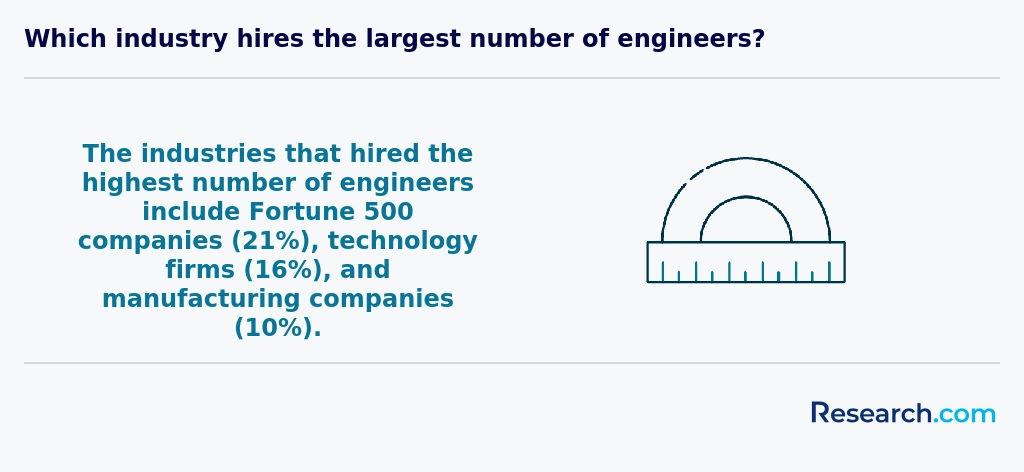
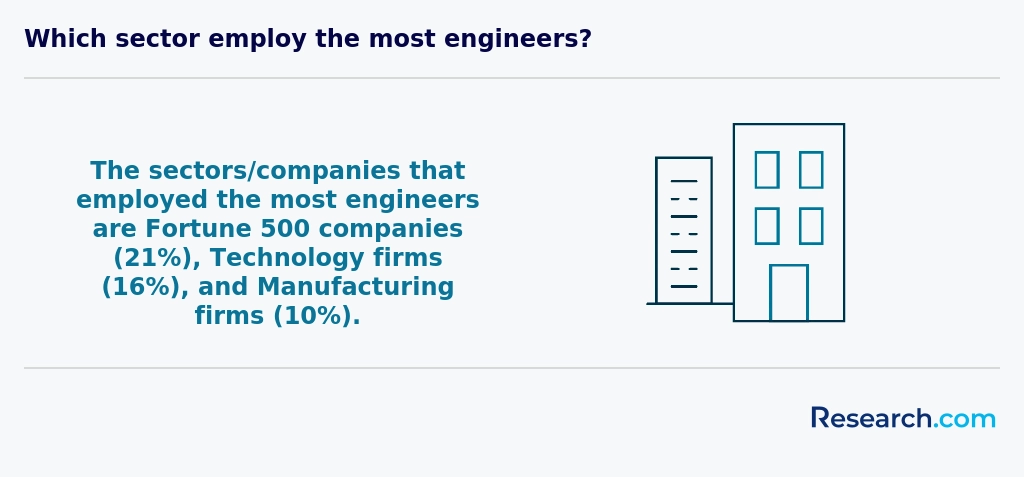
Graduates with an engineering degree in District of Columbia find diverse, high-demand career paths reflecting the area's strong ties to government, technology, and infrastructure. Popular roles include civil engineers engaged in urban development and transportation infrastructure, crucial for the city's growth, as well as electrical engineers focused on communication systems and cybersecurity for federal projects. Mechanical engineers working at local manufacturers and federal research facilities benefit from hands-on experience developing defense equipment and innovative technologies. Environmental engineers actively contribute to pollution control and climate resilience initiatives in metropolitan Washington, D.C. Software and systems engineers often join government IT projects or homeland security teams, gaining exposure to emerging tech industries.
Many engineering graduates from prominent institutions in the area report positive career trajectories, bolstered by institutions that emphasize practical applications and networking. Considering the high cost of tuition, potential students can explore fast-track associate degree programs online as a strategic entry point. These varied opportunities highlight the competitive and rewarding nature of top engineering jobs in District of Columbia.
The engineering job opportunities in District of Columbia are strongly influenced by the city's role as a hub for federal agencies and a burgeoning tech sector. Graduates from local institutions often secure positions with government bodies like the Department of Energy and NASA, where roles in civil and environmental engineering are prevalent. Many alumni share positive experiences gaining practical skills through federally sponsored internships, which not only reduce college costs but also improve employment outcomes.
District of Columbia engineering degree employment outlook is promising, with a steady 3% annual growth in engineering jobs reported in recent years. Salaries for specialized fields such as systems engineering typically surpass $110,000, reflecting the demand for technical expertise in cybersecurity firms and consulting companies servicing federal contracts. Students studying engineering here benefit from direct access to hands-on projects and professional networks through cooperative education programs.
When considering tuition costs, those pursuing engineering degrees in the area should be aware that local private universities may charge over $40,000 annually. However, federal internships and cooperative education opportunities provide valuable support. For students wondering about manageable academic paths, exploring easy degrees with transferable skills relevant to this market can also be a strategic choice.
2027 Most Valuable Engineering Degree Programs Ranking in District of Columbia
Investing in your education is a significant decision that can shape your future, and the Research.com team understands the importance of making informed choices. To assist prospective students in the District of Columbia, we have meticulously crafted the "2027 Most Valuable Engineering Degree Programs Ranking in District of Columbia." Our commitment to quality, credibility, and accuracy is reflected in the extensive research and analysis conducted to compile this ranking.
We utilized the following reputable data sources to ensure a comprehensive evaluation of engineering degree programs:
By exploring this ranking, readers will gain valuable insights into the most valuable engineering degree programs available in the District of Columbia, helping them make confident and informed decisions about their educational paths. For more details on our methodology, please visit our Research.com methodology page.


# 5 position
The Catholic University of America
Bachelor of Science in Architecture and Bachelor of Civil Engineering

Frequently Asked Questions About engineering
Engineering degree students in the District of Columbia can maximize their learning by actively engaging in internships and cooperative education programs. The DC area offers numerous opportunities through its proximity to federal agencies, research institutions, and private engineering firms. According to the National Center for Education Statistics, hands-on experience significantly improves student outcomes and employment prospects.
Moreover, students should leverage campus resources such as tutoring centers, study groups, and faculty office hours to deepen their understanding of complex subjects. Participating in engineering clubs and competitions can also foster teamwork and real-world problem-solving skills.
Finally, seeking mentorship from experienced professionals within organizations like the DC Society of Professional Engineers provides valuable career guidance and networking advantages.
Emerging niches within the engineering field are shaping the future of technology and infrastructure, especially relevant for students in the District of Columbia. Notably, environmental engineering is expanding as governments prioritize sustainability and climate resilience. This niche focuses on innovative solutions for clean water, renewable energy, and pollution reduction.
Another growing area is cybersecurity engineering, reflecting the increasing need to protect digital infrastructure. The District's status as a political and technological hub amplifies demand for experts in this field.
Additionally, biomedical engineering continues to evolve, integrating healthcare and technology to develop advanced medical devices. According to the U.S. Bureau of Labor Statistics, employment in these specialties is projected to grow faster than average through 2031, highlighting promising opportunities for local students.
After completing an engineering degree in the District of Columbia, preparing for the job market involves strategic steps tailored to this competitive region. The District hosts numerous government agencies and technology firms, making internships and cooperative education programs essential. According to the National Science Foundation, about 25% of engineering graduates in D.C. participate in internships during their studies, significantly improving employment prospects.
Networking through local engineering societies, such as the Washington D.C. Section of the American Society of Civil Engineers, helps graduates connect with potential employers. Additionally, obtaining Professional Engineer (PE) licensure enhances credibility and is often required for advanced roles.
Career services at universities in D.C. also provide valuable resume workshops and interview preparation, ensuring graduates can effectively present their skills to recruiters.
Employers in the District of Columbia highly value engineering graduates who demonstrate strong technical skills combined with effective communication abilities. Proficiency in computer-aided design (CAD), programming languages like Python and MATLAB, and data analysis tools are often essential due to the increasing reliance on technology in engineering projects.
According to the U.S. Bureau of Labor Statistics and local workforce reports, problem-solving skills and adaptability rank among the top abilities sought by employers, especially in the DC area's competitive and evolving engineering sector. Additionally, teamwork and leadership qualities are critical, as many engineering roles involve collaboration on interdisciplinary projects.
Knowledge of regulatory standards, such as those from the Environmental Protection Agency and local government agencies, also enhances a candidate's attractiveness due to stringent compliance requirements in the region.
Finding engineering internships in the District of Columbia involves leveraging the city's unique landscape of government agencies, private firms, and research institutions. Students should explore internship listings with entities such as the Department of Energy, NASA Goddard Space Flight Center, and private companies specializing in aerospace, civil, and environmental engineering.
Many local universities offer career centers with tailored resources for engineering students. Networking through professional organizations like the American Society of Civil Engineers (ASCE) or the Society of Women Engineers (SWE) can also provide valuable leads.
Additionally, the D.C. government's internships portal often features engineering opportunities, offering paid internships that enhance practical skills.
According to the U.S. Bureau of Labor Statistics, D.C. has seen a steady increase in engineering job postings linked to urban development projects, increasing internship availability in this sector.
Holding an engineering degree in the District of Columbia significantly enhances career mobility and advancement opportunities. Engineering graduates benefit from the region's strong demand for skilled professionals in sectors like government contracting, technology, and infrastructure development. According to the U.S. Bureau of Labor Statistics, engineering fields in D.C. are expected to grow by approximately 8% over the next decade, higher than the national average.
Employers in the federal and private sectors often prioritize candidates with accredited engineering degrees, seeing them as indicators of technical competence and problem-solving skills. Additionally, engineering roles typically offer clear promotion pathways and salary increases, with median wages for engineers in D.C. surpassing $90,000 annually as per the latest figures from the Economic Research Institute.
Continuing education and professional certifications also complement engineering degrees, further broadening career advancement prospects within D.C.'s competitive job market.
Studying for an engineering degree in the District of Columbia offers unique preparation for interdisciplinary roles by emphasizing collaboration across multiple fields. Many D.C. institutions integrate engineering curricula with policy, management, and computer science courses, reflecting the city's strong federal and technological sectors.
For example, programs often encourage teamwork on projects involving government regulations, cybersecurity, and sustainability. These experiences develop skills in communication and problem-solving beyond traditional engineering tasks. According to data from the American Society for Engineering Education, nearly 40% of graduates in D.C. pursue careers that combine engineering with public administration or IT.
This exposure ensures graduates are equipped for roles requiring both technical expertise and understanding of broader societal impacts.
Choosing between a thesis and a non-thesis engineering degree program in the District of Columbia depends largely on your career goals and learning style. Thesis programs emphasize research and require students to complete an original project, which is beneficial if you plan to pursue a PhD or a research-focused career.
Non-thesis options typically focus more on coursework and practical skills, ideal for those aiming for industry roles requiring immediate application of engineering principles. In D.C., where government agencies and tech firms dominate, non-thesis graduates often find ample employment opportunities.
Consider program specifics, faculty expertise, and resources when deciding. According to the National Science Foundation, over 60% of engineering master's students nationwide choose non-thesis paths, reflecting workforce demand trends that also apply in the D.C. area.
Students based in the District of Columbia interested in pursuing engineering degrees abroad have several pathways to consider. Many universities in D.C. participate in exchange programs and partnerships with well-known institutions worldwide, allowing students to gain international experience while earning credits.
Popular destinations include Canada, the United Kingdom, and Germany, where engineering programs are highly regarded. Participating in these programs can enhance technical skills and cultural understanding, valuable in a global engineering marketplace.
According to the Institute of International Education's latest report, over 15% of D.C. students studying abroad chose STEM fields, including engineering, reflecting strong local interest.
Part-time job opportunities in the District of Columbia that complement engineering degree education often focus on roles in technology, research, and government sectors. Many engineering students find internships or co-op positions at federal agencies such as the Department of Energy or NASA's Goddard Space Flight Center, which have a strong presence in the area. These roles provide practical experience in areas like systems analysis, civil engineering, and software development.
Additionally, local tech startups and consulting firms hire engineering students for part-time work in data analysis, CAD modeling, and product testing. According to the U.S. Bureau of Labor Statistics, Washington, DC, reports a high demand for engineers, especially in electrical and mechanical fields.
Universities also offer research assistantships that enable students to work on funded engineering projects, enhancing their technical skills while earning income. Such experiences strengthen resumes and expand professional networks critical for career advancement in engineering.
The District of Columbia offers numerous networking opportunities for engineering students seeking to build professional connections. Universities such as George Washington University and Howard University host engineering clubs and regularly organize events where students meet industry experts. These institutions benefit from their proximity to federal agencies like the Department of Energy and NASA's Goddard Space Flight Center, providing internships and collaborative projects.
Local chapters of national organizations, including the Society of Women Engineers and the American Society of Civil Engineers, hold meetings and workshops in the area. This allows students to engage with practicing engineers and gain mentorship.
Additionally, Washington, D.C.'s tech meetups and innovation hubs provide platforms for exchanging ideas and career advice. According to the U.S. Bureau of Labor Statistics, D.C. has a higher-than-average concentration of engineering jobs, enhancing networking potential.
Alumni networks play a significant role for engineering degree students in the District of Columbia. These networks provide valuable connections to professionals working in government agencies, private firms, and research institutions commonly found in D.C.'s job market. According to the Washington Post, engineering alumni often share internships and job openings, helping current students find practical experience.
Participation in alumni events offers mentoring opportunities, which can improve students' skills and career planning. A Georgetown University report notes that more than 60% of engineering graduates in D.C. secured jobs within six months, often through alumni referrals. Such networks are key in a competitive local market.
In the District of Columbia, students can customize their engineering degree programs by selecting from various specializations such as civil, electrical, or mechanical engineering, depending on the institution. Many local universities offer flexible curricula that allow electives aligned with specific career goals.
Students may also engage in cooperative education (co-op) or internship opportunities with government agencies and private firms located in D.C., gaining practical experience related to their interests. According to the National Center for Education Statistics, approximately 15% of engineering students in D.C. participate in experiential learning options.
Additionally, students can tailor their studies by choosing interdisciplinary courses that blend engineering with technology, management, or sustainability. Access to research projects or capstone courses focused on emerging fields like renewable energy or cybersecurity helps enhance career readiness.
Engineering students in the District of Columbia face several typical challenges during their studies. One major issue is the high cost of tuition and living expenses in the region, with the average annual tuition for engineering programs exceeding $30,000, according to the National Center for Education Statistics. This financial strain can impact students' ability to focus fully on their academics.
Another challenge is the rigorous coursework and demanding lab requirements common in engineering degrees. Many students report stress managing these alongside internships, which are essential but competitive in D.C.'s tech and government sectors.
Additionally, limited campus space and resources at some local institutions can restrict hands-on learning opportunities, crucial in engineering education. Students often seek external projects or research roles to supplement their experience.
With an engineering degree in the District of Columbia, graduates can pursue several recognized professional certifications that enhance career prospects. The most common certification is the Professional Engineer (PE) license, which requires passing the Fundamentals of Engineering (FE) exam, gaining relevant work experience, and passing the PE exam. This credential is highly valued in fields like civil, mechanical, and electrical engineering.
Additional certifications include the Certified Manufacturing Engineer (CMfgE) and Project Management Professional (PMP), useful for engineers moving into management roles. Local D.C. standards align with national requirements set by organizations like NCEES and PMI, ensuring broad recognition.
According to the National Society of Professional Engineers, over 80 percent of engineering roles in the D.C. area prefer or require certification.
Writing a winning application for an engineering program in the District of Columbia requires careful preparation and attention to detail. Begin by highlighting your strong foundation in math and science, as these are critical for admission. Many DC programs, including those at universities like George Washington University, expect applicants to demonstrate both academic excellence and practical experience.
Include a well-crafted personal statement that clearly explains your passion for engineering and your career goals. According to the National Society of Professional Engineers, demonstrating leadership and problem-solving skills can significantly boost your application's strength.
Letters of recommendation should come from teachers or professionals who can attest to your technical abilities and work ethic. Also, be aware that District of Columbia engineering programs often require standardized test scores, so aim for competitive scores, especially in the math sections.
Finally, showcase any related internships or projects, as hands-on experience is highly valued in DC's engineering education landscape.
Engineering careers in the United States are increasingly viewed through a global lens, emphasizing innovation and sustainability. Graduates with engineering degrees from institutions in the District of Columbia join a competitive workforce valued worldwide for problem-solving and technical skills. According to the National Science Foundation, U.S. engineers often collaborate on international projects, highlighting the importance of cross-cultural and interdisciplinary expertise.
Washington, D.C. hosts several top engineering programs that emphasize global challenges such as clean energy and infrastructure development. The region's proximity to federal agencies like the Department of Energy supports research aligned with worldwide engineering trends. For students, pursuing engineering in D.C. offers access to internships and partnerships with organizations influencing global technologies.
Gaining practical experience while studying for an engineering degree in the District of Columbia can be achieved through various avenues. Many universities in D.C. offer cooperative education (co-op) programs that integrate paid internships with academic coursework. These opportunities allow students to work in local government agencies or private firms, applying classroom knowledge to real-world projects.
Additionally, D.C.'s proximity to federal institutions provides access to internships at organizations such as NASA, the Department of Energy, and the National Institute of Standards and Technology. According to the National Association of Colleges and Employers, participation in internships increases the chances of job offers by over 60% for engineering graduates nationwide.
Students can also join engineering clubs and competitions, gaining hands-on skills and networking opportunities within the city's tech and policy sectors.
Choosing the right concentration within an engineering degree program in the District of Columbia involves considering your personal interests, career goals, and the local job market. Popular engineering fields here include civil, electrical, and computer engineering, reflecting the region's focus on infrastructure, technology, and government projects.
Research shows that computer engineering graduates in D.C. often find employment in cybersecurity and software development, sectors growing by over 10% annually (Bureau of Labor Statistics, 2023). Civil engineering suits those interested in urban planning, a major focus in the capital.
Visit program pages of local institutions like George Washington University to compare course offerings and connect with advisors for tailored guidance.
- 2027 Most Valuable Engineering Degree Programs Ranking in Idaho
- 2027 Most Valuable Engineering Degree Programs Ranking in California
- 2027 Most Valuable Engineering Degree Programs Ranking in Arizona
- 2027 Most Valuable Engineering Degree Programs Ranking in Colorado
- 2027 Most Valuable Engineering Degree Programs Ranking in Kansas
- 2027 Most Valuable Engineering Degree Programs Ranking in Minnesota
- 2027 Most Valuable Engineering Degree Programs Ranking in Iowa
- 2027 Most Valuable Engineering Degree Programs Ranking in Missouri
- 2027 Most Valuable Engineering Degree Programs Ranking in Arkansas
- 2027 Most Valuable Engineering Degree Programs Ranking in Louisiana
See What Experts Have To Say About Studying Engineering
Read our interview with Engineering experts

Jasna Jankovic
Engineering Expert
Associate Professor
University of Connecticut

Bohdan W. Oppenheim
Engineering Expert
Professor Emeritus of Healthcare Systems Engineering
Loyola Marymount University

Joseph Reichenberger
Engineering Expert
Professor of Civil Engineering & Environmental Science
Loyola Marymount University

- The engineering career mobility report: Who gets promoted? https://www.signalfire.com/blog/engineering-career-trends-pt1
- Engineering Educational and Career Goals: 6 Reasons Why Continuing Your Engineering Education Advances Your Career https://www.pdh-pro.com/pe-resources/engineering-educational-and-career-goals-6-reasons-why-continuing-your-engineering-education-advances-your-career/
- What To Look for When Getting an Engineering Job After College | H+M EPC https://www.hm-ec.com/blog-posts/what-to-look-for-when-getting-an-engineering-job-after-college-hm
- Best institutions to study Engineering-Related Fields in District of Columbia https://clema.ai/district-of-columbia/engineering-related-fields
- Engineering Certifications Explained https://www.manpower.com/en/insights/blogs/engineering-certifications
- 6+ Engineering Cover Letter Examples (with In-Depth Guidance) https://www.tealhq.com/cover-letter-examples/engineering
- All STEM Placements/Internships | Gradcracker - Careers for STEM Students https://www.gradcracker.com/search/all-disciplines/engineering-work-placements-internships
- Top Certification Courses for Advancing Engineering Careers - IJOER Engineering Journal Blog https://ijoer.com/blog/top-certification-courses-for-advancing-engineering-careers
- Guide to Engineering Internships https://www.internwise.co.uk/candidate-journey/industry-internships/guide-to-engineering-internships
- Get experience in engineering with an internship https://gradireland.com/careers-advice/engineering/get-experience-engineering-internship