
2027 Most Affordable Engineering Degree Programs Ranking in Vestal

Co-Founder and Chief Data Scientist
Choosing the right engineering degree program in Vestal can feel overwhelming. That's why the Research.com team of data scientists created the 2027 Most Affordable Engineering Degree Programs Ranking in Vestal to help you navigate your options with confidence.
This article highlights affordable programs that balance cost with quality education, making it easier to find a degree worth investing in.
Reading this ranking empowers you to make an informed decision and take a positive step toward a rewarding engineering career. Your future starts here.
Key benefits of getting engineering degree in Vestal
- Salary: Engineering graduates in Vestal can expect strong earning potential, with Mechanical Engineers earning around $105,220 annually and Electrical Engineers making about $117,680 per year based on BLS data.
- Career Paths: Graduates from Binghamton University in Vestal enjoy diverse opportunities in industries like manufacturing, energy, and construction, opening doors to rewarding and stable careers.
- Online Degrees: Earning an engineering degree online from SUNY Broome offers flexibility and convenience while maintaining quality, allowing students to balance work, family, and studies effectively.
- 2027 Most Affordable Engineering Degree Programs Ranking in Vestal
- What can I expect from engineering degree in Vestal?
- Where can I work with engineering degree in Vestal?
What can I expect from engineering degree in Vestal?
Engineering degrees in Vestal typically cost around $10,700 per year for in-state students at institutions like Binghamton University. Graduates often recall managing their budgets carefully, balancing tuition with living expenses while taking advantage of scholarships and work-study programs offered on campus. Out-of-state tuition is higher, so planning early to secure residency or financial aid can greatly reduce costs.
Many students find that the affordable tuition paired with hands-on learning experiences-such as internships and cooperative education programs-makes their investment worthwhile. For example, students gain practical skills through labs and close industry collaboration, which improves job prospects after graduation. This approach not only offsets costs by boosting employment opportunities but also makes the entire learning process more engaging and rewarding.
By choosing a well-regarded program in Vestal, students can focus on gaining real-world engineering experience without the worry of overwhelming debt. This balance encourages a positive mindset and helps maintain motivation throughout the rigorous four-year degree.
Where can I work with engineering degree in Vestal?
Engineering graduates in Vestal can find rewarding roles across several thriving industries. Many alumni from local institutions like Binghamton University secure positions in manufacturing, working on advanced materials or industrial components, where their skills in product design and quality control make a real impact. For those drawn to innovation, research centers connected to these universities offer exciting chances to develop cutting-edge technologies in automation and telecommunications, often collaborating with nearby companies.
Biomedical engineering graduates frequently join the healthcare technology sector, contributing to medical device development that improves patient care. Software and computer engineers commonly land jobs at local startups or IT firms, applying expertise in software development and embedded systems-areas that are expanding rapidly.
Public infrastructure projects also create openings for civil and environmental engineers, where graduates participate in improving transportation and energy systems. Leveraging partnerships between Vestal's universities and industries boosts job prospects, making practical networking and internships crucial strategies for success.
Graduates with engineering degrees from popular Vestal institutions often find rewarding salary prospects in the area. For instance, mechanical engineers can expect mean annual wages around $105,220, while civil engineers earn about $101,160 on average, according to BLS data. These figures reflect strong local demand, especially for mechanical and civil roles tied to manufacturing and construction companies in the region.
Electrical engineering graduates typically earn even more, with mean salaries near $117,680 annually, boosted by nearby research firms in Binghamton. Industrial engineers also see solid wages, averaging $103,150 per year. Entry-level salaries for recent graduates typically start between $60,000 and $70,000 but grow quickly as experience accumulates. Many find themselves surpassing six-figure incomes within a decade, especially if they advance into leadership or specialized technical roles.
Graduates who pursue Master's degrees or professional licensure often enjoy 10-20% higher wages, enabling a comfortable lifestyle in Vestal's affordable market. For students, focusing on gaining relevant internships and certifications at local colleges enhances employability and salary growth, turning academic achievements into tangible financial success.
- Engineering degrees in Vestal follow US standards and offer Bachelor of Science programs in fields such as mechanical, electrical, and civil engineering.
- Tuition for public institutions ranges from $8,000 to $15,000 per year for in-state students, with additional costs for books, supplies, and living expenses.
- Entry-level engineering salaries typically range from $60,000 to $70,000 annually, with experienced engineers earning between $85,000 and $110,000 after five to ten years.
- Many programs in Vestal are ABET-accredited, which supports education quality and improves job prospects.
- Local internships and cooperative education programs provide practical skills and employer connections to students.
- The job outlook for engineers in Vestal shows steady growth driven by technological advances and infrastructure development.
Completing an engineering degree in Vestal generally takes about four years for full-time students, aligning with the standard eight-semester timeline common across the U.S. Most graduates from local institutions like Binghamton University share that sticking to a steady course load enables them to finish on time while gaining strong foundational knowledge and hands-on experience.
Many students find that participating in co-op programs, which combine classroom learning with paid work placements, adds practical skills and improves job prospects-even if it extends their studies to five or six years. For example, some students from Vestal-based universities have added these co-op experiences, which they say boosted their confidence and readiness for engineering careers, making the extra time worthwhile.
Part-time students often take longer, typically five years or more, depending on how many courses they take each semester. Balancing work or family responsibilities sometimes requires this approach, and graduates emphasize planning ahead and using academic advising to stay on track.
Hands-on experience through internship and cooperative education (co-op) programs is a critical component of engineering degrees in Vestal, NY, giving students a competitive edge in the job market. Local institutions like Binghamton University and SUNY Broome Community College maintain strong partnerships with regional firms-ranging from high-tech manufacturing plants to renewable energy startups-ensuring students can apply classroom theories to real-world challenges. Many graduates report securing paid internships that not only offset tuition costs but also lead directly to full-time positions upon graduation, with some companies even guaranteeing interviews for co-op participants. Co-op programs typically span multiple semesters and integrate seamlessly with academic coursework, allowing students to rotate through design, testing, and project management roles. For example, mechanical engineering majors at Binghamton have collaborated on robotics projects in state-of-the-art labs, while electrical engineering students have worked alongside engineers developing smart-grid solutions. These structured opportunities foster professional networks, refine technical competencies, and often result in above-average starting salaries-reflecting the strong ROI of an engineering education in Vestal. Prospective students interested in exploring similarly affordable, experience-driven programs may also want to review our Affordable Engineering Degree Programs Ranking in Norfolk, VA, which highlights institutions offering robust co-op and internship placements alongside cost-effective tuition.
Online engineering degrees in Vestal offer unmatched flexibility, perfect for students balancing jobs or family. Coursework is accessed digitally, with video lectures and virtual labs allowing progress on your own schedule. Graduates share how managing time independently boosted their confidence and discipline. However, online students might miss out on hands-on lab work and face-to-face mentorship, vital for mastering complex engineering concepts.
On-campus programs, like those at Binghamton University, provide direct access to physical labs and workshops, fostering collaboration with peers and personalized guidance from professors. Many graduates praise the energized campus environment that boosted their motivation and networking opportunities, directly aiding internships and job placements locally.
Cost-wise, in-state tuition ranges from $10,000 to $15,000 annually, with online options sometimes lowering expenses on housing and commuting. Yet, be mindful of extra fees for materials or proctored exams in online programs. Evaluating these trade-offs based on your personal learning style and career goals will help you choose the right engineering path in Vestal.
Navigating your engineering journey successfully starts long before you step on campus. In addition to choosing a program that fits both your academic interests and budget, it’s essential to develop a strategic plan for balancing coursework, internships, and extracurricular opportunities. Start by setting clear academic and career goals, and make use of university resources such as academic advising, student clubs, and career services. Regularly connect with professors and industry mentors-they can offer insights and guidance that enrich your learning experience. Develop strong study habits early on by forming study groups and utilizing available tutoring services. Internships and practical projects are crucial; they not only solidify theoretical concepts but also enhance your resume. Many students find that participating in research projects or industry collaborations gives them a competitive edge upon graduation. For additional guidance on selecting institutions that offer robust support and cost-efficiency, check out affordable engineering schools in new york. Remember that success in an engineering career is built on continuous learning and adaptability. Embrace challenges as opportunities to grow, and don’t hesitate to explore new fields or specializations that may align with emerging industry trends. With a proactive approach and the right support system, you can set the foundation for a rewarding career in engineering.
The average cost of an engineering degree in Vestal typically totals around $10,567 for in-state students, reflecting a more affordable option compared to many other regions. Graduates from institutions like Binghamton University often share how managing these expenses alongside additional fees for labs and technology still feels manageable thanks to SUNY's competitive tuition rates. Out-of-state students can expect costs to reach approximately $50,256, which highlights the importance of carefully planning finances if you don't qualify for in-state tuition.
Beyond tuition, students face expenses such as textbooks, specialized equipment, and software licenses-costs that recent engineering graduates recall budgeting for throughout their studies. Living expenses in Vestal typically add another $12,000 to $15,000 yearly, covering housing, food, and transportation, so factoring these into your budget is essential when calculating the overall cost of an engineering degree in Vestal.
Accessing scholarships and financial aid is a common strategy to reduce costs. Many students in Vestal take advantage of SUNY and local scholarships aimed specifically at engineering disciplines, which can significantly lower the financial burden. Additionally, exploring federal grants and loans helps make a degree more attainable for those concerned about tuition fees and other expenses related to pursuing an engineering degree in Vestal.
For a clearer idea of programming options and their costs, you can refer to detailed engineering degree specialties offered at local institutions, ensuring you select a pathway that fits your budget and career goals.

Engineering students in Vestal can tap into several financial aid sources to ease tuition costs. Many rely on federal aid through FAFSA, which opens access to Pell Grants-offering up to $7,395 annually without repayment-and Federal Supplemental Educational Opportunity Grants for students with high financial need. Direct Subsidized and Unsubsidized Loans also provide flexible, lower-interest borrowing suited for engineering majors.
Local colleges like Binghamton University reward scholastic excellence with merit scholarships ranging from $1,000 to over $10,000 annually, helping many engineering undergraduates afford their studies without excessive debt.
State-based programs such as New York's Tuition Assistance Program (TAP) further support residents enrolled in engineering degrees, significantly cutting tuition expenses.
Many students also gain paid internships or co-op placements at engineering firms around Vestal, blending valuable work experience with income that contributes to living costs and education fees.
Professional engineering societies offer targeted scholarships and networking opportunities, providing both financial relief and career-enhancing connections for motivated students.
To enroll in an engineering degree program in Vestal, you need a strong foundation in mathematics and science. Graduates from Binghamton University, a top choice in the area, emphasize that completing high school courses in algebra, geometry, trigonometry, and ideally calculus, is essential to stay on track with coursework.
A solid background in physics and chemistry also makes students feel confident from day one, especially when tackling foundational engineering classes. Preparing well for standardized tests like the SAT or ACT-focusing on math and science sections-can make a noticeable difference. For example, Binghamton engineering freshmen typically score around 650 in SAT math, showing how competitive admissions are.
Applicants who highlight their passion for engineering through personal statements and strong recommendation letters often stand out. Some Vestal colleges even require placement tests or offer preparatory courses to help students bridge any skills gaps, ensuring they start their studies smoothly.

Students who have completed a bachelor’s in engineering often consider advanced degrees to deepen their expertise, enhance career prospects, and qualify for leadership roles. In Vestal, NY, several institutions offer master’s programs in fields such as systems engineering, engineering management, and industrial engineering. These graduate degrees typically range from 30 to 36 credit hours and can be completed in one to two years of full-time study-or longer on a part-time basis for working professionals. Key specializations include: • Industrial Engineering: Focuses on optimizing complex processes and systems. Graduates learn to apply statistics, ergonomics, and supply-chain principles to improve efficiency in manufacturing and services. • Systems Engineering: Emphasizes holistic integration of hardware, software, and human factors, enabling graduates to manage large-scale projects across diverse industries. • Engineering Management: Bridges technical and managerial skills, preparing students for roles in project leadership, quality assurance, and organizational strategy. Vestal-area universities also provide opportunities for research assistantships and industry partnerships, giving graduate students hands-on experience with cutting-edge technologies. For those juggling professional and personal commitments, online or hybrid master’s tracks deliver the same rigorous curriculum through virtual labs, interactive simulations, and recorded lectures. To explore flexible pathways tailored to working engineers, check out our curated list of best online industrial engineering programs.
Engineering degrees in Vestal typically involve a carefully structured mix of foundational and specialized courses that prepare students for real-world challenges. Graduates often recall early semesters filled with intensive mathematics, including differential equations and linear algebra, essential for solving complex engineering problems with confidence.
Core science courses such as physics and chemistry build a strong understanding of mechanics, electromagnetism, and materials properties. For many students at popular Vestal institutions, hands-on labs bring these theories to life, making abstract concepts tangible-for example, analyzing stress in materials during a lab at a local community college gave one graduate the practical insight needed for later civil engineering projects.
- Engineering fundamentals like statics and dynamics develop problem-solving skills directly applicable to design and construction tasks.
- Programming and software tools are integrated early to equip students with current technology relevant for engineering design and simulations.
- Specializations, such as circuit analysis for electrical engineering or fluid mechanics for mechanical tracks, allow students to dive deeply into their chosen fields.
- Capstone projects provide collaborative, real-world engineering experiences, boosting confidence and teamwork skills before graduation.
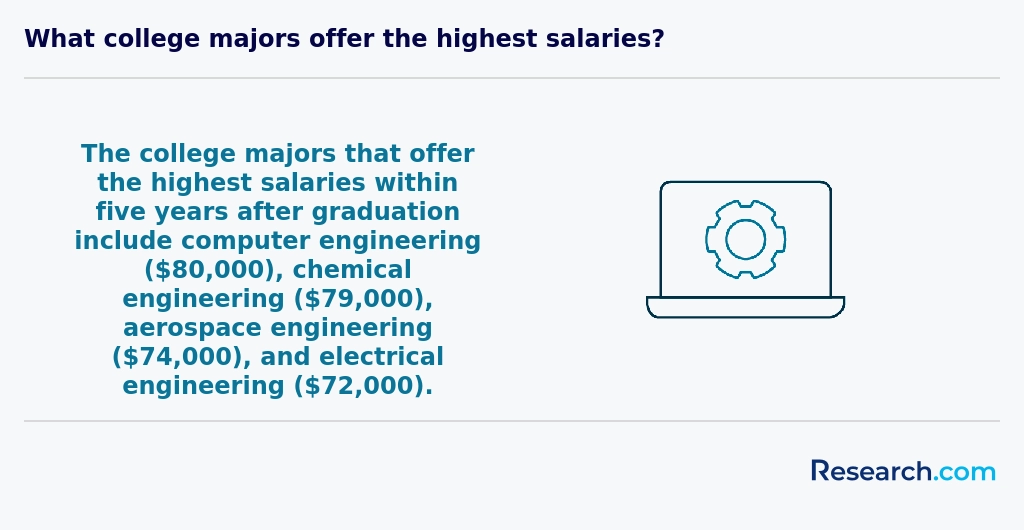
Engineering degree specializations in Vestal cover a wide range of fields tailored to current industry needs. Mechanical and civil engineering remain popular choices at Vestal's leading colleges, where graduates highlight hands-on projects like designing sustainable bridges or automotive components. Electrical and computer engineering also attract students eager to work with cutting-edge technology, from embedded systems to network infrastructures.
Biomedical and environmental engineering offer paths for those passionate about healthcare innovations or sustainability, with students often engaging in practical internships that bring classroom theory to life. Many engineering programs in Vestal encourage exploration of electives in robotics, artificial intelligence, and nanotechnology, reflecting the region's growing tech focus.
Choosing a program in Vestal means benefiting from affordable options and a strong emphasis on experiential learning, which students say boosts confidence and career readiness. To understand how your skills can evolve, explore courses and internships aligned with your goals, and consider related fields like a database management career prospects to complement your engineering expertise.
To choose the best engineering degree in Vestal, start by evaluating programs for ABET accreditation to ensure quality education that meets industry standards. Graduates from well-known Vestal colleges often emphasize how this accreditation helped them confidently pursue professional engineering licenses. Cost is another key factor; local public universities typically offer some of the best affordable engineering degrees Vestal students seek, with tuition significantly lower than private institutions, which may exceed $35,000 annually.
Assess faculty expertise and available research opportunities. Students from leading Vestal engineering programs frequently share how strong mentorship and cutting-edge labs fueled their passion and success. Internship availability is critical too-programs connected with local industries provide essential hands-on experience and job leads, often boosting employment after graduation.
Look for programs offering flexibility in course schedules, especially if balancing work or family. Exploring graduation rates and student satisfaction at popular Vestal schools shows which programs consistently support students toward timely completion and careers. For practical insight and to explore career paths, check out resources on computer science job prospects alongside engineering options.
Graduates with an engineering degree in Vestal can pursue a diverse range of rewarding career paths that align with the region's dynamic industries. Many find fulfilling roles as civil engineers focusing on local infrastructure projects or as mechanical engineers supporting advanced manufacturing and design at nearby New York tech hubs. Electrical and software engineers frequently contribute to power systems and innovative application development, benefiting from the area's strong emphasis on technology and sustainability.
Environmental and biomedical engineering fields are rapidly growing, creating promising jobs with engineering degree in Vestal. For example, graduates from popular colleges often work on renewable energy initiatives or medical device innovation, leveraging hands-on experiences gained during their studies. These opportunities make the engineering career opportunities in Vestal feel exciting and attainable for recent graduates.
To maximize career prospects, students might also explore accelerated degree options offered by local institutions. This practical approach helps quickly enter the workforce or pursue advanced licensure, which many employers value highly in Vestal's competitive job market.
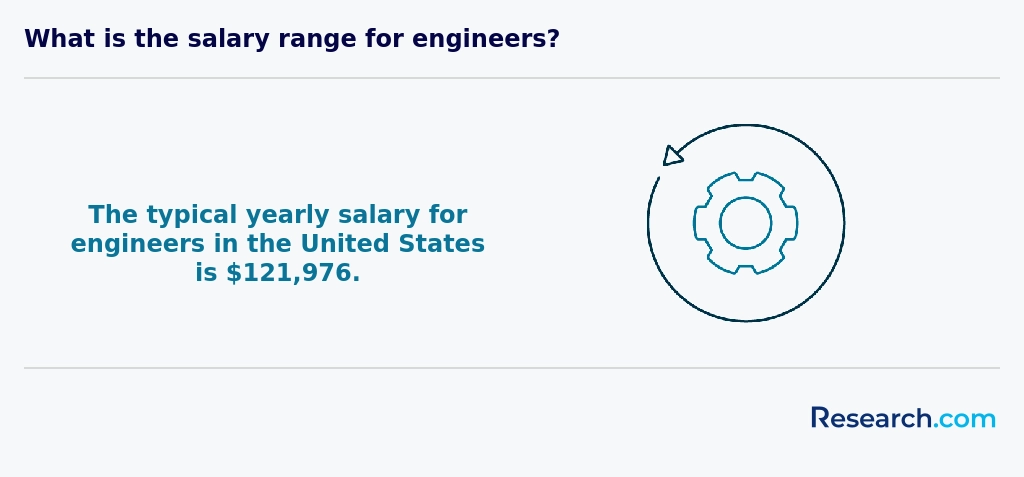
The engineering job outlook in Vestal shows steady promise, especially for graduates from local universities where ties to industry and research are strong. Graduates have found opportunities in manufacturing firms focused on electronics and machinery, as well as in regional infrastructure projects needing civil engineers. Many benefit from internship programs and partnerships with institutions like Binghamton University, which connect students with startups and innovative companies driving the area's technology growth.
Employment opportunities for Vestal engineering graduates often come in mechanical, electrical, civil, and software engineering fields, with salaries competitive within New York State. Graduates report feeling optimistic about entering the workforce due to manageable tuition costs between $10,000 and $15,000 annually at public schools, which helps reduce debt and provides flexibility to explore local job openings. Exploring career services and industry networking in Vestal can enhance hiring potential.
Those interested in expanding their skill set might also consider reputable online computer science schools to complement their engineering education and increase job prospects in IT and software development locally.
2027 Most Affordable Engineering Degree Programs Ranking in Vestal
Investing in your education is a significant decision that can shape your future, and the Research.com team understands the importance of making informed choices. To assist prospective students in Vestal, we have meticulously crafted the "2027 Most Affordable Engineering Degree Programs Ranking in Vestal." Our commitment to quality, credibility, and accuracy is reflected in the extensive research and analysis conducted to compile this ranking.
We utilized the following reputable data sources to ensure a comprehensive evaluation of engineering degree programs:
By exploring this ranking, readers will gain valuable insights into the most affordable engineering degree options in Vestal, empowering them to make well-informed decisions about their academic and financial futures. For more details on our methodology, please visit our Research.com methodology page.

Frequently Asked Questions About engineering
Engineering degree students in Vestal can maximize their learning experience by actively engaging in hands-on projects offered through local institutions such as Binghamton University's Thomas J. Watson School of Engineering. Research shows that practical experience significantly enhances comprehension and job readiness. Students should also take advantage of internships with nearby industries in the Southern Tier region, where nearly 20% of engineering graduates secure positions before completing their degrees, according to the New York State Department of Labor.
Joining professional organizations like the American Society of Civil Engineers (ASCE) student chapter can expand networking opportunities and access to specialized workshops. Additionally, regularly attending career fairs at Vestal campuses connects students with regional employers who value local talent. Combining academic study with experiential learning and community involvement supports a well-rounded engineering education in Vestal.
The engineering field is constantly evolving, with several emerging niches gaining attention nationwide, including in Vestal. Areas like renewable energy engineering are expanding rapidly due to the US push for sustainable technologies. According to the US Bureau of Labor Statistics, jobs in environmental and renewable energy sectors are expected to grow by over 10% through 2030.
Another growing niche is biomedical engineering, which combines healthcare and technology. Vestal's proximity to research centers in New York supports this sector's development. Data science and artificial intelligence applied to engineering problems are also becoming crucial skills in local programs, reflecting broader industry demands.
Additionally, robotics engineering and smart infrastructure design are fields where demand is increasing, driven by automation trends. For students in Vestal, focusing on these emerging niches can enhance employability in a competitive market.
After completing an engineering degree in Vestal, preparing for the job market involves several strategic steps. First, gaining practical experience through internships or cooperative education programs during studies is crucial, as 65% of employers in New York State prefer candidates with hands-on skills (New York State Department of Labor, 2023).
Networking plays a vital role; students are encouraged to attend local engineering society events such as those organized by the Southern Tier Chapter of the American Society of Mechanical Engineers (ASME). These connections can open doors to regional employers.
Additionally, enhancing technical skills with certifications relevant to your discipline-for example, the Fundamentals of Engineering (FE) exam-can improve job prospects significantly. According to the National Society of Professional Engineers, passing the FE is often a first step toward becoming a licensed professional engineer in New York.
Finally, leveraging Vestal's proximity to Binghamton and its growing tech sector allows graduates to apply for positions in industries including manufacturing, aerospace, and software development where engineering demand remains strong.
Employers in Vestal seeking engineering graduates prioritize a blend of technical and soft skills. According to the National Association of Colleges and Employers (NACE), 89% of engineering employers highly value problem-solving abilities.
Graduates must demonstrate proficiency in computer-aided design (CAD) and programming languages relevant to their field. Vestal's local industries also emphasize teamwork and communication skills, as engineers often collaborate across departments.
Data from the U.S. Bureau of Labor Statistics show that engineers with strong project management and critical thinking skills tend to secure better positions and higher salaries in the Vestal area.
Understanding industry-specific regulations and sustainability practices is increasingly important due to regional manufacturing and environmental standards.
Finding internships in Vestal that align with an engineering degree involves several practical steps. Start by exploring local companies in sectors such as manufacturing, technology, and energy, which often offer engineering internships. Binghamton University, nearby, provides career services and connects students with internship opportunities specific to engineering fields, reporting that over 60% of engineering undergraduates secure internships through university programs.
Utilize online job platforms like Handshake and LinkedIn, filtering for Vestal or Broome County engineering internships. Additionally, professional organizations such as the American Society of Mechanical Engineers (ASME) and the Institute of Electrical and Electronics Engineers (IEEE) often list internships accessible to Vestal students.
Networking through career fairs, university alumni, and local engineering chapters can significantly increase internship prospects. Many internships here emphasize practical experience, making them invaluable for future employment.
In Vestal, obtaining an engineering degree significantly enhances career mobility and advancement opportunities. Employers in the region value the technical expertise and problem-solving skills that engineering graduates bring, which are crucial in industries such as manufacturing, aerospace, and technology.
According to the U.S. Bureau of Labor Statistics, engineering occupations in New York State, including Vestal, are projected to grow by about 6% through 2030, reflecting steady demand. This growth supports career stability and potential promotions for holders of engineering degrees.
Graduates often see increased starting salaries, with median wages for engineers in the Vestal area typically above the state average, enabling quicker financial advancement.
Furthermore, many local employers prefer candidates with accredited degrees, making education a key factor in accessing leadership roles or specialized positions.
Engineering degrees in Vestal are designed to equip students with skills that cross traditional disciplinary boundaries. Programs often include coursework in math, science, technology, and management, reflecting the demands of modern engineering roles. This approach fosters problem-solving abilities applicable in various industries, from manufacturing to software development.
Local institutions partner with regional businesses to provide hands-on experience through internships and collaborative projects. According to the New York State Education Department, these partnerships enhance practical knowledge and communication skills critical for interdisciplinary teamwork.
Vestal's engineering curriculum also emphasizes emerging fields like sustainable design and data analysis, ensuring graduates can contribute to diverse technical challenges.
Choosing between a thesis and a non-thesis engineering degree program in Vestal depends on your career goals and learning preferences. Thesis programs are research-focused and usually require completing an original project, often appealing to students interested in pursuing a PhD or research roles. In contrast, non-thesis options emphasize coursework and practical skills, fitting those aiming for industry positions or professional engineering careers.
According to the U.S. Department of Education, Vestal-area institutions typically offer both paths, with about 40% of master's engineering students opting for thesis tracks in recent years. Consider your time commitment; thesis programs often take longer but offer deeper specialization. Reviewing program specifics at local schools can clarify which better fits your future plans.
Students in Vestal interested in studying engineering abroad have several pathways within the US higher education system. Many universities offer exchange programs or dual-degree options with international institutions, allowing students to gain global experience while earning credits toward their engineering degree. Additionally, some colleges in New York State have partnerships that facilitate semester-long or year-long study abroad experiences in engineering-focused schools globally.
According to the Institute of International Education, approximately 10% of U.S. engineering students pursue study abroad at some point, with popular destinations including Europe and Asia. Vestal students can also explore summer research internships internationally to enhance their engineering skills.
It is advisable to consult with career and international study advisors at local institutions such as Binghamton University for tailored program information and guidance.
Students pursuing engineering degrees in Vestal have access to various part-time job opportunities that complement their education and enhance practical skills. Many local companies in the manufacturing, technology, and research sectors offer internships or part-time roles such as lab assistants, CAD technicians, and quality control aides. These positions provide hands-on experience with industry-standard tools and processes, critical for engineering students.
Additionally, tutoring or mentoring roles in STEM subjects at nearby colleges or community centers help build communication and leadership skills. According to the U.S. Bureau of Labor Statistics, part-time employment related to engineering fields can boost employability and salary prospects after graduation.
Engineering students in Vestal have access to several valuable networking opportunities that can help advance their careers. Local institutions like Binghamton University often host engineering career fairs, attracting companies from industries such as aerospace, manufacturing, and technology. These events allow students to meet potential employers and learn about internships and job openings. Additionally, Vestal's proximity to the Southern Tier's growing tech hubs provides chances to connect with professionals through regional engineering societies and student chapters like the Institute of Electrical and Electronics Engineers (IEEE).
Moreover, cooperative education (co-op) programs and internships arranged by Vestal colleges can offer hands-on experience and professional contacts. According to Binghamton University's Career Development Center, about 60% of engineering students secure internship positions before graduation, enhancing their employment prospects. Virtual networking events and workshops also complement traditional opportunities, especially for those seeking broader connections beyond Vestal.
Alumni networks play a significant role in supporting engineering degree students in Vestal by offering practical career resources and professional connections. Many engineering programs in Vestal encourage active alumni engagement, which enhances mentorship opportunities and internship placements. According to the National Association of Colleges and Employers, students connected to strong alumni networks report a 20% higher likelihood of securing relevant internships.
Vestal's engineering alumni often work in prominent local industries such as aerospace and manufacturing, providing students with valuable inside knowledge of job markets. These networks also share job leads and industry trends, which can improve employment prospects after graduation.
Furthermore, alumni events and workshops facilitate skill development and networking, helping students build relationships that often lead to job offers or collaborative projects within the region.
Customizing an engineering degree program in Vestal typically involves selecting specialized courses and electives aligned with your career goals. Many institutions offer concentrations such as mechanical, electrical, or civil engineering, allowing students to focus on their preferred field. Additionally, students can integrate internships or cooperative education experiences, providing practical skills and professional networking opportunities within Vestal's industrial sectors.
Advisors play a crucial role in guiding course selection to match job market trends and emerging technologies. According to the U.S. Bureau of Labor Statistics, hands-on experience significantly boosts employment prospects for engineering graduates. Local colleges also offer flexible scheduling and online options to accommodate working professionals.
Engineering students in Vestal commonly face challenges that mirror those across the United States but with some local nuances. A primary difficulty is managing the heavy coursework, which demands strong skills in math, physics, and computer science. According to the National Center for Education Statistics, about 25% of engineering students nationwide struggle to maintain passing grades during the first two years, a figure reflected in regional academic support centers in Vestal.
Access to internships is another hurdle. While Vestal benefits from proximity to tech hubs in New York State, competition for paid engineering internships remains stiff. Students often need to balance part-time work alongside demanding studies, impacting their time for practical experience.
Financial stress also affects many students. The average debt for engineering graduates in the U.S. exceeds $30,000, and local counseling in Vestal highlights increasing concern over rising tuition and living costs.
With an engineering degree in Vestal, you can pursue several professional certifications to enhance your career prospects. The most recognized is the Professional Engineer (PE) license, which requires passing the Fundamentals of Engineering (FE) exam, gaining relevant work experience, and completing the PE exam. This license is valuable for roles involving public safety and project leadership.
Other certifications include the Certified Manufacturing Engineer (CMfgE) and the Project Management Professional (PMP). These improve qualifications in specialized fields and leadership.
According to the National Society of Professional Engineers, licensed engineers tend to earn 20% more on average nationwide, a trend also reflected in New York state, including Vestal.
To write a winning application for an engineering program in Vestal, start by carefully researching the specific requirements of local institutions, such as Binghamton University nearby, which offers strong engineering pathways. Emphasize your academic preparedness by highlighting relevant coursework like advanced mathematics, physics, and computer science. Admissions committees often look for applicants with a strong GPA-typically above 3.0-and competitive standardized test scores, although some schools may have test-optional policies.
Demonstrate your passion for engineering through extracurricular activities, internships, or projects that showcase problem-solving skills. Personal statements should clearly explain your motivation for pursuing engineering and how you plan to contribute to the field.
Letters of recommendation from teachers or mentors who can attest to your abilities are invaluable. According to the National Center for Education Statistics, students with strong recommendations and a targeted personal statement increase their chances of acceptance by up to 25%.
The global perspective on an engineering career highlights strong demand for skilled professionals, driven by advances in technology and infrastructure worldwide. In the United States, including regions like Vestal, engineering remains a cornerstone of economic growth and innovation according to the Bureau of Labor Statistics (BLS). Jobs in fields like software, civil, and environmental engineering are expected to grow about 8% from 2021 to 2031, faster than the average for all occupations.
Engineering careers offer opportunities to work on projects that impact global challenges such as sustainability and digital transformation. Vestal students benefit from proximity to research centers and tech companies, enhancing their international competitiveness.
To gain practical experience while studying for an engineering degree in Vestal, students can participate in cooperative education (co-op) programs offered by nearby colleges. These programs alternate classroom study with paid work experience in local industries, particularly in technology and manufacturing sectors common to the region.
Internships are another key opportunity. Local companies in Vestal and the Southern Tier area frequently offer engineering internships during summer or semesters, allowing students to apply theory in real-world projects. The Binghamton University's engineering department supports connecting students with regional employers.
Additionally, joining engineering clubs or design teams helps build hands-on skills. Such activities often involve competitions and collaboration, providing practical problem-solving experience.
Choosing the right concentration within an engineering degree program in Vestal requires understanding your interests, career goals, and local industry demands. Common concentrations include mechanical, electrical, civil, and computer engineering, each offering distinct career paths.
Research shows mechanical and electrical engineering remain dominant in Vestal due to the region's manufacturing and technology sectors, according to the New York State Department of Labor (2023). Civil engineering suits students interested in infrastructure projects prevalent in the area.
Evaluate each program's curriculum and available internships or co-op opportunities to gain practical experience. Vestal's proximity to companies like IBM can be an important factor for networking and job placement.
Lastly, consider long-term growth and salary trends by consulting resources such as the Bureau of Labor Statistics to make an informed choice tailored to your ambitions.
- 2027 Most Affordable Engineering Degree Programs Ranking in Syracuse
- 2027 Most Affordable Engineering Degree Programs Ranking in Rochester
- 2027 Most Affordable Engineering Degree Programs Ranking in New York
- 2027 Most Affordable Engineering Degree Programs Ranking in Philadelphia
- 2027 Most Affordable Engineering Degree Programs Ranking in Baltimore
- 2027 Most Affordable Engineering Degree Programs Ranking in Storrs
- 2027 Most Affordable Engineering Degree Programs Ranking in Washington
- 2027 Most Affordable Engineering Degree Programs Ranking in Pittsburgh
- 2027 Most Affordable Engineering Degree Programs Ranking in Boston
- 2027 Most Affordable Engineering Degree Programs Ranking in Cleveland
See What Experts Have To Say About Studying Engineering
Read our interview with Engineering experts

Jasna Jankovic
Engineering Expert
Associate Professor
University of Connecticut

Bohdan W. Oppenheim
Engineering Expert
Professor Emeritus of Healthcare Systems Engineering
Loyola Marymount University

Joseph Reichenberger
Engineering Expert
Professor of Civil Engineering & Environmental Science
Loyola Marymount University

- Town of Vestal https://www.vestalny.gov/page/engineering-homepage
- targetjobs https://targetjobs.co.uk/careers-advice/engineering/what-skills-do-engineering-employers-look
- Financial Aid for Engineering School | All Engineering Schools https://www.allengineeringschools.com/engineering-careers/article/financial-aid/
- engineering degree - Tłumaczenie po polsku - Słownik angielsko-polski Diki https://www.diki.pl/slownik-angielskiego
- Engineering work experience | This is Engineering https://thisisengineering.org.uk/become-an-engineer/work-experience/
- Guide to Types of Engineering Programs and Careers https://www.ycp.edu/news/types-of-engineering-degree-programs
- Dollars For Scholars https://vestal.dollarsforscholars.org/
- Careers | Vestal Corporation Jobs https://www.vestalcorporation.com/careers
- Thesis vs. Non-Thesis Master's Programs: Which is Right for You? https://potomac.edu/thesis-vs-non-thesis-masters/
- Study Engineering Abroad: Top Colleges, Costs, & Careers https://www.aeccglobal.com/study-abroad/courses/engineering


