2027 Most Valuable Engineering Degree Programs Ranking in Cambridge

Co-Founder and Chief Data Scientist
Choosing the right engineering degree program can shape your future in exciting ways. If you're a student in Cambridge exploring your options, this article offers valuable guidance.
The 2027 Most Valuable Engineering Degree Programs Ranking in Cambridge was created by the Research.com team of data scientists. Their expertise helps identify which programs deliver strong career prospects and academic value.
Reading this ranking empowers you to make informed, confident decisions about your education path. Pursuing an engineering degree can open doors to rewarding opportunities and personal growth.
Key benefits of getting engineering degree in Cambridge
- Salary for engineering graduates: Mechanical engineers earn a mean annual wage of $105,220, while electrical engineers earn $117,680, showing strong financial rewards after graduation.
- Career paths: Graduates from Cambridge's engineering programs often pursue roles in design, project management, and research, offering diverse and exciting opportunities.
- Online degree benefits: Graduates from online engineering programs enjoy flexible schedules and the ability to balance work and study, making education more accessible without sacrificing quality.
- 2027 Most Valuable Engineering Degree Programs Ranking in Cambridge
- What can I expect from engineering degree in Cambridge?
- Where can I work with engineering degree in Cambridge?
What can I expect from engineering degree in Cambridge?
The average cost of pursuing an engineering degree in Cambridge, Massachusetts, typically ranges from $55,000 to $80,000 per year at leading institutions such as MIT and Harvard. These figures encompass tuition, fees, and living expenses, reflecting the high standard of education and facilities. Graduates often emphasize the value of this investment due to the exceptional research opportunities and robust industry connections available locally.
For many students, financial aid and scholarships substantially offset these costs. Engineering enrollees at Cambridge institutions often receive packages aimed at fostering diversity and innovation, making the education more accessible while maintaining academic rigor. Graduates report feeling well-supported throughout their studies, benefiting from targeted career services and alumni networks that open doors to competitive internships and job placements.
Ultimately, while the upfront expense is significant, it aligns with the strong employment outcomes and starting salaries above the national average, offering graduates a compelling return on investment in a dynamic engineering career market.
Where can I work with engineering degree in Cambridge?
Graduates with engineering degrees from Cambridge's esteemed institutions such as MIT and Harvard access a dynamic job market dominated by high-tech industries, startups, and research labs. Many find careers at leading companies like Biogen and Raytheon Technologies, working in areas like systems engineering, robotics, and biomedical engineering. These roles often involve cutting-edge projects in Kendall Square, a hub known for innovation and entrepreneurship.
Biomedical engineering graduates benefit from Cambridge's strong healthcare sector, securing positions in hospitals and healthcare IT firms. The Massachusetts metro area is noted for its biomedical engineering job growth, exceeding national averages. For those interested in infrastructure, opportunities exist in civil and environmental engineering within city development projects.
Employers highly value interdisciplinary skills, combining engineering with computer science or business acumen, increasing employability and salary potential. Starting salaries typically range from $70,000 to $85,000, reflecting competitive compensation in this robust regional market. These clear paths highlight the tangible benefits of pursuing an engineering degree in Cambridge's innovative ecosystem.
Engineering graduates from Cambridge institutions such as MIT and Harvard often enter the workforce with competitive salaries that surpass national averages. For example, mechanical engineers in the U.S. earn a mean annual wage of around $105,220, while electrical engineers command even higher wages, averaging $117,680 per year. Civil engineers and industrial engineers also report solid earnings at approximately $101,160 and $103,150 annually, respectively.
Graduates from these Cambridge universities frequently report starting salaries ranging from $70,000 to $90,000, influenced by the city's strong tech and biomedical sectors. Over a few years, those specializing in software or electrical engineering can see salaries rise to between $90,000 to $110,000, reflecting high demand in local industries.
Mid-career professionals enjoy salaries climbing above $100,000, especially with advanced degrees, a common outcome for graduates immersed in Cambridge's research-driven environment. These figures combine base pay with bonus opportunities often reported by engineers in the city, creating a rewarding earning trajectory for those pursuing an engineering degree here.
- Engineering degrees in Cambridge focus on rigorous coursework and practical research in fields like electrical, mechanical, civil, and computer engineering.
- Tuition costs range from $55,000 to $60,000 per year, not including living expenses, with housing often exceeding $1,500 monthly rent for shared accommodations.
- Entry-level engineering jobs in Cambridge offer average salaries between $75,000 and $85,000 annually within the first few years after graduation.
- Experienced engineers can expect median incomes surpassing $120,000 per year, depending on their specialization and industry.
- Job opportunities favor candidates with strong technical skills and practical experience gained through internships or cooperative education programs.
Completing an engineering degree in Cambridge typically requires about four years for full-time students enrolled in programs at institutions like MIT or Harvard. Most graduates describe their journey as intensive yet rewarding, balancing rigorous mathematics and physics in the first two years with specialized courses and hands-on lab work later on.
However, this timeline can vary. Some students engage in cooperative education or internship programs available through Cambridge colleges, which often add an extra year but enhance practical skills and boost job prospects after graduation. Others pursue dual degrees, such as combining engineering with business, extending their studies beyond the conventional four years.
Average completion time data from the National Center for Education Statistics indicates Cambridge students usually finish within about 4.3 years, accounting for factors like part-time enrollment or leaves of absence. These choices, while lengthening the timeline, provide flexible ways to manage work or personal commitments during study.
Graduates frequently emphasize that despite challenges, the structured curriculum and experiential learning in Cambridge institutions prepare them well for professional success, making the investment of time worthwhile.
Engineering students at universities in Cambridge often note that on-campus degrees offer a hands-on learning environment that online programs struggle to fully replicate. Access to laboratories, workshops, and direct faculty interaction enriches their understanding, especially in mechanical or civil engineering fields where physical experimentation is crucial. Graduates recall the value of collaborating face-to-face with peers and participating in student organizations, which sharpened their communication and leadership skills.
Conversely, online engineering degrees appeal to those juggling work or family, thanks to their scheduling flexibility. Virtual simulations and improved remote labs provide a viable alternative, though some students express a desire for more tactile experiences. The convenience of learning from home often outweighs these limitations, as graduates appreciate balancing responsibilities.
Cost differences are notable in Cambridge: in-state public university on-campus tuition ranges from $15,000 to $35,000 annually, while online programs typically reduce expenses by 15-30%. Despite this, all students confirm that ABET accreditation remains vital for ensuring degree recognition nationwide.
The average cost of an engineering degree in Cambridge typically ranges around a median total cost of $83,586, with in-state students paying closer to $62,036. These figures reflect tuition, fees, and direct academic expenses over the length of the program. Graduates from well-known Cambridge institutions often share that while the sticker price can feel daunting, their investments yield rewarding educational experiences, strong professional networks, and competitive career opportunities.
Many students find the total tuition and fees for engineering degrees Cambridge to be higher than in other regions, particularly at private colleges or universities near the city. For example, those pursuing engineering might encounter annual tuition within $20,000 to $60,000 ranges, depending on residency and whether attending a public or private institution. This underscores the importance of carefully considering financial aid options specific to Cambridge.
Beyond tuition, students highlight additional living costs in Cambridge's urban setting as a budget factor to reckon with, including housing and daily expenses. Some graduates recommend exploring fastest online programs for working adults as an alternative or supplement to traditional paths to help manage these costs efficiently.
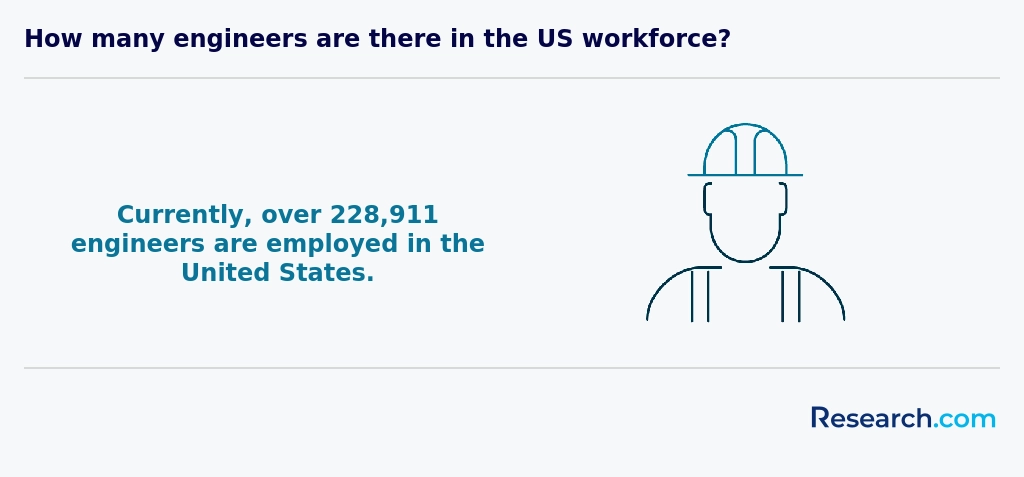
Engineering students in Cambridge benefit from multiple financial aid options that help manage the high tuition costs, often comparable to U.S. public and private institutions. Graduates from the University of Cambridge and Anglia Ruskin University frequently highlight the importance of federal aid like the FAFSA, which unlocks access to Pell Grants of up to $7,395 annually for low-income students. Federal Direct Loans also support undergraduates with $5,500 subsidized and $7,500 unsubsidized loans each year, easing tuition and living expenses.
- Merit-based scholarships offered by these universities reward academic excellence with awards ranging from a few thousand dollars to full tuition, a crucial relief for many students balancing budgets.
- Private scholarships from groups like the Society of Women Engineers provide roughly $3,000 annually, supporting many Cambridge engineering undergraduates.
Additionally, employer tuition assistance gained through internships with Cambridge-based engineering firms offers both financial support and valuable experience, boosting confidence and career prospects for students navigating their academic journeys.
Enrolling in an engineering degree program in Cambridge requires meeting specific academic prerequisites, particularly a high school diploma with strong performance in STEM subjects. Graduates from renowned universities in Cambridge often recall that completing Advanced Placement (AP) courses in Calculus AB or BC and Physics C, with scores of 4 or 5, was essential for demonstrating readiness. Competitive SAT scores above 1400 or ACT scores near 30 further strengthen applications, although some institutions have adopted test-optional policies recently.
Beyond academics, students benefit from crafting compelling personal statements and securing letters of recommendation that showcase their passion for engineering, problem-solving abilities, and involvement in related activities like robotics clubs or internships. Financial planning is also critical, as tuition at private engineering programs averages around $35,720 annually. Many Cambridge students find that applying for scholarships helps ease this burden.
Exposure to programming languages or CAD tools before starting the program is highly recommended, preparing students for the collaborative and challenging coursework common in Cambridge's engineering colleges. This combination of solid preparation and enthusiasm helps graduates succeed and thrive.

Engineering degrees in Cambridge typically encompass a core curriculum designed to build strong analytical and practical skills. Graduates from popular colleges often highlight foundational courses like mathematics, physics, and computer science as crucial for their problem-solving abilities. These subjects prepare students to tackle complex engineering challenges with precision and confidence.
Students engage deeply with applied topics such as statics and dynamics, which explain the forces acting on structures, and thermodynamics, focusing on energy transfer-essential for fields like mechanical or chemical engineering. Materials science courses help students understand the properties and applications of metals, polymers, and composites they encounter in real-world projects. Electrical circuits, fluid mechanics, and control systems courses offer hands-on experience with systems frequently used in advanced industrial settings.
Popular Cambridge colleges emphasize design and manufacturing modules, where students experiment in labs creating tangible engineering solutions-an experience graduates recall as both demanding and highly rewarding. This combination of rigorous theory and practical exposure mirrors the academic excellence Cambridge is known for, fostering a strong sense of achievement among its engineering cohort.
Engineering degree specializations in Cambridge typically include Civil, Mechanical, Electrical and Electronic, Biomedical, Computer, and Environmental Engineering. These programs at renowned colleges allow students to build a strong foundational knowledge before focusing on their preferred fields. Graduates often share how hands-on projects in Civil Engineering enhance their understanding of infrastructure sustainability, while those in Biomedical Engineering appreciate the direct impact on healthcare innovations.
Students in Cambridge engineering programs and specializations benefit from interdisciplinary exposure, such as blending Computer Engineering with artificial intelligence development. This approach equips them with skills that align well with evolving industry demands. For example, computer engineering graduates frequently mention the rewarding challenge of integrating hardware and software, preparing them for competitive tech roles.
Deciding on a specialization also ties into financial outcomes. While tuition varies, students exploring options often consult resources like the National Center for Education Statistics. Those curious about balancing cost and career prospects might find it useful to explore what is the easiest associate's degree to get, which sometimes guides early choices before committing to specialized engineering fields.
Choosing the best engineering degree programs in Cambridge requires analyzing various factors such as specialization, program length, and practical outcomes. Cambridge University's Engineering Tripos offers focused pathways like civil, mechanical, electrical, and aerospace engineering, allowing students to select areas that match their career ambitions and industry trends. Graduates from popular Cambridge colleges often highlight the challenge and excitement of a curriculum that balances deep theoretical knowledge with research-led teaching, differing from many U.S. programs.
For U.S. students, assessing affordability is essential, given international tuition fees ranging from £31,000 to £50,000 annually and living costs around $15,000 per year. These expenses are worth comparing to alternatives like affordable engineering colleges Cambridge 2027 options, where financial aid might be accessible. Many students appreciate Cambridge's strong industry connections, reflected in over 90% of engineering graduates securing relevant employment or further study within six months, reinforcing the program's value in real-world scenarios.
It's also crucial to verify how Cambridge degrees align with U.S. professional standards, especially ABET accreditation, to ensure smooth career transitions. Prospective students looking to maximize their return on investment should explore opportunities linked to a master degree that pays well, complementing their undergraduate studies.
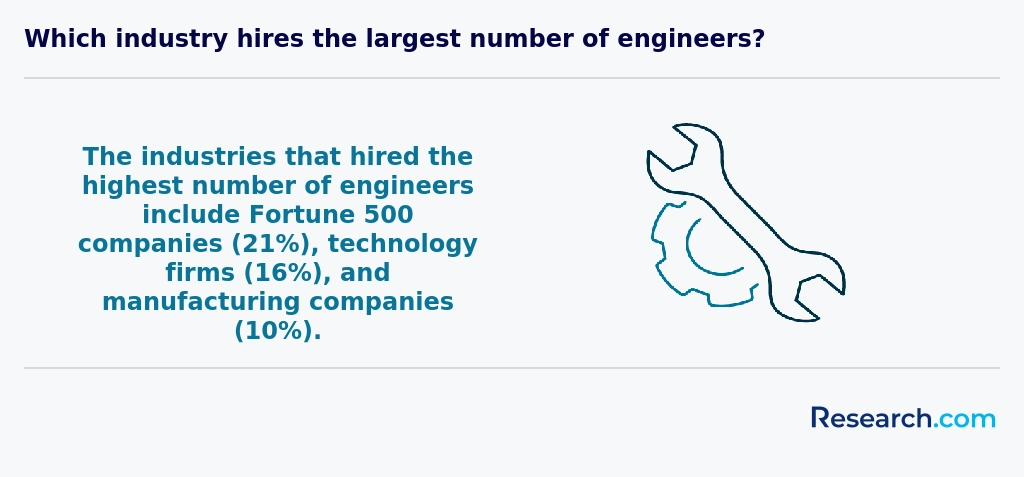
Engineering graduates from Cambridge universities benefit from a range of career paths, fueled by the city's integration of top-tier academic programs and innovative tech companies. Popular sectors include technology and software development, where graduates contribute to AI and robotics projects, often citing hands-on experiences gained through internships at local startups. Biomedical engineering is another vibrant field, with opportunities in medical device design and biotechnology research, supported by Cambridge's leading biomedical cluster.
Jobs for engineering graduates in Cambridge also extend to energy and environmental engineering, focusing on renewable energy and sustainable design projects. Some graduates find fulfillment in manufacturing and product development, utilizing the city's advanced facilities to bring electronics and machinery concepts to fruition. Consulting and management roles capitalize on engineers' analytical skills, with graduates working in project management or technical consulting for firms centered in Cambridge.
Many students leverage the strong cooperative education programs offered by Cambridge institutions, which enhance employability after graduation. Prospective students seeking a degree might explore options through non profit accredited online universities to complement their studies with flexible learning opportunities.
The engineering job opportunities in Cambridge reflect a vibrant ecosystem fueled by the city's strong ties to technology and research institutions. Graduates from renowned universities in Cambridge often find themselves in demand across sectors like information technology, biotechnology, and renewable energy, where ongoing innovation creates continuous employment openings. The local presence of startups and established companies further enriches this employment outlook, providing students with chances to engage in internships that enhance practical skills and job readiness.
Graduates share positive experiences securing roles with competitive salaries, especially in fields such as software engineering, where median pay can exceed $90,000. This encourages many to pursue engineering degrees at Cambridge colleges, knowing the return on investment can be compelling despite the financial commitment of tuition fees. Practical experience gained through university partnerships and professional gatherings strongly influences their career success.
Those seeking varied routes into engineering careers may explore top online vocational schools, which supplement traditional programs. This path suits those aiming to capitalize on the diverse Cambridge engineering degree employment outlook while balancing costs and experience.
2027 Most Valuable Engineering Degree Programs Ranking in Cambridge
Investing in your education is a significant decision that can shape your future, and the Research.com team understands the importance of making informed choices. To assist prospective students, we have meticulously crafted the 2027 Most Valuable Engineering Degree Programs Ranking in Cambridge. Our commitment to quality, credibility, and accuracy is reflected in the extensive research and analysis conducted to compile this ranking.
We utilized the following reputable data sources to ensure a comprehensive evaluation of engineering programs:
By exploring this ranking, readers will gain valuable insights into the most valuable engineering degree programs available in Cambridge, enabling them to make well-informed decisions about their educational investments. For more details on our methodology, please visit our Research.com methodology page.

# 3 position
Massachusetts Institute of Technology
Doctor of Science in Civil and Environmental Engineering

Frequently Asked Questions About engineering
Engineering students in Cambridge can maximize their learning by engaging deeply with both practical and theoretical coursework. Many programs emphasize hands-on projects, which help students apply concepts in real-world settings. According to the American Society for Engineering Education, students who participate in internships and cooperative education programs increase their employability by up to 25%.
Cambridge offers access to cutting-edge research facilities and lab resources, making it crucial for students to take advantage of these opportunities. Joining student engineering societies and networking with faculty can also enhance learning through collaboration.
Regularly attending workshops, lectures, and seminars by industry experts broadens knowledge beyond textbooks. Additionally, using digital tools and software relevant to engineering fields prepares students for the demands of modern workplaces.
Emerging niches within engineering reflect rapid technological progress and societal needs. In Cambridge, US-based data highlights growth in fields like renewable energy engineering, driven by increased investments in sustainable solutions. According to the National Science Foundation, renewable energy jobs are expected to grow by over 10% through 2030.
Another rising area is biomedical engineering, supported by Cambridge's proximity to major research hospitals. Advances in medical devices and biotechnologies offer promising career paths. Additionally, robotics and automation engineering are expanding rapidly, with the Bureau of Labor Statistics projecting a 9% employment increase in related fields.
Data science and artificial intelligence integration also redefine traditional engineering roles, emphasizing the need for interdisciplinary skills in Cambridge's competitive environment.
Preparing for the job market after completing an engineering degree in Cambridge involves strategic planning and skill development. Graduates should focus on building strong technical expertise alongside soft skills like communication and teamwork, which employers highly value.
Networking is crucial; Cambridge hosts numerous career fairs and industry events annually, offering opportunities to connect with leading engineering firms. Internships and cooperative education programs provide practical experience, improving job prospects. According to the National Association of Colleges and Employers (NACE), 60% of engineering students with internship experience receive job offers before graduation.
Additionally, obtaining relevant certifications or mastering software tools popular in the engineering sector can enhance employability. Cambridge graduates benefit from local innovation hubs, which foster entrepreneurship and startup experience, broadening career options.
Employers in Cambridge highly value engineering degree graduates who demonstrate strong analytical and problem-solving skills. According to the National Association of Colleges and Employers (NACE), over 85% of engineering employers prioritize these abilities when hiring.
Technical proficiency, including knowledge of software like MATLAB and CAD tools, is essential, as many Cambridge engineering roles involve design and simulation tasks. Communication skills are equally important; employers expect graduates to clearly convey complex ideas to both technical and non-technical audiences.
Teamwork and adaptability are frequently mentioned in employer surveys, reflecting the collaborative nature of engineering projects in Cambridge's progressive tech and manufacturing sectors.
Finding internships in Cambridge relevant to an engineering degree involves combining university resources with local industry contacts. Many engineering students turn to their career centers, such as those at MIT and Harvard, which regularly host job fairs and maintain internship databases. These institutions often have partnerships with tech companies and manufacturing firms in the Cambridge area.
Additionally, Cambridge is home to numerous startups and established corporations in biotech, robotics, and software, offering practical experience. Websites like Handshake and Indeed list internships specifically for engineering students in this region.
According to the National Association of Colleges and Employers, 65% of engineering students secure internships through college career services, emphasizing the importance of leveraging university networks.
Engineering degrees in Cambridge significantly enhance career mobility and advancement opportunities. According to the U.S. Bureau of Labor Statistics, engineers in Cambridge benefit from a 6% faster-than-average job growth rate, reflecting strong local demand. Graduates gain access to leading technology firms and research labs, which foster innovation and professional development.
Higher education institutions in Cambridge collaborate closely with industries, providing students internships and co-op programs. These connections often lead to higher starting salaries and quicker promotions. The National Association of Colleges and Employers reports that engineering graduates in these regions earn an average starting salary of around $70,000 nationwide, with Cambridge slightly above due to its tech sector.
This combination of strong local industry, practical experience, and robust academic training makes engineering degrees from Cambridge a powerful asset for career growth within the U.S. market.
Studying for an engineering degree in Cambridge offers strong preparation for interdisciplinary roles by integrating broad technical knowledge with practical problem-solving skills. Cambridge's engineering programs emphasize collaboration across various fields, including computer science, materials science, and business management. According to the American Society for Engineering Education, graduates from interdisciplinary engineering programs demonstrate 30% higher adaptability in diverse industries.
The curricula often include project-based learning that requires students to work in teams, simulating real-world environments where engineering overlaps with other domains. This approach enhances communication and teamwork skills, valued by employers.
Moreover, many Cambridge institutions encourage internship opportunities in multi-disciplinary settings, further exposing students to the interplay of engineering within broader contexts.
Choosing between a thesis and a non-thesis engineering degree program in Cambridge depends largely on your career goals and learning preferences. Thesis options typically appeal to students interested in research or planning to pursue doctoral studies. These programs often require 6 to 12 months dedicated to conducting original research and writing a detailed thesis, helping develop strong analytical and problem-solving skills.
Non-thesis programs usually focus more on coursework and practical skills, making them suitable for professionals aiming for industry roles. According to the American Society for Engineering Education (ASEE), non-thesis students often complete their degrees faster and gain broader technical knowledge applicable to immediate employment.
In Cambridge, engineering graduate programs average around 30-36 credit hours, with thesis options usually requiring fewer courses but more independent research time. University career offices recommend that students considering research-intensive roles choose thesis tracks, while those seeking faster entry into engineering jobs might prefer non-thesis paths.
Students based in Cambridge interested in studying engineering abroad have several opportunities, especially within the United States. Many US universities offer exchange programs and dual-degree options with institutions globally, allowing Cambridge residents to gain international experience without interrupting their US degree progress. According to the Institute of International Education, engineering remains one of the top fields for US students studying overseas, with emphasis on internships and research collaborations.
Popular destinations include leading engineering schools in Europe, Asia, and Canada, accessed through programs like ISEP or university partnerships. Scholarships and funding options are often available for these exchanges, making study abroad more affordable for Cambridge students.
In Cambridge, part-time job opportunities that complement engineering degree education often focus on gaining practical skills and industry experience. Positions such as research assistant roles in university labs allow students to work on cutting-edge projects related to mechanical, electrical, or software engineering. According to the National Science Foundation, about 40% of engineering undergraduates engage in research internships during their studies, enhancing their technical understanding.
Local tech companies and startups also offer internships or part-time roles in areas like CAD design, programming, and quality testing. These roles provide hands-on experience that aligns well with coursework and future career goals.
Additionally, tutoring fellow students in math, physics, or engineering principles is a common job that reinforces subject mastery and communication skills.
Engineering students in Cambridge benefit from a variety of robust networking opportunities designed to enhance their professional growth. The Massachusetts Institute of Technology (MIT), located in Cambridge, hosts numerous engineering-focused events and career fairs attracting top technology firms. According to MIT's Career Advising & Professional Development reports, over 80% of engineering graduates secured full-time jobs through such connections in recent years.
Students also join engineering societies like the American Society of Mechanical Engineers (ASME) and IEEE student chapters, which provide mentorship, workshops, and industry talks. Local startup hubs and innovation centers in Cambridge offer collaborative spaces and frequent networking meetups, supporting direct interaction with leading engineers and entrepreneurs.
The university's strong ties with companies like Google, Microsoft, and Tesla create internship and co-op placements that serve as valuable career launching pads. Networking events leveraging these corporate partnerships are often highlighted in campus newsletters and the university's engineering department websites.
Alumni networks provide significant advantages to engineering students in Cambridge, connecting current students with professionals who have graduated from the same programs. These networks offer mentorship opportunities, which are vital for career guidance and skill development. According to the National Association of Colleges and Employers, students with access to alumni connections are 30% more likely to secure internships and job placements upon graduation.
Many Cambridge engineering programs actively engage their alumni in events and workshops. This engagement enables students to gain insights into emerging industries and practical applications. Furthermore, alumni often share exclusive job openings and internship opportunities, enhancing employment prospects for students in competitive fields such as aerospace and software engineering.
Research from the Institute of Electrical and Electronics Engineers (IEEE) highlights that strong alumni ties increase networking efficiency, helping students build professional relationships crucial for career advancement. Ultimately, these networks bridge academic learning with real-world engineering challenges.
Customizing an engineering degree program in Cambridge to fit your career goals typically involves selecting specialized courses and research projects aligned with your interests. Many US-affiliated institutions in Cambridge offer flexibility through elective courses, minors, and internships, allowing students to tailor their education.
For example, students can choose concentrations such as mechanical, electrical, or computer engineering, depending on the program. According to the National Center for Education Statistics, over 70% of engineering students incorporate internships or co-op experiences, which help build practical skills and professional networks.
Additionally, engaging with faculty-led research or industry partnerships in Cambridge can provide hands-on experience relevant to specific sectors like aerospace or software development. This approach enhances employability by directly linking academic knowledge with career objectives.
Engineering students in Cambridge often encounter several challenges unique to their rigorous academic environment. A primary difficulty is managing a demanding course load, which typically includes advanced mathematics, physics, and specialized engineering subjects. According to a 2023 survey by the National Society of Professional Engineers, about 68% of engineering students nationwide report stress from balancing intense coursework with practical lab projects.
Moreover, adapting to fast-paced problem-solving and critical thinking expectations poses a significant hurdle. Many students also face pressure to excel in competitive internship placements given Cambridge's proximity to leading tech companies.
Time management remains crucial, especially as collaboration on complex group assignments and research is common. Finally, limited access to affordable housing in Cambridge can add financial stress, further impacting academic performance and well-being.
With an engineering degree, graduates in Cambridge can pursue several key professional certifications that enhance career prospects in the US. One widely recognized credential is the Professional Engineer (PE) license, which requires passing the Fundamentals of Engineering (FE) exam, gaining relevant work experience, and completing the PE exam. This certification signifies a high level of competence and allows engineers to take legal responsibility for projects.
Other valuable certifications include the Certified Manufacturing Engineer (CMfgE) and Project Management Professional (PMP). The PMP is especially relevant for engineers who want to manage complex technical projects.
According to the National Society of Professional Engineers, PE certification can increase earning potential by over 20% on average.
Applying to an engineering program in Cambridge requires a clear and focused approach. Start by showcasing strong academic performance, especially in math and science subjects, as programs typically seek students with high proficiency here. According to the National Center for Education Statistics, engineering applicants with a GPA above 3.5 have a competitive edge.
Highlight relevant experiences, such as internships, research projects, or involvement in STEM clubs, to demonstrate practical skills and commitment. Personal statements should be concise and tailored, emphasizing problem-solving abilities and passion for engineering. Recommendations from teachers familiar with your technical strengths can significantly boost your application's impact.
Engineering careers hold strong global significance, reflecting rapid technological progress and innovation. In the US, engineers are crucial in sectors such as aerospace, biotechnology, and software development, with the Bureau of Labor Statistics projecting 4% growth through 2031. Cambridge, known for its academic excellence, offers students opportunities to engage in cutting-edge research and international collaborations, which can enhance global employability.
According to the National Science Foundation, US engineering graduates have high demand worldwide due to their strong foundation in STEM principles. This global appeal is reinforced by partnerships between Cambridge institutions and multinational corporations, providing broad career pathways.
Gaining practical experience while studying engineering in Cambridge is essential for career readiness. Many US universities in Cambridge offer co-op programs or internships, allowing students to work with companies like Raytheon or MIT Lincoln Laboratory. These opportunities provide hands-on experience in fields such as aerospace, mechanical, and electrical engineering.
Additionally, engineering students often participate in research projects alongside faculty members, which can enhance problem-solving skills. According to the National Society of Professional Engineers, nearly 70% of students involved in undergraduate research report improved technical skills.
Student organizations and engineering clubs also host competitions and workshops that simulate real-world challenges, further enriching practical learning.
Choosing the right concentration within an engineering degree program in Cambridge begins with understanding your interests and career goals. Cambridge hosts several institutions offering engineering programs with concentrations such as mechanical, electrical, civil, and computer engineering. Research indicates that mechanical and electrical engineering remain the most popular concentrations, with a higher demand for graduates in these fields locally (Cambridge Economic Development Board, 2023).
You should also consider industry trends; Cambridge's growing tech sector offers strong prospects for specializations in software and hardware engineering. Additionally, reviewing curriculum details, faculty expertise, and internship opportunities can guide your choice. The average starting salary for engineering graduates in Cambridge is approximately $70,000, with variations depending on specialization (Bureau of Labor Statistics, 2024).
Talking to current students and industry professionals in Cambridge can provide valuable insights. Lastly, assess program flexibility in allowing interdisciplinary studies if you have multiple interests. Careful consideration of these factors will help tailor your education to local market demands.
- 2027 Most Valuable Engineering Degree Programs Ranking in Boston
- 2027 Most Valuable Engineering Degree Programs Ranking in New York
- 2027 Most Valuable Engineering Degree Programs Ranking in Syracuse
- 2027 Most Valuable Engineering Degree Programs Ranking in Philadelphia
- 2027 Most Valuable Engineering Degree Programs Ranking in Rochester
- 2027 Most Valuable Engineering Degree Programs Ranking in Baltimore
- 2027 Most Valuable Engineering Degree Programs Ranking in Washington
- 2027 Most Valuable Engineering Degree Programs Ranking in Norfolk
- 2027 Most Valuable Engineering Degree Programs Ranking in Pittsburgh
- 2027 Most Valuable Engineering Degree Programs Ranking in Cleveland
See What Experts Have To Say About Studying Engineering
Read our interview with Engineering experts

Jasna Jankovic
Engineering Expert
Associate Professor
University of Connecticut


Bohdan W. Oppenheim
Engineering Expert
Professor Emeritus of Healthcare Systems Engineering
Loyola Marymount University

- Guide to Types of Engineering Programs and Careers https://www.ycp.edu/news/types-of-engineering-degree-programs
- Julie Mowatt https://www.nspe.org/career-growth/pe-magazine/may-2019/survey-provides-global-perspective-engineering
- Breaking Into Engineering: First Job Tips | Intuitive https://careers.intuitive.com/en/employee-stories/career-growth-advice/breaking-into-engineering-tips-for-landing-your-first-job/
- 10 Things I Wish I Knew Before Starting Cambridge Engineering https://magazine.cues.org.uk/10-things-i-wish-i-knew-before-starting-cambridge-engineering/
- Study Engineering Degree Careers and Salary in Europe in Europe - 2026 - StudyinEurope.eu https://www.studyineurope.eu/engineering/engineering-degree-careers-salary-europe/
- Guide to Engineering Internships https://www.internwise.co.uk/candidate-journey/industry-internships/guide-to-engineering-internships
- Bachelor of Engineering – kierunki i perspektywy kariery https://educat.study/pl/bachelor-of-engineering/
- Student blog: Networking tips for engineering students https://asu-london.ac.uk/news/student-blog-networking-tips-for-engineering-students/
- How to Study Abroad as an Engineering Major https://www.semesteratsea.org/study-abroad-engineering-major/
- New Ranking: The Best Alumni Networks https://poetsandquantsforundergrads.com/rankings/the-best-alumni-networks/