2027 Most Popular Engineering Degree Programs Ranking in Miami

Co-Founder and Chief Data Scientist
Choosing the right engineering degree can shape your future in exciting ways. This article introduces the 2027 Most Popular Engineering Degree Programs Ranking in Miami, created by the Research.com team of data scientists. It's designed to guide you through the best options available locally, helping you make smart decisions about your education.
Whether you're passionate about innovation or problem-solving, an engineering degree opens doors to rewarding careers. Explore this ranking to discover programs that match your interests and goals, making your academic journey both fulfilling and successful.
Key benefits of getting engineering degree in Miami
• Graduates with an engineering degree in Miami can earn strong salaries; for example, Electrical Engineers make around $117,680 annually, while Mechanical Engineers earn about $105,220, offering great financial stability.
• Career paths are diverse and exciting, with options including civil, industrial, and mechanical engineering roles that allow you to shape Miami's infrastructure and industries creatively.
• Earning an engineering degree online in Miami offers flexibility and convenience, helping graduates balance life and studies while still gaining reputable qualifications from respected local universities.
- 2027 Most Popular Engineering Degree Programs Ranking in Miami
- What can I expect from engineering degree in Miami?
- Where can I work with engineering degree in Miami?
What can I expect from engineering degree in Miami?
The average cost of pursuing an engineering degree in Miami is quite reasonable, especially when considering public institutions like Florida International University (FIU). Many local students appreciate that FIU's in-state tuition hovers around $6,500 per year, making it accessible without compromising quality education. Graduates often reflect on how this affordability paired with strong academic programs allowed them to focus on mastering their fields rather than worrying about overwhelming debt.
Miami-Dade College also offers cost-effective pathways, often serving as a stepping stone toward a bachelor's degree while minimizing expenses. Many engineering students find that investing in internships and projects locally enhances both their learning and future employment prospects, adding real value to the tuition costs.
Financial aid, scholarships, and community support further ease the financial burden. For aspiring engineers in Miami, the balance of reasonable tuition and applied learning opportunities creates a hopeful, empowering experience as they prepare for careers in an evolving job market.
Where can I work with engineering degree in Miami?
Graduates with engineering degrees from Miami's institutions often discover rewarding opportunities across diverse sectors uniquely tied to the city's dynamic economy. Many find themselves contributing to large-scale urban development projects, where civil and environmental engineering skills are essential to building climate-resilient infrastructure, a pressing priority here. Those from local universities recall how internships at the Port of Miami exposed them to real-world challenges in marine engineering and logistics, reinforcing a deep sense of purpose in supporting this vital global hub.
Others excitedly step into Miami's burgeoning tech scene, working in software design, cybersecurity, or systems engineering within startups and established firms. The growing tech community, fueled by recent regional growth over 20%, offers both innovation-driven and stability-focused career paths. Aerospace engineering graduates thrive near Miami International Airport and defense sectors, engaged in designing and testing cutting-edge systems for aircraft, finding their work deeply fulfilling.
Electrical and environmental engineers often pursue roles in renewable energy projects, contributing to solar power and sustainable building initiatives essential to Miami's future. Meanwhile, those interested in healthcare find biomedical engineering positions in respected research centers, where they help develop medical technologies improving lives across the region.
Graduates from engineering programs at Miami's well-known institutions often find themselves stepping into roles with promising salaries that reflect both their rigorous training and the city's economic vitality. For example, a mechanical engineering graduate can expect to earn a mean annual wage around $105,220 according to recent data.
Electrical engineers, who benefit from Miami's expanding tech scene, see mean wages near $117,680 annually. Civil engineers, frequently involved in Miami's ongoing urban development projects, typically make about $101,160 on average. These figures align with stories from local graduates who share how their education at Miami colleges helped them secure positions with competitive pay, especially when paired with internships or cooperative education experiences in the region.
Many graduates feel a strong sense of achievement knowing their skills directly contribute to Miami's infrastructure and innovation sectors. It's common for early-career engineers in Miami to start around $60,000 to $70,000, but with experience and professional licensure, such as PE certification, earnings often climb well over six figures, reinforcing the financial value of an engineering degree here.
- In-state tuition for engineering programs at public universities like FIU ranges from $6,500 to $8,500 per year, while out-of-state tuition is around $18,000 to $20,000 annually.
- Private universities in Miami often charge tuition fees exceeding $30,000 per year for engineering degrees.
- Entry-level engineers earn about $65,000 per year, with experienced professionals making over $100,000 annually.
- Engineering job growth in Florida is expected to be between 5% and 8% over the next decade, with strong demand in software and electrical engineering.
- Most engineering programs in Miami require internships or cooperative education to provide practical experience and job connections.
- ABET accreditation is common among reputable engineering programs, ensuring quality education and meeting professional licensing requirements.
Completing an engineering degree in Miami typically takes about four years of full-time study, following the standard set by programs at institutions like the University of Miami and Florida International University. Many graduates recall starting with foundational courses in math and physics, which lay the groundwork for more specialized disciplines later on. This progression feels natural and rewarding as students see their knowledge deepen semester by semester.
Still, the journey isn't always straightforward. Some graduates found themselves extending their studies to 4.5 or even 5 years due to part-time enrollment or co-op programs that alternate work and classes. Balancing financial responsibilities while attending public universities or costly private ones often meant a more flexible approach to course loads.
Those who navigated internships appreciated how these experiences, though time-consuming, enriched their education and made their eventual graduation feel truly earned. Understanding these realities helps prospective students prepare mentally and financially for a fulfilling, measured path through Miami's engineering landscape.
Prospective students often ask whether the cost of an engineering degree in Miami, FL justifies the long-term financial and career benefits. On average, a bachelor’s degree in engineering from a public university in Miami costs between $40,000 and $80,000 in tuition and fees, excluding living expenses. With starting salaries ranging from $97,380 for Civil Engineers to $114,050 for Electrical Engineers, the typical break-even point-when cumulative earnings surpass total educational investment-occurs within 3–5 years of graduation. Moreover, graduates who pursue internships and co-op programs tend to reduce this payback period by securing higher initial offers. Miami’s engineering programs also stand out for their strong industry partnerships, which translate into funded research projects and immersive capstone experiences. Collaborations with local firms in renewable energy, biomedical device manufacturing, and aerospace not only enrich students’ résumés but often lead directly to full-time roles upon graduation. For those comparing affordability and ROI across regions, our Most Affordable Engineering Degree Programs Ranking in Texas highlights institutions where tuition is lowest, helping students weigh cost differences against Miami’s higher salary prospects. Ultimately, the ROI of an engineering degree in Miami hinges on program selection, financial aid utilization, and hands-on experience. By strategically leveraging scholarships, work-study opportunities, and strong industry ties, graduates can maximize their earning potential and achieve a robust financial return within just a few years of entering the workforce.
The difference between online and on-campus engineering degrees in Miami often comes down to hands-on experience and daily interaction. Graduates from on-campus programs at places like the University of Miami or Florida International University frequently share how working directly in labs and collaborating face-to-face with professors and peers shaped their confidence and practical skills. These real-world settings, where they handle equipment and troubleshoot problems together, make complex concepts more tangible.
In contrast, online students appreciate the flexibility that allows them to balance work or family commitments while pursuing their degree. Their programs use virtual labs and simulations, which are innovative but can sometimes leave them longing for the tactile feel of physical labs. Many online learners express satisfaction in managing their time independently but note that building professional networks can be more challenging without the campus environment.
Ultimately, Miami students weigh these experiences based on what fits their lifestyle and how they plan to engage with the vibrant engineering community in the city.
Understanding the average cost of an engineering degree in Miami is crucial for anyone planning their academic journey in this vibrant city. Graduates from institutions like Florida International University often reflect on how in-state tuition, averaging about $6,565 annually, made pursuing their degree financially feasible without compromising quality. This figure represents a significant advantage for local residents considering an engineering degree total expenses Miami 2027 projection.
Meanwhile, students attending private universities in Miami typically encounter higher tuition fees. Though private schools like the University of Miami can charge considerably more-often exceeding $50,000 per year-many alumni recall how scholarships and financial aid packages eased their financial burden, transforming what seemed like an overwhelming investment into an achievable goal.
The cost discussion naturally expands when factoring in additional expenses like textbooks, supplies, and living costs-items that every student experiences firsthand. Engineering students often share stories about budgeting carefully for lab fees and materials while balancing part-time jobs or internships, emphasizing the practical realities behind the numbers.
For those seeking an affordable fine arts school in florida or similar affordable options within their broader university goals, it's wise to research thoroughly and compare costs, as these choices significantly shape a student's financial experience and satisfaction. Thoughtful planning and awareness of local tuition dynamics empower students to pursue engineering degrees in Miami with confidence and clarity.

Beyond rigorous academics and lucrative career prospects, the vibrant campus life at Miami’s engineering schools plays a pivotal role in shaping student success. Students often highlight the engaging extracurricular activities, collaborative project groups, and state-of-the-art laboratories that complement classroom learning. Many institutions host dedicated engineering clubs, hackathons, and industry networking events that foster innovative thinking and real-world problem-solving skills, while also cultivating strong community bonds. Moreover, Miami’s culturally diverse environment encourages students to explore interdisciplinary interests. For those looking to blend creativity with technical expertise, exploring opportunities at an affordable fine arts school in florida can enrich your engineering studies by stimulating innovative design and artistic insight. This holistic approach not only improves academic performance but also builds valuable soft skills and lifelong connections that are essential in today’s competitive job market. In summary, the dynamic student life and vibrant campus culture across Miami’s engineering institutions create an environment where academic excellence and personal growth thrive, preparing graduates to excel both professionally and personally.
Students pursuing engineering degrees in Miami often find relief through a mix of financial aid options tailored to their needs. Graduates from institutions like the University of Miami and Florida International University frequently share how federal aid, especially Pell Grants, gave them immediate support with no repayment stress. The maximum Pell Grant award of $7,395 for 2023-2024 makes a meaningful difference when tuition ranges widely here.
State programs, including Florida's Bright Futures Scholarship, have been game-changers for many Miami engineering students. These merit-based awards cover significant portions of tuition, rewarding academic excellence and easing financial pressure. A peer once described how this scholarship transformed her ability to focus on complex coursework without the constant worry over bills.
On-campus work-study roles, particularly in STEM departments and engineering labs, blend practical experience with income. This hands-on engagement sharpens skills while offsetting costs. Additionally, institution-specific scholarships aimed at underrepresented groups in STEM foster inclusivity and motivation, reminding students they belong and are supported.
Professional societies like the Society of Women Engineers also offer competitive scholarships in Miami, igniting hope and determination for many. Early FAFSA submission remains vital, reinforcing the wisdom of planning ahead to seize all available financial resources.
To enroll in an engineering degree in Miami, you must first secure a high school diploma or a GED, which lays the foundation for your academic journey. Graduates from institutions like Florida International University often reflect on how their strong background in mathematics and science, especially courses like Algebra, Trigonometry, and Physics, made challenging concepts more approachable. This solid preparation is crucial because Miami's engineering programs emphasize analytical thinking and problem-solving from day one.
Many peers recall the importance of submitting official transcripts that verify completion of these core courses, which helps admissions teams assess readiness. Though some schools have test-optional policies, strong SAT or ACT math scores still speak volumes. At the University of Miami, for example, applicants with robust test results often find doors opening to scholarships and research opportunities.
Letters of recommendation and personal statements also play a meaningful role, revealing your passion and dedication beyond grades. These elements together create a compelling profile that Miami's top engineering schools appreciate, encouraging hopeful students to confidently pursue their ambitions.

Engineering students in Miami embark on a rigorous journey, beginning with core courses such as calculus, physics, chemistry, and computer programming. Graduates from popular institutions often recall how mastering differential equations and mechanics formed the backbone of their problem-solving skills, useful beyond the classroom and into practical design projects.
Their experience deepens as they tackle specialized subjects like statics, thermodynamics, electrical circuits, and fluid mechanics. These courses reflect Miami's local industries, from infrastructure growth to technology, making the learning highly relevant. Many students describe hands-on labs where they apply theory to real components, enhancing their confidence and readiness for work.
Electives at Miami colleges frequently include sustainable engineering and urban planning, responding to the city's dynamic development needs. Graduates highlight how such topics inspired them to think innovatively about environmental impact and community-centered solutions, sparking a sense of purpose alongside technical mastery.
Engineering degree specializations in Miami offer a rich variety tailored to both traditional and emerging industries. Graduates from popular local universities often speak positively about focusing on Civil Engineering, where they contribute to the city's vital infrastructure such as bridges and roads. Others find Mechanical Engineering rewarding, applying their skills in Miami's manufacturing and automotive sectors. Electrical Engineering remains popular with students drawn to the region's expanding tech and energy fields, while Computer Engineering graduates appreciate the blend of software and hardware expertise the city encourages.
Many students also explore Environmental Engineering, a specialization crucial to Miami's unique climate challenges, focusing on sustainable design and water management. The adaptability of Miami engineering programs and concentrations to industry trends helps graduates feel confident entering the competitive workforce. Those seeking detailed comparisons of costs and school options may find the Most Affordable Engineering Degree Programs Ranking in Texas insightful even if they focus locally.
Choosing the best engineering degree in Miami starts with weighing practical factors like accreditation and cost. Graduates from Miami universities often emphasize how attending ABET-accredited programs boosted their confidence and employability, especially when seeking professional licensure. For many, affordable engineering colleges in Miami offered a meaningful gateway into the field without overwhelming debt, with some even sharing how starting at Miami-Dade College before transferring saved both time and money.
Another key insight comes from networking opportunities. Graduates recall how the strong ties between their schools and Miami's booming tech and environmental sectors led to internships that felt like real-world problem-solving adventures, making their education feel alive and relevant. Exploring programs that specialize in emerging fields such as renewable energy or maritime engineering can add both excitement and a competitive edge to your studies.
Reflecting on these experiences, it's wise to consider curriculum depth alongside faculty expertise and campus resources. For those unsure about commitment, looking into the fastest associate degree programs online can be a smart way to gain foundational skills before diving into a bachelor's in engineering.
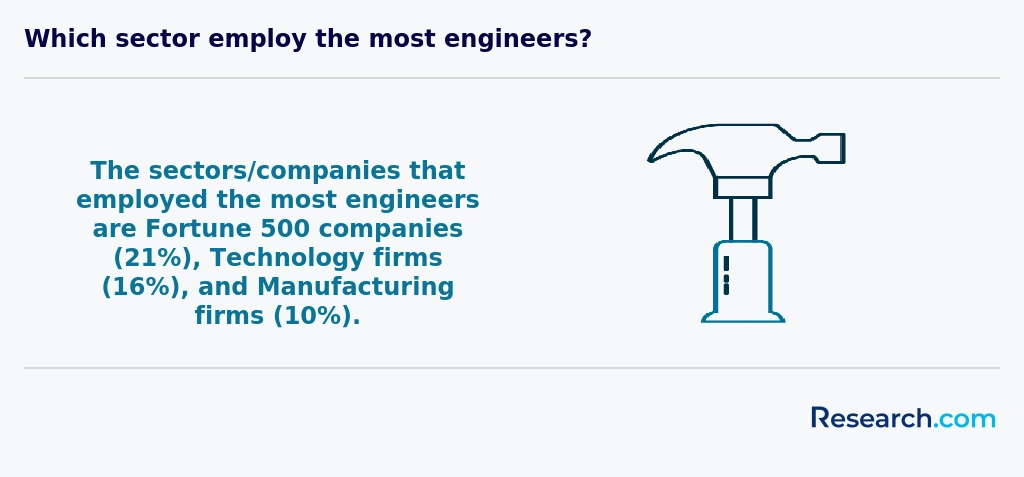
Graduates with an engineering degree in Miami discover a variety of fulfilling career opportunities that match the city's dynamic economy. Many find rewarding roles in civil engineering, working on vital infrastructure projects like bridges and urban development, directly impacting the city's growth and resilience. Electrical and computer engineering graduates often join local technology firms or telecommunications companies, applying their skills to improve communication networks and electronic systems in this vibrant tech hub.
Mechanical engineering alumni benefit from Miami's connection to aerospace industries, where hands-on involvement with design and testing near launch operations creates exciting challenges. Environmental engineering attracts growing interest among Miami graduates eager to address climate change and sustainability concerns through innovative water management and renewable energy projects. Local graduates from universities across Miami often reflect positively on the practical experiences and internships that helped shape these diverse career paths.
If you're exploring engineering career opportunities in Miami, consider that many peers find that aligning their studies with emerging local industries enhances both their job prospects and personal fulfillment. For those weighing options, it may be helpful to review programs tailored to your interests, including those listed as the easiest phd to obtain, which can guide advanced specialization.
The job market for engineering degree holders in Miami offers promising opportunities driven by the city's expanding industries. Graduates from institutions like the University of Miami and Florida International University often find themselves stepping into roles connected to infrastructure, technology, and environmental sustainability. Miami's ongoing urban development projects demand civil and structural engineers who can envision and execute complex designs, while the rise of tech startups brings increased demand for electrical and computer engineers.
Those exploring engineering degree employment opportunities in Miami often note how affordable tuition at local public universities makes entering this career path accessible. Graduates recall starting salaries near $60,000, with room to grow significantly-experienced specialists can earn beyond $110,000 annually. Real-life experiences reflect a varied job outlook for engineers in Miami; some find fulfilling roles in energy sustainability or aerospace sectors, fueled by the city's environmental and manufacturing needs.
Students aiming for a swift transition into the workforce might consider exploring the fastest masters degree online options available to deepen expertise and boost employability in this vibrant job market.
2027 Most Popular Engineering Degree Programs Ranking in Miami
Investing in your education is a significant decision that can shape your future, and the Research.com team understands the importance of making informed choices. To assist prospective students in Miami, we have carefully developed the "2027 Most Popular Engineering Degree Programs Ranking in Miami." Our dedication to quality, credibility, and accuracy is demonstrated through the thorough research and analysis underlying this ranking.
We utilized the following reputable data sources to ensure a comprehensive evaluation of engineering degree programs:
By exploring this ranking, readers will gain valuable insights into the most popular engineering degree programs in Miami, empowering them to make well-informed decisions about their educational journeys. For more information about how this ranking was created, please visit our Research.com methodology page.

Frequently Asked Questions About engineering
Engineering students in Miami can maximize their learning by engaging in hands-on experiences offered through local universities like the University of Miami and Florida International University. These institutions provide access to state-of-the-art labs and industry partnerships that enhance practical skills. According to the Florida Department of Education, internships and co-op programs significantly boost job readiness for engineering graduates in the state.
Networking with local professionals through Miami's active engineering societies, such as the Miami Chapter of the American Society of Civil Engineers, offers valuable mentorship and career guidance. Additionally, students should take advantage of workshops and seminars tailored to emerging fields like renewable energy and smart infrastructure, sectors growing in Miami's economy.
Emerging niches within the engineering field in Miami reflect the city's growing industries and innovation hubs. Sustainable engineering is gaining traction, driven by the region's focus on climate resilience and coastal protection. According to the U.S. Bureau of Labor Statistics, environmental engineering jobs are expected to grow by 8% nationally through 2032. Additionally, biomedical engineering is expanding, supported by Miami's investment in health technology and medical research centers.
Software and data engineering are also notable fields, as Miami becomes a growing tech hub. The demand for engineers skilled in artificial intelligence and cybersecurity is rising, with Miami-Dade colleges offering specialized programs to meet this need. These niches combine to create diverse opportunities for engineering students in the region.
Preparing for the job market after completing an engineering degree in Miami involves several key steps. Students should engage in internships early, as Miami has a growing engineering sector linked to its ports, aerospace, and technology firms. According to the U.S. Bureau of Labor Statistics, engineering jobs in Florida are expected to grow by 8% through 2030.
Networking is crucial; attending local career fairs and joining engineering societies like the Florida Engineering Society can connect graduates to employers. Additionally, obtaining professional certifications such as the Fundamentals of Engineering (FE) exam boosts employability.
Strong communication and software skills, including CAD and programming, remain highly sought after by Miami employers in this competitive market.
Employers in Miami highly value engineering graduates who demonstrate strong technical proficiency, particularly in software tools like AutoCAD, MATLAB, and SolidWorks. According to the National Association of Colleges and Employers, more than 70% of engineering employers seek graduates with hands-on experience in these areas.
Problem-solving skills rank equally high. Miami's growing infrastructure and tech sectors need engineers who can tackle complex projects efficiently. Communication skills are essential, as teams often include diverse members and clients.
In addition, knowledge of sustainable engineering practices is increasingly important. The Miami-Dade County Office of Resilience emphasizes green design principles, encouraging engineers to contribute to climate-adaptive solutions.
Finally, teamwork and adaptability remain critical. Employers look for graduates who can collaborate and adjust to evolving technologies and regulations in Miami's dynamic engineering landscape.
Finding internships in Miami related to engineering degrees requires a strategic approach. Many universities in Miami, such as the University of Miami and Florida International University, offer strong career services that connect students with local companies. These services often list internships tailored to engineering disciplines.
Miami's growing tech and construction industries provide opportunities in civil, electrical, and software engineering. Websites like Handshake and the Miami-Dade Chamber of Commerce also list internships specifically for engineering students. According to the National Association of Colleges and Employers, internships increase job prospects by 60%, making early application crucial.
Obtaining an engineering degree in Miami can significantly enhance career mobility and advancement opportunities within the region's growing economy. Miami's engineering sector spans aerospace, civil, and environmental fields, driven by investments in infrastructure and technology. According to the U.S. Bureau of Labor Statistics, Miami's metropolitan area has a steady demand for skilled engineers, with growth projected at about 5% through 2031.
Engineers with degrees often qualify for higher-paying roles; the median annual wage for engineers in Miami was approximately $85,000 in 2023, compared to $50,000 for similar occupations without degrees (BLS data). Degrees also unlock leadership and specialized positions, making graduates more competitive in Miami's evolving job market. Certifications and advanced degrees further boost promotion chances.
Studying for an engineering degree in Miami offers distinct advantages for those seeking interdisciplinary roles. Miami's engineering programs often integrate coursework from business, computer science, and environmental studies, reflecting the city's diverse economic landscape. This broad curriculum equips students with skills beyond traditional engineering, fostering adaptability.
Local universities collaborate with industries such as aerospace, biotechnology, and urban development, providing practical exposure to real-world challenges that require cross-disciplinary knowledge. According to Miami-Dade College data, over 30% of engineering graduates engage in internships spanning multiple fields.
The emphasis on teamwork and problem-solving within varying contexts prepares graduates to navigate complex projects successfully.
When choosing between a thesis and a non-thesis engineering degree program in Miami, consider your career goals first. Thesis programs emphasize research, preparing students for doctoral studies or roles in R&D. This option typically involves completing a research project and a thesis document.
Non-thesis programs focus more on coursework and practical skills, appealing to those aiming to enter the workforce directly after graduation. According to Miami Dade College and University of Miami data, roughly 40% of engineering students prefer non-thesis tracks to accelerate job placement.
In Miami's growing tech and manufacturing sectors, employers often value hands-on experience, which non-thesis programs provide through internships and projects.
Financially, non-thesis programs may be shorter, lowering tuition costs and living expenses.
Students in Miami seeking to study engineering abroad have several structured options through their local institutions. Many universities in Miami, such as the University of Miami and Florida International University, offer established study abroad programs tailored for engineering students. These programs facilitate semesters or summers at partner schools in Europe, Canada, and Asia, enhancing global engineering expertise.
According to the Institute of International Education, Miami's engineering undergraduates participate in exchange programs emphasizing practical experience and cultural immersion. This exposure is essential in an increasingly globalized job market, particularly in sectors like aerospace and civil engineering.
Additionally, Miami students can access U.S. national initiatives like the Gilman Scholarship, which supports studying STEM fields abroad. This financial assistance helps reduce costs for international study, widening options for Miami's engineering students.
Miami offers various part-time job opportunities that can complement an engineering degree education. Internships or assistant roles in local engineering firms provide hands-on experience in fields such as civil, electrical, and mechanical engineering. According to the Greater Miami Chamber of Commerce, the city's growing infrastructure and technology sectors create demand for student workers.
Positions in research labs at universities, like the University of Miami, allow students to engage directly with ongoing engineering projects. Additionally, roles in tech startups or manufacturing companies help build practical skills in problem-solving and project management. Retail or technician jobs within electronics or automotive sectors also provide relevant technical exposure.
Engineering students in Miami have access to diverse networking opportunities within the city's growing tech and industrial sectors. The University of Miami and Florida International University both host career fairs that attract regional employers, including aerospace, civil, and software engineering firms. According to the Miami-Dade Beacon Council, over 150 engineering and tech companies operate locally, providing internships and mentorship programs tailored for students.
Professional organizations, such as the Miami chapter of the American Society of Civil Engineers (ASCE) and the Society of Women Engineers (SWE), regularly organize events and workshops, fostering connections between students and industry professionals. Additionally, Miami's annual conferences on marine and environmental engineering offer valuable chances to engage with experts and peers.
Alumni networks play a significant role in supporting engineering degree students in Miami by providing access to industry connections, mentorship, and job opportunities. Many Miami-based universities maintain active alumni groups, which help graduates connect with professionals working in key sectors such as technology, construction, and aerospace. According to the Miami-Dade Economic Advocacy Trust, over 70% of engineering graduates in Miami find employment through alumni referrals or networking events. These networks also offer guidance on career development, internships, and continuing education, which can be vital in a competitive job market. Strong alumni ties enhance students' understanding of local industry trends and employer expectations.
In Miami, students can customize their engineering degree programs by selecting concentrations aligned with local industry demands, such as civil, electrical, or biomedical engineering. Many universities offer flexible curricula allowing elective courses tailored to career goals. For example, students may choose internships or cooperative education with Miami's growing tech and healthcare sectors to gain hands-on experience.
Advisors often help design personalized study plans combining core engineering principles with specialized classes. According to Miami-Dade College, simultaneous enrollment options enable taking courses at multiple institutions, broadening learning opportunities.
Additionally, certificate programs in project management or sustainable engineering can enhance skills relevant to Miami's infrastructure projects.
Engineering students in Miami often face several common challenges related to academic rigor and local industry demands. The intensive coursework, including advanced mathematics and physics, requires strong time management and problem-solving skills. According to the National Science Foundation, retention rates for engineering majors nationwide hover around 40-50%, reflecting the program difficulty.
Miami's diverse population means students sometimes encounter language barriers, impacting collaboration and comprehension. Additionally, high living costs in Miami can create financial stress, since tuition combined with local expenses may exceed $25,000 annually for many public institutions.
Moreover, limited internship opportunities in specialized engineering fields pose difficulties in gaining practical experience locally, prompting students to seek placements elsewhere. These factors collectively shape the unique academic landscape for Miami engineering students.
With an engineering degree, Miami students can pursue several professional certifications to enhance their careers. The most recognized is the Professional Engineer (PE) license, granted after passing the Fundamentals of Engineering (FE) exam and gaining work experience, typically four years. This certification is crucial for engineers who wish to offer services directly to the public.
Other valuable certifications include the Project Management Professional (PMP) and certifications in specialized fields, such as Certified Manufacturing Engineer (CMfgE) or Six Sigma. Local Miami employers value these credentials for advancing technical and managerial roles.
According to the National Society of Professional Engineers, about 25% of engineers nationwide hold a PE license, reflecting strong professional demand.
Writing a winning application for an engineering program in Miami requires clear focus and preparation. Start by researching programs at local institutions like the University of Miami and Florida International University, both known for strong engineering faculties. Highlight your academic achievements, especially in math and science courses, as these subjects are crucial for engineering admissions.
Including relevant hands-on experiences, such as internships or robotics competitions, can significantly strengthen your application. Miami's engineering programs emphasize practical skills and innovation, so demonstrate problem-solving abilities and teamwork.
Additionally, ensure your personal statement clearly explains your interest in engineering and your future goals. According to the National Center for Education Statistics, engineering programs in Florida have grown by 8% in enrollment recently, increasing competition. Submit all required standardized test scores, transcripts, and letters of recommendation on time to avoid delays.
The global perspective on an engineering career highlights its strong and growing demand, especially in regions like Miami where technology and infrastructure investments are increasing. According to the U.S. Bureau of Labor Statistics, jobs in engineering fields are expected to grow by 4% nationally from 2022 to 2032. In Miami, this growth is fueled by industries such as aerospace, renewable energy, and urban development.
Engineering offers diverse opportunities worldwide, blending innovation with practical problem-solving. Miami's proximity to Latin America also creates unique cross-border engineering collaborations and career pathways. Furthermore, many Miami engineering programs emphasize global standards and certifications, preparing students for international careers. This aligns with global trends valuing engineers who can work across cultures and regulatory environments.
Gaining practical experience while studying for an engineering degree in Miami is essential for career readiness. Many Miami universities, such as Florida International University, offer cooperative education (co-op) programs that alternate classroom learning with paid work in engineering firms. These opportunities give students hands-on experience and industry connections.
Internships are another valuable way to gain real-world skills. Local companies in Miami's growing aerospace, civil, and renewable energy sectors frequently seek engineering interns, providing diverse learning environments. According to the Miami-Dade Beacon Council, the region added over 1,500 engineering jobs in 2023, increasing internship availability.
Additionally, joining engineering clubs and participating in design competitions organized by institutions like the American Society of Civil Engineers enhances practical skills and teamwork.
Choosing the right concentration within an engineering degree program in Miami involves evaluating your interests, career goals, and local industry demands. Miami offers growing opportunities in civil, electrical, and environmental engineering fields due to its expanding infrastructure and focus on sustainability. According to the U.S. Bureau of Labor Statistics, Miami's engineering sector expects a steady growth rate of about 5% through 2029, particularly in renewable energy and transportation.
Prospective students should research program curriculum and internships offered by Miami's universities, such as the University of Miami and Florida International University, both recognized for applied engineering education. Aligning your choice with Miami's robust construction and technology sectors can increase your employment prospects.
- 2027 Most Popular Engineering Degree Programs Ranking in Boca Raton
- 2027 Most Popular Engineering Degree Programs Ranking in Orlando
- 2027 Most Popular Engineering Degree Programs Ranking in Daytona Beach
- 2027 Most Popular Engineering Degree Programs Ranking in Jacksonville
- 2027 Most Popular Engineering Degree Programs Ranking in Tallahassee
- 2027 Most Popular Engineering Degree Programs Ranking in Atlanta
- 2027 Most Popular Engineering Degree Programs Ranking in Birmingham
- 2027 Most Popular Engineering Degree Programs Ranking in New Orleans
- 2027 Most Popular Engineering Degree Programs Ranking in Huntsville
- 2027 Most Popular Engineering Degree Programs Ranking in Baton Rouge
See What Experts Have To Say About Studying Engineering
Read our interview with Engineering experts

Joseph Reichenberger
Engineering Expert
Professor of Civil Engineering & Environmental Science
Loyola Marymount University

Bohdan W. Oppenheim
Engineering Expert
Professor Emeritus of Healthcare Systems Engineering
Loyola Marymount University

Jasna Jankovic
Engineering Expert
Associate Professor
University of Connecticut

- Engineering work experience | This is Engineering https://thisisengineering.org.uk/become-an-engineer/work-experience/
- The Rise of the Niche Engineer https://www.sterling-engineering.com/niche-engineer/
- 6+ Engineering Cover Letter Examples (with In-Depth Guidance) https://www.tealhq.com/cover-letter-examples/engineering
- Miami’s Best Universities for Engineering - Florida Brazil.org https://floridabrazil.org/miamis-best-universities-for-engineering/
- The engineering career mobility report: Who gets promoted? https://www.signalfire.com/blog/engineering-career-trends-pt1
- Know more about thesis vs non- thesis: what is the difference? https://studyfans.com/en/blogs/816
- engineering degree - Tłumaczenie po polsku - Słownik angielsko-polski Diki https://www.diki.pl/slownik-angielskiego
- Engineering Study Abroad Programs | Go Overseas https://www.gooverseas.com/study-abroad/engineering
- Mechanical Engineering at University of Miami https://www.studentstraffic.com/university-of-miami-mechanical-engineering-bs-fees
- Best Engineering colleges in Miami https://www.universities.com/find/miami/best/engineering