
2027 Most Affordable Online Engineering Degree Programs Ranking in the Midwest

Co-Founder and Chief Data Scientist
Choosing the right engineering degree program can feel overwhelming, especially when balancing quality and affordability. This article introduces the 2027 Most Affordable Online Engineering Degree Programs Ranking in the Midwest, carefully crafted by the Research.com team of data scientists. It's designed to help you confidently explore the best options for your future.
Discover programs that offer both value and flexibility, making it easier to achieve your career goals without unnecessary financial stress. Whether you're starting fresh or advancing your skills, this guide supports your journey toward a rewarding engineering degree.
Key benefits of getting online engineering degree in the Midwest
- Mechanical engineers in the Midwest earn a mean annual wage of about $105,220, while electrical engineers make around $117,680, offering strong financial rewards for online degree graduates.
- Graduates from popular Midwest universities often pursue careers in diverse fields such as civil, industrial, electrical, and mechanical engineering, providing many exciting opportunities to grow and specialize.
- Online engineering degrees offer flexible schedules and reduced costs, making it easier for students to balance work and study while gaining valuable skills comparable to traditional programs.
- 2027 Most Affordable Online Engineering Degree Programs Ranking in the Midwest
- What can I expect from online engineering degree in the Midwest?
- Where can I work with online engineering degree in the Midwest?
What can I expect from online engineering degree in the Midwest?
The average cost of an online engineering degree in the Midwest typically ranges between $10,000 and $25,000 per year, depending on whether you qualify for in-state tuition discounts. Graduates from popular public universities in Indiana and Missouri often share how accessible tuition rates made balancing work and study feasible without incurring heavy debt. For example, many found that enrolling as an out-of-state student still offered competitive pricing due to regional tuition policies.
Unlike coastal schools, Midwestern institutions often provide affordable options without sacrificing ABET accreditation, which is essential for ensuring degree recognition by employers. Students appreciate this, especially when managing tight budgets while gaining valuable skills through virtual labs and project-based learning embedded in these programs.
One graduate from a well-known Midwest university recalled how cost savings allowed them to focus on advanced courses and networking opportunities with local industries, ultimately leading to internships and job offers. This practical balance of affordability and quality is a common reason why many choose Midwestern online engineering programs.
Where can I work with online engineering degree in the Midwest?
Graduates with an online engineering degree from respected Midwest institutions like Purdue University or the University of Illinois often find ample opportunities in well-established sectors such as manufacturing and automotive. Many alumni secure roles at companies like Ford and John Deere, where their degrees support careers in mechanical or industrial engineering focused on process improvement and automation.
For those interested in civil engineering, cities like Chicago and Minneapolis offer vibrant job markets due to ongoing infrastructure projects funded by federal grants. Graduates from schools such as the University of Michigan appreciate how their accredited online degrees open doors to local government agencies and construction firms needing expertise in design and project management.
Electrical and computer engineering graduates frequently join the growing tech hubs in Illinois and Missouri, working on renewable energy solutions and smart grid technologies. Practical internship experiences combined with ABET-accredited online programs help alumni transition confidently into roles at startups and energy companies actively investing in research and development.
Students report that demonstrating relevant hands-on experience alongside their online degrees truly boosts employer confidence, allowing them to compete effectively with traditional degree holders in the Midwest job market.
Graduates from online engineering programs at well-known Midwestern institutions often start with salaries near $60,000 to $70,000, reflecting regional industry demands. For instance, a mechanical engineering graduate from a major public university in Michigan reported quickly moving to a $105,220 annual salary, matching the 2023 U.S. Bureau of Labor Statistics mean wage for mechanical engineers in the region. Similarly, electrical engineering alumni from online programs based at Illinois colleges are seeing averages around $117,680 per year, highlighting strong earnings potential in technology hubs like Chicago and Indianapolis.
Civil engineers educated through online degrees from Ohio-based universities typically earn about $101,160 annually, consistent with stable infrastructure investments in the Midwest. Graduates focusing on industrial engineering, often trained via programs at schools around Minnesota, find mean wages near $103,150, supported by the region's robust manufacturing sector.
These salary figures reflect practical career steps-starting with accredited ABET programs online, graduates gain competitive skills employers want. Many report steady raises as industry experience grows, with mid-career professionals enjoying significant financial rewards. Leveraging local job markets in metropolitan areas ensures graduates capitalize on both education and regional economic strengths.
- Online engineering degrees in the Midwest cover electrical, mechanical, civil, and software engineering fields and are often ABET-accredited.
- Bachelor's programs at public universities cost between $20,000 and $40,000, while private universities can charge over $50,000.
- In-state tuition rates usually apply to online students, helping reduce overall costs.
- Starting salaries for engineering graduates range from $60,000 to $70,000, with experienced engineers earning $90,000 to $110,000 annually.
- The Midwest job market for engineers is expected to grow by 5% to 8% over the next decade.
- Many online programs include virtual labs and project-based learning, helping students gain practical skills while working.
Completing an online engineering degree in the Midwest typically takes about four years for a bachelor's degree if you study full-time. For example, graduates from institutions like Purdue University or the University of Illinois have found this timeline manageable while balancing work and family. Many programs offer flexible pacing, which allows you to adjust course loads to fit your schedule, extending your studies if needed without losing momentum.
Associate degrees usually take two years and are ideal if you want a quicker entry into engineering-related careers or plan to transfer credits later toward a bachelor's. Students at community colleges such as Joliet Junior College often use this route to save money and time before moving on.
For master's degrees, expect about 18 to 24 months full-time, though working professionals at places like Michigan State University often take 3 to 4 years pacing their courses. Transferring credits and off-semester course availability can further speed up or slow down your progress, so planning ahead is key.
Choosing accredited programs ensures your education meets rigorous industry standards and remains valued by employers. Key quality indicators include:
- ABET accreditation alongside regional accreditation for program credibility
- Faculty with advanced degrees and real-world engineering experience
- Virtual labs, local facility partnerships, and simulation tools for hands-on learning
- Industry advisory boards that keep curricula aligned with current practices
- Dedicated career services and internship pipelines
Explore top online engineering degrees that meet these standards.
Online and on-campus engineering degrees in the Midwest differ mainly in how you access your education and interact with the learning environment. Graduates from universities like the University of Illinois Urbana-Champaign often share that on-campus programs provide vital hands-on experience through labs and workshops, which build practical skills through direct collaboration with peers and professors.
Conversely, those who chose online options at schools such as Michigan State University appreciate the flexibility to study anywhere, allowing them to balance work or family while progressing at their own pace. Online students frequently mention the convenience of virtual labs and recorded lectures, which help them absorb complex concepts despite not being physically present on campus.
Cost-wise, both formats hover around $10,000 to $15,000 annually for in-state students, though online programs sometimes save on campus-related fees. Students advise ensuring the program is ABET-accredited to secure future licensure and employment.
Networking differs too: on-campus students access immediate social and career-building opportunities; online learners succeed by proactively engaging in virtual communities. Understanding these realities helps Midwest students choose the path that best fits their lifestyle and goals.
Online engineering students in the Midwest benefit from comprehensive support systems designed to foster academic success and career readiness. From day one, accredited programs provide dedicated academic advising, ensuring course selections align with individual goals and transfer credits are appropriately applied. Many institutions offer 24/7 technical support to troubleshoot platform issues, access virtual labs, and maintain uninterrupted learning. Peer-to-peer networking is facilitated through virtual study groups and student organizations, creating a collaborative environment where learners share insights and solve complex problems together. Libraries have adapted to digital formats, granting online students remote access to scholarly journals, e-books, and specialized engineering databases. Supplemental tutoring services and writing centers further reinforce foundational concepts in mathematics, physics, and programming. Career development is a critical pillar of support: students receive personalized resume reviews, mock interviews, and job placement assistance. Universities often host virtual career fairs and alumni panels, connecting current students with professionals in mechanical, electrical, and civil engineering fields. Counseling centers and wellness resources address mental health and work–life balance, reflecting the holistic approach needed for success in rigorous STEM programs. To gauge how support structures compare across regions, prospective learners can explore our Affordable Engineering Degree Programs Ranking in Virginia, which highlights institutions excelling in student services alongside affordability. By leveraging these resources, online engineering students in the Midwest can stay motivated, overcome challenges, and transition smoothly from the virtual classroom to the professional world.
The average cost of an online engineering degree in the Midwest typically centers around $34,488, with significant variations based on residency. For in-state students, the median total cost is closer to $19,800, making Midwest public universities the most affordable option. Out-of-state students generally face higher expenses, with median costs near $24,360. These figures reflect tuition, fees, and related costs, providing a realistic budgeting baseline.
Many graduates from popular schools such as the University of Illinois at Urbana-Champaign report that affordable tuition combined with online flexibility made completing their degrees manageable while balancing work and family. Similarly, those enrolled at Michigan Technological University benefit from a per-credit cost of about $400 for residents, leading to a total around $24,000 to $30,000 for a full program. These numbers underscore the value found in the Midwest for students seeking quality education without excessive debt.
Practical students preparing for their engineering education should factor in additional fees like technology charges and exam proctoring, which can add a few hundred dollars annually. However, many programs offer scholarships and financial aid that reduce the effective cost substantially. Those evaluating the average cost of online engineering degree Midwest should also explore options at institutions known for affordable, respected programs such as the valuable engineering school in Minnesota.
With these tangible figures, prospective students can confidently plan finances knowing the Midwest provides competitive tuition rates for online engineering degrees, balancing quality and cost efficiently.

To afford an online engineering degree in the Midwest, start by exploring federal aid like Pell Grants and Direct Loans. Many graduates from schools like the University of Illinois Urbana-Champaign found Pell Grants, which can cover up to $7,395 a year, a crucial boost in their budget. Direct Loans offer manageable repayment terms, so applying early helps ease financial pressure.
State grants are another key resource. Students at Ohio State University often rely on Ohio's merit scholarships, while those attending Michigan Technological University benefit from Michigan's state aid programs. These grants are typically tied to residency and academic performance, making them achievable goals for local students.
Don't overlook institutional scholarships. Many Midwestern universities, such as Purdue University, provide targeted scholarships for engineering students, including those studying online. Early communication with the financial aid office revealed to past students how personalized awards helped reduce tuition burdens.
Working professionals should check employer tuition assistance programs. Nearly 60% of employers nationally support tuition reimbursement, a lifeline for balancing work and study, as reported by former online learners at Northern Illinois University.
Finally, search external scholarships from organizations like the American Society of Civil Engineers and IEEE. Previous recipients share how winning these scholarships not only funded their education but also boosted confidence and professional networking.
While online engineering degrees offer flexibility and affordability, prospective students should also consider the challenges that come with remote learning. Time management is often cited as one of the biggest hurdles; without the structure of a traditional classroom, students may struggle to stay motivated and organized. To overcome this, it's essential to create a dedicated study schedule and set clear goals for each semester. Networking and collaboration can also be more challenging in a virtual environment, which may affect learning and professional opportunities. Engaging in online discussion boards, virtual group projects, and using social media platforms for academic networking can help bridge that gap. Additionally, students may face technical limitations such as unreliable internet connections or outdated hardware, which can hinder smooth participation in virtual labs and courses. Investing in quality technology and ensuring access to technical support can significantly enhance the online learning experience. For those looking for institutions that provide a robust blend of online education with ample support resources, exploring options at a valuable engineering school in minnesota could be highly beneficial. Understanding these challenges and implementing proactive strategies to address them ensures that students not only succeed academically but also fully leverage the benefits of an online engineering program. This awareness also builds a realistic expectation of the demands of remote study, helping prospective students make informed decisions about their educational investments.
To enroll in an online engineering degree program in the Midwest, you'll first need a high school diploma or GED. Graduates from universities like the University of Illinois or Michigan State often recall building strong foundations in algebra, geometry, trigonometry, and physics before advancing to calculus and chemistry. These courses are essential, so plan to review or strengthen these areas if needed.
Midwest programs typically expect a minimum GPA around 2.5 to 3.0. If your GPA is borderline, submitting SAT or ACT scores-even if optional-can boost your application. Many who have succeeded at schools like Purdue University found this step helpful in demonstrating readiness.
Practical skills matter: basic computer literacy and stable internet access are crucial since all coursework, discussions, and projects happen online. Graduates often emphasize setting up a quiet study space at home with reliable Wi-Fi.
If you have prior college credits or an associate's degree, many Midwest schools accept transfers with grades of C or better, shortening your pathway. Finally, be ready to provide recommendation letters or personal statements to highlight your motivation and work ethic, helping admission teams see your potential beyond grades.
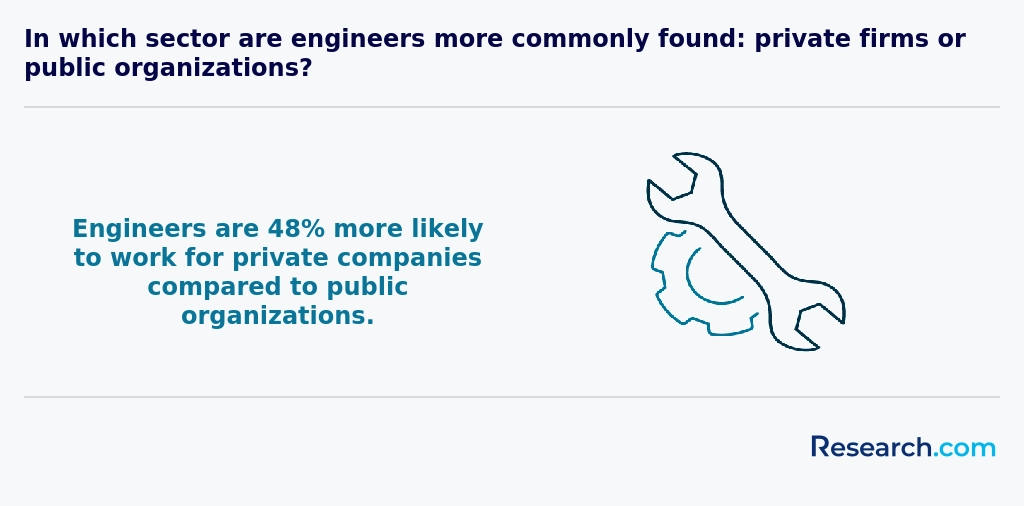
Online engineering programs in the Midwest often provide robust support systems designed to keep you on track and engaged from enrollment to graduation.
- Dedicated academic advisors guide course selection and degree planning
- Virtual tutoring centers offer real-time help in math, physics, and writing
- 24/7 technical support ensures smooth access to learning platforms and software
- Digital libraries and engineering databases supply essential research materials
- Career services deliver resume reviews, interview preparation, and virtual job fairs
- Peer mentoring programs and alumni networks foster professional connections
For more on top online engineering degrees, check our affordability ranking.
Online engineering degrees in the Midwest are built around a practical sequence of courses that balance theory and hands-on learning. Graduates from universities like Purdue or the University of Illinois often recall starting with core subjects such as Introduction to Engineering, Calculus and Differential Equations, and Physics for Engineers. These foundational classes build the essential problem-solving skills needed in any engineering field.
Once basic knowledge is secured, students typically choose specialized tracks. For example, one graduate focusing on mechanical engineering described tackling courses like Thermodynamics and Heat Transfer and Control Systems as key to understanding real-world applications such as designing efficient heating systems or automated machinery.
Civil engineering students at Midwestern colleges often highlight learning Structural Analysis and Computer-Aided Design (CAD) to prepare for tasks like assessing building safety or drafting project blueprints. Meanwhile, electrical engineering paths include Circuits and Electronics, offering insights into the devices powering modern technology.
Beyond technical work, all students appreciate courses in engineering ethics and project management, which sharpen communication and leadership skills essential in team-based projects common in the Midwest's engineering workforce.
Online engineering specializations Midwest programs typically include Civil, Mechanical, Electrical, Software and Computer, and Industrial Engineering. Graduates from popular universities in Illinois and Michigan often recall how Civil Engineering courses prepared them to manage real-world infrastructure projects supporting the region's urban expansion. Mechanical Engineering students, especially those near Detroit and Dayton, find the connection to automotive and manufacturing industries especially motivating, strengthening their career readiness.
Electrical Engineering specializations focus on industries like renewable energy and electronics manufacturing, common in states such as Ohio and Indiana. Meanwhile, Software and Computer Engineering options attract those interested in the fast-growing tech scenes of Chicago and Minneapolis, where many graduates have transitioned into thriving careers detailed in careers in coding. Industrial Engineering programs emphasize process optimization that directly benefits Midwest manufacturing and supply chains, an appealing path for students seeking practical impact.
Choosing these paths ensures alignment with regional demand and accessible, affordable education tailored to the Midwest's economy and workforce.
Start by confirming the program's ABET accreditation, which guarantees the engineering curriculum meets rigorous industry standards-something graduates from top Midwestern universities consistently praise for easing their licensure process. Next, focus on the engineering discipline that matches your career goals. For example, many students drawn to industrial engineering find strong programs at schools renowned for their manufacturing ties in the Midwest.
Cost plays a big role: online programs often have different tuition rates for in-state versus out-of-state students. Comparing fees helps you find affordable online engineering degrees Midwest-wide. Graduates often recommend exploring public institutions that offer competitive rates without sacrificing quality.
Look for programs offering real flexibility-like asynchronous classes and robust student support services-to juggle work and family. Many Midwestern universities provide platforms with interactive labs and career counseling, giving online students confidence in their learning experience. Finally, check graduation rates and employment outcomes; strong local industry connections mean better internship and job opportunities, a key insight shared by successful alumni. For more on costs, explore the Affordable Engineering Degree Programs Ranking in Virginia.
Graduates with an online engineering degree in the Midwest find a variety of career paths tailored to the region's economic strengths. Civil engineering roles are especially abundant, with graduates contributing to infrastructure projects like roads and bridges around universities known for strong engineering programs. Mechanical engineering careers flourish in manufacturing hubs such as Detroit and Chicago, where alumni work on design and production improvements. Electrical engineering is another promising option, particularly for those interested in renewable energy efforts in Minnesota and Michigan.
Industrial engineering offers opportunities focused on enhancing efficiency in the robust Midwest manufacturing and logistics sectors. Software and computer engineering careers are growing rapidly, with local tech scenes expanding in cities near popular colleges, offering graduates vital roles in developing embedded automotive systems and smart technologies. Those exploring online engineering degree careers Midwest should consider several fields, aligning personal interests with regional demand while appreciating the flexibility online programs provide. For those still exploring options, researching different college majors can also help clarify the best fit.
The job market for online engineering degree graduates in the Midwest remains strong, especially in metropolitan hubs like Chicago, Detroit, and Indianapolis. Many graduates from well-known schools find roles in mechanical, civil, and electrical engineering, benefiting from steady demand driven by infrastructure projects and automotive innovation.
Graduates from online programs often share positive experiences about landing jobs with competitive starting salaries typically ranging between $60,000 and $75,000. These figures align well with the regional demand, making Midwest engineering careers for online graduates increasingly promising. For example, graduates from renowned institutions often gain hands-on experience through internships facilitated by local Fortune 500 companies, boosting their employability.
Cost-effective tuition at public universities and flexibility in scheduling attract many students to pursue these degrees online. This approach helps manage expenses, while competitive wages mean many can recoup tuition within a few years. For students seeking a practical balance, exploring the easiest online bachelor's degree options can offer a manageable path to enter the Midwest engineering job market.
2027 Most Affordable Online Engineering Degree Programs Ranking in the Midwest
Investing in one's education is a significant decision that can impact future career opportunities, and the Research.com team is fully aware of the responsibility that comes with providing reliable guidance. To support prospective students seeking affordable engineering degrees in the Midwest, we have carefully developed the "2027 Most Affordable Online Engineering Degree Programs Ranking in the Midwest." Our dedication to quality, credibility, and accuracy is demonstrated through thorough research and analysis incorporating multiple trusted data sources.
We utilized the following reputable data sources to create this ranking:
By reviewing this ranking, readers will receive clear, trustworthy insights into affordable online engineering degree options in the Midwest, enabling informed decisions about their educational investment. For further details on our ranking methodology, please visit our Research.com methodology page.



# 9 position
Pittsburg State University
Master of Technology (emphasis in Automotive; Construction; Human Resources; Technology Management; Innovation Engineering)

# 10 position
University of Illinois Chicago
Master of Engineering with a concentration in AI and Machine Learning


# 16 position
South Dakota School of Mines and Technology
Master of Construction Engineering and Management

# 17 position
Kettering University
Master of Electrical and Computer Engineering - Advanced Mobility


# 19 position
Michigan Technological University
Doctor of Mechanical Engineering-Engineering Mechanics


Frequently Asked Questions About engineering
Students pursuing online engineering degrees in the Midwest can maximize their learning by actively engaging with digital resources and faculty. Utilizing virtual labs and simulation tools, commonly available through Midwest universities like Purdue and the University of Illinois, enhances practical understanding. The Midwest houses strong engineering industries, making local internships and co-op programs valuable for hands-on experience even for online students.
Networking through regional professional organizations such as the American Society of Mechanical Engineers (ASME) Midwest section fosters mentoring and job opportunities. Additionally, maintaining a disciplined schedule and participating in group projects improves retention. According to the National Center for Education Statistics, 65% of Midwest engineering students benefit from such active learning strategies.
The engineering field is continuously evolving, with several emerging niches gaining prominence, especially in the Midwest. One significant area is renewable energy engineering, driven by the region's investment in wind and solar power projects. According to the U.S. Energy Information Administration, the Midwest has seen a 20% increase in wind energy capacity since 2019.
Another growing niche is biomedical engineering, fostered by partnerships between universities and healthcare industries in cities like Minneapolis and Cleveland. Data from the National Science Foundation shows a 15% increase in biomedical engineering graduates in the Midwest over the past five years.
Additionally, software and systems engineering focused on automation and smart manufacturing are expanding due to the region's manufacturing base modernizing its technology.
After completing an online engineering degree in the Midwest, preparing for the job market involves strategic steps to enhance employability. First, gaining relevant internship or co-op experience is crucial. Many Midwestern companies, especially in states like Michigan and Ohio, look for hands-on skills alongside academic credentials.
Networking through regional engineering societies such as the Illinois Society of Professional Engineers can provide valuable connections. According to the U.S. Bureau of Labor Statistics, the Midwest region has seen steady growth in engineering jobs, particularly in manufacturing and automotive sectors.
Additionally, obtaining professional certifications, like the Fundamentals of Engineering (FE) exam, significantly boosts job prospects.
Employers in the Midwest highly value a combination of technical and soft skills in engineering graduates. According to the National Association of Colleges and Employers (NACE), strong proficiency in computer-aided design (CAD), programming languages like Python and MATLAB, and data analysis ranks as essential technical skills. Furthermore, problem-solving and critical thinking are consistently highlighted in surveys from Midwest industries such as automotive and manufacturing.
Communication skills are also crucial. Engineering roles increasingly require teamwork and the ability to explain complex concepts clearly to non-engineers. A 2023 report by the Midwestern Engineering Employers Council found that 78% of surveyed employers preferred graduates with hands-on project experience and internships within the region.
Adaptability and lifelong learning are important as technologies evolve rapidly. Employers seek graduates ready to embrace continuous education to keep up with innovations, particularly in fields like renewable energy and smart infrastructure, which are growing sectors in the Midwest economy.
Finding internships in the Midwest relevant to an engineering degree requires a strategic approach backed by regional resources. According to the National Association of Colleges and Employers (NACE), about 60% of engineering students secure internships through university career centers, which often have partnerships with local companies. In states like Michigan, Ohio, and Illinois, industries such as automotive, manufacturing, and technology lead internship opportunities.
Online students should utilize virtual career fairs hosted by Midwestern universities and platforms like Handshake, where employers actively post engineering internships. Additionally, joining professional organizations such as the Society of Women Engineers or the American Society of Mechanical Engineers can provide networking and internship leads specific to the Midwest.
Local economic development agencies and chambers of commerce can also be helpful, as they often promote internships with regional employers eager to support engineering students. Staying engaged with faculty advisors and alumni networks further increases chances of securing relevant practical experience.
An online engineering degree in the Midwest significantly enhances career mobility and advancement opportunities. According to the National Association of Colleges and Employers (NACE), employers increasingly value accredited online degrees, especially in STEM fields like engineering. The Midwest, home to major manufacturing and technology hubs such as Detroit and Minneapolis, offers a growing job market for engineers.
Graduates with online engineering degrees gain flexibility, allowing them to upskill while working. The U.S. Bureau of Labor Statistics projects a 7% growth in engineering jobs in the Midwest between 2022 and 2032, reflecting rising demand.
Moreover, many Midwestern employers recognize online education credentials from regionally accredited institutions, supporting career advancement and higher salaries over time.
Studying for an engineering degree in the Midwest offers unique preparation for interdisciplinary roles, thanks to the region's strong manufacturing, technology, and agricultural sectors. Midwest engineering programs emphasize collaboration between disciplines such as mechanical, electrical, and computer engineering, reflecting the diverse needs of local industries.
Many universities incorporate project-based learning and partnerships with companies like Ford and John Deere, helping students apply theory across fields. According to the National Science Foundation, Midwest institutions rank highly in engineering research focused on integrated systems and sustainable technologies, equipping graduates with versatile skills.
The curriculum also often includes courses in business, data analytics, and communication, further supporting interdisciplinary work environments common in the Midwest job market.
Choosing between a thesis and a non-thesis engineering degree program in the Midwest depends on your career goals and learning style. Thesis programs focus on research and require completing a substantial project, preparing students for roles in R&D or pursuing a PhD. Non-thesis options emphasize coursework and practical skills, appealing to those seeking immediate industry employment.
Many Midwest universities, including those in Illinois and Ohio, offer both paths in their online engineering programs. According to the National Science Foundation, Illinois and Michigan produce over 20% of the nation's engineering graduates, reflecting strong program availability. Consider your time commitment and interest in research when deciding.
Students in the Midwest interested in studying engineering abroad through online programs have limited direct options due to accreditation and licensing constraints. Most U.S. institutions emphasize domestic online engineering degrees that meet ABET accreditation standards, essential for professional recognition. However, some Midwest universities offer exchange programs and partnerships with international institutions, allowing coursework abroad combined with online study.
According to the National Society of Professional Engineers, ABET-accredited degrees remain critical for licensure across all states, including the Midwest. Students should verify whether foreign engineering programs are US-recognized before enrolling. Midwest schools like Purdue and the University of Illinois occasionally enable global study components, but fully foreign online engineering degrees remain rare for U.S. residents seeking licensure.
Part-time jobs that complement engineering degree education in the Midwest often align with hands-on technical experience and industry exposure. Common roles include engineering technician positions at manufacturing firms, where students can apply principles learned in courses. According to the U.S. Bureau of Labor Statistics, the Midwest hosts a significant number of manufacturing and technology companies, providing relevant opportunities.
Internships or co-op positions in automotive, aerospace, and energy sectors are also popular, with states like Michigan and Ohio offering strong job markets. These roles often involve CAD drafting, quality control, or product testing, which build practical skills.
Additionally, many students find roles in research labs or as teaching assistants at their universities, gaining valuable academic and professional experience. Such jobs help reinforce engineering concepts and improve communication skills, crucial for career advancement.
Online engineering students in the Midwest have growing networking opportunities through regional professional organizations such as the Illinois Society of Professional Engineers and the Michigan Society of Professional Engineers. These groups frequently offer virtual events, workshops, and conferences, which help students connect with practicing engineers and industry leaders.
Many Midwest universities also partner with engineering firms and regional businesses to provide internship and co-op opportunities tailored to online learners. According to the National Society of Professional Engineers, Midwest states have seen a 5% increase in engineering job placements through such collaborations since 2020.
Additionally, platforms like LinkedIn host active Midwest-focused engineering groups where students can engage with alumni and recruiters. This virtual networking complements traditional in-person career fairs held by Midwestern institutions, providing multiple avenues for relationship-building.
Alumni networks provide essential support to online engineering degree students in the Midwest by fostering professional connections and opening career opportunities. According to the National Society of Professional Engineers, midwestern states like Illinois and Ohio have significant engineering job markets, making networking crucial for job placement.
These networks offer mentorship programs, helping students gain practical insights and advice from experienced graduates. They also facilitate job referrals, internships, and collaboration on projects, bridging the gap between academic knowledge and industry demands.
Moreover, participation in alumni events and online forums helps students stay updated on regional engineering trends and advances, boosting their career readiness.
Customizing an online engineering degree in the Midwest allows students to align their education with specific career goals. Many universities offer flexible curricula where you can select concentrations such as civil, mechanical, electrical, or software engineering. According to the American Society for Engineering Education, Midwest schools often provide elective courses that focus on emerging technologies like renewable energy and automation.
Students may also choose internships or project options that relate directly to local industries, such as manufacturing in Michigan or agriculture technology in Iowa. Collaborating with academic advisors ensures that course choices meet both licensure requirements and employer expectations in the region.
Additionally, accredited programs provide opportunities to gain certifications alongside degrees, enhancing professional credentials and earning potential.
Online engineering students in the Midwest face several notable challenges. One key difficulty is balancing rigorous coursework with work or family commitments, as engineering programs are demanding and require consistent study time. According to the National Center for Education Statistics, about 40% of online students in this region juggle jobs alongside their studies.
Another challenge is limited access to hands-on lab work. Engineering disciplines often require physical experimentation, which is harder to replicate online. Many Midwestern schools try to address this by offering hybrid models or local lab partnerships.
Connectivity and technology barriers also impact students in rural areas, where reliable high-speed internet may be scarce. The Federal Communications Commission reported that approximately 23% of rural Midwestern residents lack broadband access, directly affecting online learning quality.
With an online engineering degree, professionals in the Midwest can pursue several respected certifications that enhance their careers. The most sought-after is the Professional Engineer (PE) license, which requires passing the Fundamentals of Engineering (FE) exam, often considered the first step after graduation. The National Society of Professional Engineers reports that many Midwestern states, like Illinois and Michigan, recognize online degrees from accredited programs for licensure.
Other certifications include the Certified Manufacturing Engineer (CMfgE) and Project Management Professional (PMP). These credentials improve job prospects in manufacturing hubs like Ohio and Indiana. According to the Bureau of Labor Statistics, certified engineers often earn 10-20% higher salaries than non-certified peers in the region.
Writing a winning application for an online engineering program in the Midwest requires clear focus and preparation. Begin by thoroughly researching programs accredited by ABET, as this ensures quality education recognized nationwide. Highlight your relevant academic background and professional experience, as many Midwest schools value practical engineering skills alongside GPA and test scores.
Tailor your personal statement to reflect your commitment to engineering challenges faced in the Midwest's industries, such as manufacturing, agriculture, and automotive sectors. Mention any internships or projects relevant to these fields. According to the National Center for Education Statistics, Midwest institutions often prioritize applicants demonstrating local industry awareness and problem-solving skills.
Strong letters of recommendation from professors or supervisors familiar with your engineering aptitude can significantly boost your application. Finally, meet all deadlines and provide accurate documentation to avoid delays in the competitive admission process.
The engineering profession holds a critical role worldwide, blending innovation with practical solutions to global challenges. In the United States, and particularly the Midwest, engineering careers are robust due to a strong industrial base. According to the U.S. Bureau of Labor Statistics, the Midwest region employs approximately 15% of the nation's engineers, highlighting its significance.
Globally, engineers are viewed as essential contributors to economic growth and technological progress. Many countries prioritize STEM education to meet increasing demands. In the U.S., an engineering degree from an accredited program offers wide recognition, enabling graduates to work internationally.
For Midwest students pursuing online engineering degrees, this means access to opportunities beyond local markets. Employers value competencies like problem-solving, design, and analytical skills, which online programs increasingly emphasize. The global outlook encourages continuous learning and adaptability within engineering careers.
Gaining practical experience while studying online for an engineering degree in the Midwest is essential to complement theoretical knowledge. Many universities collaborate with local industries to offer virtual internships and co-op programs, allowing students to work on real projects remotely. According to the National Society of Professional Engineers, over 70% of Midwestern engineering students participate in such experiential learning.
Additionally, students can engage in hands-on learning through virtual labs and simulation software provided by their institutions. Participation in regional engineering competitions or virtual maker spaces also enhances practical skills.
Networking with professionals in Midwest engineering hubs like Chicago, Minneapolis, and Detroit can open doors to mentorship and job shadowing opportunities.
Choosing the right concentration within an online engineering degree program in the Midwest begins with assessing your career goals and local industry demands. For example, states like Illinois and Michigan have strong automotive and manufacturing sectors, which increase opportunities in mechanical and industrial engineering. The U.S. Bureau of Labor Statistics projects mechanical engineering jobs in the Midwest to grow by approximately 5% through 2031.
Additionally, consider emerging fields such as renewable energy engineering, especially relevant in states like Iowa and Minnesota with expanding wind and solar industries. Reviewing program curricula can help ensure they offer relevant coursework and accredited certifications.
Connecting with regional professional organizations, like the Midwest Engineering Employers Council, provides insight into skill requirements and hiring trends. This research informs a strategic choice, aligning your concentration with both your interests and the region's evolving job market.
See What Experts Have To Say About Studying Engineering
Read our interview with Engineering experts

Jasna Jankovic
Engineering Expert
Associate Professor
University of Connecticut

Bohdan W. Oppenheim
Engineering Expert
Professor Emeritus of Healthcare Systems Engineering
Loyola Marymount University


- New Ranking: The Best Alumni Networks https://poetsandquantsforundergrads.com/rankings/the-best-alumni-networks/
- Networking for engineers: your questions answered https://targetjobs.co.uk/careers-advice/engineering/networking-engineers-your-questions-answered
- 8 Hidden Gem Colleges for Engineering in the Midwest https://www.collegematchpoint.com/college-matchpoint-blog/2020/11/8-hidden-gem-colleges-for-engineering-in-the-midwest
- Top Science and Engineering Colleges in the Midwest https://www.collegexpress.com/interests/science-and-engineering/articles/studying-sciences/great-science-and-engineering-colleges-midwest/
- Student blog: Networking tips for engineering students https://asu-london.ac.uk/news/student-blog-networking-tips-for-engineering-students/
- How Do You Decide Which Engineering Career is Right for ... https://www.straighterline.com/blog/which-engineering-career-right-for-you
- Best Online Engineering Degrees https://www.onlineu.com/degrees/engineering
- Federal Student Financial Aid Program https://www.midwestinstitute.edu/financial-aid/
- Online Engineering Schools in Wisconsin (WI) https://www.onlineengineeringprograms.com/usa/wisconsin
- Rethinking Engineering Education: Hands-On, Early On https://labmidwest.com/rethinking-engineering-education-hands-on-early-on/


