
2027 Most Affordable Engineering Degree Programs Ranking in Maryland

Co-Founder and Chief Data Scientist
Choosing the right engineering degree program in Maryland can feel overwhelming. To help, the Research.com team of data scientists created the 2027 Most Affordable Engineering Degree Programs Ranking in Maryland. This ranking offers clear, data-driven insights to guide your decision.
By exploring this article, you'll discover affordable options that balance cost with quality education. Earning an engineering degree opens doors to rewarding careers and exciting opportunities. Let this ranking empower you to take the next confident step toward your future in engineering.
Key benefits of getting engineering degree in Maryland
- Engineering graduates in Maryland can enjoy competitive salaries, with Mechanical Engineers earning an average of $105,220 annually and Electrical Engineers making around $117,680 per year, offering strong financial stability.
- A degree opens diverse career paths, from civil and industrial engineering to innovative roles in technology firms, as seen with successful graduates from the University of Maryland.
- Obtaining an engineering degree online, like from Johns Hopkins University, provides flexibility and convenience without sacrificing quality, making it easier to balance work, life, and education.
- 2027 Most Affordable Engineering Degree Programs Ranking in Maryland
- What can I expect from engineering degree in Maryland?
- Where can I work with engineering degree in Maryland?
What can I expect from engineering degree in Maryland?
Paying for an engineering degree in Maryland feels like navigating a thrilling maze where public and private paths split. Graduates from the University of Maryland, College Park share stories of balancing dreams with an average in-state tuition near $10,000 yearly, a number that feels manageable when paired with the chance to intern at NASA's Goddard Space Flight Center just hours away. Meanwhile, those pursuing their passion at Johns Hopkins University brace for a steeper financial climb, with private tuition surpassing $40,000 annually, a price tag many meet with determination fueled by scholarships and federal STEM support.
Beyond tuition, Maryland students weave in lab fees and textbooks - small but essential puzzle pieces that complete their educational journey. The excitement of hands-on labs and research leaves many feeling their investment is not just dollars spent but a gateway to vibrant, future-ready careers. For these aspiring engineers, every cent spent is a step into Maryland's buzzing tech ecosystem and a hopeful leap toward innovation.
Where can I work with engineering degree in Maryland?
Picture graduating from the University of Maryland's engineering program and stepping into a buzzing world where your skills power defense projects at Lockheed Martin or innovative space missions with NASA contractors just down the road. Many grads describe this as jumping into a playground of opportunity, where their classroom theories become critical systems engineering puzzles.
Imagine a recent graduate from Johns Hopkins, surrounded by biotech breakthroughs in Baltimore's vibrant labs, designing medical devices that save lives. It's a place where chemical and biomedical engineers collaborate with top researchers, feeling the thrill of turning cutting-edge science into real-world health solutions.
Civil and structural engineers coming out of Morgan State often find themselves shaping Maryland's skyline and transit systems, managing projects that affect thousands daily. These roles deliver a unique mix of creativity and responsibility, connecting classroom knowledge to community impact.
Then there are the tech-savvy graduates drawn to Maryland's rapidly growing software and energy sectors, joining startups or renewable energy firms where every code written or system optimized pulses with the excitement of building a sustainable future. In Maryland, engineering degrees unlock paths as diverse and dynamic as the state itself.
Graduates from engineering programs at institutions like the University of Maryland often find themselves stepping into a world of opportunity where salaries speak volumes. Mechanical engineers, for example, command an average annual wage near $105,220, which means that the designs and machines they bring to life are highly valued in Maryland's robust industries.
Electrical engineers aren't far behind, earning roughly $117,680 yearly, a reflection of the state's thriving tech hubs and government research labs fueling innovation and defense. For civil engineers shaping the infrastructure of Maryland's cities and communities, the typical wage hits about $101,160, rewarding their role in building the backbone of everyday life.
Even industrial engineers, who streamline complex processes in aerospace and manufacturing firms around Baltimore, take home around $103,150 annually. Graduates report feeling driven and excited by the tangible impact of their work, especially knowing that early career salaries often start strong and quickly climb as expertise and credentials grow.
Whether it's designing smarter machines, electrifying new tech, or constructing lasting structures, Maryland's engineering graduates enjoy competitive salaries that reflect the state's dynamic career landscape and growing demand for specialized skills.
- In-state tuition for engineering programs at public universities in Maryland ranges from $10,000 to $15,000 per year, while out-of-state tuition can be between $30,000 and $40,000 annually.
- Private institutions in Maryland typically charge over $40,000 per year for engineering degrees.
- The average starting salary for engineering graduates in Maryland is about $65,000, increasing to around $95,000 for mid-career professionals.
- Key engineering fields in demand include electrical, mechanical, civil, and software engineering, supported by sectors like technology, aerospace, defense, and biotechnology.
- Maryland offers strong internship and job opportunities due to its close connections with federal agencies and government contractors.
- Obtaining a Professional Engineer (PE) license in Maryland requires an accredited degree, work experience, and passing the FE and PE exams; the state participates in the national licensing system for easier cross-state practice.
Completing an engineering degree in Maryland typically takes about four years if you're enrolled full-time and cruising through your classes smoothly at schools like the University of Maryland or Johns Hopkins University. Imagine mornings filled with energized lectures, afternoons in hands-on labs, and nights fueled by coffee and collaborative projects. This is the rhythm many graduates cherish-a well-structured path validated by ABET accreditation guarantees you won't get lost in the maze.
But life isn't always linear. Some students choose to stretch their journey by joining co-op programs, mixing real-world work with academics, nudging their finish line toward five years or more. Think of it as stepping into a living workshop to sharpen skills before the grand finale.
Others juggle part-time enrollment or navigate detours like switching majors, which adds extra chapters to their story. The beauty of Maryland's engineering programs lies in this flexibility, allowing you to craft a unique timeline that fits your dreams and circumstances.
All reputable engineering programs in Maryland hold accreditation from the Accreditation Board for Engineering and Technology (ABET), a key indicator of curriculum quality, faculty expertise, and industry alignment. ABET accreditation assures employers and licensure boards that graduates possess the competencies required for professional practice. Prospective students should verify each institution’s accreditation status-many universities list this prominently on their department websites. In addition to ABET, strong programs often carry special recognitions: • Research Excellence: Schools like the University of Maryland–College Park and Johns Hopkins University are consistently ranked among the nation’s top engineering research institutions, supported by state-funded centers and federal grants. • Industry Partnerships: Programs with formal ties to aerospace, defense, or biotech firms enhance hands-on learning and job placement. For example, Johns Hopkins collaborates with NASA on robotics research, while UMBC partners with local renewable energy companies. • National Rankings: Recognized publications and independent bodies, such as U.S. News & World Report and the National Science Foundation, regularly evaluate program outcomes, student support, and graduate success. For students seeking cost-effective options that maintain rigorous accreditation, consider comparing other state programs as well. You may also find value in our Cheapest Engineering Degree Programs Ranking in Florida to gauge how Maryland’s affordability and accreditation stack up against neighboring offerings.
Imagine juggling a late-night work shift and a calculus exam simultaneously-online engineering programs in Maryland, like those from the University of Maryland, let you carve out your own schedule, making this a reality. Graduates who chose online paths often celebrate the freedom to learn from cozy corners of their homes or bustling coffee shops, skipping long commutes and campus cafeteria lines.
Conversely, on-campus engineering students at Johns Hopkins University revel in the tactile thrill of soldering circuits in state-of-the-art labs or debating design challenges face-to-face with passionate peers. These moments of hands-on discovery and spontaneous hallway brainstorming fuel a unique camaraderie and spark ideas impossible to replicate behind a screen.
Cost dynamics add another layer: in-state tuition around $10,000 to $15,000 at Maryland's public universities sweetens the deal for on-campus attendees, while online learners may save on housing but sometimes face tech fees. Both paths weave a rich tapestry of learning, but one threads flexibility and solitude, the other connection and immersion.
Investing in an engineering degree involves weighing tuition expenses against long-term earning potential. A data-driven ROI analysis helps prospective students understand how quickly they can recoup their costs and start benefiting financially from their education. On average:
- Total in-state tuition: ~$52,000 (4 years at $13,000/year)
- Mean starting salary: ~$68,000
- Estimated payback period: 9–12 months after graduation Key factors influencing ROI:
- Specialization: Disciplines like software and electrical engineering often command higher starting salaries (>$70,000).
- Internships & co-ops: Paid internships can reduce effective tuition burden and boost starting offers by up to 10%.
- In-state vs. out-of-state: Out-of-state tuition nearly doubles payback time; in-state rates offer faster ROI.
- Career services & alumni networks: Active career centers, mentorships, and professional workshops accelerate job placement and salary growth. Beyond the direct cost/salary equation, top Maryland engineering programs provide career fairs, industry partnerships, and hands-on projects that enhance employability. For those looking to combine strong technical foundations with in-demand coding skills, resources on becoming a software developer can further elevate your ROI and open doors to high-growth sectors.
When you dive into the world of engineering degrees in Maryland, the average cost paints a nuanced picture shaped by where you study and your residency status. Graduates from local public universities often find themselves investing around $12,500 in tuition and fees annually, which aligns closely with the median in-state total cost. This figure captures the heart of affordable engineering programs Maryland tuition fees, making it accessible without breaking the bank while still opening doors to cutting-edge labs and vibrant campus communities.
Imagine a student at the University of Maryland, College Park, balancing textbooks and projects, knowing their tuition is considerably lighter than that of their out-of-state counterparts. For these non-residents, the sticker shock looms larger-often surpassing $50,000 over the length of their degree, a stark contrast that defines the financial edge out-of-state students navigate. The median total cost sits near $50,900, illustrating how deeply location impacts your educational investment in engineering.
Beyond tuition, Maryland engineering students often reflect on the practical aspects of their journey-costs for books, supplies, and the buzz of living expenses nestled around $12,000 to $15,000 a year. These lived experiences embody the balancing act that many embrace eagerly. For anyone curious about where to start, exploring the best engineering school in maryland provides insight into programs tailored to spark both passion and success in this dynamic field.

Engineering isn't just about textbooks and lab work-it's also about the community, resources, and experiences that help shape personal and professional growth. In Maryland, many universities cultivate an environment where academic excellence and vibrant campus life intersect, offering students ample opportunities to engage with peers, join industry-relevant clubs, and access state-of-the-art facilities. Prospective students are encouraged to explore resources such as student organizations, mentorship programs, and on-campus events that enhance both learning and networking. These aspects allow students to balance rigorous academics with a supportive social environment, ultimately fostering leadership and teamwork skills crucial for their future careers. For instance, exploring the best engineering school in maryland page can provide additional insights into institutions that prioritize not only top-tier education but also an enriching campus culture. Emphasizing a well-rounded college experience, Maryland's engineering programs ensure that students are fully prepared to thrive both in the classroom and beyond.
Imagine starting your engineering journey at the University of Maryland, where a graduate's dream was made possible by a mix of federal Pell Grants and a clutch of institutional scholarships from the A. James Clark School of Engineering. These grants felt less like aid and more like a vote of confidence-need-based, non-repayable funds easing tuition that averages around $10,900 for in-state students. Maryland's state-specific programs, like the Tawes Scholarship, add another layer of support, opening doors at local colleges with a warm handshake from the Maryland Higher Education Commission.
Picture the relief of a student at Johns Hopkins, whose tuition hurdles were lightened through employer-sponsored tuition assistance offered by tech firms in the buzzing Baltimore aerospace sector. These real-world partnerships turn classroom knowledge into career-ready skills without the heavy debt chains.
Then there are external scholarships from organizations like the Maryland Society of Professional Engineers, transforming passion into funding for those pioneering future innovations. Financial aid in Maryland isn't just support; it's a carefully woven safety net wrapping budding engineers in opportunity.
Dreaming of cracking the code to Maryland's engineering programs? It starts with nailing the basics: high school math and science classes aren't just suggestions-they're your launchpad. Picture a prospective student at the University of Maryland, grinding through Algebra II, Physics, and Pre-calculus, armed not just with textbooks but with real-life problem-solving hunger.
Graduates from popular institutions like Johns Hopkins University recall how excelling in math sections of the SAT or ACT gave their applications a sparkle, opening doors otherwise tightly shut. Some schools may skip tests nowadays, yet those numbers still shout, "I'm ready!"
Imagine the pressure and pride felt by community college transfer students at Towson University, juggling a minimum GPA near 3.0, letters of recommendation, and the mental gymnastics of analytical reasoning. It's not just about meeting criteria-it's about igniting a passion to tackle Maryland's toughest tech challenges.
At the core, Maryland engineering students share a story of determination, blending academic firepower with a spark of ingenuity to thrive in this demanding, rewarding field.

Envision diving into the whirlwind of courses that shape Maryland's engineering students, where every class is a stepping stone to mastering the art of invention. At the University of Maryland College Park, graduates recall mornings spent wrestling with differential equations and afternoons brought to life by thermodynamics labs, where heat dances and energy flows become more than just theory. These core subjects-advanced calculus, physics, chemistry-are the invisible engines powering each student's problem-solving prowess.
Then there's the thrill of specialized studies: imagine sketching circuits and unraveling the mysteries of materials science, or crafting sleek designs through CAD software that could one day sketch a drone or a bridge spanning the Patapsco River. Students find themselves immersed in statics and dynamics, decoding the forces behind every motion they see, while control systems courses equip them to program automated marvels.
Maryland's engineering journey blends rigorous science with creative exploration. Graduates often describe moments in capstone projects-transforming abstract equations into functioning prototypes-where theory leaps off the page and into their hands. This curriculum not only builds skill but ignites a feeling of confident readiness, perfectly tailored to the state's buzzing tech and defense hubs.
Imagine the pulse of Maryland's engineering hubs where graduates from universities and colleges dive into specialties like mechanical engineering, crafting designs that fuel the automotive and aerospace industries. They often describe their projects as "building tomorrow's machines today." Civil engineering students sketch the blueprint of Maryland's future skylines, blending urban planning with sustainability to transform growing metropolitan regions. These experiences bring the essence of engineering degree specializations in Maryland vividly to life, creating pathways toward real-world impact.
Electrical engineering grads, energized by proximity to tech firms and federal agencies, recount internships powered by defense electronics and cybersecurity challenges-turning textbook theory into vital national security tools. Meanwhile, chemical and environmental engineers find themselves in cutting-edge labs, where discoveries resonate with Maryland's pharmaceutical and Chesapeake Bay ecosystem efforts. Some even explore exciting realms of biomedical engineering, tapping into the state's research facilities to innovate healthcare solutions.
Maryland students also appreciate how hands-on learning links to career-building, often balancing technical expertise with aspirations like becoming a software developer. This dynamic education illustrates the appeal of Maryland affordable engineering programs specializations that prepare passionate students for tomorrow's breakthroughs.
Choosing the best engineering degree in Maryland is like crafting your own blueprint for success-start by picturing yourself walking through the hallowed halls of the University of Maryland College Park or the innovative labs at Johns Hopkins University. Graduates often recall how ABET accreditation was their compass, a mark that guaranteed quality and respect in the engineering world. For those chasing biomedical marvels, Johns Hopkins' programs spark excitement and open doors in Maryland's thriving biotech scene, while aerospace enthusiasts find a thrilling playground at the University of Maryland, thanks to ties with federal agencies.
Don't just chase prestige; embrace practicality by comparing costs. Many students juggling budgets found relief using available state aid and work-study programs-an essential consideration if affordability matters. For insights on managing expenses, check out the Cheapest Engineering Degree Programs Ranking in Florida for ideas on keeping costs realistic. With top engineering programs cost Maryland can be daunting, but aligning specialization with passion makes the effort worthwhile and the outcome rewarding.
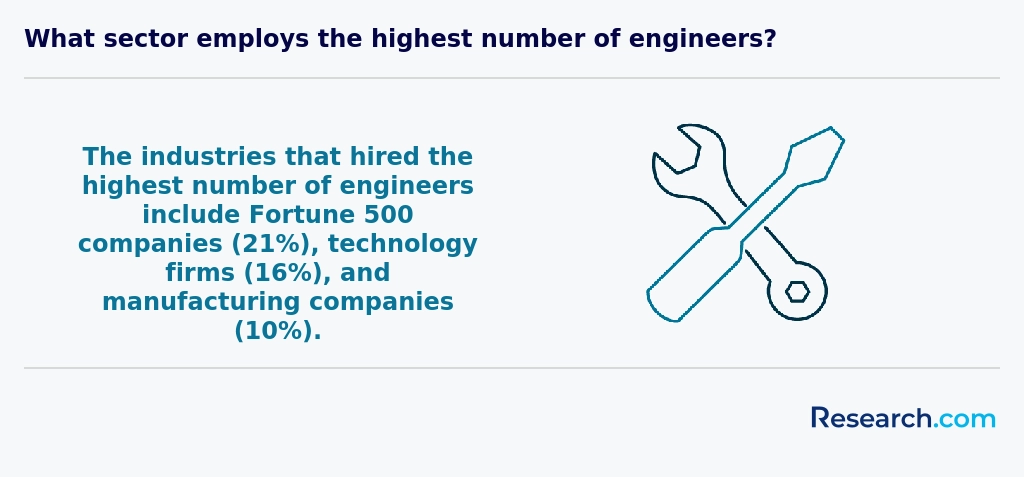
Engineering graduates in Maryland unlock a kaleidoscope of career pathways, each colored by the state's vibrant mix of urban innovation and federal research powerhouses. Imagine designing bridges with civil engineering grads in Baltimore, where infrastructure evolves alongside the city skyline, or tuning complex machinery as a mechanical engineer within Maryland's bustling manufacturing hubs. Those who dive into electrical or computer engineering find themselves at the crossroads of technology and defense, thriving near institutions like Johns Hopkins or the University of Maryland, surrounded by cuts of government contracting giants and cybersecurity innovators. Graduates often describe the thrill of co-op programs, earning while learning, weaving practical skills seamlessly with academic theory-fertile ground for jobs with an engineering degree in Maryland.
One graduate shared how aerospace engineering here is far from abstract dreams; it's hands-on work with NASA's Goddard Space Flight Center, a daily reminder that innovation launches from your own backyard. If you're balancing work and study, exploring the best accelerated online bachelor's degree for working adults offered by Maryland universities can amplify your career opportunities in Maryland without missing a beat.
The engineering jobs outlook Maryland is alive with energy, echoing through the halls of institutions like the University of Maryland and Johns Hopkins. Graduates often share stories of landing roles in bustling tech corridors or at federal research hubs, where their skills translate into designing the next generation of infrastructure or defense technologies. Many find themselves immersed in real-world problems while interning at the National Institute of Standards and Technology, gaining hands-on experience that fuels their confidence and employability.
Job opportunities for engineers in Maryland extend beyond the classroom, blending the excitement of high-tech startups with the reliability of government agencies. Graduates frequently highlight the advantage of local networks and partnerships, which often create smooth pathways from education to employment. With median starting salaries comfortably placed between $65,000 and $75,000, the state offers a promising financial foothold for new engineers.
Students weighing their options also consider affordability. Public universities here offer competitive tuition rates, and efforts such as scholarships and federal aid soften the burden. Those exploring college options might even discover online community colleges with open enrollment, providing flexible routes to engineering credentials without breaking the bank.
2027 Most Affordable Engineering Degree Programs Ranking in Maryland
Investing in your education is a significant decision that can shape your future, and the Research.com team is keenly aware of the importance of making informed choices. To assist prospective students in Maryland, we have carefully developed the "2027 Most Affordable Engineering Degree Programs Ranking in Maryland." Our dedication to quality, credibility, and accuracy is evident in the thorough research and analysis that underpin this ranking.
We utilized the following reputable data sources to ensure a comprehensive evaluation of engineering programs:
By consulting this ranking, readers will gain valuable insights into affordable and credible engineering degree programs in Maryland, empowering them to make educated decisions about their academic investments. For a deeper understanding of our ranking process, please visit our Research.com methodology page.


Frequently Asked Questions About engineering
Engineering degree students in Maryland can maximize their learning experience by engaging in hands-on projects and internships. Maryland hosts numerous technology companies and research institutions, offering students valuable real-world experience. According to the Maryland Department of Labor, nearly 70% of engineering graduates secure internships before graduation, enhancing their job prospects.
Furthermore, students should consider joining engineering societies such as the Maryland Society of Professional Engineers or campus chapters of national groups like ASEE. These provide networking, mentorship, and career development opportunities.
Utilizing resources at Maryland's top engineering schools, such as Johns Hopkins University and University of Maryland, College Park, can also deepen technical knowledge through cutting-edge labs and research programs.
Emerging niches in engineering are rapidly shaping Maryland's higher education landscape. Fields like biomedical engineering are growing, supported by Maryland's strong healthcare and biotechnology sectors, including institutions such as Johns Hopkins University. According to the Maryland Department of Labor, jobs in this sector are projected to increase by over 15% through 2030.
Environmental engineering is also gaining prominence, driven by the state's focus on sustainable energy and Chesapeake Bay restoration initiatives. Data from the U.S. Bureau of Labor Statistics shows that green technology roles in Maryland are expanding steadily.
Cybersecurity engineering is another emerging area, tied to Maryland's position as a hub for defense and technology companies. Maryland ranks among the top states in the nation for cybersecurity opportunities, making it a promising niche for engineering students.
Preparing for the job market after earning an engineering degree in Maryland requires strategic planning and leveraging local resources. Graduates should focus on internships and co-op programs, which Maryland universities often offer, to gain practical experience and industry connections. According to the Maryland Department of Labor, close to 70% of engineering graduates find employment within six months, emphasizing the importance of early networking.
Developing strong technical skills paired with soft skills like communication and teamwork is essential. Joining professional organizations such as the Maryland Society of Professional Engineers can provide mentorship and job leads.
Job seekers should also utilize career services at their institutions and attend local job fairs in engineering hubs like Baltimore and the National Institutes of Standards and Technology (NIST) in Gaithersburg.
Employers hiring engineering graduates in Maryland prioritize a blend of technical and soft skills. According to the Maryland Department of Labor, proficiency in computer-aided design (CAD), programming languages like Python or MATLAB, and knowledge of emerging fields such as renewable energy and cybersecurity are highly valued. Strong analytical and problem-solving abilities remain essential across all engineering disciplines.
Communication skills also rank highly. Graduates must effectively collaborate in teams and clearly present complex ideas. Additionally, practical experience through internships or cooperative education programs significantly improves employability, as noted by the American Society for Engineering Education.
Maryland's growing sectors in aerospace, biotechnology, and information technology drive demand for adaptability and lifelong learning among engineers. Keeping current with industry trends is crucial for career success in this region.
Finding internships in Maryland related to engineering degrees involves utilizing multiple strategies. Start by exploring career services offered by Maryland's universities, such as the University of Maryland College Park or Johns Hopkins University. These institutions often have dedicated engineering internship programs and partnerships with local industries.
Maryland hosts many prominent engineering employers, including those in aerospace, biotech, and cybersecurity sectors near the Baltimore and Columbia regions. Websites like Handshake, which many universities support, list thousands of internships specifically targeted to engineering students in Maryland.
The Maryland Department of Labor also offers resources and job fairs connecting students with regional employers. Networking through local professional organizations like the Maryland Society of Professional Engineers can further increase internship possibilities.
Obtaining an engineering degree in Maryland significantly enhances career mobility and advancement opportunities. Maryland's robust engineering job market, supported by sectors such as aerospace, cybersecurity, and biotechnology, values candidates with formal degrees. According to the U.S. Bureau of Labor Statistics, engineers in Maryland earn a median annual wage of approximately $95,000, which is higher than the national average.
The degree opens doors to roles in both private companies and government agencies, including the Department of Defense and NASA's Goddard Space Flight Center. Additionally, Maryland's emphasis on STEM education provides graduates with skills aligned with rapidly evolving industry demands.
Professional licensure, facilitated by accredited engineering programs in Maryland, further boosts advancement possibilities, especially in civil and mechanical engineering fields. Moreover, the state's strategic location near Washington, D.C., broadens networking and leadership prospects for engineering professionals.
Studying for an engineering degree in Maryland equips students with a broad skill set that supports interdisciplinary roles. Maryland's engineering programs often combine technical knowledge with training in communication, project management, and teamwork. For example, the University of Maryland and Johns Hopkins emphasize collaboration across fields like computer science, biology, and business, reflecting industry demands.
According to the American Society for Engineering Education, nearly 40% of Maryland engineering graduates work in sectors requiring interdisciplinary skills, such as biomedical engineering and environmental systems. This trend aligns with state industry needs, especially in defense, healthcare, and technology sectors around the Baltimore-Washington corridor.
Maryland institutions also offer opportunities for internships and research partnerships that span multiple disciplines, helping students adapt to complex, real-world problems with diverse teams.
When choosing between a thesis and a non-thesis engineering degree program in Maryland, consider your career goals. Thesis programs emphasize research and typically require students to conduct original investigations, making them ideal for those planning to pursue a PhD or research-oriented careers. Non-thesis programs focus more on coursework and practical skills, better suited for professionals aiming for industry roles.
Maryland's engineering schools, like the University of Maryland, offer both formats. According to the National Center for Education Statistics, thesis options often take longer to complete due to the research component. Additionally, funding opportunities and faculty mentorship availability can influence your choice. Understanding these differences ensures you pick the program that aligns with your aspirations.
Students based in Maryland who wish to study engineering abroad have several pathways available through US universities with established international programs. Many Maryland institutions, including the University of Maryland, College Park, offer engineering students opportunities to enroll in study abroad programs or global internships. These options typically last from a few weeks to an entire semester, providing exposure to engineering practices in countries such as Germany, Japan, and Canada. According to the Institute of International Education (2023), about 10% of Maryland's engineering undergraduates participate in some form of study abroad, gaining valuable cross-cultural skills and technical insights.
Additionally, cooperative education programs allow Maryland students to intern with multinational engineering firms overseas, often for academic credit. Partnerships with foreign universities enable students to take classes abroad without disrupting their degree progress. Financial aid and scholarships are often available to support these experiences, mitigating the costs of international study. These opportunities prepare Maryland engineering students for global careers by broadening their academic and professional horizons.
Maryland offers a variety of part-time jobs that effectively complement engineering degree studies. Students often find opportunities as engineering interns or lab assistants at local universities and research centers, gaining hands-on experience with practical applications of their coursework.
The state's proximity to federal agencies like NASA's Goddard Space Flight Center and the National Institute of Standards and Technology (NIST) creates openings for student roles in research and development. These positions provide exposure to cutting-edge technology and real-world engineering challenges.
Additionally, Maryland's growing tech and manufacturing sectors employ part-time CAD drafters, quality control analysts, and technical support staff, allowing students to build valuable skills relevant to their discipline. According to the Maryland Department of Labor, engineering-related internships grew by 8% between 2020 and 2023, highlighting expanding opportunities.
Networking through these roles often leads to full-time employment after graduation, making part-time jobs an important complement to education in Maryland.
Engineering students in Maryland benefit from a wide range of networking opportunities that connect them with industry leaders and professional communities. The state is home to renowned institutions such as the University of Maryland and Johns Hopkins University, which host career fairs and engineering expos attracting top employers. According to the Maryland Department of Labor, over 10,000 engineering jobs were posted statewide in 2023, increasing demand for student engagement with local companies.
Professional organizations like the Maryland Society of Professional Engineers (MSPE) and the Chesapeake Chapter of the Society of Women Engineers offer frequent networking events, mentorship programs, and technical workshops. Additionally, students have access to internships through partnerships with defense contractors and technology firms in the Baltimore-Washington corridor.
Alumni networks provide significant benefits to engineering degree students in Maryland. These networks connect current students with graduates who work in various engineering sectors, including aerospace, civil, and electrical engineering, prominent industries in the state. For example, the University of Maryland's alumni network, with over 100,000 members, frequently offers mentoring programs and internship opportunities that give students a competitive edge.
Access to these connections can lead to job referrals, industry insights, and guidance on navigating professional challenges. According to the Maryland Higher Education Commission, graduates engaged in alumni networks are 20% more likely to secure employment within six months. These networks also foster collaboration and innovation by linking students with experienced professionals in Maryland's evolving engineering landscape.
In Maryland, students can tailor their engineering degree programs through elective courses, internships, and specialization tracks offered by many universities. For example, the University of Maryland provides options in aerospace, mechanical, and electrical engineering that align with specific career goals. Several programs include cooperative education (co-op) opportunities, allowing hands-on experience with local industries such as aerospace and biotech. Additionally, engineering degrees can be combined with minors in data analytics, project management, or environmental science to broaden expertise.
According to the Maryland Higher Education Commission, nearly 70% of engineering students participate in internships or research projects, enhancing practical skills relevant to regional employers. This flexibility helps graduates fit their education closely to careers in tech, manufacturing, or government agencies based in Maryland.
Engineering students in Maryland often face significant academic challenges due to the rigorous coursework required. Subjects like calculus, physics, and computer programming demand strong analytical skills and substantial study time. According to the American Society for Engineering Education, Maryland's engineering programs report a dropout rate of approximately 30% in the first two years, reflecting the difficulty of adapting to college-level material.
Financial pressures also weigh heavily on many students. The average in-state tuition for public engineering programs in Maryland was about $10,900 per year in 2023, with additional costs for textbooks and lab materials. This financial strain can lead to increased stress and time management difficulties.
Moreover, balancing internships or cooperative education opportunities with academic commitments is challenging. Maryland's proximity to major industries offers many internships, but securing and managing these positions requires careful planning and support from academic advisors. These challenges combined require strong resilience and support systems for students pursuing engineering degrees.
With an engineering degree in Maryland, graduates can pursue several professional certifications to enhance their careers. The most recognized is the Professional Engineer (PE) license, which requires passing the Fundamentals of Engineering (FE) exam, gaining relevant work experience, and completing the PE exam. This credential establishes credibility and legal authority for engineering work in Maryland.
Other valuable certifications include the Project Management Professional (PMP) and the Certified Manufacturing Engineer (CMfgE). These certifications broaden career options in management and specialized technical fields. According to the National Society of Professional Engineers, Maryland has over 12,000 licensed PEs, reflecting robust local industry standards.
Additional certifications like Six Sigma or Certified Energy Manager (CEM) are also applicable, especially in sectors thriving in Maryland's technology corridors. Choosing certifications aligns closely with career goals and industry demand.
Writing a winning application for an engineering program in Maryland requires careful preparation. First, highlight your academic achievements, especially in math and science courses, as these are critical for engineering schools. Maryland's top programs, such as those at Johns Hopkins University and the University of Maryland, emphasize strong STEM backgrounds. Applicants should also include a compelling personal statement demonstrating passion for engineering, problem-solving skills, and career goals.
Standardized test scores like the SAT or ACT remain important, though some Maryland schools have test-optional policies due to recent trends. Letters of recommendation from teachers in technical subjects enhance credibility. Including extracurricular activities related to engineering or technology can also strengthen your application.
The engineering profession holds a strong global reputation for innovation and critical problem-solving. In Maryland, engineering graduates benefit from an education system aligned with international standards, preparing them for a competitive global market. According to the National Science Foundation, U.S. engineering degrees remain highly respected worldwide, supported by rigorous accreditation processes such as ABET certification.
Maryland's engineering programs often emphasize practical skills and emerging technologies, reflecting global industry trends. Graduates have opportunities in fields like aerospace, cybersecurity, and biotechnology, aligning with Maryland's growing tech economy. Reports from the U.S. Bureau of Labor Statistics project engineering jobs growing by 7% nationally by 2031, reflecting steady demand both domestically and internationally.
Gaining practical experience while studying for an engineering degree in Maryland is highly accessible due to the state's strong emphasis on experiential learning. Many universities, including the University of Maryland and Johns Hopkins, offer cooperative education (co-op) programs that integrate paid work placements directly related to students' engineering fields. These opportunities allow students to earn credit while working for local companies such as Lockheed Martin and Northrop Grumman.
Internships are another common method, often facilitated by campus career centers that connect students with Maryland's vibrant tech and engineering industries. According to the Maryland Higher Education Commission, about 60% of engineering students participate in internships before graduation.
Additionally, Maryland's proximity to federal agencies and research labs offers unique chances for research assistantships, further enhancing hands-on skills during study.
Choosing the right concentration within an engineering degree program in Maryland begins with understanding your interests and career goals. Maryland offers diverse fields such as civil, electrical, mechanical, and environmental engineering, each connected to local industry demands. For example, the state's strong presence in aerospace, biotechnology, and defense encourages concentrations aligned with these sectors.
Research labor market data from sources like the Maryland Department of Labor to identify high-demand specializations and salary trends. Consider programs accredited by ABET, as this ensures quality education recognized by employers nationwide.
Visiting campus advisors and attending engineering fairs in Maryland can also provide valuable insight into each concentration's curriculum and job prospects.
- 2027 Most Affordable Engineering Degree Programs Ranking in New Jersey
- 2027 Most Affordable Engineering Degree Programs Ranking in New York
- 2027 Most Affordable Engineering Degree Programs Ranking in Connecticut
- 2027 Most Affordable Engineering Degree Programs Ranking in New Hampshire
- 2027 Most Affordable Engineering Degree Programs Ranking in Florida
- 2027 Most Affordable Engineering Degree Programs Ranking in Alabama
- 2027 Most Affordable Engineering Degree Programs Ranking in Mississippi
- 2027 Most Affordable Engineering Degree Programs Ranking in Arkansas
- 2027 Most Affordable Engineering Degree Programs Ranking in Minnesota
- 2027 Most Affordable Engineering Degree Programs Ranking in Colorado
See What Experts Have To Say About Studying Engineering
Read our interview with Engineering experts

Jasna Jankovic
Engineering Expert
Associate Professor
University of Connecticut

Joseph Reichenberger
Engineering Expert
Professor of Civil Engineering & Environmental Science
Loyola Marymount University

Bohdan W. Oppenheim
Engineering Expert
Professor Emeritus of Healthcare Systems Engineering
Loyola Marymount University

- New Ranking: The Best Alumni Networks https://poetsandquantsforundergrads.com/rankings/the-best-alumni-networks/
- Alabama https://www.findengineeringschools.org/Search/Cost/cost_by_state.htm
- Breaking Into Engineering: First Job Tips | Intuitive https://careers.intuitive.com/en/employee-stories/career-growth-advice/breaking-into-engineering-tips-for-landing-your-first-job/
- Top 5 Demanding Engineering Fields in 2025: Future-Proof Your Career - MEC https://mailamengg.ac.in/top-5-demanding-engineering-fields-2025/
- targetjobs https://targetjobs.co.uk/careers-advice/engineering/what-can-i-do-engineering-degree
- Engineering Students' Challenges And Ways To Overcome Them - Bgi Bhopal https://bgibhopal.com/overcoming-challenges-as-an-engineering-student/
- Engineering Study Abroad Programs | Go Overseas https://www.gooverseas.com/study-abroad/engineering
- Student blog: Networking tips for engineering students https://asu-london.ac.uk/news/student-blog-networking-tips-for-engineering-students/
- The Rise of the Niche Engineer https://www.sterling-engineering.com/niche-engineer/
- Online Engineering Schools in Maryland (MD) https://www.onlineengineeringprograms.com/usa/maryland


