
2027 Fastest Online Engineering Degree Programs Ranking in California

Co-Founder and Chief Data Scientist
Choosing the right online engineering degree program can feel overwhelming, especially with so many options available in California. This article introduces the 2027 Fastest Online Engineering Degree Programs Ranking in California, carefully created by the Research.com team of data scientists to help you make an informed decision.
By exploring this ranking, you'll discover which programs offer quality education with efficient timelines, allowing you to advance your career without unnecessary delays. Pursuing an engineering degree opens doors to exciting opportunities and personal growth, making it a rewarding path worth considering.
Key benefits of getting online engineering degree in California
- Engineering graduates in California can earn competitive salaries, such as Mechanical Engineers with a mean annual wage of $105,220 and Electrical Engineers earning around $117,680, offering strong financial stability.
- Graduates from California universities often pursue diverse career paths in fields like civil, industrial, and electrical engineering, benefiting from the state's vibrant tech and infrastructure sectors.
- Online engineering degrees provide flexibility and convenience, allowing students to balance work and study while gaining respected credentials from top Californian institutions.
- 2027 Fastest Online Engineering Degree Programs Ranking in California
- What can I expect from online engineering degree in California?
- Where can I work with online engineering degree in California?
What can I expect from online engineering degree in California?
The average cost of an online engineering degree in California typically falls between $40,000 and $70,000 for a bachelor's program, though this can vary widely depending on the institution and how many transfer credits are applied. Graduates from prominent programs at universities like San Jose State or California State University have noted that the investment feels justified when balancing quality education with the ability to work full-time or manage family commitments.
These programs often deliver rigorous, ABET-accredited curricula comparable to their on-campus counterparts. For example, students appreciate real-world internship opportunities partnered with Silicon Valley firms, making the cost feel more like an investment in a vibrant career rather than mere tuition.
Financial aid and scholarships targeting STEM learners do soften the upfront financial weight, which many online learners describe as a turning point that energized their ambition rather than limiting it. In California's competitive job market, paying a premium for flexible, accredited online engineering education often translates into practical career growth and satisfying wages well above $90,000 annually.
Where can I work with online engineering degree in California?
Graduates with an online engineering degree from institutions like California State University or UC Irvine often step into thriving industries that defy the old notion of limited engineering roles. Imagine contributing to a Tesla project in Silicon Valley or designing cutting-edge aerospace components in Southern California. These opportunities aren't just theoretical; many graduates share how their online education directly prepared them for high-impact jobs with companies such as Apple or Boeing.
The vibrancy of California's tech ecosystem means electrical and software engineers find themselves at the heart of innovation, working on projects that redefine future technology. Meanwhile, environmental engineers are driven by the urgent needs of the growing clean energy sector, powering solar and wind initiatives that aim to combat climate change. Manufacturing and civil engineering roles also flourish, with graduates actively involved in automating processes and reshaping urban infrastructure, proving that an online degree can translate into meaningful, impactful careers throughout the state.
Graduates from online engineering programs in California often discover salaries that not only meet but exceed their expectations given the state's vibrant tech ecosystem. For instance, electrical engineers-many emerging from programs at prestigious institutions like California State University or the University of California systems-can expect mean annual wages around $117,680, reflecting strong demand in Silicon Valley and beyond.
Civil engineering graduates frequently report annual earnings near $101,160, often securing roles in infrastructure projects across growing metropolitan areas such as Los Angeles and San Diego. Mechanical engineers with online degrees, including those trained through well-regarded distance learning options, earn mean wages around $105,220, tapping into industries ranging from aerospace to renewable energy.
Industrial engineers typically see salaries in the neighborhood of $103,150, applying their skills in manufacturing and logistics hubs throughout the state. These figures spotlight how an online degree from a credible California program can translate into competitive compensation, empowering graduates to navigate and thrive in a demanding job market without compromising on educational flexibility.
- Online engineering degrees in California cover fields like electrical, civil, mechanical, and computer engineering from accredited public and private institutions.
- Tuition for in-state students at public universities ranges from $7,000 to $15,000 per year, while private schools charge $20,000 to $40,000 annually.
- Entry-level engineering salaries in California range from $75,000 to $85,000 per year, with experienced professionals earning between $110,000 and $140,000.
- Engineering job growth in California is projected at 8% to 12% through 2030, driven by industries such as software development and semiconductor manufacturing.
- Accreditation by ABET's Engineering Accreditation Commission is essential for ensuring quality education recognized across California and the US.
- Online programs often include virtual labs, projects, and internships, providing practical experience necessary for engineering careers.
Completing an online engineering degree in California typically spans four to six years, but this timeline is far from rigid. Graduates from universities like California State University and the University of California often recount how balancing work and studies stretched their journey beyond the traditional four years, yet provided invaluable flexibility. One common story is a working professional choosing part-time enrollment, extending their program to six years but enabling steady income and family time.
Others embrace accelerated tracks at these institutions, condensing their studies into as short as three years by taking summer courses and heavier class loads. These ambitious students often describe a mix of exhilaration and intense challenge, appreciating how the compressed timeframe quickly propels them into their careers, despite the added pressure.
Such diverse experiences reveal that the length of an online engineering degree in California is deeply personal, influenced by discipline choice, prior credits, and life demands. This flexible pace encourages students to craft a path that suits their ambitions and realities.
Top online engineering programs in California stand out not only for their curricula but also for the robust support services that ensure student success. Accredited institutions typically offer dedicated academic advising, where advisors help you map out course sequences, monitor progress, and suggest elective specializations tailored to your career goals. Many programs provide 24/7 technical support, ensuring that issues with learning management systems or virtual labs are resolved swiftly. Online tutoring centers and peer-led study groups give students access to subject-matter experts in areas like calculus, statics, and circuit analysis. For instance, virtual whiteboard sessions with graduate teaching assistants can reinforce complex concepts in thermodynamics or materials science. Additionally, digital libraries grant remote access to journals, e-books, and research databases, replicating the on-campus experience for rigorous literature reviews. Career services extend beyond graduation: virtual mock interviews, resume workshops, and employer networking events are arranged regularly. Students seeking roles in software engineering or looking to pivot to technology-driven fields can also explore emerging coding jobs, leveraging their engineering background to enter high-demand programming positions. Mental health and wellness resources, including online counseling and stress-management webinars, help balance the rigorous demands of engineering coursework with personal well-being. Together, these support structures create a comprehensive ecosystem, empowering California’s online engineering students to thrive academically and professionally.
Choosing between an online and on-campus engineering degree in California is more than a matter of location-it shapes how you live and learn every day. Imagine a UC Berkeley engineering graduate who thrived on hands-on lab experiments and late-night study sessions with peers, leveraging access to state-of-the-art facilities and face-to-face mentorship. Their experience built deep connections and immediate feedback that fueled creativity and problem-solving.
Contrast that with a working professional enrolled in an online program through Cal Poly, balancing family responsibilities and a full-time job. Their flexibility to learn anytime, anywhere, came with challenges: mastering complex simulations without in-person guidance demanded discipline but offered unmatched autonomy. Many online students describe this freedom as empowering, transforming their commute into productive study moments without sacrificing quality.
Both paths emphasize ABET-accredited curricula, but the on-campus route often opens doors to internships through campus career centers, while online learners tap into local industries. Ultimately, California's engineering students are united by innovation, whether in bustling labs or virtual classrooms.
To complete your engineering degree faster without sacrificing depth, apply these methods:
- Enroll in accelerated terms to shorten course durations
- Transfer eligible credits from prior college or AP exams
- Take year-round sessions, including summer and winter intersessions
- Use credit-by-exam options (CLEP, DSST) for lower-level requirements
- Choose competency-based programs that allow self-paced progress
- Maintain a full-time course load and plan prerequisites early
Pair these strategies with a cost-effective program by exploring the cheapest online engineering degree to keep expenses in check.
The average cost of an online engineering degree in California typically centers around a median total of $53,865, reflecting the state's unique blend of public and private institutions. Graduates from well-known programs at schools like the University of Southern California often describe balancing the substantial tuition with flexible learning schedules and strong career support, making the investment feel worthwhile despite the sticker shock.
Many students weigh the benefits of affordable online engineering programs California 2027 offers at public universities, where in-state tuition is notably lower, against the broader cost and prestige of private options. For example, students attending California State University campuses appreciate reducing expenses through significantly lower in-state tuition rates while still gaining respected credentials.
However, it's not just tuition that shapes the financial journey-additional expenses such as technology fees, proctoring costs, and software can subtly increase the overall price. A graduate's sense of accomplishment often comes from navigating these challenges and stretching budgets creatively.
Those aiming to find the best financial fit should investigate programs carefully, considering credits required and fee structures. This thoughtful approach can transform the way you view costs as an investment rather than a burden. To explore options systematically, prospective students can start by looking at the cheapest engineering school in california, which highlights programs offering value without sacrificing quality.

Before enrolling in any engineering program, verify accreditation and licensure pathways to ensure your education leads to recognized credentials. Choosing an accredited online engineering degree protects your investment and meets industry standards.
- ABET Accreditation: Confirms program quality, covering curriculum rigor, qualified faculty and adequate learning resources.
- Fundamentals of Engineering (FE) Exam: Often required near program completion; passing opens the path to licensure.
- Professional Engineer (PE) License: After gaining four years of qualifying experience and passing the PE exam, you earn full licensure.
- California Board Requirements: Review state-specific rules on education, exams and work experience to stay compliant.
When navigating the financial landscape of online engineering degrees in California, countless students at institutions like Cal State Poly Pomona and UC Berkeley discover that federal aid through FAFSA often becomes their first lifeline. The relief of qualifying for Pell Grants-even up to $7,500 a year-can transform the daunting fee statements into manageable commitments. One graduate recalls how this support shifted their outlook, making dreams of engineering innovation tangible rather than just aspirational.
State programs, especially Cal Grants, stand as pillars of hope for California residents. Imagine a student juggling work and study, walking the virtual halls of UCLA's engineering program, buoyed by up to $12,570 in aid that acknowledges both their financial needs and academic grit. The California Dream Act further extends this promise to undocumented learners, fostering inclusivity in a field often perceived as exclusive.
Scholarships from professional groups like IEEE and SWE often surprise students with targeted merit and need-based awards, while employer tuition reimbursement schemes offer working professionals a direct, gratifying path to reduce costs. Institutional scholarships, although less heralded, quietly change many lives by recognizing the unique challenges faced by online learners.
Accreditation ensures that an online engineering degree meets rigorous academic and industry standards, and is often a prerequisite for professional licensure. Most reputable California programs hold ABET accreditation, which not only validates the quality of coursework but also prepares graduates for the Fundamentals of Engineering (FE) exam-the first step toward becoming a licensed Professional Engineer (PE). According to recent NCES data, ABET-accredited online programs boast FE pass rates that exceed 75%, reflecting strong curriculum alignment with licensure requirements. Beyond initial accreditation, many programs offer dedicated exam-prep resources, such as practice problems, review workshops, and mentorship from faculty who are licensed PEs. This structured support can significantly boost confidence and success rates on the FE and PE exams. Graduates who achieve licensure often report higher earning potential-up to 20% more in median salary-and greater job mobility, especially in regulated sectors like civil, environmental, and structural engineering. While focusing on California’s fastest online pathways, prospective students can also compare cost-efficiency and licensure outcomes by exploring our Most Affordable Engineering Degree Programs Ranking in Maine, which highlights programs offering both accreditation and exam support at lower tuition rates. By prioritizing accredited, licensure-ready programs, students can ensure their online engineering degree translates into a recognized credential and a rewarding professional career.
Enrolling in an online engineering degree in California isn't just about ticking boxes; it demands a solid base in math and science, much like the experience shared by graduates from community colleges who built their skills through algebra, calculus, and physics before transferring to CSU or UC campuses. These students often highlight how mastering these subjects gave them confidence to tackle complex engineering challenges online, far beyond passive learning.
Many students find the GPA expectations-usually around 3.0-less a barrier and more a reflection of their commitment to excellence. They recall how maintaining that standard opened doors to competitive programs offering flexibility without compromising rigor. For undergraduate hopefuls, the choice to opt out of standardized tests like the SAT or ACT in some California schools has eased stress, but thorough checking of each program's requirements remains essential.
At the graduate level, applicants often bring a bachelor's background not just in engineering but related fields, backing it up with letters of recommendation and a clear statement of purpose. These personal narratives resonate deeply in application processes at institutions like California State University, where students emphasize how articulating career goals sharpened their focus and readiness for advanced study.
Reliability of internet access and familiarity with essential software are everyday realities. Students juggling work and study praise how accessible online programs in California let them engage fully while balancing life's demands, creating a palpable sense of achievement and belonging despite physical distance.
Online engineering degrees in California typically immerse students in core courses like calculus, physics, and computer programming-subjects that graduates often recall as both challenging and deeply rewarding. For example, at institutions such as California State University or University of California campuses, students describe mastering thermodynamics not just through theory but by visualizing heat transfer processes in virtual labs, making abstract concepts tangible.
Many find the study of statics and dynamics exciting when imagining their future roles in designing safe bridges or innovative machines. Graduates frequently mention how materials science courses revealed surprising insights about the everyday objects around them, turning routine observations into technical curiosity.
Specialized classes tailored to civil or electrical engineering deepen this engagement, offering focused knowledge on structures or circuit design that feels immediately relevant to real-world challenges.
These experiences, often enhanced by ABET-accredited programs, foster confidence and a sense of accomplishment, proving that an online degree from a California institution can be as immersive and impactful as on-campus options.
California's engineering programs challenge the notion that online degrees lack depth by offering diverse specializations that reflect its dynamic economy. Civil and environmental engineering, for instance, attract students passionate about addressing infrastructure and sustainability challenges-graduates often recall tackling real-world projects from their campuses, like those at University of California schools, illuminating local urban planning issues. Simultaneously, electrical and computer engineering specializations prepare students for Silicon Valley's cutting-edge demands, where hands-on experience blends with virtual labs to keep pace with industry innovations.
Students pursuing an online engineering degree specializations California can tap into fields like mechanical engineering, where the blend of aerospace and automotive sectors creates unique learning opportunities. Graduates from community colleges and private universities alike share how flexible pacing and project-based courses helped them balance education with industry roles, fueling enthusiasm and career growth. These varied options break the stereotype that engineering online lacks personalization or practical focus.
Meanwhile, software engineering stands out as a rapidly growing concentration, perfect for those eager to dive into application design while benefiting from California's vibrant tech ecosystem. Ambitious learners exploring coding through verified programs have found pathways into lucrative coding jobs, demonstrating the tangible outcomes of these degrees. Online California engineering degree concentration options online truly open doors beyond traditional classrooms, matching evolving market needs with motivated students' goals.
Choosing the best online engineering degrees California offers means looking beyond flashy websites and buzzwords. Graduates from UC campuses often share how ABET accreditation was their non-negotiable checkpoint-a seal that ensured their degree held weight when applying for licenses or jobs in a competitive market. In California's vast public university system, students juggling full-time jobs found asynchronous courses essential, yet they also valued occasional synchronous labs that brought real-world skills alive without sacrificing flexibility.
Cost is an emotional yet practical consideration. Many graduates from Cal State programs appreciate balancing affordable tuition with strong faculty expertise, which opened doors to industry connections in aerospace and renewable energy sectors. Reflect on how affordable online engineering programs California lists can impact your long-term debt much more than the allure of a prestigious name alone. Real students remind us it's often the program's fit with lifestyle and career goals-not just brand power-that fuels sustained motivation and success.
Explore options thoroughly, and consider reviewing the Most Affordable Engineering Degree Programs Ranking in Maine for cost-comparison strategies adaptable to California's diverse offerings. This deeper reflection will help you choose a program not just for a degree, but for a transformative educational experience.
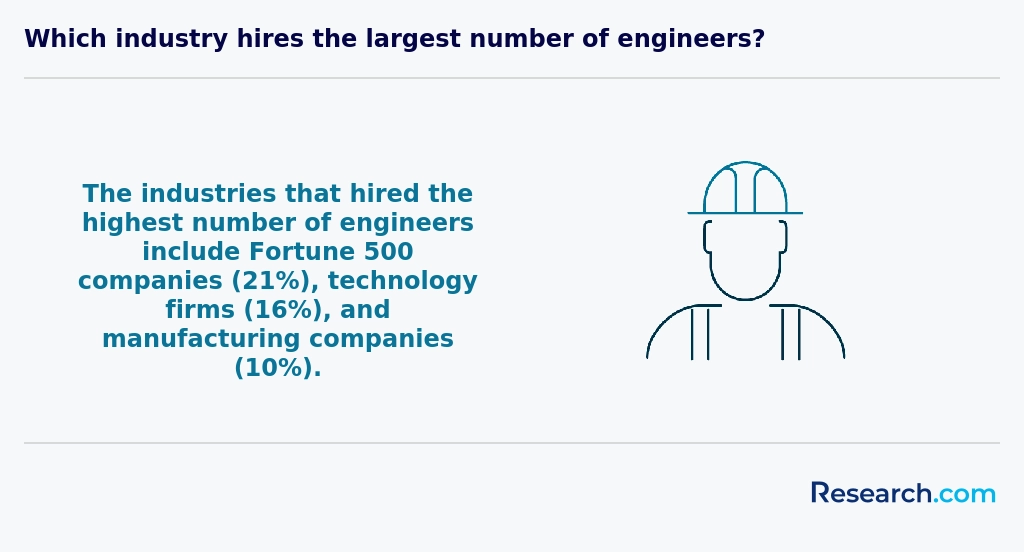
Graduates with an online engineering degree in California unlock a spectrum of career paths fueled by the state's dynamic industries. From civil engineers designing vital infrastructure in bustling cities to electrical engineers powering renewable energy innovations, the opportunities are as varied as the landscape itself. Many graduates from renowned institutions like the University of California and California State University report feeling empowered by entering aerospace, automotive manufacturing, and Silicon Valley's thriving software sectors.
Engineering job prospects for California graduates often extend beyond traditional roles. For instance, environmental engineers play a crucial part in tackling climate change, reflecting the state's commitment to sustainability. Others find themselves in specialized fields such as biomedical or systems engineering, integrating advanced technology with real-world impact. The flexibility of an online degree allows students to balance study with hands-on experience that builds confidence and readiness for challenges.
Those exploring less conventional routes may discover accelerating career growth by pairing their degree with certifications, or even blending engineering skills with healthcare technology. For students concerned about investment, institutions also offer affordable options compared to private schools-some even spotlighted in 6 month associate programs online. The exciting truth is that an online engineering degree career options California provides are both broad and promising for those willing to innovate.
The job market for an online engineering degree in California is surprisingly vibrant, fueled by the state's unmatched tech ecosystem and innovation hubs. Graduates from popular institutions like California State University and UC Riverside often find themselves stepping into roles with competitive salaries in aerospace or software development sectors. Those pursuing these roles appreciate the flexibility of online programs that allow balancing study with internships or part-time jobs in Silicon Valley or Southern California's aerospace centers. This reality defies doubts about online credentials, as employers increasingly value regionally accredited degrees and real-world experience.
Many graduates report that their online studies at well-regarded schools help them quickly adapt to fast-paced environments, a vital edge in California's active market. The job outlook for online engineering graduates California-wide points to steady growth fueled by sectors like environmental engineering and manufacturing, where demand is strong. For students weighing their options, cost-effective paths like online degrees deliver both skills and access to lucrative markets.
Students still unsure about their engineering path may benefit from exploring what is the easiest degree for an accessible start before diving deeper into specialized engineering disciplines.
2027 Fastest Online Engineering Degree Programs Ranking in California
Investing in your education is a significant decision that can shape your future, and the Research.com team understands the importance of making informed choices. To assist prospective students, we have meticulously crafted the "2027 Fastest Online Engineering Degree Programs Ranking in California." Our commitment to quality, credibility, and accuracy is reflected in the extensive research and analysis conducted to compile this ranking.
We utilized the following reputable data sources to ensure a comprehensive evaluation of engineering programs:
By exploring this ranking, readers will gain valuable insights into the fastest online engineering programs available in California, helping them make well-informed educational decisions. For more details on our methodology, please visit our Research.com methodology page.


Frequently Asked Questions About engineering
Online engineering students in California can enhance their learning by actively participating in virtual labs and simulation tools offered by their programs. These practical resources help bridge the gap between theory and real-world application, crucial in a state leading the nation in engineering innovation.
Engaging with industry professionals through webinars or online networking events is another effective strategy. California's engineering sector, especially in Silicon Valley and Los Angeles, frequently hosts such opportunities, allowing students to build valuable contacts.
Students should also utilize resources from organizations like the California Society of Professional Engineers, which offers workshops and mentorship programs tailored to engineering disciplines.
Time management and disciplined study schedules are essential, given the challenging coursework and the need to balance professional or personal commitments.
According to the U.S. Bureau of Labor Statistics, California employs over 400,000 engineers, suggesting strong job prospects for graduates who excel in their studies and professional networking.
The engineering field in California is rapidly evolving, with several emerging niches attracting growing interest from students and professionals. One notable area is renewable energy engineering, driven by California's aggressive climate goals and investments in solar, wind, and battery technologies. The California Energy Commission reports a 25% increase in jobs related to clean energy engineering since 2020.
Another rising niche is biomedical engineering, supported by California's strong healthcare and biotech sectors. According to the Bureau of Labor Statistics, biomedical engineering jobs in California are expected to grow 10% through 2030.
Besides these, software systems engineering focused on artificial intelligence and cybersecurity is gaining momentum, especially given California's tech industry concentration.
After earning an online engineering degree in California, preparing for the job market involves several key steps. Networking with local industry professionals is crucial, especially in tech hubs like Silicon Valley, where California employs over 1.5 million engineers, according to the Bureau of Labor Statistics (2023).
Internships and cooperative education opportunities, even virtual ones, enhance practical skills and improve employability. Students should also pursue Professional Engineering (PE) licensure, which requires passing the Fundamentals of Engineering (FE) exam-a significant credential boosting job prospects.
Additionally, mastering software tools commonly used in California industries, such as CAD or MATLAB, increases competitiveness.
Employers in California highly value engineering graduates who demonstrate strong technical skills, particularly in software development, data analysis, and systems engineering. According to the California Employment Development Department, proficiency in programming languages such as Python, C++, and MATLAB ranks among the top requested skills. Critical thinking and problem-solving abilities are also essential, as many engineering roles require adapting solutions to rapidly evolving technologies.
Communication skills, both written and verbal, are increasingly emphasized to ensure effective teamwork in diverse and multidisciplinary project environments. Additionally, knowledge of sustainable design and green technologies is gaining importance due to California's focus on environmental regulations and innovation.
Finding internships in California relevant to an online engineering degree requires strategic planning and resource use. Many universities in California offer virtual career centers that connect students with local companies offering internships tailored to engineering majors. According to the National Association of Colleges and Employers, California hosts over 1,200 engineering firms, increasing internship opportunities.
Leverage platforms like CalJOBS, supported by the California Employment Development Department, which lists internships and entry-level engineering roles statewide. Additionally, joining professional organizations such as the California Society of Professional Engineers can provide networking events and job boards focused on engineering internships.
Direct outreach to companies in technology hubs like Silicon Valley or Los Angeles often results in internship offers. Tailor your résumé to highlight technical skills and online coursework to stand out.
Obtaining an online engineering degree in California can significantly enhance career mobility and advancement. The state hosts a large, competitive engineering job market with over 13% growth projected through 2030 according to the U.S. Bureau of Labor Statistics. An accredited online degree offers flexibility, allowing professionals to upskill without pausing their careers.
Employers in California increasingly recognize online degrees, especially from institutions accredited by ABET or regional agencies. This recognition supports career transitions into specialized fields like aerospace, civil, or software engineering. Additionally, engineering graduates in California benefit from a median annual wage around $100,000, higher than the national average, encouraging ongoing education to remain competitive.
Networking opportunities through online programs, often linked to California's tech hubs, further facilitate job advancement. Consequently, online engineering degrees help professionals adapt to evolving industry demands and seize leadership roles within the state's robust engineering sectors.
Studying for an engineering degree online in California equips students with skills essential for interdisciplinary roles across various industries. California's engineering programs emphasize collaboration among fields like computer science, environmental science, and business management, reflecting the state's diverse and innovative economy. According to the California Employment Development Department, nearly 25% of engineering jobs now require cross-disciplinary knowledge, particularly in technology and sustainability sectors.
California universities often integrate project-based learning that challenges students to solve real-world problems involving multiple disciplines. This approach develops communication and teamwork skills, preparing graduates for dynamic roles in sectors such as aerospace, biotechnology, and renewable energy.
Moreover, access to California's extensive network of research institutions and tech companies provides students with practical exposure to interdisciplinary projects, enhancing their readiness for complex engineering challenges.
When choosing between a thesis and a non-thesis online engineering degree in California, consider your career goals and learning style. A thesis program typically requires independent research and a written dissertation, which benefits students aiming for roles in research, development, or further graduate study. According to the California State University system, about 40% of engineering master's students opt for thesis tracks to deepen technical expertise.
Conversely, non-thesis programs focus on coursework and practical skills, appealing to professionals seeking to enhance industry knowledge quickly. These programs often offer more flexibility and can be completed faster, aligning with California's fast-evolving tech sector demands.
Accreditation, cost, and program length should also influence your decision. The California Engineering Foundation notes that most accredited programs meet both standards, but thesis options may extend total study time by 6 to 12 months.
Students in California seeking to study engineering abroad while pursuing an online degree have several practical options. Many accredited U.S. institutions offer online engineering programs with opportunities for international study components, such as virtual exchanges or short-term residencies. California residents can also enroll in programs with global partnerships, enabling remote collaboration with universities overseas. According to the National Science Foundation, California leads in engineering graduates, encouraging institutions to expand international engagement.
Furthermore, some online degrees in California include internships or project work with foreign companies, providing practical global experience without relocating. The California State University system offers various flexible options combining online study and international exposure for engineering students.
In California, part-time jobs that complement engineering degrees often align with industry demands and practical experience. Positions such as laboratory assistants, CAD drafters, and engineering interns are common for students pursuing online engineering education. According to the U.S. Bureau of Labor Statistics, California employs nearly 350,000 engineers, creating substantial opportunities for hands-on learning.
Additionally, technical support roles in tech hubs like Silicon Valley offer exposure to real-world challenges. Internships within manufacturing, aerospace, and renewable energy sectors are also valuable, especially as California leads in cleantech innovations. These roles help students build skills in project management, software tools, and teamwork relevant to their future careers.
The California Department of Education highlights that such experiences can enhance resumes and increase job placement rates after graduation. Balancing work and studies can be challenging, but these opportunities provide a crucial bridge between theory and industry practice.
Online engineering students in California have several networking opportunities to connect with professionals, faculty, and peers across the state. Many universities offer virtual career fairs and online student organizations specifically for engineering disciplines. These platforms help students engage with California-based employers and alumni working in diverse sectors such as aerospace, software, and renewable energy.
California is home to over 500,000 engineers, according to the Bureau of Labor Statistics (2023), providing a vast potential network. Students also benefit from statewide engineering societies like the California Society of Professional Engineers, which hosts webinars and virtual networking events.
Some online programs include mentorship programs linking students with industry experts, boosting job prospects in a competitive market.
Alumni networks play a crucial role for students pursuing online engineering degrees in California. These networks connect current students with graduates who have experience in the state's dynamic engineering sector, fostering valuable mentorship and career guidance.
Graduates in California's engineering field benefit from strong ties within industries like aerospace, technology, and renewable energy. According to the California Employment Development Department, the state employs over 440,000 engineers, highlighting vast networking opportunities.
Through alumni connections, students can access job openings, internships, and collaborate on projects. This support often leads to higher employment rates post-graduation and increased industry engagement.
California offers a variety of online engineering degree programs that allow students to tailor their education to specific career goals. Many universities provide elective courses and specialized tracks in fields like aerospace, computer, civil, and electrical engineering. This flexibility enables students to focus on industry-relevant skills and emerging technologies.
Students can often choose from accelerated formats or part-time options, balancing work and study. According to the California Community Colleges Chancellor's Office, over 50% of online engineering students combine coursework with professional experience to enhance practical skills.
Additionally, partnerships between California schools and local industries provide internship and project opportunities that align with students' ambitions.
Online engineering students in California commonly face challenges related to the demanding nature of engineering curricula coupled with the remote learning format. Many report difficulties in accessing hands-on laboratory experiences, which are critical for understanding complex concepts. According to a 2023 study by the California State University system, about 45% of online engineering students felt that virtual labs did not fully replicate in-person sessions.
Time management is another significant hurdle, as students often balance coursework with full-time jobs or family responsibilities. Technical issues, such as unstable internet connections and software compatibility, also impact student engagement and performance. Additionally, building professional networks can be harder without regular face-to-face interaction, which is vital in California's competitive engineering job market.
With an online engineering degree in California, graduates have the opportunity to pursue various professional certifications that enhance their career prospects. The most recognized certification is the Professional Engineer (PE) license, awarded by the California Board for Professional Engineers, Land Surveyors, and Geologists. This credential requires passing the Fundamentals of Engineering (FE) exam and, after gaining relevant work experience, the PE exam.
Other certifications include the Certified Manufacturing Engineer (CMfgE) and the Project Management Professional (PMP), both valued in California's tech and manufacturing sectors, according to the National Society of Professional Engineers. These certifications validate specialized skills and leadership in engineering projects.
Writing a winning application for an online engineering program in California requires clear focus and preparation. Start by researching the specific program's admission requirements, as California schools often emphasize prerequisites in math and science. Highlight your academic achievements, especially in STEM subjects, and any relevant work experience. According to the California Department of Education, engineering fields in the state are growing by 6.6% annually, underscoring the demand for skilled engineers.
Include a strong personal statement that explains your motivation for pursuing engineering and how the online format suits your needs. Be sure to obtain recommendation letters from professionals or professors familiar with your skills. Lastly, showcase any technical projects or internships, as California's tech firms value practical experience highly.
The global perspective on engineering careers highlights strong demand and diverse opportunities. In California, engineers earn an average annual salary of about $107,000, well above the national average, reflecting the state's vibrant tech and manufacturing sectors (Bureau of Labor Statistics, 2023).
Worldwide, engineering is viewed as a critical profession for innovation and economic growth, with many countries investing heavily in STEM education. Online engineering degrees offer access to international standards and practices, preparing students for a connected workforce.
California's emphasis on sustainable engineering and green technologies also aligns with global trends, enhancing career prospects for graduates interested in these fields.
Gaining practical experience while pursuing an online engineering degree in California is essential for career readiness. Many universities encourage students to participate in internships or cooperative education programs with local industries. California hosts a robust engineering job market, particularly in technology hubs like Silicon Valley, which offers numerous internship opportunities.
Students can also engage in virtual labs and project-based courses that simulate real-world engineering challenges. Professional organizations such as the California Society of Professional Engineers provide networking events and mentorship programs. According to the National Association of Colleges and Employers, 60% of engineering employers in California prioritize internship experience during hiring.
Choosing the right concentration within an online engineering degree in California depends on your career goals and the state's job market demands. Fields like software, civil, and electrical engineering are prominent in California, reflecting industries such as technology, infrastructure, and renewables. According to the California Labor Market Info, software engineers have a median annual wage above $120,000, indicating strong local demand.
Consider your interests and strengths alongside labor market trends. Look for programs offering concentrations aligned with California's innovation sectors, including sustainable energy and aerospace. Reviewing curriculum details and accreditation helps ensure you gain relevant skills for competitive roles.
- 2027 Fastest Online Engineering Degree Programs Ranking in Arizona
- 2027 Fastest Online Engineering Degree Programs Ranking in Washington
- 2027 Fastest Online Engineering Degree Programs Ranking in New Mexico
- 2027 Fastest Online Engineering Degree Programs Ranking in Colorado
- 2027 Fastest Online Engineering Degree Programs Ranking in Texas
- 2027 Fastest Online Engineering Degree Programs Ranking in Kansas
- 2027 Fastest Online Engineering Degree Programs Ranking in North Dakota
- 2027 Fastest Online Engineering Degree Programs Ranking in Missouri
- 2027 Fastest Online Engineering Degree Programs Ranking in Wisconsin
- 2027 Fastest Online Engineering Degree Programs Ranking in Illinois
See What Experts Have To Say About Studying Engineering
Read our interview with Engineering experts

Joseph Reichenberger
Engineering Expert
Professor of Civil Engineering & Environmental Science
Loyola Marymount University

Bohdan W. Oppenheim
Engineering Expert
Professor Emeritus of Healthcare Systems Engineering
Loyola Marymount University


- Engineering Pathways Program Opens Doors for Students https://foundationccc.org/engineering-pathways-program-opens-doors-for-students/
- Electrical Engineering Bachelors Degree Program https://www.scitech.edu/programs/electrical-engineering-bachelors-degree
- Student blog: Networking tips for engineering students https://asu-london.ac.uk/news/student-blog-networking-tips-for-engineering-students/
- Strategies for Engineering Students to Gain Hands-On ... https://starfishmedical.com/resource/gain-quality-hands-on-experience/
- Engineering https://www.ivc.edu/idea/engineering
- Best Online Engineering Degrees https://www.onlineu.com/degrees/engineering
- Accredited Online Engineering Schools in California (CA) https://www.onlineengineeringprograms.com/usa/california
- What jobs can you do with an engineering degree? https://targetjobs.co.uk/careers-advice/engineering/what-can-i-do-engineering-degree
- Top 25 Most Affordable Colleges in California Online https://www.greatvaluecolleges.net/california/cheapest-online-colleges/
- Technology and Engineering Degree Programs | SCIT ... https://scitech.edu/landing/programs


