
2027 Best Engineering Degree Programs Ranking in Santa Clara

Co-Founder and Chief Data Scientist
Choosing the right engineering degree program is a big step toward a successful future. This article presents the 2027 Best Engineering Degree Programs Ranking in Santa Clara, crafted by the Research.com team of data scientists to guide you through the options available.
By exploring this ranking, you'll gain valuable insights to help make an informed decision that fits your goals. Earning an engineering degree opens doors to exciting careers and personal growth, making this a journey worth considering.
Start here to find the best fit for your ambitions in Santa Clara.
Key benefits of getting engineering degree in Santa Clara
- Strong salary potential: Graduates with engineering degrees in Santa Clara can expect rewarding salaries, such as Mechanical Engineers earning a mean annual wage of $105,220 and Electrical Engineers earning $117,680.
- Diverse career paths: A typical engineering graduate from Santa Clara University can work in various fields like civil, industrial, or electrical engineering, offering exciting opportunities to build a fulfilling career.
- Flexibility with online degrees: Completing an engineering degree online from schools like Santa Clara University allows students to balance studies and life while gaining skills that employers value, often accelerating career growth.
- 2027 Best Engineering Degree Programs Ranking in Santa Clara
- What can I expect from engineering degree in Santa Clara?
- Where can I work with engineering degree in Santa Clara?
What can I expect from engineering degree in Santa Clara?
Paying for an engineering degree in Santa Clara usually means investing roughly $55,000 to $65,000 per year at top institutions like Santa Clara University. Graduates often recall the hefty tuition as a ticket to an exhilarating journey-late-night design marathons, breakthrough lab discoveries, and connections sparking in small, lively classrooms.
Imagine balancing both the weight of tuition and the excitement of internships at tech giants like Nvidia or Intel, right in your backyard. Many students describe that stretch as both challenging and electrifying, knowing that the $200k+ cumulative investment is softened by industry ties and future salary potential.
This isn't just spending; it's planting seeds in Silicon Valley's fertile soil. The cost translates into hands-on projects, mentorship from passionate faculty, and networking moments that textbooks can't teach. Walking the hallowed halls of Santa Clara's School of Engineering means joining a vibrant ecosystem where every dollar feels like a step closer to transforming ideas into innovations visible worldwide.
Where can I work with engineering degree in Santa Clara?
Graduates from Santa Clara's renowned engineering programs often leap into the electric hum of Silicon Valley's innovation ecosystem. Imagine stepping out of Santa Clara University or San Jose State University classrooms and directly into Intel's sprawling labs or NVIDIA's cutting-edge design suites, where your code or circuits shape the future.
Many peers describe their early careers like a thrilling quest-designing semiconductors by day, brainstorming at startup hubs by night. These engineering grads find themselves weaving through roles in software, hardware, or materials engineering, with employers like Applied Materials and a myriad of agile startups competing for their talents. The city's tech pulse means salaries and opportunities soar, sparking excitement about career growth.
Others channel their skills into the public sector-transforming Santa Clara's transit or urban landscape with the VTA or city planning offices. It's common to hear about fresh graduates transitioning fluidly from campus projects to managing real-world infrastructure, consulting on sustainability, or innovating clean energy solutions across the Bay Area.
Landing an engineering degree in Santa Clara is like holding a golden ticket straight into Silicon Valley's bustling tech ecosystem. Imagine graduating from renowned local institutions where peers are already networking with Intel and Nvidia-your first paycheck as a mechanical engineer could be around $105,220 annually, reflecting that dynamic environment.
Electrical engineering graduates see even brighter horizons with mean salaries nearing $117,680, thanks to the city's insatiable appetite for innovation in power systems and electronics. Civil engineers, building the foundations beneath Santa Clara's gleaming skyline, earn roughly $101,160, while industrial engineers-those optimizing complex systems-bring home about $103,150 on average.
New grads share stories of landing roles where their day-to-day challenges pay off not only intellectually but financially, with salaries that comfortably surpass national medians. The pulse of Santa Clara turns every engineering concept learned in classrooms into a paycheck that feels like a celebration of hard work, creativity, and endless opportunity.
- Tuition for a four-year engineering degree in Santa Clara ranges from about $10,000 per year at public universities to over $50,000 per year at private institutions.
- Entry-level engineering salaries typically range from $75,000 to $90,000 annually, with mid-career professionals often earning more than $120,000 per year.
- Santa Clara hosts many global tech companies that hire engineers in fields like electrical, computer, mechanical, and software engineering.
- Internships and cooperative education programs offered by local companies are important for gaining practical experience and improving job prospects.
- Most engineering programs in Santa Clara have ABET accreditation, which is crucial for meeting industry standards and pursuing professional licensure.
Completing an engineering degree in Santa Clara typically unfolds over four full-time academic years, like a well-paced journey across Santa Clara University's vibrant campus. Imagine juggling labs, lectures, and those all-important senior design projects while soaking in the innovation buzzing through Silicon Valley.
Some graduates find themselves extending their voyage-perhaps adding semesters for internships or part-time studies at community colleges nearby. Others accelerate boldly, packing in summer courses to shave a year off the usual timeline. It's like choosing your own adventure, tailoring education to life's rhythm.
For aspiring engineers aiming higher, earning a Master of Science usually adds one to two more years, often stretched longer by professionals blending work and study. In Santa Clara, these paths reflect not just a timeline but a personal story of growth, resilience, and excitement.
Financial realities also play their part-private institutions' tuition can push students to strategize their course loads wisely, turning education into both an investment and a rewarding challenge.
Imagine juggling a laptop on your lap at a cozy coffee shop while tackling complex circuits-this is the heartbeat of an online engineering degree in Santa Clara. Graduates from local institutions appreciate the flexibility to fit studies around hectic work schedules or family life, savoring virtual labs that simulate real-world challenges. Meanwhile, their counterparts on-campus at Santa Clara University thrive amid the buzz of collaborative workshops and buzzing 3D printers, where hands-on projects bring theories to life with a tangible spark.
One recent grad fondly recalls late-night debugging sessions in a campus lab, sharing ideas face-to-face with peers and mentors-an experience that online lectures can't quite replicate. Yet, another praises the online route for its freedom from the daily Silicon Valley commute, allowing concentrated focus on coursework with no distractions. Both paths deliver the robust engineering fundamentals needed by top Santa Clara employers, but they each come wrapped in distinct rhythms of learning and connection.
Imagine stepping onto the campus of Santa Clara University, surrounded by the hum of Silicon Valley innovation, with the ambition to carve out your own path in engineering. Yet, that dream carries a price tag: the average cost of a engineering degree in Santa Clara hovers near $84,441 for the total program, blending tuition, fees, and living expenses. Graduates often recall juggling the excitement of cutting-edge labs with the reality of budget spreadsheets balancing the hefty tuition and the famously high local living costs.
For those who choose the public university route, like San Jose State, the financial landscape shifts significantly. Here, in-state students might spend closer to $61,293 for their entire engineering degree journey-a fraction of the private cost-though out-of-state peers still look at a number close to the median. The difference in tuition underscores the importance of residency status when forecasting the total investment.
The cost is not just in tuition. Books, specialized software licenses, and experiment fees play their part too, along with Santa Clara's steep housing market. Many who pursue engineering here, whether at private or public institutions, find ways to thrive by tapping into scholarships, work-study, or financial aid options. The region's vibrant tech ecosystem often motivates students to see this expense as a gateway to becoming part of the top-earning bachelor's degree majors.

Investing in an engineering degree in Santa Clara, CA, often comes with substantial upfront costs-tuition ranging from $14,000 to over $60,000 annually and living expenses that can exceed $30,000 per year. However, the return on investment (ROI) remains compelling when weighed against the region’s average starting salaries: Mechanical Engineers earn around $100,820, Electrical Engineers $114,050, and Civil Engineers $97,380. By calculating a simple payback period (total cost ÷ annual starting salary), most graduates can recoup their educational investment within 3–5 years, making the long-term earnings potential a decisive factor for prospective students. Key factors boosting ROI: • Rapid salary growth: With an average annual wage of $140,750 in the San Jose–Sunnyvale–Santa Clara area, mid-career engineers can see salaries climb well into six figures. • Internship value: Hands-on experience with Silicon Valley firms often translates into higher starting offers and accelerated career trajectories. • Specialization premiums: Fields like software and biomedical engineering can command up to 15% higher salaries than the engineering average, further shortening payback periods. For students exploring cost-effective pathways or fallback options, comparing regional affordability metrics is crucial. Prospective enrollees may also consider programs outside California-such as those featured in our Most Affordable Engineering Degree Programs Ranking in Kentucky-to mitigate debt while still gaining accredited training and industry-relevant skills.
Imagine walking through the bustling halls of Santa Clara University's School of Engineering, where many students carry not only textbooks but also the relief of financial support. Some graduates share how Federal Pell Grants felt like unexpected gifts, quietly easing the burden of sky-high tuition without the dread of repayment hanging over their heads. Others worked campus jobs through the Federal Work-Study Program, balancing late-night coding marathons with shifts that paid for coffee and textbooks, turning time management into a rewarding challenge.
Merit-based scholarships sparkle as coveted trophies for those who pushed their limits in robotics competitions or led engineering clubs. Local legends tell of students unlocking doors with these awards, crafted carefully by Santa Clara's faculty to fuel tomorrow's innovators. For California residents, the Cal Grant program often feels like a steady friend, softening the pinch of Bay Area living costs and making dreams tangible.
Beyond universities, private scholarships from groups like the Society of Women Engineers infuse encouragement and diversity into the engineering community, reminding every aspiring engineer that their unique journey counts and shines.
The engineering landscape is constantly evolving, and staying ahead means understanding emerging trends and technologies that will shape the industry's future. Today’s engineers are not only expected to master traditional disciplines but also to embrace innovations in areas such as artificial intelligence, renewable energy, and smart infrastructure. With rapid advancements, many institutions are now integrating interdisciplinary projects and cutting-edge research into their curricula, ensuring that graduates are well-equipped to tackle the challenges of tomorrow. For students planning their educational journey, it’s essential to consider programs that offer both modern technical training and flexible financial pathways-such as affordable engineering programs in california-to maximize their return on investment while keeping up with future industry demands. This forward-looking approach not only enhances employability but also fosters a culture of continuous learning and innovation, preparing graduates to lead in a dynamic and competitive global market.
To step into the world of engineering in Santa Clara, you need more than just textbooks-you need a toolkit of solid academic achievements and vivid experiences. Imagine a graduate from a top local college who fondly recalls wrestling with algebra and physics problems late into the night, propelled by curiosity and caffeine. That foundation begins with a high school diploma stacked with STEM courses-algebra, trigonometry, chemistry, and physics-each acting like stepping stones across a river to your engineering dreams.
Santa Clara's engineering programs don't just glance at your GPA; they look for a spark. A GPA above 3.0, combined with math-heavy SAT or ACT scores, generally opens doors. For example, at Santa Clara University, incoming engineering students often boast SAT math scores between 630 and 730, reflecting their numerical tenacity.
Beyond grades, many students share how letters of recommendation capture their knack for teamwork and innovative thinking, while extracurriculars like robotics clubs illuminate their passion and hands-on charm. These are the qualities Santa Clara admissions cherish, recognizing that engineering isn't just about equations but creating solutions together.

Imagine walking through the halls of a Santa Clara university, where engineering students dive into the nuts and bolts of their futures. The curriculum kicks off with core classes like mathematics-calculus, differential equations, and linear algebra become your trusty toolkit for cracking complex problems. Physics courses unfold the secrets of mechanics and electromagnetism, setting the stage for innovation that students from these colleges often describe as "eye-opening."
Next, foundational engineering principles such as statics, thermodynamics, and materials science act like the gears in a well-oiled machine, linking theory to the real-world structures and devices you'll someday build. At Santa Clara's vibrant campuses, the rise of computer science is palpable; programming, data structures, and algorithms aren't just options-they're essential, reflecting Silicon Valley's tech pulse in every lecture.
Graduates recall specialized courses that transform curiosity into expertise: electrical engineering peers unravel circuits and electronics, mechanical students conquer fluid mechanics and machine design, civil engineers tackle structural analysis, while computer engineers explore embedded systems. The blend of these courses fuels a creative spark, igniting the passion and confidence that define Santa Clara's engineering spirit.
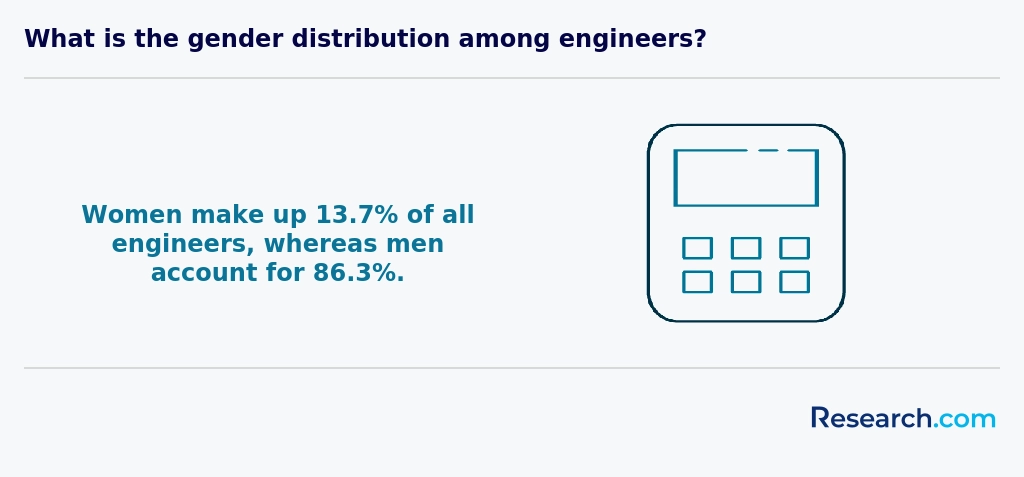
In Santa Clara, engineering degree specializations unfold like vibrant threads in a tech tapestry, interweaving innovation with tradition. Imagine diving into Computer Engineering at Santa Clara University, where graduates often describe the thrill of designing cutting-edge hardware that powers everyday devices, experiencing firsthand the pulse of Silicon Valley's tech heartbeat. The blend of electrical engineering and computer science here isn't just theory; it's a playground for inventors crafting tomorrow's smart gadgets.
Another popular journey for students is Electrical Engineering, where learning transcends textbooks to embrace real-world challenges like renewable energy projects and semiconductor breakthroughs. Graduates from local campuses recall the pride in contributing to solutions for California's green energy future, knowing their skills are in high demand. This specialization perfectly complements the bay area's booming industries, enriching their career prospects.
Exploring the best engineering majors in Santa Clara programs also reveals niches like Mechanical Engineering, where hands-on robotics workshops bring designs to life, or Civil Engineering, shaping urban landscapes with infrastructure projects. Students often share how Industrial and Software Engineering paths sharpen their problem-solving for complex manufacturing and development processes, blending creativity with logic.
For anyone weighing their options, Santa Clara's diverse offerings emphasize practical engagement and local industry relevance-they paint a picture of engineering not just as a degree but as a dynamic lifestyle. Those curious about navigating this landscape might explore the most valuable bachelor's degree fields to find the perfect fit.
Picture yourself walking the bustling corridors of Santa Clara University, where graduates recall electrifying moments in cutting-edge labs fueled by Silicon Valley's pulse. Choosing the best engineering degree in Santa Clara means tapping into that vibrant ecosystem-deciding whether electrical sparks or software bytes thrill your mind most. Affordable engineering degrees in Santa Clara often reside in public universities like San Jose State, where students juggle hands-on projects with internships, weaving theory into real-world tech challenges.
Consider accreditation as your compass: programs with ABET approval, like those at Santa Clara University, promise a ticket to respected careers and professional certification. Graduates remember late-night debugging sessions enriched by expert faculty guidance and industry connections that feel like secret passes to innovation hubs. Exploring the highest ranked engineering programs can illuminate paths aligned precisely with your ambitions and the fast-paced tech skyline overhead.
Graduates with an engineering degree in Santa Clara find themselves diving into dynamic roles fueled by the energy of Silicon Valley. At institutions like Santa Clara University and San Jose State University, students aren't just learning theory-they're crafting microchips in labs, designing AI systems, and pushing boundaries in renewable energy. These real-world experiences open doors to jobs for engineering graduates Santa Clara is famous for, from shaping the future of semiconductor devices to steering product management in nimble startups. Imagine collaborating with local tech giants like Nvidia or Intel on projects that impact millions worldwide-such is the thrill of an engineering career here.
For those dreaming beyond traditional roles, Santa Clara's entrepreneurial buzz and innovation hubs beckon, encouraging grads to jumpstart ventures in clean tech or software. Some have even tapped into cooperative programs to ace their resumes while earning degrees. And for students curious about emerging niches, exploring a cyber security degree prospects is becoming a smart move amid the tech surge. These varied pathways illustrate why engineering career opportunities in Santa Clara feel more like launching a lifelong adventure than simply finding a job.
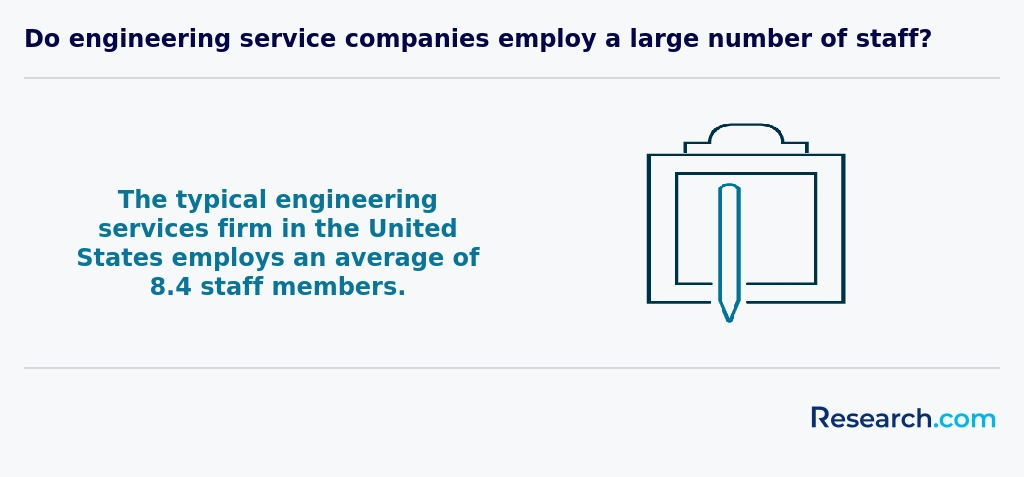
Engineering degree job opportunities Santa Clara graduate stories often brim with energy from securing positions at tech giants nestled right in their backyard. These fresh engineers, fueled by internships sourced through a tight-knit university-industry web, rapidly transition from campus projects to real-world innovations at Intel or Apple. The competitive salary-often soaring past $120,000 annually for software engineers-turns those late-night study sessions at Santa Clara University or San Jose State into tangible financial reward and pride. Beyond paychecks, graduates witness their skills shaping emerging tech, from AI to sustainable hardware.
One constant thrill shared among alumni is the ecosystem's ceaseless demand for electrical, computer, and mechanical engineers, responding dynamically to Silicon Valley's pulse. This vibrant backdrop makes the Santa Clara engineering career outlook 2027 remarkably bright, with a steady job growth near 5%, a reassuring beacon for soon-to-be graduates. For those balancing tuition against opportunity, exploring affordable engineering programs in california eases the path, merging quality and cost-effectiveness into an empowering journey.
2027 Best Engineering Degree Programs Ranking in Santa Clara
Investing in your education is a significant decision that can profoundly impact your future, and the Research.com team recognizes the importance of providing trustworthy guidance. To support prospective students in Santa Clara, we have carefully developed the "2027 Best Engineering Degree Programs Ranking in Santa Clara." Our dedication to quality, credibility, and accuracy is demonstrated through rigorous research and thorough analysis underpinning this ranking.
We utilized the following reputable data sources to ensure a comprehensive and reliable evaluation of engineering programs:
By consulting this ranking, readers will obtain valuable insights into the top engineering degree programs in Santa Clara, empowering them to make well-informed decisions about their educational journeys. For an in-depth explanation of our process, please visit our Research.com methodology page.

Frequently Asked Questions About engineering
Engineering degree students in Santa Clara can maximize their learning experience by engaging with the region's strong tech ecosystem. Santa Clara is part of Silicon Valley, home to over 6,000 technology companies, offering abundant internship and networking opportunities for aspiring engineers. Leveraging connections with local firms like Intel and Applied Materials provides practical experience complementing academic studies.
Students should also actively participate in project-based coursework and engineering clubs, which enhance problem-solving skills and teamwork. According to the National Center for Education Statistics, hands-on learning significantly improves retention and job readiness.
Moreover, Santa Clara's universities often collaborate with industry leaders, creating pathways for research and innovation exposure.
Emerging niches within the engineering field are rapidly shaping education and career opportunities in Santa Clara. Currently, areas like renewable energy engineering and sustainable infrastructure are gaining strong traction due to California's emphasis on green technologies and climate goals. According to the U.S. Bureau of Labor Statistics, renewable energy jobs are expected to grow 11% nationally from 2021 to 2031.
Additionally, the rise of artificial intelligence (AI) and machine learning is driving demand for engineers specializing in AI hardware and software integration. Santa Clara's proximity to Silicon Valley provides unique advantages in this sector, with many companies actively recruiting skilled engineers.
Another key area is biomedical engineering, where advancements in medical devices and biotechnology are fostering innovative program offerings in local universities. These niches reflect both regional economic trends and national demands, ensuring relevant pathways for students in Santa Clara.
Graduates with engineering degrees in Santa Clara benefit from proximity to Silicon Valley's tech hub, which offers numerous job opportunities. To prepare for the job market, students should focus on gaining practical experience through internships or cooperative education programs. According to the National Association of Colleges and Employers (NACE), 65% of engineering employers prefer candidates with internship experience. Santa Clara-based companies often seek skills in software development, hardware engineering, and renewable energy.
Networking is crucial-attending local industry events, joining professional organizations like IEEE, and leveraging university career centers help connect graduates with employers. Additionally, proficiency in emerging technologies such as AI and cybersecurity enhances employability.
Employers in Santa Clara prioritize several key skills in engineering graduates to meet the region's dynamic tech and manufacturing sectors. Strong proficiency in STEM fundamentals, especially in computer science, electrical, and mechanical engineering, remains essential.
According to recent data from the National Association of Colleges and Employers (NACE), 85% of California employers seek candidates with problem-solving abilities and critical thinking skills. Santa Clara companies particularly value experience with software tools like CAD, MATLAB, and programming languages such as Python and C++.
Additionally, communication and teamwork skills rank highly, reflecting the collaborative culture in Silicon Valley. Internships and co-op programs provide graduates with practical exposure, increasingly favored by recruiters in this competitive market.
Finding internships in Santa Clara relevant to an engineering degree involves leveraging local industry connections and university resources. Santa Clara is located in Silicon Valley, which hosts thousands of tech companies, including giants like Intel and Nvidia, providing a rich pool of internship opportunities for engineering students.
Students should start by contacting their college career centers, which often compile internship listings and offer workshops on resume building and interview skills. Additionally, professional networking platforms such as LinkedIn are valuable for discovering internships and connecting with recruiters in the area.
According to the National Association of Colleges and Employers (NACE), nearly 60% of engineering internships in California are found through university programs or faculty referrals. Participating in engineering clubs and local meetups can also enhance chances to secure internships by expanding professional networks.
Obtaining an engineering degree in Santa Clara significantly enhances career mobility and advancement opportunities. The region's strong technology sector, driven by Silicon Valley's innovation hub, values engineers highly. According to the U.S. Bureau of Labor Statistics, employment for engineers in California is projected to grow by 6% from 2022 to 2032, slightly above the national average.
Degrees in fields like electrical, computer, and software engineering provide access to well-paying roles with median salaries exceeding $110,000 annually, per the National Association of Colleges and Employers.
Local employers often prefer candidates with accredited engineering degrees from recognized institutions, linking education quality to upward mobility. Networking through nearby universities and internships is another key factor that facilitates job advancement within Santa Clara's competitive market.
Studying for an engineering degree in Santa Clara equips students with skills essential for interdisciplinary roles by integrating coursework across multiple fields. Programs often combine principles from computer science, electrical engineering, and business, reflecting the demands of Silicon Valley's diverse industry landscape.
Many Santa Clara institutions emphasize hands-on projects and collaboration, enabling students to work with peers from different disciplines. According to the National Science Foundation (2022), over 60% of engineering graduates from Bay Area schools engage in cross-disciplinary internships or research, enhancing adaptability.
Furthermore, proximity to tech companies offers valuable exposure to real-world challenges requiring interdisciplinary knowledge, a critical asset in today's workforce.
When deciding between a thesis and a non-thesis engineering degree in Santa Clara, students should consider their career goals and time commitment. A thesis program typically involves original research under faculty supervision, which suits those aiming for doctoral studies or research roles in Silicon Valley's tech industry.
Non-thesis options focus more on coursework and practical skills, ideal for engineers targeting industry positions or professional certifications. Santa Clara University and nearby institutions offer both pathways, reflecting local demand: approximately 60% of engineering grads enter the workforce immediately, while around 25% pursue further study, according to the National Science Foundation.
Cost and duration also vary; thesis programs often take longer and may include graduate research assistantships, potentially offsetting tuition. Students should review faculty research interests and industry connections in Santa Clara to align with their ambitions.
Students in Santa Clara pursuing engineering degrees have multiple options for studying abroad through partnerships between local universities and international institutions. Santa Clara University, for example, offers exchange programs with engineering schools in countries such as Ireland, Spain, and China, allowing students to earn credits abroad that count toward their degrees.
Many students also utilize broader U.S. study abroad programs like those through the Institute of International Education, which reports that about 15% of engineering students nationally participate in overseas study experiences annually. Such programs provide exposure to global engineering practices and innovation ecosystems.
Financial aid and scholarships specifically for engineering students are often available to help offset costs. Given Silicon Valley's emphasis on global technology collaboration, gaining international engineering experience can strengthen graduates' career prospects in Santa Clara's competitive job market.
Santa Clara offers a range of part-time job opportunities that complement engineering degree education well. Many students find internships or assistant roles at local technology companies in Silicon Valley, where Santa Clara is centrally located. Positions such as CAD technician, lab assistant, or software developer intern provide hands-on experience relevant to multiple engineering disciplines.
According to the U.S. Bureau of Labor Statistics, engineering-related part-time roles in the area often pay above the national average, reflecting demand and the region's tech focus. Additionally, positions in research labs at nearby universities like Santa Clara University or San Jose State University give students exposure to cutting-edge projects.
Jobs in technical support or quality assurance at firms like Intel or Applied Materials are also common choices for engineering students, offering practical industry insight. These roles not only bolster resumes but enhance problem-solving and teamwork skills essential for future careers.
Engineering students in Santa Clara benefit from a wealth of networking opportunities thanks to the city's proximity to Silicon Valley. Local universities often host career fairs and technical workshops, connecting students with top technology companies. For instance, Santa Clara University organizes events where over 150 engineering firms participate annually, providing direct access to recruiters and industry professionals.
Professional organizations such as the Silicon Valley chapter of the Society of Women Engineers and the American Society of Mechanical Engineers offer student memberships, enabling valuable mentorship and networking sessions. Additionally, local hackathons and startup incubators create spaces for students to collaborate and build professional relationships.
Alumni networks play a significant role for engineering degree students in Santa Clara. These networks provide valuable connections with experienced professionals who have graduated from local universities. Access to these contacts can lead to mentorship opportunities, internships, and job referrals, which are crucial in the competitive Silicon Valley job market.
Santa Clara's engineering programs often highlight strong alumni engagement. For example, Santa Clara University reports that over 70% of their engineering graduates stay connected through alumni platforms, which facilitate career support and industry insights.
In addition, alumni events and workshops foster collaborative learning beyond the classroom, helping students stay updated on technology trends and employer expectations.
Customizing an engineering degree program in Santa Clara allows students to align their education with specific career goals. Many local universities offer flexible curricula with elective courses in cutting-edge fields like software, electrical, and mechanical engineering. For example, Santa Clara University enables students to choose from various specializations and participate in hands-on projects that mirror industry demands.
Students can also benefit from internship opportunities provided by Silicon Valley companies, strengthening practical skills and networking. According to the National Center for Education Statistics, the region hosts over 15 accredited engineering programs, many with tailored advising to support individualized academic plans.
Moreover, engaging in research projects and interdisciplinary studies helps students gain expertise relevant to emerging technologies, making their degree more marketable.
Engineering students in Santa Clara often face several challenges tied to the region's competitive academic environment. Balancing rigorous coursework and practical projects, many report stress related to tight deadlines and complex problem-solving tasks. The high cost of living in Silicon Valley, averaging over $2,500 per month for housing, adds financial pressure on students, many of whom rely on part-time jobs or internships.
Access to cutting-edge technology enhances learning but demands strong adaptation skills. According to the National Center for Education Statistics, engineering programs in California report a dropout rate near 30%, often due to academic overload.
Networking opportunities are abundant but require proactive engagement, which can overwhelm less experienced students.
With an engineering degree in Santa Clara, professionals can pursue several key certifications to enhance their careers. The most recognized is the Professional Engineer (PE) license, which allows engineers to legally sign off on projects and offer services to the public. Earning a PE involves passing the Fundamentals of Engineering (FE) exam, completing relevant work experience, and passing the PE exam.
Other popular certifications include the Certified Manufacturing Engineer (CMfgE) and Certified Systems Engineering Professional (CSEP), which are valuable in Silicon Valley's advanced manufacturing and tech industries. According to the National Society of Professional Engineers (NSPE), nearly 25% of engineers in California hold some form of certification, reflecting the region's competitive job market.
Writing a winning application for an engineering program in Santa Clara requires careful preparation and clear communication of your qualifications. Highlight your strong foundation in math and science, essential for success in engineering fields. Local universities often emphasize hands-on experience, so include any internships, projects, or relevant work history.
Santa Clara's competitive engineering programs typically look for a minimum GPA of 3.5, alongside high standardized test scores in math sections. According to the National Center for Education Statistics, programs in this area value problem-solving skills and leadership demonstrated through extracurricular activities.
Craft a concise personal statement that explains your passion for engineering and how studying in Santa Clara will help you achieve your goals. Tailor each application to the specific program, addressing faculty interests or unique facilities, ensuring your fit with the institution's offerings.
Engineering careers are highly valued worldwide for their role in driving innovation and economic growth. In the United States, and particularly in regions like Santa Clara, engineering graduates benefit from access to technology hubs such as Silicon Valley. This area is known for its concentration of tech companies and startups, offering strong job prospects.
According to the U.S. Bureau of Labor Statistics, employment for engineers is projected to grow about 10% from 2022 to 2032, faster than the average for all occupations. Santa Clara's engineering graduates often find opportunities in software, hardware, and clean energy sectors. Globally, engineering skills are transferable, and U.S. degrees are widely recognized, enhancing mobility and career growth.
Additionally, many engineering fields require continuous learning to keep pace with technological advances, making a degree just one step in a lifelong career journey.
Gaining practical experience while studying for an engineering degree in Santa Clara is essential for career readiness. Many universities in the area have strong partnerships with Silicon Valley tech companies, enabling students to secure internships and co-op opportunities. According to the National Association of Colleges and Employers, about 60% of engineering students nationwide participate in internships before graduation.
Additionally, students can engage in research projects led by faculty, often funded by grants related to emerging technologies. Engineering programs frequently encourage participation in clubs and competitions, such as robotics or coding challenges, which develop hands-on skills.
Local career centers also facilitate job fairs and networking events, enhancing students' chances to connect directly with employers in Santa Clara's tech ecosystem.
Choosing the right concentration within an engineering degree in Santa Clara involves understanding your interests, career goals, and the local industry landscape. Santa Clara is a major tech hub with strengths in software, electrical, and mechanical engineering fields.
Begin by exploring concentrations offered by local universities, such as Santa Clara University and San Jose State University, both known for specialized programs in computer, aerospace, and industrial engineering.
Consider internship and job placement rates; for instance, the Silicon Valley region employs over 70,000 engineers, favoring skills in robotics, AI, and semiconductor design according to the U.S. Bureau of Labor Statistics.
Meeting with academic advisors and attending career fairs can help match your skills and market demand.
- 2027 Best Engineering Degree Programs Ranking in San Francisco
- 2027 Best Engineering Degree Programs Ranking in Davis
- 2027 Best Engineering Degree Programs Ranking in Santa Barbara
- 2027 Best Engineering Degree Programs Ranking in Pasadena
- 2027 Best Engineering Degree Programs Ranking in Los Angeles
- 2027 Best Engineering Degree Programs Ranking in Irvine
- 2027 Best Engineering Degree Programs Ranking in La Jolla
- 2027 Best Engineering Degree Programs Ranking in Riverside
- 2027 Best Engineering Degree Programs Ranking in San Diego
- 2027 Best Engineering Degree Programs Ranking in Portland
See What Experts Have To Say About Studying Engineering
Read our interview with Engineering experts


Bohdan W. Oppenheim
Engineering Expert
Professor Emeritus of Healthcare Systems Engineering
Loyola Marymount University

Jasna Jankovic
Engineering Expert
Associate Professor
University of Connecticut

- Santa Clara’s Bloated Core Curriculum - The Santa Clara https://www.thesantaclara.org/blog/santa-claras-bloated-core-curriculum
- The Rise of the Niche Engineer https://www.sterling-engineering.com/niche-engineer/
- All STEM Placements/Internships | Gradcracker - Careers for STEM Students https://www.gradcracker.com/search/all-disciplines/engineering-work-placements-internships
- Challenges, difficulties and barriers for engineering higher education https://www.jotse.org/index.php/jotse/article/view/1696/645
- Guide to Types of Engineering Programs and Careers https://www.ycp.edu/news/types-of-engineering-degree-programs
- What To Look for When Getting an Engineering Job After College | H+M EPC https://www.hm-ec.com/blog-posts/what-to-look-for-when-getting-an-engineering-job-after-college-hm
- Engineering Education | Role of Interdisciplinary Studies in Modern Engineering https://www.thestudentpocketguide.com/2024/07/student-life/education-career/engineering-education-interdisciplinary-studies-modern-engineering/
- engineering degree - Tłumaczenie po polsku - Słownik angielsko-polski Diki https://www.diki.pl/slownik-angielskiego
- Arya College | Best B.Tech College in Jaipur, Rajasthan, India https://www.aryacollege.org/resources/common-challenges-faced-by-engineering-students/
- targetjobs https://targetjobs.co.uk/careers-advice/engineering/what-can-i-do-engineering-degree


