2027 Most Affordable Engineering Degree Programs Ranking in Iowa City

Co-Founder and Chief Data Scientist
Choosing the right engineering degree can shape your future, especially when affordability matters. This article introduces the 2027 Most Affordable Engineering Degree Programs Ranking in Iowa City, created by the Research.com team of data scientists. It's designed to help you make an informed decision about which programs offer the best value for your investment.
Exploring these options can open doors to exciting career opportunities. Whether you're starting your journey or considering a change, understanding program costs and quality is essential. Let this ranking guide you toward a degree that fits both your goals and budget.
Key benefits of getting engineering degree in Iowa City
- Engineering graduates in Iowa City can enjoy competitive salaries like Electrical Engineers earning around $117,680 annually and Mechanical Engineers making about $105,220 per year, offering strong financial stability.
- Graduates from local universities often pursue diverse careers in civil, industrial, and mechanical engineering, providing exciting opportunities to work on large-scale infrastructure, product design, or manufacturing.
- Obtaining an engineering degree online from Iowa City institutions offers flexibility and the ability to balance studies with personal life, making education more accessible without compromising quality.
- 2027 Most Affordable Engineering Degree Programs Ranking in Iowa City
- What can I expect from engineering degree in Iowa City?
- Where can I work with engineering degree in Iowa City?
What can I expect from engineering degree in Iowa City?
Engineering students at the University of Iowa in Iowa City typically face an average annual tuition cost ranging between $9,000 and $30,000, depending on residency status and program level. In-state students benefit from significantly lower fees, making the College of Engineering an accessible option within the state. Graduates often highlight that this investment aligns well with the robust quality of education and extensive resources available.
Access to advanced laboratories and internship programs adds substantial value, helping students transition smoothly into the workforce. Many engineering graduates recall collaborative projects and hands-on experiences that foster both technical expertise and confidence. The supported student-to-faculty ratio near 16:1 also ensures personalized advising, which enhances academic success and professional readiness.
Considering the competitive starting salaries of $65,000 to $75,000 annually reported by recent graduates, the education cost balances well against promising career outcomes in Iowa's growing engineering sectors like manufacturing and renewable energy.
Where can I work with engineering degree in Iowa City?
Graduates with an engineering degree from institutions like the University of Iowa in Iowa City find a wide range of career opportunities across technology, manufacturing, healthcare, and public works sectors. Many secure research and development roles within the university's robust engineering departments, benefiting from over $40 million invested annually in engineering-related research. This funding fuels cutting-edge projects in biomedical, environmental, and materials engineering, offering hands-on experience that graduates value highly.
Manufacturing companies such as Collins Aerospace locally employ engineers in aerospace, mechanical, electrical, and software disciplines, filling about 25% of engineering jobs in the region. Recent graduates describe thriving in dynamic environments where innovation is prioritized.
The healthcare sector is growing rapidly as well, with the University of Iowa Hospitals and Clinics hiring biomedical and systems engineers to improve medical device technology and clinical operations. Graduates report satisfaction working on impactful projects that directly enhance patient care.
Other paths include civil and environmental engineering roles within city departments and consulting firms, enabling graduates to contribute to sustainable urban development. Startups and small tech companies in Iowa City also welcome engineers eager to engage in green energy and IT innovation.
Graduates with an engineering degree in Iowa City can expect competitive salaries that align with both local industry demand and regional economic conditions. For example, mechanical engineers earn a mean annual wage of about $105,220, reflecting opportunities in manufacturing hubs near the University of Iowa. Electrical engineers enjoy even higher earnings, with mean salaries around $117,680, supported by technology and energy sectors in the area. Civil engineers, who play critical roles in infrastructure projects around Iowa City, have a mean annual wage near $101,160.
Many students from the University of Iowa report starting salaries near $60,000, especially in public sector roles such as healthcare and education. With experience and advanced certifications, such as professional engineer (PE) licensure, annual incomes can rise well above six figures, particularly in specialized disciplines like software and aerospace engineering.
These salary figures highlight the tangible benefits of pursuing engineering in Iowa City, a place where lower living costs and strong university-industry connections create a rewarding environment for career growth.
- The University of Iowa in Iowa City offers accredited engineering programs in disciplines like civil, electrical, mechanical, and biomedical engineering.
- Annual tuition for in-state students ranges from $10,000 to $12,000, while out-of-state students typically pay around $30,000.
- Entry-level engineering salaries average between $60,000 and $65,000 per year in Iowa City.
- Mid-career engineers can expect salaries from $80,000 to $100,000 depending on their specialty and industry.
- The job market for engineers is growing, supported by industries such as manufacturing, healthcare technology, and renewable energy.
- The University of Iowa offers co-op and internship programs that provide hands-on experience and improve job prospects after graduation.
Completing an engineering degree in Iowa City usually takes about four years for full-time students, which is consistent with national standards for Bachelor of Science programs. At the University of Iowa, the primary institution offering engineering degrees, graduates commonly report following this four-year path while balancing demanding coursework in math, physics, and specialized engineering fields. This timeline reflects a typical experience for students dedicated to a full-time schedule.
However, some students may extend their studies beyond four years if they pursue part-time enrollment, participate in cooperative education programs, or enroll in dual-degree options that add semesters. These extensions often bring practical benefits, such as hands-on internship experience, which many graduates find rewarding for career readiness.
National data from the NCES indicates an average completion time of approximately 4.2 years for engineering bachelor's degrees, aligning closely with Iowa City's norms. This slight variation accounts for individual pacing and program differences, reassuring local students that they are on a competitive academic track.
On-campus engineering programs in Iowa City, such as those at the University of Iowa, offer immersive hands-on experiences through labs and direct interaction with professors and peers. Graduates often emphasize the advantage of being able to collaborate in person, join engineering clubs, and attend career fairs that enhance networking opportunities critical for internships and job placements.
Conversely, online engineering degrees provide flexibility, appealing to students balancing work or family commitments. Iowa City students pursuing online tracks benefit from virtual labs and lectures, allowing them to study without relocating. This approach reduces overall costs, with online tuition typically 15-20% lower than on-campus rates, a significant factor for many.
Both formats maintain ABET accreditation, ensuring quality and professional recognition. While graduates of on-campus programs often highlight the supportive campus community, online graduates appreciate the adaptable schedule without sacrificing educational standards. Understanding these distinctions helps prospective students in Iowa City choose the program best aligned with their personal and professional goals.
The average cost of obtaining an engineering degree in Iowa City varies significantly depending on residency status. For in-state students attending the University of Iowa, the median total cost is approximately $11,283, which covers tuition, mandatory fees, and some program expenses. Non-resident students face substantially higher costs, with a median total near $47,241. These figures align with real experiences of graduates who report that while costs may seem high upfront, the moderate cost of living in Iowa City helps alleviate additional financial burdens.
Engineering students often find that budgeting beyond tuition is crucial. Expenses such as housing, textbooks, and lab materials typically add several thousand dollars annually. Nevertheless, many students speak positively about the affordable engineering degree programs Iowa City offers, making the investment feel worthwhile considering the quality of education and access to hands-on experiences in labs and research projects available at local universities.
Graduate-level engineering tuition is usually calculated per credit hour, with in-state rates lower than those for out-of-state students. This flexibility benefits those pursuing advanced degrees but requires careful financial planning. For undergraduates looking for flexible learning options, some explore internet colleges as a way to balance cost and education, expanding access to affordable engineering degree programs in Iowa City.

Students considering an engineering degree in Iowa City, IA, will benefit from a proactive approach that blends academic rigor with campus engagement and professional networking. Leveraging resources such as academic advising, industry mentorship programs, and student clubs can significantly enhance your educational journey. For instance, joining research groups or engineering societies helps cultivate both technical skills and leadership qualities while providing valuable real-world experience. It is also important to attend local industry events, workshops, and seminars to stay updated on evolving technologies and market trends. For additional guidance on choosing programs that combine strong academic support with vibrant campus communities, check out our ranking of affordable engineering schools in iowa. Embracing these strategies not only paves the way for academic success but also builds a professional network that can open doors to exciting career opportunities post-graduation.
Engineering students at the University of Iowa in Iowa City have access to several types of financial aid that ease the significant costs associated with their degrees. Federal and state grants, such as the Pell Grant and Iowa Tuition Grant, provide essential need-based support that does not require repayment. Many undergraduates have reported how these grants allowed them to focus more on studies rather than finances.
Merit-based scholarships from the College of Engineering reward academic performance and leadership, often targeted to specific disciplines like mechanical or electrical engineering. Graduates recall how these scholarships motivated them to maintain high grades and become campus leaders.
Federal work-study programs offer part-time on-campus jobs tied to engineering fields, giving students practical experience while helping cover expenses. Graduate students often benefit from research and teaching assistantships, which combine stipends with tuition waivers, reducing financial stress and enhancing professional skills.
Student loans, both federal and private, remain a common resource, with federal loans typically preferred for their lower interest rates and flexible repayment. This multi-faceted aid system reflects the tangible support engineering students receive in Iowa City.
Embarking on your journey toward one of the 2024 most affordable engineering degree programs in Iowa City, IA begins with a clear, organized application process. Follow these steps to maximize your chances of acceptance and secure financial support: 1. Research Programs and Deadlines • Visit each institution’s admissions page to confirm application deadlines-typically between November and February for fall entry. • Compare tuition, course offerings, and internship partnerships. You can also benchmark against our ranking of the best online geoscience and geology degree programs to understand how program rigor and affordability align across STEM fields. 2. Prepare and Submit Required Documents • High school or college transcripts showcasing strong performance in math and science. • Official ACT/SAT scores (if required) or evidence of quantitative placement exam results. • Letters of recommendation from STEM instructors or supervisors highlighting your analytical skills and teamwork. • A compelling personal statement that aligns your career goals with Iowa City’s engineering community and highlights any hands-on projects or research. 3. Apply for Financial Aid and Scholarships • Complete the FAFSA as soon as applications open (October 1) to access federal and state grants. • Research merit- and need-based scholarships specific to engineering majors at the University of Iowa, Kirkwood Community College, and private colleges like Coe. 4. Follow Up and Attend Interviews or Campus Visits • After submission, regularly check your application portal for interview invitations or supplemental requirements. • Schedule campus tours or virtual info sessions to meet faculty, explore labs, and assess student support services. By following this structured approach, you’ll navigate deadlines confidently, assemble a standout application, and position yourself to join an affordable, high-quality engineering program in Iowa City, IA.
To enroll in an engineering degree program in Iowa City, students must demonstrate a strong foundation in math and science, particularly in calculus, physics, and chemistry. Graduates from the University of Iowa, the area's leading institution, recall that proficiency in these subjects was essential for tackling demanding coursework and project-based learning.
Applicants typically need a high school diploma or GED with evidence of advanced STEM coursework, such as AP or IB classes. This preparation signals readiness for college-level engineering challenges. Some programs still consider SAT or ACT scores, with admitted engineering students at the University of Iowa averaging a 27 composite ACT score, highlighting the competitive nature of admissions.
Beyond academics, letters of recommendation and personal statements are crucial for showcasing motivation and career goals. Many graduates emphasize that these components helped convey their passion for engineering beyond grades.
Finally, basic computer skills and familiarity with engineering software like CAD are often required or encouraged, ensuring students are ready for the technical demands faced in Iowa City's engineering programs.

Engineering degree programs in Iowa City, notably at the University of Iowa's College of Engineering, typically include a robust curriculum with courses designed to develop practical and analytical skills. Graduates often recall rigorous classes in Calculus and Differential Equations that form the mathematical backbone essential for engineering problem-solving.
Core science topics such as General Physics, Chemistry, and Thermodynamics provide the theoretical framework necessary for understanding materials and energy processes, while technical courses like Statics, Dynamics, and Electrical Circuits give hands-on experience with real-world systems.
Students appreciate classes in Engineering Mechanics and Fluid Mechanics that simulate physical challenges encountered in industries ranging from construction to aerospace. Many find Computer Programming and Data Structures invaluable, equipping them to automate calculations and design software tools for projects.
Additionally, project management and engineering design courses emphasize teamwork and communication, mirroring collaborative work environments. Electives tailored to specific fields, such as biomechanics in biomedical engineering or structural analysis for civil engineering, allow students to engage deeply with their interests. This thoughtful course mix prepares Iowa City engineering students to confidently enter the workforce.
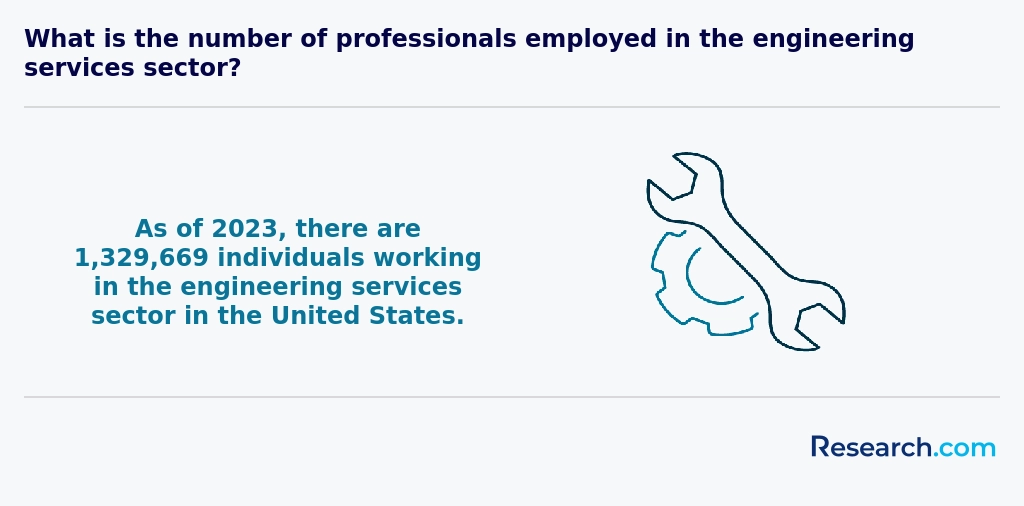
Engineering degree specializations in Iowa City cover diverse fields that align closely with both traditional and emerging industry needs. The University of Iowa's College of Engineering, a popular choice among local students, offers core majors such as Civil Engineering, focusing on infrastructure development essential to the Midwest's growth, and Mechanical Engineering, which equips graduates with skills applicable to automotive and aerospace industries. Electrical Engineering students gain expertise in electrical systems and communication technologies, preparing them for careers in power generation and automation.
Biomedical Engineering leverages Iowa City's strong healthcare sector, enabling graduates to innovate medical devices and healthcare technologies, enhancing patient outcomes in real-world settings. Additionally, programs frequently integrate software and environmental engineering options, reflecting demand trends among top engineering majors Iowa City offers. Graduates often recall hands-on experiences through internships and research collaborations with local tech firms and hospitals, which enrich their learning and improve job prospects.
For students weighing their options, exploring the best computer science degrees at the same institutions can complement engineering skills, broadening career opportunities in the region.
Choosing the best engineering degree in Iowa City requires analyzing multiple data points, including specialization, cost, and program quality. The University of Iowa, known among the best engineering colleges in Iowa City, offers diverse fields like mechanical, civil, and biomedical engineering. Graduates often highlight how biomedical engineering's rapid growth aligns with expanding healthcare technologies, making it a sensible choice for future job markets.
Cost is a significant factor-average in-state tuition hovers around $10,000 annually, much lower than the national average surpassing $20,000 at many public universities. Many students find this affordability essential when seeking affordable engineering degree programs Iowa City offers, combined with available scholarships and financial aid targeted to engineering students.
Hands-on experience is vital; graduates value Iowa City's emphasis on labs and co-op programs that develop practical skills. Additionally, students appreciate the chance to explore career paths in computer science and related engineering disciplines through local industry connections, facilitating internships and job placement.
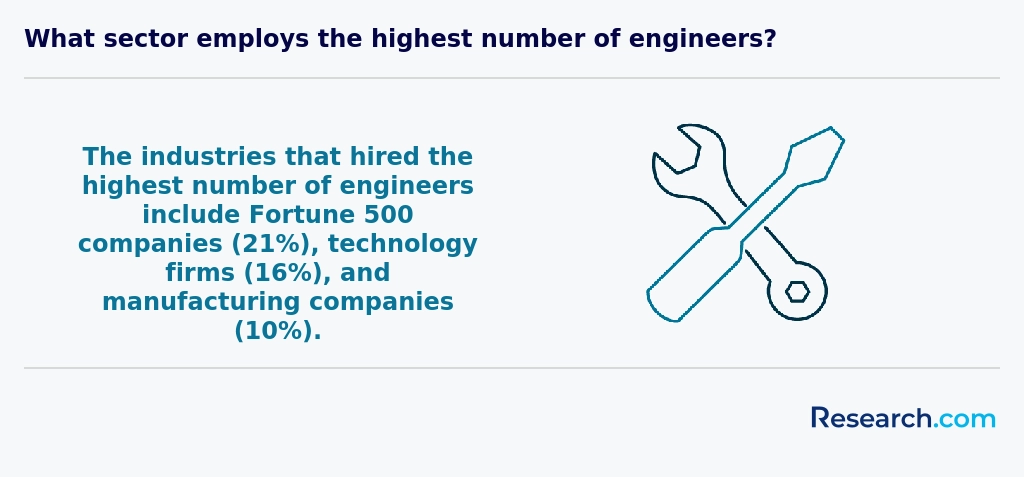
Graduates with an engineering degree in Iowa City have access to diverse career paths driven by the region's robust manufacturing sector, healthcare institutions, and growing environmental initiatives. Popular local employers seek expertise in mechanical, electrical, and biomedical engineering for product development and innovation. Many engineering graduates from prominent universities in Iowa City find rewarding roles that combine technical skills with practical impact, such as improving bioengineering devices or enhancing electronics manufacturing efficiency. These opportunities illustrate the strong engineering career opportunities in Iowa City.
Biomedical engineering graduates frequently collaborate with top facilities like the University of Iowa Hospitals and Clinics, contributing to medical device innovation and healthcare technology advancements. Such experiences demonstrate high job prospects for engineering graduates Iowa City, praised by alumni who value the integration of research and real-world applications. Environmental engineering also shows steady growth, focusing on sustainable solutions in agriculture and water management, aligning with state regulations and ecological goals.
Other pathways include civil and software engineering, supporting crucial infrastructure projects and digital transformation efforts within the region. Graduates interested in expanding their technical expertise can explore further education options, including degrees in computer information systems, which complement engineering disciplines and enhance versatility in the job market.

The engineering job opportunities in Iowa City are strongly influenced by the presence of key institutions like the University of Iowa, which actively employs engineers in research and infrastructure projects. Graduates often find roles in healthcare technology firms and established manufacturing companies, benefiting from the city's diverse economic base. For many engineering students, these job markets offer a practical pathway to gain experience and build rewarding careers locally.
Salary outlooks for Iowa City engineering degree holders are competitive, with entry-level engineers earning between $60,000 and $70,000 annually. This aligns closely with salaries in similar mid-sized metropolitan areas, providing a strong incentive for graduates. Experienced professionals can expect higher earnings, especially in civil, software, and industrial engineering sectors, reflecting stable job growth trends predicted by regional data. Such prospects make the Iowa City engineering degree salary outlook attractive for new graduates considering local employment.
Graduates from the University of Iowa report that lower in-state tuition rates compared to the national average ease financial pressures, making study here a sensible investment. Many look ahead to career advancement bolstered by internships and regional industry connections. For those seeking advanced qualifications, pursuing the best online master in computer science programs enhances skill sets and employability in the expanding tech landscape of Iowa City.
2027 Most Affordable Engineering Degree Programs Ranking in Iowa City
Investing in your education is a significant decision that requires careful consideration, and the Research.com team is committed to helping you make the best possible choice. To support prospective students in Iowa City, we have carefully developed the "2027 Most Affordable Engineering Degree Programs Ranking in Iowa City." Our dedication to quality, credibility, and accuracy is demonstrated through thorough research and detailed analysis.
We utilized the following reputable data sources to create this ranking:
By reviewing this ranking, readers will gain valuable insights into affordable engineering degree programs in Iowa City, empowering them to make informed educational decisions. For a deeper understanding of how this ranking was created, please visit our Research.com methodology page.

Frequently Asked Questions About engineering
Engineering students in Iowa City can maximize their learning by engaging in hands-on experience through internships and co-op programs offered by local industries and the University of Iowa. These opportunities provide practical skills alongside academic knowledge, which is critical in engineering education.
Participating in student organizations such as the Society of Women Engineers or the American Society of Mechanical Engineers can enhance networking and leadership skills. Additionally, utilizing resources like tutoring centers and faculty office hours improves understanding of complex engineering concepts.
According to the University of Iowa, 85% of their engineering students secure internships before graduation, significantly improving employability.
Emerging niches in engineering reflect the evolving technology and industry demands in Iowa City and beyond. Areas like renewable energy engineering are gaining traction as Iowa emphasizes wind and solar power development. According to the U.S. Bureau of Labor Statistics, renewable energy jobs are projected to grow faster than average through 2030.
Biomedical engineering is another expanding field, fueled by Iowa City's strong healthcare sector. Collaborations between engineering programs and medical research institutions, such as those at the University of Iowa, support innovation in medical devices and biotechnology.
Additionally, data engineering and cybersecurity engineering are becoming vital due to increasing digitalization. These niches offer promising career paths for new graduates seeking growth in Iowa City's technology landscape.
To prepare for the job market after completing an engineering degree in Iowa City, students should focus on developing both technical and professional skills. Engaging in internships or cooperative education (co-op) programs is essential; these opportunities provide real-world experience and connections within local industries such as agriculture technology and manufacturing. According to the University of Iowa Career Services, nearly 60% of engineering students secure internships before graduation.
Building a strong network through local engineering societies like the Iowa City chapter of the American Society of Mechanical Engineers (ASME) enhances job prospects. Additionally, mastering software common in industry-such as CAD and MATLAB-helps graduates meet employer expectations. Employers in Iowa City value graduates who demonstrate teamwork, communication, and problem-solving abilities alongside technical expertise.
Employers in Iowa City seek engineering graduates who demonstrate strong technical skills, including proficiency in computer-aided design (CAD), programming, and data analysis. According to the Iowa Workforce Development report, 75% of hiring managers prioritize hands-on experience with industry-specific software.
Critical thinking and problem-solving abilities are essential, as employers value engineers who can innovate and optimize processes. Communication skills are also highly regarded, enabling graduates to collaborate effectively in multidisciplinary teams.
Additionally, knowledge of sustainable engineering practices is increasingly important in Iowa's growing industries. Internships and cooperative education experiences enhance employability by providing practical exposure and networking opportunities.
Finding internships in Iowa City relevant to an engineering degree involves leveraging local university resources and regional industry connections. The University of Iowa, a major institution in the area, offers career services specifically for engineering students, including internship postings and employer networking events. According to the National Association of Colleges and Employers, nearly 60% of engineering students seek internships through their university's career center.
Additionally, Iowa City hosts several tech and manufacturing companies that routinely offer internships, such as Rockwell Collins and MidAmerican Energy. Local job boards and professional organizations like the Iowa Society of Professional Engineers provide updated internship listings. Networking through university clubs and attending local STEM career fairs can significantly increase your chances of securing a paid or unpaid internship in engineering fields.
Obtaining an engineering degree in Iowa City significantly enhances career mobility and advancement opportunities. The city benefits from a growing technology and manufacturing sector, with companies actively seeking engineering graduates. According to the Bureau of Labor Statistics, engineers in Iowa earn a median annual wage above the national average, offering strong financial incentives for degree holders.
The University of Iowa and other local institutions provide accredited engineering programs, recognized by employers regionally and nationally. Graduates gain skills valued across industries, including civil, mechanical, and electrical engineering.
Networking and internships available through Iowa City institutions further support professional growth, often leading to promotions and higher responsibility roles.
Studying for an engineering degree in Iowa City offers students a strong foundation for interdisciplinary roles by emphasizing both technical expertise and collaborative skills. The University of Iowa, a key institution in the area, integrates hands-on projects that encourage teamwork across fields such as computer science, business, and healthcare. This approach reflects local industry demands, where employers often seek engineers capable of working alongside professionals from various sectors.
Curricula typically include courses in communication, ethics, and project management, equipping graduates to navigate complex, real-world problems. According to the University of Iowa's College of Engineering, over 30 percent of graduates enter multidisciplinary teams, highlighting the program's practical relevance.
Community partnerships and internships further support exposure to diverse fields, enhancing readiness for interdisciplinary careers.
Choosing between a thesis and a non-thesis engineering degree program in Iowa City depends on your career goals and preferences. Thesis programs typically emphasize research, requiring students to conduct original studies and write a detailed paper. These paths suit those aiming for doctoral studies or research positions.
Non-thesis programs generally focus on coursework and practical skills, ideal for professionals seeking quicker graduation or industry jobs. The University of Iowa, a leading local institution, often offers both options within its engineering graduate programs.
According to the National Center for Education Statistics, about 35% of engineering master's graduates pursue thesis tracks nationwide, showing a significant interest in research careers. Consider your long-term plans and consult faculty advisors before deciding.
Students in Iowa City interested in studying engineering abroad have several structured options through their home institutions. The University of Iowa, a leading local university, offers exchange programs and faculty-led study abroad trips in partnership with institutions across Europe, Asia, and Australia. These programs often include courses in mechanical, civil, electrical, and biomedical engineering.
Participation in these programs allows students to earn credits transferable to their degree, ensuring timely graduation. The National Science Foundation reports that about 10% of engineering undergraduates in the U.S. engage in study abroad experiences, enhancing their global perspective and technical skills. Additionally, Iowa City students can access scholarships specifically aimed at STEM study abroad through University of Iowa's International Programs office.
Students pursuing engineering degrees in Iowa City can find valuable part-time job opportunities that enhance their education. Local employers often seek engineering interns or assistants, especially in sectors like manufacturing, software development, and civil engineering. These roles offer practical experience with tools and software commonly used in the industry.
According to the Iowa Workforce Development, engineering-related part-time roles grew by 6% statewide in the past three years, with Iowa City showing notable demand. Positions at places like the University of Iowa's research labs or tech startups provide hands-on learning in data analysis, prototyping, and project management.
Part-time jobs in tutoring STEM subjects or working as lab aides also help build communication and organizational skills essential for engineers.
Engineering students in Iowa City have access to numerous networking opportunities through the University of Iowa, which hosts one of the state's prominent engineering programs. The College of Engineering organizes events such as career fairs, industry panels, and technical workshops that connect students with local and regional employers.
Students can join organizations like the Iowa Engineering Society student chapter and the Society of Women Engineers, both offering tailored networking events and mentorship programs. The university's strong ties to companies in agriculture, biotechnology, and manufacturing further enhance internship and job placement prospects.
According to the University of Iowa's career services, over 70% of engineering graduates secure employment within six months, reflecting effective industry connections.
Alumni networks provide valuable support to engineering degree students in Iowa City by offering professional connections and mentorship opportunities. Many engineering graduates stay active in these networks, helping current students navigate career paths and internships. According to the University of Iowa's College of Engineering, alumni participation in career fairs has increased by 15% over the past five years, enhancing job placement rates locally.
These networks also facilitate access to industry events and workshops, which are crucial for staying updated with technological advancements. Furthermore, alumni often contribute to scholarship funds and research projects, directly benefiting educational resources for students.
In Iowa City's growing engineering sector, leveraging alumni connections can significantly improve employment prospects and practical learning experiences for students.
Students pursuing engineering degrees in Iowa City can customize their programs by selecting from various concentrations such as civil, mechanical, electrical, or computer engineering. Many universities in Iowa City, including the University of Iowa, offer flexible curricula that allow students to choose electives aligned with their specific interests and career goals.
Internships and cooperative education opportunities are widely available locally, providing practical experience that complements academic studies. Additionally, students can engage in research projects or capstone design experiences tailored to industry needs in Iowa's growing technology and manufacturing sectors.
Advisors play a key role in helping students plan coursework and extracurricular activities to enhance skills relevant to their desired engineering fields. Access to local engineering firms in Iowa City also supports networking and employment after graduation.
Engineering students in Iowa City often face demanding coursework, requiring strong time management to balance projects, labs, and exams. The rigorous curriculum, typical of accredited programs such as those at the University of Iowa, challenges students to master both theoretical and practical skills.
Access to internships can be competitive, as local industries offer limited placements compared to larger metropolitan areas. According to the Iowa Workforce Development, the median annual wage for engineers in Iowa is slightly below the national average, which may affect job prospects locally.
Additionally, adapting to advanced technology and software platforms used in engineering programs requires continuous learning. Many students report stress related to tight deadlines and the need for collaboration on complex projects, underscoring the importance of strong support networks and campus resources.
With an engineering degree in Iowa City, graduates can pursue several professional certifications that enhance career prospects and credibility. The most recognized is the Professional Engineer (PE) license, which requires passing the Fundamentals of Engineering (FE) exam, gaining work experience, and then passing the PE exam. This certification allows engineers to take legal responsibility for projects and services.
Additionally, certifications like the Certified Manufacturing Engineer (CMfgE) and the Project Management Professional (PMP) are valuable for engineers involved in production or management roles. Local resources such as the Iowa Section of the American Society of Civil Engineers (ASCE) provide continuing education support.
According to data from the National Society of Professional Engineers, PE holders typically see a 20% higher median salary, making certification a strategic investment.
To write a winning application for an engineering program in Iowa City, start by thoroughly researching the University of Iowa's College of Engineering, the primary institution offering accredited engineering degrees in the area. Focus on clearly presenting your academic achievements, especially in math and science courses, since strong grades in these subjects are critical.
Highlight any relevant experience, such as internships, projects, or participation in STEM competitions. The University of Iowa values hands-on experience and leadership in engineering-related activities.
Submit well-crafted personal statements that explain your motivation for engineering and how you plan to contribute to both the program and the wider community.
Additionally, meet or exceed standardized test requirements and recommend obtaining strong letters of recommendation from teachers or professionals familiar with your technical abilities. According to the University of Iowa's admissions statistics, applicants with a GPA above 3.5 have a higher chance of acceptance into competitive engineering tracks.
The global perspective on an engineering career highlights strong demand and diverse opportunities. In the United States, including Iowa City, engineering remains a critical field for economic development and innovation. According to the U.S. Bureau of Labor Statistics, the engineering workforce is projected to grow by 8% from 2022 to 2032, faster than the average for all occupations.
Engineering graduates from Iowa City benefit from access to nationally recognized research universities and industry connections, especially in renewable energy and biotechnology sectors. Globally, engineers play key roles in solving challenges like climate change and infrastructure modernization.
International engineering programs emphasize interdisciplinary skills, which aligns with U.S. education trends encouraging teamwork and practical experience. Students in Iowa City can expect curricula that prepare them for both local industry and competitive global markets.
Gaining practical experience while studying for an engineering degree in Iowa City is essential for career readiness. Many local institutions offer cooperative education (co-op) programs that alternate classroom learning with paid work terms, allowing students to apply theory in real-world settings. For example, the University of Iowa's College of Engineering collaborates with regional companies, providing internships that can enhance skills and build professional networks.
Additionally, students can participate in research projects supported by federal grants, often focusing on areas like renewable energy or biomedical engineering. According to the National Science Foundation, hands-on research opportunities significantly improve job prospects after graduation.
Joining engineering clubs and student organizations also fosters teamwork and problem-solving abilities through competitions and community projects.
Choosing the right concentration within an engineering degree program in Iowa City requires understanding local industry demands and personal interests. Iowa City is home to the University of Iowa, which offers specialized engineering tracks such as biomedical, civil, and environmental engineering. The area's strong focus on healthcare and infrastructure influences these popular concentrations.
Students should research job placement rates and average salaries for each concentration. For example, biomedical engineering graduates in Iowa City have expanding opportunities due to the city's medical research facilities, as reported by the Iowa Economic Development Authority.
Additionally, consider internships and faculty expertise available locally. Engaging with academic advisors and attending department info sessions can provide valuable insight. Aligning your choice with future career goals and local economic trends enhances career prospects significantly.
- 2027 Most Affordable Engineering Degree Programs Ranking in Chicago
- 2027 Most Affordable Engineering Degree Programs Ranking in Milwaukee
- 2027 Most Affordable Engineering Degree Programs Ranking in Saint Louis
- 2027 Most Affordable Engineering Degree Programs Ranking in Minneapolis
- 2027 Most Affordable Engineering Degree Programs Ranking in Dayton
- 2027 Most Affordable Engineering Degree Programs Ranking in Fayetteville
- 2027 Most Affordable Engineering Degree Programs Ranking in Detroit
- 2027 Most Affordable Engineering Degree Programs Ranking in Nashville
- 2027 Most Affordable Engineering Degree Programs Ranking in Cleveland
- 2027 Most Affordable Engineering Degree Programs Ranking in Pittsburgh
See What Experts Have To Say About Studying Engineering
Read our interview with Engineering experts


Jasna Jankovic
Engineering Expert
Associate Professor
University of Connecticut

Joseph Reichenberger
Engineering Expert
Professor of Civil Engineering & Environmental Science
Loyola Marymount University

- Networking for engineers: your questions answered https://targetjobs.co.uk/careers-advice/engineering/networking-engineers-your-questions-answered
- Engineering Careers in Greater Des Moines https://www.greaterdsmusa.com/stories/engineering-jobs-in-greater-des-moines
- Study Engineering Degree Careers and Salary in Europe in Europe - 2026 - StudyinEurope.eu https://www.studyineurope.eu/engineering/engineering-degree-careers-salary-europe/
- Thesis vs. Non-Thesis Master's Programs: Which is Right for You? https://potomac.edu/thesis-vs-non-thesis-masters/
- engineering degree - Tłumaczenie po polsku - Słownik angielsko-polski Diki https://www.diki.pl/slownik-angielskiego
- Engineering Educational and Career Goals: 6 Reasons Why Continuing Your Engineering Education Advances Your Career https://www.pdh-pro.com/pe-resources/engineering-educational-and-career-goals-6-reasons-why-continuing-your-engineering-education-advances-your-career/
- Breaking Into Engineering: First Job Tips | Intuitive https://careers.intuitive.com/en/employee-stories/career-growth-advice/breaking-into-engineering-tips-for-landing-your-first-job/
- The engineering career mobility report: Who gets promoted? https://www.signalfire.com/blog/engineering-career-trends-pt1
- Engineering Study Abroad Programs | Go Overseas https://www.gooverseas.com/study-abroad/engineering
- 30+ Accredited Engineering Programs at 6 Schools in Iowa https://typesofengineeringdegrees.org/schools/iowa/