2027 Best Engineering Degree Programs Ranking in Saint Paul

Co-Founder and Chief Data Scientist
Choosing the right engineering degree program is an important step for your future. This article introduces the 2027 Best Engineering Degree Programs Ranking in Saint Paul, created by the Research.com team of data scientists. It aims to help you make an informed decision by showcasing the top programs available locally.
Exploring this ranking will give you insight into quality education options that match your goals. An engineering degree opens doors to exciting careers, personal growth, and innovation opportunities. Let this guide support you on your educational journey with confidence and clarity.
Key benefits of getting engineering degree in Saint Paul
- Salary for engineering degree graduates: Mechanical Engineers in Saint Paul earn a mean annual wage of $105,220, while Electrical Engineers make around $117,680, showing strong financial rewards for graduates.
- Career paths: Graduates from the University of St. Thomas often find roles in industries like manufacturing, construction, or technology, gaining valuable experience and diverse job opportunities.
- Online degree benefits: Earning an engineering degree online from local universities like St. Catherine University offers flexibility and convenience without sacrificing quality, helping balance studies with work or family.
- 2027 Best Engineering Degree Programs Ranking in Saint Paul
- What can I expect from engineering degree in Saint Paul?
- Where can I work with engineering degree in Saint Paul?
What can I expect from engineering degree in Saint Paul?
The average cost of pursuing an engineering degree in Saint Paul can vary significantly depending on the institution. Graduates from private colleges like Hamline University often recall tuition costs near $35,000 per year, which might feel like a big investment at first. Yet, many of these students found that scholarships and work-study programs helped ease the financial burden, allowing them to focus more on mastering practical skills and building industry connections.
Meanwhile, those attending public universities such as the University of St. Thomas experienced somewhat lower tuition rates, making quality engineering education more accessible without compromising standards. These programs deliver a strong balance between theory and hands-on learning, which students appreciated as it prepared them well for real-world challenges.
Ultimately, Saint Paul's engineering students benefit from a range of financial aid options that can transform an intimidating price tag into a manageable journey. This accessibility, combined with reputable programs and local internship opportunities, makes engineering degrees here a valuable and realistic pursuit.
Where can I work with engineering degree in Saint Paul?
Graduates with engineering degrees from institutions like the University of Minnesota's Twin Cities campus in Saint Paul often find themselves welcomed by diverse industries eager for their skills. Many recall the excitement of stepping into manufacturing firms specializing in medical devices or aerospace, where their work directly shapes innovative products. The city's strong industrial base means engineers frequently engage in design and quality assurance roles that offer hands-on problem solving and tangible impact.
Others have ventured into tech companies nestled near Minneapolis, capitalizing on the energized atmosphere of automation and robotics development. The collaboration between local universities and tech firms creates a dynamic job market where mechanical, electrical, and computer engineers thrive.
For those drawn to sustainability, Saint Paul's growing energy sector provides roles in clean energy and smart grid projects, connecting engineers with meaningful work that supports the community's future.
Public sector opportunities also resonate, with many graduates finding rewarding careers in city planning and infrastructure, appreciating the stability and societal value of these positions.
Across the board, biomedical engineering students have leveraged nearby healthcare resources to engage in research and product testing, blending science with innovation in ways that inspire and fulfill.
Graduates earning engineering degrees in Saint Paul can anticipate competitive salaries that reflect both local market demands and the cost of living here. For instance, mechanical engineers often find starting salaries around $105,000 annually, which aligns well with the strong manufacturing presence in the Twin Cities. Electrical engineers, bolstered by thriving tech firms and innovative startups, report even higher averages near $118,000 per year. Civil engineering graduates, benefiting from ongoing infrastructure projects, see typical earnings close to $101,000.
Students from popular local institutions experience these salary ranges firsthand as they transition from campus to career. Many recall internships with aerospace companies or environmental firms around Saint Paul, where early exposure helped them secure roles paying solid entry-level wages with rapid growth potential.
These salary figures aren't just numbers-they translate into real financial freedom. Graduates often express satisfaction knowing their degree not only provides meaningful work but also supports comfortable city living, with enough left over to pursue personal goals or advanced certifications that further boost earning potential.
- The cost for a bachelor's degree in engineering in Saint Paul ranges from $30,000 to $50,000 for in-state students, with private schools potentially charging over $60,000.
- Starting salaries for early-career engineers in Saint Paul are around $65,000 annually, similar to national averages.
- Mid-career engineers typically earn between $90,000 and $110,000, reflecting strong demand in the region.
- Key industries employing engineers include manufacturing, aerospace, construction, and technology, with opportunities in mechanical, civil, electrical, and software engineering.
- Many programs offer internships and cooperative education, helping students gain practical experience and improve employability.
- Engineering programs in Saint Paul are ABET-accredited, ensuring they meet national quality standards and support professional licensure.
Completing an engineering degree in Saint Paul generally takes about four years when attending full-time at well-known institutions like the University of St. Thomas or Hamline University. Graduates often reflect on this period as both challenging and rewarding, describing how balancing coursework in math, science, and specialized engineering classes fosters a deep sense of accomplishment. One common experience shared by these students is the gradual mastery of complex concepts through hands-on projects and collaborative labs, which makes the time invested feel truly worthwhile.
Part-time students or those who take advantage of accelerated summer courses may finish sooner or on a slightly extended timeline, depending on their personal circumstances. For community college students beginning at places like Saint Paul College, the journey might include earning an associate degree first, adding two years before transferring to a four-year university, yet still maintaining an overall timeframe near four years.
Many find that the structure of Saint Paul's accredited programs, held to ABET standards, provides clear milestones. This clarity helps sustain motivation through the demanding but structured progression toward licensure eligibility and a fulfilling engineering career.
Choosing between an online and on-campus engineering degree in Saint Paul often comes down to the learning environment and daily experience. Graduates from local institutions, such as those at the University of St. Thomas or Hamline University, frequently recall the energy of face-to-face labs and group projects where hands-on work sparked genuine excitement. The chance to collaborate in campus workshops and engage directly with professors offers a tangible sense of connection that many find motivating.
By contrast, online engineering students appreciate the flexibility to study around work or family commitments, using virtual labs and video lectures to progress at their own pace. Yet, without the immediacy of in-person interaction, some mention feeling less immersed in the engineering community of Saint Paul, where networking in local industry hubs thrives for on-campus students.
Both pathways provide quality education, but the choice reflects a balance: the palpable camaraderie and practical experience on campus versus the adaptability and convenience found online. Each approach suits different lifestyles, yet both build toward the same engineering goals.
Saint Paul’s engineering programs offer robust research and innovation opportunities that prepare students for cutting-edge careers. Undergraduate and graduate students can engage in faculty-led projects across state-of-the-art facilities, including the University of St. Thomas’s Center for Engineering and Innovation and the University of Minnesota’s Materials Characterization Lab. These research experiences foster critical thinking and problem-solving skills, as students collaborate on projects ranging from renewable energy systems to biomedical device prototyping. Many institutions in Saint Paul partner with local industries and government agencies, providing funded internships and co-op placements. For those balancing work and study, online research pathways are available; you can explore affordable graduate options via our Inexpensive Online Master’s in Engineering Degree Programs Ranking in the Midwest. Participation in conferences and competitions, such as SAE International and the Minnesota Inventors Congress, further enhances students’ professional networks and resumes. With mentorship from experienced faculty-many of whom hold patents and publish in peer-reviewed journals-students gain hands-on experience in emerging fields like autonomous systems, advanced materials, and sustainable infrastructure. Engaging in these research activities not only strengthens technical expertise but also positions graduates as leaders ready to drive innovation in Saint Paul’s dynamic engineering landscape.
Understanding the average cost of engineering degree in Saint Paul is crucial for planning a successful educational journey. Graduates from institutions like the University of Minnesota-Twin Cities often reflect on the significant financial investment involved, with the median total cost around $62,761. In-state students typically face a somewhat lower median total cost, approximately $49,312, making public universities a more affordable choice for locals passionate about engineering.
Many students recall balancing tuition costs with living expenses, which can greatly influence the overall commitment. For example, paying for books, supplies, and room and board adds substantial amounts to the base tuition. It's common for students to explore various financial aid packages, including grants and scholarships, which ease the burden during demanding years of study. The excitement of hands-on learning opportunities often outweighs financial worries, fostering a sense of achievement and community.
Saint Paul students considering their options often research to find an affordable engineering school in minnesota, weighing the benefits of public versus private education and scholarship availability. Reflecting on these costs with peers reveals how budgeting skills and early financial planning proved invaluable to complete their engineering degrees with confidence and a positive outlook.

Exploring the vibrant campus life is just as important as academic excellence when choosing an engineering program. Many students in Saint Paul, MN, share that the day-to-day experiences-from engaging in student organizations, technology clubs, and research opportunities to enjoying on-campus events and networking sessions-play a crucial role in shaping their overall education. A supportive campus environment provides not only academic guidance but also social and professional development, preparing students for life beyond the classroom. Moreover, students looking for an affordable engineering school in minnesota will appreciate programs that offer robust housing options, accessible campus facilities, and dynamic extracurricular activities that foster community and innovation. Such environments help build lasting relationships and provide a well-rounded college experience that enhances both personal growth and career readiness.
Engineering students in Saint Paul often find that financial aid is a crucial pillar in managing their educational journey. Graduates from the University of St. Thomas frequently share how merit-based scholarships significantly lightened their tuition load, making it possible to concentrate on challenging projects rather than money worries. Likewise, Hamline University students find institutional grants a valuable boost, especially when combined with Minnesota's State Grant program, which awards up to $5,000 a year based on financial need.
Federal aid through FAFSA remains a foundation for many, with Pell Grants offering up to $7,395 that don't require repayment-allowing students to breathe easier during intense semesters. Several also leverage low-interest federal loans, carefully balancing education costs with future financial goals.
Many Saint Paul engineering students describe internships or co-op programs with local technology firms not just as career-building experiences but vital financial relief, sometimes receiving tuition reimbursement or stipends that ease living expenses. These layered sources of support often transform the daunting challenge of funding an engineering degree into an achievable and rewarding endeavor.
To enroll in an engineering degree program in Saint Paul, you must demonstrate a solid academic foundation, particularly in math and science. Graduates from popular institutions like the University of Minnesota's Twin Cities campus often reflect on how their success began with strong preparation in high school-four years of math including algebra and calculus, plus up to four years of physics and chemistry. This rigorous background not only builds essential problem-solving skills but also fosters confidence when tackling complex engineering concepts on campus.
Many students remember the importance of submitting competitive SAT or ACT scores, even though some schools have adopted test-optional policies. These scores helped them stand out during the admissions process in Saint Paul's competitive academic environment.
Beyond grades and scores, applicants often find that sharing personal statements and recommendation letters reveals their passion and commitment to engineering. Evidence of practical experience, such as participation in STEM competitions or internships around Saint Paul, also resonates well with admissions committees, demonstrating real enthusiasm and readiness for hands-on learning.
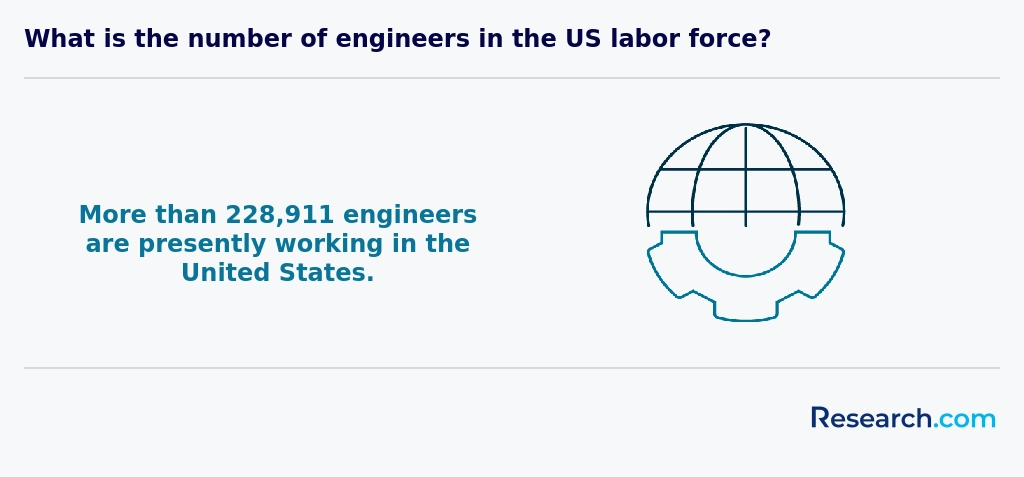
Engineering programs in Saint Paul consistently integrate core courses that create a balanced mix of theory and practical skill-building. Graduates from well-known local institutions often recall how mastering calculus and differential equations became crucial for solving real-world engineering challenges during internships. Courses in physics and chemistry lay down the essential scientific framework, enabling students to grasp mechanics or materials behavior with confidence.
Programming and data structures represent another pivotal area where students quickly see the impact of their learning-whether coding simulations or automating analysis tasks. Many recall how subjects like statics, dynamics, and electrical circuits helped them understand forces and electrical flows in everyday devices, enhancing their problem-solving abilities.
Thermodynamics, fluid mechanics, and materials science further deepen this foundation, relevant for fields like mechanical or aerospace engineering. The hands-on lab work and collaborative design projects offered by Saint Paul's engineering colleges often stand out in alumni memories, making the abstract concepts feel tangible and applicable in Minnesota's diverse industries.
Engineering degree specializations in Saint Paul offer rich and varied paths, reflecting both traditional disciplines and modern industry demands. Graduates from popular universities here often highlight how civil engineering connects directly to visible city projects, such as designing bridges and roads that shape Saint Paul's urban landscape. Mechanical and electrical engineering programs, strongly grounded in practical experience, enable students to envision themselves innovating in regional sectors like aerospace or power systems.
Students exploring Saint Paul engineering programs and concentrations often find computer engineering particularly inspiring, as it combines software and hardware expertise with the vibrant Twin Cities tech scene. Environmental engineering stands out for those passionate about sustainability, providing real-world challenges that align with Minnesota's environmental priorities. Many graduates describe their education as a blend of theory and hands-on internships that deepen their enthusiasm for their chosen fields.
For those seeking financial clarity, local resources show average in-state tuition ranging broadly, with some prospective students consulting rankings such as Inexpensive Online Master's in Engineering Degree Programs Ranking in the Midwest to find affordable paths without compromising quality.
Choosing the best engineering degree in Saint Paul means focusing on programs that blend strong curriculum with real-world hands-on experience. Graduates from local colleges often praise how internships integrated with coursework helped them apply theoretical knowledge to Minnesota's thriving aerospace and manufacturing industries. For those seeking the best engineering degree programs Saint Paul offers, it is essential to consider institutions accredited by ABET, which reassures quality education and industry relevance.
Many students find faculty expertise invaluable; professors with active research and industry connections often open doors to exclusive internship opportunities. These real-life collaborations with local companies enhance learning and career readiness. Cost is another practical concern-exploring affordable engineering colleges in Saint Paul can save significant expenses without sacrificing quality, especially when factoring in financial aid or scholarships.
Reflecting on peers' experiences, those balancing work and study sometimes ask how fast can you get an associate's degree, revealing the importance of flexible programs. Ultimately, choosing wisely means assessing curriculum, cost, and career support closely.
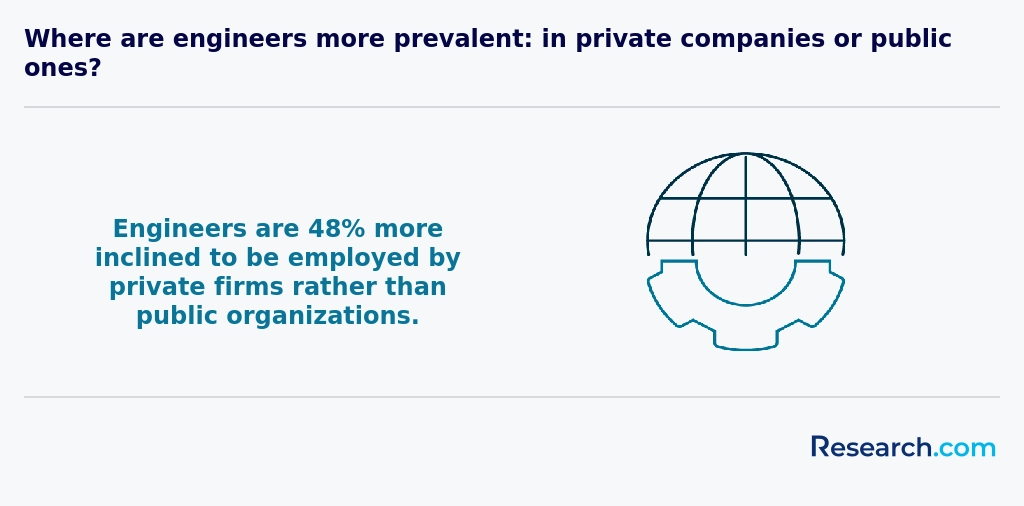
Graduates who pursue an engineering degree in Saint Paul find themselves stepping into a city brimming with diverse engineering career opportunities. Many alumni from local institutions like the University of Minnesota - Twin Cities have shared how their degrees paved paths in civil engineering, working on vital infrastructure projects that shape the city. Others have thrived in Saint Paul's manufacturing sector through mechanical engineering roles, designing machinery or improving medical devices. For those fascinated by innovation, electrical and electronics engineering positions in renewable energy and smart grid technology offer exciting growth. This variety reflects the rich landscape that defines engineering career opportunities in Saint Paul.
Alongside traditional paths, environmental engineering has become a meaningful choice as graduates contribute to sustainable water management in line with Minnesota's green policies. Software and systems engineering opportunities abound in the metro area's expanding tech scene, where automation and data analysis drive progress. Many graduates also find rewarding roles in project management and technical sales, applying their solid engineering foundation in practical settings. For students exploring options beyond campus, pathways through online schools with open admission provide additional flexibility and access.
The engineering job opportunities in Saint Paul reflect a vibrant and steadily growing market, especially for graduates from well-regarded local institutions. Many engineering graduates from universities in the Twin Cities area share stories of smooth transitions into roles within manufacturing or technology firms like 3M and Ecolab. These companies, along with aerospace firms, support a broad range of civil, mechanical, electrical, and software engineering positions, contributing to a varied and accessible employment landscape.
Graduates often highlight the positive impact of Minnesota's government-supported STEM initiatives, which help bridge skill gaps and enhance workforce readiness. For students pursuing a Saint Paul engineering degree career outlook, competitive starting salaries reinforce the appeal of entering this field locally. While balancing the cost of education is a common challenge, many turn to scholarships and financial aid to ease the burden. Exploring options such as the fastest masters degree programs can also help accelerate career progression, enabling quicker entry into the job market.
2027 Best Engineering Degree Programs Ranking in Saint Paul
Investing in your education is a significant decision that can influence your career and future success, and the Research.com team is committed to supporting you in making well-informed choices. To aid students seeking engineering degrees in Saint Paul, we have carefully developed the "2027 Best Engineering Degree Programs Ranking in Saint Paul." Our dedication to quality, credibility, and accuracy is demonstrated through rigorous research and analysis.
We utilized the following reputable data sources to ensure a comprehensive evaluation of engineering programs:
By exploring this ranking, readers will gain valuable insights into the top engineering degree programs in Saint Paul, empowering them to choose the path that best fits their goals. For more information on how this ranking was created, please visit our Research.com methodology page.


Frequently Asked Questions About engineering
Engineering students in Saint Paul can enhance their learning by engaging with local industry opportunities. The Twin Cities area, including Saint Paul, hosts more than 100 engineering firms specializing in diverse fields such as civil, mechanical, and electrical engineering, providing valuable internships and cooperative education programs.
Participating in hands-on projects and research at institutions like the University of St. Thomas or Hamline University offers practical experience that complements classroom learning. Students should also leverage Saint Paul's proximity to the University of Minnesota, which provides access to cutting-edge labs and engineering events.
Networking through local chapters of professional societies, such as the Minnesota Society of Professional Engineers, can offer mentorship and career guidance. According to the U.S. Bureau of Labor Statistics, engineering jobs in the Minneapolis-Saint Paul metro area grew by 5% over the past decade, signaling robust industry demand for skilled graduates.
The engineering field is evolving rapidly, with several emerging niches gaining prominence in Saint Paul and nationwide. One of the fastest-growing areas is renewable energy engineering, driven by Minnesota's commitment to clean energy goals. Professionals in this niche design solar, wind, and bioenergy systems to reduce environmental impact.
Another expanding field is biomedical engineering, combining healthcare and technology to develop advanced medical devices, which is supported by local healthcare innovation hubs. Additionally, software engineering focused on artificial intelligence and cybersecurity is crucial, reflecting the increasing demand for secure digital infrastructure.
These specialties reflect national trends and local economic priorities, creating diverse opportunities for engineering students in Saint Paul.
After completing an engineering degree in Saint Paul, preparing for the job market requires strategic planning. Start by leveraging local resources such as the University of Minnesota Twin Cities career services, which offers job fairs and internship opportunities tailored to engineering students. According to the Minnesota Department of Employment and Economic Development, Twin Cities metro area engineers see an average salary of $85,000, signaling a competitive market.
Building a strong professional network is crucial. Join organizations like the Minnesota Society of Professional Engineers to connect with local employers and mentors. Additionally, developing skills in emerging fields such as renewable energy and software engineering can enhance employment prospects, reflecting industry trends in the region.
Employers in Saint Paul seek engineering graduates with strong technical skills, including proficiency in computer-aided design (CAD), software programming, and data analysis. According to the Minnesota Department of Employment and Economic Development, 78% of local engineering jobs require experience with industry-standard tools and software.
Problem-solving abilities and critical thinking are highly valued, as engineers must develop innovative solutions to complex challenges. Additionally, effective communication skills are essential for collaborating with multidisciplinary teams and presenting technical information clearly.
Saint Paul employers also emphasize adaptability and continuous learning to keep pace with rapid technological advancements in fields like robotics and renewable energy.
Finding internships in Saint Paul relevant to an engineering degree involves leveraging local resources and university connections. Many engineering students in Saint Paul gain valuable internships through partnerships between institutions like the University of Minnesota Twin Cities and regional businesses.
Students should explore opportunities with major employers such as 3M and Ecolab, both headquartered nearby, which frequently offer internships in various engineering fields. According to the Minnesota Department of Employment and Economic Development, STEM internships in the Twin Cities metro area have grown by over 15% in recent years, reflecting increasing demand.
Additionally, students can use platforms like Handshake and LinkedIn to find openings targeted to their skills and interests. Attending local career fairs and joining professional engineering societies such as ASCE or IEEE's Minnesota sections can provide networking advantages and early internship access.
Holding an engineering degree significantly enhances career mobility and advancement in Saint Paul. According to the U.S. Bureau of Labor Statistics (2023), the Twin Cities metro area, including Saint Paul, offers one of the highest concentrations of engineering jobs nationwide. Employers in technology, manufacturing, and infrastructure sectors typically require formal education and value graduates with accredited engineering degrees.
Graduates with an engineering degree can expect faster promotion opportunities and higher starting salaries compared to those without a degree, with median annual wages for engineers in Minnesota around $91,000 (Minnesota Department of Employment and Economic Development, 2023). Additionally, professional licensure, such as the PE (Professional Engineer) license, available to degree holders, further boosts career prospects locally.
Continuous advancement often depends on both educational credentials and relevant experience, making a degree from Saint Paul institutions a critical asset for career growth within the city's competitive engineering marketplace.
Studying for an engineering degree in Saint Paul offers strong preparation for interdisciplinary roles by integrating multiple fields of knowledge. Programs in the area often emphasize collaboration between engineering, technology, business, and environmental sciences, reflecting the diverse needs of Minnesota's economy.
Saint Paul's universities, such as the University of Minnesota, provide access to research centers that encourage cross-disciplinary projects, helping students develop versatile problem-solving skills. According to the National Science Foundation, engineering graduates in Minnesota often work in teams spanning healthcare, manufacturing, and information technology.
Additionally, local industry partnerships facilitate internships and co-ops, exposing students to real-world challenges that require applying knowledge beyond traditional engineering. This approach equips graduates to work effectively in roles demanding a blend of technical expertise and communication skills.
Choosing between a thesis and a non-thesis engineering degree program in Saint Paul depends largely on your career goals and learning preferences. Thesis programs focus on research, requiring you to complete an original project, which benefits those considering doctoral studies or research roles.
Non-thesis programs often emphasize practical skills and coursework, appealing to students aiming to enter industry quickly. In Saint Paul, universities typically offer both formats in fields like civil, mechanical, and electrical engineering.
According to the National Center for Education Statistics, research-based programs tend to take longer to complete but can lead to higher-paying research and development positions.
Consider your interest in independent research, time commitment, and career aspirations when making your decision.
Students based in Saint Paul interested in studying engineering abroad have several options through partnerships and exchange programs facilitated by local institutions. For example, the University of Minnesota's College of Science and Engineering offers study abroad opportunities in countries such as Germany, South Korea, and China, where students can gain international experience while earning credits toward their degree.
Additionally, Saint Paul benefits from proximity to internationally active universities and consortia that encourage global engineering education. These programs often include internships and cooperative education placements, providing hands-on experience in global engineering environments.
According to the Institute of International Education, approximately 11% of U.S. engineering students participate in study abroad programs, highlighting growing interest. Saint Paul students can also access resources from education advocates and government initiatives aimed at promoting STEM abroad, ensuring support through scholarships and advising.
Students pursuing engineering degrees in Saint Paul have access to various part-time job opportunities that can enrich their academic experience. Engineering-related roles such as lab assistants, CAD technicians, or research aides in local universities allow students to apply theoretical knowledge practically. According to the U.S. Bureau of Labor Statistics, Saint Paul's engineering sector is growing steadily, driven by firms specializing in civil, mechanical, and electrical engineering.
Internships and co-op programs with companies in Saint Paul's expanding engineering and manufacturing industries can also offer valuable hands-on experience. Additionally, tech support or tutoring positions in STEM fields help reinforce engineering principles while developing communication skills.
Engineering students in Saint Paul have access to a variety of networking opportunities that can enhance their academic and professional growth. Local universities, such as the University of Minnesota's Twin Cities campus, offer engineering career fairs attracting over 200 companies annually, many with a focus on the Minneapolis-Saint Paul metro area. These events provide direct connections to internships and job placements.
Students can also join professional organizations like the Minnesota Society of Professional Engineers and the American Society of Civil Engineers' local chapters, which host regular meetings and workshops. These groups promote industry contacts and mentorship.
Additionally, Saint Paul's growing tech and manufacturing sectors create frequent community events and meetups specifically for engineering disciplines.
Alumni networks provide significant advantages to engineering degree students in Saint Paul. These networks create connections between current students and graduates working across various engineering industries. Such relationships often lead to internships, job opportunities, and mentorship programs that can enhance career development.
In Saint Paul, large universities maintain active alumni associations with thousands of engineers who contribute by sharing industry insights and organizing networking events. According to the University of Minnesota, strong alumni engagement improves graduates' job-placement rates by up to 20% in STEM fields.
Additionally, alumni can guide students through emerging technologies relevant to Minnesota's growing tech and manufacturing sectors. This support helps engineering students build practical skills and professional contacts before entering the workforce.
Customizing an engineering degree program in Saint Paul involves selecting concentrations and electives tailored to your career goals. Many local universities allow students to specialize in areas like civil, mechanical, electrical, or software engineering. For example, the University of St. Thomas offers flexible curricula where students can integrate internships and co-op opportunities with major local employers, enhancing practical skills.
Students can also pursue minors or certificates related to emerging fields such as renewable energy or data analytics, relevant to Minnesota's growing tech sector. According to the Minnesota Department of Employment and Economic Development, engineers in Saint Paul earn a median annual wage of over $85,000, reflecting a demand for well-rounded, specialized expertise.
Advising services and career centers help align course choices with job market trends, ensuring your degree matches your professional ambitions.
Engineering students in Saint Paul often face several common challenges during their studies. One significant hurdle is managing the rigorous workload, which includes demanding mathematics, science, and design courses. According to the National Society of Professional Engineers, about 40% of engineering students nationwide struggle with balancing coursework and practical labs, a trend reflected in Saint Paul institutions.
Another challenge is accessing up-to-date technology and equipment needed for hands-on learning. Some local colleges have limited resources compared to larger universities, which can affect students' practical experience.
Additionally, financial pressure is notable. The cost of engineering programs in Minnesota averages around $23,000 per year for in-state students, creating stress related to tuition and living expenses. Students also report difficulty finding internships that align with their specialized fields within the competitive Twin Cities job market.
With an engineering degree in Saint Paul, graduates can pursue a variety of professional certifications that enhance career prospects and credibility. The most recognized is the Professional Engineer (PE) license, which requires passing the Fundamentals of Engineering (FE) exam, gaining work experience, and then passing the PE exam. According to the National Society of Professional Engineers, having a PE license significantly increases job opportunities and earning potential.
Other certifications include the Certified Manufacturing Engineer (CMfgE) and Project Management Professional (PMP), both valuable in local industries.
Applying to an engineering program in Saint Paul requires careful preparation. Start by ensuring your academic records demonstrate strong proficiency in math and science, as these are key admission criteria. Many programs, including those at the University of St. Thomas and Hamline University, emphasize a minimum GPA of around 3.0 for engineering applicants.
Highlight relevant extracurriculars such as robotics clubs, internships, or math competitions to showcase your passion and practical experience. Personal statements should clearly express your motivation for pursuing engineering and how studying in Saint Paul fits your career goals.
Standardized tests like the SAT or ACT are often optional but can strengthen your application if scores are competitive. Also, secure strong recommendation letters from teachers familiar with your analytical skills. According to the National Society of Professional Engineers, a well-rounded application increases your chances significantly.
The global perspective on an engineering career emphasizes adaptability and innovation, both highly valued in the U.S. and beyond. Engineering degrees are recognized worldwide, with U.S. programs in places like Saint Paul offering strong accreditation through ABET, ensuring education quality that meets international standards.
Engineering professionals from Saint Paul often engage in solving global challenges such as sustainable energy and infrastructure development. According to the U.S. Bureau of Labor Statistics, employment for engineers is projected to grow by 8% from 2022 to 2032, reflecting steady demand locally and globally.
Moreover, Saint Paul's engineering graduates benefit from connections to multinational companies and research institutions, supporting global career opportunities. Such factors make engineering a versatile choice with worldwide relevance and stable career prospects.
Gaining practical experience while studying engineering in Saint Paul is essential for career readiness. Many local universities, such as the University of St. Thomas and Hamline University, offer cooperative education (co-op) programs that integrate paid work experience with academic studies. These programs allow students to alternate between classroom learning and full-time employment in engineering roles.
Additionally, Saint Paul's strong manufacturing and technology sectors provide abundant internship opportunities. According to the Minnesota Department of Employment and Economic Development, internships in engineering fields have grown by 12% over recent years locally. Joining professional groups like the Minnesota Society of Professional Engineers can also help students network and find hands-on projects.
Finally, some programs incorporate lab courses and capstone projects involving real-world engineering problems, fostering experiential learning directly on campus.
Choosing the right concentration within an engineering degree in Saint Paul begins by evaluating your personal interests and career goals. Popular specializations offered by local institutions include civil, mechanical, electrical, and software engineering. According to the National Center for Education Statistics, programs in the Minneapolis-St. Paul area emphasize practical experience alongside theoretical knowledge.
Consider industry trends and job demand in Saint Paul's growing sectors like manufacturing, healthcare technology, and renewable energy. The Minnesota Department of Employment and Economic Development highlights that mechanical and software engineering jobs are among the fastest growing categories locally.
Additionally, examine program accreditation and opportunities for internships or co-ops with Saint Paul employers, as these enhance job prospects. Finally, consult academic advisors and current students to understand coursework and research options within each concentration.
- 2027 Best Engineering Degree Programs Ranking in Milwaukee
- 2027 Best Engineering Degree Programs Ranking in Chicago
- 2027 Best Engineering Degree Programs Ranking in Saint Louis
- 2027 Best Engineering Degree Programs Ranking in Detroit
- 2027 Best Engineering Degree Programs Ranking in Dayton
- 2027 Best Engineering Degree Programs Ranking in Fayetteville
- 2027 Best Engineering Degree Programs Ranking in Cleveland
- 2027 Best Engineering Degree Programs Ranking in Nashville
- 2027 Best Engineering Degree Programs Ranking in Denver
- 2027 Best Engineering Degree Programs Ranking in Pittsburgh
See What Experts Have To Say About Studying Engineering
Read our interview with Engineering experts

Joseph Reichenberger
Engineering Expert
Professor of Civil Engineering & Environmental Science
Loyola Marymount University

Bohdan W. Oppenheim
Engineering Expert
Professor Emeritus of Healthcare Systems Engineering
Loyola Marymount University

Jasna Jankovic
Engineering Expert
Associate Professor
University of Connecticut

- Study Engineering Abroad https://yocket.com/blog/study-engineering-abroad
- Thesis vs. Non-Thesis Master's Programs: Which is Right for You? https://potomac.edu/thesis-vs-non-thesis-masters/
- What To Look for When Getting an Engineering Job After College | H+M EPC https://www.hm-ec.com/blog-posts/what-to-look-for-when-getting-an-engineering-job-after-college-hm
- Study Engineering Degree Careers and Salary in Europe in Europe - 2026 - StudyinEurope.eu https://www.studyineurope.eu/engineering/engineering-degree-careers-salary-europe/
- The engineering career mobility report: Who gets promoted? https://www.signalfire.com/blog/engineering-career-trends-pt1
- Challenges, difficulties and barriers for engineering higher education https://www.jotse.org/index.php/jotse/article/view/1696/645
- engineering degree - Tłumaczenie po polsku - Słownik angielsko-polski Diki https://www.diki.pl/slownik-angielskiego
- Software Engineering https://minnpoly.org/students/programs/se/
- Tuition and incidental fees - Saint Paul University https://ustpaul.ca/en/financial-services/tuition-and-incidental-fees-2/
- Guide to Engineering Internships https://www.internwise.co.uk/candidate-journey/industry-internships/guide-to-engineering-internships