2027 Best Engineering Degree Programs Ranking in Kansas City

Co-Founder and Chief Data Scientist
Choosing the right engineering degree program in Kansas City is an important step toward a successful career. Our article presents the 2027 Best Engineering Degree Programs Ranking in Kansas City, carefully compiled by the Research.com team of data scientists.
This ranking is designed to help you make an informed decision by highlighting programs that stand out in quality and opportunities. Exploring these options can guide you toward a fulfilling and rewarding educational experience in engineering.
Investing in an engineering degree opens doors to innovation and growth, making this article a valuable resource for your future.
Key benefits of getting engineering degree in Kansas City
- Engineering graduates in Kansas City can earn competitive salaries, such as Electrical Engineers making a mean annual wage of $117,680 and Mechanical Engineers earning around $105,220, offering strong financial rewards.
- A graduate from the University of Missouri-Kansas City can pursue diverse careers in fields like civil, industrial, or mechanical engineering, opening doors to exciting and stable job opportunities.
- Completing an engineering degree online through a recognized Kansas City university provides flexibility and the chance to balance work or family while gaining skills valued by top employers.
- 2027 Best Engineering Degree Programs Ranking in Kansas City
- What can I expect from engineering degree in Kansas City?
- Where can I work with engineering degree in Kansas City?
What can I expect from engineering degree in Kansas City?
Students pursuing engineering degrees in Kansas City often find tuition costs to be quite manageable, especially compared to national averages. Graduates from the University of Missouri-Kansas City (UMKC) frequently reflect on how the in-state rates at public institutions helped ease their financial concerns, making it possible to focus more on hands-on learning and research projects rather than worrying about expenses.
Many recalled balancing internships with companies like Boeing or Honeywell, supported by affordable tuition that allowed them to gain real-world experience without overwhelming debt. The accessibility of scholarships and financial aid in the region further lightens the burden, creating a positive environment where students feel encouraged to excel.
By aligning academic challenges with local industry opportunities, Kansas City engineering programs provide not only quality education but also a practical financial pathway. This balance of cost and opportunity often leaves graduates feeling confident and prepared, knowing their investment in education is sound and connected to valuable career prospects.
Where can I work with engineering degree in Kansas City?
Graduates with an engineering degree in Kansas City find themselves stepping into a vibrant job market where opportunities span a wide range of industries. Many who studied at the University of Missouri-Kansas City or Kansas State University discover careers in established corporations like Honeywell Aerospace and Black & Veatch, where their skills in mechanical, civil, and electrical engineering come alive through hands-on projects with real-world impact.
Others, energized by the city's growing tech scene, land roles in startups or software firms specializing in data analysis and telecommunications. These positions often appeal to those with computer or software engineering backgrounds, providing an exciting blend of innovation and problem-solving daily.
Public sector roles also attract graduates wanting to contribute to infrastructure and community development, working with local government or the Kansas City Area Transportation Authority. These experiences offer a unique sense of purpose and connection to the city's growth, making the work deeply rewarding.
For many, research opportunities at local universities unlock paths into renewable energy or advanced manufacturing, where engineering expertise fuels cutting-edge advancements. This blend of corporate, public, and research options means a graduate can tailor a career in Kansas City to match their passions and strengths.
Engineering graduates in Kansas City can anticipate solid earnings that reflect both local industry demands and national salary benchmarks. For example, graduates entering mechanical engineering roles often earn close to the region's average of $85,000, though nationwide figures show a mean annual wage of $105,220. This means that with a mechanical engineering degree from institutions like the University of Missouri-Kansas City, you can expect your income to grow steadily as you gain experience.
Civil engineers in Kansas City typically start with salaries around $80,000, slightly below the national mean of $101,160. This difference is balanced by a lower cost of living, which many graduates find encouraging as they start their careers working on real-world urban infrastructure projects close to home.
Electrical engineering graduates enjoy some of the highest earnings locally, starting near $90,000 and aligning well with the national mean wage of $117,680. Alumni from popular local programs often share enthusiasm about entering dynamic sectors like tech and communications, where salary growth and advancement opportunities are promising.
Graduates also note that gaining five to ten years of experience-and possibly advanced degrees-can elevate wages beyond $100,000, turning their education in Kansas City into a personally fulfilling and financially rewarding journey.
- Engineering bachelor's degrees in Kansas City typically take four years to complete.
- Public universities charge $10,000 to $20,000 per year for in-state students, while private schools may cost over $30,000 annually.
- Entry-level engineers earn around $65,000 per year, with experienced engineers making $90,000 or more.
- Internships are commonly included in programs and help build professional networks for better job opportunities.
- Common engineering fields include civil, mechanical, electrical, and computer engineering, with many programs accredited by ABET.
Completing an engineering degree in Kansas City generally takes about four years for a Bachelor of Science, mirroring the national standard. Graduates from institutions like the University of Missouri-Kansas City or Kansas State University Polytechnic Campus often describe the experience as a rewarding journey packed with rigorous coursework in math, science, and engineering fundamentals. One shared insight is the value of consistent pacing-sticking with a full-time schedule helps maintain momentum toward graduation.
For those opting to deepen their expertise with a Master of Science, adding one to two years post-bachelor's is common. Some students appreciate combined degree programs offered locally, which allow them to enter the workforce sooner while still gaining advanced skills. Many recall balancing courses with internships, which, although sometimes extending overall time, enrich practical learning and career readiness.
Part-time options and flexible scheduling, especially in emerging fields like software engineering, make it possible for working professionals to pursue degrees without pausing their careers. Regardless of the exact timeline, the shared sentiment among Kansas City engineering students is a sense of growth and accomplishment through a well-structured academic path.
Engineering students at the University of Missouri-Kansas City often reflect on the vibrant energy of on-campus life, where hands-on labs and face-to-face mentorship bring complex concepts to life. The fixed schedule, filled with collaborative projects and workshops, creates a strong sense of community and direct access to professors, making learning immediate and deeply engaging.
Conversely, graduates from online programs appreciate the flexibility that fits seamlessly into their busy lives, balancing work or family responsibilities. Studying remotely allows them to control when and where they learn, ideal for those needing to pace their education without sacrificing quality. However, some note the challenge of fewer hands-on lab opportunities and less spontaneous peer interaction compared to traditional settings.
Both paths in Kansas City share essential ABET accreditation, ensuring that whether learning occurs in a lively campus setting or through digital platforms, the degree holds national recognition. Tuition costs also vary, with many online options offering slightly reduced fees, reflecting savings on campus facility use and commuting.
- On-campus: Hands-on labs, direct faculty contact, fixed schedule
- Online: Flexible timing, remote access, fewer in-person labs
- Costs: Online may reduce additional expenses but tuition varies
- Accreditation: Both formats typically ABET accredited
Evaluating the return on investment (ROI) for engineering degrees in Kansas City involves comparing average tuition costs, living expenses, and post‐graduation earnings. On average, in‐state tuition at UMKC and Kansas State University runs about $13,000 per year, while out‐of‐state students may pay up to $44,000. Factoring in $1,200 monthly rent and $150 monthly transportation, total four‐year costs range from $60,000 to $130,000. By contrast, starting salaries for graduates are robust: Mechanical Engineers earn around $100,820, Electrical Engineers about $114,050, and Civil Engineers near $97,380 annually. Assuming a median salary of $104,083, most students can recoup their investment within 3–5 years, thanks to high demand in the region’s manufacturing, aerospace, and infrastructure sectors. Key ROI metrics: • Average total cost (in‐state): $60K over 4 years • Average total cost (out‐of‐state): $130K over 4 years • Median starting salary: $104K annually • Estimated payback period: 3–5 years • Long-term salary growth (10 years): +25–30% To maximize ROI, consider financial aid options such as Missouri’s A+ Scholarship, federal grants, and institutional merit awards. For students weighing online alternatives or seeking lower tuition in neighboring states, our Cheapest Online Engineering Degree Programs Ranking in North Dakota offers valuable insights into cost‐effective pathways.
The average cost of an engineering degree in Kansas City reflects both the diversity of institutions and the financial commitment required. Median total expenses reach about $45,121, with in-state students paying closer to $12,587, highlighting a significant difference depending on residency. Graduates from well-known programs at the University of Missouri-Kansas City often recall that while tuition fees are manageable, budgeting for additional costs like housing and technology fees is equally important in crafting a realistic financial plan.
Many students find that attending a public university locally provides a more affordable path compared to private institutions, where tuition can soar but may offer enhanced resources. Reflecting on peers' experiences, the cost of living in Kansas City remains moderate, which softens the financial impact, allowing students to focus more on their studies and projects rather than monetary stress. Considering Kansas City engineering degree tuition and fees carefully can empower students to make informed choices aligning with their goals and financial means.
It's vital to remember that financial aid options such as scholarships and assistantships often make a substantial difference. Students have shared how exploring these opportunities at their schools, alongside federal programs like FAFSA, has eased their journey significantly. Pursuing degrees in engineering also opens doors to high-paying fields for college majors, which many graduates find motivates them to invest wisely in their education, knowing the returns in their careers can be promising and fulfilling.

Kansas City, MO is not only home to top-notch engineering programs but also offers a rich, supportive campus environment that nurtures both academic and personal growth. Prospective engineering students can look forward to engaging extracurricular activities, modern facilities, and student-led organizations that promote innovation and teamwork. Many universities in the area host industry events, hackathons, and networking opportunities that allow students to build meaningful connections with professionals and peers alike. Students also benefit from dedicated career centers, mental health resources, and mentoring programs that help ease the transition from campus to career. For those looking for budget-friendly options without compromising on the full campus experience, exploring the cheapest engineering school in missouri can provide a balance between affordability and a vibrant student life. This holistic approach to education not only enhances academic success but also fosters lifelong skills and relationships essential for personal and professional development.
Engineering students in Kansas City frequently find financial aid essential for managing tuition and related costs. Federal aid, accessed through FAFSA, is a cornerstone-grants like the Pell Grant relieve significant burden by offering non-repayable funds up to $7,500 annually. Graduates from UMKC often mention how this support made early semesters less stressful, allowing focus on coursework rather than finances.
State grants unique to Missouri, such as the Access Missouri Financial Assistance Program, provide additional relief for local residents, rewarding both need and dedication. Many Kansas City engineering students share how applying early to these programs yielded meaningful awards that helped cover more than just tuition.
Scholarships from organizations like the American Society of Civil Engineers also make a real difference. Students recall receiving these targeted scholarships covering textbooks or lab equipment, fueling their motivation to excel. Work-study programs embedded in universities create hands-on experience while easing financial strain, often turning into stepping stones for post-graduation jobs.
For working professionals, employer tuition assistance is a valuable resource, particularly in Kansas City's booming engineering and manufacturing sectors, reinforcing lifelong learning with financial backing.
Enrolling in an engineering degree in Kansas City calls for a solid academic foundation in math and science. Graduates from the University of Missouri-Kansas City often recall how mastering Algebra, Geometry, and Calculus before entering helped them confidently tackle challenging coursework. Chemistry and Physics aren't just subjects; they are the language engineers speak daily. Many students found that excelling in Advanced Placement courses like AP Calculus or AP Physics gave them a noticeable edge during admissions and eased their transition to college-level studies.
Beyond coursework, maintaining a GPA around 3.0 or higher remains a key expectance across local schools. Graduates frequently mention that earning a competitive SAT math score, typically 600 or above, opened doors, although some peers appreciated the flexibility of test-optional policies recently adopted by several Kansas City colleges. Submitting clear transcripts, along with thoughtful personal statements or recommendation letters, often made applications stand out when passion for engineering was evident.
Financially aware students choose public institutions in Kansas City for reasonable in-state tuition, understanding that investing in prerequisites pays off through rewarding career paths. For many, meeting these prerequisites not only fulfilled administrative needs but also built confidence and excitement to join a community of problem solvers ready to innovate.
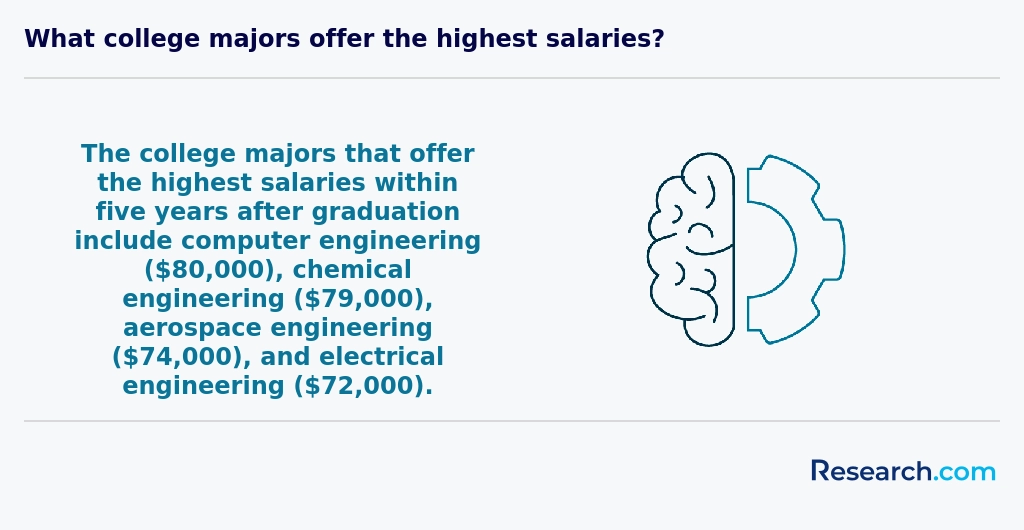
Engineering degree programs in Kansas City offer a thoughtfully structured course lineup that balances theory and hands-on learning, preparing students for real-world challenges. Early on, graduates reflect on how foundational classes in calculus, physics, and chemistry provided the essential tools to grasp complex engineering problems. These lessons aren't abstract; they become vivid when working on labs at local institutions, where you might analyze forces on a bridge model or simulate electrical circuits.
As students progress at universities in Kansas City, they dive into specialized subjects aligned with their chosen fields. Mechanical engineering students, for example, praise courses like thermodynamics and materials science for enabling them to design efficient engines or durable infrastructure, while peers in electrical engineering find joy in mastering digital systems and control instrumentation through project-based work.
Many recall the excitement of collaborative projects, such as designing sustainable solutions during environmental engineering courses, which not only enhance skills but also deepen a sense of purpose. These programs frequently partner with Kansas City industries, allowing students to apply classroom knowledge directly in internships, cultivating confidence and a genuine connection to the region's innovative spirit.
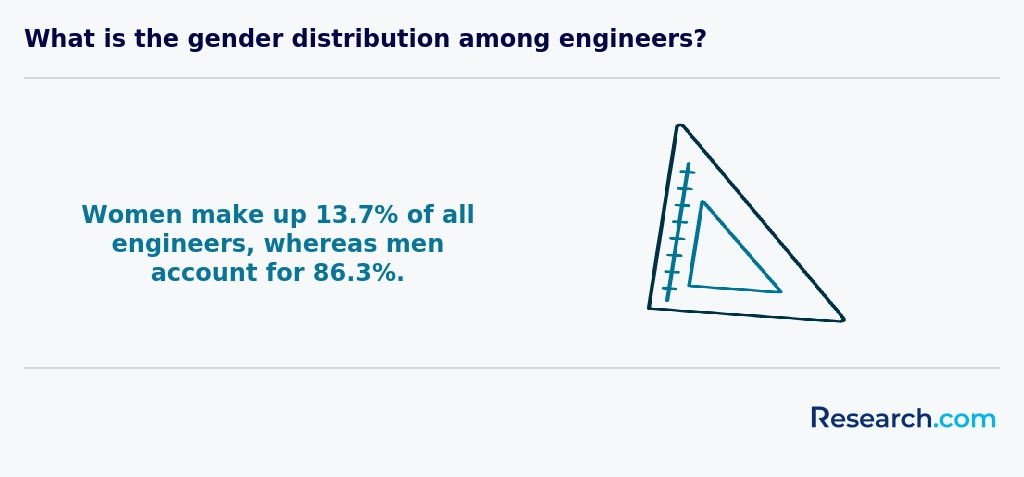
Engineering degree specializations in Kansas City reflect the city's unique blend of industrial heritage and emerging technologies. Graduates from local universities often share how Civil Engineering connects them directly to impactful urban projects like rebuilding roads or enhancing water systems in their communities. Mechanical and Electrical Engineering remain popular for those drawn to Kansas City's strong manufacturing and energy sectors, offering hands-on experience that graduates describe as deeply rewarding and practical.
Top Kansas City engineering programs by specialty also include Computer Engineering, which many students find exciting due to the vibrant local tech startup scene. The University of Missouri-Kansas City (UMKC) offers diverse tracks, and some students appreciate combining foundational knowledge with options such as Environmental or Biomedical Engineering-fields gaining momentum through sustainability and healthcare innovation. For those seeking flexibility, many graduates explore accelerated online computer science degrees, merging traditional studies with digital convenience.
Choosing the best engineering degree in Kansas City means aligning your goals with the unique offerings of local institutions. Graduates from the University of Missouri-Kansas City often praise the hands-on opportunities they experienced through internships connected to vibrant industries like aerospace and telecommunications. These experiences not only build skills but foster confidence for entering the workforce.
Accreditation is a crucial factor; programs with ABET recognition assure quality education and improved job prospects. Many students report feeling reassured knowing their degree meets national standards, which played a key role in their decision-making. For those focused on balancing quality with budget, comparing tuition costs between public and private universities in Kansas City can uncover substantial savings without compromise.
Prospective students interested in affordable engineering colleges in Kansas City might also explore programs emphasizing cooperative education. Such practical engagements make the classroom learning feel relevant and energizing. Additionally, some choose economical computer science degrees offered online to supplement their studies or pivot career paths, which can be found through resources like economical computer science degrees.
Reviewing faculty expertise and graduate employment rates provides further clarity. Many alumni express satisfaction in knowing their program's strong network and dedicated professors helped them secure positions with competitive salaries in the Kansas City metro area.

Graduates pursuing an engineering degree career options in Kansas City find themselves well-positioned across a variety of promising fields. Popular universities in the city offer programs that connect students directly with local employers, allowing graduates to smoothly transition into roles like aerospace and manufacturing design, or civil infrastructure development. Personal experiences from alumni reflect satisfaction working with major manufacturers or contributing to rapidly expanding urban projects.
Job opportunities for engineering graduates in Kansas City extend into electrical and telecom sectors, where the vibrant tech industry demands skills in network systems and hardware design. Software engineering roles also flourish, supported by dynamic startups and established firms focused on application development and cutting-edge IT innovation. Many students appreciate the blend of practical education with cooperative programs, which enrich their career readiness.
Understanding the investment in education is crucial, and those looking for the cheapest engineering school in Missouri will find thoughtful options that balance cost with quality. This holistic approach to career preparation makes Kansas City a compelling choice for emerging engineers eager to launch fulfilling careers.
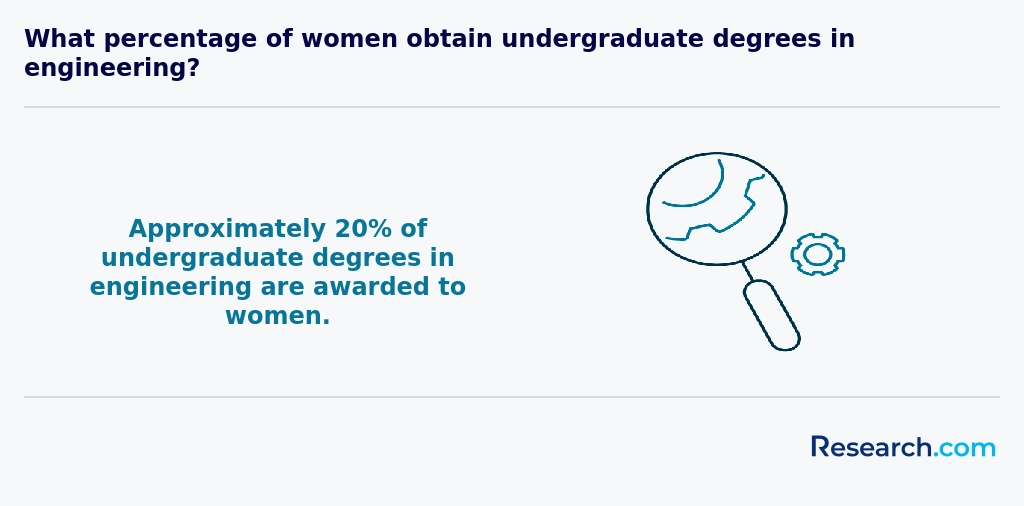
The engineering job outlook Kansas City offers graduates a balanced mix of opportunity and stability. Many graduates from well-regarded local institutions such as the University of Missouri-Kansas City and Missouri University of Science and Technology find themselves well-positioned in sectors like transportation infrastructure, advanced manufacturing, and information technology. Their experiences reflect a steady hiring trend supported by the city's strategic location at key transportation crossroads, which drives demand for civil, mechanical, and electrical engineers.
One notable aspect for students is the relatively competitive entry-level salaries, which range from $65,000 to $75,000. This pay scale, combined with Kansas City's moderate cost of living, allows young engineers to build careers with financial ease and personal satisfaction. Many recent graduates have also emphasized the value of internship programs that help them transition into full-time roles, suggesting that these practical experiences bridge the gap between academics and industry requirements.
For those concerned about educational expenses, Kansas City provides access to affordable programs compared to other regions. Students can explore options like the Cheapest Online Engineering Degree Programs Ranking in North Dakota to complement their studies or reduce costs while remaining competitive locally. Ultimately, Kansas City's engineering degree employment scene exemplifies a vibrant market for dedicated graduates with clear pathways to rewarding careers.
2027 Best Engineering Degree Programs Ranking in Kansas City
Investing in your education is a significant decision that can profoundly impact your future, and the Research.com team is committed to supporting you through this process by providing trustworthy information. To aid prospective students in Kansas City, we have carefully developed the "2027 Best Engineering Degree Programs Ranking in Kansas City." Our dedication to quality, credibility, and accuracy is demonstrated through rigorous research and thorough analysis.
We utilized the following reputable data sources to ensure a comprehensive evaluation of engineering programs:
By reviewing this ranking, readers will gain valuable insights into leading engineering degree programs in Kansas City, empowering them to make well-informed educational choices. For more information about our ranking process, please visit our Research.com methodology page.


Frequently Asked Questions About engineering
Engineering students in Kansas City can maximize their learning by actively engaging with local industry partners. The region hosts numerous advanced manufacturing and aerospace companies, offering valuable internship and co-op opportunities that provide real-world experience. According to a 2023 report by the Kansas City Economic Development Corporation, over 50% of engineering graduates in the city secure internships before graduating, enhancing their job readiness.
Furthermore, students should leverage resources at universities such as the University of Missouri-Kansas City and Kansas State University Polytechnic Campus, which offer cutting-edge labs and research projects tailored to regional engineering demands.
Participation in professional organizations like the Kansas City chapter of the American Society of Mechanical Engineers can also improve skills through networking and workshops. Staying connected to both academic and industrial communities is key to a comprehensive education.
The engineering field is rapidly evolving, and Kansas City is becoming a hub for several emerging niches. One key area is renewable energy engineering, driven by local investments in solar and wind technology. According to the U.S. Bureau of Labor Statistics, jobs in this sector are growing faster than average nationwide, and Kansas City companies are actively hiring specialists in sustainable power systems.
Another promising niche is biomedical engineering. With the Kansas City region's expanding healthcare industry, there is increasing demand for engineers skilled in medical device development and biotechnology. Data from the Missouri Economic Research and Information Center highlight significant job growth in this sector.
Additionally, software and systems engineering focusing on smart city technology are on the rise. Kansas City's leadership in urban technology, including the early deployment of a citywide gigabit internet network, supports strong growth in IoT and infrastructure engineering roles.
Graduates with an engineering degree in Kansas City should focus on building relevant work experience before entering the job market. Many local employers prefer candidates who have completed internships or cooperative education programs, which provide practical skills and professional networking opportunities. According to the Kansas City Regional Business Journal, internships in engineering fields have grown by 15% over the last five years.
Certification and licensure are also important. For many engineering positions, obtaining a Professional Engineer (PE) license enhances credibility and job prospects. The Missouri Board for Architects, Professional Engineers, and Land Surveyors oversees licensure relevant for Kansas City graduates.
Networking through local organizations such as the Kansas City Society of Professional Engineers can connect job seekers with industry leaders and job openings. Additionally, staying updated with Kansas City's key industries-like aerospace, manufacturing, and technology-helps tailor job applications to in-demand skills.
Employers in Kansas City highly value engineering graduates who demonstrate strong technical proficiency, including skills in computer-aided design (CAD), programming, and data analysis. According to the Missouri Economic Research and Information Center, Kansas City engineering firms prioritize candidates with practical experience in software such as AutoCAD and MATLAB.
Beyond technical knowledge, teamwork and communication skills are essential. Surveys by local industry groups reveal that 78% of engineering employers seek graduates who can collaborate effectively across departments and clearly explain complex ideas.
Problem-solving ability is another top skill. Kansas City's growing manufacturing and technology sectors demand engineers who can innovate and adapt to changing project requirements.
Finding internships in Kansas City relevant to an engineering degree involves leveraging local resources and industry connections. The metropolitan area hosts numerous engineering firms, including those in aerospace, automotive, and manufacturing sectors, providing diverse internship opportunities. Universities like the University of Missouri-Kansas City and Kansas State University offer career centers that connect students with employers seeking engineering interns.
Students should also explore platforms like Handshake and the Missouri Job Center, which list internships specific to the region. Participating in local engineering societies, such as the Kansas City Society of Professional Engineers, can expand networking possibilities. According to the Missouri Department of Higher Education, over 70% of engineering students secure internships through university partnerships or professional organizations.
Obtaining an engineering degree in Kansas City significantly improves career mobility and advancement opportunities. The city hosts a robust engineering job market, driven by industries like manufacturing, aerospace, and information technology. According to the U.S. Bureau of Labor Statistics, Kansas City's engineering employment is projected to grow steadily over the next decade.
Engineers with a bachelor's degree in Kansas City earn a median annual wage above the national average, enhancing financial stability and upward mobility. Local employers often prioritize candidates with accredited degrees, facilitating easier access to professional roles and promotions.
Moreover, Kansas City offers strong professional networks and continuing education options, which support career growth and skill advancement for degree holders.
Engineering degrees in Kansas City are designed to prepare students for interdisciplinary roles by emphasizing collaboration across multiple fields. Many institutions integrate coursework in business, computer science, and design, helping students develop versatile problem-solving skills. For example, the University of Missouri-Kansas City offers programs that include hands-on projects requiring teamwork between engineering and non-engineering disciplines.
The Kansas City region is home to industries such as aerospace, biotechnology, and advanced manufacturing, which often seek engineers with interdisciplinary knowledge. According to the Kansas City Area Development Council, nearly 40% of local engineering jobs require skills beyond traditional engineering, including data analysis and project management.
This environment encourages students to engage in internships and cooperative education programs that cross industry boundaries, fostering adaptability and innovation. These practical experiences complement academic learning, equipping graduates to meet varied industry demands.
Choosing between a thesis and a non-thesis engineering degree program in Kansas City depends on your career goals and interests. Thesis programs typically emphasize research and require students to complete an original project, preparing those interested in pursuing a PhD or research roles. Non-thesis options focus more on coursework and practical skills, ideal for professionals aiming to enter the workforce quickly.
Universities in Kansas City, such as the University of Missouri-Kansas City, offer both pathways. Data from the National Center for Education Statistics shows about 40% of local engineering graduate students opt for thesis tracks, reflecting strong research opportunities in the region.
Consider how your chosen path aligns with local industry demands, like aerospace and manufacturing, which often value hands-on experience from non-thesis graduates.
Students in Kansas City seeking to study engineering abroad have several pathways through partnerships maintained by local universities. Institutions like the University of Kansas and the University of Missouri-Kansas City offer exchange programs allowing engineering students to study at accredited universities worldwide, including Europe and Asia.
Many programs align with ABET accreditation standards, ensuring students can transfer credits back to their Kansas City degrees. Additionally, third-party organizations specialize in arranging semester-long or year-long overseas study options focused on engineering disciplines.
Financial aid and scholarships often support these experiences, with some local engineering departments providing targeted funds for international study. According to recent research published by the National Center for Education Statistics, about 15% of U.S. engineering students participate in study abroad programs, a trend growing in Kansas City as well.
Kansas City offers several part-time job opportunities that effectively complement an engineering degree education. Many students find internships or co-op positions with local firms in aerospace, automotive, and manufacturing sectors, which are prominent in the region. Companies like Honeywell and Garmin often provide hands-on roles that build practical skills alongside academic knowledge.
Additionally, technical support or lab assistant positions at institutions such as the University of Missouri-Kansas City (UMKC) allow students to gain valuable research experience. According to the Kansas City Regional Chamber, engineering-related roles in the city grew 5% over the past two years, indicating increasing part-time availability.
These jobs enhance both technical expertise and professional networks, vital for engineering career development.
Engineering students in Kansas City benefit from a variety of strong networking opportunities tied to the region's growing technology and manufacturing sectors. Local universities, such as the University of Missouri-Kansas City and Kansas State University Polytechnic Campus, often host career fairs and industry panels that connect students with top engineering firms in aerospace, automotive, and telecommunications.
The Kansas City Manufacturing Association and the Kansas City Technology Council offer memberships and events catering to engineering students and professionals, providing access to internships and mentorships. According to the Kansas City Economic Development Corporation, over 10,000 tech jobs are expected to grow here by 2025, emphasizing the importance of early industry connections.
Professional societies like the IEEE and ASME have active student chapters, allowing students to participate in workshops and conferences locally or nationally. These avenues enrich student experiences and expand career networks, essential for entering a competitive job market in engineering fields.
Alumni networks offer valuable support to engineering students in Kansas City by connecting them with experienced professionals in the industry. These networks often provide mentorship opportunities, helping students navigate career paths and develop relevant skills. According to the Kansas City Chamber of Commerce, strong alumni ties contribute to better job placement rates, with nearly 70% of engineering graduates securing employment through alumni referrals.
Additionally, alumni networks facilitate internships and co-op positions by linking students to local companies such as Honeywell and Garmin. These hands-on experiences are critical for practical learning and career advancement. Networking events hosted by universities enable students to build relationships that extend beyond graduation, fostering professional growth.
Customizing an engineering degree program in Kansas City to fit your career goals often starts with selecting a specialization that aligns with local industry demands, such as aerospace, civil, or electrical engineering. Institutions like the University of Missouri-Kansas City offer flexible curricula allowing students to choose electives and minors tailored to sectors prevalent in the region.
Many programs also provide cooperative education or internship opportunities with prominent Kansas City companies, enabling real-world experience while earning credits. This hands-on approach helps students build practical skills relevant to their intended career paths.
Additionally, students can engage in research projects or pursue certifications in emerging technologies like renewable energy or smart infrastructure, enhancing their qualifications. According to the Bureau of Labor Statistics, Kansas City has seen steady growth in engineering jobs, making targeted degree customization crucial for a competitive edge.
Engineering students in Kansas City often face several challenges similar to those nationwide but with some local nuances. One common difficulty is the rigorous coursework and time management required to master complex subjects such as calculus, physics, and computer programming. These demands can lead to stress and burnout, as reported by the American Society for Engineering Education.
Additionally, while Kansas City's engineering schools benefit from connections with a strong manufacturing and tech industry, students sometimes struggle to gain relevant internships due to competitive local markets. According to the Kansas City Economic Development Corporation, about 40% of internships in engineering fields are highly sought after.
Access to affordable housing and transportation is another challenge, as some students commute from suburban areas, increasing their expenses and commute times. Networking and securing mentorship can also be harder for first-generation college students in the region, adding complexities beyond academics.
With an engineering degree in Kansas City, graduates can pursue several professional certifications to enhance their careers. One key credential is the Professional Engineer (PE) license, which allows engineers to offer services directly to the public and is highly valued across industries.
Another valuable certification is the Certified Manufacturing Engineer (CMfgE), ideal for those focusing on manufacturing and production technologies. Additionally, engineers may consider certifications like Project Management Professional (PMP) to improve leadership skills in engineering projects.
The Missouri Board for Architects, Professional Engineers, and Land Surveyors regulates the PE license in Kansas City, ensuring consistent standards. According to the National Society of Professional Engineers, nearly 70% of licensed engineers hold a PE, reflecting its importance in the field nationwide.
Writing a winning application for an engineering program in Kansas City requires clear focus and preparation. Start by showcasing strong academic performance, especially in math and science courses, as these are critical for engineering. Highlight any hands-on experience, such as internships or projects, which can set you apart.
Include well-crafted personal statements explaining your interest in engineering and why Kansas City's programs suit your goals. Local institutions like the University of Missouri-Kansas City value applicants who demonstrate awareness of the city's growing engineering job market, which is expected to expand by 8% by 2030 according to the Greater Kansas City Chamber of Commerce.
Letters of recommendation should come from teachers or professionals familiar with your capabilities in technical subjects. Finally, prepare thoroughly for any required tests like the SAT or ACT, focusing on STEM-related sections, to enhance your application's competitiveness.
The global perspective on an engineering career reflects the growing demand for skilled professionals in fields such as aerospace, civil, electrical, and mechanical engineering. In the United States, engineering remains a cornerstone of technological innovation and economic growth. According to the National Science Foundation, over 1.7 million engineers were employed in the U.S. as of 2022, with steady job growth expected.
Kansas City, known for its manufacturing and transportation industries, offers strong local opportunities for engineers, particularly in automotive and telecommunications sectors. The Kansas City region's diverse economy supports engineers working on both local projects and those contributing to global infrastructure and technology.
For students pursuing engineering degrees, global trends emphasize interdisciplinary knowledge, sustainability, and advanced digital skills. U.S. educational institutions, including several in Kansas City, align their curricula with these demands to prepare graduates for a competitive, international job market.
Gaining practical experience while studying for an engineering degree in Kansas City is possible through internships, cooperative education programs, and local industry partnerships. Many universities in the area collaborate with major companies in sectors such as manufacturing, aerospace, and technology, offering students hands-on experience. According to the American Society for Engineering Education, 62% of engineering students nationwide participate in internships, a trend reflected in Kansas City's institutions.
Co-op programs allow students to alternate between semesters of study and full-time work. These provide real-world skills and can significantly boost employability after graduation. Additionally, organizations like the Kansas City Area Development Council promote local engineering career events, connecting students with employers.
Choosing the right concentration within an engineering degree program in Kansas City involves aligning your interests with local industry demands. Kansas City hosts a strong presence in mechanical, electrical, and civil engineering sectors, reflecting the area's manufacturing and infrastructure development. According to the Kansas City Economic Development Corporation, mechanical engineering jobs grew by 5% in recent years, indicating solid prospects in that field.
Consider your personal strengths and career goals while researching programs offered by local universities such as the University of Missouri-Kansas City. Review curriculum details, faculty expertise, and internship opportunities linked to Kansas City employers. Engaging with local industry trends and job market data can help pinpoint a specialization that balances passion and employability.
- 2027 Best Engineering Degree Programs Ranking in Fayetteville
- 2027 Best Engineering Degree Programs Ranking in Saint Louis
- 2027 Best Engineering Degree Programs Ranking in Chicago
- 2027 Best Engineering Degree Programs Ranking in Milwaukee
- 2027 Best Engineering Degree Programs Ranking in Nashville
- 2027 Best Engineering Degree Programs Ranking in Huntsville
- 2027 Best Engineering Degree Programs Ranking in Colorado Springs
- 2027 Best Engineering Degree Programs Ranking in Dayton
- 2027 Best Engineering Degree Programs Ranking in Denver
- 2027 Best Engineering Degree Programs Ranking in Tuscaloosa
See What Experts Have To Say About Studying Engineering
Read our interview with Engineering experts

Jasna Jankovic
Engineering Expert
Associate Professor
University of Connecticut


Joseph Reichenberger
Engineering Expert
Professor of Civil Engineering & Environmental Science
Loyola Marymount University

- PE Exam Requirements: What You Really Need to Qualify https://www.kansascity.com/careers-education/pe-exam-requirements/
- Top Certification Courses for Advancing Engineering Careers - IJOER Engineering Journal Blog https://ijoer.com/blog/top-certification-courses-for-advancing-engineering-careers
- Julie Mowatt https://www.nspe.org/career-growth/pe-magazine/may-2019/survey-provides-global-perspective-engineering
- Top 5 Demanding Engineering Fields in 2025: Future-Proof Your Career - MEC https://mailamengg.ac.in/top-5-demanding-engineering-fields-2025/
- WHAT EMPLOYERS ARE LOOKING FOR – Career Connections Center | Milwaukee School of Engineering https://www.msoecareerconnections.com/channels/what-employers-are-looking-for/
- Challenges, difficulties and barriers for engineering higher education https://www.jotse.org/index.php/jotse/article/view/1696/645
- Engineering work experience | This is Engineering https://thisisengineering.org.uk/become-an-engineer/work-experience/
- Engineering Educational and Career Goals: 6 Reasons Why Continuing Your Engineering Education Advances Your Career https://www.pdh-pro.com/pe-resources/engineering-educational-and-career-goals-6-reasons-why-continuing-your-engineering-education-advances-your-career/
- targetjobs https://targetjobs.co.uk/careers-advice/engineering/what-skills-do-engineering-employers-look
- Executive Search and Outplacement Services for the Engineering, Architecture, Construction, and Manufacturing Industries https://www.davron.net/stand-out-niche-engineering-job-market/