
2027 Best Engineering Degree Programs Ranking in Puerto Rico

Co-Founder and Chief Data Scientist
Choosing the right engineering degree is a big step toward a successful future, especially for students in Puerto Rico. This article presents the 2027 Best Engineering Degree Programs Ranking in Puerto Rico, carefully developed by the Research.com team of data scientists. It offers clear insights to help you decide which programs truly stand out.
By exploring this ranking, you'll gain valuable information to find a program that matches your goals. Pursuing an engineering degree opens doors to exciting career opportunities and personal growth. Let's take this journey together toward a bright future in engineering.
Key benefits of getting engineering degree in Puerto Rico
- Engineering degree graduates in Puerto Rico can earn competitive salaries, such as $117,680 annually for Electrical Engineers and $105,220 for Mechanical Engineers, offering strong financial stability and rewarding career opportunities.
- Graduates from popular Puerto Rican universities often explore diverse career paths including civil, industrial, and mechanical engineering, allowing them to work in industries ranging from construction to manufacturing with impactful roles.
- Obtaining an engineering degree online from Puerto Rican institutions offers flexibility and convenience, perfect for balancing work or family, while still providing quality education and strong job prospects.
- 2027 Best Engineering Degree Programs Ranking in Puerto Rico
- What can I expect from engineering degree in Puerto Rico?
- Where can I work with engineering degree in Puerto Rico?
What can I expect from engineering degree in Puerto Rico?
Tuition for engineering degrees in Puerto Rico, especially at public institutions like the University of Puerto Rico (UPR) campuses in Mayagüez and Río Piedras, is notably affordable compared to many mainland U.S. universities. Graduates often recall that the lower cost made pursuing a rigorous engineering education more accessible, reducing financial stress and allowing them to focus on mastering complex subjects rather than balancing heavy debt. For in-state students, yearly tuition can be significantly less, making quality education reachable without sacrificing depth or quality.
Practical learning is another crucial aspect graduates frequently emphasize. Students at UPR Mayagüez describe hands-on projects and internships with local aerospace firms or pharmaceutical companies, experiences that bridge academic theory to real-world impact. This connection between cost-effective education and meaningful engagement reshapes traditional ideas that quality engineering programs must be prohibitively expensive.
Moreover, these affordable costs align with competitive starting salaries for engineers in Puerto Rico-many chemical and electrical engineers earn $40,000 to $55,000 annually right after graduation, striking a balance between investment and return uniquely tied to the island's economy and infrastructure challenges.
Where can I work with engineering degree in Puerto Rico?
Graduates with an engineering degree from institutions like the University of Puerto Rico often find themselves at the crossroads of diverse career paths that stretch far beyond textbook expectations. Far from being confined to traditional roles, many discover exciting opportunities in the island's booming manufacturing sector, where innovation in medical devices and pharmaceuticals drives nearly 40% of Puerto Rico's GDP. Imagine working alongside teams improving processes that save lives or automating production lines-this is a reality for many recent graduates.
Others step into aerospace firms, collaborating on projects deeply tied to federal contracts that fuel technological advancement. The thrill of contributing to systems engineering or aerospace innovation offers a unique sense of purpose. Electrical engineers see their skills shaping the telecom infrastructure and renewable energy initiatives, turning theoretical knowledge into tangible, sustainable change.
Graduates from campuses like the Polytechnic University also share stories of engaging with government agencies on disaster resilience efforts, putting engineering skills directly to work rebuilding communities. These real-world experiences-not just credentials-are what make engineering degrees from Puerto Rico truly powerful.
Graduates with engineering degrees from institutions like the University of Puerto Rico often find themselves weighing salary expectations against economic realities. Electrical engineers typically see annual wages around $117,680 in the broader U.S. market, yet in Puerto Rico, they earn roughly $70,000, reflecting local industry demand and cost of living. This gap challenges some to rethink what success looks like on the island.
Mechanical engineers, trained at schools such as the Polytechnic University of Puerto Rico, may earn about $105,220 elsewhere but usually make between $60,000 and $75,000 locally. These figures highlight an interesting tension: the pride of holding a respected degree versus the practical need to adapt to regional economic conditions.
Civil engineers see mean wages closer to $101,160 nationally but earn nearer to $55,000-$65,000 in Puerto Rico. Despite lower numbers, many graduates express satisfaction in contributing to island infrastructure and industries like manufacturing and biotech, finding value beyond paychecks.
Choosing to stay in Puerto Rico means embracing a unique salary landscape. Graduates reflect that their earnings are balanced by a lower cost of living and meaningful work experiences unavailable elsewhere. They question whether higher mainland salaries always translate to better quality of life, sparking deeper reflection on what really matters.
- Engineering degrees in Puerto Rico are mainly offered by accredited institutions like the University of Puerto Rico, with programs meeting ABET standards.
- Tuition at public universities is about $5,000 per year for in-state students, while private schools charge between $8,000 and $12,000 annually.
- Starting salaries for engineering graduates typically range from $40,000 to $55,000 per year, depending on discipline and location.
- Experienced engineers can earn between $65,000 and $85,000 annually, influenced by specialization and experience.
- The job market focuses on fields like electrical, mechanical, civil, and chemical engineering, particularly in coastal urban industrial areas.
- Many programs emphasize bilingual skills and include internships or cooperative education for practical experience.
Completing an engineering degree in Puerto Rico typically spans four to five years, reflecting a balance between ambition and reality. Graduates from the University of Puerto Rico at Mayagüez often share that maintaining a full-time course load allows them to finish in just four years, a timeline that matches the mainland's expectations. However, this journey is rarely linear. Some students experience the challenge of switching majors or balancing internships, which can stretch their studies closer to five years.
Imagine a student juggling a demanding engineering curriculum while gaining real-world experience through cooperative education. This approach, common at campuses like Río Piedras or Humacao, can prolong graduation but enriches learning far beyond textbooks. The rigorous yet supportive academic environment at these institutions pushes students to not only meet deadlines but also embrace the depth of engineering concepts.
Such durations underscore the importance of an ABET-accredited program, which guarantees quality and prepares students for professional success. Ultimately, the time taken reflects personal perseverance as much as program structure.
Choosing between an online or on-campus engineering degree in Puerto Rico often comes down to how students envision their daily academic journey. Graduates from the University of Puerto Rico's campuses frequently recall the energy of shared lab sessions, where hands-on projects and immediate professor feedback made complex concepts click. This traditional format offers more than just coursework-it builds a tangible connection with peers and mentors, essential for local internships and future job placements.
Conversely, graduates from online programs appreciate the flexibility to balance careers or family responsibilities while progressing through courses developed by the same accredited institutions. They often describe the challenge of replicating the immersive lab environment virtually but value the freedom to learn at their own pace without commuting. This adaptability suits those whose lives demand unpredictability yet still crave the recognition of a respected Puerto Rican engineering credential.
In Puerto Rico's tight-knit engineering community, the choice between these paths reflects not only educational preference but a deeper lifestyle decision-whether to embrace face-to-face collaborations or to innovate learning on one's own terms.
The average cost of an engineering degree in Puerto Rico challenges many assumptions about affordability. While public institutions like the University of Puerto Rico (UPR) provide education with tuition significantly lower than mainland U.S. rates, the median in-state total cost for engineering degrees hovers around $7,750. This makes the dream of becoming an engineer more accessible for local students, creating opportunities that graduates often describe as both empowering and liberating from financial stress.
Engineering students at UPR frequently share that living on the island while studying reduces the total expense, including lower housing and day-to-day costs, further enhancing the value of their education. Contrastingly, private institutions such as the Polytechnic University of Puerto Rico tend to have tuition closer to $20,827, reflecting a wider tuition landscape where choice influences cost, but also opportunity for additional resources and smaller class sizes.
This multifaceted tuition environment invites aspiring engineers to reflect on value beyond just price. Considering the average cost of engineering degree in Puerto Rico, many find a balance between quality education and financial feasibility that mainland universities struggle to match. For those looking into faster pathways, pursuing an accelerated bachelor's degree online Texas might be a strategic complement or alternative.
Ultimately, the cost dynamic in Puerto Rico does not simply reflect figures; it embodies the hope and determination of students who see their engineering degrees as tickets to tangible career growth, better financial standing, and pride in contributing to their community.

Engineering students at institutions like the University of Puerto Rico or Polytechnic University often find financial aid more accessible than they initially imagined. Many graduates recall the relief of qualifying for FAFSA-based Pell Grants, which in 2023-2024 can cover up to $7,395 of tuition-a substantial portion of the typical $3,000 to $5,000 annual tuition in public universities.
Federal Direct Loans also open doors, allowing first-year undergraduate engineers to borrow up to $5,500, providing a manageable way to bridge financial gaps without overwhelming debt.
- Part-time employment through the Federal Work-Study program aligns perfectly with academic schedules, offering practical experience related to engineering fields while easing financial strain.
- The Puerto Rico Industrial Development Company (PRIDCO) scholarships motivate many students by supporting fields vital to the island's economic growth.
- For veterans, participation in the GI Bill means tuition and living cost assistance, transforming military service into academic opportunity.
These aid forms collectively create a safety net, making the dream of an engineering degree in Puerto Rico not only plausible but inspiringly within reach.
Enrolling in an engineering degree program in Puerto Rico demands more than just a high school diploma; it calls for a solid foundation in advanced mathematics and sciences. Graduates from institutions like the University of Puerto Rico or Polytechnic University often recall how mastering algebra, geometry, trigonometry, and calculus-alongside physics and chemistry-was crucial to confidently tackling engineering courses.
Beyond textbooks, these students highlight the importance of strong English skills to navigate technical materials and communication challenges. Many found submitting high school transcripts showcasing their proficiency an essential step, while standardized tests like the SAT or ACT served as reality checks for readiness.
One graduate shared how the entrance exams pushed their problem-solving skills, making the transition into intense engineering programs at Puerto Rican universities smoother. The practical emphasis on STEM-related activities and personal statements further enriches the application process, sharpening one's focus and resilience.
Choosing to study engineering in Puerto Rico also grants emotional reassurance through notably affordable tuition, an advantage that allowed several peers to pursue education without overwhelming financial stress, fostering a deeply motivating learning environment.

Engineering students in Puerto Rico, especially those at institutions like the University of Puerto Rico or Polytechnic University of Puerto Rico, quickly find themselves immersed in courses that challenge both mind and creativity. Early semesters demand mastery of calculus, physics, and chemistry, which might feel intense but lay the groundwork for solving real-world puzzles.
As one graduate recalls, tackling statics and dynamics transforms abstract formulas into tangible forces at play in bridges and machinery around the island. Materials science classes ignite curiosity about why certain metals withstand hurricanes while others falter. Thermodynamics becomes more than theory when it explains energy efficiency in Puerto Rican industries.
Electrical circuits and fluid mechanics courses sharpen practical problem-solving skills crucial for evolving sectors like renewable energy and water management. Many students also appreciate how engineering design and project management classes simulate collaborative work environments, echoing the teamwork they'll experience in local engineering firms.
In embracing both rigorous fundamentals and hands-on applications, Puerto Rican engineering programs uniquely prepare students for vibrant careers at home and beyond.
Engineering degree specializations in Puerto Rico reflect a practical fusion of traditional disciplines and innovative fields, shaped by the island's unique industrial landscape. Graduates from the University of Puerto Rico campuses often recount how Civil Engineering gave them the skills to design resilient infrastructure that withstands hurricanes, while peers in Electrical Engineering find themselves developing telecommunications solutions crucial for island connectivity. These personal experiences illuminate why students gravitate toward Mechanical and Chemical Engineering, where factory-based manufacturing and pharmaceutical sectors provide vibrant, hands-on learning environments.
The diversity of Puerto Rico engineering programs and majors goes beyond the classics. Environmental and Biomedical Engineering are increasingly popular as students become passionate about sustainable resource management and cutting-edge healthcare technology. This evolving specialization environment challenges students to envision career paths tied directly to Puerto Rico's growing energy and medical device industries.
Choosing your path wisely also means exploring courses that pay well, making your education an investment in a dynamic future where local industry needs meet your aspirations.
Choosing the best engineering degree programs Puerto Rico offers goes beyond just picking a school with a solid reputation. Graduates from UPR Mayagüez often reflect on how ABET accreditation, which ensures nationally recognized program standards, gave them an edge in job markets beyond the island. It's not just about prestige; it's about doors opening to careers nationwide.
Consider affordability too. Many students appreciate how affordable engineering schools Puerto Rico provides - UPR campuses often charge less than half the in-state tuition of comparable mainland schools. This balance of quality and cost allows students to focus on learning without crushing debt, fueling pride and confidence as they tackle rigorous coursework.
Look deeper at specializations and faculty. Graduates reveal that engagement with professors leading research in emerging fields like environmental and computer engineering prepared them for the job growth sectors predicted by the Bureau of Labor Statistics. Real-life connections to local industries through internships at UPR can transform classroom theory into impactful career skills.
And if you're weighing options, check out the cheapest online associate degrees too, which some use as stepping stones toward full engineering degrees, blending affordability with flexibility.
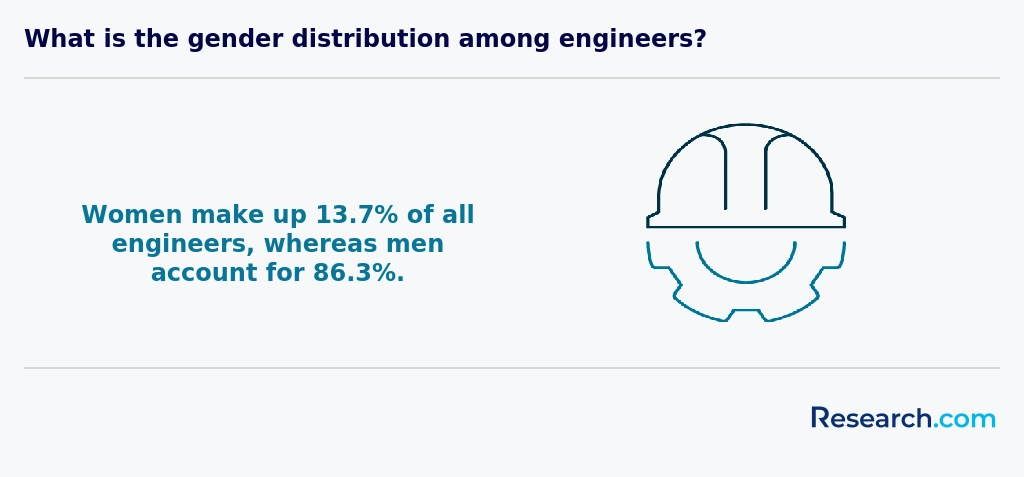
Graduates from engineering programs at institutions like the University of Puerto Rico find themselves at the crossroads of diverse industries, where traditional career paths expand beyond the expected. The breadth of engineering career opportunities in Puerto Rico stretches from civil engineering roles focused on resilient infrastructure-vital due to frequent storms-to electrical engineers driving innovation in renewable energy and telecommunications. These graduates often describe a sense of pride working to rebuild and modernize their communities, blending technical knowledge with real-world impact.
Job prospects for engineering graduates Puerto Rico also include thriving sectors like pharmaceuticals and manufacturing, where industrial and chemical engineers optimize production in facilities recognized globally. Mechanical engineers, too, experience rewarding positions with opportunities both on the island and in the greater U.S., reflecting the fluid mobility Puerto Rico's alignment with U.S. standards affords.
Students frequently mention how the affordability of public universities encourages them to pursue quick high paying degrees without sacrificing quality, giving them an edge in competitive fields. This practical balance inspires graduates to embrace challenging roles while building careers that contribute directly to Puerto Rico's unique economic fabric.
The engineering degree job outlook Puerto Rico presents a unique blend of promise and challenge shaped by the island's evolving industries and economic environment. Graduates from well-known local universities often share stories of landing roles in pharmaceutical manufacturing or infrastructure projects, sectors fueling Puerto Rico's demand for skilled engineers despite comparatively modest salaries.
With average annual tuition between $4,000 and $9,000, students pursuing engineering locally experience strong value compared to mainland U.S. costs. This affordability encourages many to enter fields like civil and chemical engineering, driving efforts to rebuild infrastructure and advance sustainability. These real-life scenarios from campuses around Puerto Rico reveal a workforce eager to contribute but cautious of economic fluctuations tied to mainland subsidiaries.
While salary figures may lag behind other metropolitan areas, the connection to multinational corporations stimulates career opportunities for electrical and industrial engineers. Aspiring engineers looking for alternative paths often consider trade schools careers, which complement the engineering degree job outlook Puerto Rico with practical, in-demand skills.
2027 Best Engineering Degree Programs Ranking in Puerto Rico
Investing in your education is a significant decision that can shape your future, and the Research.com team understands the challenges prospective students face when choosing engineering programs in Puerto Rico. To support informed decision-making, we have carefully developed the "2027 Best Engineering Degree Programs Ranking in Puerto Rico." Our dedication to quality, credibility, and accuracy is demonstrated through thorough research and rigorous analysis.
We utilized the following reputable data sources to ensure a comprehensive evaluation of engineering programs:
By reviewing this ranking, readers will obtain valuable insights into the top engineering degree programs in Puerto Rico, empowering them to make well-informed educational choices. For a detailed explanation of how this ranking was created, please visit our Research.com methodology page.

# 4 position
Inter American University of Puerto Rico-Bayamon
Bachelor of Science in Electrical Engineering

# 5 position
Universidad Ana G. Mendez-Gurabo Campus
Bachelor of Science in Engineering
Frequently Asked Questions About engineering
Engineering students in Puerto Rico can maximize their learning experience by engaging with both academic and practical opportunities offered locally. Universities such as the University of Puerto Rico have ABET-accredited programs, ensuring quality education aligned with U.S. standards. Students should actively participate in internships or cooperative education programs, which help bridge theory and real-world applications.
Joining professional organizations like the Puerto Rico Society of Engineers can provide valuable networking and mentorship. Research involvement is also key; according to the National Science Foundation, Puerto Rico's universities receive increasing funding for STEM projects, offering students chances to work on cutting-edge technologies.
Finally, proficiency in both English and Spanish enhances access to global engineering resources and collaboration. Practical skills combined with formal education prepare students effectively for the workforce.
Emerging niches within the engineering field in Puerto Rico reflect global technological trends and local economic needs. Renewable energy engineering is growing quickly due to the island's push for sustainable power solutions, supported by government initiatives aiming for 100% renewable energy by 2050, according to the Puerto Rico Energy Bureau.
Biomedical engineering is another expanding area, driven by the island's investments in healthcare infrastructure and research. This niche connects engineering with medical science to develop innovative devices and technologies.
Additionally, environmental engineering gains traction as Puerto Rico addresses challenges like hurricane recovery and coastal protection. These fields offer promising career paths aligned with the island's priorities.
After earning an engineering degree in Puerto Rico, preparing for the job market involves several key steps. Start by obtaining internships or cooperative education experiences during your studies to gain practical skills and local industry exposure. According to data from the Puerto Rico Department of Labor, engineering fields like civil, electrical, and mechanical engineering are in demand, especially in sectors like infrastructure and manufacturing.
Networking is vital; engage with professional organizations such as the Puerto Rico Society of Civil Engineers for career resources and connections. Additionally, consider obtaining professional licensing through the National Council of Examiners for Engineering and Surveying (NCEES), as being a licensed Professional Engineer (PE) often enhances job prospects in the U.S. system.
Maintaining updated technical skills, including proficiency in software tools commonly used in engineering roles, is also essential to remain competitive in the evolving job market.
Employers in Puerto Rico highly value engineering graduates who possess strong technical skills, especially in areas like computer-aided design (CAD), data analysis, and proficiency in industry-standard software. According to the Puerto Rico Manufacturers Association, over 70% of local engineering jobs demand these competencies. Additionally, solid knowledge in STEM fundamentals-such as mathematics, physics, and materials science-is essential for success in the competitive job market.
Communication and teamwork skills are also crucial, as projects often require collaboration across diverse teams. Problem-solving abilities and adaptability to technological advancements rank among the top soft skills sought by employers. These combined skills prepare graduates to meet the evolving demands of Puerto Rico's engineering sector.
Finding internships relevant to an engineering degree in Puerto Rico involves proactive research and leveraging local resources tied to the U.S. higher education system. Many universities with accredited engineering programs, such as the University of Puerto Rico, maintain partnerships with industries in sectors like manufacturing, telecommunications, and renewable energy. According to the Puerto Rico Manufacturers Association, over 40% of engineering students secure internships through university career centers.
Students should regularly check job boards on campus websites and attend career fairs sponsored by engineering departments. Additionally, federal programs such as the National Science Foundation's REU (Research Experiences for Undergraduates) offer funded internship opportunities applicable to Puerto Rican students.
Reaching out directly to engineering firms or government agencies like the Puerto Rico Electric Power Authority can also yield internships. Networking through professional organizations like the Society of Hispanic Professional Engineers chapter in Puerto Rico further enhances access to local internship offers.
Obtaining an engineering degree in Puerto Rico significantly enhances career mobility and advancement opportunities within the local and broader U.S. job market. According to the U.S. Bureau of Labor Statistics, engineers in Puerto Rico earn a median annual wage above the island's average income, reflecting strong demand for technical skills. Graduates with accredited degrees from institutions in Puerto Rico are often preferred by firms involved in manufacturing, infrastructure, and aerospace sectors. Additionally, engineering credentials recognized under U.S. standards facilitate licensure and professional growth across states, supporting regional and national job flexibility.
Employers in Puerto Rico value engineers' problem-solving and technical expertise, which are essential for leadership roles. Engineers frequently progress into management or specialized technical positions, aided by continuous education and industry certifications. Data from the Puerto Rico Manufacturers Association indicates that engineering graduates have about 20% higher promotion rates than non-engineering professionals. This advantage makes the degree a vital asset for long-term career development in Puerto Rico's evolving economic landscape.
Studying engineering in Puerto Rico equips students with skills that extend beyond traditional technical knowledge. Programs accredited by the Accreditation Board for Engineering and Technology (ABET) emphasize teamwork, communication, and problem-solving across multiple disciplines. This aligns with industry demands where engineers often collaborate with professionals from business, environmental science, and information technology.
Puerto Rican universities incorporate interdisciplinary projects reflecting real-world challenges, enhancing students' adaptability. For example, the University of Puerto Rico's engineering curriculum includes courses blending mechanical, electrical, and industrial engineering concepts.
According to data from the Puerto Rico Science, Technology and Research Trust, 60% of engineering graduates work in roles requiring interdisciplinary collaboration, demonstrating the practical value of the education model in the region.
When choosing between a thesis and a non-thesis engineering degree program in Puerto Rico, consider your career goals first. Thesis programs typically require original research and a detailed written document. This path is ideal if you aim for careers in research, academia, or advanced graduate studies.
Non-thesis programs often focus on coursework and practical projects without a research component. They may suit students looking to enter the workforce quickly in industries such as manufacturing or construction.
In Puerto Rico, schools like the University of Puerto Rico offer both options, reflecting broader US educational standards. According to the National Center for Education Statistics, about 40% of engineering master's students nationwide choose thesis tracks, highlighting their popularity among those focused on technical depth.
Cost, time, and faculty expertise are additional factors. Thesis programs may take longer but provide research experience, while non-thesis routes can be completed faster, enabling earlier professional entry.
Students in Puerto Rico interested in studying engineering abroad have multiple options within the US higher education system. Many choose mainland universities accredited by ABET, the recognized accreditor for engineering programs, ensuring quality education and nationwide recognition.
Popular destinations include states like Florida, Texas, and California, where institutions offer diverse specializations such as civil, electrical, and mechanical engineering. According to the National Center for Education Statistics, about 40% of Puerto Rican students pursuing engineering degrees opt for US mainland universities annually.
Financial aid and in-state tuition opportunities may be available due to Puerto Rico's US territory status, which can reduce costs. Additionally, some universities collaborate with Puerto Rican colleges through exchange programs or dual-degree tracks, facilitating smoother transitions for students.
Part-time job opportunities that complement engineering degree education in Puerto Rico often involve roles in manufacturing, renewable energy, and technology sectors. Many students find internships or technician positions in firms located in industrial hubs such as the San Juan metropolitan area. These roles provide practical experience with equipment, CAD software, and project management skills relevant to engineering disciplines.
Internships supported by the University of Puerto Rico system frequently connect students with local aerospace and electronics companies, aligning academic knowledge with industry needs. According to the Puerto Rico Manufacturers Association, engineering students in technician roles can boost job prospects by gaining hands-on experience.
Additionally, participation in research assistant positions at universities enhances understanding of engineering principles while developing problem-solving skills essential for future engineers.
Engineering students in Puerto Rico have multiple networking opportunities through local universities, professional organizations, and industry events. Schools like the University of Puerto Rico offer student chapters of societies such as the Society of Hispanic Professional Engineers (SHPE) and the American Society of Civil Engineers (ASCE), which regularly host workshops and networking sessions. According to a 2023 report by the Puerto Rico Manufacturers Association, engineering-focused conferences and job fairs draw hundreds of participants annually. Additionally, Puerto Rico's growing sectors in aerospace and pharmaceuticals provide engineering students with internship and mentorship programs that connect them directly with professionals in their fields.
Alumni networks play a crucial role in supporting engineering students in Puerto Rico by connecting them with experienced professionals and potential employers. These networks often provide mentorship opportunities, which can help students navigate career choices and develop essential technical and soft skills.
Many universities in Puerto Rico, such as the University of Puerto Rico's engineering programs, maintain active alumni groups that organize job fairs, workshops, and networking events. According to the Puerto Rico Society of Engineers, these connections boost employment prospects by up to 30% for recent graduates.
Additionally, alumni often collaborate on research projects and internships, enhancing practical experience while opening doors to leading industries on the island.
Students pursuing engineering degrees in Puerto Rico can tailor their programs through elective courses and specialized tracks offered by universities accredited by ABET, such as the University of Puerto Rico campuses. Customization often involves selecting focus areas like civil, electrical, or mechanical engineering to align with industry needs.
Internships and cooperative education opportunities with local industries, including manufacturing and aerospace sectors, allow practical experience relevant to career goals. Many institutions also support research projects addressing Puerto Rico's unique infrastructure and environmental challenges.
Additionally, students can enhance their degrees by integrating coursework in emerging fields such as renewable energy or data analytics. This approach equips graduates with skills that align with the dynamic job market in Puerto Rico and beyond, as reported by the Puerto Rico Science, Technology & Research Trust.
Engineering students in Puerto Rico commonly face several challenges that affect their academic progress. Limited access to modern laboratory equipment and updated technology often hinders practical learning experiences. According to the Puerto Rico Department of Education, resource constraints at many institutions result in larger class sizes and reduced faculty availability, impacting personalized support. Additionally, the island's economic difficulties, with a poverty rate around 43.1% per the U.S. Census Bureau, create financial obstacles for many students, leading to higher dropout rates in engineering programs. Language barriers also exist, as some textbooks and technical resources are primarily in English, complicating comprehension for Spanish-speaking students.
Moreover, frequent natural disasters, such as hurricanes, disrupt academic schedules and infrastructure, further challenging student progress. These factors combined require students to demonstrate considerable resilience and adaptability to succeed in engineering fields on the island.
With an engineering degree in Puerto Rico, you can pursue several professional certifications recognized across the United States. The most common and valuable is the Professional Engineer (PE) license, which allows engineers to offer services directly to the public. To obtain a PE license, candidates must pass the Fundamentals of Engineering (FE) exam, gain relevant work experience (typically four years), and then pass the PE exam.
Aside from the PE, engineers may consider certifications from industry groups like the Project Management Professional (PMP) or Certified Manufacturing Engineer (CMfgE), depending on their specialization. These enhance career prospects but are not always required by law.
According to the National Society of Professional Engineers, Puerto Rico's engineering licensure requirements align fully with the U.S. mainland standards, ensuring mobility for certified professionals.
Writing a winning application for an engineering program in Puerto Rico requires careful preparation. Start by highlighting your strong academic background, especially in math and science courses, as these are critical for engineering fields. Puerto Rican universities, like the University of Puerto Rico, place significant emphasis on GPA and standardized test scores such as the SAT or ACT.
Include detailed information about any relevant extracurricular activities, internships, or projects related to engineering. These experiences demonstrate your practical skills and passion for the field. According to the Puerto Rico Engineers Association, hands-on experience can significantly boost your application strength.
Craft a clear, concise personal statement explaining your motivation for studying engineering and your career goals. Proofread carefully to avoid errors. Lastly, secure strong recommendation letters from teachers or professionals familiar with your abilities, as these can provide valuable third-party endorsements.
The global perspective on an engineering career highlights strong demand and diverse opportunities. In the U.S., including Puerto Rico, engineering remains a critical field linked to technology, infrastructure, and innovation. According to the U.S. Bureau of Labor Statistics, engineering jobs are expected to grow about 7% from 2021 to 2031, faster than average for all occupations.
Puerto Rico hosts established engineering programs accredited by ABET, which aligns its education quality with U.S. standards. Graduates can work locally or internationally, benefiting from Puerto Rico's strategic location in the Caribbean.
Engineers often engage in global projects, requiring an understanding of international standards and sustainable practices. Employers increasingly value multicultural skills and adaptability, reinforcing the importance of a robust engineering education within U.S. frameworks.
Gaining practical experience is essential while pursuing an engineering degree in Puerto Rico. Many universities encourage internships with companies in industries such as manufacturing, aerospace, and electronics, which are significant contributors to the island's economy. For example, the Puerto Rico Manufacturers Association reports that over 50% of member companies offer internship programs, giving students hands-on skills.
Additionally, cooperative education (co-op) programs allow students to alternate semesters between study and full-time work. This approach is supported by institutions like the University of Puerto Rico Mayagüez, known for its strong engineering curriculum and local industry ties.
Joining engineering clubs and participating in research projects also enhances practical knowledge. Students can collaborate with professors on federally funded research, gaining valuable laboratory and field experience.
Choosing the right concentration within an engineering degree program in Puerto Rico begins with understanding your interests and career goals. The island offers various specializations, such as civil, electrical, and mechanical engineering, accredited by ABET, which ensures quality education recognized in the US.
Consider local industry demands-construction, energy, and manufacturing are significant sectors in Puerto Rico, often influencing job availability for certain concentrations. According to the Puerto Rico Manufacturers Association, electrical and industrial engineers are in higher demand.
Research universities like the University of Puerto Rico and Polytechnic University of Puerto Rico, which provide detailed curriculum and internship opportunities tailored to the island's economic landscape. This helps in gaining practical experience aligned with your chosen field.
See What Experts Have To Say About Studying Engineering
Read our interview with Engineering experts

Bohdan W. Oppenheim
Engineering Expert
Professor Emeritus of Healthcare Systems Engineering
Loyola Marymount University

Jasna Jankovic
Engineering Expert
Associate Professor
University of Connecticut


- 5 Skills Hiring Managers Look for in Engineering Grads - Australia Wide Engineering Recruitment https://www.australiawide.com.au/blog/5-skills-hiring-managers-look-for-in-engineering-grads
- Bachelor of Engineering – kierunki i perspektywy kariery https://educat.study/pl/bachelor-of-engineering/
- Student blog: Networking tips for engineering students https://asu-london.ac.uk/news/student-blog-networking-tips-for-engineering-students/
- WHAT EMPLOYERS ARE LOOKING FOR – Career Connections Center | Milwaukee School of Engineering https://www.msoecareerconnections.com/channels/what-employers-are-looking-for/
- How to Study Abroad as an Engineering Major https://www.semesteratsea.org/study-abroad-engineering-major/
- Networking for engineers: your questions answered https://targetjobs.co.uk/careers-advice/engineering/networking-engineers-your-questions-answered
- Get experience in engineering with an internship https://gradireland.com/careers-advice/engineering/get-experience-engineering-internship
- Ingenieros y Agrimensores de Puerto Rico https://www.statedepartment.pr.gov/juntas-examinadoras/engineers-and-surveyors-of-puerto-rico
- Engineering Design Challenges There are 80 items. https://clearinghouse.starnetlibraries.org/138-engineering-design-challenges
- Top Engineering Colleges In Puerto Rico: A Guide https://survey.moorlandassociation.org/moorlandassociation-news/top-engineering-colleges-in-puerto-rico-a-guide-1767647648


