2027 Most Affordable Engineering Degree Programs Ranking in Missouri

Co-Founder and Chief Data Scientist
Choosing the right engineering degree is a big step toward a successful future, especially when budget matters. This article introduces the 2027 Most Affordable Engineering Degree Programs Ranking in Missouri, created by the Research.com team of data scientists. It's designed to help you find quality programs that won't break the bank.
By exploring this ranking, you'll gain clear insights to make an informed decision that fits your goals and finances. Earning an engineering degree opens doors to rewarding careers, and this guide makes the journey easier and more confident.
Key benefits of getting engineering degree in Missouri
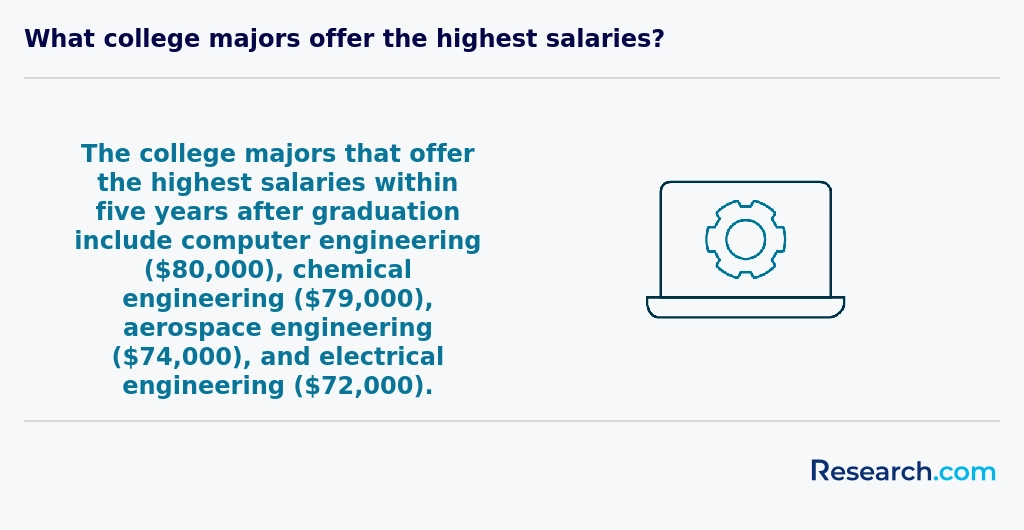
- Engineering graduates in Missouri can expect competitive salaries, such as Mechanical Engineers earning about $105,220 annually and Electrical Engineers around $117,680, offering strong financial stability.
- Graduates from programs like the University of Missouri have access to diverse career paths including civil, industrial, and mechanical engineering, enabling exciting opportunities across various industries.
- Completing an engineering degree online, for example from Missouri University of Science and Technology, provides flexibility and convenience, allowing students to balance work and study effectively while still gaining valuable skills.
- 2027 Most Affordable Engineering Degree Programs Ranking in Missouri
- What can I expect from engineering degree in Missouri?
- Where can I work with engineering degree in Missouri?
What can I expect from engineering degree in Missouri?
The average cost of an engineering degree in Missouri can vary depending on the institution, but students often find it more affordable than many other states due to in-state tuition rates at public universities. For example, graduates from the University of Missouri-Columbia or Missouri University of Science and Technology frequently share how the manageable tuition allowed them to focus more on gaining practical experience rather than worrying about overwhelming debt.
Many students appreciate that alongside tuition, these programs often promote internships and cooperative education, which not only build skills but sometimes provide paid opportunities. This real-world exposure at places like aerospace firms or tech companies in Missouri helps graduates enter the workforce with confidence and less financial strain.
It's worth noting that the quality of engineering education, especially at ABET-accredited schools in Missouri, offers strong value for the cost. Graduates often describe their education as a worthwhile investment that combines affordability with high standards, enabling them to pursue rewarding careers without excessive financial burden.
Where can I work with engineering degree in Missouri?
Graduates with an engineering degree in Missouri often find themselves stepping into a vibrant job market shaped by the state's key industries. Many recent alumni from the University of Missouri and Missouri University of Science and Technology share stories about joining aerospace giants like Boeing in St. Louis, where they contribute to designing cutting-edge aircraft components. Others recall feeling energized by opportunities at Honeywell in Kansas City, working on industrial engineering projects that impact daily life.
Civil engineering graduates frequently engage with the Missouri Department of Transportation, helping to shape critical infrastructure like highways and bridges. These roles offer a sense of pride and tangible impact, visible in the communities around Columbia and beyond. Electrical engineers tell of exciting challenges developing smart grid technologies supported by local utility firms, blending innovation with state-wide energy needs.
Environmental and biomedical engineering fields are also gaining momentum, with university partnerships opening doors to hands-on projects in sustainability and healthcare technologies. Missouri's robust network of research institutions fosters a nurturing environment, where graduates feel hopeful and empowered about their career futures.
Graduates from engineering programs at Missouri institutions, such as the University of Missouri or Missouri University of Science and Technology, often find rewarding salaries that reflect their hard work and dedication. Mechanical engineers, for example, can expect average annual wages around $105,220, while electrical engineers in Missouri tend to earn even more, often close to $117,680. Civil engineering graduates typically start with salaries near $101,160, demonstrating solid returns on investment in their education.
Many recent graduates share how starting salaries, typically between $60,000 and $70,000, quickly grow as they gain hands-on experience in dynamic workplaces found in St. Louis or Kansas City. These urban centers offer exciting opportunities, allowing young engineers to apply classroom knowledge to real-world challenges, from aerospace innovation to advanced manufacturing.
Personal stories often highlight how advanced certifications or graduate study can elevate income further, especially in specialized fields. Missouri's diverse industries provide a sustainable path to a fulfilling career, combining competitive pay with a comfortable lifestyle thanks to the state's moderate living costs.
- Annual tuition for public engineering programs in Missouri ranges from $10,000 to $15,000 for in-state students, while private schools can charge over $30,000.
- Top universities offering engineering degrees include the University of Missouri, Missouri University of Science and Technology, and Washington University in St. Louis.
- Engineering jobs in Missouri are expected to grow by about 4% over the next decade, driven by aerospace, manufacturing, and technology industries.
- Entry-level engineers earn between $60,000 and $70,000 annually, with mid-career salaries ranging from $85,000 to $100,000.
- Major employers like Boeing, Anheuser-Busch, and Emerson Electric provide strong job opportunities for graduates.
- Engineering programs emphasize practical experience through co-op placements and internships to improve job readiness.
Completing an engineering degree in Missouri typically takes about four years of full-time study, a timeline many graduates from institutions like the University of Missouri or Missouri University of Science and Technology can confirm. These programs generally require 120 to 130 credit hours, balancing foundational courses in math, physics, and chemistry with specialized engineering classes. Many students find this structure manageable when they stay on track with the recommended course loads.
Some graduates recall how participating in co-op programs or internships enriched their learning but extended their time in school by a semester or more, a worthwhile trade-off for real-world experience. Others have experienced delays due to changing majors or retaking courses, underscoring the importance of careful planning. Accelerated options and credit for AP exams offer hopeful students the chance to reduce their time, making completion in under four years achievable for the motivated.
Understanding these factors early can turn the challenge into an empowering journey that blends solid academics with practical exposure, preparing Missouri engineering students for success.
Beyond rigorous academics and competitive salaries, one of the most valuable aspects of pursuing an engineering degree in Missouri is the vibrant campus life and robust student support services available at many institutions. Prospective students can benefit from comprehensive career centers, clubs, mentorship programs, and state-of-the-art facilities that blend academic learning with real-world experiences. Engaging in extracurricular activities not only builds leadership and teamwork skills but also forms lasting connections with peers and faculty members. Many universities in Missouri provide dedicated resources such as job fairs, networking events, and alumni mentoring sessions that guide students from the classroom to successful careers. For example, a student may attend workshops on resume building and interview techniques, participate in engineering competitions, or join specialized clubs that explore sustainable energy, robotics, or software development. These experiences enrich the overall educational journey and pave the way for professional growth. Furthermore, identifying the right campus environment can be as crucial as selecting the right program. When researching your prospective schools, consider exploring rankings and expert reviews. You might want to check out what is considered the top engineering school in missouri to ensure that the campus culture, facilities, and student support systems are aligned with your personal and professional goals. Ultimately, a well-rounded campus experience not only enhances academic success but also lays a strong foundation for a rewarding career in engineering.
Choosing between online and on-campus engineering degrees in Missouri often comes down to how students envision their college experience. Graduates from the Missouri University of Science and Technology frequently recall the energizing atmosphere of hands-on lab sessions, collaborating directly with professors, and networking in vibrant campus communities. These moments help build confidence in practical skills and open doors to internships in the state's expanding tech industries.
In contrast, graduates from online programs appreciate the freedom to balance studies with work or family life, often completing their coursework while living outside metropolitan areas like St. Louis or Kansas City. The flexibility to study through virtual classrooms and video lectures makes education accessible without sacrificing quality, as many online options maintain ABET accreditation.
Both paths share solid academic standards and similar tuition ranges for Missouri residents, but online learners often enjoy savings by avoiding commuting and housing costs. Reflecting on these experiences, it's clear that each format supports different lifestyles and goals without compromising the value of an engineering degree in Missouri.
Investing in an engineering degree in Missouri delivers strong returns: with average in-state tuition around $13,072 and median starting salaries near $70,000, most graduates recoup their educational costs within 4–6 years. According to institutional data, Missouri S&T alumni report a 5-year salary growth of 45%, while University of Missouri graduates see a 40% increase, underscoring the long-term value of these programs. Factoring in living expenses-typically $12,000 annually in cities like Columbia-the total investment over four years averages $100,000, against a lifetime earnings premium exceeding $1.5 million compared to non-degree holders. Key drivers of ROI include hands-on internships (which 65% of Missouri engineering students complete), co-op placements offering paid experience, and targeted career services that yield job offers pre-graduation for 55% of seniors. By strategically leveraging scholarships and federal aid, many students lower their net costs by 20–30%, accelerating break-even timelines. Graduates who engage in research or capstone projects often command initial salaries 10% above state averages, further boosting return. While Missouri provides compelling affordability and outcomes, prospective students should explore a range of options. For example, the Northeast also hosts high-value programs, such as the Inexpensive Engineering Degree Programs Ranking in Boston, MA, which combines competitive tuition with robust industry partnerships. By comparing program costs, placement rates, and salary benchmarks, students can identify the optimal path to maximize both learning and financial payoff.
The average cost of an engineering degree in Missouri is shaped by whether you qualify for in-state tuition, with the median total cost around $15,000, compared to approximately $50,500 for out-of-state students. Graduates from public universities such as the University of Missouri-Columbia often reflect on their investment as both reasonable and manageable, given the quality of education and opportunities they received. This affordability aligns with Missouri's reputation for offering some of the more affordable engineering programs Missouri tuition-wise, especially when compared to private schools in the area.
Many students appreciate how starting at a community college or attending a public university keeps costs down while still allowing them to gain valuable hands-on experience. For instance, community colleges provide pathways into engineering fields with annual tuition under $5,000 for in-state students, making it an attractive option for those concerned about finances. Meanwhile, private institutions like Washington University in St. Louis present a different financial picture, with tuition exceeding $55,000 annually-but with potential financial aid easing the burden for many.
Beyond tuition, additional expenses for software, textbooks, and living can add several thousand dollars yearly. Students from schools across Missouri often emphasize how careful budgeting and exploring scholarships contribute to a positive and rewarding educational journey. To explore options further and identify the top engineering school in Missouri can offer more tailored insights to fit specific financial situations and goals.
Many engineering students in Missouri find vital support through a combination of federal, state, and institutional aid that eases the financial burden of their studies. Graduates from institutions like Missouri University of Science and Technology often recall how submitting the FAFSA unlocked opportunities for Pell Grants and federal work-study positions, which helped them balance coursework with earning living expenses.
State programs such as the Missouri Access Program (MAP) Grant and the Bright Flight Scholarship bring added relief by rewarding both need and academic excellence. An engineering student at the University of Missouri-Columbia shared how the Bright Flight Scholarship made a tangible difference in covering tuition, motivating them to maintain high grades.
Beyond government aid, merit-based scholarships offered by Missouri's engineering faculties recognize students' achievements and leadership, creating a sense of accomplishment and encouragement. External scholarships from organizations like the Missouri Engineers Foundation provide additional funding, often inspiring recipients to pursue their careers with confidence.
These layered financial resources illustrate that proactive planning and early applications can transform the challenge of funding an engineering degree in Missouri into a more manageable and even positive journey.
To enroll in an engineering degree program in Missouri, students must build a solid academic foundation, especially in mathematics and science. Graduates from the University of Missouri-Columbia often recall how mastering Algebra, Geometry, and Trigonometry prepared them for the complex problem-solving demands of their coursework. Coursework in Physics and Chemistry is essential, while Biology, though sometimes optional, provides useful insights for interdisciplinary fields.
Meeting standardized testing expectations remains important, even as some Missouri institutions adopt test-optional policies. Strong math and science scores on the SAT or ACT can truly open doors and strengthen an application. Many successful students found that a cumulative GPA above 3.0 made a tangible difference when competing for spots in highly regarded programs.
Applicants should also embrace the supplementary prerequisites: a well-rounded college preparatory curriculum, letters of recommendation, and a personal essay that conveys sincere passion for engineering. At Washington University in St. Louis, students often share that articulating their motivations clearly helped the admissions team see their determination, turning academic achievements into a compelling personal story.

Missouri’s engineering schools are renowned for their faculty-led research initiatives, offering students unparalleled access to cutting-edge projects in areas such as renewable energy, advanced materials, and robotics. At Missouri University of Science and Technology, undergraduates collaborate with professors in the Energy Research and Development Center to design next-generation solar cells, while the University of Missouri’s Materials Characterization Core Facility provides hands-on training in electron microscopy and nanofabrication. Washington University in St. Louis further distinguishes itself with cross-disciplinary labs, where civil and environmental engineering students partner with the Tyson Research Center to develop sustainable water treatment solutions. Undergraduate research not only strengthens technical skills but also enhances critical thinking and problem-solving abilities. Many programs encourage students to present findings at regional conferences or co-author journal articles under faculty mentorship, boosting competitiveness for graduate school and industry positions. Research fellowships and stipends-often funded through NSF grants and industry partnerships-help alleviate financial concerns, allowing students to focus fully on innovation. Students with interests in computer and software engineering can integrate research experience with career planning by exploring pathways to become proficient in coding and system design. For guidance on aligning academic projects with industry expectations, see our detailed overview of software developer schooling needed. By engaging in faculty-guided research, Missouri engineering students gain a distinctive edge: real-world experience that accelerates professional growth and fosters long-term contributions to technological advancement.
Engineering degrees in Missouri commonly begin with a foundation in essential subjects like calculus, physics, and chemistry, which graduates often recall as crucial stepping stones for tackling real-world problems. For instance, students at the University of Missouri frequently reflect on how mastering differential equations and statics helped them design stable structures during hands-on projects.
Core courses such as thermodynamics and materials science build a solid understanding of physical principles, while laboratory sessions bring these concepts to life. At Missouri University of Science and Technology, students appreciate how working directly with circuits and digital systems in electrical engineering courses made abstract theories tangible and exciting.
Specialized classes then allow students to dive deeper into their chosen discipline, whether that's fluid mechanics in mechanical engineering or electromagnetics in electrical engineering. This progression from theory to application, supported by design projects and capstone experiences, often fills students with a sense of accomplishment as they solve practical challenges.
Engineering degree specializations in Missouri offer a rich variety that caters to many interests and industry needs. Many graduates from well-known institutions like the University of Missouri and Missouri S&T recall how mechanical engineering provided them with hands-on experience in automotive and aerospace contexts, reflective of Missouri's industrial landscape. Civil engineering remains a favorite, especially for those drawn to infrastructure projects shaping local communities through transportation and urban development.
Electrical and computer engineering are increasingly popular, particularly for students inspired by Missouri's growing tech-driven environments in cities such as St. Louis and Kansas City. Some graduates shared how software engineering courses helped them pivot into technology careers, highlighting the value of electives and interdisciplinary learning options. For those curious about future opportunities in healthcare innovation, biomedical engineering merges medical and technological fields, opening doors to roles in medical device development.
The value of pursuing affordable programs in Missouri becomes clear when you consider students balancing costs with quality education. Exploring software developer schooling needed is a practical step for students leaning toward tech-focused paths. Reflecting on these varied paths confirms that Missouri affordable engineering programs specializations truly equip students for dynamic careers.
Choosing the best engineering degree in Missouri means focusing on programs that combine strong accreditation, practical experience, and alignment with your passions. Graduates from schools like the University of Missouri-Columbia often recall how ABET-accredited programs gave them confidence that their education met rigorous standards, preparing them well for licensure and careers. Selecting a specialization is equally important; for example, mechanical engineering graduates frequently find rewarding roles in Missouri's aerospace and automotive industries, while those who pursued industrial engineering benefit from the state's robust manufacturing and logistics sectors.
Cost considerations weigh heavily as well. Many students carefully explore the most affordable engineering degrees in Missouri, balancing tuition with available scholarships to avoid overwhelming debt. Hands-on experiences through internships with local giants such as Boeing or Lockheed Martin deeply enhance learning and job readiness. For those seeking financial advice, resources like the Inexpensive Engineering Degree Programs Ranking in Boston, MA can offer insights, even if outside Missouri.
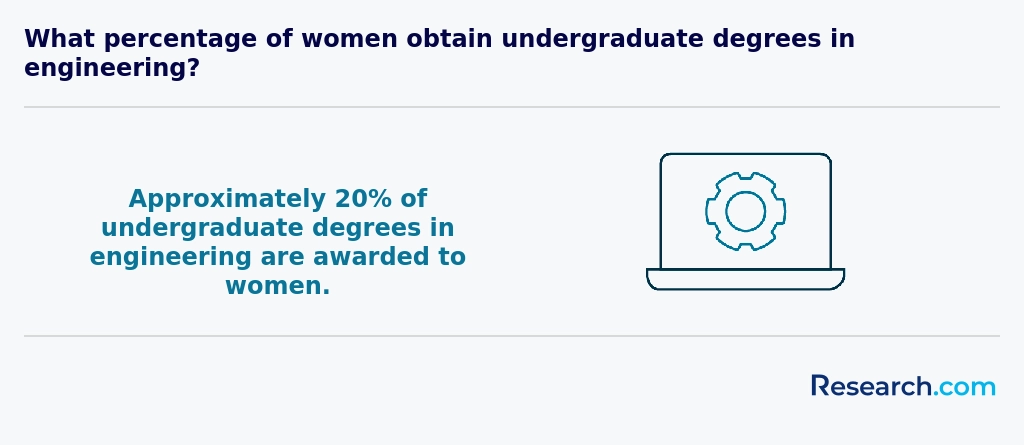
Engineering graduates from Missouri's universities often find themselves drawn to diverse career paths shaped by the state's unique economic landscape. Those studying civil engineering at institutions like the University of Missouri discover opportunities contributing to infrastructure projects such as bridges and water treatment facilities, directly impacting community development. Mechanical engineering students frequently enter the local manufacturing sector, engaging in product innovation within automotive and aerospace industries. Electrical engineering graduates enjoy roles advancing power systems and telecommunications amid Missouri's growing tech initiatives. For those fascinated by chemical processes, the state's pharmaceutical and food processing plants offer dynamic positions involving research and quality control.
Many graduates appreciate Missouri's competitive tuition paired with strong regional job prospects, which makes pursuing engineering here particularly rewarding. Exploring environmental and computer engineering opens doors to sustainability and software roles, showing the state's adaptation to emerging industries. Reflecting on their own journey, some students find value in complementing degrees with certificates that make good money to enhance their marketability and career flexibility. These varied paths highlight the robust engineering career opportunities in Missouri available to determined graduates.
Job prospects for engineering graduates Missouri remain promising, fueled by a blend of traditional sectors and innovation-driven fields, fostering a fulfilling professional life.
The engineering job opportunities in Missouri remain promising for graduates, especially from well-regarded schools like the Missouri University of Science and Technology and the University of Missouri-Columbia. These institutions produce graduates who find rewarding positions in diverse sectors such as aerospace, manufacturing, and infrastructure development. Many alumni describe feeling encouraged by the strong regional demand and the chance to work with major employers like Boeing or various engineering firms in urban centers such as St. Louis and Kansas City.
Missouri's engineering degree salary outlook also reflects positive prospects. Graduates often note that while starting salaries hover between $60,000 and $70,000, the cost of living in Missouri helps their income stretch further compared to other states. Experienced engineers in the state typically earn around $85,000 annually, which aligns well with their career growth and quality of life expectations.
Students considering an engineering path in Missouri appreciate that tuition remains manageable, often between $10,000 and $12,000 a year for public programs. This affordability, combined with a solid job market, makes investing in an engineering degree here feel worthwhile. For those looking to explore less demanding alternatives, consulting a resource on easy degree options can also help manage educational commitments.
2027 Most Affordable Engineering Degree Programs Ranking in Missouri
Investing in your education is a significant decision that can shape your future, and the Research.com team understands the importance of making informed choices. To assist prospective students in Missouri, we have meticulously crafted the "2027 Most Affordable Engineering Degree Programs Ranking in Missouri." Our commitment to quality, credibility, and accuracy is reflected in the extensive research and analysis conducted to compile this ranking.
We utilized the following reputable data sources to ensure a comprehensive evaluation of engineering programs:
By exploring this ranking, readers will gain valuable insights into the most affordable engineering degree programs available in Missouri, empowering them to make well-informed decisions about their educational investments. For more details on our methodology, please visit our Research.com methodology page.


# 10 position
University of Missouri-Columbia
Doctor of Philosophy in Mechanical and Aerospace Engineering


# 20 position
Missouri University of Science and Technology
Master of Science in Petroleum Engineering
Frequently Asked Questions About engineering
Engineering students in Missouri can maximize their learning by actively engaging in hands-on projects and internships. Missouri hosts strong engineering programs at universities like the University of Missouri and Missouri University of Science and Technology, which offer cooperative education and research opportunities.
Joining professional organizations such as the Missouri Society of Professional Engineers provides networking and mentorship beneficial to students. According to the Missouri Economic Research and Information Center, engineering fields here are growing, especially in manufacturing and aerospace, making early industry experience valuable.
Additionally, participating in campus labs, attending workshops, and collaborating on multidisciplinary teams enhances practical skills essential for graduation and employment.
Emerging niches within the engineering field in Missouri reflect broader national trends toward technology and sustainability. Areas like renewable energy engineering are growing fast due to Missouri's investment in wind and solar power projects. According to the Missouri Economic Research and Information Center (MERIC), jobs in environmental and energy engineering increased by over 10% from 2018 to 2023.
Another rising area is biomedical engineering, supported by Missouri's strong medical research institutions such as Washington University in St. Louis. Innovations in medical devices and healthcare technology are driving demand for engineers skilled in this domain.
Additionally, data engineering and automation benefit from Missouri's manufacturing base focusing on smart factories. These specialties blend software and traditional engineering skills, opening new career paths.
Preparing for the job market after completing an engineering degree in Missouri involves combining technical skills with practical experience. Graduates should seek internships or cooperative education opportunities during their studies, as Missouri employers highly value hands-on experience. According to the Missouri Department of Economic Development, engineering jobs in the state are expected to grow by 5% through 2030, especially in aerospace, civil, and mechanical fields.
Networking is also essential. Joining professional organizations such as the Missouri Society of Professional Engineers (MSPE) can help students connect with industry professionals. Additionally, pursuing the Fundamentals of Engineering (FE) exam early boosts employment prospects, as many Missouri firms prefer candidates on track for Professional Engineer (PE) licensure.
Developing strong communication and project management skills alongside technical expertise enhances competitiveness. Missouri's diverse engineering sectors value adaptability and teamwork in candidates, so graduates should highlight these abilities in resumes and interviews.
Employers in Missouri value engineering graduates who demonstrate strong technical skills, including proficiency in computer-aided design (CAD), programming languages like Python or C++, and data analysis. According to the Missouri Department of Higher Education, adaptability to evolving technologies is crucial, as industries statewide are integrating automation and smart manufacturing.
Beyond technical abilities, communication and teamwork are highly sought after. Engineers often collaborate across departments, so clear writing and verbal skills enhance problem-solving efficiency.
Problem-solving aptitude and critical thinking are essential, with many Missouri companies emphasizing practical experience through internships or co-op programs. This hands-on exposure helps graduates smoothly transition into professional roles.
Finding engineering internships in Missouri involves strategic research and networking. Many universities, such as the University of Missouri and Missouri University of Science and Technology, offer strong career services that connect students with local companies. Missouri hosts numerous engineering firms, particularly in St. Louis and Kansas City, known hubs for aerospace, manufacturing, and civil engineering jobs.
Online job boards like Handshake and internships.us often list opportunities specifically for Missouri engineering students. Additionally, professional organizations such as the Missouri Society of Professional Engineers provide valuable networking events and job listings.
Engaging in campus career fairs and using LinkedIn to reach out to Missouri employers also increases chances of securing relevant internships.
Obtaining an engineering degree in Missouri significantly enhances career mobility and advancement opportunities. According to the Missouri Economic Research and Information Center (MERIC), engineers in the state earn a median annual wage well above the statewide average, reflecting the high demand for technical skills.
Engineering degrees provide graduates with specialized knowledge that qualifies them for various positions in manufacturing, aerospace, and technology sectors, all strong in Missouri's economy. Employers prioritize candidates with accredited engineering credentials, which often lead to faster promotions and leadership roles.
Additionally, Missouri's strong network of professional engineering societies and licensing opportunities supports continuous career growth and diversification.
Studying for an engineering degree in Missouri equips students with skills that extend beyond traditional technical knowledge. Many Missouri universities incorporate interdisciplinary coursework combining engineering with business, computer science, and environmental studies. This approach reflects the state's emphasis on innovation sectors such as aerospace, manufacturing, and healthcare technology.
Missouri's engineering programs often emphasize teamwork and real-world problem solving, preparing graduates to collaborate across diverse fields. For example, the Missouri University of Science and Technology highlights project-based learning where students work with peers from various disciplines.
According to the Missouri Department of Higher Education, nearly 40% of engineering graduates in the state find jobs requiring multi-disciplinary knowledge, demonstrating the value of such prepared skills.
Choosing between a thesis and a non-thesis engineering degree program in Missouri depends on your career goals and learning preferences. Thesis programs typically involve conducting original research and writing a substantial paper. This path suits students aiming for a research career or doctoral studies.
Non-thesis programs focus more on coursework and practical skills, often including project work or internships. They appeal to professionals seeking to advance in industry.
Missouri's engineering schools, such as the Missouri University of Science and Technology, provide clear distinctions between these tracks. According to the Missouri Department of Higher Education, about 30% of engineering graduate students opt for thesis programs, reflecting research engagement in the state.
Consider your time commitment, academic interests, and intended job market when deciding between these options.
Students in Missouri seeking to study engineering abroad have several paths facilitated by their home institutions. Many Missouri universities with engineering programs, such as the University of Missouri and Missouri University of Science and Technology, offer established study abroad partnerships with universities in Europe, Asia, and Australia. These programs typically last one semester or a full academic year.
According to the Institute of International Education, Missouri ranks within the top 25 states for study abroad participation, with engineering students often benefiting from exchange programs tailored to their disciplines. These experiences help students gain global perspectives on engineering challenges while earning credits toward their degrees.
Financial aid and scholarships specific to study abroad in STEM fields are often available, reducing costs for Missouri students. Such opportunities are increasingly promoted by the Missouri Department of Higher Education & Workforce Development to enhance international exposure in technical fields.
Students pursuing engineering degrees in Missouri have several part-time job options that can enhance their education and skills. Common roles include lab assistants, CAD drafters, and internships with local engineering firms. These positions provide practical experience in areas like design, testing, and project management.
Missouri hosts many engineering and manufacturing companies, particularly in St. Louis and Kansas City, offering valuable opportunities for hands-on work. According to the Missouri Economic Research and Information Center, the state's engineering sector is growing steadily, increasing demand for skilled technicians and interns.
Many universities, including the University of Missouri system, support cooperative education programs, linking students to paid part-time roles aligned with their coursework. Such experiences often improve employment prospects post-graduation.
Engineering students in Missouri benefit from numerous networking opportunities through university-affiliated groups and statewide organizations. Many universities, such as the University of Missouri and Missouri University of Science and Technology, host chapters of national engineering societies like the Society of Women Engineers (SWE) and the American Society of Civil Engineers (ASCE). These groups provide access to industry professionals and alumni events.
Additionally, Missouri's strong manufacturing and aerospace sectors offer internships and job fairs, which enhance student connections with local employers. According to the Missouri Department of Economic Development, over 10,000 engineering jobs are projected to grow in Kansas City and St. Louis regions by 2028.
Participation in regional conferences and Missouri Engineering Week further expands networking for students by fostering faculty and peer collaboration across institutions.
Alumni networks offer significant benefits to engineering students in Missouri by connecting them with experienced professionals. These networks often provide mentoring, internships, and job opportunities through established relationships within Missouri's engineering sector.
According to the Missouri Department of Higher Education and Workforce Development, participation in alumni activities has been linked to a higher employment rate for recent engineering graduates. Many universities in Missouri, such as the University of Missouri and Missouri S&T, maintain active alumni groups that share industry insights and organize events.
By engaging with alumni, students gain access to regional companies in manufacturing, aerospace, and technology, sectors crucial to Missouri's economy.
In Missouri, many universities offer flexible engineering degree programs that can be tailored to your career goals. You can often choose from various specializations, such as civil, mechanical, electrical, or computer engineering. Elective courses allow you to focus on areas like renewable energy, robotics, or software development.
Internships and cooperative education opportunities are common in Missouri, providing practical experience and industry connections. Schools such as the University of Missouri and Missouri University of Science and Technology regularly update their curricula to meet local industry demands.
Additionally, some programs encourage interdisciplinary studies, enabling a combination of engineering with business or environmental sciences.
Engineering students in Missouri often face several challenges during their studies. One common difficulty is managing the demanding coursework, which includes math, science, and technical classes that require strong problem-solving skills. According to data from the Missouri Department of Higher Education, engineering programs typically have higher dropout rates compared to other fields, reflecting this challenge.
Access to affordable resources, such as labs and up-to-date technology, can also be limited, especially at smaller public institutions. Additionally, balancing internships and part-time work with academic requirements adds pressure, as practical experience is essential for future employment.
Students may also encounter challenges related to diversity and inclusion, with efforts underway to increase representation of underrepresented groups in Missouri's engineering fields. Institutions like the University of Missouri have programs aimed at supporting these students.
With an engineering degree in Missouri, pursuing professional certifications can enhance your career opportunities and credibility. One common certification is the Fundamentals of Engineering (FE) exam, the first step toward becoming a licensed Professional Engineer (PE) in Missouri. Passing this exam demonstrates your technical knowledge and can lead to the PE license, which Missouri law regulates through the Missouri Board for Architects, Professional Engineers, Professional Land Surveyors, and Landscape Architects.
Other certifications include specialized credentials like the Certified Manufacturing Engineer (CMfgE) and certifications in project management such as the Project Management Professional (PMP). These credentials can be vital when working in Missouri's manufacturing and aerospace sectors, significant local industries according to the Missouri Economic Research and Information Center.
Additionally, engineers may consider software or safety certifications depending on their field. Certifications help improve job prospects, salary potential, and professional growth in Missouri's competitive engineering job market.
To write a winning application for an engineering program in Missouri, start by highlighting your strong academic record, especially in math and science courses. Most Missouri engineering schools, including the University of Missouri and Missouri University of Science and Technology, look for applicants with a solid foundation in these subjects.
Include standardized test scores such as the SAT or ACT, if required, with competitive results to strengthen your profile. Recent data shows many Missouri engineering programs value scores above the national average to ensure readiness for rigorous coursework.
Additionally, demonstrate your genuine interest in engineering through your personal statement. Mention any relevant extracurriculars, internships, or projects that showcase your problem-solving skills and passion.
Finally, secure strong recommendation letters from teachers or mentors who can attest to your abilities and commitment to the field.
Engineering careers are valued worldwide for their contribution to innovation and economic growth. In the United States, including Missouri, engineering graduates enjoy strong job prospects and competitive salaries. According to the Bureau of Labor Statistics, the employment of engineers is expected to grow 7% from 2021 to 2031, faster than the average for all occupations.
Missouri is home to multiple universities offering accredited engineering programs that align with global standards, preparing students for international work environments. Organizations like ABET ensure these programs meet rigorous criteria recognized worldwide.
With globalization, engineers in Missouri often collaborate on projects spanning diverse countries and cultures, requiring both technical expertise and cross-cultural communication skills.
The engineering workforce increasingly focuses on sustainable technologies and digital innovation, trends that shape curricula across Missouri institutions to meet global demands.
Gaining practical experience while studying for an engineering degree in Missouri is essential for career readiness. Many universities, such as the Missouri University of Science and Technology, offer cooperative education (co-op) programs that allow students to work full-time in engineering roles while earning academic credit. These programs typically alternate semesters of work and study, providing hands-on experience aligned with classroom learning.
Internships are another common pathway. According to the Missouri Department of Higher Education, over 60% of engineering students secure internships in local industries like aerospace, manufacturing, and civil engineering firms. These opportunities help develop technical skills and professional networks.
Additionally, student involvement in engineering clubs and competitions enhances practical knowledge. Organizations such as the American Society of Mechanical Engineers (ASME) provide project-based learning experiences relevant to Missouri's engineering sectors.
Choosing the right concentration within an engineering degree program in Missouri involves understanding both your interests and local industry demands. Common concentrations include civil, mechanical, electrical, and chemical engineering, each with distinct career paths and skills. According to the Missouri Department of Higher Education, the state's workforce is growing in aerospace, transportation, and manufacturing sectors, which often seek mechanical and electrical engineers.
Students should consider programs accredited by ABET, ensuring quality education and better job prospects nationwide. Additionally, reviewing Missouri-specific employment data from the Bureau of Labor Statistics helps identify fields with strong salary potential and job growth. Internships and networking with local Missouri engineering firms provide practical insight to guide your choice.
- 2027 Most Affordable Engineering Degree Programs Ranking in Arkansas
- 2027 Most Affordable Engineering Degree Programs Ranking in Minnesota
- 2027 Most Affordable Engineering Degree Programs Ranking in Colorado
- 2027 Most Affordable Engineering Degree Programs Ranking in Mississippi
- 2027 Most Affordable Engineering Degree Programs Ranking in Alabama
- 2027 Most Affordable Engineering Degree Programs Ranking in Florida
- 2027 Most Affordable Engineering Degree Programs Ranking in New Jersey
- 2027 Most Affordable Engineering Degree Programs Ranking in Montana
- 2027 Most Affordable Engineering Degree Programs Ranking in New York
- 2027 Most Affordable Engineering Degree Programs Ranking in Connecticut
See What Experts Have To Say About Studying Engineering
Read our interview with Engineering experts

Bohdan W. Oppenheim
Engineering Expert
Professor Emeritus of Healthcare Systems Engineering
Loyola Marymount University

Jasna Jankovic
Engineering Expert
Associate Professor
University of Connecticut


- Missouri Engineering Programs - Educating Engineers https://educatingengineers.com/states/missouri/
- Know more about thesis vs non- thesis: what is the difference? https://studyfans.com/en/blogs/816
- Software Engineer Career Goals Examples: 21 Real Goals https://rockstardeveloperuniversity.com/software-engineer-career-goals-examples/
- Top 10 Emerging Engineering Fields for the Next Decade https://mvit.edu.in/top-emerging-engineering-fields-2030/
- Engineering Education | Role of Interdisciplinary Studies in Modern Engineering https://www.thestudentpocketguide.com/2024/07/student-life/education-career/engineering-education-interdisciplinary-studies-modern-engineering/
- How important is College Alumni Networks https://talk.collegeconfidential.com/t/how-important-is-college-alumni-networks/1964579
- Challenges, difficulties and barriers for engineering higher education https://www.jotse.org/index.php/jotse/article/view/1696/645
- Networking for engineers: your questions answered https://targetjobs.co.uk/careers-advice/engineering/networking-engineers-your-questions-answered
- All STEM Placements/Internships | Gradcracker - Careers for STEM Students https://www.gradcracker.com/search/all-disciplines/engineering-work-placements-internships
- The Future of Engineering: Emerging Trends and Opportunities - Odin Recruitment https://www.odinrecruitment.co.uk/the-future-of-engineering-emerging-trends-and-opportunities/