2027 Electrical Engineering Degree Concentration Outlook Report: Which Tracks Are Growing Faster, Paying More, and Hiring More Consistently

Co-Founder and Chief Data Scientist
Choosing an electrical engineering concentration is also a school-value decision: public, private nonprofit, for-profit, and online programs can differ sharply in cost, credibility, flexibility, and ROI. The Bureau of Labor Statistics projects electrical and electronics engineer employment to grow 9% through 2033, which makes concentration choice more important for students targeting resilient, well-paid roles.
This guide helps prospective undergraduates, master's students, transfers, and working adults compare tracks, employers, salaries, accreditation, and institution models before committing time and tuition.
Key Things You Should Know
- Fastest-growing electrical engineering tracks are tied to computing, semiconductors, automation, power systems, and AI-enabled hardware; BLS projects 9% growth for electrical and electronics engineers through 2033.
- Highest salary potential usually appears in computer hardware, semiconductor design, embedded systems, RF/electronics, and software-adjacent EE roles; BLS reported a May 2024 median wage of $155,020 for computer hardware engineers.
- Best ROI usually comes from an ABET-accredited program with strong labs, internships, transfer-credit policies, and manageable net price; published tuition alone can mislead because aid, completion time, and borrowing change the real cost.
- How Do the Major Electrical Engineering Degree Concentrations Compare?
- Which Electrical Engineering Degree Concentrations Are Growing the Fastest?
How Do the Major Electrical Engineering Degree Concentrations Compare?
Electrical engineering concentrations are specialized academic tracks inside an EE degree. They shape the electives you take, the labs you complete, the tools you learn, and the jobs you are most competitive for after graduation. The best concentration is not simply the one with the highest salary; it is the one that matches your strengths, your preferred work environment, and the type of institution that gives you the best mix of affordability, support, and employer recognition.
Institution type matters because "online" describes delivery format, while public, private nonprofit, and private for-profit describe institutional structure. An online electrical engineering degree can be offered by a public university, a private nonprofit university, or a for-profit institution. For engineering, the most important quality signal is usually accreditation, especially ABET accreditation for bachelor's programs where licensure, transfer, graduate study, or employer screening may matter.
The table below compares common electrical engineering concentrations by career fit, hiring drivers, and school-selection considerations. Use it to narrow your options before comparing tuition, financial aid, graduation outcomes, and lab access.
| Concentration | Typical focus | Common roles | Best-fit students | Institution-value considerations |
| Power and energy systems | Electric grids, renewable energy, power electronics, protection systems | Power engineer, protection engineer, energy systems engineer | Students who like infrastructure, utilities, energy reliability, and large physical systems | Strong value at public universities with utility partnerships, labs, and regional employer pipelines |
| Computer engineering and embedded systems | Digital systems, firmware, microcontrollers, real-time computing | Embedded systems engineer, firmware engineer, hardware-software integration engineer | Students who enjoy both circuits and programming | Online or hybrid options can work if labs, hardware kits, and project portfolios are substantial |
| Semiconductors and microelectronics | Chip design, fabrication, device physics, VLSI, nanotechnology | Semiconductor engineer, verification engineer, process engineer | Students interested in chips, AI hardware, electronics manufacturing, or graduate research | Private nonprofit or research-intensive public programs may be worth more if they provide cleanroom access or funded research |
| Controls, robotics, and automation | Feedback systems, sensors, robotics, industrial automation | Controls engineer, robotics engineer, automation engineer | Students who like math, mechanical systems, programming, and manufacturing technology | Look for industry-sponsored labs, co-ops, and project-based capstones rather than brand name alone |
| Communications, RF, and signal processing | Wireless systems, antennas, radar, DSP, satellite communications | RF engineer, signal processing engineer, communications systems engineer | Students interested in defense, telecom, aerospace, satellites, or imaging | Employer recognition can depend heavily on faculty expertise, lab equipment, and internship access |
| Biomedical electronics and instrumentation | Sensors, medical devices, imaging, wearable systems | Biomedical electronics engineer, test engineer, instrumentation engineer | Students who want healthcare technology without becoming clinicians | Choose programs with regulatory, device-testing, and clinical partnership exposure |
The first practical filter is accreditation. Then compare total cost, not sticker tuition. Tuition, fees, housing, lost income, transfer credits, financial aid, internship access, and time to completion can make a lower-tuition program more expensive in practice if it delays graduation or lacks the courses needed for your target concentration.
Which Electrical Engineering Degree Concentrations Are Growing the Fastest?
The fastest-growing EE concentrations are the ones connected to computing infrastructure, electrification, automation, and advanced electronics. Growth varies by role, so students should interpret labor-market data as a directional signal rather than a promise of individual job outcomes.
The table below uses representative U.S. labor-market benchmarks to show where EE concentrations connect to faster-growing occupations. These are not exact forecasts for every graduate, but they help identify which tracks are benefiting from broader industry demand.
| Growth rank | Concentration | Why demand is rising | Relevant labor-market signal | Best academic preparation |
| 1 | Computer engineering, embedded systems, and AI hardware | More products now combine sensors, firmware, edge computing, and AI acceleration | BLS projects software developer employment to grow 17% through 2033, which benefits EE graduates who can work across hardware and software | Digital design, C/C++, Python, operating systems, FPGA, embedded Linux, real-time systems |
| 2 | Semiconductors and microelectronics | Chip demand is tied to AI, electric vehicles, defense systems, cloud infrastructure, and domestic manufacturing investment | Hiring is concentrated in specialized employers, but demand is strong for graduates with fabrication, verification, and device-design experience | VLSI, semiconductor devices, fabrication labs, verification, analog circuits, graduate research exposure |
| 3 | Controls, robotics, and automation | Manufacturers, logistics firms, and energy companies are automating equipment and using more sensor-driven systems | BLS projects industrial engineer employment to grow 12% through 2033, which supports adjacent automation and controls hiring | Control theory, PLCs, robotics, MATLAB/Simulink, sensors, mechatronics, industrial networking |
| 4 | Power systems and renewable energy | Grid modernization, battery storage, electric vehicles, and renewable integration require power engineering talent | The 9% projected growth for electrical and electronics engineers supports continued demand in grid and energy roles | Power electronics, protection, machines, high voltage, energy markets, utility internships |
| 5 | RF, communications, and signal processing | Defense, satellite systems, wireless networks, radar, and sensing applications remain technically demanding | Demand is steady but often employer-specific and influenced by security clearance eligibility | DSP, electromagnetics, antennas, microwave circuits, probability, communication theory |
Students choosing between public and private programs should ask whether the concentration is actually supported by faculty, labs, and employer relationships. A public university with a strong regional semiconductor or utility pipeline may outperform a more expensive private program for the same track, while a private nonprofit research university may justify higher cost when it gives students access to specialized chip, RF, or robotics facilities that are difficult to replicate elsewhere.
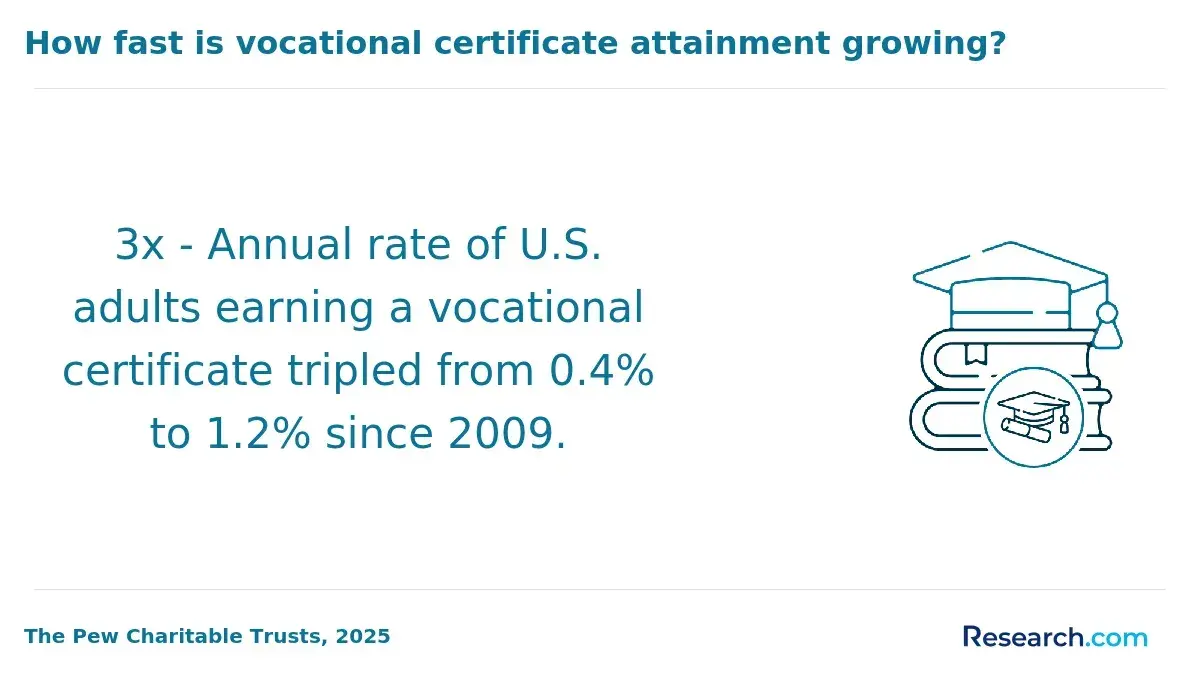
Salary potential is highest when an electrical engineering concentration leads to roles that are technically scarce, close to product revenue, or difficult to automate. Computer hardware, semiconductor design, RF systems, firmware, and power electronics tend to command stronger pay than generalized technician-style roles, but salary depends on location, degree level, employer, experience, and portfolio quality.
The table below pairs concentrations with representative occupations and U.S. median wage benchmarks from BLS May 2024 data where available. Use these figures as market context, not as guaranteed outcomes for a specific degree program.
| Concentration | High-value roles | Representative May 2024 median wage | What can raise salary potential |
| Computer engineering and digital hardware | Computer hardware engineer, FPGA engineer, systems architect | $155,020 for computer hardware engineers | Strong digital design portfolio, architecture knowledge, internships, verification skills |
| Embedded systems and firmware | Embedded software engineer, firmware engineer, IoT systems engineer | $133,080 for software developers as a related benchmark | C/C++, real-time systems, debugging tools, hardware interfaces, safety-critical systems experience |
| Electronics, RF, and communications | Electronics engineer, RF engineer, radar systems engineer | $127,480 for electronics engineers, except computer | Security clearance eligibility, antenna/RF lab work, DSP, microwave tools, aerospace or defense internships |
| Power and energy systems | Power systems engineer, protection engineer, power electronics engineer | $111,910 for electrical engineers | Utility co-ops, power-flow software, PE licensure pathway, renewable integration experience |
| Controls and automation | Controls engineer, automation engineer, robotics systems engineer | $101,140 for industrial engineers as an adjacent benchmark | PLC programming, robotics, manufacturing experience, safety systems, cross-disciplinary projects |
Degree level can matter, but it should match the job target. A bachelor's degree is enough for many design, test, power, controls, and embedded roles. A master's degree can improve access to specialized semiconductor, RF, signal processing, and machine-learning hardware roles. A doctorate is usually most relevant for research, faculty careers, advanced device physics, or highly specialized R&D rather than for every engineering job.
Institution type affects salary potential indirectly. Employers usually care less about whether a program is public or private and more about accreditation, rigor, projects, internships, lab experience, and whether graduates can solve real engineering problems. A lower-cost public or online ABET-accredited program with excellent project evidence may produce a better ROI than a higher-priced program with limited career support.
The best entry-level opportunities are in concentrations where employers can evaluate student ability through internships, lab projects, capstones, code repositories, and hardware demonstrations. Entry-level hiring is not only about the diploma; it is about proof that you can design, test, document, and troubleshoot systems under real constraints.
The table below shows which concentrations tend to create clearer first-job pathways and what evidence students should build before graduation.
| Concentration | Common entry-level titles | Strong entry-level evidence | Best school features |
| Power systems | Associate power engineer, substation engineer, protection engineer trainee | Power-flow studies, relay coordination projects, utility internship, senior design in energy systems | Utility partnerships, FE exam support, power labs, co-op options |
| Embedded systems | Junior firmware engineer, embedded test engineer, hardware integration engineer | Microcontroller projects, GitHub code, sensor integration, PCB debugging, real-time system demos | Hardware kits, embedded labs, cross-listed CS courses, project-based grading |
| Controls and robotics | Controls engineer I, automation engineer, robotics test engineer | PLC projects, robot programming, control simulations, plant or manufacturing internship | Robotics clubs, automation labs, industry-sponsored capstones |
| Electronics and test engineering | Electrical test engineer, validation engineer, applications engineer | Oscilloscope and lab-instrument proficiency, test plans, PCB projects, failure analysis reports | Open lab access, instrumentation labs, electronics design sequence |
| Semiconductors | Verification engineer, process engineer I, product engineer | VLSI projects, SPICE simulations, cleanroom exposure, EDA tool experience | Semiconductor faculty, fabrication access, research assistant roles |
Students comparing institution types should look closely at career services and employer access. A public university with co-ops and regional industry recruiting may be the best entry-level value. A private nonprofit program may be worth the premium if it offers smaller labs, stronger advising, and direct access to specialized employers. Online programs can work well for working adults, but students must verify how lab work, proctored exams, internships, and hands-on design projects are delivered.
Before enrolling, ask admissions and department staff specific questions rather than relying on marketing claims. The answers will reveal whether the program can actually support your concentration.
- Is the electrical engineering bachelor's program ABET-accredited, and does accreditation apply to the online or campus format I am considering?
- Which employers recruited EE students from this concentration in the past two recruiting cycles?
- How are labs completed, and do students use real equipment, remote labs, mailed kits, simulations, or campus intensives?
- What percentage of major courses are taught by full-time faculty with experience in my target concentration?
- How many transfer credits will apply directly to the degree plan, and will they shorten time to graduation?
- What are the typical internship, co-op, senior design, and undergraduate research options for this track?
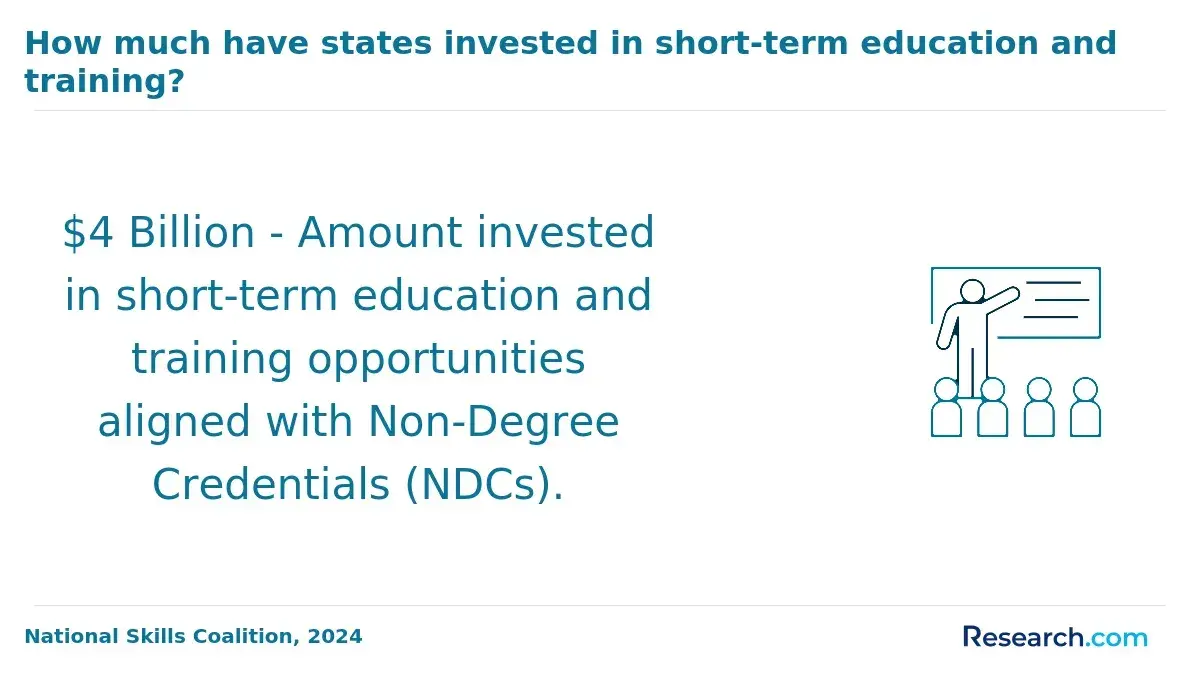
Electrical engineering graduates are hired across industries because nearly every advanced product or infrastructure system uses power, electronics, sensors, controls, or computing. The best industry for you depends on whether you prefer field engineering, product design, research, manufacturing, consulting, or customer-facing technical work.
The table below links major hiring industries to the EE concentrations they most often value. This can help students choose electives and internships that align with actual employer demand.
| Industry | Concentrations most often valued | Common employers | Typical work |
| Utilities and energy | Power systems, power electronics, controls | Electric utilities, grid operators, renewable developers, engineering consultancies | Grid planning, substations, protection, renewable integration, reliability analysis |
| Semiconductors and electronics | Microelectronics, VLSI, electronics, computer engineering | Chip companies, fabs, EDA firms, test equipment manufacturers | Design, verification, fabrication, product engineering, failure analysis |
| Aerospace and defense | RF, communications, signal processing, embedded systems | Defense contractors, aerospace manufacturers, satellite firms, federal labs | Radar, avionics, communications, navigation, electronic warfare, test systems |
| Automotive and transportation | Embedded systems, power electronics, controls, batteries | Automakers, EV firms, suppliers, charging infrastructure companies | Vehicle electronics, battery systems, motor control, safety systems, validation |
| Medical devices and health technology | Biomedical electronics, instrumentation, embedded systems | Medical device manufacturers, diagnostics firms, wearable technology companies | Sensor systems, testing, regulatory documentation, device validation |
| Industrial automation | Controls, robotics, power, instrumentation | Manufacturers, robotics integrators, logistics firms, process industries | Automation design, PLC programming, process control, equipment troubleshooting |
Some electrical engineers also move into applications engineering, technical sales, product management, standards work, or customer training. Those roles still require technical credibility, but communication skill becomes a differentiator; students considering that direction may compare technical electives with broader options such as online master's in communications programs later in their career.
For ROI, industry alignment is critical. A school near strong employers can lower job-search friction through internships and co-ops. For example, a power-focused student may get better value from an in-state public university with utility recruiting than from a more expensive private school with little energy-sector access. Conversely, a student targeting semiconductors may benefit from a research-intensive institution if it provides advanced fabrication, verification, or device-physics opportunities that less expensive programs lack.
Electrical engineering job markets cluster around industries, infrastructure, and research hubs. Unlike some software roles, many EE jobs require labs, hardware, security-controlled environments, manufacturing sites, field systems, or test facilities, so location still matters. Remote work exists, but it is more common in design, simulation, verification, documentation, firmware, and systems engineering than in lab-heavy or field-heavy roles.
The table below summarizes strong U.S. markets by concentration. These are practical starting points for internship and job searches, not the only places where EE graduates can build strong careers.
| Market area | Concentration strengths | Why it matters | Remote or hybrid potential |
| San Francisco Bay Area and Silicon Valley | Semiconductors, computer hardware, embedded systems, electronics | Dense hardware, chip, AI infrastructure, and startup ecosystem | Hybrid is common for design roles; lab and bring-up work often requires onsite time |
| Austin, Dallas, and Phoenix | Semiconductors, electronics manufacturing, embedded systems | Major chip, electronics, and advanced manufacturing presence | Moderate hybrid potential for design, verification, and test automation |
| Boston and Research Triangle | Biomedical electronics, robotics, RF, research-oriented engineering | Strong university, medical device, research, and technology ecosystems | Hybrid roles are possible, especially in systems, analysis, and documentation |
| Seattle and Portland | Hardware systems, power electronics, embedded systems, cloud infrastructure hardware | Large technology employers and electronics supply chains | Hybrid options are stronger for hardware-software roles |
| Huntsville, Washington DC region, Colorado Springs, and San Diego | Aerospace, defense electronics, RF, communications, signal processing | Defense and aerospace employers need specialized EE talent | Remote work may be limited by security, clearance, and controlled technical data |
| Detroit and Midwest manufacturing corridors | Automotive electronics, controls, robotics, power electronics | EVs, manufacturing automation, and supplier networks drive demand | Hybrid is possible, but plant and validation work is often onsite |
Online programs can be especially useful for working adults who cannot relocate, but students should verify whether the program's employer network reaches their target region. A flexible online format is less valuable if it lacks meaningful labs, faculty access, career services, or internship coordination in the student's market.
Students who want remote-friendly EE work should build skills that travel well across employers. These include simulation, scripting, verification, embedded software, digital design, model-based engineering, technical documentation, and collaborative version control.
The most valuable electrical engineering graduates combine theory, tools, lab judgment, and communication. Employers often screen for degree credentials, but hiring managers evaluate whether candidates can use instruments, debug systems, write clear documentation, and collaborate across mechanical, software, manufacturing, and business teams.
The list below highlights skills and credentials that can increase the practical value of an EE concentration. Prioritize the items that match your target role rather than collecting credentials randomly.
- ABET-accredited degree foundation: Especially important for students who may pursue licensure, government roles, graduate study, or employers with formal engineering-degree requirements.
- Programming and scripting: C, C++, Python, MATLAB, and HDL languages are highly valuable for embedded systems, signal processing, verification, automation, and data analysis.
- Lab and instrumentation skills: Oscilloscopes, spectrum analyzers, logic analyzers, power supplies, soldering, PCB debugging, and test documentation help prove readiness for hardware roles.
- Design and simulation tools: SPICE, Altium or similar PCB tools, MATLAB/Simulink, FPGA toolchains, CAD-adjacent tools, and power-system software can differentiate applicants.
- FE exam and PE pathway: Most relevant for power, infrastructure, consulting, and public-facing engineering work where licensure may be valued or required over time.
- Security clearance eligibility: Particularly useful for RF, defense electronics, aerospace, satellite, and communications roles, though eligibility requirements vary by employer and contract.
- Project portfolio: A well-documented capstone, GitHub repository, PCB design, control system, firmware demo, or test report can help offset limited work experience.
Students interested in image sensors, optics, camera systems, or computational imaging should be careful about choosing between engineering and creative media pathways. A photography degree online may fit creative production goals, while an EE concentration in signal processing, sensors, or optics better fits hardware, imaging systems, and device-development careers.
Common mistakes include choosing a concentration only because it sounds futuristic, ignoring prerequisites, assuming online labs are automatically equivalent to campus labs, or selecting a school before confirming accreditation. A better approach is to map your target job backward to required courses, tools, projects, internships, and employer networks.
The best ROI for an electrical engineering concentration usually comes from the lowest total cost that still provides accreditation, completion support, rigorous labs, strong projects, and access to relevant employers. College Board reported that published tuition and fees for 2024-25 averaged $11,610 at in-state public four-year institutions and $43,350 at private nonprofit four-year institutions. That gap is meaningful, but net price after grants, scholarships, housing choices, and time to graduation is the figure that matters most.
The table below compares institution and delivery models. These categories can overlap, so evaluate the actual program rather than assuming one model is always better.
| Model | Best fit | ROI strengths | Trade-offs to examine | Who should be cautious |
| Public in-state university | Traditional students, transfers, and cost-conscious students seeking campus labs | Often strong net-price value, ABET options, research labs, employer recruiting, student organizations | Large classes, competitive enrollment in popular courses, less individualized advising at some campuses | Students who need maximum schedule flexibility or cannot relocate |
| Public out-of-state university | Students targeting a specific concentration, lab, or employer region not available locally | May offer excellent specialization and recruiting access | Out-of-state tuition can reduce ROI unless scholarships are strong | Students choosing it for prestige without clear concentration advantage |
| Private nonprofit university | Students who benefit from smaller classes, strong advising, research access, or elite employer networks | Can provide strong support, reputation, and specialized labs | Higher sticker prices require careful aid and debt review | Students whose net price would require heavy borrowing without a clear career advantage |
| Private for-profit institution | Working adults needing flexible scheduling in specific circumstances | May offer convenience and accelerated structures | Students must scrutinize accreditation, outcomes, transferability, debt, and employer recognition | Students who have not verified ABET status, graduation outcomes, and total borrowing |
| Online or hybrid ABET-accredited program | Working professionals, military students, caregivers, and place-bound learners | Flexibility can reduce opportunity cost and allow continued employment | Hands-on labs, internship access, peer collaboration, and faculty support need close review | Students who need heavy in-person lab coaching or local employer recruiting |
To compare ROI, calculate the full cost of the degree rather than the advertised tuition. Include tuition, mandatory fees, books, equipment, commuting or housing, lost wages, interest on loans, and any extra terms caused by limited course availability. Then compare that cost with the likely career path, not just the highest salary you can find online.
A practical ROI comparison should follow a sequence. This prevents students from overvaluing brand name or undervaluing completion risk.
- Confirm institutional accreditation and, for bachelor's engineering programs, whether the specific EE program is ABET-accredited.
- Request a degree audit showing exactly how prior credits transfer into the EE major, not just general electives.
- Compare net price after grants and scholarships, then estimate borrowing and monthly repayment.
- Check whether the concentration has enough upper-division electives, labs, and faculty depth to support your target career.
- Review internship, co-op, capstone, and employer recruiting evidence for your specific concentration.
- Estimate time to completion, because an extra semester can change ROI as much as a tuition difference.
Students planning to move from engineering into leadership should compare the value of a technical master's degree, employer-funded certificates, and management training before paying for another credential. In some cases, executive MBA programs online make more sense later in a career than a second technical degree, especially for engineers moving into product, operations, or business leadership.
Long-term job security in electrical engineering comes from working on systems that remain essential even as tools change. AI can automate parts of coding, simulation, documentation, and design checking, but it does not eliminate the need for engineers who understand physics, safety, constraints, testing, reliability, and real-world failure modes.
The table below ranks concentrations by long-term resilience. The strongest options combine durable infrastructure demand with skills that can evolve across industries.
| Concentration | Long-term security outlook | Why it is resilient | How to stay competitive |
| Power systems and power electronics | Very strong | Grid reliability, electrification, renewables, EV infrastructure, and energy storage require ongoing engineering support | Add protection, power electronics, battery systems, utility software, and FE/PE preparation where relevant |
| Embedded systems | Very strong | Products across healthcare, automotive, aerospace, industrial equipment, and consumer technology need firmware and hardware integration | Keep improving C/C++, real-time systems, cybersecurity basics, safety standards, and hardware debugging |
| Controls and automation | Strong | Automation expands across manufacturing, logistics, energy, and infrastructure | Learn PLCs, robotics, industrial networks, sensors, safety systems, and model-based control |
| RF, communications, and signal processing | Strong but specialized | Wireless, radar, satellite, sensing, and defense applications need deep technical knowledge | Build DSP, antenna, electromagnetics, software-defined radio, and security-clearance-relevant experience |
| Semiconductors and microelectronics | Strong but cyclical | Advanced chips are central to AI, vehicles, communications, defense, and computing | Develop verification, EDA, device physics, fabrication, and graduate-level specialization if targeting R&D |
Students who want maximum job security should avoid overspecializing too early. A strong EE foundation in circuits, signals, electromagnetics, programming, probability, controls, and lab practice makes it easier to pivot when a niche market slows.
For students aiming at advanced research, faculty roles, or highly specialized R&D in semiconductors, photonics, signal processing, or energy systems, doctoral training can be worth considering. Flexible PhD programs may appeal to working professionals, but engineering doctoral students should verify research supervision, lab access, dissertation expectations, and whether online delivery fits the technical field.
Consistent hiring demand is different from fast growth. A concentration can grow quickly but hire unevenly if jobs depend on venture funding, security clearance, or a narrow employer base. The most consistent EE hiring usually comes from sectors that must maintain infrastructure, comply with reliability requirements, manufacture essential products, or support long product life cycles.
The table below summarizes hiring consistency by concentration. It focuses on demand stability, not just peak salary.
| Concentration | Hiring consistency | Main employers | Why demand tends to persist | Main risk |
| Power systems | Very strong | Utilities, grid operators, energy developers, engineering consulting firms | Electricity infrastructure requires maintenance, modernization, and reliability planning | Some roles are location-bound and may require field work |
| Embedded systems | Strong | Automotive, aerospace, medical device, industrial equipment, consumer electronics firms | Physical products increasingly need firmware, sensors, and connected control | Skill expectations can include both EE and software engineering depth |
| Controls and automation | Strong | Manufacturing, logistics, energy, robotics integrators, process industries | Automation investments continue even when companies slow general hiring | Travel, plant support, or on-call troubleshooting may be part of early roles |
| RF and defense electronics | Moderate to strong | Defense contractors, aerospace firms, satellite companies, telecom employers | National security, radar, wireless, and satellite systems require specialized expertise | Security clearance requirements and regional concentration can limit options |
| Semiconductors | Strong but cyclical | Chip designers, fabs, EDA companies, equipment manufacturers | AI, data centers, vehicles, and electronics depend on advanced chips | Semiconductor hiring can cycle with capital investment and product demand |
For students who prioritize job stability, power, controls, embedded systems, and defense electronics are often safer than highly niche tracks. For students who can tolerate cyclicality and want high upside, semiconductors and advanced hardware design can be attractive, especially when the program has strong employer ties.
Other Things You Should Know About Electrical Engineering
There is no single best concentration for every student. Computer engineering, embedded systems, semiconductors, power systems, and controls currently offer strong combinations of demand and salary potential, but the best choice depends on your skills, preferred industry, location, and program quality.
It can be, especially if the institution is properly accredited, the engineering program meets employer expectations, and students complete credible labs and projects. For bachelor's programs, verify whether ABET accreditation applies to the exact online or hybrid format.
An in-state public university is often a strong value because it may combine lower tuition with labs, ABET accreditation, and employer recruiting. However, a private nonprofit or online program can be worth it if net price, completion support, specialization, and career access are stronger for your situation.
Embedded systems, firmware, digital design, verification, signal processing, and simulation-heavy roles tend to offer more remote or hybrid potential than field power, manufacturing, test-lab, or hardware bring-up roles. Even remote-friendly EE jobs may require occasional onsite work with equipment or teams.
- What is the Average Salary of an Electrical Engineer? - Samuel Frank Recruitment https://samuelfrank.com/average-salary-of-electrical-engineers/
- Top 10 Engineering Fields with Highest Future Demand (2034) https://blog.exceeds.ai/top-engineering-fields-future-demand/
- Job Market Trends for Electrical Designers | Vista Projects https://www.vistaprojects.com/job-market-trends-for-electrical-designers/
- Despite a sluggish job market, studying electrical engineering offers good prospects https://www.vde.com/en/press/press-releases/electrical-engineering-job-market-studies
- Average Salary for Electrical Engineer in Texas | HCU https://hc.edu/articles/salaries-for-electrical-engineers/
- Powering Your Future: Essential Skills & Certifications for Electrical Engineers in Renewable Energy - CalTek Staffing https://caltekstaffing.com/powering-future-essential-skills-certifications-electrical-engineers-renewable-energy/
- Electrical Engineering Job Market: 2026 Outlook & Pay https://pathwise.io/electrical-engineering-job-market/
- The Significance of Electrical Engineering Certification for Professional Advancement - CertLibrary Blog https://www.certlibrary.com/blog/the-significance-of-electrical-engineering-certification-for-professional-advancement/