2027 Electrical Engineering Degree Unemployment Risk Report: Which Career Paths Offer the Most Stability

Co-Founder and Chief Data Scientist
Choosing an electrical engineering path is not just about pay; it is about how reliably the work survives hiring slowdowns, automation, and industry shifts. The U. S. Bureau of Labor Statistics reports a 2024 median pay of $118,780 for electrical and electronics engineers, with employment projected to grow faster than average. This guide is for students, new graduates, and working engineers comparing stable career options. You will learn which roles, industries, skills, locations, and credentials tend to reduce unemployment risk so you can choose a path with stronger long-term resilience.
Key Things You Should Know
- Electrical and electronics engineering remains a relatively resilient field: BLS data places 2024 median pay at $118,780 and projects faster-than-average growth for the occupation group.
- The lowest unemployment-risk paths usually combine regulated infrastructure, defense, utilities, semiconductors, power systems, embedded systems, and hardware-software integration rather than purely discretionary product work.
- Graduates reduce risk most by pairing a solid ABET-accredited engineering foundation with transferable skills in power electronics, controls, embedded programming, test engineering, systems engineering, cybersecurity, and project documentation.
- Which Electrical Engineering Career Paths Have the Lowest Unemployment Risk?
- Which Industries Offer the Most Stable Employment for Electrical Engineering Graduates?
Which Electrical Engineering Career Paths Have the Lowest Unemployment Risk?
The electrical engineering career paths with the lowest unemployment risk are usually those tied to essential infrastructure, regulated systems, national security, manufacturing capacity, or products that require continuous maintenance. "Unemployment risk" here means the likelihood that demand for a role weakens during downturns, technology shifts, or industry restructuring; it is not a guaranteed job outcome.
The table below compares common electrical engineering paths by stability drivers, risk level, and trade-offs. Use it as a screening tool, then compare local job postings and employer requirements before choosing a specialization.
| Career path | Typical responsibilities | Stability outlook | Main trade-off |
| Power systems engineer | Design, maintain, and modernize generation, transmission, distribution, and grid equipment | Low unemployment risk because utilities, grid reliability, electrification, and renewable integration require long-term engineering support | Work may be regulated, location-bound, or slower-moving than consumer technology roles |
| Embedded systems engineer | Develop firmware and hardware interfaces for devices, vehicles, medical equipment, industrial systems, and defense platforms | Low to moderate risk because embedded expertise is needed across many industries | Requires continuous learning in microcontrollers, real-time systems, and hardware debugging |
| Controls and automation engineer | Design control systems for factories, robotics, process plants, and industrial equipment | Low to moderate risk because automation investment often continues even when firms reduce headcount elsewhere | Travel, plant-floor work, and vendor-specific tools may be common |
| Semiconductor or hardware design engineer | Work on chip design, validation, printed circuit boards, and electronic components | Moderate risk with strong long-term demand but exposure to product cycles and capital spending swings | Advanced roles may require graduate study or highly specialized tool experience |
| Telecommunications and RF engineer | Design, test, and optimize wireless, satellite, antenna, and network systems | Moderate risk because demand is tied to network upgrades, defense, aerospace, and spectrum-dependent systems | Hiring can cluster in specific metro areas and employers |
| Consumer electronics product engineer | Support design, testing, manufacturing, and launch of electronic products | Higher risk than infrastructure roles because hiring can depend on product launches, margins, and market demand | Can offer rapid learning and strong compensation in growth periods |
The most stable options are not always the highest-paying at the start. A utility power engineer may see steadier employment than an engineer in a volatile product startup, while a semiconductor specialist may earn more but face more exposure to cyclical hiring. The best choice depends on whether you value predictable employment, faster salary growth, technical depth, or geographic flexibility.
Which Industries Offer the Most Stable Employment for Electrical Engineering Graduates?
Industry choice can affect unemployment risk as much as job title. Electrical engineering graduates who work in essential, regulated, or mission-critical sectors often have more stable demand than those tied mainly to discretionary consumer spending.
The following comparison shows how industry context changes employment stability. It is especially useful for students deciding between internships, co-ops, and first full-time offers.
| Industry | Why it can be stable | Potential risk | Best fit for |
| Utilities and energy infrastructure | Electric grids, substations, renewable interconnection, and reliability work require ongoing engineering support | Hiring may be regional and influenced by regulation or public investment timelines | Students who want predictable work, licensure pathways, and infrastructure impact |
| Defense and aerospace | Long project timelines and specialized systems create sustained demand for qualified engineers | Security clearance requirements and federal budget cycles can affect hiring | Graduates interested in RF, avionics, power electronics, controls, and systems engineering |
| Semiconductors and electronics manufacturing | Domestic manufacturing investment and demand for chips support long-term hiring needs | The sector remains cyclical and sensitive to capital spending | Engineers who like hardware, device physics, validation, or manufacturing process work |
| Industrial automation and advanced manufacturing | Companies use automation to improve productivity, safety, and quality | Plant closures or sector-specific downturns can affect local jobs | Graduates who enjoy controls, robotics, PLCs, sensors, and hands-on troubleshooting |
| Medical devices | Regulated products require careful testing, documentation, and lifecycle support | Compliance demands can slow innovation and require specialized knowledge | Engineers who want stable technical work with strong quality and documentation expectations |
| Consumer technology | Successful products can scale quickly and create strong compensation opportunities | Layoffs, product cancellations, and outsourcing can increase volatility | Graduates comfortable with higher risk in exchange for faster-paced product environments |
One common mistake is judging an offer only by starting salary. A higher-paying job in a narrow product line may carry more risk than a slightly lower-paying role in power, defense, or industrial systems where replacement costs and operational continuity matter more to employers.
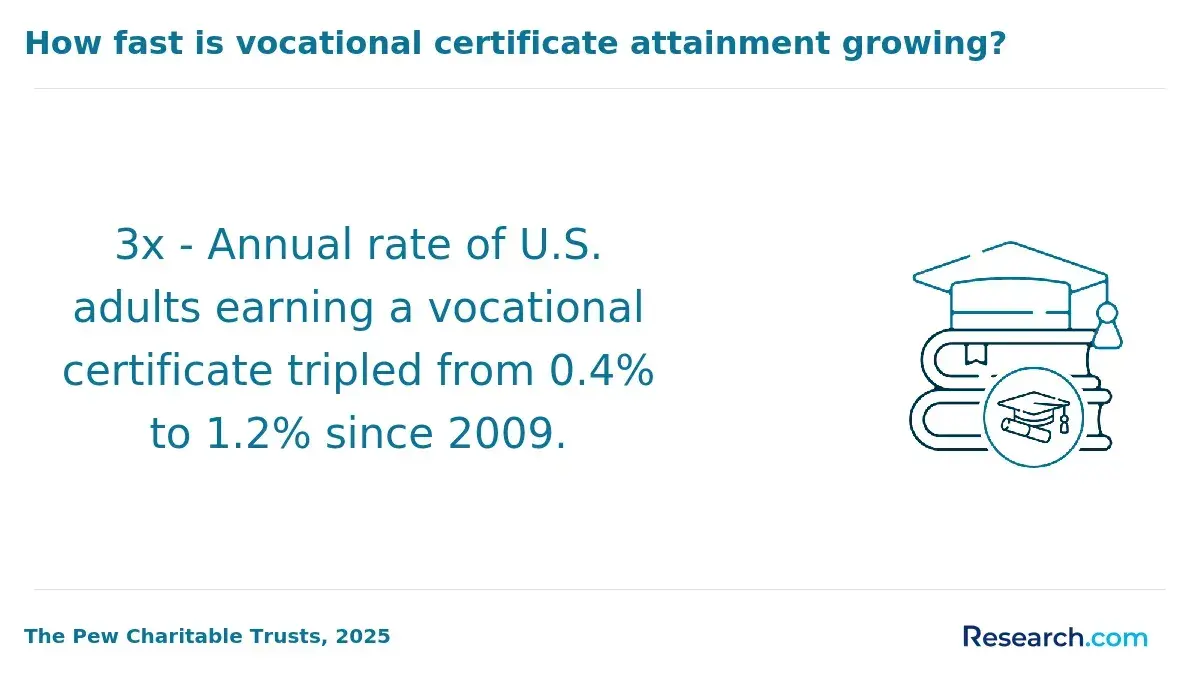
Specialization matters because electrical engineering is broad. Two graduates with the same degree can face very different employment risks depending on whether they specialize in grid modernization, chip design, embedded software, signal processing, robotics, or consumer hardware.
For long-term stability, the strongest specializations tend to share three traits: they support essential systems, require deep technical judgment, and transfer across multiple industries. If you are comparing advanced research paths, selective PhD programs may make sense for roles in semiconductors, communications, power electronics, or high-end R&D, but a doctorate is not required for many stable engineering jobs.
These specializations often provide the best balance of stability and mobility:
- Power engineering: strong fit for utilities, renewable energy integration, electric vehicles, substations, protection systems, and grid modernization.
- Embedded systems: valuable across automotive, defense, aerospace, medical devices, industrial equipment, and connected products.
- Controls engineering: resilient because factories, energy systems, robotics, and process industries depend on reliable automation.
- RF and communications: stable when tied to aerospace, defense, satellites, wireless infrastructure, and specialized testing.
- Power electronics: increasingly important for electric vehicles, charging systems, renewables, data centers, and efficient energy conversion.
- Test, validation, and reliability engineering: often overlooked, but essential in regulated and high-cost failure environments.
Higher-risk specializations are not automatically bad. Consumer product hardware, startup electronics, and niche app-connected devices can be rewarding if you want speed, creativity, and equity upside. They make more sense when you have portable skills, savings, a strong network, and a willingness to move between employers.
Location strongly affects unemployment risk because electrical engineering jobs cluster around utilities, defense contractors, semiconductor hubs, aerospace employers, manufacturing corridors, national labs, and technology centers. A stable career path in one region may offer limited options in another.
Regional demand is especially important for graduates who cannot relocate. A student interested in RF engineering may have more options near aerospace and defense clusters, while a power systems graduate may find opportunities across more regions because every state needs grid infrastructure, utility planning, and electrical reliability work.
Use these location signals before committing to a specialization or employer:
- Job density: search for entry-level and mid-level postings in your target region, not just national openings.
- Employer diversity: favor regions with multiple utilities, manufacturers, labs, contractors, or technology employers rather than one dominant company.
- Licensure relevance: power, construction, and public infrastructure roles may value Engineer-in-Training and Professional Engineer pathways more than product roles.
- Internship availability: strong local co-op pipelines often indicate healthier entry-level demand.
- Relocation flexibility: if your specialization is narrow, your unemployment risk may drop significantly if you are open to moving.
A common red flag is choosing a highly specialized track without checking whether local employers actually hire for it. Before selecting electives, compare course topics with real job descriptions in your preferred cities.
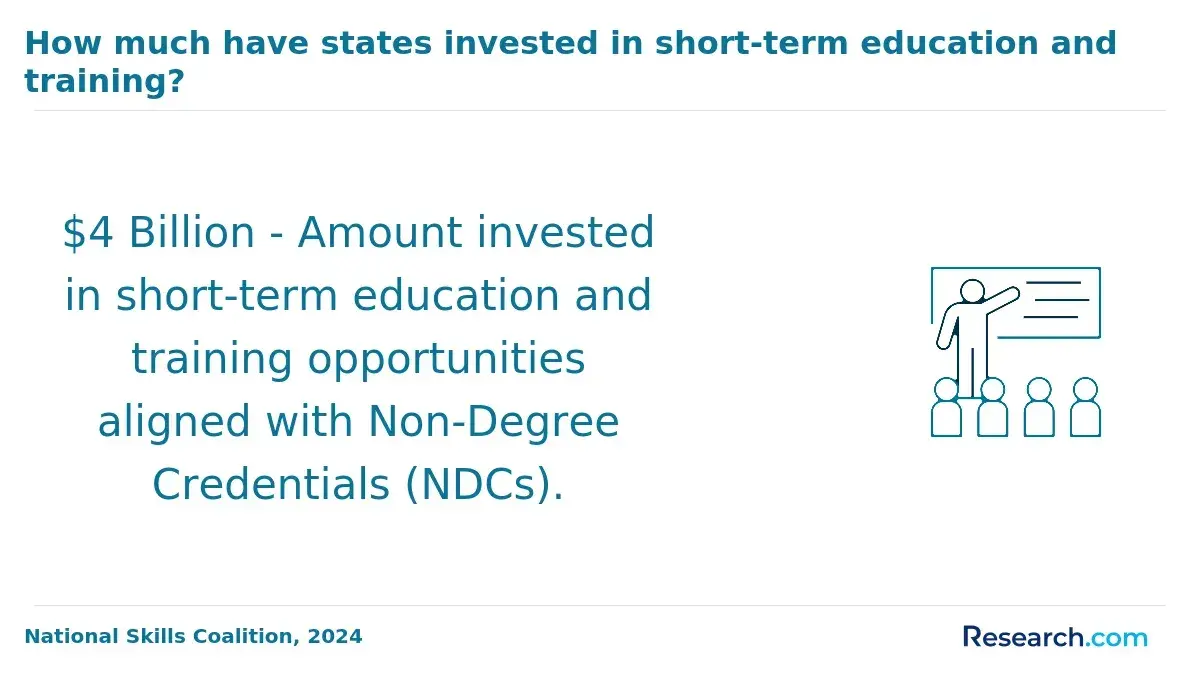
Skills influence unemployment risk because employers keep engineers who can solve problems across tools, teams, and product cycles. A graduate who can design circuits, write embedded code, interpret test data, document requirements, and communicate trade-offs is usually more adaptable than one who knows only a narrow toolchain.
The most protective skill sets combine deep technical ability with transferable execution skills. Engineers who expect to lead customer-facing projects, proposal work, or cross-functional teams may also benefit from communication training; in some cases, professionals compare technical graduate study with options such as an online masters in communications when moving toward technical program management or stakeholder-heavy roles.
Prioritize these skills if your goal is lower unemployment risk:
- Embedded programming in C or C++ plus hardware debugging with oscilloscopes, logic analyzers, and communication protocols.
- Power systems fundamentals, including protection, load flow concepts, grounding, and grid equipment basics.
- Controls, PLCs, robotics, sensors, and industrial networking for manufacturing and automation roles.
- Data analysis using Python, MATLAB, or similar tools to evaluate test results and system performance.
- Requirements writing, verification, validation, and documentation for regulated or safety-critical environments.
- Cybersecurity awareness for connected devices, industrial controls, utilities, and embedded systems.
- Project communication, design reviews, root-cause analysis, and cross-functional teamwork.
The biggest skills mistake is treating electrical engineering as only a classroom credential. Employers often use labs, capstone projects, internships, GitHub repositories, design notebooks, and testing experience as evidence that a candidate can contribute quickly.
Certifications do not replace an electrical engineering degree, but they can improve job security when they match the role, industry, and regulatory environment. The value of a credential depends heavily on whether employers in your target field request it.
The certifications and credentials below are most useful when they support a specific career direction rather than serving as resume filler:
- Engineer-in-Training or Fundamentals of Engineering: useful for graduates considering power, utilities, public infrastructure, consulting, or eventual Professional Engineer licensure.
- Professional Engineer license: valuable in roles involving public safety, stamped designs, consulting responsibility, or regulated engineering services; requirements vary by state board.
- Project Management Professional: helpful for experienced engineers moving into project leadership, program management, or client-facing delivery roles.
- Certified Energy Manager: relevant for energy efficiency, building systems, facilities, and sustainability-focused engineering roles.
- ISA or automation-related credentials: useful for controls engineers working with industrial automation, instrumentation, and process environments.
- Cybersecurity credentials: increasingly relevant for embedded systems, industrial controls, utilities, and connected devices, especially when paired with hands-on engineering experience.
A practical rule is to avoid paying for a certification until you have verified that it appears in job postings you actually want. For entry-level electrical engineers, internships, lab work, FE exam progress, and strong projects often matter more than a long list of unrelated certificates.
Unemployment risk changes by career stage. Entry-level graduates face the highest screening pressure because they have limited proof of workplace performance. Mid-career engineers usually become more stable if they build domain expertise, but they can become vulnerable if their skills stay tied to outdated tools or a shrinking product line.
Early-career engineers should focus on employability breadth: internships, co-ops, test experience, documentation, and hands-on projects. Mid-career engineers should focus on domain depth, mentoring, system ownership, and cross-functional influence. Senior engineers should protect stability by staying close to architecture, compliance, customer needs, cost trade-offs, and business priorities.
The following career-stage comparison summarizes what tends to reduce risk at each point:
| Career stage | Main unemployment risk | Best stability strategy |
| Student or new graduate | Limited experience and competition for entry-level roles | Complete internships, build hardware or embedded projects, document lab work, and target industries with steady hiring |
| Early career | Being too dependent on one tool, product, or employer | Develop transferable skills in testing, design reviews, debugging, requirements, and cross-functional collaboration |
| Mid-career | Specializing so narrowly that mobility declines | Build recognized expertise while keeping adjacent skills current |
| Senior engineer or manager | Cost-cutting exposure if value is not clearly tied to business outcomes | Lead critical systems, mentor teams, improve reliability, and connect engineering decisions to cost, risk, and customer impact |
Career changers should be realistic about transition timelines. A software-heavy electrical engineer may move into embedded systems faster than into utility protection engineering, while a power engineer may need additional coursework or supervised experience to pursue licensure-oriented roles.
The most stable emerging electrical engineering paths are not simply the newest ones. They are the ones connected to durable infrastructure, energy demand, national security, manufacturing modernization, and systems that require physical hardware expertise.
Several emerging paths appear especially strong for long-term stability because they combine electrical engineering fundamentals with fast-growing technical needs:
- Grid modernization and renewable integration: supports transmission upgrades, storage, interconnection studies, microgrids, protection systems, and reliability planning.
- Electric vehicle power electronics and charging infrastructure: combines power conversion, thermal constraints, controls, safety, and grid interaction.
- Semiconductor design, validation, and packaging: supports computing, communications, defense, automotive, and artificial intelligence hardware demand.
- Industrial robotics and automation: helps manufacturers improve productivity, quality, safety, and resilience.
- Embedded cybersecurity: protects connected devices, industrial controls, transportation systems, and critical infrastructure.
- Data center power and reliability engineering: supports high-availability computing, backup power, cooling coordination, and energy efficiency.
- Computational imaging and sensor systems: blends electronics, optics, signal processing, and software; students comparing creative technical paths may even contrast this with a photography degree online when deciding whether they want engineering design or visual media production.
AI is likely to change how electrical engineers work, but it is less likely to eliminate roles that require physical testing, safety judgment, hardware integration, regulatory compliance, and field troubleshooting. The safest strategy is to use AI tools for productivity while building expertise in systems where real-world constraints still matter.
Students should evaluate unemployment risk the same way engineers evaluate system risk: by looking at failure points, alternatives, constraints, and long-term maintainability. A strong electrical engineering path should offer reasonable pay, multiple employer options, transferable skills, and resilience across economic cycles.
Use this step-by-step approach before choosing a concentration, internship, graduate program, or first job:
- Start with industries, not just job titles: compare utilities, defense, semiconductors, automation, medical devices, telecom, and consumer technology.
- Check current job postings in your preferred regions and note which skills appear repeatedly.
- Compare stability with salary, because the highest-paying offer may not be the most resilient.
- Look for roles that build portable experience in testing, design, documentation, systems thinking, and cross-functional collaboration.
- Ask whether the specialization connects to essential infrastructure, regulated products, or long-lived systems.
- Evaluate whether graduate school, licensure, or certification is required, preferred, or unnecessary for the specific role.
- Avoid overcommitting to a narrow tool, employer, or product category before you have built a broader foundation.
The most common mistake is assuming that all electrical engineering paths have the same job security. They do not. A stable path is usually built intentionally through internships, location research, specialization choice, skill stacking, and continuous learning.
A good decision is not always the lowest-risk option. If you are comfortable with uncertainty, a startup, consumer hardware, or advanced R&D role may be worth it. If you need predictable income, geographic stability, or lower layoff exposure, prioritize power, utilities, defense, automation, medical devices, data centers, or regulated systems.
Economic cycles affect electrical engineering unevenly. During slowdowns, employers may delay new products, facility expansions, or speculative R&D, but they are less likely to stop maintaining grids, defense systems, manufacturing lines, medical devices, or safety-critical infrastructure.
The most resilient electrical engineering roles usually sit closer to maintenance, compliance, reliability, production support, or mission-critical systems. The more a role depends on discretionary spending, venture funding, product refresh cycles, or capital equipment purchases, the more cyclical it may be.
Students and professionals should evaluate downturn risk using a simple sequence:
- Identify whether the employer sells an essential service, a regulated product, a defense-related system, or a discretionary consumer product.
- Check whether the engineering work supports existing operations or depends mainly on future product expansion.
- Review recent hiring patterns, layoffs, facility investments, and internship conversion rates.
- Ask whether the skills used in the role transfer to at least two other industries.
- Compare the offer's salary upside against the risk of sector-specific contraction.
Career stability can also improve when engineers develop business judgment. For example, some technical professionals later pursue executive MBA programs online to move into operations, product strategy, or engineering management, where understanding budgets and markets can help them navigate downturns more effectively.
Other Things You Should Know About Electrical Engineering
Yes, electrical engineering is generally considered stable because it supports power, communications, manufacturing, transportation, medical devices, defense, and computing infrastructure. Stability varies by specialization, employer, location, and economic cycle.
Power systems, utilities, controls, embedded systems, defense electronics, and reliability-focused roles often have lower unemployment risk because they support essential or long-lived systems. Consumer product roles can be more cyclical.
Not always. A PE license is most useful in power, utilities, public infrastructure, consulting, and roles involving public safety or stamped engineering work. Many electronics, embedded, semiconductor, and product engineering jobs do not require it.
Complete internships or co-ops, choose electives tied to stable industries, build hands-on projects, learn embedded programming or power fundamentals, document lab experience, and compare job postings in the regions where you want to work.
- Job Market Trends for Electrical Engineers | Vista Projects https://www.vistaprojects.com/job-market-trends-for-electrical-engineers/
- The phantom of technological unemployment https://rujec.org/article/35507/
- The Significance of Electrical Engineering Certification for Professional Advancement - CertLibrary Blog https://www.certlibrary.com/blog/the-significance-of-electrical-engineering-certification-for-professional-advancement/
- Discover the Top Industries for Electrical Engineering Jobs https://www.matchtech.com/resources/blog/best-industries-for-electrical-engineering-jobs/
- The Labor Market for Recent College Graduates - Part 2: Labor Market Tradeoffs https://encoura.org/resources/wake-up-call/the-labor-market-for-recent-college-graduates-part-2-labor-market-tradeoffs/
- Understanding the Electrical Engineer Unemployment Rate: A Complete Tutorial on Causes and Solutions - Techneeds https://www.techneeds.com/2025/01/12/understanding-the-electrical-engineer-unemployment-rate-a-complete-tutorial-on-causes-and-solutions/
- Despite a sluggish job market, studying electrical engineering offers good prospects https://www.vde.com/en/press/press-releases/electrical-engineering-job-market-studies
- Polish Graduate tracking system - articles https://ela.nauka.gov.pl/en/labor-market/are_all_computer_scientists_equally_successful