
2027 Easiest Online Electrical Engineering Degree Programs Ranking in the USA

Co-Founder and Chief Data Scientist
Choosing the right electrical engineering degree program can be challenging, especially with so many options available online. This article introduces the 2027 Easiest Online Electrical Engineering Degree Programs Ranking in the USA, created by the Research.com team of data scientists to guide you toward programs that fit your learning style and goals.
Exploring this ranking can help you make an informed decision, saving time and effort. Earning an electrical engineering degree opens doors to exciting career opportunities and personal growth.
Whether you're starting fresh or looking to advance, this guide offers valuable insights to support your educational journey.
Key benefits of getting online electrical engineering degree in America
- Electrical engineering graduates in America often enjoy competitive salaries, with many earning around $100,000 annually on average, reflecting strong demand in tech and engineering fields.
- Career paths can be diverse, ranging from designing electronic systems to working in telecommunications or renewable energy, as shown by graduates of institutions like the University of Texas.
- Online degrees, such as those from Arizona State University, offer flexibility and allow students to balance work and study, making it easier to gain practical experience while advancing their education.
- 2027 Easiest Online Electrical Engineering Degree Programs Ranking in the USA
- What can I expect from online electrical engineering degree in America?
- Where can I work with online electrical engineering degree in America?
What can I expect from online electrical engineering degree in America?
The average cost of an online electrical engineering degree in America tends to land between $15,000 and $40,000 for the full program, painting a flexible financial landscape for many hopeful engineers. Imagine a graduate from a renowned institution like Purdue University navigating this investment while balancing a full-time job and family life-this range feels manageable, especially compared to traditional on-campus expenses.
Several graduates share stories of reallocating funds once spent on daily commutes or campus housing into purchasing simulation software critical for mastering circuits and control systems from their bedrooms. At places like the University of Florida or Arizona State University, tuition often meshes with residency status, helping keep costs less intimidating and reinforcing the value behind every dollar spent.
Emotions ripple through these journeys: relief at affordable pricing, excitement for accessible learning, and confidence knowing the degree aligns with strict ABET standards. This financial openness invites many to chase their engineering dreams without uprooting their entire lives, making the endeavor feel less like a gamble and more like a strategic leap forward.
Where can I work with online electrical engineering degree in America?
Graduates with an online electrical engineering degree in America often find themselves stepping into vibrant worlds where innovation buzzes in the air-whether it's designing sleek communication gadgets, recalibrating power grids, or launching renewable energy initiatives. Picture a graduate from a well-regarded program at a university in Texas who dives into a solar farm project, turning sunlight into tangible energy solutions. Another might be in California, tweaking control systems for electric vehicles as the automotive industry races toward a sustainable future.
Those with ABET-accredited degrees enjoy doors opening in diverse industries-telecommunications, aerospace, or even government labs maintaining critical infrastructure. It's thrilling to imagine working on the latest IoT devices or developing automation software in a cutting-edge Silicon Valley startup, just like recent grads from top East Coast colleges do.
Success stories from Michigan and New York highlight roles from test engineers to systems architects, where puzzles are solved daily, and creativity shapes technology that powers everyday life. The journey is practical yet imaginative, filled with opportunities to build, innovate, and transform.
Graduates from online electrical engineering programs in America find themselves stepping into a landscape where salaries dazzle like city lights on a clear night. Imagine finishing your degree at a renowned institution-say, Georgia Tech or Purdue-and suddenly seeing job offers that start around $65,000 to $80,000. This is the fresh-out-of-school reality, a solid launchpad that feels like a high-five from the engineering universe.
Five years in, those entry-level numbers grow wings. It's common for grads to raise their income game to anywhere between $90,000 and $120,000. Picture a grad working in Seattle's tech scene, landing a role in power systems or semiconductors, earning a paycheck that reflects not just skills, but the tech-savvy spirit honed online.
Senior engineers and managers who mastered their craft at colleges like Texas A&M often break past $130,000. Here's where passion meets profit, with bonuses and overtime adding sparkle to an already robust package. The online path doesn't dim these prospects-it's about the prestige of your degree and the grit you bring.
- Accredited online electrical engineering programs typically require 120 to 130 credit hours and take about four years to complete full-time.
- Tuition for an online electrical engineering bachelor's degree ranges from $40,000 to $70,000, with public universities usually offering lower rates for in-state students.
- The median annual wage for electrical engineers was approximately $101,600 in 2022, with entry-level salaries starting between $65,000 and $75,000.
- Employment for electrical engineers is projected to grow 7% from 2020 to 2030, faster than the average for all jobs.
- ABET accreditation is important for licensure eligibility, and remote internships help build practical experience for online students.
Picture a graduate juggling emails from an internship in Silicon Valley while tuning into asynchronous lectures from Georgia Tech's online electrical engineering program. Four years is the magic number-typically the full-time sprint to earn a Bachelor of Science in Electrical Engineering. This timeline matches traditional campuses yet unfolds in the flexible, caffeine-fueled digital realm. But here's the secret: many graduates embrace the freedom to stretch their journey to six or even eight years, blending family dinners, late-night study marathons, and 9-to-5 jobs into their unique rhythm.
Master's degree seekers often zip through two intense years, or sometimes just 12 to 18 months full-time, fueled by ambition and accelerated courses offered by top schools like MIT or Stanford's extended programs. Transfer credits from community colleges can shave months off the timeline, turning prior knowledge into time saved. Online electrical engineering degrees in America don't just measure time in semesters-they're about weaving life's complex circuits into a fulfilling academic journey.
Imagine the buzz of a lecture hall at MIT or the hands-on thrill of tinkering with microcontrollers in a buzzing University of Texas lab-this is the heartbeat of on-campus electrical engineering degrees. Graduates often recall the adrenaline of live problem-solving sessions, surrounded by peers and professors, where circuits spark to life and theoretical equations morph into real-world innovations.
Contrast that with the digital frontier where online degrees transform learning into a nimble dance across pixels. Graduates from institutions like Georgia Tech cherish the freedom to pause complex lectures, revisit virtual simulations, and fit study around hectic workdays or family life. The labs may be virtual, but the sense of discovery and mastery remains vivid, just accessed through a screen.
Costs differ too: while public universities charge around $10,000 annually for in-state students, private schools may surge to $35,000. Online paths often slice away commuting and housing expenses-yet the tuition itself can rival traditional programs, especially at elite private universities.
Both paths demand grit; accreditation by ABET ensures that each electrifies your career with solid, respected credentials, whether built in campus corridors or in the quiet hum of your home office.
The average cost of an online electrical engineering degree in America typically centers around $36,765, with in-state students often benefiting from lower tuition fees near $31,380, while out-of-state learners might expect to pay closer to $40,785. Imagine a graduate from a popular state university, whose online experience balanced affordability with robust coursework - their investment felt fair given the quality of flexible learning. Public colleges often price tuition per credit hour between $300 and $600, making it relatable for many who juggle work and study commitments.
For those chasing the allure of private universities, the price tag can soar beyond $70,000, yet many graduates cherish the flexibility, scholarships, and payment plans that soften the financial blow. A graduate from a prestigious private college fondly recalls how tailored financial aid packages made the dream of completing their electrical engineering degree online within reach and rewarding.
Prospective students seeking cheapest online degree electrical engineering options in 2027 USA will find that affordable online electrical engineering programs blend cost-efficiency with solid academic rigor. Adding to tuition, consider mandatory fees, textbooks, and necessary software licenses, which can add several hundred to thousands of dollars, but often feel like minor investments compared to the career payoff.

Imagine unlocking financial support for your online electrical engineering degree like a seasoned coder cracking the toughest algorithm. Graduates from institutions like Georgia Tech or Purdue often celebrate how federal aid via FAFSA unlocks Pell Grants up to $7,395 annually-essentially a tuition boost with zero repayment chains. Others reflect on how Federal Direct Loans, subsidized or unsubsidized, softened the pinch, offering low-interest relief during those grueling circuit design nights.
State aid acts like a secret weapon tailored to your home turf-think California's Cal Grant or New York's TAP program-like a friendly voice saying, "We've got your back." Universities themselves often sprinkle scholarships or tuition discounts specifically for online engineering enthusiasts, turning dreams into manageable plans.
Many working grads tapped into employer tuition reimbursements, transforming workplace learning into a win-win, while private scholarships from IEEE or SWE provide a treasure trove of $1,000 to $10,000 awards, celebrating your passion, leadership, or need. The financial aid world for online electrical engineering students in America is vast, navigable, and decidedly hopeful.
To step into the electrifying world of online electrical engineering degrees in America, imagine having your academic toolkit sharpened first. Graduates from renowned institutions often recall their journey beginning with a sturdy high school diploma, buttressed by solid skills in algebra, trigonometry, and physics-think of mastering the gears behind an electric circuit before building it. Some even reminisce about submitting SAT or ACT scores, although many universities now invite students to shine test-optional, easing pressure without dimming ambition.
Graduate hopefuls share that a bachelor's degree in a related science or engineering field, paired with a GPA dancing around 3.0, opens doors to advanced study. Those who've thrived highlight crafting compelling statements of purpose and gathering recommendation letters that reflect real projects or programming prowess, turning application packages into narratives of promise. At places like Georgia Tech or UC Berkeley, students treasure these prerequisites as milestones marking readiness to dive deep into online labs, video lessons, and digital problem-solving adventures fueled by reliable internet and a passion for innovation.
Imagine diving into the world of circuits and signals from your own room, enrolled at a top American university like Georgia Tech or the University of Illinois Urbana-Champaign, where online electrical engineering programs bring theory to life. Graduates often recall their first encounter with circuit analysis as unwrapping a complex puzzle-understanding how electricity flows through components felt like decoding the secret language of modern devices.
Courses on digital systems transport you into the heart of microprocessors and binary logic, essential for building everything from smartphones to autonomous vehicles. Electromagnetics might sound abstract, but students quickly see its magic in wireless communication-imagine tuning into your favorite radio or controlling a drone, all thanks to those invisible electromagnetic waves.
Signals and systems classes sharpen analytical muscles to manipulate both analog and digital information. Many online programs incorporate programming languages like Python or MATLAB, forging powerful simulation tools that graduates describe as their digital workshop for innovation. Control systems and electronics bring automation and semiconductor intricacies into view, preparing students to lead in fields like robotics or renewable energy with hands-on virtual labs or weekend campus sessions.
These courses weave together a practical and exhilarating learning odyssey, perfectly tailored for aspiring engineers balancing life in America's fast-paced environments.
Online electrical engineering programs across America unfold like customizable universes where learners pick their own constellation of skills. Graduates often recall diving into the current of power systems, mastering the delicate dance of renewable energy feeds and smart grids, a specialization frequently found in top-tier institutions cherished by those seeking an online bachelor degree in electrical engineering. Another popular trail leads through communications and signal processing, where students decode the invisible wireless chatter connecting cities and devices, reflecting a vibrant focus area in electrical engineering degree focus areas America.
Many find their pulse racing on the control systems track, immersing in robotics and automation - think of orchestrating machines to perform symphonies of precision in manufacturing plants. Others savor the intricate world of microelectronics and VLSI design, crafting the very chips fueling today's digital heartbeat, a crucial specialization for those drawn to online electrical engineering specializations USA. Meanwhile, electronics and circuit design enthusiasts experience the thrill of building the actual bridges of hardware that power everyday tech, connecting theory to tangible innovation.
Choosing the best online electrical engineering degrees USA means diving beyond flashy brochures and craving a program that sparks your passion while charging your skills. Imagine a graduate from a renowned university juggling nights at a virtual lab and days debugging code on their couch-yes, it's real and thrilling. Such programs don't just teach circuits; they deliver practical, hands-on experiences via virtual labs or local setups, helping you connect theory to the electricity humming in your daily life.
Affordability is king, especially when some graduates recall the relief of finding affordable electrical engineering programs America without sacrificing quality. Picture in-state tuition rates, asynchronous classes designed for night owls, and vibrant faculty support ready to energize your journey. The path to becoming a professional engineer in America often hinges on ABET accreditation, ensuring your degree illuminates the standards employers expect.
Excitingly, for those wondering about complexity, explore whats the easiest engineering degree to find hidden gems that match your lifestyle and goals.

Graduates wielding an online electrical engineering degree in America unlock a vibrant spectrum of career options, venturing far beyond the typical circuit boards. Inspired by alumni from top-tier universities like MIT and Georgia Tech, many find themselves shaping the future through roles such as Electrical Design Engineer or Telecommunications Engineer, where their skills electrify the backbone of industries. Imagine crafting smart grid technologies that redefine energy flow or pioneering control systems powering autonomous cars - these are not distant dreams but real paths navigated by online learners in the field.
Diving into electrical engineering degree job prospects America offers, some graduates channel their passion into robotics or embedded systems, blending creativity with technical mastery. Others gravitate toward project management and consulting, transforming complex blueprints into successful innovations on a grand scale. The flexibility of the online format lets students balance coursework with hands-on experience, accelerating their journey to these exciting career avenues.
For those curious about how long is schooling for engineering, online programs often provide adaptable pacing, letting students tailor their education to fast-track their ambitions in this dynamic field.
The landscape for online electrical engineering jobs in USA buzzes with opportunity and growth, especially as industries like renewable energy and robotics eagerly scout talent. Graduates from top-notch online programs at universities known for their engineering excellence often share stories of landing roles that once seemed reserved for on-campus peers. Imagine logging into your classes from a cozy home office while building hands-on skills that employers in telecommunication and manufacturing deeply value.
Career outlook for electrical engineers in America is vibrant; salaries start strong and climb steadily, with median wages around $100,830. Graduates from popular institutions find that their degrees open doors in both established companies and cutting-edge startups. Many appreciate flexible tuition options at public schools, and some have discovered ways to lessen costs via financial aid, making it easier to invest in their futures. For those seeking guidance on affordable paths, the cheapest online college for engineering is a smart place to begin exploring options.
2027 Easiest Online Electrical Engineering Degree Programs Ranking in the USA
Investing in your education is a significant decision that requires careful consideration, and the Research.com team is fully aware of the challenges prospective students face. To support individuals seeking accessible and effective electrical engineering education, we have diligently developed the "2027 Easiest Online Electrical Engineering Degree Programs Ranking in the USA." Our dedication to quality, credibility, and accuracy is demonstrated through comprehensive research and analysis.
We utilized the following reputable data sources to develop this ranking:
By consulting this ranking, readers will obtain valuable insights into the easiest online electrical engineering degree programs, enabling informed decisions about their educational futures. For more information on how this ranking was created, please visit our Research.com methodology page.


# 7 position
University of Southern California
Master of Electrical Engineering and Engineering Management (Dual Degree)

# 8 position
University of Illinois at Urbana-Champaign
Master of Engineering in Electrical and Computer Engineering

# 9 position
Penn State University Park
Master of Electrical Engineering


# 14 position
University of Wisconsin-Madison
Master of Electrical & Computer Engineering: Power Engineering






Frequently Asked Questions About electrical engineering
Online electrical engineering degree students in America can maximize their learning by actively engaging with digital resources and virtual labs offered by accredited institutions. According to the IEEE Education Society, hands-on practice using simulation software strengthens understanding of complex circuit designs and systems. Students should also participate in online discussion forums and study groups to enhance collaboration and clarifications.
Time management is crucial; forming a consistent study schedule helps balance coursework and practical assignments. The National Center for Education Statistics reports that about 30% of engineering students benefit from tutoring services, which can reinforce challenging concepts. Finally, seeking internships with U.S.-based companies or research projects can provide valuable real-world experience alongside online studies.
Emerging niches within the electrical engineering field reflect rapid technological advancements in the United States. One important area is renewable energy systems, where engineers design smarter and more efficient solar and wind technologies. According to the U.S. Bureau of Labor Statistics, jobs related to green energy are projected to grow significantly through 2030.
Another growing focus is embedded systems used in the Internet of Things (IoT). This niche involves designing compact hardware-software combinations for smart devices, increasingly important as IoT expands across industries.
Moreover, electrical engineers in the U.S. are advancing in electric vehicle (EV) technology, supporting the country's shift towards transportation electrification. Specialized skills in battery management and power electronics are highly sought after.
Lastly, cybersecurity for hardware and critical infrastructure is a newer but vital niche, driven by rising concerns over digital and physical security threats.
After completing an online electrical engineering degree in America, preparing for the job market starts with gaining relevant practical experience. Internships and cooperative education programs can enhance your resume and provide hands-on skills valued by employers. According to the U.S. Bureau of Labor Statistics, electrical engineers earn a median annual wage of around $101,250, but practical experience often influences starting salaries.
Building a strong professional network is also crucial. Joining organizations like the Institute of Electrical and Electronics Engineers (IEEE) offers access to industry events and mentorship opportunities. Additionally, obtaining a Professional Engineer (PE) license can improve job prospects and lend credibility.
Developing skills in emerging technologies such as renewable energy and automation increases marketability. Continuous learning through certifications and workshops is recommended to stay current in the rapidly evolving field.
Employers in America prioritize both technical and soft skills when hiring electrical engineering graduates. Proficiency in circuit design, embedded systems, and signal processing consistently ranks high, according to the National Society of Professional Engineers. Additionally, strong knowledge of software tools like MATLAB and CAD programs is essential for most roles.
Communication skills are equally important, enabling engineers to collaborate across teams successfully. Problem-solving ability and adaptability are also critical, with the U.S. Bureau of Labor Statistics highlighting these as key for navigating rapid technological changes.
Data from IEEE suggests that employers value hands-on experience through internships or projects, as practical skills often complement academic knowledge.
Finding internships in America relevant to an electrical engineering degree involves leveraging multiple resources. Many universities with online programs offer dedicated career services that connect students to industry partners. According to the National Association of Colleges and Employers (NACE), 60% of engineering students obtain internships through their school's resources.
Students should also explore platforms like Handshake and LinkedIn, which list thousands of electrical engineering internship opportunities nationwide. Professional organizations such as the Institute of Electrical and Electronics Engineers (IEEE) offer exclusive internships and networking events.
Targeting companies in sectors like telecommunications, energy, or semiconductor manufacturing can increase chances of placement. Applying early, tailoring resumes, and securing strong faculty recommendations are key practices to succeed.
Obtaining an online electrical engineering degree in America can significantly enhance career mobility and advancement opportunities. According to the U.S. Bureau of Labor Statistics, the demand for electrical engineers is projected to grow 7% from 2022 to 2032, signaling strong job prospects. An accredited online degree provides flexible access to quality education without geographic constraints, ideal for working professionals seeking promotion or career changes.
Online programs often incorporate up-to-date technologies and practical skills, preparing graduates for roles in industries such as telecommunications, aerospace, and renewable energy. This technical expertise is highly valued by employers and can lead to higher salaries and leadership positions.
Furthermore, many online degrees align with Professional Engineer (PE) licensure requirements, which can expand career opportunities in consulting and project management. Earning this degree online also allows students to build networks through virtual platforms and internships, crucial for career growth in a competitive market.
Studying for an electrical engineering degree in America equips students with more than technical skills. Programs commonly include courses in computer science, mathematics, and physics, fostering a broad scientific foundation. This interdisciplinary curriculum prepares graduates to work across industries like robotics, renewable energy, and telecommunications.
Many US accredited programs incorporate project-based learning where students collaborate with peers in fields such as computer engineering and mechanical engineering. According to the National Center for Education Statistics, engineering graduates possess versatile problem-solving skills valued in diverse roles.
Moreover, emphasis on software tools and electronics design enhances adaptability, allowing graduates to transition into emerging interdisciplinary fields. Thus, the education structure in American universities supports flexibility and innovation in various engineering careers.
Choosing between a thesis and non-thesis electrical engineering degree program in America depends on your career goals and learning preferences. A thesis track typically requires conducting original research and writing a detailed paper, which is ideal for students aiming for a PhD or research roles. According to the National Center for Education Statistics, about 30% of U.S. engineering master's students opt for thesis programs.
Non-thesis programs focus more on coursework and practical skills, suitable for professionals seeking advancement in industry or management. These programs often include internships or projects instead of research.
Consider factors like time commitment, interest in research, and future plans when deciding.
American students seeking electrical engineering degrees from abroad have limited fully online options recognized within the US higher education framework. Most accredited international programs require some on-site presence, complicating study for remote learners. However, several European and Australian universities offer hybrid formats that combine online coursework with short residency periods, allowing students to experience global engineering standards.
According to the Institute of Electrical and Electronics Engineers (IEEE), US-based students must ensure international programs hold recognized accreditation, such as ABET equivalency, to support professional licensure in the US. The US Department of Education provides resources on credential evaluation for foreign degrees.
Studying abroad through exchange or dual-degree programs arranged by American institutions can also be practical, offering global exposure while maintaining US degree recognition. These options suit those wanting an international perspective without fully relocating.
Part-time jobs can significantly enhance the educational experience for students pursuing online electrical engineering degrees in America. Many students find opportunities as electrical engineering assistants or lab technicians in university research facilities. These roles provide hands-on experience with circuit design, testing, and troubleshooting.
Internships at technology firms or manufacturing companies are also common part-time options. According to the National Association of Colleges and Employers (NACE), about 60% of engineering students secure internships before graduation, improving their job prospects.
Additionally, positions in technical support or sales for electronics companies allow students to apply theoretical knowledge in real-world settings while developing communication skills.
Online electrical engineering students in America have several networking opportunities despite the virtual learning environment. Many universities offer exclusive access to student chapters of professional organizations such as the Institute of Electrical and Electronics Engineers (IEEE). IEEE connects over 160,000 US members, providing online events, webinars, and local meetups for engineering professionals and students.
Additionally, students often participate in virtual career fairs hosted by their institutions, linking them directly to employers. Platforms like LinkedIn also serve as vital tools for networking with alumni and industry leaders in electrical engineering.
Research from the National Center for Education Statistics highlights that 70% of online engineering graduates find networking to be a crucial factor in job placement, emphasizing its importance even in remote settings.
Alumni networks play a crucial role for students pursuing online electrical engineering degrees in America. These networks connect current students with graduates who have industry experience, often leading to mentoring opportunities and career advice tailored to electrical engineering fields.
According to the Electrical Engineering Times, universities with active alumni communities report a 20% higher job placement rate for their graduates. Networking through alumni can also provide access to exclusive internships and job openings often unadvertised publicly.
Moreover, alumni often participate in webinars and panel discussions, sharing insights on evolving technologies and industry standards in America's electrical engineering sector. This access helps online students stay current and competitive.
Strong alumni networks enhance professional development and can open doors in a competitive job market, making them valuable resources beyond traditional coursework.
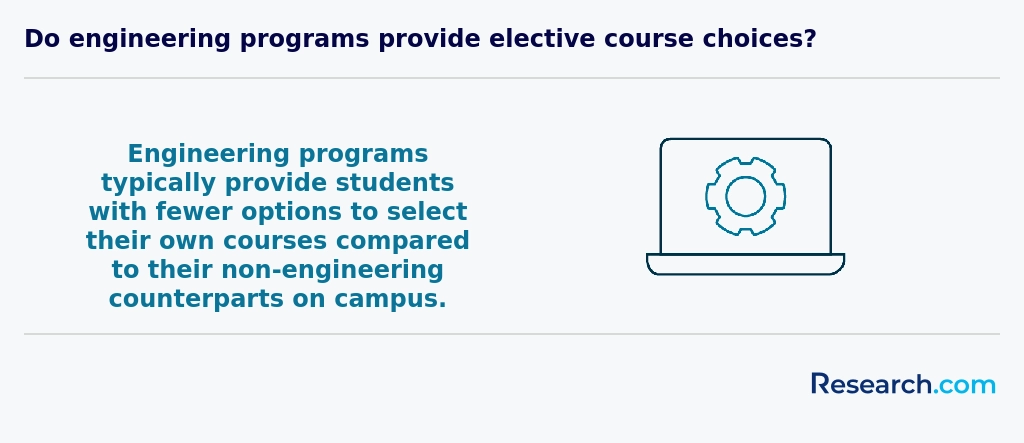
Customizing an online electrical engineering degree in America starts with choosing electives that align with your career goals. Many programs offer specializations like power systems, robotics, or microelectronics. This lets you focus on areas most relevant to your desired field.
Further customization is possible through project-based courses or research opportunities, allowing hands-on experience in specific technologies. Some universities also provide industry partnerships or internships arranged remotely to enhance practical skills.
Accredited programs often follow ABET standards, ensuring your degree meets national quality and can support certification pursuits, such as the Professional Engineer (PE) license.
According to the IEEE-USA, engineers with specialized skills see higher demand and salaries, emphasizing the value of tailoring your education to industry needs.
Online electrical engineering students in America often face challenges related to hands-on lab work. Unlike traditional programs, virtual labs can limit practical experience with complex circuits and equipment essential for mastering electrical engineering concepts. According to the National Society of Professional Engineers, about 70% of surveyed engineers believe in-person labs provide superior preparation.
Another common difficulty is time management. Many students juggle full-time jobs or family responsibilities while studying online, which requires strong self-discipline. The U.S. Department of Education reports that about 30% of online degree seekers cite balancing commitments as a primary hurdle.
Technical issues, such as unreliable internet or software glitches, also disrupt learning. Access to up-to-date simulation tools can be costly, posing another barrier. Lastly, limited direct interaction with instructors and peers can reduce immediate feedback, impacting learning effectiveness.
With an online electrical engineering degree from an accredited U.S. institution, graduates can pursue several respected professional certifications to advance their careers. The most recognized is the Fundamentals of Engineering (FE) exam, which is often the first step toward becoming a licensed Professional Engineer (PE). This certification, administered by the National Society of Professional Engineers, validates your knowledge and is crucial for roles involving public safety and engineering responsibility.
After passing the FE exam and gaining work experience, typically four years, candidates can sit for the PE Electrical and Computer Engineering exam. This license enhances job prospects and earning potential.
Additionally, certifications like the Certified Engineering Manager (CEM) and technical certifications from IEEE offer specialized credentials recognized nationwide.
To write a winning application for an online electrical engineering program in America, start by highlighting your relevant academic background, especially courses in mathematics, physics, and introductory engineering. Most accredited programs require a minimum GPA of 3.0, so clearly present your grades and any improvements.
Include a strong personal statement detailing your motivation for studying electrical engineering online and how it aligns with your career goals. Mention any hands-on experience with electronics or software tools like MATLAB or AutoCAD, as practical skills enhance your application.
Request letters of recommendation from professors or employers who can attest to your technical skills and work ethic. Finally, carefully proofread your materials to avoid errors and meet all deadlines.
Electrical engineering remains a highly respected and globally relevant career. In the United States, the Bureau of Labor Statistics projects a 7% employment growth for electrical engineers from 2022 to 2032, reflecting steady demand. Globally, the skills of electrical engineers are critical in advancing technologies like renewable energy, telecommunications, and automation.
American online electrical engineering degrees prepare students for international opportunities by emphasizing both theoretical knowledge and hands-on skills. Graduates often find roles not only in the U.S. but also with global companies focusing on infrastructure and technology development.
Many U.S. programs align with international standards through ABET accreditation, which supports global career mobility and recognition.
Gaining practical experience while studying online for an electrical engineering degree in America is essential to build job-ready skills. Many programs encourage students to participate in internships, often arranged through university career services. According to the National Society of Professional Engineers, internships increase engineering graduates' employability by nearly 30%.
Students can also engage in virtual labs and simulation software, which provide hands-on learning experiences remotely. Professional organizations like IEEE offer student memberships with access to projects and competitions, fostering practical skills. Additionally, some online programs include capstone projects or cooperative education opportunities to ensure applied learning in real-world scenarios.
Choosing the right concentration within an online electrical engineering degree program in America begins with understanding your career goals. Electrical engineering offers diverse specializations such as power systems, communications, control systems, and microelectronics. According to the U.S. Bureau of Labor Statistics, specializations in renewable energy and telecommunications are experiencing rapid job growth.
Review the curriculum offered by each university to ensure it aligns with your interests and industry demands. Look for programs accredited by ABET, which guarantees quality education. Also, consider future industry trends - for example, electric vehicle technology and smart grid systems are expanding fields. This research helps tailor your education to job opportunities after graduation.
- Why should a student study Electrical Engineering? https://studyfans.com/en/blogs/562
- 2025 Fresher Electrical Engineer Cover Letter Example (+Free Template) https://www.tealhq.com/cover-letter-example/fresher-electrical-engineer
- BS in Electrical Engineering Outcomes | University of Bridgeport https://www.bridgeport.edu/news/what-can-you-do-with-bs-in-electrical-engineering/
- Challenges in Electrical Engineer Roles | Vista Projects https://www.vistaprojects.com/challenges-in-electrical-engineer-roles/
- 2025 Most Affordable Online Master's Degrees in Electrical Engineering https://www.onlineu.com/most-affordable-colleges/electrical-engineering-masters-degrees
- EEVblog Captcha https://www.eevblog.com/forum/jobs/what-types-of-jobs-can-one-get-with-an-electrical-engineering-degree-nowadays/
- New Ideas And Inventions In Electrical Engineering » IJEMAD https://journals.stmjournals.com/article/article=2026/view=240381/
- Electrical Engineering groups | Meetup https://www.meetup.com/topics/electrical-engineering/
- Electrical Networking Event | Horizon Engineering Solutions https://www.horizonengineering.co.uk/electrical-networking-event/
- Student blog: Networking tips for engineering students https://asu-london.ac.uk/news/student-blog-networking-tips-for-engineering-students/


