2027 Electrical Engineering Degree Payback Report: Which Programs Deliver the Best Cost-to-Salary Return

Co-Founder and Chief Data Scientist
An electrical engineering degree can lead to strong salaries, but the payoff depends heavily on tuition, aid, internships, and the type of program you choose. The U. S. Bureau of Labor Statistics projects 9% employment growth for electrical and electronics engineers from 2023 to 2033, faster than the average for all occupations.
This guide is for students, parents, and career changers comparing degree options. You'll learn how to estimate payback time, identify high-value programs, avoid expensive mistakes, and decide whether electrical engineering fits your financial and career goals.
Key Things You Should Know
- The best financial returns usually come from ABET-accredited programs with low net price, strong internship or co-op pipelines, and placement into electrical engineering, electronics, power, controls, semiconductor, or embedded systems roles.
- BLS data places the median annual pay for electrical and electronics engineers at $118,780, but students should compare this against net cost, debt, location, and the salary premium over their next-best alternative.
- Published tuition and fees for 2024-25 average $11,610 for in-state public four-year colleges, $30,780 for out-of-state public colleges, and $43,350 for private nonprofit colleges, making price control one of the biggest ROI levers.
- What Is the Return on Investment of an Electrical Engineering Degree?
- Which Electrical Engineering Programs Deliver the Best Cost-to-Salary Return?
What Is the Return on Investment of an Electrical Engineering Degree?
The return on investment of an electrical engineering degree is the financial value you receive from the degree compared with what you pay to earn it. In practical terms, ROI depends on three things: the total net cost of attendance, the earnings you can reasonably expect after graduation, and the earnings you give up while studying.
For this field, the most useful payback calculation is not "salary divided by tuition." A better approach is to estimate the salary premium: how much more you may earn with the electrical engineering degree than you would have earned without it. That premium is then compared with your total out-of-pocket cost and debt.
The table below shows how to think about ROI inputs. It is not a ranking of schools; it is a decision framework you can use before committing to a program.
| ROI factor | Why it matters | What to check before enrolling |
| Net cost | Scholarships, grants, transfer credits, and residency status can change the real price dramatically. | Ask for the full cost of attendance after aid, not only tuition. |
| Time to degree | Extra semesters increase tuition and delay full-time earnings. | Review graduation rates, course sequencing, and whether labs are offered often enough. |
| Accreditation | ABET accreditation is widely recognized by engineering employers and can matter for licensure pathways. | Confirm the exact program, not just the institution, is accredited. |
| Work experience | Co-ops, internships, and senior design projects often improve employability and starting salary prospects. | Ask how many students complete paid engineering work before graduation. |
| Local labor market | Pay and hiring vary by region and industry, including utilities, defense, manufacturing, automotive, and semiconductors. | Compare employer partners, alumni outcomes, and job postings near the campus or online program hub. |
A strong ROI does not require choosing the cheapest program automatically. It requires choosing a program where the net cost is reasonable relative to completion likelihood, job placement support, and access to engineering work experience.
Which Electrical Engineering Programs Deliver the Best Cost-to-Salary Return?
The electrical engineering programs with the best cost-to-salary return are usually not defined by prestige alone. They are programs that combine recognized accreditation, manageable cost, strong completion support, and direct links to employers that hire electrical engineering graduates.
Use the following comparison to identify the program type that is most likely to produce a favorable payback for your situation.
| Program type | Typical ROI strength | Best fit | Main caution |
| In-state public bachelor's program | Often strong because tuition is lower and engineering salaries can be high relative to cost. | Students who can attend full time and qualify for in-state tuition. | Large programs may require early planning to secure labs, advising, and internships. |
| Community college transfer pathway | Potentially very strong when credits transfer cleanly into an ABET-accredited bachelor's program. | Cost-conscious students who are ready to plan transfer requirements carefully. | Lost credits can erase savings, so articulation agreements matter. |
| Co-op-based engineering program | Strong when paid work terms reduce borrowing and improve job readiness. | Students willing to extend the calendar slightly in exchange for work experience. | Co-op availability can be competitive and may depend on academic performance. |
| Online or hybrid electrical engineering program | Can be strong for working adults if labs, accreditation, and employer recognition are solid. | Technicians, military students, or working adults who need scheduling flexibility. | Hands-on lab requirements, residency sessions, and equipment fees must be reviewed carefully. |
| High-cost private program | Can be worthwhile with generous aid or exceptional placement, but not automatically. | Students receiving major scholarships or seeking a specific employer network. | Sticker price can create long payback periods if aid is limited. |
A high-value program should be able to answer detailed questions about outcomes. Before enrolling, ask for recent engineering placement data, internship participation, typical debt at graduation, transfer-credit rules, and the percentage of students who complete the program on time.
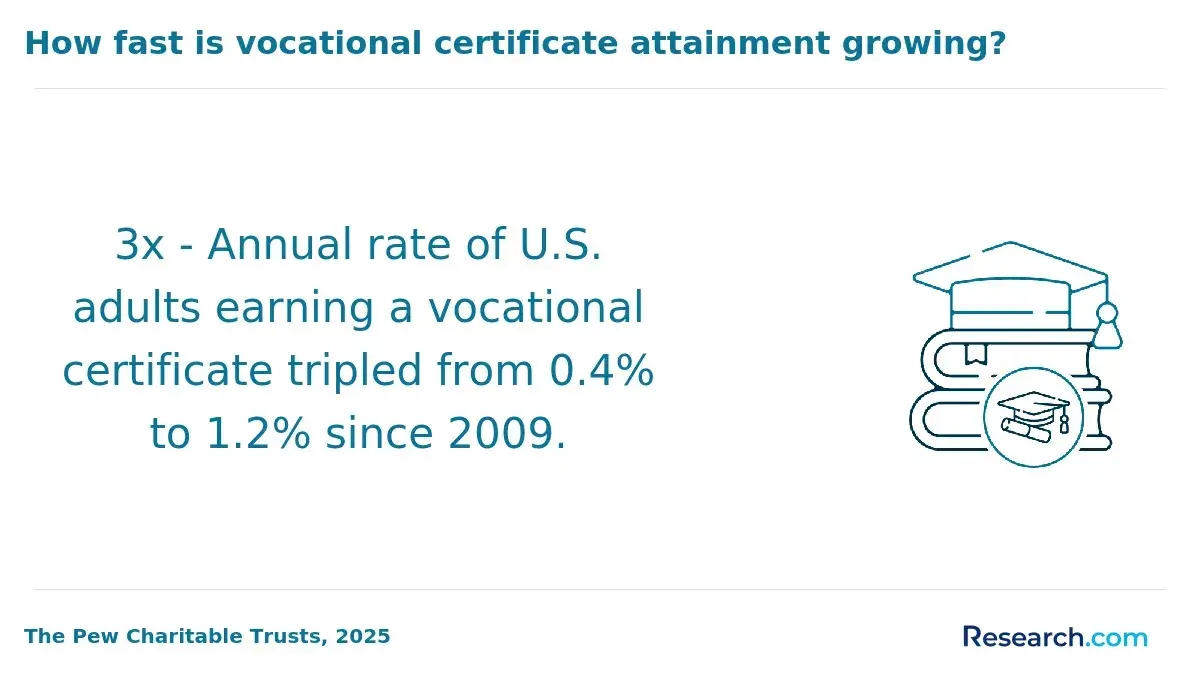
Tuition directly affects payback because every extra borrowed or paid dollar must be recovered through future earnings. College Board's 2024 pricing data shows a wide spread in published tuition and fees: $11,610 for in-state public four-year colleges, $30,780 for out-of-state public colleges, and $43,350 for private nonprofit colleges. For electrical engineering, that gap can matter more than small differences in rankings.
The table below shows why the same degree can produce very different payback outcomes depending on the net price category.
| Cost situation | Likely payback effect | How to improve value |
| Low net price after grants or in-state tuition | Creates more room for a fast payback if the student completes the degree and enters engineering work. | Prioritize ABET accreditation, internships, and course availability. |
| Moderate net price with some borrowing | Can still be a good investment, but debt payments should be tested against realistic entry-level income. | Use co-ops, summer internships, and scholarships to reduce borrowing. |
| High net price with limited aid | Requires stronger evidence of placement, employer access, or special program advantages. | Compare aid appeals, transfer options, and lower-cost alternatives before committing. |
| Part-time study while working | May reduce debt but can lengthen the time before salary gains appear. | Confirm course rotation so part-time enrollment does not add unnecessary years. |
Net price is more important than published tuition. A private institution with large scholarships may cost less than an out-of-state public option, while a low-tuition program can become expensive if poor advising causes extra semesters.
Break-even time is the point when the added earnings from the degree exceed the total cost of earning it. A simple formula is: net degree cost divided by annual salary premium. The salary premium is the difference between your expected income after the degree and your likely income without it.
The following examples are simplified illustrations, not salary promises. They show how sensitive payback is to net price and salary premium.
| Illustrative net degree cost | Illustrative annual salary premium | Simple break-even estimate | What it means |
| $30,000 | $20,000 | 1.5 years | A low-cost pathway can pay back quickly if it leads to an engineering role. |
| $60,000 | $20,000 | 3 years | Moderate borrowing may still be manageable with steady engineering employment. |
| $120,000 | $20,000 | 6 years | High cost requires stronger confidence in completion, placement, and long-term earnings. |
| $120,000 | $10,000 | 12 years | If the salary premium is smaller, even a respected program can take much longer to repay. |
This calculation does not include interest, taxes, relocation, graduate school, or periods of unemployment. For a more conservative estimate, add expected loan interest and test a lower salary premium before deciding.
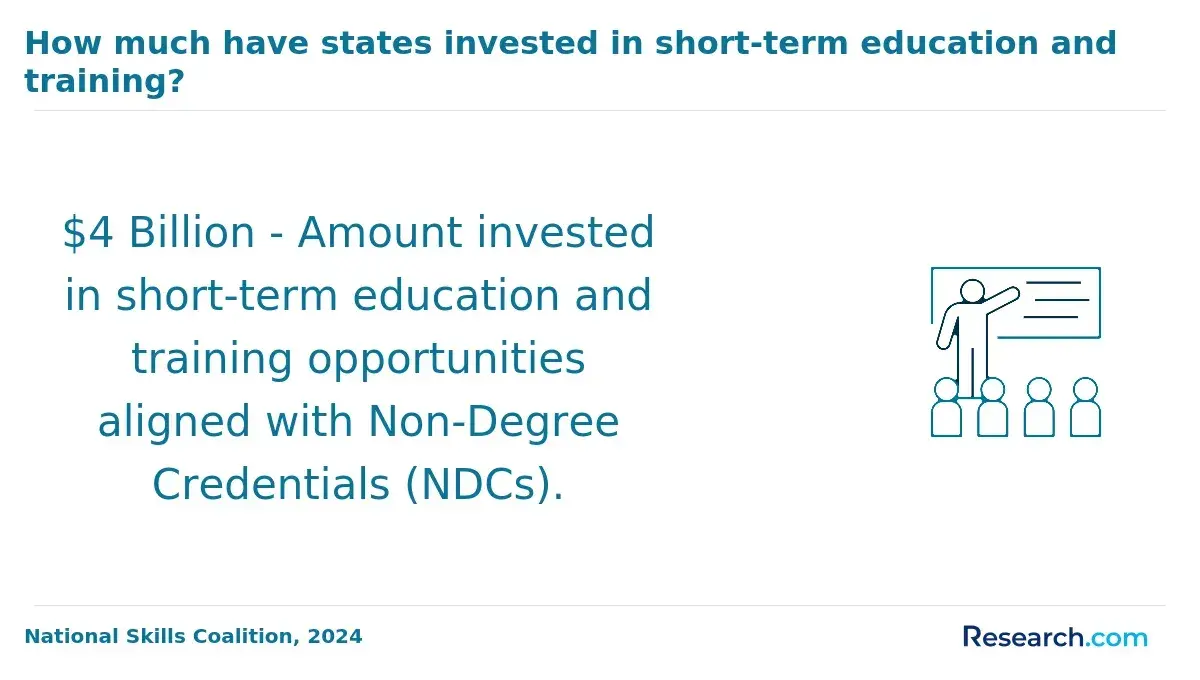
The biggest ROI factors are the ones that change either your total cost or your probability of entering a well-paid engineering role. Prestige may help in some contexts, but it is rarely enough to overcome high debt, weak advising, or limited work experience.
Pay special attention to these high-impact factors when comparing programs:
- ABET accreditation: Many employers recognize ABET-accredited engineering programs, and accreditation can matter for professional engineering licensure pathways.
- Completion probability: Engineering programs are rigorous, so tutoring, advising, course availability, and first-year support affect whether you finish on time.
- Internships and co-ops: Paid engineering work can reduce borrowing and make the first full-time job search easier.
- Transfer-credit rules: A low-cost start at community college only improves ROI if credits apply cleanly to the engineering major.
- Specialization fit: Power, electronics, controls, communications, and embedded systems can lead to different employers and regional opportunities.
- Debt level: Higher borrowing reduces flexibility after graduation, especially if you relocate or start in a lower-paying entry role.
Common mistakes include choosing a school based only on rankings, ignoring total cost of attendance, assuming a photography degree online or similar creative program has no lab or studio obligations, and failing to verify accreditation at the specific program level. A better strategy is to compare outcomes, costs, and curriculum fit side by side before submitting a deposit.
Employer demand matters because ROI improves when graduates can move quickly into roles that use their engineering skills. The BLS projects 9% employment growth for electrical and electronics engineers from 2023 to 2033, which supports the case that the field has favorable demand compared with many occupations. For students, that means the degree can be valuable when paired with current technical skills and practical experience.
Several market trends are strengthening the need for electrical engineering talent. Electrification, renewable energy integration, battery systems, advanced manufacturing, defense electronics, automation, and semiconductor investment all require people who understand hardware, power, signals, and systems.
AI and automation are also changing the field, but they are not eliminating the need for electrical engineers. Instead, employers increasingly value engineers who can use simulation tools, analyze data, write code, document designs clearly, and work across hardware and software teams. Students who graduate with only classroom theory may be less competitive than those who can show projects, prototypes, code repositories, lab reports, or internship results.
Students can improve the financial value of an electrical engineering degree by lowering net cost, increasing completion odds, and building employable skills before graduation. The goal is not just to get admitted; it is to graduate with evidence that employers value.
Use these steps to strengthen ROI before and during enrollment:
- Confirm that the electrical engineering program is ABET-accredited if your target employers or licensure plans value that credential.
- Compare net price after grants, scholarships, transfer credits, fees, housing, transportation, and required equipment.
- Ask whether engineering courses are offered every term or only once per year, because delayed courses can add semesters.
- Prioritize programs with paid internships, co-ops, undergraduate research, or employer-sponsored senior design projects.
- Build skills in programming, circuit simulation, CAD tools, embedded systems, data analysis, and technical communication.
- Apply early for scholarships and departmental awards, not just general university aid.
- Track job postings in your target region to see which tools, clearances, certifications, or specialties employers request.
Communication skills can also affect ROI because engineers often need to explain designs, write documentation, and present trade-offs to non-engineers. If you discover that technical writing, media, or stakeholder communication interests you more than circuit design, comparing options such as an online masters in communications may help you choose a better-fitting path.
Electrical engineering often offers strong ROI because it connects to industries with durable demand and relatively high technical barriers to entry. Still, it is not the best choice for every student. The right comparison depends on whether you prefer hardware, software, business, creative production, field work, or research.
The table below compares electrical engineering with adjacent academic and career paths. Use it to clarify whether the degree matches your strengths and desired work environment.
| Field | How it compares with electrical engineering | When it may be the better fit |
| Computer engineering | Overlaps with embedded systems, digital design, hardware, and low-level software. | You want a stronger mix of computing and electronics. |
| Computer science | Usually focuses more on software, algorithms, systems, and data than physical hardware. | You prefer coding-heavy work and want broader software roles. |
| Mechanical engineering | Focuses more on machines, materials, thermodynamics, and mechanical systems. | You are more interested in robotics structures, manufacturing, vehicles, or physical product design. |
| Electrical engineering technology | Often more applied and hands-on, sometimes with a different path than traditional engineering roles. | You want practical technical work and may not need a design-engineer track. |
| Creative technology or imaging | May involve cameras, lighting, digital media, and visual systems rather than engineering design. | If your interest is more artistic or media-focused, a photography degree online may align better than a math-heavy engineering degree. |
Associate degrees and engineering technology programs may produce faster entry into technician roles, but they may not qualify graduates for the same design engineering positions as a bachelor's in electrical engineering. Master's degrees can improve specialization in areas such as power systems, signal processing, controls, or microelectronics, but they make the most financial sense when the added credential clearly improves promotion or salary prospects.
An electrical engineering degree is often worth it for students who enjoy math, physics, circuits, problem-solving, and technology that connects the digital and physical worlds. It can be especially valuable if you choose a reasonably priced, accredited program and graduate with internship or project experience.
It may not be the right investment if you dislike advanced math, want a short and low-intensity credential, or are mainly interested in software, business, or creative work without the engineering core. The degree is rigorous, and weak fit can turn even a high-salary field into a poor personal investment.
Use this decision checklist before enrolling:
- Choose electrical engineering if: you want to design, test, improve, or manage electrical, electronic, power, communications, or embedded systems.
- Be cautious if: the program has high debt, unclear accreditation, limited lab access, weak career services, or poor course availability.
- Consider alternatives if: your strongest interest is software-only work, business leadership, hands-on technician roles, or creative media.
- Consider graduate study if: your target role requires deeper specialization, research experience, or advanced credentials.
Students aiming for research, faculty roles, or advanced technical leadership may eventually compare master's or PhD programs, but a doctorate is usually not necessary for most entry-level electrical engineering jobs. Start by choosing the lowest-risk bachelor's pathway that keeps your preferred career options open.
Electrical engineering graduates can pursue roles in circuit design, power systems, controls, communications, embedded systems, test engineering, manufacturing, robotics, aerospace, defense, automotive systems, and semiconductor technology. According to the BLS, the median annual wage for electrical and electronics engineers is $118,780, which indicates strong earning potential compared with many bachelor's-level fields. However, individual outcomes vary by region, industry, experience, security clearance, graduate education, and technical specialization.
The table below summarizes common career directions and the type of work graduates may perform. Use it to compare salary potential with the kind of engineering work you actually want to do.
| Career direction | Typical responsibilities | ROI consideration |
| Power and energy systems | Design, maintain, or improve power generation, transmission, renewable energy, and grid systems. | Often values licensure pathways and utility or energy-sector experience. |
| Electronics and circuit design | Create and test analog, digital, radio frequency, or mixed-signal circuits. | Strong lab skills, project portfolios, and internships can influence early opportunities. |
| Controls and automation | Work on sensors, control loops, robotics, industrial systems, and manufacturing automation. | Can offer practical pathways in manufacturing-heavy regions. |
| Embedded systems | Combine hardware and software for devices, vehicles, medical equipment, or connected products. | Programming ability can raise competitiveness for hybrid hardware-software roles. |
| Engineering management | Lead technical teams, budgets, product development, or operations after gaining engineering experience. | Some engineers later compare technical master's degrees with executive MBA programs online when moving toward leadership. |
Students pursuing executive MBA programs online should avoid treating the median wage as a guaranteed starting salary. A more realistic approach is to compare entry-level job postings in the region where you plan to work, then check whether the program's recent graduates are entering those roles.
Other Things You Should Know About Electrical Engineering
Electrical engineering is considered challenging because it requires calculus, physics, circuits, signals, electromagnetics, programming, and abstract problem-solving. Difficulty varies by student, but strong study habits and early tutoring can make the workload more manageable.
For many traditional engineering roles, ABET accreditation is a strong signal of program quality. It may also matter for professional engineering licensure. Always verify the accreditation status of the specific program, not just the school.
Yes, but only if the program is credible, appropriately accredited, and provides real lab experience. Online programs can be valuable for working adults, but students should check residency requirements, equipment costs, employer recognition, and career support.
The fastest way is to reduce net cost while gaining paid engineering experience before graduation. In-state tuition, transfer credits, scholarships, co-ops, internships, and on-time completion usually have the biggest effect on payback.
- Electrical Engineering Salaries: Knowing Fact from Myth https://floridapoly.edu/news/electrical-engineering-salaries-knowing-fact-from-myth/
- Study Engineering Abroad: Top Colleges, Costs, & Careers https://www.aeccglobal.com/study-abroad/courses/engineering
- Polish Graduate tracking system - articles https://ela.nauka.gov.pl/en/labor-market/gender_employment_gap
- Schools Ranked by Default Rate | OEDB.org https://www.oedb.org/rankings/default-rate/
- Top Electrical Engineering Schools Ranked for 2025 - Delta Wye Electric https://deltawye.com/top-electrical-engineering-schools/
- The Labor Market for Recent College Graduates - Part 2: Labor Market Tradeoffs https://encoura.org/resources/wake-up-call/the-labor-market-for-recent-college-graduates-part-2-labor-market-tradeoffs/
- Student Loan Debt Statistics [2026]: Average + Total Debt https://educationdata.org/student-loan-debt-statistics
- Does electrical engineering have an image problem? https://electronica.de/en/industry-portal/detail/does-electrical-engineering-have-an-image-problem.html
- Cost to Study in USA – Living Cost & Tuition Fees https://www.studies-overseas.com/blogs/cost-to-study-in-usa
- Engineering Graduate Private Loans https://collegefinance.com/private-student-loans/engineering-graduate-private-loans