2027 Electrical Engineering Degree Job Posting Analysis: Skills, Credentials, and Experience Employers Request Most Often

Co-Founder and Chief Data Scientist
Electrical engineering students face a practical question: which qualifications should they build before applying? The U. S. Bureau of Labor Statistics projects 9% employment growth for electrical and electronics engineers from 2024 to 2034, signaling demand but also competition for roles tied to power, semiconductors, automation, defense, and embedded systems. This guide is for students, recent graduates, and career changers who want to understand what employers ask for most often in postings, how requirements differ by industry, and how to prioritize coursework, projects, internships, software skills, and credentials.
Key Things You Should Know
- Electrical engineering postings most consistently prioritize a bachelor's degree in electrical engineering or a closely related field, hands-on design or testing experience, and practical fluency with tools such as MATLAB, Python, CAD/EDA software, SPICE simulation, and laboratory instrumentation.
- The strongest candidates usually combine fundamentals such as circuits, control systems, power systems, signal processing, and embedded systems with communication, documentation, troubleshooting, and cross-functional teamwork skills.
- BLS data shows a 9% projected growth rate for electrical and electronics engineers from 2024 to 2034, while May 2024 median pay for electrical and electronics engineers was reported at $118,780; use these figures as labor-market context, not a guaranteed outcome.
- Which Industries Have the Highest Demand for Electrical Engineering Graduates?
- Which Job Titles Appear Most Frequently in Electrical Engineering Degree Job Postings?
Which Industries Have the Highest Demand for Electrical Engineering Graduates?
Electrical engineering job posting demand is strongest in industries where electrical systems are the product, the infrastructure, or the competitive advantage. A job posting analysis is not the same as a government employment count: postings show what employers are actively trying to hire for, while labor statistics show the broader employment market. The most useful approach is to compare industries by the skills they repeatedly request.
The table below summarizes major U.S. industries where graduates of traditional or online bachelor’s in electrical engineering commonly see recurring postings and the qualifications those employers tend to emphasize.
| Industry | Why Demand Is Strong | Common Posting Priorities | Best Fit for Students Interested In |
| Semiconductors and electronics manufacturing | Chip design, test engineering, fabrication support, and hardware validation require specialized electrical engineering talent. | Analog/digital circuits, PCB design, SPICE, test equipment, Python, reliability testing | Microelectronics, device testing, hardware design, manufacturing engineering |
| Power, utilities, and grid modernization | Utilities need engineers for generation, transmission, distribution, protection, substations, and grid reliability. | Power systems, protection relays, ETAP or SKM, AutoCAD, NEC/NESC awareness, field coordination | Energy systems, infrastructure, renewables, power delivery |
| Aerospace and defense | Employers need engineers for avionics, radar, communications, control systems, sensors, and mission-critical electronics. | Systems engineering, embedded systems, RF, testing, documentation, security clearance eligibility | High-reliability systems, defense technology, flight hardware |
| Automotive, electric vehicles, and mobility | Electrification increases demand for power electronics, battery systems, embedded controls, and validation. | Power electronics, control systems, CAN/LIN, embedded C, MATLAB/Simulink, functional safety | EV systems, battery management, controls, vehicle electronics |
| Industrial automation and manufacturing | Factories need engineers who can integrate electrical systems with robotics, PLCs, sensors, and production equipment. | PLC programming, controls, HMIs, instrumentation, troubleshooting, safety standards | Automation, robotics, plant engineering, controls |
| Engineering consulting and design services | Consulting firms support building systems, energy projects, infrastructure, and client-specific design work. | AutoCAD/Revit, power distribution, lighting, codes, client communication, project documentation | Design engineering, project engineering, building systems |
BLS salary and growth data can help set expectations, but students should read postings in their target industry because an "electrical engineer" role in a utility can look very different from one in semiconductor validation or building systems design.
Which Job Titles Appear Most Frequently in Electrical Engineering Degree Job Postings?
The most frequent electrical engineering degree job postings tend to cluster around design, test, controls, power, embedded systems, and systems engineering. Title wording varies by employer, so students should search by both broad and specialized terms rather than relying on one job title.
The following table groups common titles by what the job usually asks candidates to do. This helps students identify which coursework, projects, and internship experiences match each path.
| Common Job Title | Typical Responsibilities | Qualifications Employers Often Request | Early-Career Strategy |
| Electrical Engineer | Design, analyze, test, and troubleshoot electrical systems or components. | Electrical engineering degree, circuit analysis, CAD tools, lab testing, documentation | Build a portfolio showing design calculations, schematics, and test results. |
| Electrical Design Engineer | Create schematics, layouts, power distribution designs, or product electrical designs. | AutoCAD, Altium, OrCAD, Revit, NEC awareness, design reviews | Take design electives and document a complete capstone or PCB project. |
| Controls Engineer | Design and support control systems for machines, processes, or vehicles. | PLC programming, MATLAB/Simulink, sensors, control theory, troubleshooting | Complete a controls, robotics, or automation project with real hardware. |
| Test Engineer | Develop test plans, validate products, analyze failures, and report results. | Oscilloscopes, signal generators, Python, LabVIEW, data analysis, root-cause analysis | Emphasize lab work, measurement methods, and test automation scripts. |
| Power Systems Engineer | Analyze generation, transmission, distribution, protection, or facility power systems. | Power systems courses, ETAP/SKM, relays, short-circuit studies, code awareness | Seek utility, renewable energy, or facilities internships. |
| Embedded Systems Engineer | Develop firmware and integrate hardware with microcontrollers, sensors, and communication interfaces. | C/C++, embedded Linux, microcontrollers, SPI/I2C/UART, debugging, PCB familiarity | Build a project that combines firmware, hardware, and test documentation. |
| Systems Engineer | Define requirements, integrate subsystems, manage verification, and coordinate cross-functional work. | Requirements management, testing, documentation, communication, domain knowledge | Highlight capstone leadership, requirements tracking, and verification plans. |
Students should treat job titles as search signals, not rigid categories. For example, a "product engineer" role in electronics manufacturing may ask for the same test, circuit, and troubleshooting skills as a "hardware validation engineer" role.
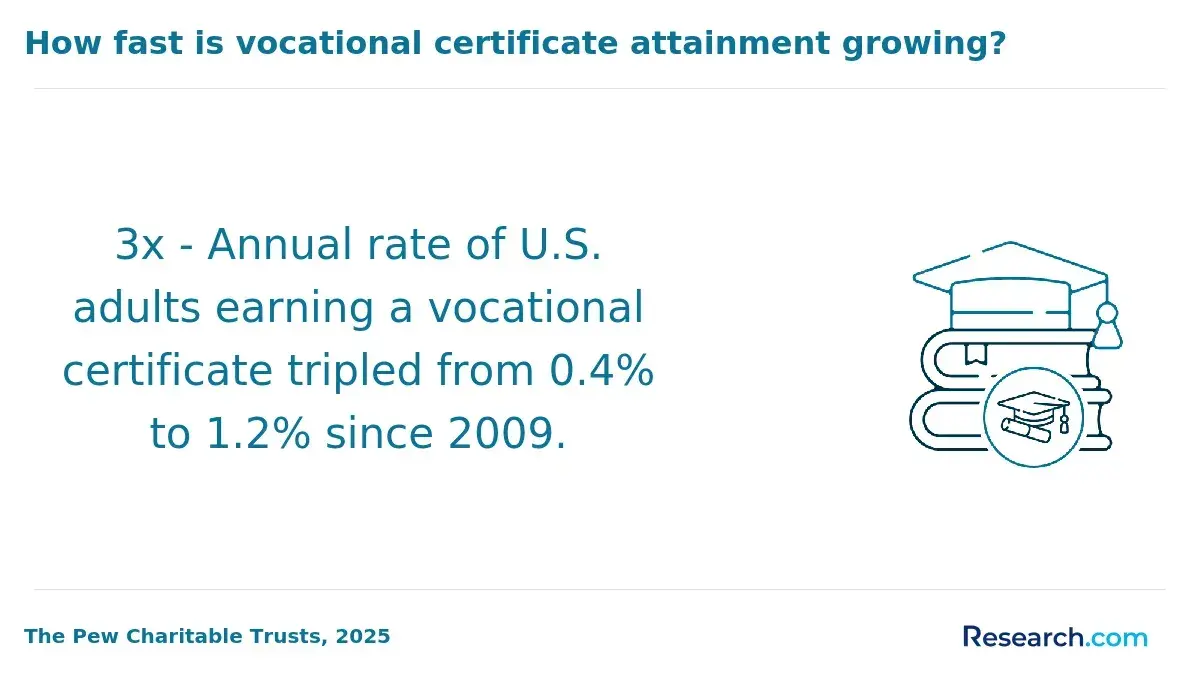
Electrical engineering employers usually evaluate candidates across three skill layers: technical fundamentals, tools and technologies, and workplace execution. The best résumés show all three because employers want engineers who can design or analyze a system, use the right tools, and explain decisions clearly.
The table below ranks skill categories by how often they appear as central requirements or strong preferences in U.S. electrical engineering postings. Exact frequency varies by job board, region, and industry, so the ranking should be used as a prioritization guide rather than a fixed national percentage.
| Skill Area | How It Appears in Postings | Why Employers Value It | Examples to Show on a Résumé |
| Circuit analysis and electrical design | Frequently listed as a core requirement for design, hardware, and product roles. | Employers need engineers who understand how electrical systems behave before software or tools are applied. | Schematic design, load calculations, analog/digital circuit projects, design reviews |
| Testing, measurement, and troubleshooting | Very common in entry-level and experienced postings because many roles involve validation. | Testing converts theory into evidence and reduces product, safety, and reliability risk. | Oscilloscope use, test plans, failure analysis, lab reports, automated test scripts |
| Software and scripting | Commonly requested as Python, MATLAB, C/C++, or LabVIEW depending on role. | Electrical engineers increasingly automate analysis, testing, modeling, and data handling. | Python data analysis, MATLAB simulations, embedded C, test automation |
| CAD, EDA, and simulation tools | Often required or preferred for design-specific roles. | Tool fluency helps candidates contribute faster to production workflows. | Altium, OrCAD, AutoCAD, Revit, LTspice, PSpice, ETAP, SKM |
| Power systems and energy knowledge | Essential in utilities, renewables, facilities, and building systems postings. | Grid reliability, electrification, and energy efficiency projects require domain-specific judgment. | Load flow studies, relay coordination, power distribution designs, renewable integration projects |
| Embedded systems and controls | Common in robotics, automotive, aerospace, consumer electronics, and industrial automation. | Products increasingly combine sensors, firmware, control algorithms, and connected hardware. | Microcontroller projects, motor control, CAN communication, PID control, hardware debugging |
| Communication and documentation | Frequently described through phrases such as "cross-functional," "technical reports," and "customer-facing." | Engineering work must be reviewed, tested, maintained, and handed off to other teams. | Design reports, requirements documents, presentations, test summaries, change logs |
The biggest mistake is treating software skills as optional. Even power, test, and manufacturing roles increasingly reward candidates who can automate calculations, analyze measurement data, or write scripts that improve engineering workflows.
Experience requirements vary sharply by job level. Entry-level postings may say "0 to 2 years," but employers often still prefer internships, co-ops, lab projects, undergraduate research, or capstone work that shows practical engineering judgment. For experienced roles, the posting usually shifts from learning potential to proof of independent ownership.
The table below summarizes how experience expectations typically change across job levels and what students can do before graduation to become more competitive.
| Career Level | Typical Experience Language in Postings | What Employers Are Really Testing | Strong Evidence to Provide |
| Intern or co-op | Enrollment in an electrical engineering program, coursework completed, basic tool familiarity. | Learning ability, reliability, technical curiosity, and lab readiness. | Course projects, GPA if strong, lab reports, coding samples, leadership in engineering clubs |
| Entry-level engineer | 0 to 2 years, internship preferred, bachelor's degree required. | Ability to apply fundamentals under supervision and communicate results. | Internship deliverables, capstone project, test procedures, simulation results, GitHub or portfolio if appropriate |
| Engineer I or II | 2 to 5 years, role-specific tools, independent project contributions. | Ownership of tasks, troubleshooting ability, and professional judgment. | Completed designs, production support, validation reports, field problem resolution |
| Senior engineer | 5 or more years, technical leadership, design ownership, mentoring. | Ability to lead design decisions, reduce risk, and guide less experienced engineers. | Design authority, standards development, root-cause leadership, cross-functional project outcomes |
| Lead, principal, or manager | Advanced experience, architecture, project leadership, client or stakeholder management. | Strategic judgment, technical depth, and influence across teams. | Product roadmaps, system architecture, budget or schedule responsibility, team leadership |
For students, internships and co-ops usually provide the highest early return because they convert classroom knowledge into employer-recognized experience. If a formal internship is not available, a well-documented project with requirements, design decisions, test evidence, and lessons learned can still help close the experience gap.
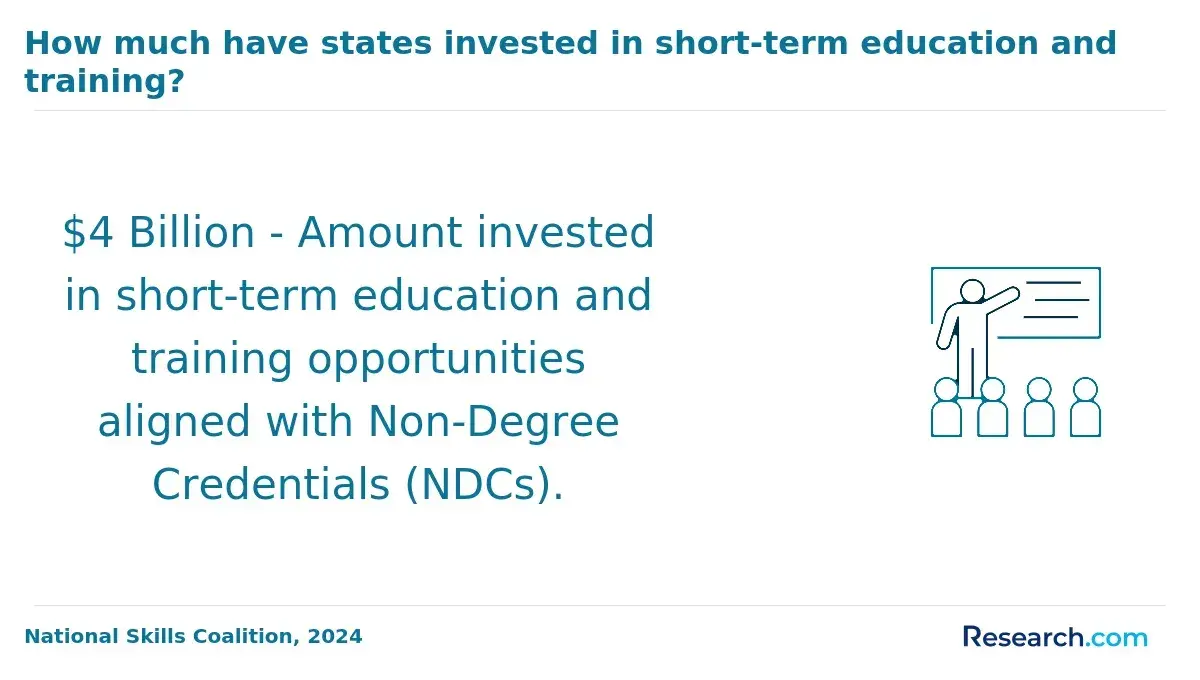
Certifications can improve competitiveness, but they rarely replace a degree, relevant experience, or tool fluency. The most valuable certifications that pay well depend on the industry: power and consulting employers often recognize licensure pathways, while manufacturing, electronics, and automation employers may value process, safety, quality, or tool-specific credentials.
The table below lists certifications and credentials that commonly matter in electrical engineering hiring conversations, along with when each is worth pursuing.
| Certification or Credential | Where It Helps Most | How Employers Usually View It | When It Makes Sense |
| FE exam / Engineer-in-Training status | Utilities, consulting, public infrastructure, building systems, power engineering | Strong early-career signal for candidates on a PE licensure path. | Worth prioritizing if your target roles mention PE, power systems, public projects, or consulting. |
| Professional Engineer license | Consulting, utilities, public-facing engineering, stamped designs | Often required for signing or responsible charge in regulated engineering work. | Relevant after meeting state-specific education, exam, and experience requirements. |
| IPC electronics credentials | PCB design, electronics manufacturing, quality, assembly | Useful signal for candidates working close to electronics production and board-level reliability. | Helpful if postings mention PCB fabrication, assembly standards, or electronics quality. |
| Six Sigma or Lean certification | Manufacturing, quality engineering, process improvement | Often preferred for roles focused on yield, defects, reliability, and continuous improvement. | Useful when paired with data analysis and real process-improvement examples. |
| Project Management Professional or CAPM | Project engineering, engineering management, systems integration | Usually a mid-career or management differentiator rather than an entry-level requirement. | Consider after gaining project responsibility, not before building core engineering evidence. |
| Vendor or tool certifications | Automation, networking, cloud-connected systems, industrial controls | Helpful when the employer uses the specific platform. | Best when postings repeatedly name the tool, controller, or platform. |
A practical rule is to pursue certifications only after you identify a pattern in your target postings. If most postings ask for Python, MATLAB, circuit testing, and internships, those should come before a certification that appears only occasionally.
Employer expectations differ because electrical engineering is not one job market. A defense contractor, electric utility, semiconductor manufacturer, and building systems consulting firm may all hire electrical engineering graduates, but they screen for different risks, tools, and evidence of readiness.
The table below compares how expectations shift across common employer types. Use it to tailor your résumé and avoid sending the same application to every role.
| Employer Type | What They Emphasize | Credentials That Matter More | Experience Signals That Stand Out |
| Utilities and power companies | Reliability, safety, power systems, field coordination, protection, standards. | ABET degree, FE/EIT, future PE pathway, power coursework. | Substation, distribution, renewable integration, field or co-op experience. |
| Defense and aerospace employers | Systems engineering, documentation, testing, secure work environments, reliability. | Engineering degree, possible clearance eligibility, specialized coursework. | Verification plans, embedded systems, RF, controls, mission-critical testing. |
| Electronics and semiconductor companies | Hardware design, validation, lab testing, signal integrity, manufacturing support. | Bachelor's or master's degree depending on specialization. | PCB projects, SPICE simulations, lab automation, failure analysis. |
| Industrial automation firms | Controls, PLCs, sensors, HMIs, troubleshooting, customer or plant support. | Degree plus platform experience; vendor credentials may help. | Hands-on controls projects, robotics, factory automation, commissioning work. |
| Engineering consulting firms | Client communication, design documentation, codes, schedules, project delivery. | ABET degree and FE/EIT are often more valuable than in product roles. | Design drawings, load calculations, Revit or AutoCAD work, client-facing internships. |
| Startups and product companies | Broad ownership, rapid prototyping, flexibility, debugging, practical execution. | Degree matters, but demonstrated projects may carry extra weight. | End-to-end prototypes, firmware plus hardware skills, rapid testing and iteration. |
Geography can also change expectations. Power and infrastructure roles may be tied to regional utilities and state licensure rules, while semiconductor postings cluster more heavily around major electronics, fabrication, and R&D hubs. Students should compare local postings with national remote or relocation options before choosing electives or certifications.
Emerging skills are not replacing electrical engineering fundamentals; they are changing how fundamentals are applied. Employers still need circuit, power, controls, and test knowledge, but postings increasingly reward candidates who can work with data, automation, connected devices, and software-defined systems.
The table below highlights emerging skill areas that are becoming more visible in electrical engineering postings and explains how students can interpret them without chasing every trend.
| Emerging Skill Area | Where It Appears | Why It Is Growing | How to Build Evidence |
| AI-assisted engineering and data analysis | Test automation, predictive maintenance, manufacturing analytics, signal analysis. | Engineering teams need faster ways to interpret large test and operational datasets. | Use Python or MATLAB to analyze sensor data, classify failures, or automate reports. |
| Power electronics and electrification | EVs, chargers, renewable energy, battery systems, industrial drives. | Electrification increases demand for efficient conversion, control, and thermal-aware design. | Complete projects involving converters, inverters, motor drives, or battery management. |
| Cybersecurity for operational technology | Utilities, manufacturing, industrial controls, connected infrastructure. | Electrical systems are increasingly networked, making reliability and security connected concerns. | Study industrial networks, secure control systems, and risk-aware system design. |
| Digital twins and model-based engineering | Aerospace, automotive, energy, advanced manufacturing. | Employers use models to test systems earlier and reduce physical prototyping risk. | Show simulations connected to requirements, validation data, or design decisions. |
| Embedded connectivity and IoT | Consumer electronics, industrial sensors, smart buildings, robotics. | Products increasingly combine hardware, firmware, sensors, and communication protocols. | Build microcontroller projects using wireless communication, sensors, and cloud or local dashboards. |
| Functional safety and reliability engineering | Automotive, aerospace, medical devices, industrial automation. | Complex systems require structured safety, traceability, and failure-mode thinking. | Document hazard analysis, FMEA, verification plans, and reliability testing. |
The common mistake is learning trend keywords without a technical base. A student who can explain why a converter failed, how a control loop was tuned, or how test data supports a design decision will usually be stronger than one who lists AI or IoT without proof.
Students can match their qualifications to employer expectations by reverse-engineering postings before choosing electives, projects, internships, or certifications. The goal is not to satisfy every posting; it is to build a focused profile for a specific career direction.
Use this process to turn job postings into a practical preparation plan.
- Collect 20 to 30 postings for the job titles and industries you actually want, such as power systems engineer, test engineer, embedded systems engineer, or controls engineer.
- Separate requirements into three groups: must-have qualifications, preferred qualifications, and differentiators that appear only in some postings.
- Highlight repeated tools, such as MATLAB, Python, Altium, AutoCAD, ETAP, LabVIEW, PLC platforms, or SPICE tools.
- Map each repeated requirement to evidence you can show, such as coursework, a lab, an internship, a capstone project, a certification, or a portfolio artifact.
- Choose one technical gap and one experience gap to address each term instead of trying to learn every tool at once.
- Rewrite your résumé bullets around engineering outcomes, including what you designed, tested, automated, improved, calculated, documented, or troubleshot.
Several common mistakes make otherwise qualified candidates look weaker than they are. Avoid these issues before applying.
- Assuming the degree alone is enough and failing to show design, testing, or troubleshooting evidence.
- Listing tools without explaining how you used them to solve an engineering problem.
- Ignoring communication, documentation, and teamwork even though postings frequently mention cross-functional work.
- Pursuing certifications that are not relevant to your target industry while neglecting internships or projects.
- Using one generic résumé for power, embedded, controls, and test roles instead of tailoring evidence to each posting.
- Waiting until the final semester to build a portfolio, contact employers, or apply for internships.
A strong entry-level application should make it easy for a hiring manager to answer three questions: Can this candidate apply electrical engineering fundamentals, can they work with our tools or learn them quickly, and can they communicate technical work clearly?
Electrical engineering job posting trends are most useful when they help students choose a direction, not when they create pressure to learn everything. The best career path depends on the intersection of your interests, local or national hiring demand, program strengths, and the kind of work environment you want.
Students comparing paths should use postings to identify trade-offs. A power systems path may make FE/EIT preparation and ABET accreditation more important, while an embedded systems path may reward firmware projects, debugging skills, and C/C++ more directly. A test engineering path may be a strong fit for students who enjoy measurement, lab work, automation, and failure analysis.
Use the following decision sequence when choosing electives, projects, and early career targets.
- Start with the work you want to do daily, such as designing circuits, writing firmware, analyzing power systems, troubleshooting equipment, or coordinating systems-level requirements.
- Compare postings across at least two industries so you can see whether your preferred skills are broadly useful or highly specialized.
- Check whether your target roles expect licensure, security clearance eligibility, field work, travel, manufacturing support, or customer-facing responsibilities.
- Choose electives that support a role cluster, such as power systems plus protection, controls plus robotics, or electronics plus embedded systems.
- Prioritize internships and co-ops before extra credentials unless postings clearly show short certificate programs are central to your target role.
- Revisit postings each semester because AI tools, automation platforms, semiconductor demand, grid modernization, and electrification can shift employer language quickly.
The most practical path is usually the one that creates a coherent story: your coursework explains your foundation, your projects show applied skill, your internship proves workplace readiness, and your résumé translates all of that into the exact language employers use.
Most electrical engineering degree job postings use education requirements as a screening filter. A bachelor's degree in electrical engineering is the most common baseline for engineer-level roles, while an associate degree online or certificate may fit technician roles and a master's degree may help in specialized areas such as RF, power electronics, semiconductors, controls, signal processing, or machine learning.
The table below separates required credentials from preferred credentials and differentiators. This distinction matters because students should not overinvest in extra credentials before understanding what their target roles actually request.
| Credential | How Employers Usually Treat It | Best Use Case | Decision Note |
| Bachelor's degree in electrical engineering | Commonly required for engineer titles. | Entry-level electrical engineer, design engineer, test engineer, controls engineer, power engineer | Prioritize ABET-accredited programs if licensure or public-sector engineering work may matter later. |
| Bachelor's degree in related engineering field | Often accepted if skills match the role. | Systems, controls, electronics, manufacturing, or interdisciplinary engineering roles | Use projects and internships to prove electrical engineering depth. |
| Associate degree or technical diploma | More common for technician, field service, and electronics support roles. | Engineering technician, test technician, controls technician, field service technician | Can be a practical starting point, but may limit access to engineer-titled roles without further education. |
| Master's degree | Usually preferred, not required, except for specialized R&D or advanced design roles. | RF, semiconductor devices, advanced controls, signal processing, power electronics, research roles | Most valuable when it aligns with a specialization that postings repeatedly request. |
| ABET-accredited degree | Not always stated, but important for licensure and some regulated or public-facing engineering work. | Power, utilities, consulting, public infrastructure, roles leading toward PE licensure | ABET status can affect eligibility for the FE exam and future PE licensure pathways. |
| Graduate certificate or focused coursework | Usually treated as a skill signal rather than a replacement for a degree. | Power systems, embedded systems, cybersecurity, AI, robotics, project management | Useful when it fills a visible gap in your target postings. |
Degree cost also affects the decision. College Board's 2024 Trends in College Pricing reported average published tuition and fees of $11,610 for in-state students at public four-year institutions and $43,350 at private nonprofit four-year institutions for 2024-25. Because engineering programs can also include lab fees, equipment, software, transportation, and delayed earnings, students should compare total cost against realistic target roles, internship access, accreditation, and placement support rather than choosing by tuition alone.
Other Things You Should Know About Electrical Engineering
Engineer-level postings most often require a bachelor's degree in electrical engineering or a closely related engineering field. Technician roles may accept an associate degree or technical training, while specialized R&D roles may prefer a master's degree.
Start with circuit analysis, testing, troubleshooting, and one widely used computational tool such as MATLAB or Python. After that, specialize based on your target path, such as power systems, embedded systems, controls, or electronics design.
Certifications are worth it when they match your target industry. FE/EIT is valuable for power, consulting, and licensure-track roles, while IPC, Six Sigma, or automation credentials may help in electronics manufacturing or industrial settings.
Apply for internships and co-ops early, join engineering project teams, complete a capstone with real testing, document lab work carefully, and build projects that include requirements, design decisions, measurements, and results.
- The Significance of Electrical Engineering Certification for Professional Advancement - CertLibrary Blog https://www.certlibrary.com/blog/the-significance-of-electrical-engineering-certification-for-professional-advancement/
- Engineering And IT Certifications That Can Make You Stand Out From The Pack - 180 Engineering https://180engineering.com/engineering-and-it-certifications-that-can-make-you-stand-out-from-the-pack/
- Why Electrical Engineering Leaders Need More than Just Technical Prowess https://www.connexusrecruitment.com.au/blog/beyond-the-circuit-why-electrical-engineering-leaders-need-more-than-just-technical-prowess/
- Electrical Engineering Job Market: 2026 Outlook & Pay https://pathwise.io/electrical-engineering-job-market/
- Top 10 Most Demanding Skills for Electrical Engineers [2025] https://smvec.ac.in/most-demanding-skills-for-electrical-engineers/
- Electrical Engineer Certifications: Best Credentials to Advance Your Career | Teal https://www.tealhq.com/career-paths/electrical-engineer-certifications
- Why Soft Skills Are The Hidden Skills Employers Look For in Tech [2025 Guide] https://ntinow.edu/soft-skills-employers-look-for-in-it-careers/
- Electrical Engineer https://www.developingexperts.com/career-builder/601
- Electrical Engineer Job Description (Qualifications, Salary) https://www.goconstruct.org/construction-careers/what-jobs-are-right-for-me/electrical-engineer
- 10 skills you'll need in electrical engineering jobs at AtkinsRéalis https://careers.atkinsrealis.com/en/life-at-atkinsrealis/blogs/2025/10-skills-you-need-in-electrical-engineering-jobs