
2027 Most Affordable Online Master's in Electrical Engineering Degree Programs Ranking in the Midwest

Co-Founder and Chief Data Scientist
Are you considering advancing your career with an online master's in electrical engineering? Finding an affordable program that fits your needs can be challenging, especially in the Midwest.
This article features the 2027 Most Affordable Online Master's in Electrical Engineering Degree Programs Ranking in the Midwest, created by the Research.com team of data scientists. It helps you explore quality programs that balance cost and value, making it easier to choose the right path.
Reading this guide can empower your decision, opening doors to exciting opportunities in a growing field.
Key benefits of getting online electrical engineering degree in the Midwest
- Electrical engineering graduates in the Midwest typically earn competitive salaries, with many starting around $70,000 annually and experienced professionals making upwards of $100,000, reflecting strong demand for their skills.
- A graduate from a well-known Midwestern university often finds diverse career paths such as design engineer, systems analyst, or project manager, highlighting the flexibility and opportunities available in this field.
- Completing an electrical engineering degree online at a respected Midwestern university offers the advantage of flexible scheduling and reduced commuting costs, making it easier to balance work and study while gaining the same quality education as traditional programs.
- 2027 Most Affordable Online Master's in Electrical Engineering Degree Programs Ranking in the Midwest
- What can I expect from online electrical engineering degree in the Midwest?
- Where can I work with online electrical engineering degree in the Midwest?
What can I expect from online electrical engineering degree in the Midwest?
Imagine juggling a full-time job while diving deep into circuit analysis and control systems, all without breaking the bank-that's the reality for many pursuing online electrical engineering degrees in the Midwest. Graduate students at universities like the University of Illinois Urbana-Champaign often marvel at how their tuition doesn't spiral out of control, especially compared to coastal programs. On average, these degrees hover around more affordable tuition rates, often significantly lower than comparable schools elsewhere.
A grad once shared how balancing remote labs and live lectures felt doable, partly because the cost didn't add extra stress. Michigan Technological University students enjoy similar financial relief, their wallets breathing easier thanks to public university pricing and tangible financial aid like assistantships or employer tuition reimbursement.
These savings empower Midwestern learners to focus on mastering complex simulations and practical skills without the weight of prohibitive expenses, making the value of their education feel both accessible and rewarding.
Where can I work with online electrical engineering degree in the Midwest?
Imagine landing a rewarding role right in the heart of the Midwest's manufacturing powerhouses after earning your online electrical engineering degree from a top school like the University of Michigan or Purdue. Graduates often find themselves immersed in designing cutting-edge automation systems or crafting the next generation of electric engines for vehicles that zip through Michigan's busy freeways.
Picture another classmate, based in Illinois, who is pivotal in a booming renewable energy company. They're the wizard behind wind turbines spinning smoothly across vast plains or solar arrays soaking up Midwestern sunshine-real-world impact fueled by textbook knowledge turned practical skill.
Or consider that spirited graduate in Chicago working on rolling out the fifth generation of wireless technology, weaving invisible webs of communication that keep millions connected. The thrill of pushing signals through fiber-optic cables while soaking up city life is the kind of energy you live for.
From entry-level innovators testing prototypes in labs to experienced leaders steering electrical systems projects, the Midwest's blend of legacy manufacturing and futuristic tech lets you engineer a fulfilling career without leaving home.
With an online electrical engineering degree in the Midwest, you're stepping into a world where numbers come alive-think annual salaries weaving between $65,000 and $80,000 as a fresh graduate in cities buzzing with automotive giants or aerospace innovators. Imagine a graduate from a well-known Midwestern university, landing their first role near Chicago or Detroit, drawing a paycheck that hovers close to $75,000, fueled by the region's manufacturing pulse.
Mid-career engineers, seasoned by projects that power everything from grid systems to smart tech startups, often see those digits climb to $90,000 or higher, with some reaching $110,000 in metropolitan hubs like Minneapolis or Indianapolis. These figures don't just reflect income-they're a gateway to thriving in vibrant cities where the cost of living balances ambition.
Graduates report a sense of pride, knowing their online education from respected Midwest institutions puts them on a level playing field for roles that reward skill, innovation, and practical experience. Bonuses and benefits sweeten the package, making this pathway not just viable but excitingly lucrative.
- Online electrical engineering master's programs in the Midwest are offered by many accredited universities, with options for fully online or hybrid formats.
- Tuition typically ranges from $15,000 to $30,000 for the entire program, with public universities charging about $400 to $600 per credit hour for in-state students.
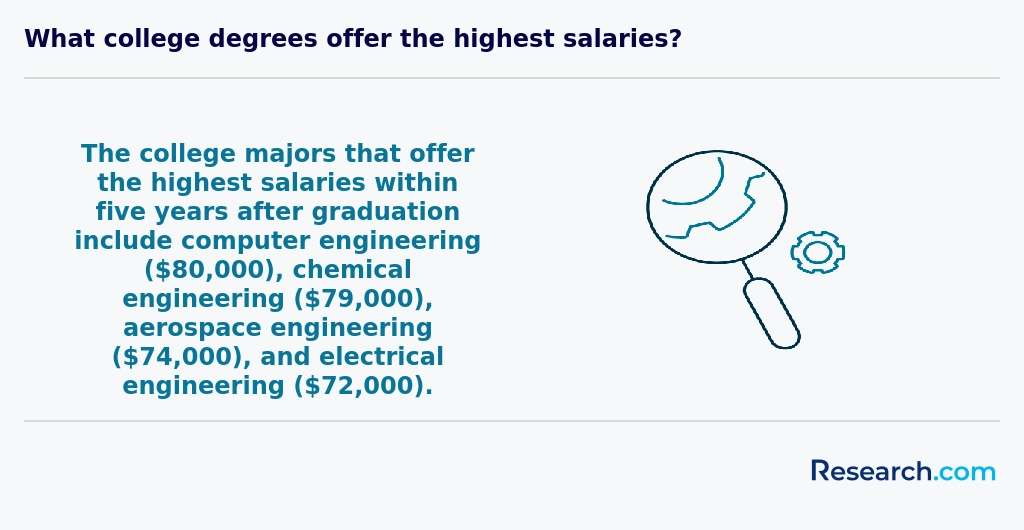
- Entry-level salaries in the Midwest for electrical engineers average between $65,000 and $75,000 annually, increasing to $95,000 to over $110,000 within five to ten years.
- The electrical engineering job market in the Midwest is stable and growing, with a projected 5% to 8% increase in roles over the next decade.
- ABET accreditation is important for program quality and is often required for engineering licensure in Midwestern states.
Imagine diving into your online electrical engineering degree from a Midwest university like the University of Illinois Urbana-Champaign, where full-time students typically cruise through in about four years. One recent graduate shared how balancing late-night coding sessions with weekend family time made the steady, four-year rhythm feel both manageable and rewarding. For those opting into part-time tracks-a popular choice for working professionals-the journey might stretch to five or six years, allowing a seamless weave of career and study without burnout.
Graduate students at Michigan Technological University often embrace a brisk two-year sprint, fueled by the excitement of emerging tech innovations. Some even tap into accelerated or flexible schedules, wrapping up coursework in as little as 18 months, perfect for those hungry to jump into advanced engineering roles ASAP while juggling real-world demands.
These timelines aren't just numbers; they shape lives, balancing ambition with life's beautiful chaos across the heartland.
Imagine juggling a full-time job while diving into circuits and code-this is the rhythm for many Midwest electrical engineering online students at universities like Illinois Tech or the University of Michigan. The flexibility of asynchronous lectures means you can absorb Ohm's law between shifts or during a quiet Friday evening, tailoring your studies around real life rather than reshaping life around your studies.
Contrast that with the buzzing energy on-campus students at Purdue or the University of Illinois experience, where hands-on labs are tangible playgrounds. Feeling the hum of live equipment and the weight of a soldering iron infuses lessons with immediate, tactile feedback, turning theory into lively invention.
Midwest graduates from online programs often cherish their virtual communities that, while quieter than a campus café, offer dedicated career services designed to connect remote learners with regional industry giants. Meanwhile, campus peers thrive amid serendipitous hallway conversations that spark ideas and lifelong connections.
The real distinction? Whether it's the comforting buzz of a lab bench or the customizable freedom of your own schedule, each path ignites the passion for electrical engineering differently but with equal rigor.
When diving into the average cost of online electrical engineering degree Midwest options, students often find a sweet spot between affordability and quality. Public universities typically offer in-state residents a tuition around $30,300, a figure that sparks relief in many graduates who balanced work and study. Out-of-state learners might expect to see costs rise slightly, averaging about $49,110, yet this still feels like a worthy investment given the flexible schedules and innovative curriculums designed for the modern learner.
Take those who enrolled at heavyweight Midwestern schools known for their electrical engineering prowess. Graduates speak warmly of manageable tuition fees combined with robust program support, making the journey through complex circuits and systems less daunting and more inspiring. They've praised the opportunities to tailor credit loads to fit personal rhythms, whether part-time or accelerated, keeping costs efficient without sacrificing depth.
For the creatively curious, the quest to decipher electrical engineer college requirements has become more approachable with resources offered by top institutions. Some even point hopefuls towards financial aid or scholarships that add to the affordability narrative without compromising the prestigious training.
The cost experience at places like the University of Illinois Urbana-Champaign paints a picture of reliability-charging roughly $1,300 per credit for a 30-credit online master's, translating to around $39,000 total. Yet Midwestern powerhouses such as Missouri University of Science and Technology deliver competitive rates nearer to $21,000-$27,000, making the dream of an affordable online master's in electrical engineering Midwest students cherish entirely within reach.
To explore pathways and truly understand electrical engineer college requirements in an evolving landscape, prospective students might find guidance well worth seeking at electrical engineer college requirements.
Picture an eager graduate from the University of Illinois Urbana-Champaign, juggling a full-time job while pursuing their online electrical engineering master's. They tap into federal financial aid like Federal Direct Loans, which act as a lifeline with manageable low interest, helping bridge the gap between ambition and affordability. When those loans no longer cover the full cost, Grad PLUS Loans step in, albeit with a credit check, providing that extra push.
Meanwhile, a student enrolled at Michigan State University counts on state-level scholarships, like Michigan's specialized grants that warmly welcome online learners to ease their tuition load. Imagine Ohio residents benefiting from the Ohio College Opportunity Grant, transforming dreams into degrees without overwhelming debt.
Many Midwestern universities generously sprinkle merit-based scholarships into the mix, rewarding students for academic excellence and real-world grit. Research assistantships at places like Purdue offer not just financial relief but invaluable hands-on experience, blending learning with earning seamlessly.
Beyond the classroom, envision employers in the thriving Chicago tech scene rewarding their engineers' hunger for knowledge with tuition reimbursement, turning careers into tailored success stories. And organizations like the IEEE? They open doors to competitive scholarships, cheering on those daring to innovate the future of electrical engineering in the heart of the Midwest.
Diving into an online electrical engineering degree in the Midwest feels like stepping into a well-oiled machine, where your previous academic gears must mesh perfectly. Graduates from renowned Midwest universities often recall how their grasp of calculus and differential equations paved the way for understanding complex circuits during late-night study sessions. It's not just about books; it's about feeling that spark when physics-especially electricity and magnetism-clicks into place as you simulate real-world problems from your laptop.
Picture enrolling at a top Midwest college: schools typically ask for a bachelor's degree in engineering or close kin like physics or computer science, ensuring students arrive ready to tackle advanced content. Missing a key prerequisite? No stress-many programs are flexible, letting you shore up fundamentals like linear algebra and probability either before or alongside your studies.
Online learners cherish the convenience but know reliable tech and steady internet are must-haves, as immersive labs and software tools create a virtual classroom alive with innovation and connection.

Graduates from online electrical engineering programs at Midwest universities often describe jumping headfirst into the electric pulse of circuit analysis, where the invisible dance of electrons suddenly feels like an open secret. Imagine unraveling the mysteries of power systems, tracing the journey of electricity as it hums through generation plants to the lamps in your own home-a key Midwest perspective given the region's rich energy production history.
Signal processing courses transform students into digital wizards, manipulating waves of data like a DJ mixing beats, with remote labs letting them tinker virtually with real circuits from anywhere in Illinois or Ohio. Embedded systems and microelectronics open doorways to designing sleek hardware, devices that might one day drive agriculture tech across Iowa's vast fields or fuel robotics innovations at a popular Michigan college.
Mathematics classes, often feared, become empowering tools as students conquer linear algebra and probability, modeling dynamic control systems that reflect the precise timing needed in Midwest manufacturing plants. This blend of theory and applied tech fuels a sense of accomplishment that resonates beyond the virtual classroom.
Midwest online master's in electrical engineering concentrations light up the path for students eager to dive into power systems, where graduates from top Illinois and Ohio schools proudly share stories of modernizing grids with renewable energy magic. Imagine crafting circuits that whisper through embedded systems to bring smart cars and medical devices to life-this is where passion meets innovation in Michigan's online programs. Another electrifying chase involves communications and signal processing, where students filter data waves like maestros conducting symphonies of wireless networks. Control systems enthusiasts find joy automating robotics, inspired by real-life factory-floor tales from prominent Midwest tech hubs. The microelectronics and VLSI design track sparks the curiosity of those dreaming of shrinking entire computers onto chips, a feat celebrated by alumni from distinguished regional colleges. Interested students can explore these vibrant paths in detail with the best online electrical engineering degree resources, ensuring they choose specializations that pulse with Midwest's industrial heart.
Imagine yourself navigating the electric currents of choosing the best online electrical engineering degree in the Midwest-a journey where accreditation by ABET acts as your reliable compass. Graduates from institutions like Michigan State University speak vividly of how this seal of approval not only boosted their confidence but also opened employer doors across the region.
Affordability is the spark that keeps your educational engine running smoothly. Many lean towards affordable online electrical engineering degrees Midwest universities offer, juggling tuition with life's fluctuating voltages. Alumni often reflect on balancing their budgets with competitive rates from schools such as the University of Illinois Urbana-Champaign, where financial aid flows as freely as current in a well-designed circuit.
Flexibility is the rhythm of your studies-working professionals cherish asynchronous classes that sync with their busy lives. One graduate recalls thriving despite occasional lab or residency glitches because the program's structure respected real-world demands.
Delving into the heart of faculty expertise and networking is crucial. Programs connected to Midwest industry hubs foster invaluable partnerships and hands-on research, energizing your career prospects.
Don't forget to explore the broader landscape of different engineering majors to see how electrical engineering fits into your grand plan and market trends.
One graduate recalled designing renewable energy solutions harnessing vast Midwestern wind farms, a thrilling dance of science and sustainability. These pathways extend well beyond traditional manufacturing, opening the door to emerging clean energy and bioengineering sectors. The Midwest electrical engineering degree job prospects are a fusion of opportunity and excitement that blend technical mastery with real-world impact, proving that online study here can lead right into the current driving the region's economic future.
Tuition-wise, many students find the cost of engineering degree in the Midwest refreshingly reasonable, between $15,000 and $30,000, making the dream of balancing work, study, and regional career advancement vividly achievable.
The job market for online electrical engineering degree holders in the Midwest hums with opportunity, fueled by manufacturing giants and tech innovators scattered across Illinois, Michigan, and Ohio. Graduates from universities known for robust engineering programs find themselves stepping into roles where automation and smart grid technologies are not just buzzwords but daily challenges to conquer. Imagine collaborating on energy-efficient systems for automotive hubs in Detroit or pioneering aerospace innovations near Chicago-this is the frontier welcoming you.
Many graduates report a gratifying balance of steady employment and competitive salaries ranging roughly from $80,000 to $100,000, reflecting the region's strong economic fabric and demand for skills. Practical experience combined with advanced degrees, often earned online through respected institutions in the Midwest, shapes the ideal candidate profile. For those considering affordability alongside career prospects, exploring affordable engineer schools online presents a strategic advantage in navigating the job outlook for electrical engineering graduates in the Midwest.
Hands-on projects and problem-solving exercises typical in these programs mirror real-world demands, preparing students to thrive in design and testing roles. Midwest electrical engineering online degree employment opportunities abound for those ready to plug into this dynamic ecosystem.
2027 Most Affordable Online Master's in Electrical Engineering Degree Programs Ranking in the Midwest
Investing in your education is a significant decision that can shape your future, and the Research.com team understands the importance of making informed choices. To assist prospective students interested in Electrical Engineering, we have meticulously developed the "2027 Most Affordable Online Master's in Electrical Engineering Degree Programs Ranking in the Midwest." Our commitment to quality, credibility, and accuracy is demonstrated through extensive research and careful analysis to present trustworthy information.
We utilized the following reputable data sources to ensure a comprehensive evaluation of these programs:
By exploring this ranking, readers will gain valuable insights into affordable, high-quality online master's programs in Electrical Engineering across the Midwest, enabling well-informed decisions tailored to their academic and financial goals. For more details on our methodology, please visit our Research.com methodology page.
# 1 position
University of Illinois at Urbana-Champaign
Master of Engineering in Electrical and Computer Engineering

# 2 position
University of Wisconsin-Madison
Master of Electrical & Computer Engineering: Power Engineering


Frequently Asked Questions About electrical engineering
Online electrical engineering degree students in the Midwest can maximize their learning by actively engaging with digital resources and faculty. Utilizing virtual labs and simulation software, such as MATLAB or Multisim, enhances practical skills despite remote settings. Midwest universities often offer access to local industry partnerships, allowing students to connect with professionals for internships and networking. According to the National Science Foundation, the Midwest hosts a strong concentration of electrical engineering jobs, making real-world experience invaluable. Time management and consistent communication with peers and instructors are also critical. Leveraging university career services can help align academic achievements with regional employment opportunities.
The field of electrical engineering is rapidly evolving, with several emerging niches gaining prominence. In the Midwest, areas such as renewable energy systems, smart grid technology, and electric vehicle infrastructure are showing significant growth. According to the U.S. Bureau of Labor Statistics, the demand for engineers skilled in sustainable energy solutions is expected to rise by 8% through 2031.
Additionally, advancements in IoT (Internet of Things) and embedded systems are creating new career opportunities. Midwest universities often tailor online programs to include these specializations, reflecting the local industry demands in cities like Detroit and Minneapolis, known for automotive and tech innovation. These niches offer promising paths for online electrical engineering students.
After completing an online electrical engineering degree in the Midwest, preparing for the job market involves several key steps. First, gaining relevant internships or co-op experience is crucial, as 85% of employers value hands-on experience. Many Midwest companies, such as those in Illinois and Ohio, seek candidates familiar with renewable energy and automation sectors, which are growing rapidly according to the U.S. Bureau of Labor Statistics.
Networking through professional organizations like IEEE Midwest Section can provide valuable contacts and job leads. Additionally, obtaining certifications, such as the Fundamentals of Engineering (FE) exam, enhances employability. Finally, tailoring resumes to highlight skills relevant to Midwest industries can improve hiring prospects.
Employers in the Midwest highly value electrical engineering graduates who demonstrate strong technical proficiency and practical problem-solving skills. Core competencies include circuit design, embedded systems, and proficiency with industry-standard software like MATLAB and CAD tools. According to the National Association of Colleges and Employers (NACE), communication skills remain crucial, as engineers often collaborate with multidisciplinary teams.
Knowledge of renewable energy technologies and automation is increasingly sought after due to the Midwest's growing manufacturing and energy sectors. Data from the Bureau of Labor Statistics highlights that demand for engineers skilled in power systems and control systems is rising by 5-7% annually in this region.
Adaptability and continuous learning are also critical, given rapid technological advancements in fields such as robotics and Internet of Things (IoT).
Finding internships in the Midwest for electrical engineering students requires strategic use of regional resources. Many universities with online programs maintain partnerships with local companies, so checking your school's career services is essential. Platforms like Handshake and LinkedIn list internships specifically in states such as Illinois, Ohio, and Michigan, where manufacturing and energy sectors are prominent employers.
The Midwest hosts large firms like General Electric and Cummins, which regularly offer internships aligned with electrical engineering skills. According to the National Association of Colleges and Employers (NACE), about 60% of engineering students secure internships before graduation, highlighting the importance of early application.
Joining professional organizations, such as IEEE's regional chapters, also provides networking opportunities vital for finding internships. Additionally, many states support internship programs through workforce development initiatives that are accessible online.
Obtaining an online electrical engineering degree in the Midwest can significantly enhance career mobility and advancement. According to the U.S. Bureau of Labor Statistics, electrical engineers in the Midwest earn a median annual wage of about $85,000, with demand expected to grow by 5% through 2031. An accredited online degree allows professionals to gain updated skills and credentials without relocating, fitting well with regional industries such as automotive, manufacturing, and energy sectors centered in states like Michigan and Ohio.
Online programs accredited by ABET are particularly valued by employers across the Midwest. Graduates often qualify for positions involving design, testing, and development of electrical systems, increasing job opportunities. Certifications earned after completing online degrees further boost prospects by certifying specialized knowledge relevant to Midwest industries.
Furthermore, networking through online alumni platforms and regional engineering societies helps graduates connect with local employers, fostering career growth. The flexibility and accessibility of online degrees empower current professionals to pursue advanced roles, including management and research, without interrupting their careers.
Studying for an online electrical engineering degree in the Midwest equips students with strong technical skills and encourages collaboration across multiple disciplines. Many programs emphasize integrating electrical engineering with computer science, mechanical engineering, and data analytics, reflecting the region's diverse industrial base.
Midwestern universities often partner with local industries such as automotive manufacturing and renewable energy, providing real-world interdisciplinary project experiences. According to the National Science Foundation, Midwestern STEM graduates show higher employment rates in cross-sector roles compared to national averages.
This practical focus readies students for careers that require working alongside professionals from different fields, enhancing their adaptability and problem-solving abilities in evolving markets.
Choosing between a thesis and a non-thesis electrical engineering degree program in the Midwest depends largely on your career goals and interests. Thesis programs emphasize research, requiring a formal project and written dissertation, which suits students aiming for doctoral studies or research roles. Non-thesis options focus on coursework, offering more flexibility and faster completion, good for professionals pursuing industry positions.
Midwestern universities like the University of Illinois and Michigan State University offer both formats. According to the National Center for Education Statistics, about 60% of Midwest engineering master's students choose non-thesis paths due to time constraints and job priorities.
Consider your long-term plans and workload before deciding.
Students in the Midwest seeking to study electrical engineering abroad online have several options, primarily through partnerships between U.S. universities and international institutions. Many Midwestern schools offer study-abroad programs or dual-degree options that combine online coursework with short-term residency overseas. These programs maintain accreditation by ABET, ensuring educational standards align with U.S. requirements.
While fully online electrical engineering degrees from foreign universities are limited by U.S. recognition standards, schools in states such as Illinois, Michigan, and Ohio facilitate access to global resources and faculty expertise. The National Science Foundation (NSF) reports that collaborations in engineering education between Midwest institutions and European universities have grown 12% annually, enhancing access for local students.
Students interested in overseas training should also consider internships and cooperative education programs offered jointly by Midwestern universities and foreign partners. These blend practical experience with online theoretical coursework, enriching learning without compromising flexibility or affordability.
Students pursuing online electrical engineering degrees in the Midwest have several part-time job options to enhance their education. Common roles include lab assistants, where they support professors and researchers with experiments. These positions often pay between $12 and $18 per hour, based on university data. Additionally, internships at local manufacturing firms or tech companies, such as those in Illinois and Michigan, offer practical experience and networking opportunities.
Technical support positions in campus facilities or businesses also provide hands-on skills relevant to electrical engineering. According to the U.S. Bureau of Labor Statistics, part-time tech jobs in the Midwest have grown by 5% over the past 3 years, indicating increasing availability.
Online electrical engineering students in the Midwest have access to various networking opportunities despite the remote format. Many universities partner with regional industry leaders, enabling virtual career fairs and professional workshops. According to the National Society of Professional Engineers, Midwest chapters host regular online events that help students connect with licensed engineers and potential employers.
Additionally, platforms like LinkedIn and university alumni networks play a crucial role in fostering connections. Schools often encourage participation in student chapters of IEEE, which organizes local and virtual technical meetings to enhance professional relationships.
The Midwest's strong manufacturing and technology sectors offer internships and co-op programs with companies such as Siemens and Cummins, facilitating hands-on experience and networking.
Alumni networks play a crucial role for online electrical engineering students in the Midwest by providing valuable professional connections. These networks often include thousands of graduates working in key industries such as automotive, manufacturing, and renewable energy, which dominate the region. According to the Electrical Engineering Career Network, Midwest alumni associations help students access exclusive job postings and internships tailored to this sector.
Further, alumni mentorship programs offer guidance on navigating challenges specific to online learning and regional employment trends. Many schools report higher employment rates within six months of graduation for students actively involved in their alumni community.
Additionally, alumni events promote continued learning through webinars and workshops, keeping students updated on industry innovations. This ongoing engagement enhances career advancement opportunities, which is essential in a competitive job market across states like Ohio, Michigan, and Illinois.
Customizing an online electrical engineering degree program in the Midwest allows students to align their education with specific career goals. Many universities offer flexible elective courses in areas such as power systems, telecommunications, or control systems, enabling focused learning. Students can often select capstone projects or research topics that reflect industry interests, enhancing practical skills. Internships or cooperative education options might be available through regional partnerships, providing real-world experience. According to the National Center for Education Statistics, Midwestern schools increasingly integrate industry-relevant technologies to keep pace with evolving electrical engineering fields, making tailored programs more accessible.
Online electrical engineering students in the Midwest often face challenges related to access to hands-on lab experiences. Because practical skills are crucial in this field, limited in-person opportunities can hinder skill development. According to the National Science Foundation, about 40% of engineering education relies on laboratory work, which is harder to replicate online.
Another challenge is balancing coursework with work or family responsibilities. Midwest students frequently pursue online degrees while working full-time, making time management critical. Additionally, internet connectivity in rural areas of the Midwest can be unreliable, affecting participation in live sessions or accessing resources.
Finally, networking opportunities are often less abundant online. Building professional relationships and collaborations is essential in engineering careers but can be more difficult in virtual formats.
An online electrical engineering degree from a Midwest institution can open doors to several respected professional certifications. One of the most sought-after is the Professional Engineer (PE) license, which requires passing the Fundamentals of Engineering (FE) exam and gaining work experience, typically four years. The PE license significantly enhances career prospects in engineering management and consultancy.
Another valuable certification is the Certified Systems Engineering Professional (CSEP), offered by INCOSE, ideal for engineers focusing on complex system design. Additionally, certifications in Project Management Professional (PMP) or Certified Engineering Technician (CET) may complement an electrical engineering degree for Midwest professionals.
According to the National Society of Professional Engineers, over 35% of licensed engineers in the Midwest hold a PE license, underscoring its regional importance.
To craft a winning application for an online electrical engineering program in the Midwest, start by highlighting your academic background, especially any STEM coursework. Many programs require a minimum GPA of 3.0, so make sure to showcase your grades clearly.
Demonstrate relevant work experience, internships, or projects related to electrical engineering to strengthen your profile. According to the National Science Foundation, the Midwest has seen a 5% growth in electrical engineering jobs, making practical experience vital.
Write a focused personal statement explaining your career goals and why the Midwest's online program fits your needs. Tailor each application to the specific school's strengths and research areas.
Lastly, request strong recommendation letters from professors or employers familiar with your technical skills and dedication.
Electrical engineering is a globally valued profession, with demand increasing worldwide due to technological advancements. In the Midwest, this demand reflects national trends. According to the U.S. Bureau of Labor Statistics, electrical engineering jobs are expected to grow about 7% from 2021 to 2031, aligning with global needs in energy, telecommunications, and electronics sectors.
Professionals with electrical engineering degrees often work on international projects, especially in renewable energy and smart technologies. The Midwest, home to several key manufacturing and innovation hubs, offers unique opportunities that connect local expertise to global industry networks.
Moreover, many U.S. accredited online programs focus on global technical standards, preparing graduates for international careers. This makes a Midwest-based online electrical engineering degree relevant beyond U.S. borders while supporting regional workforce demands.
Practical experience is essential when pursuing an online electrical engineering degree in the Midwest. Many programs partner with local industries and tech companies to offer internships or cooperative education opportunities. This hands-on learning helps students apply theoretical knowledge in real-world settings. According to the National Society of Professional Engineers, nearly 60% of electrical engineering students engage in internships during their studies, which boosts employability.
Additionally, students can participate in virtual labs and simulation software included in many online courses. Some institutions also encourage involvement in regional engineering organizations like IEEE Midwest Section, providing networking and project collaboration.
Choosing the right concentration within an online electrical engineering degree in the Midwest depends on your career goals and industry demands. Common specializations include power systems, communications, control systems, and microelectronics, each aligning with different regional job markets. According to the U.S. Bureau of Labor Statistics, the Midwest has growing opportunities in renewable energy and automotive electronics, making these concentrations particularly relevant.
Research programs' curricula to ensure they cover areas matching your interests and emerging technologies. Also, consider faculty expertise and partnerships with local industries, which can enhance practical learning and job placement. Many Midwestern schools update courses regularly to reflect technological advances and market needs.
Finally, review alumni outcomes and job placement rates to find programs that effectively prepare students for the Midwestern job market, where electrical engineering roles grew by about 3% annually over the past five years, per the National Science Foundation.
- Why Electrical Engineers Are in High Demand Globally? - CADD Centre https://caddcentre.com/blog/why-electrical-engineers-are-in-high-demand-globally/
- Electronic/Electrical Engineering Placements/Internships | Gradcracker - Careers for STEM Students https://www.gradcracker.com/search/electronic-electrical/engineering-work-placements-internships
- Is Electrical Engineering Hard? - Delta Wye Electric https://deltawye.com/how-difficult-is-electrical-engineering/
- Find Programs - ABET https://www.abet.org/accreditation/find-programs/
- Why should a student study Electrical Engineering? https://studyfans.com/en/blogs/562
- 10 skills you'll need in electrical engineering jobs at AtkinsRéalis https://careers.atkinsrealis.com/en/life-at-atkinsrealis/blogs/2025/10-skills-you-need-in-electrical-engineering-jobs
- Career Paths & Advancement for Electrical Engineers | Vista Projects https://www.vistaprojects.com/career-paths-advancement-for-electrical-engineers/
- Online Electrical Engineering Degrees https://www.affordablecollegesonline.org/degrees/engineering-programs/electrical-engineering/
- Growing Research Areas in Electrical Engineering https://www.onlineengineeringprograms.com/features/take-aim/electrical-engineering
- Verifying… https://labmidwest.com/rethinking-engineering-education-hands-on-early-on/


