
2027 Most Valuable Online Education Degree Programs Ranking in Florida

Co-Founder and Chief Data Scientist
Choosing the right online education degree program in Florida can feel overwhelming, but it doesn't have to be. This article presents the 2027 Most Valuable Online Education Degree Programs Ranking in Florida created by the Research.com team of data scientists to guide you in making a well-informed decision.
By exploring this ranking, you'll discover programs that balance quality, affordability, and career potential. Earning an education degree is a rewarding step toward a fulfilling career, and this guide is here to help you find the best path for your goals and aspirations.
Key benefits of getting online education degree in Florida
- Graduates with an education degree can earn competitive salaries in Florida, such as $76,000 annually for special education teachers and $77,200 for instructional designers, reflecting strong earning potential.
- Career paths include roles like elementary school teachers, ESL instructors, and early childhood educators, offering diverse and fulfilling opportunities to make a real difference in students' lives.
- Completing an education degree online offers flexibility and convenience, enabling busy Floridians to balance studies with work or family while still accessing quality programs from respected universities.
What can I expect from online education degree in Florida?
The average cost of pursuing an online education degree in Florida typically hovers around $6,300 per year for undergraduate courses at public universities. Graduates from institutions like the University of Florida and Florida State University often highlight how this in-state tuition rate makes earning a degree more affordable compared to out-of-state or private options. For many, this cost-effective pricing removes a significant financial barrier, allowing them to balance studies with work and family more comfortably.
These programs also often provide access to scholarships and financial aid tailored for online learners, which further eases the burden. One graduate shared that applying for state-supported aid helped reduce expenses significantly, making the dream of becoming a licensed teacher a tangible goal.
Because these courses are designed to meet Florida's Department of Education certification requirements, students feel confident their investment leads to a recognized qualification suited for local job markets. This practical combination of affordability, flexibility, and relevance makes Florida's online education degrees highly appealing.
Where can I work with online education degree in Florida?
Graduates with an online education degree in Florida can find solid employment opportunities by focusing on K-12 public schools, which employ over 200,000 teachers statewide. Securing a valid teaching certification is essential here, and many students from institutions like the University of Florida take advantage of online certification programs alongside their degrees to meet this requirement quickly.
Others have built careers as instructional coordinators or curriculum specialists, roles that involve designing teaching materials and training educators. These jobs, growing steadily in Florida, offer a chance to impact student success beyond the classroom, particularly in expanding school districts.
Graduates often land positions at Florida's larger universities, such as Florida State University, working as academic advisors or education administrators. These roles support student services and academic programming with flexibility for those preferring higher education environments.
Many alumni report rewarding work in online curriculum development or virtual instruction, tapping into the increasing demand for digital learning expertise seen across Florida's school districts and private educational companies.
How much can I make with online education degree in Florida?
A graduate with an online education degree in Florida can expect competitive earnings across various teaching and instructional roles. For instance, elementary school teachers earn a mean annual wage of about $70,740 according to recent Bureau of Labor Statistics data, offering a solid starting point for those entering K-12 education. Special education teachers often enjoy even higher wages, roughly $76,000 annually, reflecting the specialized skills required.
English as a Second Language teachers also stand out with mean earnings near $65,430, with hourly pay around $31.46, which can be attractive for graduates from programs at universities like University of Florida or Florida State University. Early childhood educators earn around $41,410 yearly, which fits well with those pursuing early learning roles.
Those focusing on instructional design-especially popular among students at institutions such as the University of Central Florida-can anticipate salaries near $77,200. This opens up doors to corporate training or educational technology positions that combine passion with higher compensation.
Graduates often share how flexible online programs helped them balance study and work, making these salary outcomes feel both attainable and encouraging.
- Key benefits of getting online education degree in Florida
- What can I expect from online education degree in Florida?
- Where can I work with online education degree in Florida?
- How much can I make with online education degree in Florida?
- How do we rank schools?
- 2027 Most Valuable Online Education Degree Programs Ranking in Florida
- What online education degree graduates have to say
- Key Findings
- How long does it take to complete online education degree in Florida?
- Future Trends in Online Education and Career Opportunities
- What's the difference between online and on-campus education degree?
- Accreditation and Licensure Requirements for Online Education Degrees in Florida
- What is the average cost of online education degree in Florida?
- Frequently Asked Questions About Online Education Degrees in Florida
- What financial aid is available to online education degree students in Florida?
- Cost-Effectiveness and Return on Investment of Online Education Degrees in Florida
- What are the prerequisites for enrolling in online education degree program in Florida?
- Affordability and Financial Considerations for Online Education Programs in Florida
- What courses are typically in online education degree programs in Florida?
- What types of specializations are available in online education degree programs in Florida?
- How do you choose the best online education degree in Florida?
- What career paths are available for online education degree students in Florida?
- What is the job market for online education degree in Florida?
- Frequently Asked Questions About education
- Related Education Rankings for Nearby States
- Top Trending Education Rankings
- See What Experts Have To Say About Studying Education
How do we rank schools?
Investing in your education is a significant decision that can shape your future, and the Research.com team understands the importance of making informed choices. To assist prospective students in Florida, we have meticulously developed the "2027 Most Valuable Online Education Degree Programs Ranking in Florida." Our commitment to quality, credibility, and accuracy is embodied in the thorough research and analysis undertaken to create this ranking.
We utilized the following reputable data sources to ensure a comprehensive evaluation of online education degree programs:
By exploring this ranking, readers will gain valuable insights into the most worthwhile online education degrees in Florida, empowering them to make well-informed decisions about their educational paths. For more details on our methodology, please visit our Research.com methodology page.
2027 Most Valuable Online Education Degree Programs Ranking in Florida
# 1 position
Southeastern University
Master
The Master's program at Southeastern University focuses on Educational Leadership and Education, with a length of 18 months. The program has a less selective acceptance rate of 53% and a graduation rate of 43%. Approximately 6,053 students are enrolled online, and 96% of students receive a high level of financial aid. The average total cost for the program is $13,500.
# 2 position

The University of West Florida offers a Master's program focused on Educational Leadership and Education. The 24-month program has a graduation rate of 59% and a less selective acceptance rate of 58%. It serves 8,200 online students and has an average total cost of $14,994. A high level of financial aid is available, with 91% of students receiving support.
# 3 position
Full Sail University
Master
Full Sail University offers a 12-month Master's program focused on Educational Technology and Education. The program serves a large online student body, with 25,607 enrolled. The average total cost is $34,992. Approximately 92% of students receive financial aid, indicating high aid availability. The graduation rate stands at 44%, reflecting the program's completion statistics. Acceptance rate data is not available for this program.
# 4 position

The University of North Florida offers a Master's program in Educational Leadership and Education lasting 18 months. The program has a less selective acceptance rate of 53% and a graduation rate of 69%. It serves a large online student population of 9,880. The average total cost is $19,247, with 86% of students receiving high levels of financial aid.
# 5 position

Nova Southeastern University offers a Doctoral program focused on Education, lasting 36 months. With a 63% graduation rate, the program admits students with a less selective acceptance rate of 73%. The average total cost is $85,250, and all students receive a high level of financial aid. Currently, 2,883 online students are enrolled, reflecting significant remote learning opportunities.
# 6 position
Saint Leo University
Bachelor
Saint Leo University offers a Bachelor program focused on Elementary Education and Education, with an open admission acceptance rate of 78%. The average total cost is $45,600, and the school provides a high level of financial aid, with 100% of students receiving support. The graduation rate stands at 45%, and there are 8,039 students enrolled in online learning, reflecting strong remote education opportunities.
# 7 position

The University of Central Florida offers a Master's program focused on Education with a length of 60 months. The program is moderately selective, admitting about 40% of applicants. It has a graduation rate of 78% and a high level of financial aid, with 92% of students receiving support. The average total cost is $12,753, and there are 59,097 online students enrolled in this program.
# 8 position
University of Central Florida
BachelorThe University of Central Florida offers a Bachelor's degree focused on Special Education and Education. The program has a graduation rate of 78%, indicating strong student success. It is moderately selective with an acceptance rate of 40%. Financial aid is widely available, with 92% of students receiving high aid levels. The program serves a large online community, enrolling 59,097 online students. The average total cost is $21,480.
# 9 position
University of Florida
Master
The University of Florida offers a selective Master's program focused on Education, with an acceptance rate of 24%. The program lasts 24 months and features a high graduation rate of 91%. It serves 3,198 online students, providing a flexible learning environment. Tuition averages $18,397, and 94% of students benefit from high levels of financial aid, making the program accessible to many.
# 10 position
University of Florida
DoctorThe University of Florida offers a selective doctoral program focused on education, with an acceptance rate of 24%. The program spans 24 months and boasts a high graduation rate of 91%. Costs average $45,802, while 94% of students receive financial aid, indicating strong support. Currently, 3,198 students are enrolled online, reflecting a robust digital learning environment.
# 11 position
Lynn University
Master
Lynn University offers a 12-month Master's program focused on Educational Leadership and Education with a graduation rate of 52%. The program has a less selective acceptance rate of 73%, welcoming a broad range of applicants. Approximately 2,110 students are enrolled online, and 98% receive high levels of financial aid. The average total cost for this degree is $23,400, making it a viable option for those seeking flexible, supported education in this field.
# 12 position
Nova Southeastern University offers an 18-month Master's program focused on Education with a graduation rate of 63%. The program has a less selective admission process, accepting 73% of applicants. It serves 295 online students and provides a high level of financial aid, with 100% of students receiving support. The average total cost is $28,260, making it an accessible option for many prospective students.
# 13 position

The Master's program in Education at Florida International University offers an 18-month curriculum designed for a diverse student body. The program has a 74% graduation rate, reflecting strong student success. Admission is less selective, with a 55% acceptance rate, making it accessible to many applicants. A high level of financial aid is available, benefiting 91% of students enrolled.
# 14 position
Florida State College at Jacksonville
Bachelor
Florida State College at Jacksonville offers a Bachelor's degree program focused on Education. The program duration is 24 months, with an average total cost of $12,585. The graduation rate is 37%, and 71% of students receive moderate financial aid. Additionally, there are 12,535 online students enrolled, providing a significant online learning environment for prospective students.
# 15 position

Palm Beach Atlantic University offers a Master's program focused on Educational Leadership and Education. The program spans 24 months, with an average total cost of $13,650. It has an open admission policy, accepting 82% of applicants. The graduation rate is 55%, and all students benefit from high levels of financial aid. Currently, 2,037 students are enrolled in the program fully online.
# 16 position
Lynn University
BachelorLynn University offers a Bachelor's degree in Early Childhood Education and Education designed to be completed in 36 months. The program admits students with a less selective acceptance rate of 73%. Nearly all students, 98%, benefit from high levels of financial aid. The average total cost of the degree is $45,000. The graduation rate is 52%, and the program supports a substantial online student body with 2,110 enrolled in distance learning.
# 17 position
The University of West Florida offers a Doctoral program focused on Educational Technology and Education, designed to be completed in 36 months. With a less selective acceptance rate of 58%, it enrolls approximately 8,200 online students. The program has a graduation rate of 59% and a total average cost of $25,383. A high level of financial aid is available, with 91% of students receiving assistance.
# 18 position
University of West Florida
BachelorThe University of West Florida offers a Bachelor's degree program focused on Education, spanning 48 months. With an acceptance rate of 58%, it is considered less selective. The program has a graduation rate of 59% and serves around 8,200 online students. The average total cost is $26,277, and a high 91% of students receive financial aid to support their studies.
# 19 position

The University of South Florida offers a doctoral program focused on education with a moderately selective acceptance rate of 43%. The program serves a large online student body of 23,297 participants. A high proportion of students, 89%, receive financial aid, indicating strong support for enrollment. Graduates of this program have a 77% graduation rate, reflecting successful completion by most students.
# 20 position
The University of South Florida offers a Master's program focused on Education with a graduation rate of 77%, reflecting a strong completion outcome. The program is moderately selective, with an acceptance rate of 43%. It supports a high level of financial aid, with 89% of students receiving assistance. The program also has a substantial online enrollment, with 23,297 students studying remotely.
What online education degree graduates have to say
- "The University of Central Florida's online education program offered me the flexibility I needed to balance work and study. The interactive courses and supportive professors made learning engaging and accessible. It truly prepared me for a rewarding career in education while fitting perfectly into my busy lifestyle." - Emily
- "Studying online at Florida State University exceeded my expectations. The curriculum was comprehensive and challenging, but the camaraderie among classmates and responsive faculty made every lesson enjoyable. This experience boosted my confidence and equipped me with practical skills to thrive as an educator." - Marcus
- "Embarking on my online education degree with the University of Florida was transformative. The diverse resources and real-world applications helped me grow both professionally and personally. I felt connected despite the distance, and I'm grateful for how accessible and effective the entire program was." - Sophia
Key Findings
- Tuition for online undergraduate education degrees in Florida ranges from $4,000 to $8,000 per academic year for in-state students.
- Graduate education degrees, like a Master's in Education, typically cost between $7,000 and $15,000 annually depending on the school and program length.
- Florida offers state-funded scholarships and federal aid options, including the Bright Futures Scholarship Program, based on academic achievement and enrollment.
- Job growth in Florida's K-12 education sector is strong, with high demand for teachers in STEM, ESOL, and special education fields.
- Starting salaries for teachers with education degrees range from $40,000 to $45,000 annually, increasing to $55,000-$70,000 with experience.
- Online degrees from state-approved programs qualify graduates to apply for professional teacher certification recognized by Florida school districts.
How long does it take to complete online education degree in Florida?
Online education degrees in Florida typically take about four years to complete for full-time students, much like traditional on-campus programs. For example, graduates from popular institutions such as the University of Florida or Florida State University often share how maintaining a full course load streamlined their path to graduation in this timeframe.
Many students appreciate the flexibility offered by schools like the University of Central Florida, which provide accelerated tracks allowing completion in as little as three years by taking extra courses or summer classes. This option works well for highly motivated learners balancing work and study.
Conversely, working professionals attending part-time through colleges like Florida International University might take five years or more, spreading out credits to fit their schedules comfortably. This slower pace often reduces stress and supports sustained motivation over time.
Master's degrees tend to take between 1.5 and 3 years depending on program intensity and if students can leverage prior coursework. Many Florida programs also integrate certification steps, which can extend the timeline but build valuable licensure simultaneously.
Future Trends in Online Education and Career Opportunities
As online education continues to evolve, staying ahead of emerging trends can empower you to capitalize on innovative tools and strategies in the education sector. In Florida, advancements in educational technology—such as AI-driven learning platforms, augmented reality tools, and virtual collaboration spaces—are reshaping the way educators design and deliver lessons. These developments not only enhance the learning experience but also create new avenues for career growth in areas like instructional design and digital curriculum development. Looking ahead, graduates will likely benefit from hybrid models that blend online modules with occasional in-person interactions, allowing for a more dynamic and personalized learning experience. Emphasizing continual professional development, many institutions are now integrating micro-credentials and short certificate courses into their offerings, providing a pathway for lifelong learning and skill enhancement. For prospective students seeking cost-effective options, you might explore the list of affordable online education degrees available, which highlight programs that combine quality education with budget-friendly tuition rates. Furthermore, trends such as increased focus on data analytics in education and the rising importance of soft skills, including communication and emotional intelligence, will likely influence both the curriculum and career opportunities in this field. By aligning your studies with these trends, you can position yourself as a forward-thinking professional equipped to meet the demands of tomorrow’s educational landscape.
What's the difference between online and on-campus education degree?
Choosing between online and on-campus education degrees in Florida comes down to how you want to learn and manage your time. Online programs, popular among busy students juggling jobs or family, let you study remotely on your own schedule. Many graduates from programs at the University of Florida praise the flexibility, noting how asynchronous classes fit smoothly around their hectic days without losing access to quality coursework.
In contrast, those attending on-campus programs, like at Florida State University, benefit from face-to-face interaction with professors and peers. Graduates often highlight the value of hands-on teaching practicums and in-person networking opportunities that build confidence and prepare them for classroom experiences. This format is ideal if you thrive in structured environments and enjoy being actively engaged on campus.
Cost differences matter, too. Online degrees can lower expenses by cutting out fees related to campus facilities and commuting. However, tuition rates depend on the institution, with Florida public universities averaging around $6,500 yearly for in-state students. Ultimately, the choice reflects your lifestyle and study preferences, balancing real-world responsibilities with how you learn best in Florida's education programs.
Accreditation and Licensure Requirements for Online Education Degrees in Florida
Ensuring your online education degree is accredited and meets state licensure standards is crucial for career advancement and credit transferability. In Florida, reputable programs typically hold accreditation from agencies recognized by the Council for Higher Education Accreditation (CHEA) and the U.S. Department of Education, such as the Council for the Accreditation of Educator Preparation (CAEP) or the Southern Association of Colleges and Schools Commission on Colleges (SACSCOC). Accreditation not only validates program quality but also unlocks federal financial aid and simplifies the path to professional certifications. Most teacher certification pathways in Florida require completion of a state-approved educator preparation program and passing scores on FTCE (Florida Teacher Certification Examinations). Graduates of accredited programs are eligible to apply for initial teaching certificates through the Florida Department of Education, which ensures reciprocity with other states—an important consideration for those planning to relocate. When evaluating programs, confirm both institutional and programmatic accreditation, review annual reports on pass rates for licensure exams, and verify that faculty meet state credentialing requirements. Many online schools offer dedicated licensure support, including guided practicum placements and exam prep resources, to help you meet Florida’s rigorous standards. If budget considerations are as important as program quality, compare accreditation status alongside tuition rates by exploring our Inexpensive Online Education Degree Programs Ranking in Manhattan, KS, which highlights accredited online education options renowned for affordability without sacrificing academic excellence.
What is the average cost of online education degree in Florida?
The average cost of an online education degree in Florida can vary widely based on residency and type of institution. For in-state students attending public universities, the median total tuition and fees average around $18,822, making it the most budget-friendly option. Graduates from these programs often appreciate the manageable costs combined with solid education quality, especially at popular public schools well-regarded for their education degrees.
Out-of-state students typically face significantly higher expenses, with median total costs near $40,863. This cost difference prompts many prospective students to weigh the benefits of relocating or establishing residency to access lower tuition rates. Those enrolling in private colleges offering online education degrees usually see expenses closer to the out-of-state range, but sometimes higher, depending on the institution's prestige and resources.
When planning your finances, consider that the total tuition and fees for education degree Florida also include additional expenses like technology fees and course materials. Luckily, many programs now incorporate free or inexpensive digital textbooks, easing the financial burden.
Multiple graduates recommend exploring financial aid options available at Florida institutions to reduce out-of-pocket costs through scholarships and grants. For those curious about the most affordable paths to a teaching career, consulting rankings of the cheapest education programs in Florida can provide practical guidance tailored to budget-conscious students.

Frequently Asked Questions About Online Education Degrees in Florida
Q: How do tuition costs for online education degrees in Florida compare to other states? A: Florida’s in-state online tuition averages around $23,405, which is competitive nationally. For a broader view of affordable online education options outside Florida, you can explore the Inexpensive Online Education Degree Programs Ranking in Manhattan, KS. Q: Will an online education degree from Florida be recognized by school districts? A: Yes. Most Florida online programs are regionally accredited by agencies such as SACSCOC or NCATE, ensuring strong employer recognition and transferability of credits. Q: What technology requirements are needed for these programs? A: Students should have a reliable computer, high-speed internet, and basic proficiency in learning management systems like Canvas or Blackboard. Some programs may require specific software for virtual classrooms and interactive simulations. Q: Can I complete an online education degree while working full-time? A: Absolutely. Florida institutions offer part-time and asynchronous options, allowing you to balance coursework with professional and personal commitments. Many students complete their degrees by setting weekly goals and leveraging virtual office hours. Q: What is the job placement rate for graduates of Florida online education programs? A: While rates vary by institution, top programs often report placement rates above 85% within six months of graduation. Graduates benefit from career services, alumni networks, and state school district partnerships that facilitate job searches and interviews.
What financial aid is available to online education degree students in Florida?
Students pursuing online education degrees at Florida State University or the University of Central Florida often start by applying for the Federal Pell Grant, which offers up to $7,395 annually without the need for repayment. This grant is a critical lifeline for many, helping cover a large portion of tuition costs. After securing federal aid, graduates recommend submitting the Free Application for Federal Student Aid (FAFSA) as early as October 1 to maximize access to state programs like the Florida Student Assistance Grant (FSAG), which further supports residents with demonstrated financial need.
Some online learners successfully reduce expenses by earning Bright Futures Scholarships, typically awarded to recent high school graduates, but also accessible to degree candidates meeting academic criteria. Institutions like the University of Florida offer targeted merit-based and need-based scholarships that past students have used to ease their financial burden.
Additionally, many working professionals benefit from employer tuition reimbursement plans, which are especially common for educators advancing their qualifications. These combined resources create a manageable path toward earning an education degree online in Florida.
Cost-Effectiveness and Return on Investment of Online Education Degrees in Florida
Evaluating the return on investment (ROI) for an online education degree in Florida involves balancing tuition expenses against projected earnings and career growth. By comparing program costs, potential salaries, and payback periods, prospective students can make financially sound decisions. Average Costs and Savings • In-State Tuition: Public four-year universities charge about $9,750 per year, with total annual costs (tuition, fees, living expenses) around $27,146. • Out-of-State and Private Rates: Non-resident students may pay up to $28,386 annually, while private institutions average $38,768. Institutional scholarships and state grants can reduce net expenses by 20–50%. • Textbooks and Supplies: Budget roughly $1,220 per year; digital resources and open-educational materials can lower this cost. Earnings and Payback Timelines • ESL Teachers: Mean salary $63,130; estimated payback in 3–4 years for in-state graduates. • Instructional Designers: Mean salary $73,080; full ROI often achieved within 2–3 years. • Early Childhood Educators: Mean salary $38,640; longer payback of 5–6 years but positioned for rapid advancement with additional certifications. Maximizing ROI • Financial Aid Strategy: Leverage FAFSA, state scholarships (Bright Futures), and work-study to minimize loan balances. • Career Specialization: Pursue high-demand niches (e.g., educational technology, special education) that command premium salaries. • Accelerated Pathways: Intensive or competency-based tracks can shorten time-to-degree, reducing overall costs. For those seeking ultra-low tuition benchmarks and comparative data outside Florida, see our Inexpensive Online Education Degree Programs Ranking in Manhattan, KS.
What are the prerequisites for enrolling in online education degree program in Florida?
To enroll in an online education degree in Florida, start by ensuring you have at least a high school diploma or GED, especially for bachelor's programs. For instance, many students who chose University of Florida's online education track found meeting the 2.5 to 3.0 GPA requirement straightforward with their strong high school records.
If you're aiming for a master's degree, make sure you have a bachelor's from a regionally accredited school and maintain about a 3.0 GPA. Graduates from Florida State University's online master's program often highlight how submitting letters of recommendation and a clear statement of purpose helped clarify their goals and boost confidence through admissions.
Additionally, having a valid Florida teaching license is key if you want to progress in advanced certification programs. Technical readiness matters too-many students at the University of Central Florida praised the orientation modules that taught them how to navigate online platforms smoothly, reducing stress during coursework.
Reliable internet and basic computer skills are non-negotiable prerequisites for success in Florida's flexible, remote learning environment.

Affordability and Financial Considerations for Online Education Programs in Florida
When considering an online education degree in Florida, one crucial aspect to evaluate is the affordability and the various financial considerations that come with it. Understanding the costs associated with these programs can help prospective students make informed decisions about their educational path. For those looking for budget-friendly options, exploring the cheapest education programs in Florida can be a good starting point. This involves not only looking at the tuition fees but also considering other expenses such as textbooks, software, and internet services. Many online education programs in Florida offer flexible payment plans, scholarships, and financial aid to help mitigate these costs. Additionally, students should research and take advantage of state and federal financial aid programs designed to support education students. By carefully planning and managing financial resources, students can pursue their online education goals without undue financial stress, ultimately preparing them for a successful and rewarding career in education.
What courses are typically in online education degree programs in Florida?
Online education degree programs in Florida typically include courses that balance theory with actionable skills you'll use as a teacher. Graduates from schools like the University of Florida or Florida State University often share how foundational classes in educational psychology and curriculum design helped them understand student learning styles and develop lesson plans tailored to diverse classrooms.
Expect to dive into practical subjects like classroom management and assessment techniques. These courses prepare you to handle real-life challenges such as maintaining student engagement or measuring progress effectively. For instance, many graduates recall using digital learning tools learned during coursework to create interactive lessons that boosted participation both online and in-person.
Diversity and inclusion are integral parts of the curriculum, reflecting Florida's multicultural student population. Students appreciate how these lessons prepare them to meet the needs of learners from varied backgrounds, fostering equity in education. Finally, practicum experiences embedded in these programs provide hands-on teaching opportunities under supervised settings, crucial for certification through the Florida Department of Education.
What types of specializations are available in online education degree programs in Florida?
Online education degrees in Florida typically offer several practical specializations tailored to meet local educational demands. Graduates from the University of Florida often highlight the value of the Early Childhood Education track, which equips them to support young learners in preschools and daycare centers effectively. Florida State University alumni find the Educational Leadership and Administration specialization crucial when stepping into roles as school principals or program coordinators, mastering school law and organizational management firsthand.
For those seeking to make a difference in diverse classrooms, the Special Education and ESOL (English to Speakers of Other Languages) tracks are highly recommended. These focus areas prepare educators to work with children who have unique learning needs or are English language learners, a growing necessity in Florida's multicultural communities. Many students pursuing Florida online teaching degree options appreciate how the Curriculum and Instruction specialization enhances their ability to design effective teaching strategies.
To explore financial options and program varieties, students can check a list of affordable online education degrees. These specializations offer pragmatic pathways grounded in real classroom experiences across Florida's leading universities, helping education professionals advance with confidence.
How do you choose the best online education degree in Florida?
Start by confirming that the online education degree program in Florida is accredited by recognized bodies like the Southern Association of Colleges and Schools Commission on Colleges (SACSCOC). Graduates from popular institutions often mention how this accreditation made transferring credits and securing teaching jobs easier. Next, examine the curriculum to ensure it fits your career goals-whether you want to teach elementary school, special education, or pursue educational leadership. Practical experiences such as internships or student teaching are vital; many Florida colleges arrange local placements that helped past students build confidence and real-world skills.
Compare tuition and fees carefully, since affordable online teaching degrees Florida residents favor often come with lower costs or specialized financial aid. Online students from well-known Florida universities appreciate flexible schedules with asynchronous classes and multiple start dates, which blend well with busy lives. Don't overlook student support services, which previous online learners find crucial for staying on track. For more cost-effective options, check out the Inexpensive Online Education Degree Programs Ranking in Manhattan, KS.
What career paths are available for online education degree students in Florida?
Graduates with an online education degree in Florida find practical career opportunities in diverse roles beyond traditional teaching. Many secure positions as public or private school teachers across elementary, middle, or high school levels, especially in high-demand subjects like math and science. Others take on specialized roles such as special education instructors or curriculum developers, shaping the learning experience statewide. For instance, graduates from popular Florida colleges often share how hands-on training and licensure preparation aligned with Florida's certification exams made transitioning into classrooms smoother and more rewarding.
Additional roles include educational coordinators, administrators, or instructional technology specialists, where graduates support schools by managing programs or integrating digital tools. Adult education teachers and corporate trainers also represent viable paths, especially for those looking to leverage their education degree for flexible career options. Exploring affordable online schools for working adults in Florida can help balance work and study efficiently.
These diverse options contribute to strong online education degree careers Florida graduates enjoy, blending practical skills with the state's growing education sector demand.
What is the job market for online education degree in Florida?
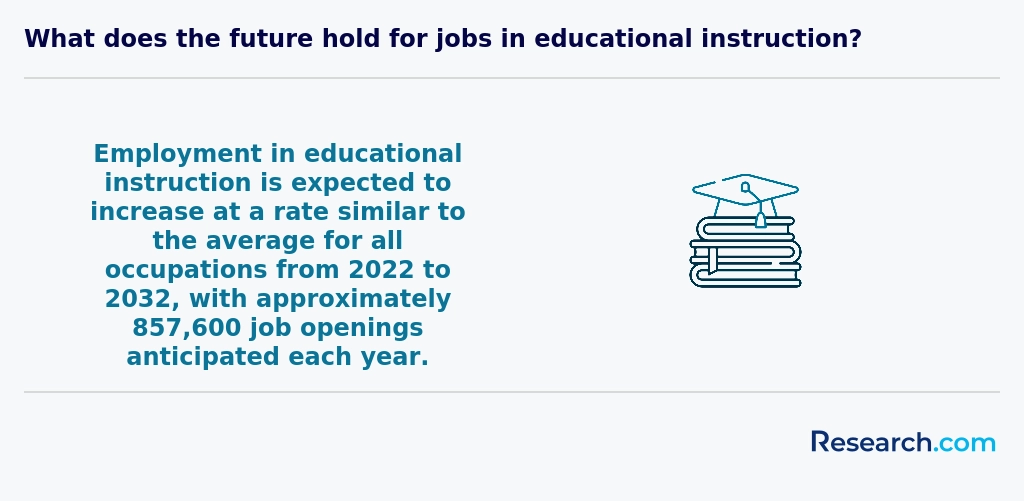
The job market for graduates with an online education degree in Florida is promising, especially given the strong demand for qualified teachers throughout the state. Universities like the University of Central Florida and Florida State University often report many of their online education graduates quickly find roles in public and private schools, thanks to Florida's steady need for educators in areas such as math, science, and special education. This consistent demand translates into career stability and growth.
Graduates also benefit from increasing salaries, with average starting pay around $47,500, helping make education careers more attractive. Many find success not only in traditional teaching positions but also in roles like instructional coordination or educational technology, areas growing rapidly in Florida's evolving learning landscape. Networking with alumni from popular institutions often helps students land these roles.
Online programs in Florida offer affordable tuition, typically around $6,300 annually for in-state students, making it practical to pursue these degrees. Many graduates pair their studies with certifications programs that pay well, boosting their employability further. This pragmatic approach maximizes both skills and job opportunities in the Florida job outlook for education graduates.
Frequently Asked Questions About education
Online education degree students in Florida can enhance their learning experience by actively engaging with course materials and peers. Florida offers numerous accredited institutions with flexible schedules, allowing students to balance studies with personal and professional commitments. According to the Florida Department of Education, students who participate regularly in discussion boards and virtual study groups report higher satisfaction and improved grades.
Utilizing campus resources such as tutoring centers, library databases, and academic advising-many available remotely-can further support success. Time management is crucial; Florida students benefit from creating study plans aligned with course deadlines. Staying connected with instructors and seeking feedback helps clarify complex topics and maintain motivation.
The education field in Florida is experiencing growth in specialized areas that cater to evolving societal needs. One emerging niche is educational technology, which integrates digital tools to enhance learning. According to the Florida Department of Education, demand for professionals skilled in e-learning platforms has increased by 20% over recent years.
Another growing area is special education, focusing on support for students with disabilities. Florida's public schools report a steady rise in enrollment of special education students, highlighting the need for qualified educators.
Additionally, adult education and workforce training programs are expanding, driven by economic shifts and the need for continuous skill development. These niches reflect broader trends influencing the state's education landscape.
Graduates with online education degrees in Florida should begin preparing for the job market by gaining relevant teaching experience, such as student teaching or volunteering in local schools. Florida's Department of Education requires certification, so obtaining a professional teaching license is essential for many roles. Networking through professional organizations like the Florida Education Association can increase job opportunities and provide industry insights.
Additionally, staying updated with technologies used in classrooms is crucial, as digital literacy is highly valued. According to the Bureau of Labor Statistics, Florida's employment for teachers is projected to grow by 7% through 2031, suggesting steady demand. Tailoring resumes to highlight both online learning skills and in-person experience helps graduates stand out.
Employers in Florida seek several key skills when hiring graduates with education degrees, particularly those trained through online programs. First, strong communication abilities are essential, as educators must effectively engage with students, parents, and colleagues. According to the Florida Department of Education, skills in classroom management and adaptability to diverse student needs are also highly valued.
Technological proficiency is increasingly important due to the rise of digital classrooms and remote learning tools. Data from the National Center for Education Statistics highlights that Florida schools prioritize candidates comfortable with education technology.
Critical thinking and problem-solving capabilities help educators tailor instruction to improve student outcomes, a skill emphasized in Florida's professional teaching standards.
Lastly, employers appreciate graduates who demonstrate cultural competency, reflecting Florida's diverse student population across grades and districts.
Finding internships in Florida related to an education degree involves strategic networking and research. Many Florida school districts, such as Miami-Dade and Hillsborough, offer internship opportunities for education students to gain practical experience. The Florida Department of Education also lists programs and partnerships designed to connect students with internships.
In addition, online education degree programs in Florida often provide career services that include internship placement assistance. Using platforms like Handshake or the Florida Education Foundation's resources can help identify openings suited for education majors.
Students should actively contact local schools and educational nonprofits to inquire about internships. According to the National Center for Education Statistics, internships significantly enhance employment prospects in education fields.
Obtaining an online education degree in Florida can significantly impact career mobility and advancement for educators. The state's emphasis on improving K-12 education outcomes has increased demand for qualified teachers and administrators with advanced credentials. According to the Florida Department of Education, educators holding a bachelor's or master's degree in education often qualify for higher pay scales and priority in hiring. Online programs accredited by regional bodies ensure degrees meet state certification standards, making graduates eligible for various teaching licenses across Florida.
Online degrees also offer flexibility, allowing working professionals to upskill without interrupting their careers. Data from the National Center for Education Statistics highlights continued growth in online enrollment in Florida's higher education institutions, reflecting a shift toward accessible professional development.
Studying for an education degree in Florida offers strong preparation for interdisciplinary roles by emphasizing a broad skill set across multiple fields. Florida's online education programs integrate curriculum design, technology use, and leadership training, equipping graduates to work in diverse environments such as schools, community organizations, and businesses.
Many programs include coursework in psychology, sociology, and communications, reflecting the interdisciplinary demands of modern education careers. According to the Florida Department of Education, graduates are encouraged to develop critical thinking and collaborative skills to address varied student needs.
Florida's large and diverse student population fosters practical experience in multicultural settings, further preparing learners to navigate complex roles efficiently.
Choosing between a thesis and a non-thesis education degree program in Florida depends on your career goals and learning preferences. Thesis programs emphasize research skills and require students to complete an original research project. This path suits those aiming for doctoral studies or research-oriented careers. Non-thesis programs focus more on coursework and practical training, ideal for professionals seeking to advance in teaching or administration roles without the time commitment of research.
Florida's Board of Governors reports that many public universities offer both options online, with thesis programs typically extending study by six months.
Consider your schedule, career plans, and interest in research when deciding.
Students based in Florida seeking to study education abroad have several pathways facilitated by U.S. higher education policies. Many Florida universities participate in exchange programs and partnerships with international institutions, allowing students to earn credits overseas while enrolled online. According to the Florida Department of Education, over 30% of public universities in the state offer study-abroad components integrated with online education degrees.
Additionally, students can engage in hybrid programs combining online coursework with short-term international residencies. Financial aid and scholarships specific to study abroad are accessible through federal programs like Gilman Scholarships, which Florida students frequently utilize. These opportunities broaden global perspectives, preparing educators for diverse classrooms. For the most current partnerships, students should consult institutional study abroad offices and state education resources.
Part-time job opportunities in Florida that complement education degree studies are abundant and varied. Many students find roles as teacher assistants in public and private schools, gaining valuable classroom experience while pursuing their degrees. According to the Florida Department of Education, nearly 15% of education majors engage in school support roles during their studies.
Another common position is tutoring, either independently or through local learning centers, where students reinforce their subject knowledge and develop instructional skills. Additionally, jobs in afterschool programs or childcare facilities offer hands-on experience with youth development and educational practices.
Institutions like Miami-Dade College often partner with schools, facilitating work-study placements.
Networking opportunities for online education students in Florida are steadily growing as universities and colleges expand their virtual communities. Many institutions offer dedicated online forums, virtual meetups, and collaborative projects to connect students across the state.
Florida's State University System reports that over 75% of online students participate in at least one virtual networking event, which helps build professional relationships. Additionally, local chapters of national education organizations often provide online workshops and seminars accessible to remote learners.
Professional development through platforms like LinkedIn and state education conferences also enhances networking chances. These opportunities support students in forming meaningful contacts that can lead to internships, mentorships, and career advancement within Florida's education sector.
Alumni networks offer significant benefits to students pursuing online education degrees in Florida. These networks connect current students with graduates who can provide career advice, job leads, and mentorship. According to the Florida Department of Education, strong alumni engagement correlates with higher employment rates within six months post-graduation.
Florida's universities often support online students with virtual events and networking platforms, bridging geographical distances. This access is crucial, as 45% of online graduates in Florida reported that alumni connections helped them secure internships or jobs, according to a 2023 Educate Florida report.
Moreover, alumni networks foster a sense of community, which can enhance student motivation and academic success throughout a remote program.
Customizing an online education degree program in Florida allows students to align their studies with specific career goals. Many Florida universities offer flexible curricula, enabling students to choose concentrations such as special education, curriculum development, or educational leadership.
Additionally, students can select electives that enhance skills relevant to their desired roles. For example, professionals aiming for administrative positions often focus on courses in educational policy and management. According to the Florida Department of Education, online programs increasingly provide options for internships and practicums, giving practical experience.
Students should also consider programs accredited by the Council for the Accreditation of Educator Preparation (CAEP) to ensure quality and acceptance by employers. Customization not only enhances career readiness but also can affect salary potential, which, according to the U.S. Bureau of Labor Statistics, averages $60,000 annually for education administrators in Florida.
Students pursuing online education degrees in Florida commonly face challenges related to technology access and internet connectivity. According to the Florida Department of Education, nearly 15% of students report unreliable internet at home, which can disrupt participation in live lectures and timely submission of assignments.
Time management is another significant obstacle. Balancing work, family, and study commitments requires strong organizational skills often difficult for adult learners. The Florida Virtual School notes many adult students struggle to allocate consistent hours to coursework.
Additionally, some students experience feelings of isolation due to limited in-person interaction. This challenge can affect motivation and engagement. Florida universities have responded with virtual study groups and increased advisor support to help mitigate this issue.
With an online education degree in Florida, graduates can pursue several professional certifications to enhance their career prospects. One of the most common is the Florida Professional Educator Certification, which allows individuals to teach in public schools across the state. This certification requires passing the Florida Teacher Certification Examinations (FTCE).
Additionally, many graduates pursue National Board Certification, a voluntary advanced credential recognized nationwide. It demonstrates a higher standard of teaching excellence. Some professionals also seek specialized certifications in areas like educational leadership, reading instruction, or special education, depending on their career goals.
According to the Florida Department of Education, nearly 70,000 active certified teachers serve in the state, highlighting the demand for qualified educators with proper credentials.
When applying for an online education degree program in Florida, start by carefully reviewing the specific admission requirements for your chosen school. Many institutions require a minimum GPA, official transcripts, and letters of recommendation. According to the Florida Department of Education, most online education programs look for candidates who demonstrate strong academic performance and relevant experience.
Craft a clear and concise personal statement explaining your motivation to pursue education online and your career goals. Highlight any previous teaching or related experiences to strengthen your application. Florida schools value applicants who show commitment to serving diverse educational communities.
Be sure to submit all documents by the deadlines listed by each university. Meeting these requirements significantly increases your chance of acceptance.
The global perspective on a career in education recognizes it as a vital profession shaping societies worldwide. In the United States, including Florida, education careers are valued for their role in developing future generations and fostering social progress. According to the Florida Department of Education, there is steady demand for qualified teachers, particularly in STEM and special education fields.
Internationally, teaching qualifications often emphasize cultural awareness and adaptability, skills that online education degrees increasingly promote. For Florida students, online programs provide flexible pathways to meet licensure requirements while gaining a global outlook.
Furthermore, worldwide trends prioritize continuous professional development, with U.S.-based educators encouraged to pursue advanced certifications to remain competitive. This dynamic reflects the evolving nature of education careers on a global scale.
Gaining practical experience while studying for an online education degree in Florida is essential for strengthening teaching skills and improving job prospects. Many Florida institutions require or encourage students to complete field experiences, including student teaching or internships, which can often be arranged at local schools near the student's residence. According to the Florida Department of Education, practical classroom experience is a key component of teacher certification. Online programs may also offer virtual simulations and interactive assignments designed to develop real-world teaching strategies.
Additionally, networking through Florida-based educational organizations can help students find volunteer or assistant teaching roles. These experiences provide valuable insight into classroom management and instructional methods in diverse school settings.
Choosing the right concentration within an online education degree in Florida involves assessing your career goals and local demand. Florida schools often offer concentrations such as curriculum development, special education, or educational leadership. The Florida Department of Education highlights strong growth in special education roles, with a 12% increase in job openings by 2028. Investigate courses that build skills aligned with these in-demand fields. Additionally, consider accreditation and how well the concentration prepares you for Florida's certification requirements. Programs aligned with state standards increase your chances of employment in public schools. Research workforce trends and talk to advisors for guidance tailored to Florida's education market.
Related Education Rankings for Nearby States
- 2027 Most Valuable Online Education Degree Programs Ranking in Georgia
- 2027 Most Valuable Online Education Degree Programs Ranking in South Carolina
- 2027 Most Valuable Online Education Degree Programs Ranking in Mississippi
- 2027 Most Valuable Online Education Degree Programs Ranking in North Carolina
- 2027 Most Valuable Online Education Degree Programs Ranking in Kentucky
- 2027 Most Valuable Online Education Degree Programs Ranking in Arkansas
- 2027 Most Valuable Online Education Degree Programs Ranking in Missouri
- 2027 Most Valuable Online Education Degree Programs Ranking in Indiana
- 2027 Most Valuable Online Education Degree Programs Ranking in Ohio
- 2027 Most Valuable Online Education Degree Programs Ranking in Illinois
Top Trending Education Rankings
See What Experts Have To Say About Studying Education
Read our interview with Education experts

Alan J. Singer
Education Expert
Professor of Teaching, Learning and Technology
Hofstra University

Nooshan Ashtari
Education Expert
Professor & Book Author
University of Southern California

References
- Putting theory into practice: The value of an interdisciplinary approach to teaching https://my.chartered.college/impact_article/putting-theory-into-practice-the-value-of-an-interdisciplinary-approach-to-teaching/
- Online Teaching Jobs | Elevate K-12 https://www.elevatek12.com/online-teaching-jobs/
- The importance of networking in the education sector https://www.tlclive.com/blog/the-importance-of-networking-in-the-education-sector
- Finding Networking Opportunities as a Student | National Society of High School Scholars https://www.nshss.org/resources/blog/blog-posts/how-to-find-networking-opportunities-as-a-student/
- What Employers Actually Want From Graduates https://bodyswaps.co/resources/blog/what-employers-actually-want-from-graduates
- The 8 challenges of education in a changing world https://casvitrescantos.com/en/the-8-challenges-of-education-in-a-changing-world/
- FAQs – FIN Network https://fin-network.org/faqs-2/
- How to Write a Great Letter of Intent for a Teaching Job | Zen Educate https://www.zeneducate.com/us/resources/becoming-a-teacher/how-to-write-letter-of-intent-teaching-job/
- Online Degree vs. Traditional: Choosing the Right Path https://beal.edu/online-degree-vs-traditional/
- Home https://www.teachercertificationdegrees.com/


